
工业母机

Search documents
从DeepSeek到《哪吒2》:AI狂飙下的制造业突围,如何颠覆?怎么破局?
Mei Ri Jing Ji Xin Wen· 2025-05-10 14:00
Core Insights - The emergence of DeepSeek in early 2025 highlights China's innovative capabilities on the global stage, showcasing strong potential in various sectors including generative AI, humanoid robots, civil aviation, and quantum information [1] - The discussion emphasizes that innovation today is characterized by technological convergence and cross-industry collaboration, moving away from isolated technological advancements [5] Group 1: Industry Innovation - The current innovation landscape is marked by a shift towards collaborative efforts among companies, with a focus on integrating various technologies rather than developing them in isolation [5] - Companies like China General Technology Group and Haier are actively engaging in partnerships to enhance their innovation capabilities, reflecting a new paradigm in industrial development [6] Group 2: AI Application and Assessment - In an AI assessment, Haier Group scored 90, leading the evaluation, while China National Machinery Group scored 80, and China General Technology Group received 75, indicating varying levels of AI integration and application [7] - Haier's high score reflects its commitment to fully embrace AI across all operations, aiming to enhance competitiveness and establish a global brand presence [8] Group 3: Future Directions - The rapid development of AI technology presents both opportunities and challenges for the manufacturing sector, necessitating a comprehensive embrace of AI in product design, manufacturing, and user experience [9] - Green transformation is identified as a crucial direction for future manufacturing development, with companies like Haier focusing on sustainable practices and personalized production through AI [10]



贸易变局下投资如何破题?五大方向或是关键(附基金)
天天基金网· 2025-05-07 11:34
Core Viewpoint - The article emphasizes the need to adapt investment strategies in response to changing global trade dynamics, focusing on domestic consumption and sectors less affected by international trade tensions [2][24]. Group 1: Non-Export Industries - Non-export industries are characterized by having a complete domestic supply chain, with products or services produced and consumed within the country, making them less directly impacted by tariff changes [5][6]. - Key sectors include finance, real estate, public utilities, and transportation, which are expected to benefit from stable domestic demand despite external pressures [6][7]. Group 2: Domestic Demand-Related Industries - There is significant potential for growth in domestic demand-related industries, such as food and beverage, tourism, agriculture, and pharmaceuticals, driven by government policies aimed at boosting internal consumption [8][10]. - The World Bank reports that in 2023, China's final consumption expenditure accounted for 55.6% of GDP, which is 17.4 percentage points lower than the global average, indicating room for growth [8]. Group 3: Rare Earth and Military Industries - The rare earth sector is crucial for military applications and has a significant strategic advantage, as China controls 49% of global rare earth reserves and 90% of refining capacity, making it a key player in global supply chains [14][16]. - Military strength is seen as essential for protecting economic interests, with the military-industrial complex being a focus for investment [16][17]. Group 4: Self-Sufficiency and Control - The emphasis on self-sufficiency highlights the importance of mastering core technologies across various sectors, particularly in semiconductors, high-end chips, and industrial machinery, to mitigate external dependencies [19][20]. - Recent advancements in domestic technology, such as breakthroughs in semiconductor equipment, underscore the urgency of achieving technological independence [19][20]. Group 5: Artificial Intelligence - Artificial intelligence is identified as a critical area for future competition between major powers, with the potential to transform various industries and drive economic growth [21][23]. - China's advantages in AI include a large internet user base and a strong talent pool, positioning it well for advancements in this field [23].


政策“组合拳”:稳市场、促转型
Huafu Securities· 2025-05-07 09:00
Group 1 - The report outlines a comprehensive set of financial policies aimed at stabilizing the market and promoting transformation, introduced during a press conference by key financial leaders [1][2][7] - The monetary policy includes three categories and ten specific measures, focusing on quantity, price, and structure to enhance liquidity and lower financing costs [10][11][12] - A targeted support for the real estate sector is highlighted, with a reduction in housing provident fund loan rates expected to stimulate demand and stabilize the market [16][17] Group 2 - The capital market is set to receive increased funding through systematic reforms, including the expansion of insurance capital investments and adjustments to regulatory frameworks to encourage long-term investments [17][20] - The report emphasizes the importance of a stable capital market structure, aiming to attract long-term capital and enhance market resilience through various policy measures [20][21] - Historical data indicates that previous reductions in reserve requirements have led to positive market reactions, suggesting that the current policy measures may similarly boost market sentiment [21][24] Group 3 - Future investment opportunities are identified in high-growth sectors such as domestic computing power, industrial machinery, and defense industries, driven by policy support and global technological trends [28] - The report suggests that sectors sensitive to interest rate declines, such as real estate development and home improvement, may benefit from the current economic policies [28] - Consumer sectors, particularly those related to discretionary spending and healthcare, are expected to thrive due to lower mortgage rates and supportive consumption policies [28]
民营经济活力提升
Jing Ji Ri Bao· 2025-05-06 22:21
Core Insights - The private economy in China is showing strong vitality and growth potential, with a significant increase in newly established private enterprises and a positive shift in private investment growth [1][2] Investment Environment - A series of policy measures have created a better investment environment for private enterprises, particularly in competitive infrastructure sectors, which has stimulated market competition and innovation [2] - The Hangzhou-Shaoxing-Taizhou Railway, a privately controlled high-speed rail, has achieved a record daily passenger volume of nearly 50,000, indicating robust performance since its opening [2] Private Investment Trends - In the first quarter, private investment grew by 0.4% year-on-year, with manufacturing and infrastructure sectors seeing increases of 9.7% and 9.3% respectively, outpacing average growth rates across various fields [2] - The digital economy is emerging as a hotspot for private investment, with 27.4 million new private enterprises established in this sector, accounting for 13.9% of all new private enterprises [3] Foreign Trade Performance - In the first quarter, the number of private enterprises engaged in foreign trade reached a historical high of 455,000, representing 86.1% of all enterprises with import and export performance [4] - Private enterprises are increasingly viewing international expansion as a key strategy for market growth, with notable trends in "brand globalization" and "green low-carbon" initiatives [4] Export Growth - Private enterprises' export value increased by 5.8% year-on-year, accounting for 56.8% of total import and export value, marking a 2.4 percentage point increase from the previous year [5] - The demand for high-tech products in global markets has significantly benefited private enterprises, contributing to their strong export performance [5] Innovation and Technology - The first quarter saw a 9.7% year-on-year increase in the added value of high-tech manufacturing, with significant growth in information technology services [7] - New private enterprises in emerging fields such as artificial intelligence and high-end equipment manufacturing are on the rise, indicating a shift towards innovation-driven growth [7][8] Policy Support for Innovation - Various policies are accelerating the sharing of innovative resources with private enterprises, creating a favorable environment for their development [8] - Despite progress, challenges remain in areas such as basic research investment and intellectual property conversion rates, suggesting a need for further support and collaboration in innovation [8]
武汉推动新兴产业保持年均20%以上增速
Chang Jiang Ri Bao· 2025-04-30 07:04
Core Viewpoint - Wuhan is accelerating its transformation and upgrading to establish a modern industrial system characterized by its unique advantages, focusing on advanced manufacturing as the backbone and aiming to develop a competitive industrial cluster aligned with the "51020" strategy [1][4]. Group 1: Industrial Upgrading and Development - Wuhan is focusing on upgrading traditional industries, particularly in steel and traditional fuel vehicles, while implementing capacity reduction [4]. - The petrochemical industry is undergoing a transformation with a focus on reducing oil, increasing chemical production, and enhancing quality through major technological upgrades and equipment renewal [4]. - The city is emphasizing the development of high-value-added sectors such as chips, smart connected vehicles, biomedicine, and industrial mother machines, aiming for an annual growth rate of over 10% in these advantageous industries [4]. Group 2: Emerging Industries and Innovation - Wuhan is seizing opportunities in emerging sectors like software, artificial intelligence, commercial aerospace, and robotics, with a target of maintaining an annual growth rate of over 20% in these new industries [4]. - The city is implementing a "seedling project" to cultivate enterprises across different growth stages, focusing on seven new sectors, thereby forming leading companies that can compete globally [4]. Group 3: Resource and Ecosystem Support - Wuhan is enhancing resource support by focusing on capital empowerment, aiming to attract national-level industrial funds and establishing long-term connections with local investment platforms [5]. - The city is also strengthening scenario empowerment by building innovation laboratories and enhancing the application of artificial intelligence in various scenarios [5]. - Talent support is being prioritized through a mechanism that focuses on the needs of enterprises for selecting, utilizing, and nurturing talent [5].
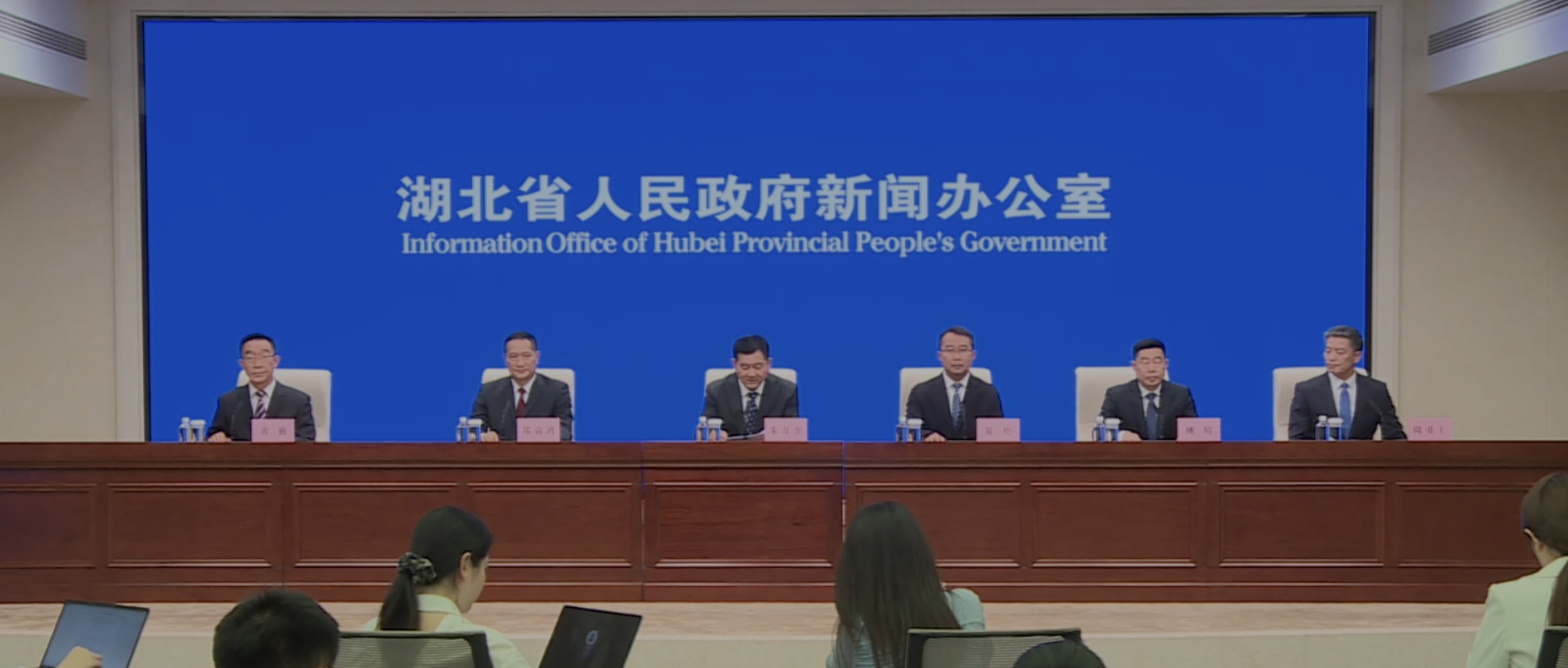
协同才是最优方案(评论员观察)——更好发挥高质量发展动力源作用①
Ren Min Ri Bao· 2025-04-29 22:08
Core Insights - The article emphasizes the importance of collaborative development among the Beijing-Tianjin-Hebei, Yangtze River Delta, and Guangdong-Hong Kong-Macau Greater Bay Area regions to drive high-quality economic growth [1][2] Group 1: Economic Development - The Beijing-Tianjin-Hebei region has seen significant improvements in its economic landscape, with a shift from heavy reliance on traditional industries to emerging sectors such as aerospace information, new energy vehicles, and big data [1] - In 2024, regions like Xiong'an New Area, Shijiazhuang, and Tangshan are expected to experience net population inflows, indicating increased urban attractiveness [1] - The strategic framework of the Beijing-Tianjin-Hebei collaborative development is becoming clearer, with Beijing as the core, supported by Xiong'an New Area and the Beijing urban sub-center, facilitating coordinated growth [2] Group 2: Industrial Collaboration - The collaboration among the three regions has led to a shift from self-sufficient development to benchmarking against each other, enhancing industrial synergy [2] - Beijing is focusing on high-tech and high-precision industries, while Tianjin is moving away from heavy industry towards high-end manufacturing, and Hebei is adopting a "specialized, refined, and innovative" approach [3] - The regions are working together to build six industrial chains, including high-end equipment and robotics, transitioning from planning to actual implementation [3] Group 3: Educational and Social Integration - The first phase of the Xiong'an campus project, which is part of Beijing's initiative to relieve non-capital functions, is set to commence this year, with the first batch of students expected by 2027 [4] - Collaborative efforts are enhancing social integration, with initiatives like shared public services and cultural exchanges between Beijing, Tianjin, and Hebei [4] - The psychological and emotional connections among the regions are strengthening, laying a solid foundation for collaborative development [4]

华辰装备(300809) - 300809华辰装备投资者关系管理信息20250429
2025-04-29 09:36
Group 1: Company Performance and Financials - The overall production and operational situation of the company is good, with a focus on innovation and sustainable development [2] - The profit distribution plan for the 2024 fiscal year will be reviewed at the shareholders' meeting on May 14, 2025, and implementation will occur within two months after approval [2] - The company emphasizes a positive dividend policy to ensure reasonable returns to shareholders [2] Group 2: Research and Development - The company maintains a high level of R&D investment annually, aligning with national strategic development directions [3] - Focus areas for R&D include high-end precision grinding equipment for key sectors such as new energy, semiconductors, robotics, and aerospace [3] - The company aims to deepen partnerships with industry chain enterprises, research institutions, and universities to contribute to the modernization of the industrial system [3] Group 3: Business Collaborations - The joint venture with Changguang Daqi focuses on ultra-precision optical component grinding machines and related services [3] - Ongoing business cooperation with Fuliwang Precision is progressing as per the agreement [3] Group 4: Market Impact and External Factors - The company currently has no direct exports to the U.S., and the impact of U.S. tariffs is minimal [3]
巨能股份2024年营收增长超16% 将加大研发投入打造高度柔性智能制造系统
Zheng Quan Shi Bao Wang· 2025-04-27 07:07
Core Insights - In 2024, the company reported total revenue of 253 million, a year-on-year increase of 16.65%, but experienced a net profit loss attributed to market demand slowdown and intense competition [1] - The company is a specialized manufacturer and integrator in the field of metal processing automation, focusing on industrial robots, automated production lines, and smart factory management software [1] - The company aims to enhance its market share and brand influence by focusing on personalized customization and flexible manufacturing in the metal processing automation sector [3] Financial Performance - The company achieved a total revenue of 253 million in 2024, reflecting a 16.65% increase compared to the previous year [1] - The net profit attributable to shareholders turned negative, influenced by lower-than-expected overall gross margin due to competitive market conditions [1] - Research and development investment amounted to 11.27 million, representing 4.46% of total revenue [4] Market Trends - The industrial automation sector is experiencing steady growth, with the production of industrial robots in China reaching 556,000 units in 2024, a year-on-year increase of 14.2%, while sales decreased by 4.5% [2] - The company is actively participating in the construction and upgrading of intelligent factories, with several client factories successfully selected in the first batch of excellent intelligent factory projects [2] Technological Development - The company is committed to integrating industrial robot technology with manufacturing processes, focusing on automation and intelligent production to meet personalized customer needs [4] - The company showcased a highly flexible intelligent production line at the 19th China International Machine Tool Exhibition, demonstrating the application of AI technology for optimized scheduling and production efficiency [3]
【省工业和信息化厅】陕西加快推进工业全面绿色转型
Shan Xi Ri Bao· 2025-04-22 23:00
推动重点行业和关键环节节能降碳,省工信厅对关中地区68户重点企业实施日常节能监察,实现关 中地区重点企业能效分级管理全覆盖,41户企业实施65项节能技改,投资金额约10亿元,每年节约150 万吨标准煤,减少二氧化碳排放396万吨。 4月20日,记者从省工信厅获悉:2024年,陕西坚定不移调整产业结构,以《陕西省工业领域碳达 峰实施方案》为核心,抓住重点领域、关键环节出新招、实招,工业绿色发展取得显著成效,"压舱 石"地位更加凸显。 省工信厅印发《陕西省加快推动人工智能产业发展实施方案(2024—2026年)》,实施"强基、创 智、赋智、聚智"四大行动,加强数字应用场景推广,确定30个数字应用场景,指导建设"陕西丝路数据 交易平台",推动数据互联互通跨地域、跨平台、跨领域合作。 产业结构偏重是陕西绿色低碳发展面临的突出问题。2024年,省工信厅按照做优增量、提升存量、 淘汰落后的思路,跟踪服务"两重"项目,遴选102项重点产业链关键核心技术"揭榜挂帅",240个工业投 资和技术改造重点项目全部开工。传统产业加快改造升级,有色、钢铁行业分别实现16.6%、12.6%的 增长,铜川、安康获批国家中医药传承创新发展试 ...
创世纪:2024年报净利润2.37亿 同比增长22.16%
Tong Hua Shun Cai Bao· 2025-04-22 13:30
一、主要会计数据和财务指标 前十大流通股东累计持有: 34317.59万股,累计占流通股比: 22.99%,较上期变化: -3737.07万股。 | 名称 持有数量(万股) | | 占总股本比例(%) | 增减情况(万股) | | --- | --- | --- | --- | | 四川港荣投资发展集团有限公司 | 6101.41 | 4.09 | 不变 | | 国家制造业转型升级基金股份有限公司 | 5681.66 | 3.81 | 不变 | | 夏军 | 5677.58 | 3.80 | 不变 | | 何海江 | 4233.55 | 2.84 | 不变 | | 劲辉国际企业有限公司 | 3340.31 | 2.24 | -3500.00 | | 凌慧 | 2420.94 | 1.62 | 不变 | | 东莞劲翔企业管理有限公司 | 2200.00 | 1.47 | 新进 | | 香港中央结算有限公司 | 1928.17 | 1.29 | -132.01 | | 南方中证1000ETF | 1375.47 | 0.92 | -571.69 | | 申万宏源证券(000562)有限公司 | 1358.50 | ...
