炼油

Search documents
炸完200座炼油厂,普京就只能认输?俄总司令:欧洲三年内或宣战
Sou Hu Cai Jing· 2025-09-01 04:08
Group 1 - Ukraine is set to equip its military with 4,000 long-range missiles, posing a significant threat to 200 Russian oil refineries, which are at risk of being targeted [1][3] - The U.S. is providing Ukraine with 3,350 new long-range cruise missiles with a maximum range of 450 kilometers, which will be transported via air to Poland and then to Ukraine [3] - Ukraine's domestic missile factories are ramping up production of a new long-range cruise missile named "Flamingo," capable of covering a range of 3,000 kilometers, allowing for potential saturation airstrikes against Russian territory [3] Group 2 - Over the past two years, Ukraine has utilized drones and HIMARS rocket systems to attack Russian oil refineries, crippling 17% of Russia's refining capacity, equivalent to a loss of 1.1 million barrels of oil per day [4] - The primary targets for Ukraine's missile strikes are the 200 oil refineries located in the western plains of Russia, which are crucial for Russia's economy, heavily reliant on energy exports exceeding $300 billion annually [4] - A significant strike on these refineries could lead to a devastating blow to Russia's energy system, potentially forcing Russia to halt its military operations due to the loss of financial support [4] Group 3 - Despite the potential impact of targeting oil refineries, it is unlikely that such actions will compel President Putin to concede, as Russia also exports natural gas and maintains strategic nuclear deterrence [6] - The Russian military leadership believes that Europe may declare war on Russia within three years, which aligns with Russia's strategy of engaging in a war of attrition [6] - The ongoing conflict may result in substantial losses for Russia, but Europe and Ukraine are also expected to face significant challenges, with Russia confident in its ability to navigate the international energy market [6]

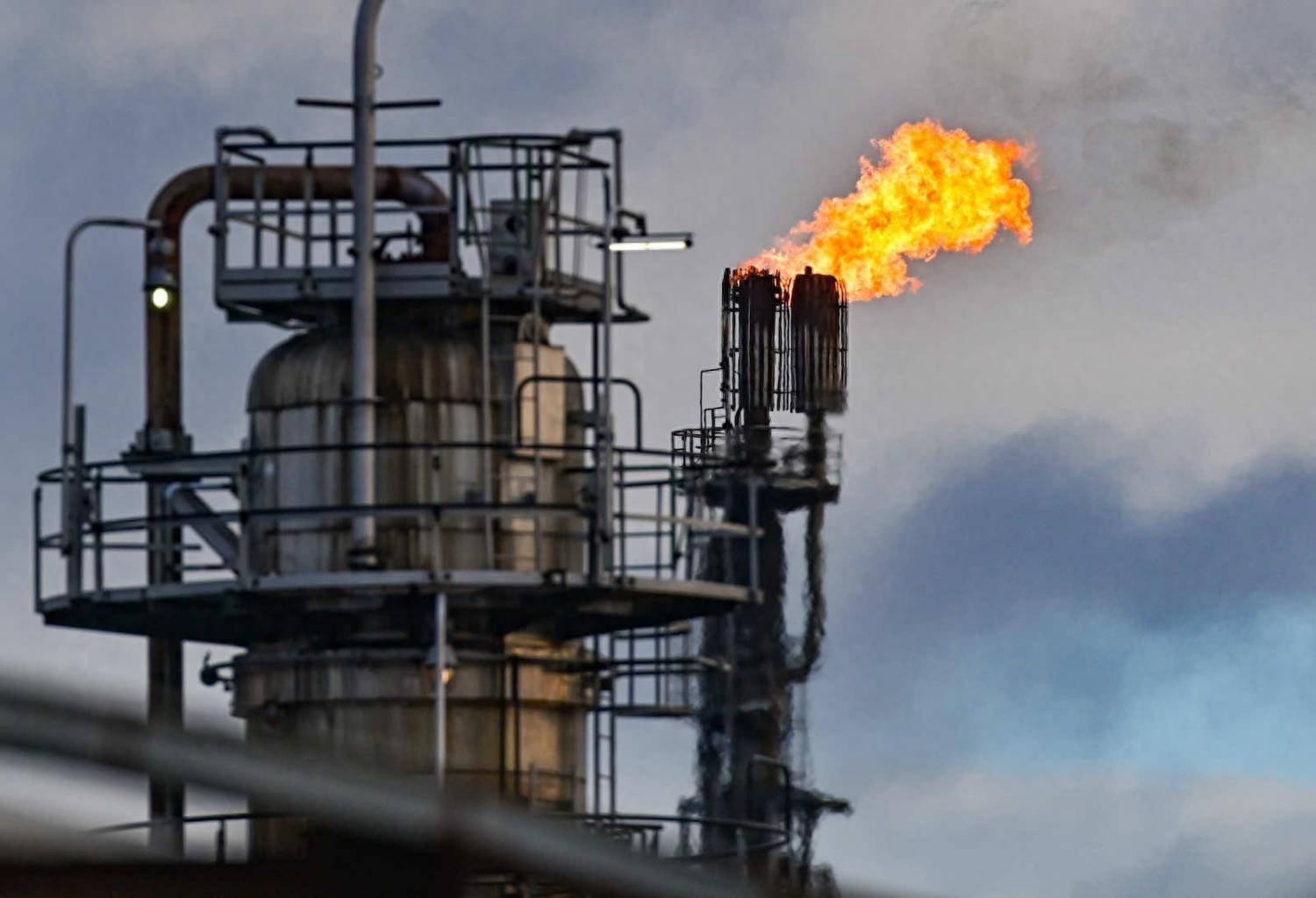
BPCL计划建炼油石化综合体
Zhong Guo Hua Gong Bao· 2025-09-01 02:53
Group 1 - Bharat Petroleum Corporation Limited (BPCL) plans to evaluate the feasibility of constructing a new refinery and petrochemical complex near the Ramayapatnam port in Andhra Pradesh, India [1] - The project aligns with India's vision of becoming a global refining and petrochemical hub, enhancing BPCL's petrochemical business portfolio [1] - BPCL has made significant progress in the petrochemical sector through major projects in Bina and Kochi, which are on track in terms of engineering progress and funding [1] Group 2 - The Bina facility will feature a steam cracker with an annual capacity of 1.2 million tons of ethylene, with downstream products including linear low-density polyethylene, high-density polyethylene, polypropylene units, and a benzene unit [1] - BPCL plans to increase the crude processing capacity of the Bina refinery from 7.8 million tons per year to 11 million tons per year [1]
彻底瞒不住了?十大炼油厂遭爆炸袭击。俄罗斯宣布临时禁令
Sou Hu Cai Jing· 2025-08-31 07:29
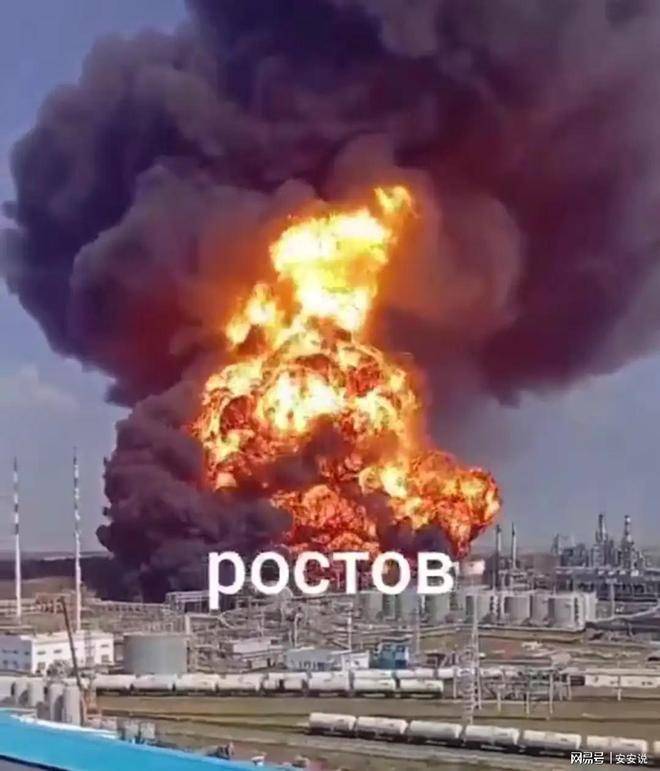
看起来彻底瞒不住的真相已经浮出水面:全球最重要的十座炼油厂相继陷入爆炸与袭击之中,夜空被火 光照亮,厂区的巨型罐体在烈焰中晃动,周围的钢架和管道发出刺耳的噪声。与此同时,俄罗斯宣布了 一项临时性贸易禁令,明确指示在九月份停止对外出口汽油,并全面禁止向外国市场输出汽油。官方通 知指出,9月1日至9月30日期间,这一禁令覆盖所有出口商、所有出口环节与运输渠道,使市场链条瞬 间感受到强烈冲击,油品供应的前景也因此变得扑朔迷离。 这么观察下来,本月乌克兰对俄罗斯十大炼油厂所造成的冲击,似乎已经开始在能源领域释放出明显的 效应。俄罗斯的燃油供给体系正承受前所未有的压力,炼油能力出现瓶颈,市场上出现汽油紧张与价格 波动的迹象。加油站排队的人群络绎不绝,港口与运输线路也因货源紧张而出现延迟,企业和家庭的用 油成本与生活成本都因此上行,政府部门不得不紧急调整策略以缓解局势。 当前的战场态势已经清晰地向外界传达一个信息:乌克兰的空军在与俄罗斯的对抗中处于明显劣势,海 军力量也难以形成决定性压制,陆上兵力的对抗同样处于不利地位。与此同时,俄罗斯手中仍握有数千 枚核弹头这一战略威慑。因此,从战略角度看,乌克兰要对俄罗斯造成重大损失 ...
2025海南省企业百强名单公布 入围门槛大幅提升
Zhong Guo Xin Wen Wang· 2025-08-30 10:21
Group 1 - The threshold for entering the 2025 Hainan Top 100 Enterprises list is set at a revenue of 1.939 billion yuan, which is a significant increase of 226 million yuan or 13.2% compared to the previous year [1] - The top ten companies in the 2025 Hainan Top 100 Enterprises list include China Petroleum & Chemical Corporation Hainan Refining & Chemical Co., Hainan Airlines Holding Co., Hainan Development Holdings Co., Hainan Natural Rubber Industry Group Co., Sunshine Life Insurance Co., Zijin International Holdings Co., Tok Trading (Hainan) Co., Hainan Yisheng Petrochemical Co., China Petroleum Sales Co. Hainan Oil Branch, and Jianfa (Hainan) Co. [1] - The total asset value of the 2025 Hainan Top 100 Enterprises reached 27,544.78 billion yuan, an increase of 2,735.86 billion yuan or 11.03% from the previous year [1] Group 2 - The 2025 Hainan Top 100 Enterprises achieved a total operating revenue of 856.442 billion yuan, which is an increase of 23.276 billion yuan or 2.8% from the previous year [2] - There are 40 companies with revenue exceeding 5 billion yuan, contributing a total of 656.353 billion yuan, which accounts for 77% of the total revenue of the top 100 enterprises [2] - The service industry comprises 66% of the top 100 enterprises, while manufacturing accounts for 24%, indicating an imbalance in industry distribution, with fewer high-tech and tropical characteristic agriculture companies represented [2]



卓然股份: 2025年半年度报告
Zheng Quan Zhi Xing· 2025-08-29 18:22
Core Viewpoint - The report highlights the significant decline in Shanghai Supezet Engineering Technology Corp.'s financial performance for the first half of 2025, with a notable drop in revenue and net profit compared to the previous year, reflecting challenges in the petrochemical equipment manufacturing industry [2][3][12]. Company Overview and Financial Indicators - Shanghai Supezet Engineering Technology Corp. is a provider of modular and integrated manufacturing of specialized equipment for the petrochemical industry, focusing on design, manufacturing, installation, and service solutions [4][12]. - The company reported a revenue of approximately 965.87 million yuan for the first half of 2025, a decrease of 28.92% compared to the same period last year [3][12]. - The total profit for the period was approximately 9.09 million yuan, down 76.89% year-on-year, while the net profit attributable to shareholders was a loss of approximately 0.22 million yuan, marking a 100.62% decline [3][12]. - The company's total assets increased by 7.97% to approximately 9.40 billion yuan, while the net assets attributable to shareholders remained relatively stable [3][12]. Industry Context - The petrochemical equipment manufacturing industry is currently undergoing a deep adjustment phase characterized by both optimization of existing capacities and upgrades to new technologies [5][6]. - Key trends in the industry include a shift towards low-carbon energy, increased technological innovation, and a focus on green and sustainable practices [5][6][18]. - The global petrochemical equipment market is projected to reach approximately 235 billion USD by 2025, with China expected to account for about 35% of this market [6][17]. Business Operations and Market Position - The company operates in a highly competitive environment, with a focus on high-end equipment manufacturing and integrated service solutions for the petrochemical sector [12][14]. - The company has established a comprehensive product system covering refining equipment, petrochemical installations, and related services, positioning itself as a key player in the industry [12][14]. - The company has successfully entered 19 overseas markets, demonstrating its capability to compete with international brands in terms of production scale, R&D capacity, and manufacturing quality [12][14]. Technological and Competitive Advantages - The company emphasizes continuous innovation and R&D, having developed proprietary technologies in high-performance materials and specialized equipment for extreme conditions [10][22]. - The company has built a robust innovation ecosystem, integrating R&D, manufacturing, and engineering services to enhance its competitive edge [20][22]. - The focus on digital transformation and smart manufacturing is evident, with the implementation of digital twin technology and industrial internet solutions to improve operational efficiency [21][22].

炼?检修规模将创四年低点,成品油裂差持稳
Zhong Xin Qi Huo· 2025-08-29 03:04
1. Report Industry Investment Rating The report does not explicitly provide an overall industry investment rating. However, for individual products, it uses descriptions like "oscillating", "oscillating weakly", etc., with specific rating criteria provided at the end of the report [273]. 2. Core Viewpoints of the Report The chemical industry is following the decline of raw materials such as coal and crude oil due to the absence of the expected anti - involution policy. The downstream demand of most chemical products is less than expected during the peak season. Investors should approach oil - chemical products with an oscillating mindset and wait for the specific anti - involution policies of China's petrochemical industry [2][3]. 3. Summary by Related Catalogs 3.1 Market Situation and Logic of Each Product - **Crude Oil**: Supply pressure persists, and the rebound space is expected to be limited. Geopolitical prospects are uncertain, and the market is under supply pressure from OPEC+ rapid production increase and resilient US production. The high -开工 rate of refineries in China and the US is starting to decline, and the price is expected to oscillate weakly, with attention to short - term disturbances from Russia - Ukraine negotiations [6]. - **Asphalt**: As crude oil prices fall, asphalt futures prices oscillate and decline. The supply tension has eased, and the demand is not optimistic. The absolute price is overestimated, and the monthly spread is expected to decline with the increase of warehouse receipts [6][7]. - **High - Sulfur Fuel Oil**: It follows the decline of crude oil. The geopolitical premium has increased and then decreased with the increase of warehouse receipts. The demand has changed, and the cracking spread is still high. Geopolitical upgrades have a short - term impact on prices [8]. - **Low - Sulfur Fuel Oil**: It follows the decline of crude oil. It faces negative factors such as a decline in shipping demand, green energy substitution, and high - sulfur substitution. The supply is expected to increase, and the demand to decline, with low valuation and following crude oil fluctuations [10]. - **Methanol**: Port inventories are accumulating, but the inventory pressure in the inland is limited. The futures price oscillates. The market buying sentiment is relatively stable, and there may be long - term low - buying opportunities in the far - month [21]. - **Urea**: Foreign media reports have triggered an upward sentiment, but it is difficult to implement in practice. It is expected to fluctuate narrowly and oscillate [21]. - **Ethylene Glycol**: Both supply and demand are increasing, and the low inventory provides strong support. The price oscillates within a range, and the 09 - 01 reverse arbitrage position can be closed [14][16]. - **PX**: There is selling - short hedging pressure above, and the downstream polyester's willingness to chase the price has slowed down. The price is adjusted in the short term, with a relatively stable pattern and limited adjustment range [11]. - **PTA**: The cost support is insufficient, and the downstream polyester is waiting and watching, with poor purchasing enthusiasm. The price is expected to oscillate within the range of 4700 - 5000 [11]. - **Short - Fiber**: After the atmosphere cools down, the sales volume declines, and the price is passively adjusted. The price is expected to oscillate and sort out in the short term [16][17][18]. - **Bottle - Chip**: The production reduction in September remains at 20% and can be expanded to 30% if necessary. The price is expected to oscillate, with the absolute value following the raw materials [18][20]. - **PP**: There is still some supply pressure, and it oscillates. The impact of news on production reduction is limited, and the demand is cautious [24][25]. - **Propylene (PL)**: It follows PP to oscillate in the short term. The price is affected by sentiment and inventory, and the processing fee between PP and PL is a key focus [25]. - **Plastic**: The maintenance provides some support, and it oscillates in the short term. The impact of news on production reduction is limited, and the supply pressure persists [23]. - **Pure Benzene**: The inventories in the industry chain are all high, and it returns to a weak state. The short - term trend is dominated by sentiment, and it may return to inventory accumulation in the medium term [11][13]. - **Styrene**: The inventory pressure is prominent, and it resumes decline. The supply - demand situation is still bearish in the fundamentals, but short - term short - selling is against the trend [13][14]. - **PVC**: The market sentiment weakens, and it runs weakly. The cost is stable, and the supply is decreasing while the demand has not changed much [28]. - **Caustic Soda**: The spot rebound slows down, and the market observes the situation. The short - term spot increase slows down, and it is advisable to buy on dips in the long - term [28][29]. 3.2 Variety Data Monitoring - **Inter - period Spread**: The report provides inter - period spread data for multiple products such as Brent, Dubai, PX, PTA, etc., showing the changes in the spread [30]. - **Basis and Warehouse Receipts**: It includes basis and warehouse receipt data for products like asphalt, high - sulfur fuel oil, low - sulfur fuel oil, etc., reflecting the relationship between spot and futures prices and inventory status [31]. - **Inter - variety Spread**: The report presents inter - variety spread data such as 1 - month PP - 3MA, 1 - month TA - EG, etc., showing the price differences between different products [32].
又有3个炼油厂遭袭,俄罗斯已损失21%的炼油产能
Sou Hu Cai Jing· 2025-08-28 19:06
Group 1 - The core viewpoint of the articles highlights the escalating conflict between Ukraine and Russia, with significant military actions resulting in substantial losses for both sides, particularly for Russia [2][5][11] - On August 28, Russia launched a large-scale attack involving 598 drones and 31 missiles, leading to at least 17 Ukrainian casualties and significant damage to Ukrainian infrastructure [5][11] - In retaliation, Ukraine conducted drone strikes on multiple Russian oil facilities, resulting in a loss of over 21% of Russia's refining capacity, exacerbating fuel shortages in the country [7][9] Group 2 - The ongoing attacks have led to the closure of over 12 Russian refineries, causing a gasoline shortage in various regions, including the south and far east of Russia [9][11] - Russia has implemented a temporary ban on gasoline exports to address the fuel crisis, indicating the severe impact of the conflict on its economy [9][11] - The situation is further complicated by EU sanctions, which have reportedly reduced Russia's oil revenue by 30%, adding to the economic strain [11][14] Group 3 - The articles suggest that if Ukraine continues to target Russian oil facilities, it could lead to a significant reduction in Russia's refining capabilities, potentially up to 70% [11][13] - The conflict has resulted in a stagnation of Russian military advances, with heavy losses and an inability to achieve initial objectives, indicating a shift in the war dynamics [13][14] - The commentary from Russian media reflects a growing concern about the economic and political parallels to historical crises, suggesting a potential for significant change in Russia's domestic situation [14][16]
燃料油9月报-20250828
Yin He Qi Huo· 2025-08-28 14:34
1. Report Industry Investment Rating No information provided in the given content. 2. Core Views of the Report - High - sulfur fuel oil: The supply pressure in the near - term is relatively high, with disruptions in Russian refinery capacity and low - level exports from Mexico and the Middle East. The seasonal power - generation demand is gradually declining, but the feedstock demand is still supported by the low cost due to the decline in high - sulfur cracking and tax reform. Near - term, attention should be paid to the generation and digestion rhythm of high - sulfur warehouse receipts [3][4]. - Low - sulfur fuel oil: It will maintain a weak and volatile state. The supply pressure continues to increase while there is no specific demand driver. In the near - term, attention should be paid to the on - off situation of the Nigerian RFCC device [4]. - Strategy: For the fuel oil market, the unilateral trend is expected to be weakly volatile. It is recommended to pay attention to the short - term contango arbitrage opportunity for low - sulfur fuel oil, and there is no option recommendation [5][68]. 3. Summary According to the Directory 3.1 First Part: Preface Summary 3.1.1 Market Review - High - sulfur fuel oil in August: The supply was lower than expected. Disruptions in Russian refineries led to a decline in crude oil processing capacity, and the new coking unit of the Mexican Tula refinery reduced the external supply of high - sulfur fuel oil. The feedstock demand in China increased due to the decline in high - sulfur cracking and tax reform [3]. - Low - sulfur fuel oil in August: It maintained a weak and volatile state. The supply pressure continued to increase, with unstable operation of the Nigerian Dangote refinery's RFCC device and increased low - sulfur exports to the Pan - Singapore region from the Al - Zour refinery. The proportion of low - sulfur marine fuel bunkering in Singapore continued to decline marginally [3]. 3.1.2 Market Outlook - High - sulfur fuel oil: The near - term supply and high - inventory pressure continue. The seasonal power - generation demand is decreasing, but the feedstock demand is still supported. Attention should be paid to the generation and digestion rhythm of high - sulfur warehouse receipts [4]. - Low - sulfur fuel oil: It will maintain a weak and volatile state. The supply pressure continues to increase, and there is no specific demand driver. Attention should be paid to the on - off situation of the Nigerian RFCC device [4]. 3.1.3 Strategy Recommendation - Unilateral: Weakly volatile. - Arbitrage: Pay attention to the short - term contango arbitrage opportunity for low - sulfur fuel oil. - Options: None [5] 3.2 Second Part: Fundamental Situation 3.2.1 Market Review - High - sulfur fuel oil: The supply was lower than expected, and the feedstock demand in China increased. The spot premium continued to rise, and the high - sulfur cracking was still suppressed. The near - term inventory in Singapore decreased but remained at a high level [3][9]. - Low - sulfur fuel oil: It maintained a weak and volatile state. The supply pressure increased, and the proportion of low - sulfur marine fuel bunkering in Singapore continued to decline marginally. The spot premium fluctuated at a low level, and the low - sulfur cracking increased slightly with the gasoline cracking [3][10]. 3.2.2 Supply Overview - High - sulfur supply: - Russia: Refineries were continuously attacked, affecting the CDU capacity. The crude oil processing volume decreased in August, and the high - sulfur export supply is expected to decline in September if the situation continues [20][22]. - Mexico: The new coking unit of the Tula refinery reduced the external high - sulfur supply. The Olmeca refinery's processing volume was adjusted frequently, and the high - sulfur export mainly flowed to the US [24]. - Middle East: The US sanctions on Iran continued, and the high - sulfur export remained at a low level [28]. - Low - sulfur supply: - South Sudan: The supply of low - sulfur heavy raw materials has returned to stability, and the raw materials may flow more to the Pan - Singapore region after the port ban in Fujairah [50]. - Al - Zour refinery: The low - sulfur export is expected to remain at a high level, and the supply to the Pan - Singapore region increased [52]. - Nigeria: The RFCC device of the Dangote refinery was still unstable, and the Harcourt refinery was closed for two consecutive months. The low - sulfur export increased in August [53][54]. 3.2.3 Demand Overview - High - sulfur demand: - Ship - fuel bunkering: In July, the high - sulfur ship - fuel bunkering volume in Singapore and the market share in the Fujaeirah Port reached the highest level since IMO2020 [36]. - Feedstock demand: Supported by the decline in high - sulfur cracking and tax reform, the feedstock demand in China is expected to remain stable [43]. - Power - generation demand: The high - sulfur power - generation demand in Egypt and the Middle East is gradually declining [45][47]. - Low - sulfur demand: There is no specific demand driver, and the proportion of low - sulfur ship - fuel bunkering is declining marginally. In China, attention should be paid to the quota conversion between refined oil and low - sulfur fuel oil [55][56]. 3.2.4 Inventory and Valuation No specific content provided in the given documents. 3.3 Third Part: Future Outlook and Strategy Recommendation - Outlook: - High - sulfur fuel oil: The near - term supply and inventory remain high, but the supply pressure in the third quarter is slightly lower than expected. The seasonal power - generation demand is decreasing, and the feedstock demand is still supported. Attention should be paid to the risk of Yangshan Port being sanctioned and the inventory digestion rhythm [67]. - Low - sulfur fuel oil: The spot premium continues to decline. The supply is increasing, and the demand has no specific driver. Attention should be paid to the adjustment and issuance rhythm of low - sulfur quotas [67]. - Strategy: - Unilateral: Weakly volatile. - Arbitrage: Pay attention to the short - term contango arbitrage opportunity for low - sulfur fuel oil. - Options: None [68]
50%关税生效!印度将损失370亿美元,买俄油省的钱全搭进去都不够
Sou Hu Cai Jing· 2025-08-28 10:09
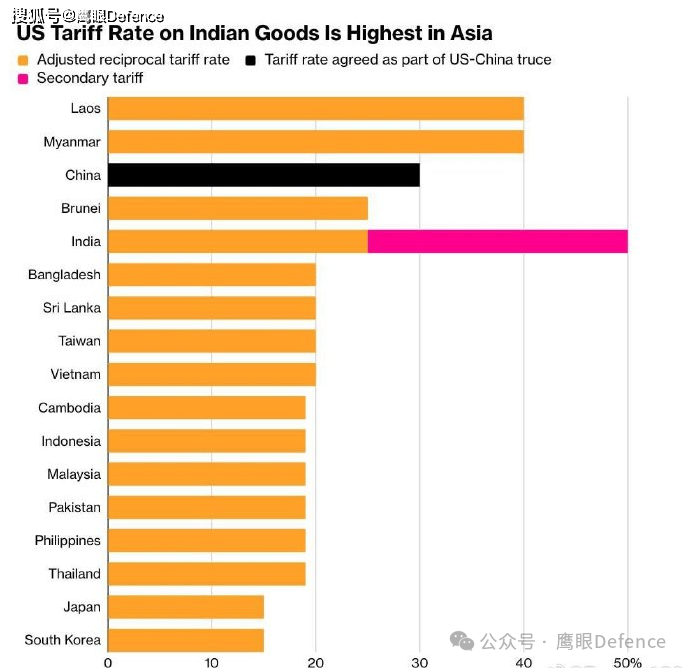
Group 1 - The United States has imposed a new 25% tariff on India, resulting in a total tariff of 50% on nearly all goods and services exported from India to the U.S., making India the country with the highest tariffs from the U.S. [1] - In 2024, India exported over $80 billion worth of goods and services to the U.S., including pharmaceuticals, telecommunications equipment, jewelry, fertilizers, cotton textiles, electronics, and seafood. The new tariffs are expected to significantly impact India's "Make in India" initiative, leading to industry shrinkage and layoffs [3]. - Following the imposition of the 50% tariff, India's exports are projected to suffer a loss of up to $37 billion, which is insufficiently offset by the $17 billion saved from purchasing cheap Russian oil since the outbreak of the Russia-Ukraine war in 2022 [3]. Group 2 - India has become the second-largest buyer of Russian oil, with its share of Russian oil exports rising from 1% in 2020 to 36% in 2025, while China's share increased from 34% to 46% [6]. - U.S. officials have criticized India's substantial purchases of Russian oil, claiming it provides funding for the Kremlin and undermines U.S.-India relations [8]. - The Indian refining industry has begun to adapt under U.S. pressure, with state-owned refineries starting to purchase non-Russian oil from the U.S., Brazil, and the Middle East [13]. Group 3 - Despite U.S. pressure, the Indian government maintains a firm stance, with reports indicating that former President Trump attempted to contact Prime Minister Modi regarding tariff issues but was unsuccessful [16]. - Indian Prime Minister Modi has engaged in discussions with Ukrainian President Zelensky about bilateral cooperation, but has not made concessions regarding limiting Russian energy exports [19]. - Indian state-owned oil companies have resumed purchasing Russian oil, indicating that as long as prices remain low, India is unlikely to abandon Russian oil [22].
乌斯季卢加港遭焚,800 公里跨境奇袭,欧洲天然气动脉断裂
Sou Hu Cai Jing· 2025-08-26 11:06
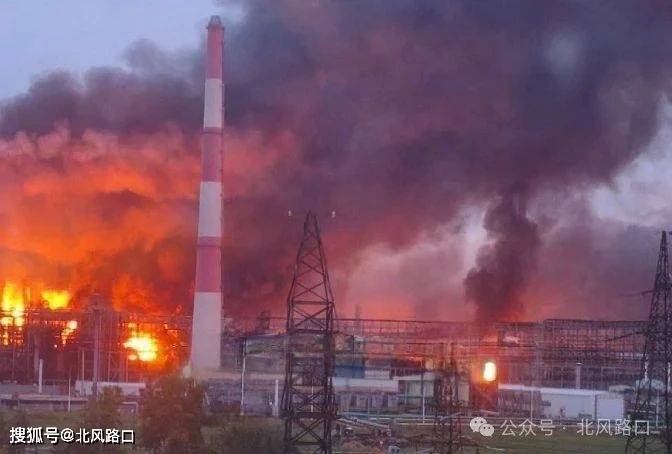
Group 1: Attack on Ust-Luga Port - On August 24, 2025, Ukraine launched a coordinated drone strike targeting strategic nodes in Russia, including the Ust-Luga port, which is crucial for Russia's energy exports [2][3] - The Ust-Luga port is the largest in the Baltic region and accounts for 40% of Russia's liquefied natural gas exports, making it a key hub for energy transport to Europe [3][6] - The attack resulted in significant damage to the port's facilities, threatening large natural gas reserves and causing a fire at the site [3][5] Group 2: Tactical and Strategic Implications - Ukraine's drone strategy demonstrates a shift towards using large numbers of inexpensive drones to overwhelm expensive defense systems, as seen in previous conflicts [5] - The attack on Ust-Luga port aims to disrupt Russia's energy infrastructure, directly impacting its financial resources for the war and potentially causing domestic energy supply issues [6][8] - This pattern of targeting energy facilities reflects a broader strategy in modern conflicts, where such infrastructures are viewed as critical points of vulnerability [6] Group 3: Impact on European Energy Market - The attack exacerbates the already fragile energy supply situation in Europe, raising concerns about natural gas reserves as winter approaches [8] - Historical context shows that similar incidents, like the Nord Stream pipeline explosions, have led to significant price increases in natural gas, indicating potential for volatility in the market [8] - The Ust-Luga port's operational status is directly linked to the stability of European energy supplies, making its security a matter of regional concern [8] Group 4: Geopolitical Reactions - The international community is closely monitoring the situation, with potential implications for U.S. and NATO responses towards Russia [10] - There is a possibility of increased pressure and sanctions on Russia from Western allies following the attack [10] - The event highlights the complexities of geopolitical dynamics, with calls for restraint and negotiation from neutral parties amidst ongoing conflict [10]