资本市场

Search documents
吴清会见英国驻华大使魏磊
Qi Huo Ri Bao Wang· 2025-10-16 17:44
(文章来源:期货日报网) 据证监会消息,10月14日,中国证监会主席吴清在京会见了英国驻华大使魏磊(Peter Wilson)。双方 就国际宏观经济金融形势、加强中英资本市场务实合作等议题交换了意见。 ...
行情变了,新的财富机会来了
大胡子说房· 2025-10-16 11:23
Core Viewpoint - The current bull market in the domestic capital market is characterized by a lack of clear initiation signals and a slow upward movement, indicating a unique underlying logic compared to previous bull markets [1][3]. Group 1: Market Characteristics - The bull market has not been triggered by any significant events, unlike past bull markets which had clear catalysts [1]. - The index has risen slowly from 3300 points in June to 3800 points over nearly three months, contrasting with previous rapid increases [1]. Group 2: Underlying Logic - The fundamental logic behind the current market rally is valuation repair and asset repricing, as current valuations are deemed too low and detached from true value [3][4]. - The disparity between asset price and value is influenced by various factors, including monetary policy and economic conditions [3][4]. Group 3: Valuation Context - As of August 2025, the average price-to-earnings (P/E) ratio of major A-share indices is around 15 times, significantly lower than the over 30 times P/E ratio of European and American markets [4]. - The market capitalization to GDP ratio for A-shares is only 74%, much lower than the over 200% ratio for U.S. stocks and 150% for Japanese stocks [4][5]. Group 4: Market Dynamics - The capital market in the region has lagged behind economic growth and global capital market expansion, indicating a significant undervaluation [5]. - The recent potential for U.S. interest rate cuts has provided the region with the opportunity to adjust its monetary policy and encourage capital inflow into the market [6]. Group 5: Policy Support - Recent policy measures, such as lowering fund subscription fees and restarting government bond trading, aim to attract social capital into the market and facilitate asset price recovery [6][7]. - The expansion of base money through central bank bond purchases is seen as a means to indirectly support asset price recovery [8]. Group 6: Future Outlook - The current market rally, driven by valuation repair, is viewed as a necessary step for economic recovery, with expectations for continued asset price increases in the coming year [9]. - The potential for significant wealth opportunities is highlighted, encouraging investors to participate in the ongoing price recovery [9].


更具吸引力和包容性———用数据丈量资本市场的量质升级
Shang Hai Zheng Quan Bao· 2025-10-15 18:37
Core Insights - The capital market in China has undergone significant institutional reforms and structural optimization during the "14th Five-Year Plan" period, enhancing its ability to serve the real economy and improving both attractiveness and inclusiveness [1][2]. Group 1: Institutional Reforms - The introduction of the registration system, starting with the Science and Technology Innovation Board (STAR Market) in 2018, has marked a fundamental shift in the capital market's access and efficiency, allowing for a more market-oriented approach to new listings [2][3]. - The new "National Nine Articles" policy framework, launched in April 2024, aims to systematically reshape the capital market's foundational systems and regulatory logic, ushering in an era of high-quality development [2][3]. Group 2: Market Structure and Performance - Over 90% of newly listed companies during the "14th Five-Year Plan" period are high-tech enterprises, with strategic emerging industries now accounting for over 50% of the A-share market [3][4]. - The total market capitalization of the A-share market surpassed 100 trillion yuan in August 2023, reflecting a significant recovery in investor confidence and a shift towards financial asset allocation [5][6]. Group 3: Financing and Investment Trends - Total financing through stock and bond markets reached 57.5 trillion yuan during the "14th Five-Year Plan" period, with a steady increase in the proportion of direct financing [7][8]. - The market has seen a notable increase in long-term capital, with various long-term funds holding approximately 21.4 trillion yuan in A-share market value, a 32% increase from the end of the "13th Five-Year Plan" [6][7]. Group 4: Market Resilience and Regulatory Measures - The capital market has demonstrated enhanced resilience and risk management capabilities, successfully navigating multiple external shocks during the "14th Five-Year Plan" period [8][9]. - Regulatory bodies have implemented over 60 supporting rules since the introduction of the new "National Nine Articles," focusing on key areas such as issuance, listing, mergers and acquisitions, and delisting to strengthen market stability [8][9].
《迪拜金融部门战略》获批
Shang Wu Bu Wang Zhan· 2025-10-15 03:14
Core Insights - Dubai's Vice President and Finance Minister Sheikh Maktoum has approved the "Dubai Financial Sector Strategy," which aims to implement 15 transformative initiatives over the next three years to enhance key areas such as capital markets, wealth management, SME financing, virtual assets, and fintech [1] - The strategy aims to double the financial sector's contribution to GDP, encouraging more family businesses and startups to go public and attracting new asset management firms [1] - The Dubai Virtual Assets Regulatory Authority (VARA) has positioned Dubai as the largest single-license virtual asset market globally, with regulated trading volume nearing 2.5 trillion dirhams this year [1] - Virtual assets currently contribute approximately 2.2 billion dirhams to GDP, accounting for 0.5%, with expectations to rise to 3% (around 13 billion dirhams) in the future [1] - Dubai has over 40 licensed virtual asset service providers and more than 600 registered entities [1] - The Dubai Financial Market (DFM) has shown strong performance, with the composite index rising 14.7% in 2025, reaching a total market capitalization exceeding 1 trillion dirhams [1] - Recent IPOs include ALEC Holding at 1.4 billion dirhams and DU's secondary offering at 3.15 billion dirhams [1] - Dubai has improved its ranking in the Global Financial Centres Index (GFCI) to 11th place, with the highest growth potential globally [1] - Sheikh Maktoum stated that these initiatives will provide confidence and opportunities for investors, reinforcing Dubai's position as a leading global financial center, aligning with the "Dubai Economic Agenda D33" [1]
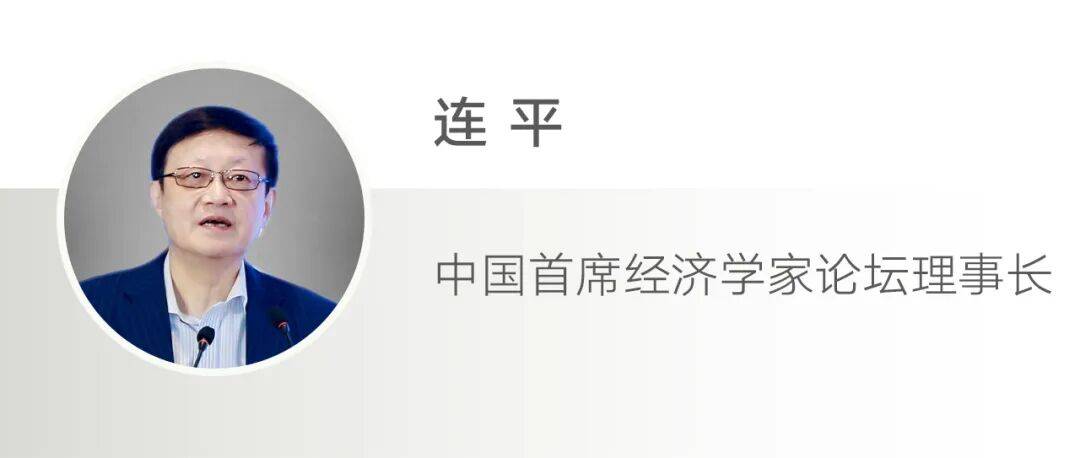
连平:资本市场环境发生重大变化
Sou Hu Cai Jing· 2025-10-10 01:58
Group 1 - The capital market is undergoing a profound transformation due to collective monetary easing by major global economies, including the U.S. and China, leading to increased attention on capital markets as alternative investment avenues [1][3] - The liquidity environment in capital markets is expected to remain loose, with the U.S. Federal Reserve having cut interest rates by 100 basis points since the beginning of 2024, indicating a shift towards a more accommodative monetary policy [3][4] - China's monetary policy has shifted from "prudent" to "moderately loose," marking the first change in 14 years, aimed at maintaining economic growth around 5% [6][7] Group 2 - Investment demand is likely to shift towards capital markets as traditional channels like real estate and high-yield financial products have seen significant declines in returns, with real estate entering a prolonged adjustment period since late 2021 [7][9] - The average yield on financial products has dropped to around 2%, failing to attract medium-risk investors, thus making capital markets a more appealing option for those seeking better returns [9][10] - The trend of capital flowing into the capital markets is expected to strengthen, enhancing the role of capital markets in China's modern economic system [7][9] Group 3 - The central bank is expected to support capital markets more vigorously, having introduced innovative tools to provide liquidity directly to financial institutions, which is a departure from previous indirect support methods [10][12] - The central bank has initiated special loans to support stock buybacks by listed companies, allowing them to access low-cost funding for repurchases, which had not been previously utilized [10][12] - The establishment of a market stabilization fund through the China Investment Corporation aims to provide liquidity support and stabilize market expectations, reflecting a proactive approach to maintaining market stability [12][13]
构建同科技创新相适应的科技金融体制
Jing Ji Ri Bao· 2025-10-09 22:43
Core Insights - The article emphasizes the critical role of technology finance in enhancing national competitiveness and supporting economic transformation through innovation [1][2][3] Group 1: Importance of Technology Finance - Technology finance serves as a vital bridge connecting financial capital with technological innovation, becoming increasingly important in the context of global economic restructuring [2] - The Chinese government prioritizes technology finance as a key area for development, alongside green finance, inclusive finance, pension finance, and digital finance [2] - Financial capital acts as a catalyst for the transformation of technological innovations into practical applications, thereby enhancing the innovation ecosystem [2][3] Group 2: Achievements and Policies - Significant progress has been made in technology finance in China, with increasing policy support and a diversified financial service system for technology enterprises [4] - The People's Bank of China and other departments have issued policies to enhance the financial service capabilities for technology innovation, focusing on venture capital, credit, capital markets, and technology insurance [4][5] - As of June this year, the balance of technology loans reached 44.1 trillion yuan, reflecting a 12.5% year-on-year growth, indicating a strong preference for technology credit in financial allocations [5] Group 3: Challenges and Structural Issues - Despite advancements, challenges remain, such as a reliance on indirect financing, with banks favoring established companies over startups, which often lack sufficient collateral [6] - The vitality of the venture capital market needs enhancement, and the participation of private capital is relatively low [6] Group 4: Recommendations for Improvement - A unique technology finance system should be developed that aligns with China's financial structure and industrial ecosystem, leveraging the strengths of the banking sector [7] - Banks should enhance their service capabilities for technology innovation by developing products tailored to the needs of high-growth, asset-light enterprises [8] - A mechanism for linking investment and loans should be established to support technology enterprises through various stages of development, combining equity investment with traditional lending [8][9] - Government investment funds should be managed more effectively to focus on long-term value and strategic innovation projects [9] - Channels for direct financing for technology enterprises should be improved, encouraging private capital participation and enhancing market transparency [9]
证监会: 不断提升市场吸引力、包容性和竞争力
Zheng Quan Ri Bao· 2025-10-09 01:16
Group 1 - The core viewpoint emphasizes the need for high-quality planning and implementation of the "15th Five-Year" capital market strategy, focusing on enhancing market attractiveness, inclusiveness, and competitiveness [1][3] - The "14th Five-Year" period saw significant improvements in China's capital market, with a comprehensive restructuring of foundational systems and regulatory logic, leading to a more robust multi-tiered market system and enhanced market resilience [1][2] - Participants at the meeting proposed specific recommendations for the "15th Five-Year" capital market planning, including reforms in areas such as issuance, refinancing, and mergers and acquisitions to boost market appeal and inclusivity [2] Group 2 - There is a strong emphasis on supporting listed companies to improve their quality and investment value, encouraging higher dividend payouts and share buybacks, and enhancing the role of institutional investors in corporate governance [2][3] - The development of high-quality securities and fund companies is encouraged to create top-tier investment banks and institutions, alongside promoting the high-quality growth of intermediary services like accounting and law firms [2] - The need to enrich the A-share market product service system, including indices, ETFs, and derivatives, is highlighted to better serve the wealth preservation and appreciation needs of residents [2]
不断提升市场吸引力、包容性和竞争力
Zheng Quan Ri Bao· 2025-10-08 23:27
Core Insights - The China Securities Regulatory Commission (CSRC) is focusing on high-quality planning for the "14th Five-Year" capital market strategy, emphasizing the need for comprehensive reforms and improvements in market structure and functionality [1][2][3] Group 1: Capital Market Development - During the "14th Five-Year" period, China's capital market has achieved both quantitative and qualitative growth, particularly following the implementation of the new "National Nine Articles" and the "1+N" policy framework [1] - The foundational systems and regulatory logic of the capital market have been comprehensively restructured, leading to a more complete multi-level market system and enhanced market resilience [1] Group 2: Reform Suggestions - Specific suggestions for the "15th Five-Year" capital market planning include deepening reforms in areas such as issuance, refinancing, and mergers and acquisitions, while enhancing policy execution mechanisms to increase market attractiveness and inclusivity [2] - There is a call for greater support for listed companies to improve their performance, encouraging them to increase dividend payouts and share buybacks, and enhancing the role of institutional investors in corporate governance [2] Group 3: Institutional Development - The need to support high-quality securities and fund companies in building top-tier investment banks and institutions is emphasized, alongside promoting the high-quality development of intermediary institutions like accounting and law firms [2] - Enhancing the product service system of the A-share market, including indices, ETFs, and derivatives, is crucial for better serving the wealth preservation and appreciation needs of residents [2] Group 4: Policy and Governance - The CSRC stresses the importance of adhering to the principles of comprehensive leadership, prioritizing people, and promoting high-quality development while implementing the capital market planning [3] - The focus is on leveraging the reforms of the Sci-Tech Innovation Board and the Growth Enterprise Market to deepen comprehensive financing reforms and enhance market competitiveness [3]
长假10个重磅消息来袭,明天10月9日,A股大概率会这么走!
Sou Hu Cai Jing· 2025-10-08 13:43
Group 1 - The China Securities Regulatory Commission (CSRC) held a seminar to discuss the "14th Five-Year" capital market planning, focusing on deepening investment and financing reforms through the Sci-Tech Innovation Board and the Growth Enterprise Market, aiming to enhance market attractiveness and competitiveness [1] - The seminar emphasized the importance of long-term investment strategies, which could boost market confidence and liquidity, leading to a stabilization and recovery of the A-share market, particularly in the technology sector [1] Group 2 - The U.S. announced new tariffs on imported building materials, cabinets, bathroom products, vanities, and upholstered furniture, which could weaken the price competitiveness of export products, especially affecting companies heavily reliant on the U.S. market [2] - Tariffs ranging from 30% to 50% may significantly impact the export business of related companies [2] Group 3 - OPEC+ representatives indicated a potential increase in oil production by 500,000 barrels per day over the next three months, which could lead to a decrease in oil prices and pressure on oil exploration companies [3][4] - However, lower oil prices may benefit downstream industries such as aviation and logistics due to reduced costs [4] Group 4 - A leading domestic AI model company, Zhipu, officially released and open-sourced its new generation model GLM-4.6, achieving significant improvements in key capabilities [4] - The advancements in AI technology and domestic deployment are expected to strengthen the technology sector, with a focus on hard technology as a priority in the "14th Five-Year" plan [5] Group 5 - Berkshire Hathaway, led by Warren Buffett, is investing $10 billion to acquire a subsidiary of Occidental Petroleum, signaling confidence in the energy sector and potentially boosting global energy valuations [5][6] Group 6 - Apple has paused its upgrade plans for the Vision Pro headset to focus on developing smart glasses that can compete with Meta's products, which may impact existing supply chain orders but also indicate new opportunities in AI smart glasses [8] - The real estate sector is entering a traditional peak season, with the top 100 real estate companies achieving a sales amount of 252.8 billion yuan in September 2025, reflecting a year-on-year increase of 0.4% and a month-on-month increase of 22.2% [9] Group 7 - The U.S. announced that starting November 1, 2025, all medium and heavy trucks imported from other countries will be subject to a 25% tariff, which could weaken the export competitiveness of trucks [10][11] - Similar to the furniture case, high tariffs may lead to a loss of orders in the truck market [12] Group 8 - AMD has entered a four-year agreement with OpenAI to supply tens of thousands of AI chips, granting OpenAI an option for up to 10% equity, which is expected to boost the AI and semiconductor sectors [14] - The People's Bank of China reported an increase in gold reserves to 74.06 million ounces by the end of September, indicating rising demand for safe-haven assets and benefiting gold production companies [14]



三个关键事件,将决定节后的市场走向!
大胡子说房· 2025-10-08 04:32
Core Viewpoint - The article discusses the potential impact of recent global market movements and key upcoming events on the domestic capital market after the National Day holiday, highlighting three critical events to watch for [3]. Group 1: Key Events Impacting Capital Markets - The first key event is the potential end of the U.S. government shutdown, which has created significant uncertainty in the capital markets. The shutdown is a result of deep political divisions, reflecting broader societal issues in the U.S. [4][5]. If the shutdown continues, it may delay the release of important economic data, affecting market expectations for interest rate cuts [6][7]. - The second key event is the anticipated interest rate cuts by the Federal Reserve, particularly whether a cut will occur at the end of October and if the market's expectations for a December cut will be met. The recent delay in the release of non-farm payroll data due to the shutdown complicates this situation [8][9][10]. Current market sentiment suggests a high probability of a rate cut this month, which would be favorable for the domestic market [11][12][14]. - The third key event is the stance of the domestic regulatory authorities regarding market fluctuations. In September, the authorities set a cap on the market index, preventing it from exceeding 3900 points due to rapid gains in previous months [19][21]. However, with the new month, there is potential for a more favorable market environment, as the authorities may allow for some upward movement in the index [25][26][27]. Group 2: Market Sentiment and Opportunities - The article emphasizes the importance of market sentiment and liquidity, suggesting that the combination of external interest rate cuts and domestic policy adjustments could lead to a limited upward trend in the capital market in October [26][27]. - It encourages investors to identify assets with growth potential to capitalize on the upcoming market movements, indicating that there are opportunities for entry at lower prices [28]. - The article also promotes a live course designed to help investors understand the current market dynamics and identify investment opportunities, providing insights into asset allocation strategies [29][31][32].