
高技术制造业

Search documents
2025年11月PMI数据点评:11月制造业PMI指数如期小幅回升,年底前稳增长政策有望进一步加码
Dong Fang Jin Cheng· 2025-12-01 06:53
Manufacturing PMI Insights - In November 2025, China's manufacturing PMI rose to 49.2%, an increase of 0.2 percentage points from October, aligning with market expectations[1] - The manufacturing new orders index increased by 0.4 percentage points to 49.2%, driven by the implementation of the "two 500 billion" growth stabilization policies[2] - The manufacturing production index rebounded to 50.0%, up 0.3 percentage points from the previous month, indicating a return to non-contraction territory[3] Economic Factors - The recent "anti-involution" policies have led to a rise in raw material prices, with the main raw material price index increasing by 1.1 percentage points to 53.6%[4] - The production expectations index for manufacturing improved by 0.3 percentage points to 53.1%, reflecting a more optimistic outlook among manufacturers[5] - The construction PMI rose to 49.6%, up 0.5 percentage points, supported by the completion of 500 billion new policy financial tools[7] Service Sector Performance - The non-manufacturing business activity index fell to 49.5%, a decrease of 0.6 percentage points, marking the first entry into contraction territory for the year[6] - The service sector's decline is attributed to weakened consumer demand and significant adjustments in the real estate market[6] Future Outlook - The overall macroeconomic environment remains stable but shows signs of weakness, with the comprehensive PMI output index falling below the equilibrium line for the first time this year[8] - Projections indicate a potential decline in the manufacturing PMI to around 49.1% in December, influenced by external trade pressures and ongoing adjustments in the real estate market[8]
浙商证券李超:大家要对市场有信心 看好科技与红利
Xin Lang Zheng Quan· 2025-12-01 05:37
Core Viewpoint - The 2025 Analyst Conference and the 7th Sina Finance "Golden Unicorn" Best Analyst Awards highlighted a positive outlook for China's economy and capital markets in 2026, driven by high-quality development and structural transformation [1][3]. Economic Analysis Framework - The four-tier analysis framework proposed by Li Chao emphasizes understanding China's economic fundamentals, identifying four key decision variables: US-China relations, social stability, structural transformation, and economic growth, with a clear prioritization [3]. - The framework indicates that 2026 will focus on high-quality development leading structural transformation, which is expected to proceed steadily while maintaining growth resilience [3]. Market Dynamics - The core driver of the market is identified as the decline in interest rates, which has facilitated the transmission of liquidity to capital markets since 2025, with expectations for continued confidence recovery into 2026 [4]. - Historical examples from the US and Japan demonstrate that a declining interest rate environment can support both stock and bond markets, suggesting that China is in a position to replicate this trend [5]. Investment Directions - Li Chao identifies two primary investment categories benefiting from declining interest rates: technology stocks and dividend stocks, each appealing to different risk appetites influenced by US-China relations [6]. - Technology stocks are expected to see long-term valuation re-pricing due to lower discount rates on future cash flows, supported by a 9.6% year-on-year increase in high-tech manufacturing value added [6]. - Dividend stocks offer relative yield advantages in a low interest rate environment, making them a stable choice for asset allocation, with significant valuation recovery potential in the A-share market [6]. Strategic Allocation - A clear allocation strategy is proposed: focus on dividend stocks during heightened US-China tensions and lower risk appetite, while shifting to technology stocks when relations improve and risk appetite increases [7].



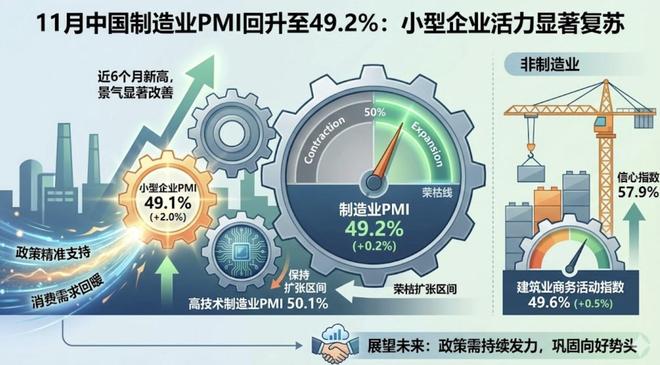
11月制造业PMI回升至49.2% 小型企业景气水平显著回升
Zhong Guo Jing Ying Bao· 2025-12-01 04:14
Core Viewpoint - The manufacturing sector in China showed signs of improvement in November, with the Purchasing Managers' Index (PMI) rising to 49.2%, an increase of 0.2 percentage points from the previous month, driven by policy support, seasonal production peaks, and a marginal recovery in external demand [2] Group 1: Manufacturing Sector Insights - The production and business activity expectation index rose to 53.1%, indicating increased confidence among manufacturing enterprises regarding market developments [2] - The high-tech manufacturing PMI decreased by 0.4 percentage points to 50.1%, yet it remains in the expansion zone, reflecting strong growth and resilience against shocks [2] - The PMI for small enterprises significantly improved to 49.1%, up by 2.0 percentage points, marking a six-month high and indicating a notable enhancement in economic conditions for these businesses [2][3] Group 2: Small Enterprises Analysis - The recovery in small enterprise PMI is attributed to effective policy support such as tax reductions and financing preferences, alongside a rebound in downstream consumer demand [3] - The rise in small enterprise PMI suggests that inclusive financial policies and tax cuts are effectively stimulating market vitality, which could improve employment and enhance economic momentum [3] - Despite the improvement, small enterprises still face challenges such as insufficient demand and financing difficulties, necessitating ongoing policy support to sustain positive trends [4] Group 3: Construction Sector Insights - The construction sector's business activity index rose to 49.6%, an increase of 0.5 percentage points, indicating a recovery in the industry [4] - The business activity expectation index for the construction sector reached 57.9%, reflecting improved confidence among construction enterprises regarding future industry trends [4] - The marginal improvement in construction PMI is driven by increased infrastructure investment and a slight easing of real estate policies, coupled with seasonal demand increases during winter [4][5]
外资,疯狂唱多中国!
Sou Hu Cai Jing· 2025-12-01 02:42
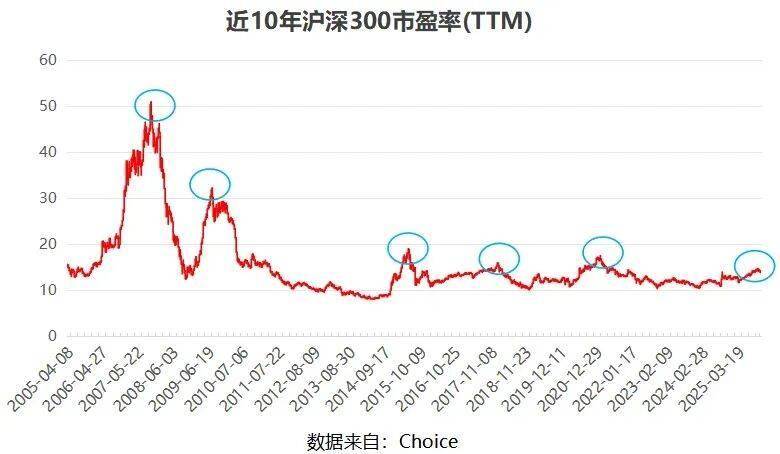
11月,是很危险的一个月! 这个月里,股市和黄金这两个前期涨幅很大的主要资产,都迎来急剧震荡。 股市中,最终还是走向了"盘久必跌",上证指数从4000点一路下挫,勉强守住3800点。科技板块调整更大些, 科创50、科创100指数,期间最大跌幅都近10个点。 黄金呢,美联储降息预期急转弯,美元流动性突然收紧的利空砸向市场,伦敦金从4200美元/盎司的高位直线 跳水。 AI有泡沫!黄金有泡沫! 这几个月里,市场关于"泡沫"的质疑与担忧越来越大。我们每个人的账户钱袋子,随时都有被快速压扁的可 能。 "危局"中央,外资巨头集体发声唱多中国,唱多黄金! 对股市,当下大家最担忧的无非集中在3点上。 一是牛市持续时间似乎有点长了。 A股牛短熊长的调性,像一把悬在头顶的达摩克利斯之剑,让很多人对牛市"时长"的风险格外敏感。 如果从去年924行情算起,到现在,这轮牛市已经持续1年零2个月,加上前期4000点附近的盘整已经消耗大量 动能,当下确实不得不让人担心。 二是估值,这往往是泡沫论者最锋利、也最直观的武器。 当前上证指数、沪深300、中证1000指数,近5年PE历史百分位分别来到92.94%、80.78%、95.29%。 ...
最新PMI数据发布!
Jin Rong Shi Bao· 2025-12-01 02:37
Group 1: Manufacturing Sector Overview - The manufacturing Purchasing Managers' Index (PMI) in China for November is reported at 49.2%, showing a slight increase of 0.2 percentage points from the previous month, indicating an improvement in economic conditions [1] - The production index and new orders index for November are at 50.0% and 49.2%, respectively, with increases of 0.3 and 0.4 percentage points, suggesting a recovery in production and demand [1] - The new export orders index rose by 1.7 percentage points to 47.6%, marking the second highest point since April, reflecting strong resilience in exports [1] Group 2: Business Confidence and Expectations - The manufacturing production and business activity expectation index increased by 0.3 percentage points to 53.1%, indicating heightened confidence among manufacturers regarding market developments [2] - Small and medium-sized enterprises (SMEs) showed significant improvement, with their PMIs rising to 49.1% and 48.9%, respectively, while large enterprises saw a decline to 49.3% [2] - High-tech manufacturing continues to expand, with a PMI of 50.1%, remaining above the critical point for ten consecutive months, demonstrating sustained growth in this sector [2] Group 3: Price Trends and Inventory Levels - The purchasing price index for major raw materials increased to 53.6%, while the factory price index rose to 48.2%, indicating a supportive environment for market prices due to improved supply and demand dynamics [3] - The procurement willingness index improved to 49.5%, reflecting a positive shift in purchasing behavior among enterprises [3] - The construction sector's business activity index rose to 49.6%, showing signs of recovery, although it remains below the threshold of expansion [3] Group 4: Service Sector Performance - The service sector's business activity index fell to 49.5%, a decrease of 0.7 percentage points, indicating a return to contraction territory [4] - The new orders index for the service sector dropped to 45.6%, highlighting pressure on demand and insufficient recovery momentum [4] - Despite short-term demand disruptions, the service sector's confidence remains supported, with expectations for recovery as policy benefits are realized [4]
11月份我国制造业PMI小幅回升 市场信心有所增强
Jin Rong Shi Bao· 2025-12-01 02:04
Group 1: Manufacturing Sector Overview - In November, China's Manufacturing Purchasing Managers' Index (PMI) was 49.2%, an increase of 0.2 percentage points from the previous month, indicating an improvement in economic conditions [1] - The production index and new orders index for November were 50.0% and 49.2%, respectively, rising by 0.3 and 0.4 percentage points, with the production index reaching the critical point [1] - The new export orders index increased by 1.7 percentage points to 47.6%, marking the second highest point since April of this year, reflecting strong resilience in exports [1] Group 2: Business Confidence and Expectations - The manufacturing production and business activity expectation index rose by 0.3 percentage points to 53.1%, indicating heightened confidence among manufacturers regarding market developments [2] - Large enterprises' PMI was 49.3%, down 0.6 percentage points, while medium and small enterprises' PMIs were 48.9% and 49.1%, up 0.2 and 2.0 percentage points, respectively, with small enterprises reaching a six-month high [2] - High-tech manufacturing maintained expansion with a PMI of 50.1%, remaining above the critical point for ten consecutive months, while equipment manufacturing and consumer goods sectors saw declines [2] Group 3: Price Trends and Inventory - In November, the purchasing price index and factory price index were 53.6% and 48.2%, respectively, both showing increases from the previous month [3] - The procurement willingness improved, with the procurement volume index at 49.5%, up 0.5 percentage points, while raw material inventory index remained stable at 47.3% [3] - The construction sector showed signs of steady recovery, with the business activity index at 49.6%, a slight increase of 0.5 percentage points, and new orders index rising to 46.1% [3] Group 4: Service Sector Performance - The service sector's business activity index fell to 49.5%, down 0.7 percentage points, indicating a return below the prosperity line [4] - The new orders index for the service sector dropped to 45.6%, reflecting insufficient recovery in market demand [4] - Despite short-term demand disruptions, the service sector's confidence remains supported, with expectations for recovery as policy benefits are released [4]
11月份我国制造业PMI小幅回升
Jin Rong Shi Bao· 2025-12-01 01:29
Core Insights - The manufacturing Purchasing Managers' Index (PMI) in China for November is reported at 49.2%, indicating a slight improvement from the previous month [1] - The overall economic sentiment in China remains stable, with improvements in both production and demand in the manufacturing sector [1] - Small enterprises have shown a significant recovery in PMI, while high-tech manufacturing continues to expand [2] Manufacturing Sector - The production index and new orders index for November are 50.0% and 49.2%, respectively, reflecting increases of 0.3 and 0.4 percentage points from the previous month [1] - New export orders index rose by 1.7 percentage points to 47.6%, marking the second highest point since April of this year, indicating strong resilience in exports [1] - The manufacturing production and operational expectations index increased by 0.3 percentage points to 53.1%, suggesting enhanced confidence among manufacturers [2] Enterprise Size Analysis - Large enterprises' PMI stands at 49.3%, a decrease of 0.6 percentage points from last month, while medium and small enterprises' PMIs are 48.9% and 49.1%, showing increases of 0.2 and 2.0 percentage points, respectively [2] - The recovery in PMI is primarily driven by medium and small enterprises, with small enterprises reaching a six-month high [2] Industry Performance - High-tech manufacturing PMI is at 50.1%, remaining above the critical point for ten consecutive months, indicating sustained growth [2] - Equipment manufacturing and consumer goods industries have PMIs of 49.8% and 49.4%, both showing declines from the previous month [2] - High-energy-consuming industries' PMI increased by 1.1 percentage points to 48.4%, indicating a low-level recovery [2] Price Trends - The purchasing price index and factory price index for November are 53.6% and 48.2%, respectively, both showing increases from the previous month [3] - The procurement willingness of enterprises improved, with the procurement volume index rising to 49.5% [3] - The construction industry shows a steady recovery, with the business activity index at 49.6%, a slight increase from last month [3] Service Sector - The service sector's business activity index fell to 49.5%, down 0.7 percentage points from the previous month, indicating a return below the critical line [4] - The new orders index for the service sector dropped to 45.6%, reflecting insufficient recovery in market demand [4] - Despite short-term demand disruptions, the service sector's confidence remains supported, with expectations for recovery as policies are implemented [4] Future Outlook - Experts anticipate that the manufacturing PMI will stabilize and potentially improve in December, driven by year-end demand [5] - The overall economic sentiment will largely depend on the effectiveness and timing of growth-stabilizing policies [5]

11月PMI数据点评:年末年初投资项目或在蓄力
Bank of China Securities· 2025-12-01 01:12
Group 1: Manufacturing Sector Insights - The manufacturing PMI index for November is 49.2%, a slight increase of 0.2 percentage points from the previous month, indicating a minor recovery within the contraction zone[3] - The new orders index for November is also at 49.2%, up 0.4 percentage points, with the new export orders index rising 1.7 percentage points to 47.6%, likely boosted by the upcoming holiday season[3] - The production index stands at 50.0%, reflecting a 0.3 percentage point increase, while the raw material inventory index is at 47.3%, unchanged from the previous month[3] Group 2: Investment and Demand Trends - Fixed asset investment projects, particularly in infrastructure and affordable housing, are expected to gain momentum towards the end of the year[1] - The major raw material purchase price index increased by 1.1 percentage points to 53.6%, indicating a high level of purchasing activity[9] - Demand in the raw materials and equipment manufacturing sectors shows signs of recovery, with the new orders index for non-metallic mineral products significantly above the threshold[10] Group 3: Non-Manufacturing Sector Performance - The non-manufacturing PMI index for November is 49.5%, down 0.6 percentage points, indicating a decline in business activity[4] - The new orders index for the non-manufacturing sector is at 45.7%, a decrease of 0.3 percentage points, while the new export orders index has improved to 47.9%, up 1.7 percentage points[12] - The construction sector's PMI is at 49.6%, with a new orders index of 46.1%, reflecting a slight recovery in demand despite remaining in contraction territory[16]
11月份我国制造业PMI为49.2% 景气水平有所改善
Yang Guang Wang· 2025-12-01 01:09
Group 1 - The manufacturing Purchasing Managers' Index (PMI) in China for November is reported at 49.2%, showing a 0.2 percentage point increase from the previous month, indicating an improvement in economic conditions [1] - The production index and new orders index for the manufacturing sector are at 50% and 49.2% respectively, with increases of 0.3 and 0.4 percentage points from last month, suggesting improvements in both production and demand [1] - The PMI for small enterprises is at 49.1%, up by 2 percentage points, marking a six-month high and a significant recovery in economic conditions [1] Group 2 - The production indices for equipment manufacturing, high-tech manufacturing, and consumer goods manufacturing remain in the expansion zone, while the basic raw materials sector shows an upward trend, indicating stable recovery in manufacturing activities [2] - The production and business activity expectation index is at 53.1%, reflecting a 0.3 percentage point increase from the previous month, suggesting enhanced confidence among manufacturing enterprises regarding market development [2] - Industries such as non-ferrous metal smelting and processing, as well as railway, shipbuilding, and aerospace equipment, have production expectation indices above 57%, indicating a high level of optimism among related enterprises [2]
11月制造业PMI小幅回升 经济景气水平总体平稳
Zhong Guo Jing Ji Wang· 2025-12-01 00:37
Core Insights - The manufacturing PMI in November increased to 49.2%, indicating a slight improvement in manufacturing activity, while the non-manufacturing business activity index decreased to 49.5%, reflecting a decline in non-manufacturing sectors [1][2][4] Manufacturing Sector - The manufacturing PMI rose by 0.2 percentage points from the previous month, with most sub-indices showing improvement, suggesting a stabilization in production activities and a recovery in demand [2] - The production index and new orders index for manufacturing were at 50.0% and 49.2%, respectively, both showing increases of 0.3 and 0.4 percentage points from last month [2] - The new export orders index improved significantly to 47.6%, up by 1.7 percentage points [2] - The purchasing price index for raw materials rose to 53.6%, indicating a faster increase in raw material prices, while the ex-factory price index increased to 48.2%, showing a narrowing decline in finished product prices [2] - High-tech manufacturing maintained expansion with a PMI of 50.1%, while equipment manufacturing and consumer goods sectors saw slight declines in their PMIs [2] Business Activity by Enterprise Size - Small enterprises showed a significant recovery with a PMI of 49.1%, up by 2.0 percentage points, marking a six-month high [3] - Large enterprises experienced a decline in PMI to 49.3%, down by 0.6 percentage points, while medium-sized enterprises saw a slight improvement to 48.9% [3] Non-Manufacturing Sector - The non-manufacturing business activity index fell to 49.5%, down by 0.6 percentage points, primarily due to seasonal effects from the high base during the National Day and Mid-Autumn Festival [4] - The service sector's business activity index decreased to 49.5%, reflecting a 0.7 percentage point drop, but is expected to recover as year-end consumption demand increases [4] - The financial sector showed strong performance with business activity and new orders indices rising above 55%, indicating robust activity in banking and capital market services [4] - The construction sector's business activity index improved to 49.6%, up by 0.5 percentage points, driven by accelerated project progress and supportive financial policies [4] Policy and Economic Outlook - Experts suggest that the slight recovery in manufacturing PMI indicates improved market confidence, but caution that the index remains below the threshold, highlighting ongoing economic pressures [5] - There is a call for enhanced macroeconomic policy measures to stimulate demand and support investment, particularly as the year-end approaches [5][6] - Anticipated policy support and the release of pent-up demand are expected to stabilize investment and consumption, contributing to a positive economic close for the year [6]