电子设备

Search documents
技术硬件与设备行业2025年信用回顾与2026年展望
新世纪评级· 2026-02-11 01:17
Investment Rating - The technology hardware and equipment industry is rated as stable for 2025 and 2026 [1] Core Insights - The technology hardware and equipment industry is experiencing a slow recovery driven by inventory replenishment cycles and AI technology, despite overall pressure from weak global economic growth since 2025. There is significant differentiation among sub-industries, with strong demand for data center equipment driven by computing power, while traditional telecom equipment shows sluggish growth [2][3] - The Chinese government has established a policy framework to support the industry, focusing on short-term growth stabilization, medium-term supply chain strengthening, and long-term innovation promotion, primarily through domestic substitution to overcome high-end equipment and material bottlenecks [2] - The industry is expected to benefit from the deepening of digital China initiatives and the industrialization of cutting-edge technologies like AI, entering a structurally growth-driven cycle. However, geopolitical disturbances and rapid technological iterations may lead to uneven recovery across the industry [5] Summary by Sections Industry Overview - The electronic information manufacturing industry is closely tied to global economic conditions, showing signs of recovery since 2024 due to inventory replenishment and AI-driven demand. It is a core industry in China's economic structure transformation and upgrade [7][8] - In 2024, the added value of China's electronic information manufacturing industry grew by 11.8%, outperforming overall industrial and high-tech manufacturing growth rates [8] Financial Performance - Sample companies in the technology hardware and equipment industry reported positive revenue growth year-on-year in 2025, aligning with industry recovery trends. However, high R&D investments and asset impairment losses have pressured net profits, while EBITDA showed year-on-year growth, indicating profit resilience [3] - The debt scale and liability ratios of sample companies have increased, with a decline in the EBITDA coverage ratio for rigid debt, although interest coverage has improved due to lower financing costs [3] Sub-Industry Insights Communication Equipment - The communication equipment sector is experiencing growth opportunities driven by AI and industrial interconnectivity, with significant demand for data center equipment but slow growth in traditional telecom network equipment. The market is highly competitive and concentrated [24][27] - The deployment of high-speed optical modules and data center switches is expected to grow significantly, while traditional telecom equipment investments are declining as operators shift focus to computing power networks [28] Computers and Peripheral Devices - The global PC and server markets are stable, with Chinese manufacturers gaining market share due to domestic substitution. The AI PC segment is becoming a core growth driver, with AI PC shipments expected to increase significantly [37][38] - The global server market is experiencing robust growth driven by AI computing demand, with significant revenue increases expected in the coming years [42] Electronic Devices, Instruments, and Components - The electronic devices, instruments, and components sector is seeing overall recovery driven by AI innovation and domestic supply chain localization. Key areas of growth include computing power chips and advanced packaging [48][49] - The semiconductor industry is entering an upward trend, with significant sales growth expected in both global and Chinese markets [56]



氪星晚报|OpenAI将ChatGPT集成至美国防部生成式AI平台;智利国家铜业公司今年投资预算达39亿美元
3 6 Ke· 2026-02-10 11:15
Group 1: French Wine and Spirits Exports - French wine and spirits exports are projected to decline by 8% to €14.3 billion in 2025, marking the third consecutive year of decline [1] - Since 2022, cumulative exports have decreased by 17%, causing the sector to drop from the second largest export category to the third, behind aerospace and cosmetics [1] Group 2: Kering Group Financial Performance - Kering Group reported a 3% year-on-year decline in fourth-quarter sales, reaching €3.9 billion (approximately $4.64 billion), which was better than the expected 5% drop [1] - The Gucci brand experienced a 10% decline in comparable sales for the fourth quarter, slightly better than the anticipated 12% decrease, marking the tenth consecutive quarter of sales decline for the brand [1] Group 3: Shenzhen Airport Passenger Traffic - Shenzhen Airport reported a 2.84% year-on-year increase in passenger throughput in January 2026, totaling 5.8795 million passengers [1] - Cargo and mail throughput increased by 1.98% year-on-year to 168,600 tons, while flight takeoffs and landings rose by 0.52% to 39,121 [1] Group 4: ING's Bad Debt Sale - ING is reportedly seeking to sell approximately €230 million (around $273 million) in bad debts from its Spanish subsidiary, with negotiations expected to conclude in April [2] Group 5: Taobao Flash Sale Growth - Taobao Flash Sale reported a 347% year-on-year increase in sales of New Year goods, with orders from third and fourth-tier cities growing over 580% [3] - The platform introduced a "Spring Festival Never Closes" service, with a 32.9% increase in the number of operating merchants compared to the previous year [3] Group 6: Semiconductor Industry Outlook - SMIC expects its first-quarter sales revenue to remain flat quarter-on-quarter, with a gross margin projected between 18% and 20% [4] - The company anticipates that its sales growth for 2026 will exceed the average of comparable peers, with capital expenditures expected to remain roughly the same as in 2025 [4] Group 7: Sony's Blu-ray Recorder Production Halt - Sony announced it will gradually cease shipments of Blu-ray recorders starting this month and will stop production of BD discs for recording purposes by February 2025 [6] Group 8: BP's Financial Strategy - BP reported a fourth-quarter adjusted net profit of $1.54 billion, a 32% increase year-on-year, and announced a structural cost reduction target of $5.5 billion to $6.5 billion by the end of 2027 [6] - The company has decided to suspend stock buybacks and will use all surplus cash to strengthen its balance sheet [6] Group 9: Alphabet's Bond Issuance - Alphabet has initiated its first issuance of Swiss franc bonds [7] - The company has also launched its first issuance of pound bonds, including a 100-year bond [11]
有色金属ETF上周份额大减,顶级游资扎堆捷成股份!
摩尔投研精选· 2026-02-09 10:39
Core Viewpoint - The article highlights the trading activities in the Shanghai and Shenzhen stock markets, focusing on the top traded stocks, sector performances, and ETF transactions, indicating significant movements in capital flows and investor interests [1][2][5]. Group 1: Trading Activities - The total trading volume for the Shanghai and Shenzhen Stock Connect today reached 2730.05 billion, with Kweichow Moutai and Zhongji Xuchuang leading in trading volume for the Shanghai and Shenzhen markets respectively [1]. - The top ten stocks traded on the Shanghai Stock Connect included Kweichow Moutai (21.12 billion), followed by Zhaoyi Innovation (18.64 billion) and Zijin Mining (17.62 billion) [3]. - On the Shenzhen Stock Connect, Zhongji Xuchuang topped the list with a trading volume of 44.96 billion, followed by Tianfu Communication (43.21 billion) and CATL (40.34 billion) [4]. Group 2: Sector Performance - The AI application, chemical, photovoltaic, and computing hardware sectors showed the highest gains, while the oil and gas sector experienced the largest declines [5]. - The electronic sector led in net capital inflow, with a total of 75.51 billion, followed by the computer sector (70.48 billion) and the communication sector (61.95 billion) [6]. - Conversely, the pharmaceutical sector saw the highest net outflow of capital at -19.31 billion, followed by the food and beverage sector (-16.29 billion) [7]. Group 3: ETF Transactions - The top traded ETF today was the A500 ETF Fund (512050) with a transaction amount of 141.832 billion, followed by the Gold ETF (518880) at 124.182 billion [12]. - The A500 ETF Fund saw a decrease of 5.21% compared to the previous trading day, while the Gold ETF experienced a significant drop of 34.76% [12]. - The largest increase in ETF shares last week was seen in the Communication ETF (515880), which grew by 96.889 billion shares, while the Color Metal ETF (512400) saw a reduction of 25.11 billion shares [14][15]. Group 4: Institutional and Retail Investor Activities - Institutional investors showed moderate activity, with notable purchases in Hunan Silver (1.82 billion) and Jili Rigging (1.54 billion) [17][18]. - Retail investors were active in AI application stocks, particularly in Jiecheng Co., which hit the daily limit and attracted significant buying from top retail investors totaling 3.41 billion [20].



中国电子设备行业展望
Zhong Cheng Xin Guo Ji· 2026-02-09 08:22
Investment Rating - The investment outlook for the electronic equipment industry is rated as stable for the next 12 to 18 months [3][4][37]. Core Insights - The electronic equipment industry in China is expected to maintain a stable credit level in 2026, supported by favorable policies and AI computing power, despite challenges from international trade policy adjustments and rising core material prices [3][7]. - The industry is characterized by a strong operational resilience since 2025, with differentiated performance across sub-sectors, including stable growth in home appliances and computers, strong growth in communication equipment, and moderate recovery in smart consumer devices [18][19][23][27]. - The macroeconomic environment is projected to remain neutral, with ongoing uncertainties in global tariff policies impacting the industry [6][8]. Industry Fundamental Analysis - The electronic equipment industry is expected to face a mixed environment in 2026, with supportive policies like "old-for-new" programs boosting domestic demand while international trade tensions and material cost increases pose challenges [7][9]. - The "old-for-new" policy has significantly stimulated market demand, with over 129 million home appliances and 91 million digital products exchanged, generating sales exceeding 2.6 trillion yuan [9][10]. - The overall credit risk in the industry is manageable, with no bond defaults or extensions reported in 2025, indicating a stable credit quality outlook for 2026 [37][38]. Sub-sector Analysis Home Appliances - The home appliance sector is expected to see a moderate recovery driven by policy support and structural upgrades, despite facing pressures in specific product categories like televisions [19][21]. - The market dynamics show a concentration of competition among leading brands, with smaller players struggling to survive due to intense competition and pricing pressures [38][39]. Computer Equipment - The server segment is experiencing robust growth, particularly in AI servers, with a projected shipment of 486,000 units in 2025, reflecting a 15.4% year-on-year increase [23][24]. - The personal computer market is stable, with government and large enterprise demand driving growth, while consumer demand remains flat due to rising component prices [25][26]. Communication Equipment - The communication equipment sector is benefiting from strong demand for optical fibers and data center switches, with significant growth expected in 2026 [27][28]. - The market for optical fibers is projected to continue its upward trend, supported by increased procurement from major telecom operators and a growing need for high-end products [28][30]. Smart Consumer Devices - The smart consumer device market is facing challenges due to prolonged replacement cycles and rising costs, with expectations of a decline in overall shipment volumes in 2026 [32][36]. - The smartphone market is particularly affected, with a slight decrease in shipments anticipated due to market saturation and lack of innovation [32][33].
宏观周度述评系列:2026年投资的相对弹性最大-20260208
GF SECURITIES· 2026-02-08 09:29
Investment Outlook - Investment in 2026 is expected to have the highest relative elasticity, with a potential growth rebound from a low base of -3.8% in 2025 to around 3%, indicating an elasticity of 6-7 percentage points[9] - Guangdong province plans to invest 1.05 trillion yuan in key projects for 2026, up from 1 trillion yuan in both 2025 and 2024, signaling a commitment to effective investment[10] Economic Indicators - The actual GDP growth rates for January and February are estimated at 4.91% and 4.59% respectively, with a cumulative growth rate of 4.75% for the first two months[4] - The nominal GDP growth rate for the same period is projected at 4.39%[4] Market Trends - Global asset narratives are converging, with a shift towards "non-growth" assets and a return to "old economy" sectors, as evidenced by a 2.5% increase in the Dow Jones Industrial Average[13] - The S&P 500 fear and greed index has dropped to an extreme fear level of -210, indicating heightened market caution[14] Commodity Performance - Gold and silver have experienced high volatility, with gold prices averaging $1,948 per ounce, down 0.68% for the week, while silver prices fell 27.38%[15] - Domestic gold ETFs saw a net outflow of 98.22 billion yuan, reflecting a shift in investor sentiment[34] Currency and Bond Market - The 10-year U.S. Treasury yield has decreased to 4.22%, with market expectations for a 25 basis point rate cut by June rising to 49.2%[18] - The U.S. dollar index fluctuated, closing at 97.61, while the Japanese yen depreciated by 1.59% against the dollar[18] Sector Performance - Consumer sectors led the A-share market, with significant gains in food and beverage, while technology and resource sectors faced pressure[19] - The overall A-share index saw a decline of 1.49%, with nearly 60% of sectors recording losses, particularly in metals and electronics[22]


杨岳斌:巴菲特如何看待创造性破坏之“矛”和护城河之“盾”
Sou Hu Cai Jing· 2026-02-07 19:53
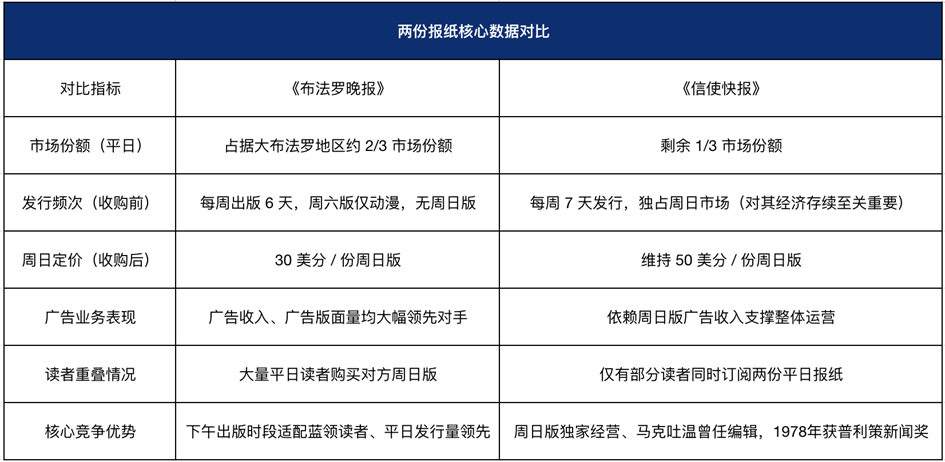
Core Viewpoint - The article discusses the relationship between Joseph Schumpeter's "creative destruction" theory and Warren Buffett's investment philosophy, emphasizing the importance of a sustainable competitive advantage or "moat" for long-term investment success [1][2][3]. Group 1: Creative Destruction Theory - "Creative destruction" highlights the dual nature of market economies, where innovation leads to both the emergence of new products and the failure of existing businesses [2]. - Buffett believes that while innovation drives economic growth, it also creates uncertainty for investors, making it crucial to identify companies with enduring competitive advantages [2][3]. Group 2: Importance of Moat - A strong "moat" is essential for protecting businesses from disruptive innovations, and it can stem from various sources such as brand recognition or cost advantages [4][5]. - Buffett categorizes businesses into two types: "franchise" businesses with pricing power and "commodity" businesses with low-cost advantages, emphasizing the need for a sustainable competitive edge [5][6]. Group 3: Case Studies - The article presents See's Candies as an exemplary "franchise" business, showcasing its strong brand loyalty and pricing power, which contribute to its competitive moat [9][10]. - In contrast, the case of the Buffalo Evening News illustrates how even a previously strong moat can erode due to "creative destruction" from the internet, leading to significant losses [11][18]. Group 4: Consumer Behavior and Moat - Consumer habits and emotional connections to brands create a robust moat, making it difficult for competitors to penetrate the market [19]. - Buffett's investment strategy focuses on companies that have embedded themselves in consumer habits, as this leads to a more resilient business model [19].
杨岳斌:巴菲特如何看待创造性破坏之“矛”和护城河之“盾”
点拾投资· 2026-02-07 11:00
Core Viewpoint - The article discusses the relationship between Joseph Schumpeter's "creative destruction" theory and Warren Buffett's investment philosophy, emphasizing the importance of a sustainable competitive advantage or "moat" for long-term investment success [1][2][3]. Group 1: Creative Destruction and Investment - "Creative destruction" highlights the dual nature of market economies, where innovation leads to both failures and new products/services [2]. - Buffett believes that while innovation drives economic growth, it also creates uncertainty for investors, making it crucial to identify businesses with enduring competitive advantages [2][5]. Group 2: Moat Characteristics - A sustainable moat can stem from various sources, including low-cost production advantages or strong brand recognition [5][7]. - Buffett categorizes businesses into two types: "franchise" businesses with pricing power and "commodity" businesses with low-cost advantages [6][7]. - "Franchise" businesses possess three key characteristics: they are desired or needed, have no close substitutes, and are not subject to price control [7][11]. Group 3: Case Studies - See's Candies exemplifies a "franchise" business with strong consumer demand, brand loyalty, and pricing power, establishing a solid moat [11][12]. - The Buffalo Evening News initially had a strong moat but ultimately lost it due to the disruptive impact of the internet, illustrating the vulnerability of even seemingly robust businesses [14][21]. Group 4: Consumer Behavior and Moat - Consumer habits and emotional connections to brands create a formidable moat, making it difficult for competitors to penetrate the market [22][23]. - Buffett's investment strategy focuses on companies that occupy a significant share of consumer "mind space," translating into stable consumer habits and loyalty [22][23].

2.6犀牛财经晚报:4001只私募产品1月净值创新高
Xi Niu Cai Jing· 2026-02-06 10:25
Group 1: Private Equity and Investment Trends - In January, 4001 private equity products reached a historical net value high, with 139 private equity firms having products that met ranking criteria [1] - Among these, only 14 firms are classified as "billion-dollar" private equity, with 8 focusing on stock strategies [1] Group 2: Commodity Market Insights - Analysts suggest that ordinary investors should avoid silver due to its high risk compared to gold, especially in volatile markets [1] - The price of silver has surged, eroding its fundamentals and making it a speculative asset [1] Group 3: Food Industry Regulations - The National Health Commission is seeking public opinion on new national standards for prepared foods, which prohibit the use of preservatives and limit shelf life to one year [1] Group 4: Semiconductor Market Dynamics - Counterpoint analysts indicate that soaring storage chip prices, driven by a significant increase in DRAM prices, may suppress consumer demand for electronic devices [2] - Storage prices have risen by 80%-90% quarter-on-quarter, impacting device manufacturers negatively [2] Group 5: Display Panel Market Forecast - TrendForce predicts that TV panel prices will continue to rise in February, supported by stable demand and production adjustments during the Lunar New Year [2] - Specific price increases are expected for various TV panel sizes, with 32-inch, 43-inch, and 50-inch panels projected to rise by $1, and larger sizes by $2 [2] Group 6: Media and Entertainment Growth - The State Administration of Radio and Television forecasts that the micro-short drama market will exceed 100 billion yuan by 2025, doubling from 2024 [3] - Approximately 33,000 micro-short dramas are expected to be released, with nearly 700 million domestic users [3] Group 7: Supply Chain Challenges - Intel and AMD have informed Chinese clients about CPU supply shortages, with delivery times potentially extending up to six months [4] - Intel's server products have seen price increases of over 10% due to supply constraints [4] Group 8: Corporate Financing and IPOs - PallasAI has completed a multi-million RMB financing round, focusing on technology upgrades and industry solutions [5] - The China Securities Regulatory Commission has approved the IPO registration for Hangzhou Gaote Electronics [5] Group 9: Corporate Operational Updates - Jinpu Titanium announced a temporary shutdown of its sulfuric acid production due to reduced demand [6] - Xinhua Medical has terminated its acquisition of a stake in Zhongzhi Biological due to unmet payment conditions [7] - Cuihua Jewelry reported overdue loans totaling 200 million yuan due to liquidity issues [8] Group 10: Legal and Regulatory Matters - Top Cloud Agriculture's shareholder received regulatory measures for delayed disclosure of shareholding changes [9] - Xinnengda reached a settlement in a lawsuit involving over 2.3 billion yuan [10][11] Group 11: Financial Performance Reports - Kunming Pharmaceutical reported a 46% decline in net profit for 2025, with revenues down 21.72% [13] - Times Electric achieved a 10.88% increase in net profit, with revenues up 15.46% [14] - Tianshili reported a 15.68% increase in net profit despite a slight revenue decline [15] - Guoji General reported a 45.71% increase in net profit, with revenues up 17.32% [16] Group 12: Market Performance Overview - The ChiNext index fell by 0.73% amid a volatile market, with significant movements in various sectors [17] - The chemical sector saw strong performance, while consumer sectors faced declines [17]
证监会重拳出击,每6天1家上市公司被立案调查
21世纪经济报道· 2026-02-06 08:42
Core Viewpoint - The recent regulatory actions in the capital market indicate a "zero tolerance" approach, establishing a new normal for comprehensive supervision that aims to enhance the quality of listed companies and purify the market ecosystem [1][15]. Regulatory Actions - Since the beginning of 2026, at least six listed companies or key individuals have been investigated, averaging one case every six days, with 13 companies receiving administrative penalty notices or prior notifications, averaging less than three days between each [1][11]. - The regulatory focus has shifted from merely punishing companies to targeting the entire ecosystem involved in fraudulent activities, emphasizing the need for a comprehensive response chain from investigation to punishment [1][14]. Types of Violations - The reasons for investigations have diversified, including market manipulation, information disclosure violations, misleading statements, and significant omissions [8][9]. - Specific cases highlight the increasing granularity of regulatory scrutiny, with investigations targeting misleading statements and significant omissions in disclosures [9]. Financial Penalties - As of February 5, 2026, ten listed companies or delisted companies have received administrative penalties, with three others receiving prior notifications, indicating a high frequency of enforcement actions [11]. - Serious cases of systemic financial fraud, such as *ST Changyao, have led to severe penalties, including forced delisting and substantial fines [11]. Impact on Companies - Companies like Qingyue Technology and Yuandao Communication face significant operational pressures alongside regulatory scrutiny, with projected losses and substantial declines in net profits [4][5][6]. - The regulatory environment has prompted a reduction in the misuse of company funds, with many previously problematic shareholders returning misappropriated funds [12]. Long-term Mechanism - The regulatory framework aims to establish a long-term mechanism that discourages violations through strict enforcement and technological empowerment, ensuring that companies adhere to compliance standards [13][15]. - The integration of advanced technologies like big data and AI into regulatory practices enhances the precision and effectiveness of oversight, targeting deeper and more complex fraudulent behaviors [14].



索尼发布2025年第三季度财报
WitsView睿智显示· 2026-02-06 05:41
Core Viewpoint - Sony Group reported strong financial results for the third quarter of fiscal year 2025, with operating profit and net profit exceeding analyst expectations, indicating robust performance despite challenges in hardware costs and supply chain issues [1][2]. Financial Performance - Operating profit for the third quarter reached 515 billion yen (approximately 22.84 billion RMB), a year-on-year increase of 22% [1]. - Net profit was 377.3 billion yen (approximately 16.73 billion RMB), reflecting an 11% year-on-year growth [1]. - Sales increased by 1% to 3.71 trillion yen (approximately 164.5 billion RMB) [1]. - The company revised its full-year operating profit forecast to 1.54 trillion yen from a previous estimate of 1.43 trillion yen [1]. Gaming and Network Services - The PlayStation 5 sales reached 8 million units during the quarter, driven by multiple game releases [2]. - However, the gaming and network services division faced profitability challenges due to hardware cost pressures [2]. Image Sensor Division - Revenue from the image sensor division surged by approximately 20% year-on-year, supported by increased sales in mobile products [2]. - The division is experiencing challenges due to a global memory shortage, which is affecting smartphone manufacturers' sales forecasts and product specifications [2]. Business Strategy and Partnerships - Sony is focusing on reducing reliance on low-margin hardware businesses and may consider further restructuring its business portfolio [2]. - A strategic partnership with TCL Electronics was initiated on January 20, aiming to establish a joint venture for Sony's home entertainment business, with TCL holding 51% and Sony 49% [2]. - The new company will cover television and home audio equipment, with operations planned for the global market, targeting completion of the final agreement by the end of March this year [2][4].