零食

Search documents
AI太笨还是人太懒?良品铺子花生上树不能甩锅AI
Xin Lang Cai Jing· 2025-08-30 16:33
Core Viewpoint - The incident involving the peanut advertisement by the snack brand Liangpinpuzi highlights a significant failure in management processes and basic food knowledge within the company, coinciding with its operational challenges and declining performance [1] Group 1: Incident Overview - Liangpinpuzi's advertisement mistakenly depicted peanuts growing on trees, which contradicts basic agricultural knowledge, leading to widespread ridicule on social media [1] - The company's response to the backlash was to blame the incident on "misuse of AI-generated materials," indicating a lack of accountability [1] Group 2: Financial Context - The incident occurred during a critical period for Liangpinpuzi, as the company reported closing 430 stores in the first half of the year and shifted from profit to loss [1] Group 3: Implications and Recommendations - The "peanut on tree" incident serves as a warning for Liangpinpuzi, emphasizing the importance of trust and attention to detail in brand management [1] - There is a call for the company to implement better training for employees on basic food knowledge and consider involving agricultural experts in the content review process [1]

三只松鼠:从“国民零食第一股”到困局求生,港股上市能否成为破局关
Sou Hu Cai Jing· 2025-08-30 07:23
Group 1 - The core issue facing the company is its significant decline in market value, store closures, and increased competition, raising questions about its ability to recover [1] - The ambitious "10,000 store plan" proposed at the time of its IPO in 2019 has failed, with only 333 stores remaining by the end of 2024, a 70% reduction from its peak [3] - Online sales still account for 69.73% of total sales, while 82.6% of the Chinese snack market is offline, highlighting the company's struggle to adapt to market dynamics [3] Group 2 - The company's attempts to expand through acquisitions have faltered, as seen in its failed acquisition of "Ai Ling Shi," which was intended to leverage 2,000 stores for rapid growth [3][4] - The competitive landscape has shifted dramatically, with new players like "Ming Ming Hen Mang" and "Wan Chen Group" dominating the market through aggressive pricing and extensive store networks [4] - The operational efficiency of competitors is stark, with "Ming Ming Hen Mang" having over 16,000 stores and a stock turnover of just 11 days compared to the company's 78 days [4] Group 3 - The company is now looking to its Hong Kong IPO as a potential lifeline, submitting its application in April 2025 amid fierce competition from rivals [5] - There are significant gaps in technology investment and digital capabilities compared to competitors, which could hinder its growth prospects [5][6] - The company faces challenges in the IPO process, including issues related to shareholder equity pledges and data security, which could delay or obstruct its listing [7] Group 4 - The high salary of the chairman, which has exceeded 300,000 yuan annually for five consecutive years, has drawn criticism amid the company's struggles [8] - The chairman has positioned 2025 as a critical year for the company's revival, focusing on overseas expansion and digital upgrades [8] - The company's future hinges on its ability to transition from a growth-at-all-costs model to one focused on efficiency and value creation [9]


良品铺子“花生上树”翻车,系误用AI生成图片
2 1 Shi Ji Jing Ji Bao Dao· 2025-08-30 03:21
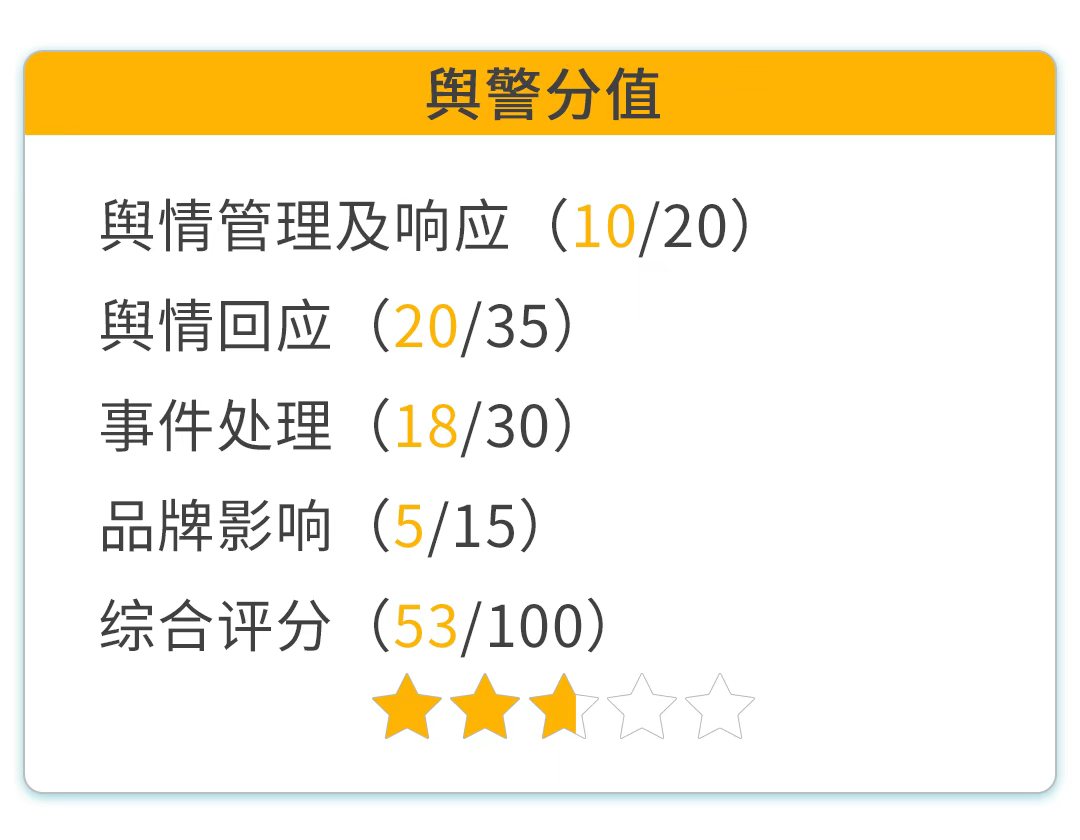
Group 1 - The core viewpoint emphasizes the importance of consumer trust and brand management in the face of public opinion events, highlighting the need for effective response strategies from companies [1] - The article discusses the establishment of a quantitative scoring mechanism for companies' public opinion management, which includes four primary indicators and 14 secondary indicators, aimed at evaluating corporate responses to public events [1] Group 2 - The incident involving the snack brand Liangpinpuzi, where an advertisement incorrectly depicted peanuts growing on trees, illustrates the pitfalls of using AI-generated content without proper oversight, leading to public backlash [2][3] - Liangpinpuzi's prompt apology and corrective actions reflect a commitment to brand integrity, but the incident raises concerns about the accuracy of content produced through AI technology [3] Group 3 - The launch of the mini Labubu product by Pop Mart has generated consumer excitement, but initial feedback indicates dissatisfaction with the product's size and quality, raising questions about the company's quality control [4][5] - The ongoing quality issues reported by consumers, including defects in previous products, suggest that Pop Mart must balance rapid expansion with stringent quality management to maintain brand reputation and consumer trust [6]
良品铺子“花生上树”翻车,系误用AI生成图片|消费舆警指数
2 1 Shi Ji Jing Ji Bao Dao· 2025-08-30 01:43
Core Insights - Consumer trust and preference are vital market resources for consumer-facing companies, and the integration of brand and operational processes has intensified in recent years, making the management of public sentiment crucial for brand reputation [1] Group 1: Incident Analysis - The "Peanut on Tree" incident involving the brand Liangpinpuzi highlighted a significant error in advertising, where peanuts were incorrectly depicted as growing on trees, leading to public backlash [2] - Liangpinpuzi issued a formal apology on August 28, acknowledging the mistake was due to the use of AI-generated images and committed to updating the product pages and verifying all promotional materials for accuracy [2] - The incident underscores the risks associated with AI technology in commercial applications, emphasizing the need for strict review processes to avoid damaging brand image and misleading consumers [5] Group 2: Product Quality Concerns - The launch of the mini Labubu blind box by Pop Mart faced criticism for poor workmanship and small size, with consumers expressing dissatisfaction regarding the product's quality relative to its price [6] - Pop Mart's rapid expansion has led to quality control issues, with previous complaints about product defects such as misalignment and paint issues, indicating a need for better balance between growth and quality management [6][7] - As the trend in the toy industry shifts from "hunger marketing" to "quality-driven" strategies, brands must enhance supply chain upgrades and transparency in quality inspection processes to maintain consumer trust and brand value [7]

上半年增收不增利,处于转型阵痛期的来伊份谋求新突围
Hua Xia Shi Bao· 2025-08-29 14:15
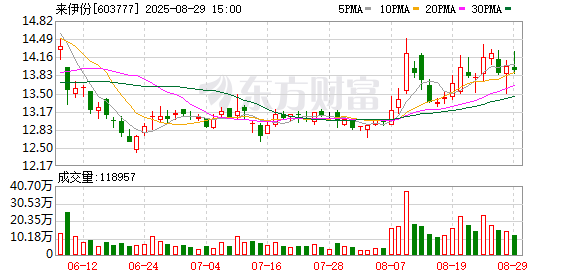
Core Viewpoint - The company, Laiyifen, reported a disappointing performance in the first half of 2025, with revenue growth but a significant net loss, indicating a situation of increasing revenue without increasing profit [2][4][5]. Revenue Performance - Laiyifen's revenue for the first half of 2025 reached 1.94 billion yuan, a year-on-year increase of 8.21% [4]. - The net profit turned negative at -50.68 million yuan, a shift from profit to loss compared to the previous year [4]. - The cash flow from operating activities decreased by 78.68% to 22.40 million yuan [4]. Cost and Profitability Issues - The company's gross margin fell to 32.61%, down 8.67 percentage points year-on-year, while the net margin was -2.27%, a decline of 3.00 percentage points [6]. - In Q2 2025, the gross margin further decreased to 30.21%, down 10.73 percentage points year-on-year [7]. Store Operations and Adjustments - As of June 30, 2025, the total number of stores decreased to 2,979, with a net reduction of 106 stores [8]. - The number of direct-operated stores fell by 90 to 1,395, while franchise stores decreased by 16 to 1,584 [8]. - Revenue from direct-operated stores dropped by 78.69% to 875 million yuan, while franchise store revenue increased by 78.71% to 722 million yuan [8]. Market Challenges and Competitive Landscape - The company faces intense competition from emerging snack retailers, which have adopted low-price strategies that appeal to consumers, particularly in lower-tier markets [5][11]. - The overall consumption environment remains challenging, impacting many physical stores, including those in the snack sector [5]. Strategic Transformation - Laiyifen is undergoing a strategic transformation, focusing on new business channels and product innovation to drive revenue growth [5][10]. - The company is also exploring new product categories, including beverages and prepared foods, to enhance its market presence [9][12]. Recommendations for Improvement - Analysts suggest that the company should enhance product development and innovation, optimize store operations, and strengthen online sales channels to improve profitability [12][13]. - There is a need for better cost control in the supply chain and a clearer brand positioning to differentiate from competitors [13].

瓜子界顶流“翻车”?洽洽半年报亏到瓜子壳都不剩
Zhong Jin Zai Xian· 2025-08-29 12:28
Core Viewpoint - The financial performance of Qiaqia Food, a leading sunflower seed brand, has significantly declined, with a 73% drop in net profit and a 5.05% decrease in revenue for the first half of 2025, raising concerns among shareholders [1][2]. Group 1: Financial Performance - Qiaqia's revenue for the first half of 2025 was 2.752 billion yuan, down 5.05% year-on-year [1]. - The net profit attributable to shareholders was only 88.64 million yuan, a staggering decline from 337 million yuan in the same period last year, representing a 73.68% decrease [1]. - Operating cash flow also decreased by 76.12%, indicating severe financial strain [1]. Group 2: Cost and Pricing Challenges - The company faces rising costs due to soaring sunflower seed prices influenced by international grain markets and weather conditions, leading to increased procurement costs [2]. - As a staple snack, consumers are highly sensitive to price changes, making it difficult for Qiaqia to raise prices without risking loss of market share to competitors [2]. Group 3: Market Competition and Strategy - The rise of new snack brands and direct-to-store sales models has intensified competition, with these brands capturing significant market share and offering lower prices [3]. - Qiaqia has begun diversifying its product line, introducing new items such as flavored seeds and ice cream, in an attempt to transition from a single-product brand to a comprehensive snack company [3]. - The company is also focusing on digital transformation and expanding into Southeast Asia and other international markets to regain growth momentum [3].

净利暴增500倍!万辰集团斩获“20cm”涨停
Huan Qiu Lao Hu Cai Jing· 2025-08-29 10:07
Core Viewpoint - Wanchen Group reported a significant increase in revenue and net profit for the first half of 2025, indicating strong business growth and operational efficiency improvements [1][2]. Financial Performance - In the first half of 2025, Wanchen Group achieved revenue of 22.583 billion yuan, a year-on-year increase of 106.89% [1]. - The company recorded a net profit attributable to shareholders of 472 million yuan, reflecting a staggering year-on-year growth of 50,358.8% [1]. - Historical performance shows that revenue for the first half of 2022, 2023, and 2024 was 202 million yuan, 2.217 billion yuan, and 10.915 billion yuan respectively, with net profits of 1.7754 million yuan, -5.5732 million yuan, and 934.6 thousand yuan [2]. Business Segments - The rapid growth is attributed to the focus on the bulk snack and edible fungus sectors, with the bulk snack business generating 22.345 billion yuan in revenue, while the edible fungus segment contributed only 23.8 million yuan [2]. - The company expanded its store count by 1,468, resulting in a total of 15,365 stores by the end of the reporting period [2]. Capital Operations - On August 12, Wanchen Group announced plans to acquire a 49% stake in Nanjing Wanyou Commercial Management Co., Ltd. for 1.379 billion yuan, increasing its ownership from 26.01% to 75.01% [3]. - Nanjing Wanyou, which operates the "Laiyoupin" brand, managed 3,212 stores and reported revenue of 7.712 billion yuan and net profit of 246 million yuan in 2024 [3]. - The acquisition includes performance commitments for Nanjing Wanyou to achieve net profits of no less than 320 million yuan, 330 million yuan, and 350 million yuan from 2025 to 2027 [3]. - Additionally, on August 23, Wanchen Group announced plans to issue H-shares and apply for listing on the Hong Kong Stock Exchange [3].
食品饮料行业双周报(2025、08、15-2025、08、28):业绩表现分化,关注白酒旺季动销反馈-20250829
Dongguan Securities· 2025-08-29 08:07
Investment Rating - The report maintains an "Overweight" rating for the food and beverage industry, expecting the industry index to outperform the market index by over 10% in the next six months [63]. Core Insights - The performance of the food and beverage industry is showing divergence, particularly in the liquor sector, where the upcoming Mid-Autumn Festival and National Day are expected to boost sales [58]. - The report highlights the strong performance of high-end liquor brands like Kweichow Moutai, while other brands like Wuliangye and Yanghe have shown varying degrees of decline in their performance [58]. - The report suggests focusing on high-certainty stocks in the liquor sector, such as Kweichow Moutai (600519), and also recommends attention to mid-range and regional liquor brands like Shanxi Fenjiu (600809) and Gujing Gongjiu (000596) [58]. Summary by Sections Market Review - From August 15 to August 28, 2025, the SW food and beverage industry index rose by 3.04%, underperforming the CSI 300 index by approximately 3.92 percentage points [14]. - Most sub-sectors underperformed the CSI 300 index, with the other liquor sector showing the highest increase of 7.50%, while the meat products sector had the largest decline at -0.73% [15][19]. Industry Data Tracking Liquor Sector - The prices of Feitian Moutai and Wuliangye have decreased, with Feitian's price at 1810 RMB/bottle, down 50 RMB from August 14 [25]. Seasoning Sector - Prices for soybean meal and white sugar have decreased, with soybean meal at 3102 RMB/ton, down 24 RMB from August 14 [27]. Beer Sector - Barley prices increased slightly to 2232.50 RMB/ton, while glass prices decreased to 13.88 RMB/square meter [33]. Dairy Sector - The average price of fresh milk remained stable at 3.02 RMB/kg [39]. Meat Products Sector - The average wholesale price of pork decreased to 19.82 RMB/kg, down 0.41 RMB from August 14 [41]. Important News - The retail sales of tobacco and alcohol reached 374 billion RMB in the first seven months of 2025, showing a year-on-year growth of 5.2% [44]. - Beer exports increased by 22.1% year-on-year in the first seven months, while imports saw a slight decline [45]. Company Announcements - Kweichow Moutai reported stable growth in the first half of 2025, while other brands like Yanghe and Wuliangye reported significant declines in revenue and profit [50][52].

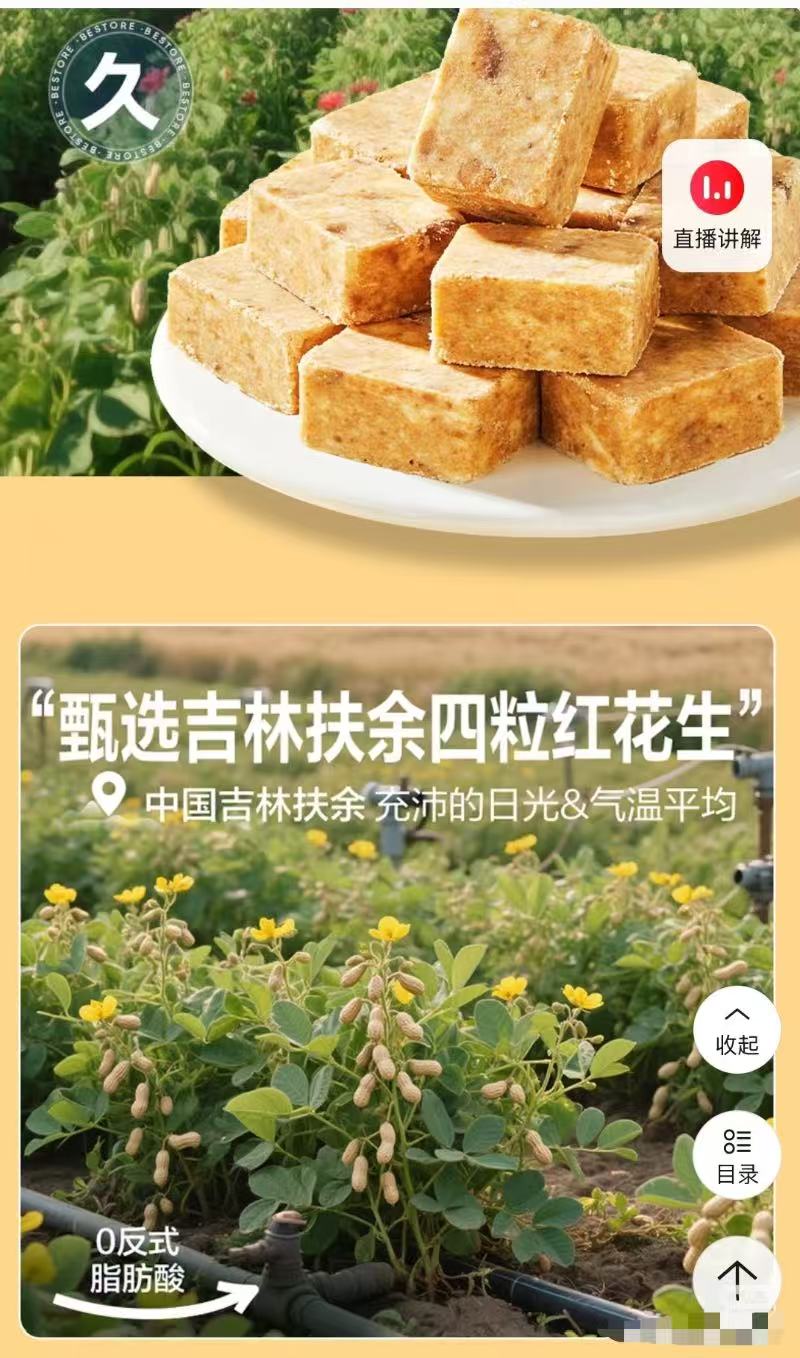
“花生上树”宣传图引吐槽,良品铺子致歉:系错误使用AI生成图片
Xin Lang Cai Jing· 2025-08-29 03:32
Group 1 - A recent advertisement by the company for its "Four Grains of Red Peanuts" product has drawn criticism for depicting peanuts growing on branches, which contradicts agricultural facts as peanuts grow underground [1][3] - The company acknowledged the error, attributing it to the use of AI-generated images and has issued an apology while updating the product page to correct the misinformation [7] - The company is implementing a comprehensive review of all promotional materials to ensure scientific accuracy and is enhancing its internal content review processes [7] Group 2 - The company is currently facing a control dispute involving its major shareholder, with the amount in litigation increasing from 996 million to 1.023 billion yuan [12] - The ongoing lawsuit is not expected to significantly impact the company's operations or current profits, but it introduces uncertainty regarding control transfer matters [12] - Financially, the company reported a revenue of 2.829 billion yuan for the first half of the year, a year-on-year decline of 27.21%, and a net loss of 93.55 million yuan, marking a shift from profit to loss [12]
从单打独斗到集体出海,新消费品牌掀起一场"中国潮流"风暴
Sou Hu Cai Jing· 2025-08-28 18:07
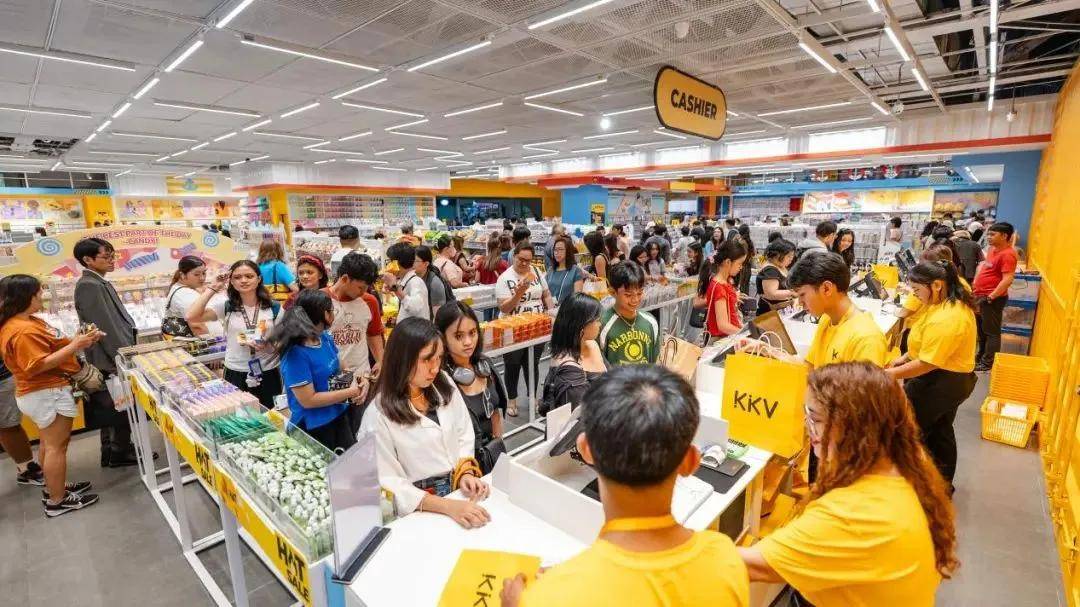
Core Insights - A new wave of Chinese brands is rapidly expanding in Southeast Asia, driven by a collective approach to market entry, contrasting with the previous individualistic strategies [3][4][9] - The success of brands like KKV and Mixue Ice City highlights the effectiveness of this "group army" strategy, allowing for shared resources and reduced entry barriers [4][10][16] Group 1: Market Dynamics - Southeast Asia is experiencing a "new consumption boom," with Chinese brands redefining market rules through collective efforts [3][4] - The region's young population, with a median age below 30, presents significant consumer potential, as these individuals are more open to new brands and products [21][23] - Cultural similarities, particularly in areas with large Chinese communities, lower the adaptation costs for Chinese brands entering these markets [23][24] Group 2: Brand Success Stories - Mixue Ice City has opened nearly 5,000 stores in Southeast Asia within two years, showcasing a rapid expansion strategy that resonates with local consumers [4][6] - Bubble Mart's LABUBU character has gained popularity in Thailand, indicating a shift in local consumer habits towards Chinese trendy products [6][8] - Brands like KKV are facilitating the entry of over 100 Chinese brands into Southeast Asia, significantly increasing their market presence and sales [9][10] Group 3: Innovative Business Models - KKV's model includes zero entry fees and comprehensive support for product certification and logistics, making it easier for brands to enter the market [10][16] - The establishment of a unified certification service and shared marketing strategies among brands enhances operational efficiency and reduces costs [16][17] - Data-driven decision-making through KKV's retail management system allows brands to quickly adapt to consumer preferences and optimize their offerings [17] Group 4: Strategic Advantages - The RCEP agreement has facilitated trade by reducing tariffs and improving logistics, further benefiting Chinese brands in Southeast Asia [25][26] - The ongoing infrastructure development in Southeast Asia provides ample opportunities for retail brands to establish a strong presence [27] - The rise of social media and e-commerce platforms has created new marketing channels, allowing brands to engage with consumers effectively [27][28] Group 5: Future Outlook - The success of Chinese brands in Southeast Asia is seen as a stepping stone for global expansion, with plans to replicate successful models in other regions [28][36] - The anticipated growth of KKV and its associated brands could lead to a significant increase in their international market share by 2027-2028 [32] - The overall trend indicates a shift from "Made in China" to "Created in China," emphasizing cultural influence alongside commercial success [36]