超市

Search documents
超市百货2025年中报综述:调改深入推进,毛利结构优化
Changjiang Securities· 2025-09-14 12:44
Investment Rating - The report maintains a "Positive" investment rating for the supermarket and department store industry [4]. Core Insights - The overall retail sector is showing signs of stabilization and recovery, with essential and national subsidized categories performing well. In the first seven months of 2025, the retail sales growth rate was 4.8%, with July's growth at 3.7% [14]. - Supermarkets are undergoing store closures and adjustments, leading to an optimization of profit margins. In the first half of 2025, major supermarket chains closed a total of 223 stores, with ongoing adjustments expected to enhance profitability [15][19]. - The department store sector is experiencing a short-term decline in performance, with a focus on maintaining operational stability and gradually improving brand matrices [35]. Summary by Sections Overall Retail Sector - Retail sales growth is stabilizing, with essential goods showing strong growth. For instance, the retail sales growth for essential food categories was 12.2% in Q2 2025 [14]. - The performance of optional categories is recovering, with notable growth in national subsidized products like home appliances and furniture, which saw growth rates of 40.4% and 27.2% respectively in Q2 2025 [14]. Supermarkets - Supermarkets are optimizing their store networks, with significant closures and adjustments. For example, Yonghui Supermarket closed 223 stores, reducing its total to 552 [15]. - The average revenue for representative supermarket enterprises in Q2 2025 was 3.8 billion yuan, a decrease of 15% year-on-year, primarily due to the closure of underperforming stores [19]. - The average gross margin for supermarkets improved by 0.84 percentage points to 22.82% in Q2 2025, despite a net loss of 160 million yuan [19][25]. Department Stores - The average revenue for representative department store enterprises in Q2 2025 was 1.28 billion yuan, down 11% year-on-year, attributed to weak consumer demand [35]. - The average gross margin for department stores increased by 1.83 percentage points to 36.25% in Q2 2025, while average sales and management expenses decreased by 3% and 2% respectively [35]. Investment Recommendations - The report suggests continuous monitoring of supermarket adjustments and improvements in operational efficiency. Key companies to watch include Yonghui Supermarket, Jiajiayue, Wushang Group, Chongqing Department Store, and Tianhong [42][43].
乌拉圭商业连续六季度增长
Shang Wu Bu Wang Zhan· 2025-09-13 16:51
Core Insights - Uruguay's commercial sector has experienced growth for six consecutive quarters, with a 2.2% year-on-year increase in sales for Q2 this year [1] Summary by Category Sales Performance - The best-performing sectors include hotels, real estate, and supermarkets, while restaurants, convenience stores, and personal care services have seen declines [1] Regional Growth - Montevideo's commercial activity grew by 2.4%, whereas inland regions only saw a growth of 1.1% [1] Business Impact - 70% of businesses reported a decline or stagnation, with small and medium-sized enterprises being the most affected; only large enterprises maintained moderate growth [1]
大润发高层变动:快消品“采购老将”吕国铭退休,李春德接棒开启新阶段
Sou Hu Cai Jing· 2025-09-12 09:14
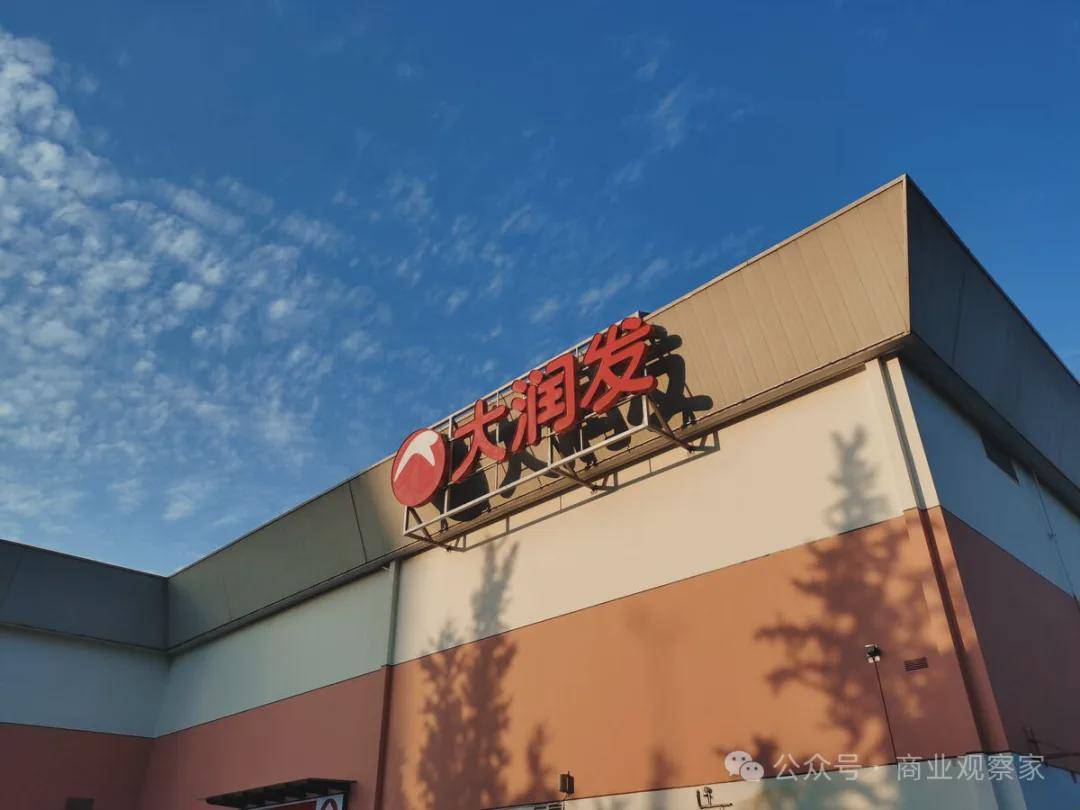
Group 1 - Recent leadership change at RT-Mart with the retirement of General Manager of Fast-Moving Consumer Goods (FMCG) Department, Lv Guoming, and the appointment of former Deputy Li Chunde [1] - This change follows the acquisition of Gao Xin Retail by Dehong Capital, indicating a significant organizational adjustment for RT-Mart [1] - Lv Guoming's extensive experience at RT-Mart has been pivotal in the company's growth, particularly in the FMCG sector, which has been crucial for its competitive advantage in the supermarket industry [3] Group 2 - The FMCG business has been a key driver for RT-Mart, allowing it to attract foot traffic and support rental income from its stores, with 35% of its outlets being self-owned properties [3] - RT-Mart's strategy to penetrate lower-tier markets has been successful, with 75.6% of its 505 stores located in third to fifth-tier cities as of mid-2025 [3] - The retirement of Lv Guoming may lead to further adjustments in RT-Mart's FMCG operations and overall product system, following recent organizational changes including the closure of the Central China regional headquarters [4] Group 3 - The supermarket industry has seen shifts in its driving forces, with FMCG leading early growth, followed by fresh produce, and now ready-to-eat food categories gaining traction among younger consumers [4][5] - RT-Mart has adapted to these changes, focusing on upgrading its fresh produce offerings while facing challenges in the ready-to-eat segment, where competitors like Hema and Sam's Club are excelling [5] - The company must balance maintaining its FMCG strengths while enhancing its fresh and ready-to-eat food categories to appeal to younger consumers and remain competitive in the evolving market [5]

重塑品质生活新体验,南通首家“胖永辉”焕新开业
Yang Zi Wan Bao Wang· 2025-09-12 03:31
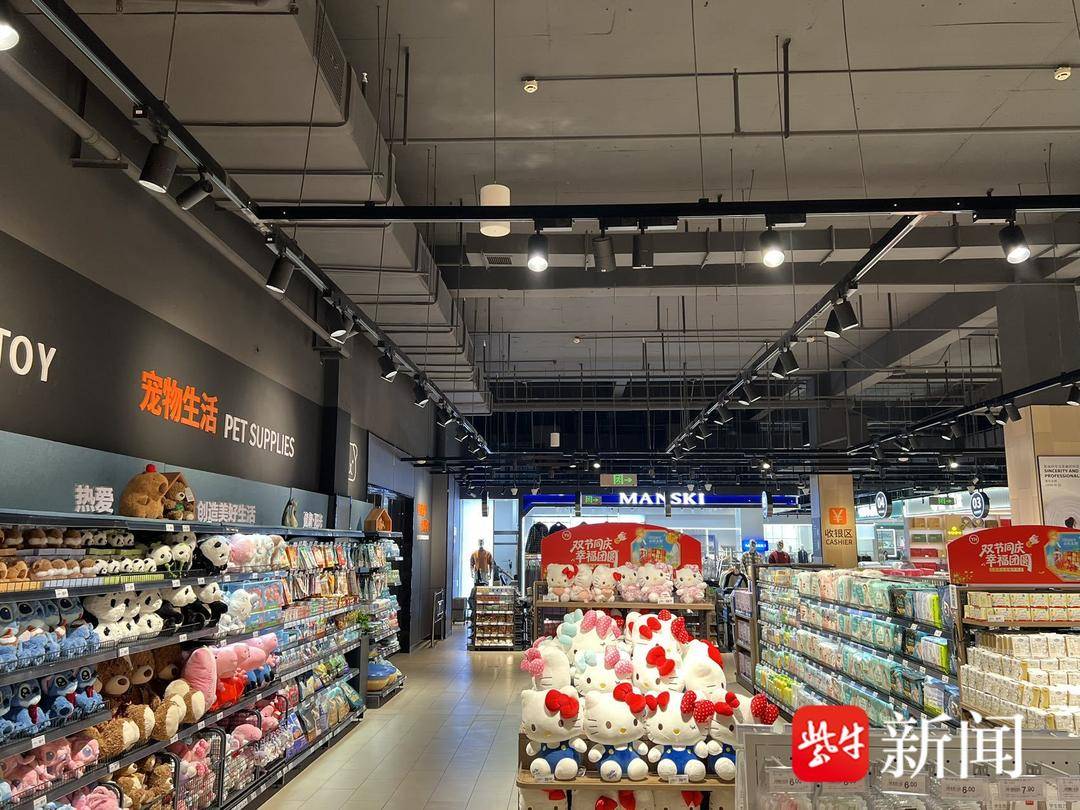
Core Viewpoint - Yonghui Supermarket has launched its first "Fat Donglai model" store in Hai'an, marking a significant step in its market expansion in the Suzhong county area, responding to local consumer demand for upgraded shopping experiences and service quality [1][3]. Group 1: Store Features and Offerings - The new store covers over 2,600 square meters and aims to enhance the shopping environment and service experience for local consumers [3]. - The product structure has been significantly adjusted, with over 41% of new products and an overall alignment with the Fat Donglai standard of 80% [5]. - The proportion of imported goods has increased to 13%, while the share of fresh food categories like baked goods and cooked food has risen from 5% to 20% [5]. Group 2: Product and Service Innovations - The fresh produce section has been upgraded to include high-altitude vegetables, organic products, and specialty fruits, enhancing quality and sourcing [5][6]. - The store features a dedicated area for Fat Donglai products, allowing customers to conveniently purchase high-quality items without traveling to Henan [6]. - Service upgrades include various customer-friendly amenities such as blood pressure monitors, drinking water, and free charging stations, creating a comfortable resting space [6]. Group 3: Commitment to Local Culture and Quality - The store integrates the "people-oriented" philosophy of Fat Donglai with local consumer habits and culture, aiming to create a unique shopping experience for Hai'an residents [8]. - The seafood section promises to sell only seafood without added water, offering free cleaning and oxygenation services [6]. - Strict food safety measures are implemented, including the "468 principle" for cut fruit, ensuring quality and freshness [6].

中百集团涨2.63%,成交额1.74亿元,主力资金净流入1863.68万元
Xin Lang Cai Jing· 2025-09-12 02:20
Company Overview - Zhongbai Group is a large chain enterprise primarily engaged in commercial retail, including chain supermarkets and comprehensive department stores, with additional involvement in pharmaceuticals, logistics, property management, and import-export trade [1][2] - The company's main business revenue composition is 91.07% from merchandise sales and 8.93% from other income [1] Stock Performance - As of September 12, Zhongbai Group's stock price increased by 2.63%, reaching 8.20 CNY per share, with a total market capitalization of 5.494 billion CNY [1] - Year-to-date, the stock has declined by 37.31%, but has shown recent recovery with a 4.46% increase over the last five trading days, 10.22% over the last 20 days, and 8.90% over the last 60 days [1] - The company has appeared on the trading leaderboard 18 times this year, with the most recent appearance on April 14, where it recorded a net buy of 53.3776 million CNY [1] Financial Performance - For the first half of 2025, Zhongbai Group reported a revenue of 4.618 billion CNY, a year-on-year decrease of 19.13%, and a net profit attributable to shareholders of -255 million CNY, down 79.50% year-on-year [2] - The company has cumulatively distributed 919 million CNY in dividends since its A-share listing, with no dividends paid in the last three years [3] Shareholder Information - As of August 31, Zhongbai Group had 99,800 shareholders, a decrease of 2.57% from the previous period, with an average of 6,568 circulating shares per shareholder, an increase of 2.63% [2]

山西证券研究早观点-20250912
Shanxi Securities· 2025-09-12 01:52
Market Overview - The domestic market indices showed mixed performance, with the Shanghai Composite Index closing at 3,875.31, up by 1.65%, while the Shenzhen Component Index rose by 3.36% to 12,979.89 [2][4]. Company Analysis: 阳光电源 (Sungrow Power Supply) - In the first half of 2025, the company achieved revenue of 43.53 billion yuan, a year-on-year increase of 40.3%, and a net profit of 7.73 billion yuan, up by 56.0% [9]. - The company's photovoltaic inverter revenue reached 13.4 billion yuan, growing by 11% year-on-year, with a gross margin of 35.74% [9]. - The energy storage system revenue doubled to 17.8 billion yuan, with a gross margin of 39.92% [9]. - R&D investment increased by 37% to 2.037 billion yuan, with a focus on AIDC (Artificial Intelligence Data Center) [9]. Company Analysis: 永辉超市 (Yonghui Superstores) - The company is undergoing a transformation towards quality retail, with a focus on product innovation and supply chain reform [10]. - In 2024, the top 100 supermarkets in China are expected to have a sales scale of approximately 900 billion yuan, with a year-on-year growth of 0.3% [10]. - The company plans to expand its remodeled stores from 160 to 200 by the end of September 2025, aiming for 300 by the Lunar New Year [10][11]. Company Analysis: 新致软件 (New Wisdom Software) - In the first half of 2025, the company reported revenue of 897 million yuan, a decrease of 3.4% year-on-year, while net profit increased by 42.84% [12][13]. - The company is focusing on AI applications, with significant growth in intelligent income, which rose by 89.4% [23]. Company Analysis: 盐津铺子 (Yanjinpuzi) - The company achieved total revenue of 2.941 billion yuan in the first half of 2025, a year-on-year increase of 19.58% [16]. - The revenue from konjac products surged by 155.10%, driven by strong sales of its flagship product [18]. Company Analysis: 中国电信 (China Telecom) - In the first half of 2025, the company reported revenue of 269.4 billion yuan, a year-on-year increase of 1.3%, with a net profit of 23 billion yuan, up by 5.5% [23]. - The company is expanding its AI and cloud services, with intelligent income growing significantly [24][25]. Company Analysis: 永太科技 (Energizer Technology) - The establishment of a joint venture for lithium battery technology commercialization is expected to enhance the company's market position [27]. - The company aims for significant revenue growth in the coming years, driven by new product developments in lithium battery materials [30].




永辉超市(601933):品质零售调改坚定推进,全国超市龙头再焕新机
Shanxi Securities· 2025-09-11 09:44
Investment Rating - The report assigns an "Accumulate-A" rating to the company, marking its first coverage [6]. Core Views - The company is a leading national chain supermarket that is firmly advancing its quality retail transformation. It has experienced rapid growth in revenue, store count, and net profit from 2010 to 2019, with compound annual growth rates of 23.9%, 21.7%, and 19.9% respectively. However, it faced operational losses starting in 2021 due to various market pressures and has since committed to a quality retail strategy [1][16]. Summary by Sections Company Overview - The company began in 1998 and pioneered the "Agricultural Reform Supermarket" model. It expanded rapidly, reaching 911 stores by 2019. However, it has faced challenges since 2021, leading to a net store closure trend and a total loss of 9.502 billion yuan from 2021 to 2024 [1][16][22]. Store Transformation - The company is actively transforming its stores, with a target of reaching 200 remodeled stores by the end of September 2025 and 300 by early 2026. As of August 15, 2025, 160 remodeled stores were operational [1][28]. Product Layout - The company is optimizing its product structure by significantly updating its inventory, with over 60% of products being new. It is focusing on high-margin categories such as baked goods and ready-to-eat meals, with a notable increase in sales during the 2025 Spring Festival [32][37]. Supply Chain Reform - The company is shifting from a traditional KA model to a cost-plus procurement model, enhancing its product differentiation. It is also establishing a central kitchen to ensure product quality and stable supply [47][49]. Service Improvement - The remodeled stores are equipped with various customer service facilities, enhancing the shopping experience. Employee wages have also increased significantly, with a focus on improving employee satisfaction and retention [53][56]. Industry Overview - The supermarket industry in China is characterized by stable growth, with the top 100 supermarket companies projected to achieve a sales scale of approximately 900 billion yuan in 2024, reflecting a year-on-year growth of 0.3%. The industry is undergoing a transformation, with many companies focusing on store remodeling as a key strategy for 2025 [2][6].
永辉鲁谷店8月26日调改焕新开业
Jing Ji Wang· 2025-09-08 03:03
Core Insights - Yonghui Supermarket's Luqu Store in Beijing has undergone a successful two-month renovation, aligning with the company's strategy to better understand consumer needs and enhance service quality [1] - The store's renovation is part of a broader initiative, with nearly 170 stores across the country undergoing similar transformations, aiming to improve customer satisfaction and operational efficiency [1][2] Product Restructuring - The store has increased its product turnover rate to over 50%, with more than 80% of its product structure now aligned with the quality-price ratio standards of the successful "Pang Donglai" model [2] - Yonghui's private label and reverse-customized products are key to offering high-quality yet affordable options, such as a 3kg laundry detergent priced at 19.8 yuan and a 1L orange juice at 13.5 yuan [2][4] - The store has expanded its offerings to include local specialties and popular brands, catering to the tastes of local consumers while also appealing to younger shoppers with fresh baked goods and convenient packaging options [2][4] Experience Revolution - The store's layout has been optimized to enhance the shopping experience, with wider aisles and lower shelves to improve visibility and flow [5] - Additional services such as a "manager-style" parking lot and various customer-friendly features have been introduced to create a welcoming environment [5][8] - The store hosts regular events and tastings to engage customers, transforming shopping from a chore into an enjoyable experience [7] Community Engagement - The renovation has maintained the store's community-oriented approach, with initiatives to support local workers and provide essential services [8][9] - Employee welfare has been prioritized, with salary increases and improved working conditions, fostering a sense of belonging and commitment among staff [8] - The store has introduced various community services, such as a "Love Station" for delivery workers and facilities for mothers, reinforcing its role as a trusted neighborhood resource [9] Strategic Alignment - The successful renovation of the Luqu Store exemplifies Yonghui's commitment to enhancing product quality, customer experience, and community ties, aligning with broader urban development goals in Beijing [9] - The store's transformation reflects a strategic shift towards becoming a provider of quality living and a connector of community warmth, moving beyond traditional retail functions [9]
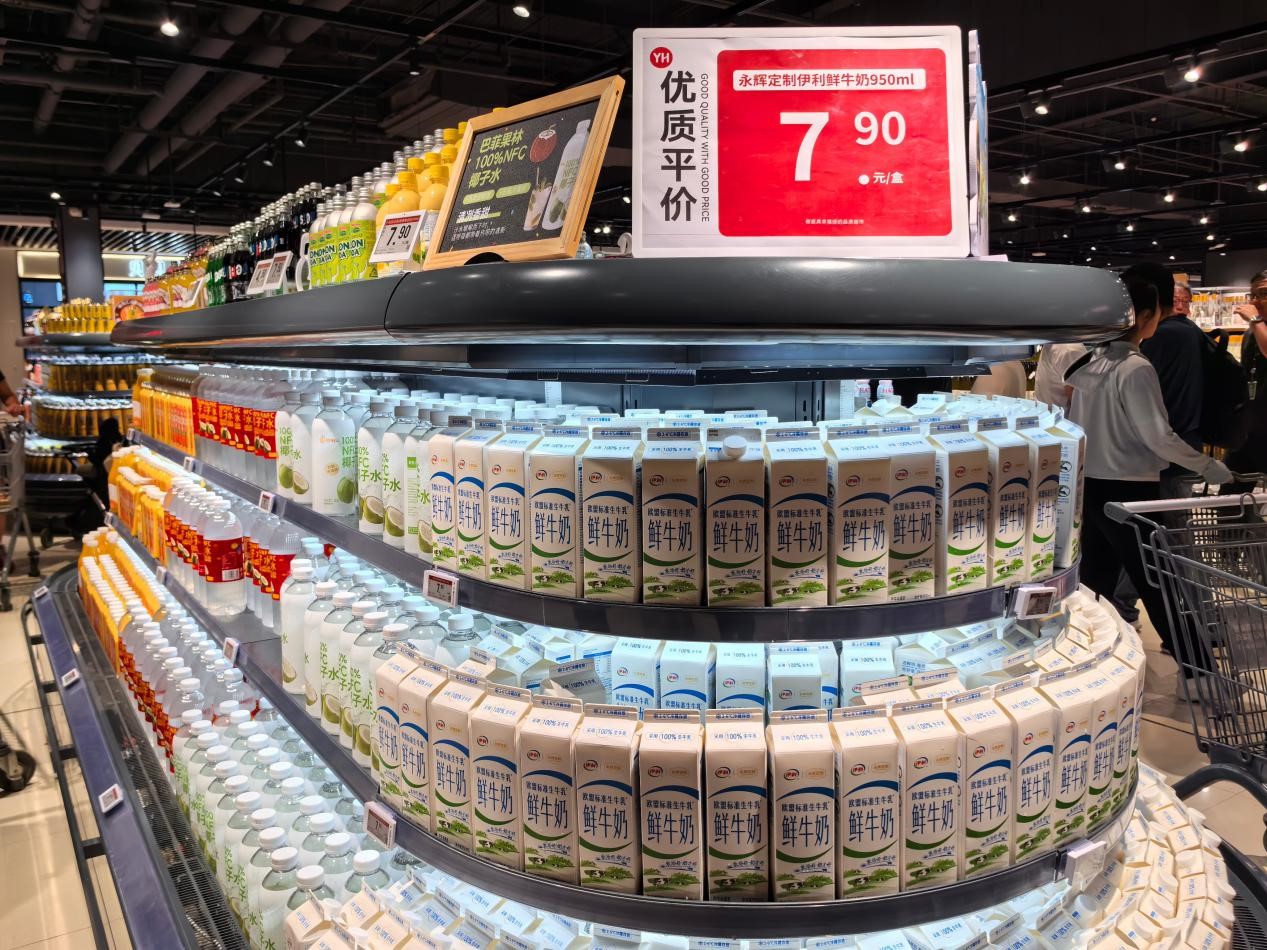
永辉超市(601933):25H1调改&闭店节奏加快 变革进入文化、供应链等深水区
Xin Lang Cai Jing· 2025-09-08 00:29
Core Viewpoint - The company reported a significant decline in revenue and net profit for the first half of 2025, primarily due to store closures and ongoing adjustments in its business model [1][2][3]. Financial Performance - For 25H1, the company generated revenue of 29.95 billion yuan, a year-on-year decrease of 20.7%, with a net profit attributable to shareholders of -240 million yuan and a non-recurring net profit of -800 million yuan, slightly better than previous forecasts [1][2]. - In 25Q2, revenue was 12.47 billion yuan, down 22.6% year-on-year, with a net profit of -390 million yuan and a non-recurring net profit of -940 million yuan [1]. - The company's gross margin for 25H1 was 20.8%, a decrease of 0.8 percentage points year-on-year, while the gross margin for fresh and processed goods improved to 14.5%, up 2.1 percentage points [2]. Operational Adjustments - The company has accelerated its store adjustment pace, with 124 stores modified in 25H1 and a target of over 208 modified stores by the end of Q3 [3]. - The company aims to complete adjustments for all existing stores by early 2026, with a focus on reducing the number of suppliers by 50% and increasing direct sourcing of fresh products to over 60% [3]. - The company has also launched new private label products, with a long-term goal of achieving a 40% share of private label products by 2029 [3]. Investment Outlook - The company is positioned as one of the two most promising national supermarket chains in China, alongside Hema, with a differentiated competitive strategy compared to existing players like Sam's Club and Costco [4]. - The estimated bottom market value is projected at 54 billion yuan based on a profit of 2.7 billion yuan and a 20x price-to-earnings ratio, with expectations for improved profitability as store adjustments progress [4]. - The company anticipates achieving operational breakeven by Q4, excluding the impacts of store closures and impairments [4].
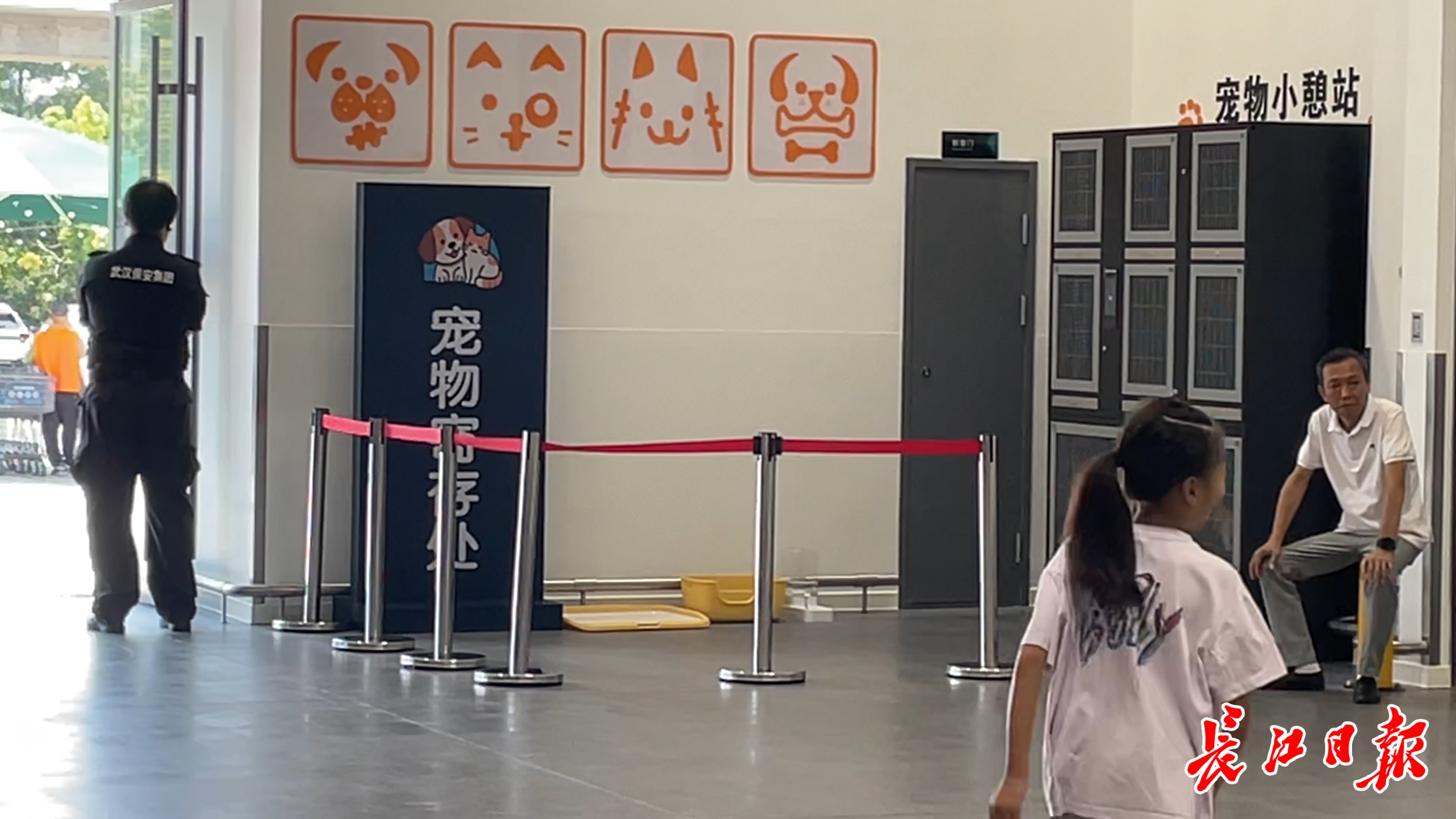
遛狗购物两不误 武汉一超市推出免费“宠物寄存”
Chang Jiang Ri Bao· 2025-09-07 03:17
Core Viewpoint - The introduction of a free pet boarding service at Wuhan Wushang Dolphin Membership Store has become a popular solution for pet owners, allowing them to shop without worrying about their pets' whereabouts [1][11]. Group 1: Service Features - The pet boarding service features eight high-tech, fully enclosed boarding cabinets that provide facial recognition check-in, independent air circulation, drinking water facilities, and litter boxes, ensuring a premium experience for pets [1][11]. - Each boarding cabinet is designed to accommodate different sizes of pets, ensuring comfort and privacy, with soundproofing to minimize disturbances from other animals [8][11]. - The service is free for members and includes regular cleaning and disinfection to maintain hygiene standards [11][13]. Group 2: Customer Experience - Customers have expressed satisfaction with the service, noting that it alleviates the discomfort of bringing pets into public spaces where they might attract unwanted attention [8][11]. - The pet boarding point has become a highlight of the supermarket's offerings, reflecting a trend towards more personalized and humane services in urban commercial spaces [15].