医疗

Search documents
12月9日深港通医疗(983035)指数跌1.49%,成份股先健科技(01302)领跌
Sou Hu Cai Jing· 2025-12-09 11:16
资金流向方面,深港通医疗(983035)指数成份股当日主力资金净流出合计2.3亿元,游资资金净流入 合计3861.61万元,散户资金净流入合计1.91亿元。成份股资金流向详情见下表: 以上内容为证券之星据公开信息整理,由AI算法生成(网信算备310104345710301240019号),不构成 投资建议。 证券之星消息,12月9日,深港通医疗(983035)指数报收于4432.3点,跌1.49%,成交73.77亿元,换 手率0.99%。当日该指数成份股中,上涨的有7家,麦克奥迪以1.87%的涨幅领涨,下跌的有50家,先健 科技以8.38%的跌幅领跌。 深港通医疗(983035)指数十大成份股详情如下: ...


12月9日深港通医疗(港币)(983036)指数跌1.52%,成份股先健科技(01302)领跌
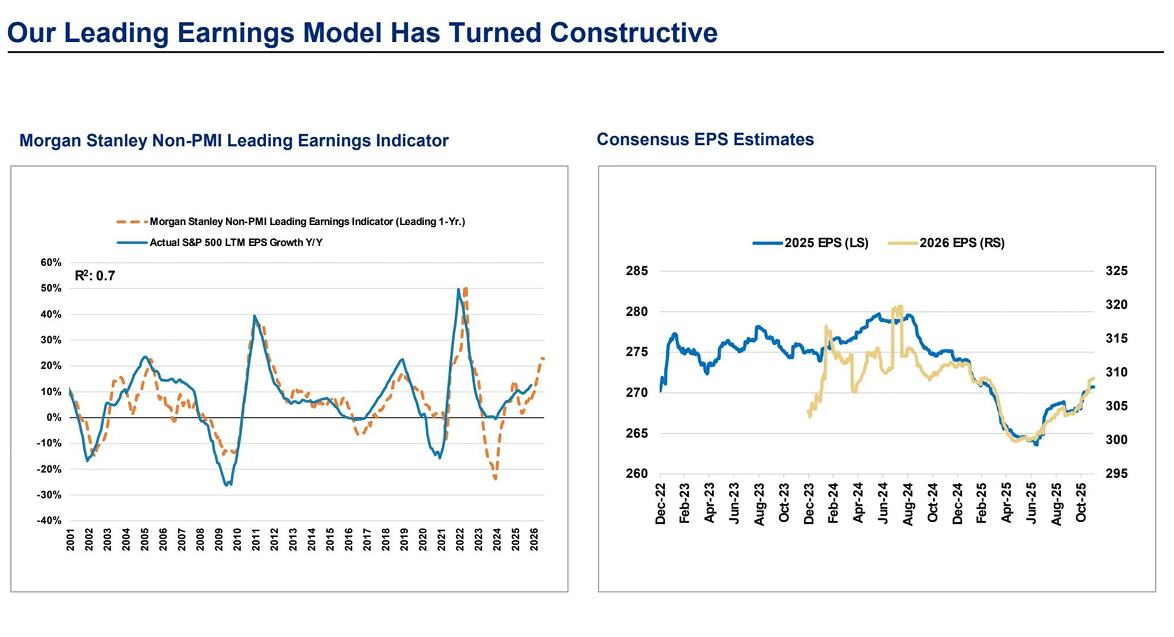
Sou Hu Cai Jing· 2025-12-09 11:16
Group 1 - The core index of the Shenzhen-Hong Kong Stock Connect Medical Index closed at 4338.72 points, down 1.52% with a trading volume of 8.117 billion HKD and a turnover rate of 0.99% [1] - Among the constituent stocks, 7 companies experienced an increase, with Macao Di leading at a 1.87% rise, while 50 companies saw a decline, with Xianjian Technology leading the drop at 8.38% [1] Group 2 - The net outflow of main funds from the Shenzhen-Hong Kong Stock Connect Medical Index constituent stocks totaled 230 million HKD, while speculative funds saw a net inflow of 38.616 million HKD and retail investors had a net inflow of 191 million HKD [2]
美国经济被AI泡沫绑架,七巨头掌控命脉,一旦崩盘美国必遭毁灭!
Sou Hu Cai Jing· 2025-12-09 10:14
美国经济的繁荣,本质上是一场少数人的盛宴,其核心支柱是两大相互绑定的泡沫,股市泡沫与AI泡沫。 截至2025年10月,"巴菲特指标"已突破219%,美国上市公司总市值达到经济总量的两倍多,远超2007年金融危机前的105%和2000年互联网泡沫时的138%, 创下历史最高纪录。 这种泡沫的受益者高度集中:最富有的10%人群持有全美国近90%的股票,而底层50%人口仅持有1%。 财富的极度集中直接体现在消费端,《华尔街日报》数据显示,这10%的富人贡献了49.7%的全国消费支出,占GDP的三分之一,成为经济增长的主要推 手。 美国股市屡创新高、GDP保持增长,看似一副经济强劲的模样,但为何超过一半的美国民众却感受不到繁荣,反而深陷生活压力? 这种表面光鲜与民生困境的巨大反差,背后藏着怎样的结构性危机?所谓的经济增长,究竟是真实复苏还是泡沫堆砌的幻觉? 更危险的是市场集中度空前提升,"七大科技巨头"仅占美国上市公司总数的0.12%,却贡献了30.35%的总市值,2025年前9个月其市值增长占股市总增长的 52.37%。 扩展到"十大巨头"后,更是占据了标准普尔500指数38%的市值,少数企业的涨跌直接决定了全国经 ...

市场监管总局批准发布一批重要国家标准 涉及新兴领域等方面
Zhong Guo Xin Wen Wang· 2025-12-09 07:26
Core Insights - The National Market Regulation Administration has approved a batch of important national standards that will enhance the quality of life for citizens and ensure safety in various sectors [1][2]. Emerging Fields - Five national standards related to cybersecurity have been released to strengthen national cybersecurity defenses and promote healthy digital economic development [1]. - Seven national standards in information technology have been published to ensure interoperability and security of information systems [1]. - Three national standards for social experiments in artificial intelligence have been introduced to support the healthy and orderly development of intelligent societies [1]. - Seven national standards in nanotechnology have been established to unify technical characterization and testing specifications [1]. Transportation and Environmental Protection - A total of 44 national standards have been released covering automotive steering systems, vehicle brake fluids, railway construction machinery, and more, contributing to the construction of a strong transportation nation [1]. - Ten energy-saving and environmental protection standards have been published, focusing on industrial boilers, meat processing, food processing, and more, aiding in pollution prevention efforts [1]. Safety Production - National standards for assessing combustible dust explosion risks and guidelines for gas protection stations in chemical parks have been released to enhance safety management in hazardous chemical production [2]. - Five emergency management national standards have been published to improve emergency response capabilities [2]. - Eleven mandatory national standards for fire trucks have been introduced to enhance the technical progress of fire truck products and improve rescue capabilities [2]. Public Services - Three national standards for educational service management and seven guidelines for standardized education in logistics, elderly care, automation, and IoT have been released to foster talent development and education integration [2]. - Guidelines for the usability of home health care products and services have been published to support the construction of an age-friendly society [2]. - Four national standards related to digital asset management have been introduced to enhance the digital maturity and transparency of asset management [2]. Daily Life - National standards for smart textiles have been released to guide the standardized development of smart textile products [3]. - A national standard for biodegradable plastic shopping bags has been published to promote resource recycling [3]. - Two detection method standards for harmful substances in leather and medical devices have been established to improve the quality and safety of medical equipment [3]. Additional Standards - The National Market Regulation Administration has also released national standards related to rice, navel oranges, rural toilets, and oil drilling equipment [4].
癌症患者参与临床医疗试验项目时病故 试验公司和医院被判担责
Ren Min Wang· 2025-12-09 00:59
民法典第一千零二条规定,自然人享有生命权。自然人的生命安全和生命尊严受法律保护。任何组 织或者个人不得侵害他人的生命权。第一千零八条规定,为研制新药、医疗器械或者发展新的预防和治 疗方法,需要进行临床试验的,应当依法经相关主管部门批准并经伦理委员会审查同意,向受试者或者 受试者的监护人告知试验目的、用途和可能产生的风险等详细情况,并经其书面同意。进行临床试验 的,不得向受试者收取试验费用。 医学研究的主要目的是增进人类健康,造福人类,但这一目的永远不能超越个体研究受试者的权 益,在临床试验的过程中,必须对受试者的个人权益给予充分的保障。受试者的权益、安全、健康等必 须高于对科学和社会利益的考虑。而且医学研究的过程必须保证在严格的程序下运行才能确保受试者的 合法权益以及研究的科学性、可复制性以及可推广性。 本案中,法院依法明确了临床试验的受试者对试验目的、治疗方案和潜在风险等情况享有知情同意 权,医疗研究机构应严格按照批准的试验方案推进医疗试验,并由伦理委员会对试验过程持续跟踪关 注,以确保受试者的安全、健康和尊严始终得到保护。本案为医疗研究机构的伦理责任与社会责任进行 了明确的界定,对于规范临床试验行为、强化 ...
科森科技拟9.15亿元出售科森医疗100%股权 全面退出医疗业务
Zhi Tong Cai Jing· 2025-12-08 13:29
公司本次对外转让科森医疗100%股权,主要目的为公司拟全面退出医疗业务,进一步聚焦消费电子主 业,提升公司的经营水平和质量,符合公司长远发展的战略规划。本次股权转让有利于实现资金回笼, 降低公司资金压力,所获得的款项将用于补充公司流动资金,用于公司日常生产经营。 科森科技(603626)(603626.SH)发布公告,为进一步优化公司资产结构,结合自身战略规划和业务发 展情况,公司拟以9.15亿元人民币的对价将其持有的科森医疗100%的股权转让给耀岭科,增值率 206.45%。本次交易完成后,公司将不再持有科森医疗股权,科森医疗不再纳入公司的合并报表范围。 ...

IPO全球领先、恒指大涨,港股成为“中国资产重估”关键枢纽
2 1 Shi Ji Jing Ji Bao Dao· 2025-12-08 12:37
Core Insights - The Hong Kong Stock Exchange (HKEX) is positioned as a key platform for Chinese enterprises to expand internationally, driven by institutional innovation and a unique investor structure [1][3]. Group 1: Market Dynamics - From 2014 to 2024, Hong Kong's IPO fundraising exceeded $300 billion, leading other major stock exchanges globally, reflecting changes in China's economic structure and capital flow [2]. - In the first eleven months of this year, 93 new companies listed on the Hong Kong stock market, raising nearly HKD 260 billion, maintaining the top position in global IPO fundraising [2]. - The Hang Seng Index rose by 34% in the first nine months, significantly outperforming major indices in Europe and the U.S. [2]. Group 2: Sector Performance - The Hang Seng Tech Index, which includes major tech companies like Tencent and Alibaba, increased by 44.7% in the first nine months, while the Hang Seng Biotech Index more than doubled, indicating strong investor interest in high-tech sectors [3]. - Over half of the new stock issuers this year have international business layouts, with funds raised aimed at overseas capacity building and supply chain expansion [3]. Group 3: Institutional Innovations - HKEX has implemented a "report and review" mechanism, eliminating waiting periods for listings, and has optimized approval processes to enhance market accessibility [4]. - The introduction of the "same share, different rights" structure in 2018 has attracted major tech firms back to the market, while the 18A chapter has opened pathways for biotech companies without revenue to list [4][5]. - The 2023 introduction of the 18C chapter further supports "specialized, refined, and innovative" enterprises, providing capital support for long-term R&D investments [5]. Group 4: Investor Structure - The Hong Kong market is predominantly driven by institutional investors, including international long-term funds and sovereign wealth funds, which focus on long-term holdings and in-depth research [6]. - The continuous inflow of southbound capital has created a unique liquidity cycle, combining international and domestic capital [6]. Group 5: A+H Listing Mechanism - The A+H listing mechanism has strengthened the synergy between the Hong Kong and mainland markets, with 14 A+H companies completing listings in the past year, including significant offerings over $1 billion [6]. - The diverse structure of issuers, including high-tech, biotech, and consumer sectors, contributes to the market's robust foundation [6].


美股从AI一枝独秀到“周期群舞”! 大摩押注2026年踏向滚动式复苏 周期股领衔第二阶段牛市
智通财经网· 2025-12-08 10:30
Core Viewpoint - Morgan Stanley predicts a strong economic growth effect from the "One Big Beautiful Bill" (OBBBA) passed by the Trump administration in 2025, starting in 2026, leading to a "Goldilocks" macroeconomic environment in the U.S. with moderate growth and inflation [1][8]. Economic Outlook - The U.S. stock market has transitioned from a three-year "rolling recession" to a "rolling recovery," characterized by improved cost structures, strong earnings revisions, and released pent-up demand, creating a typical early-cycle environment [2]. - The Federal Reserve's anticipated interest rate cuts are expected to initiate a new capital expenditure cycle, with corporate investments, particularly in AI and manufacturing, becoming new growth engines [2]. Market Dynamics - The "Magnificent Seven" tech giants, including Nvidia and Google, will continue to lead earnings revisions in 2025, with expectations spreading to the S&P 493 constituents, particularly in industrial and financial sectors [6]. - Morgan Stanley defines the current situation as a "second phase bull market under rolling recovery," emphasizing a return of market risk appetite and broadening investment opportunities across various sectors [6][15]. Investment Strategy - Morgan Stanley recommends an "overweight" position in cyclical sectors such as financials, industrials, healthcare, and consumer discretionary goods, while suggesting a "low weight" in staples and real estate [13][14]. - The firm anticipates that the S&P 500 index could reach 9,000 points by 2026, driven by strong corporate earnings growth and AI-related capital expenditures [11]. Broader Market Trends - The market is expected to shift focus from defensive to offensive strategies, with AI remaining a key investment theme but not the sole driver of the upcoming bull market [9]. - The anticipated "risk reboot year" in 2026 will see a significant focus on microeconomic factors, with a unique combination of fiscal, monetary, and regulatory policies providing a strong boost to risk markets [11][14].
汽车行业波澜壮阔,他们却为何选择逃离
Di Yi Cai Jing· 2025-12-08 10:15
Core Viewpoint - The automotive industry is undergoing significant changes due to the dual forces of opportunity and chaos, driven by the waves of new energy and intelligent technology, leading to increased competition, employee burnout, and a trend of professionals leaving the sector for other industries [1][2]. Group 1: Industry Challenges - The automotive sector has seen a rise in "involution," where employees face excessive competition and pressure, leading to a decline in job satisfaction and an increase in turnover [2][4]. - Many employees report a shift from a balanced work-life schedule to extended hours, with some experiencing a significant increase in workload without corresponding salary increases [3][5]. - The industry's competitive landscape has resulted in layoffs and a challenging job market, making it difficult for professionals to find suitable positions within the sector [4][5]. Group 2: Employee Transitions - A notable trend is the migration of automotive professionals to other industries, such as healthcare and robotics, where they seek better work-life balance and less stressful environments [3][11]. - Employees like Li Ai and Wang Fang have successfully transitioned to less demanding roles in other sectors, highlighting a growing preference for jobs with clearer boundaries and reduced pressure [3][5]. - The robotics industry is becoming increasingly attractive to automotive engineers, with significant growth potential and a more stable work environment compared to the automotive sector [11][12]. Group 3: Market Dynamics - The automotive industry's profit margins have been declining, with sales profit rates dropping to 3.9% in October 2025, significantly below historical averages, which has further pressured employee compensation and job security [12][13]. - The competition in the automotive market has intensified, leading to a focus on cost-cutting and efficiency rather than innovation, which may hinder long-term growth and development [12][13]. - The shift towards robotics and automation is seen as a potential growth area, with predictions indicating a substantial market opportunity in the coming years, contrasting with the saturated automotive market [11][12].
欧普康视:12月8日召开董事会会议
Mei Ri Jing Ji Xin Wen· 2025-12-08 08:39
每经头条(nbdtoutiao)——处方药变"瘾品":国内首次报告普瑞巴林滥用致成瘾病例,网络平台暴 露"无病历可购药"漏洞,列管与否尚需科学考量 (记者 王晓波) 每经AI快讯,欧普康视(SZ 300595,收盘价:15.57元)12月8日晚间发布公告称,公司第四届第二十 次董事会会议于2025年12月8日以通讯形式召开。会议审议了《关于续聘会计师事务所的议案》等文 件。 2024年1至12月份,欧普康视的营业收入构成为:硬性角膜接触镜行业占比56.18%,医疗行业占比 20.04%,其它视光与专业服务占比19.47%,非视光&其它占比4.31%。 截至发稿,欧普康视市值为139亿元。 ...