军工

Search documents
火炬电子:拟参与设立产业投资基金 聚焦新材料、新能源等成长性行业
Zheng Quan Shi Bao Wang· 2026-01-05 09:28
人民财讯1月5日电,火炬电子(603678)1月5日公告,2026年1月4日,公司及全资子公司紫华投资与福 建省投资开发集团有限责任公司(简称"福建省投")、福建省创新创业投资管理有限公司(简称"福创投") 签署《泉州福创产业投资合伙企业(有限合伙)之合伙协议》,共同投资设立合伙企业。本合伙企业认缴 出资总额为5亿元,均为人民币货币方式出资。其中,公司作为有限合伙人认缴出资2亿元,占总出资份 额的40%;紫华投资作为普通合伙人认缴出资175万元,占总出资份额的0.35%。本合伙企业聚焦于新材 料、新能源、军工、电子元器件、高端装备制造以及大健康相关的民生类产品等符合国家政策方向的成 长性行业,以产业并购及整合发展为导向,对符合相关领域上市公司并购要求的一级市场或二级市场标 的(不包括公开交易)进行股权投资,并在合适的时机退出。 ...

开门红!A股给大家发红包了 脑机接口概念股掀涨停潮
Zhong Guo Ji Jin Bao· 2026-01-05 08:50
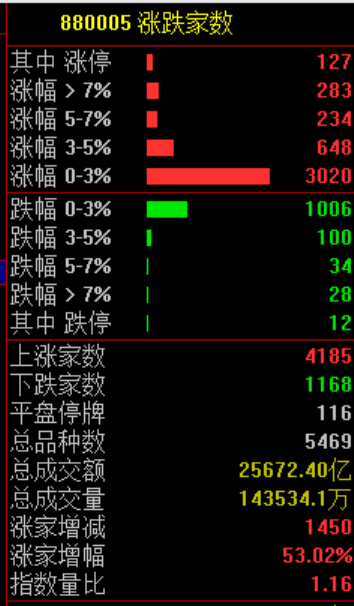
Market Overview - A-shares opened positively on January 5, with major indices rising significantly; the Shanghai Composite Index returned above 4000 points, closing up 1.38%, the Shenzhen Component Index up 2.24%, and the ChiNext Index up 2.85% [2] Stock Performance - A total of 4185 stocks rose, with 127 hitting the daily limit, while 1168 stocks declined [3] - Brain-computer interface stocks surged, with companies like Sanbo Brain Science and Innovation Medical hitting the daily limit; this was driven by Elon Musk's announcement that Neuralink plans to start large-scale production of brain-computer interface devices in 2026 [3] - The semiconductor sector also performed well, particularly in memory chips, with companies like Hengsuo and Zhaoyi Innovation hitting the daily limit [3] - AI application stocks saw gains, with firms such as Anhui Technology and BlueFocus hitting the daily limit [4] - The insurance sector strengthened, with New China Life and China Pacific Insurance both rising over 7%, reaching historical highs [5] Regional Market Trends - In the Asia-Pacific market, Japan's Nikkei 225 index surged nearly 3% on the first trading day of 2026, while the TOPIX index rose 2.12%, reaching a historical high [5] - The KOSPI index in South Korea continued its upward trend, increasing by 3.15% to a new historical high of 4448.52 points, driven by a more than 7% rise in Samsung Electronics' stock [5] Geopolitical Impact - A large-scale military operation by the U.S. against Venezuela led to a spike in gold and silver prices, while oil prices experienced volatility due to global supply concerns [6] - Analysts noted that geopolitical tensions often dissipate quickly, and the recent escalation in Venezuela did not significantly impact global risk assets, indicating a tendency for markets to quickly digest such shocks [6]

长城宏观:2026新开局,市场有望迈出关键一步
Sou Hu Cai Jing· 2026-01-05 08:16
Market Overview - The A-share market experienced a volatile adjustment last week, with significant divergence among major indices and notable structural characteristics in the market [1] - Technology applications strengthened, while the oil and petrochemical sectors saw consecutive weeks of gains; the commercial sector continued to boost the military industry, but the new energy sector faced a pullback [1] Macro Analysis - In December, the domestic manufacturing PMI showed a seasonal rebound, rising to 50.1%, an increase of 0.9 percentage points from November, marking the first time since April that it entered the expansion zone [2] - Among 21 surveyed industries, 16 reported a PMI increase compared to November, driven by improved trade conditions, increased external demand, and domestic policy adjustments [2] - Key macro policies include early issuance of local government debt limits for 2026 and a total of approximately 295 billion yuan allocated for early construction projects, aimed at accelerating fund disbursement [2] Overseas Economic Data - Recent U.S. economic data exceeded expectations, with pending home sales in November rising by 3.3%, significantly above the anticipated 0.9% [3] - Initial jobless claims unexpectedly fell to 199,000, compared to the expected 218,000 [3] - The December FOMC meeting minutes indicated a hawkish tone, with most participants supporting potential rate cuts if inflation trends downward, while also acknowledging risks of rising inflation [3] Investment Strategy - The company is optimistic about technology growth, non-bank financials, and cyclical assets as the Chinese stock market is expected to stabilize and surpass significant thresholds in 2026 [4] - Factors supporting this outlook include anticipated U.S. interest rate cuts, continued inflow of incremental capital, and policy measures aimed at stabilizing the real estate market [4] - The focus is on sectors benefiting from AI and emerging market industrialization trends, as well as cyclical valuation opportunities under domestic demand expansion [4] Sector-Specific Insights - In the technology growth sector, there is potential in domestic internet, electronics, media, and computing, particularly with the ongoing chip technology breakthroughs and storage price increases [5] - Non-bank financials are expected to benefit from increased wealth management demand and capital market reforms, with a focus on insurance and brokerage sectors [5] - Cyclical sectors are showing marginal improvements in valuation and are likely to benefit from policies aimed at expanding domestic demand and stabilizing the real estate market, including tourism, hospitality, and commodities [6]
开门红!A股给大家发红包了
Zhong Guo Ji Jin Bao· 2026-01-05 08:11
中国基金报记者泰勒 兄弟姐妹们啊,今天开门红,A股给大家发新年红包了,相信你们都没亏钱吧! 一起回顾下市场发生了什么事情。 1月5日,A股三大指数高开高走,沪指重返4000点上方,创业板指涨近3%。截至收盘,沪指涨1.38%,深成指涨2.24%,创业板指涨2.85%。 市场共4185只个股上涨,127只个股涨停,1168只个股下跌。 【导读】A股大涨 | 880005 张跌家数 | | | | --- | --- | --- | | E | 涨停 | 127 | | 涨幅 | > 7% | 283 | | 掲載 | 5-7% | 234 | | 张旭 | 3-5% | 648 | | 涨幅 | 0-3% | 3020 | | 跌幅 | 0-3% | 1006 | | 跌幅 | 3-5% | 100 | | 跌幅 | 5-7% | 34 | | 跌幅 | > 7% | 28 | | 其中 跌停 | | 12 | | | | 4185 1168 | | 上競賽數 下载奇談 新聞 | | | | | | 116 | | | | 5469 | | 总成交额 | | 25672.40 乙 | | 总成交量 | | 14 ...
脑机接口、军工、保险等大涨,春节红包行情来了?
Mei Ri Jing Ji Xin Wen· 2026-01-05 08:08
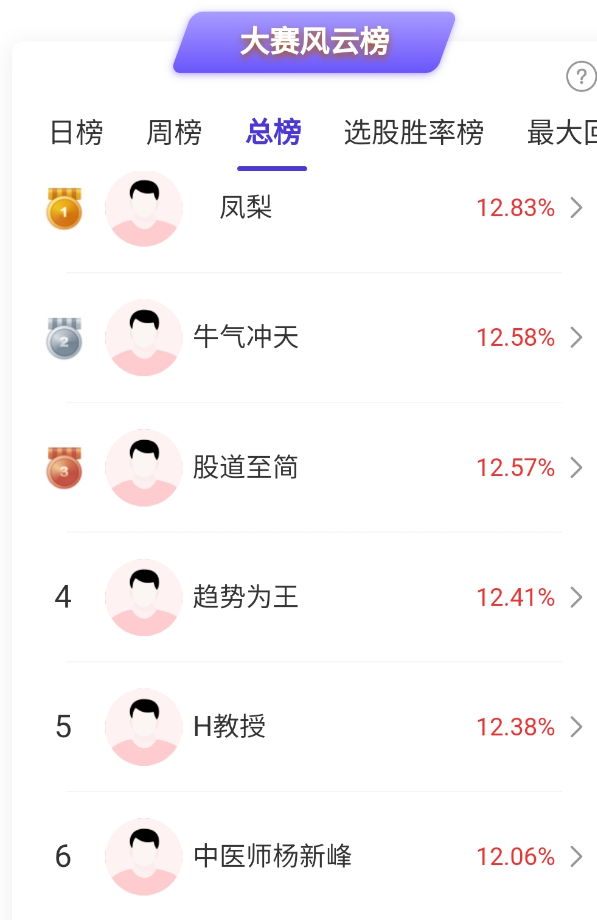
Market Performance - On the first trading day of 2026, the A-share market experienced a "good start," with sectors such as brain-computer interfaces, insurance, military industry, and precious metals performing well. The Shanghai Composite Index rose by 1.38%, closing at 4023.42 points. The total trading volume in the Shanghai and Shenzhen markets reached 25,675 billion yuan, a significant increase of 5,016 billion yuan compared to the previous trading day [1]. Competition Overview - The 81st session of the "Digging Gold" competition, organized by the Daily Economic News App, began on January 5, with participants registering from January 1 to January 16. The competition simulates stock trading with a simulated capital of 500,000 yuan, and cash rewards are given for positive returns at the end of each session [1][3]. Rewards Structure - The pre-tax cash rewards for each session are as follows: 688 yuan for the 1st place, 188 yuan for the 2nd to 4th places, 88 yuan for the 5th to 10th places, and the remaining positive return participants share a total of 500 yuan. The monthly leaderboard winner receives 888 yuan for 1st place, with decreasing amounts for subsequent ranks [3]. Market Insights - Some experienced participants believe that the Shanghai Composite Index's significant volume breakout on Monday indicates the onset of a new upward trend [4]. Additionally, there is optimism regarding sectors such as lithium carbonate, precious metals, and vanadium battery storage due to rising prices [6]. Additional Resources - Participants who successfully register for the "Digging Gold" competition will gain free access to the "Fire Line Quick Review" for six trading days, which includes insights on market trends, investment logic, and company analysis. Notably, since April 2025, sectors like the Nvidia supply chain, electronic cloth, rare earths, tungsten mines, and silver have shown significant growth, with some companies doubling their stock prices [6].
发红包了
中国基金报· 2026-01-05 07:56
Market Overview - A-shares experienced a significant rise on January 5, with the Shanghai Composite Index surpassing 4000 points, closing up 1.38%, the Shenzhen Component up 2.24%, and the ChiNext Index up 2.85% [2] - A total of 4185 stocks rose, with 127 hitting the daily limit up, while 1168 stocks declined [2][3] Sector Performance - The brain-computer interface sector saw a surge, with over 20 stocks including Sanbo Brain Science and Innovation Medical hitting the daily limit up, following Elon Musk's announcement regarding Neuralink's plans for large-scale production of brain-computer interface devices by 2026 [3] - The semiconductor sector strengthened, particularly in memory chips, with stocks like Hengsuo and Zhaoyi Innovation also hitting the daily limit up [4] - The insurance sector showed robust performance, with Xinhua Insurance and China Pacific Insurance both rising over 7%, reaching historical highs [5] International Market Trends - The Japanese market opened strong in the first trading week of 2026, with the Nikkei 225 index rising nearly 3% and the TOPIX index up 2.12%, reaching a historical high [5] - The South Korean KOSPI index continued its upward trend, increasing by 3.15% to a new historical high of 4448.52 points, driven by a significant rise in Samsung Electronics' stock, which increased over 7% [7] Geopolitical Impact - The recent military actions by the U.S. against Venezuela led to a spike in gold and silver prices, reflecting market reactions to geopolitical tensions [9] - Analysts noted that geopolitical noise tends to dissipate quickly, and the escalation in Venezuela has not significantly impacted global risk assets, indicating a tendency for markets to quickly digest such shocks [10][12]

金鹰基金:业绩景气续新篇 流动性改善支撑市场蓄势待发
Xin Lang Cai Jing· 2026-01-05 02:33
Core Viewpoint - The market in December 2025 shows a significant characteristic of "sector concentration and stock differentiation," with high elasticity opportunities concentrated in policy-sensitive sectors and clearly defined industrial trends [1][7]. Group 1: Market Trends and Predictions - The strongest structural directions are from non-ferrous metals, military industry, and price increases, driven by supply-demand gaps and policy-driven market rallies [1][7]. - The National Space Administration's release of the "Action Plan for Promoting High-Quality Development of Commercial Aerospace" and the establishment of the Human Robot Standardization Committee by the Ministry of Industry and Information Technology have directly boosted the aerospace, defense, and robotics sectors [1][7]. - Looking ahead to January 2026, the market may refocus on performance and liquidity improvements, with expectations for a stable start to the domestic economy despite current weak demand [1][7]. Group 2: Key Upcoming Events - The Bank of Japan's interest rate decision on January 23 is crucial, as the previous meeting raised the benchmark rate to 0.75%, the highest in 30 years, indicating a clear policy direction [2][8]. - The Federal Reserve's interest rate decision on January 28 is anticipated to maintain the current rate, with expectations for a new chairperson to emerge, potentially influencing global capital markets [3][8]. - By January 31, A-share listed companies must release performance forecasts for 2025, which may impact market pricing based on industry performance [3][8]. Group 3: Investment Focus Areas - In January, the importance of performance realization increases, with a focus on core technology and manufacturing sectors, particularly in overseas computing power, storage, consumer electronics, and wind energy storage [4][8]. - There is potential for rotation into low-position innovative drugs and gaming sectors, which may see fundamental improvements in Q1 [4][8]. - The global manufacturing sector is expected to resonate in 2026, benefiting from fiscal and monetary easing, with a focus on manufacturing in the export chain and related sectors such as real estate and automotive [9].
亚太股市集体高开,A股军工股全线走强,黄金涨破4400美元
2 1 Shi Ji Jing Ji Bao Dao· 2026-01-05 02:00
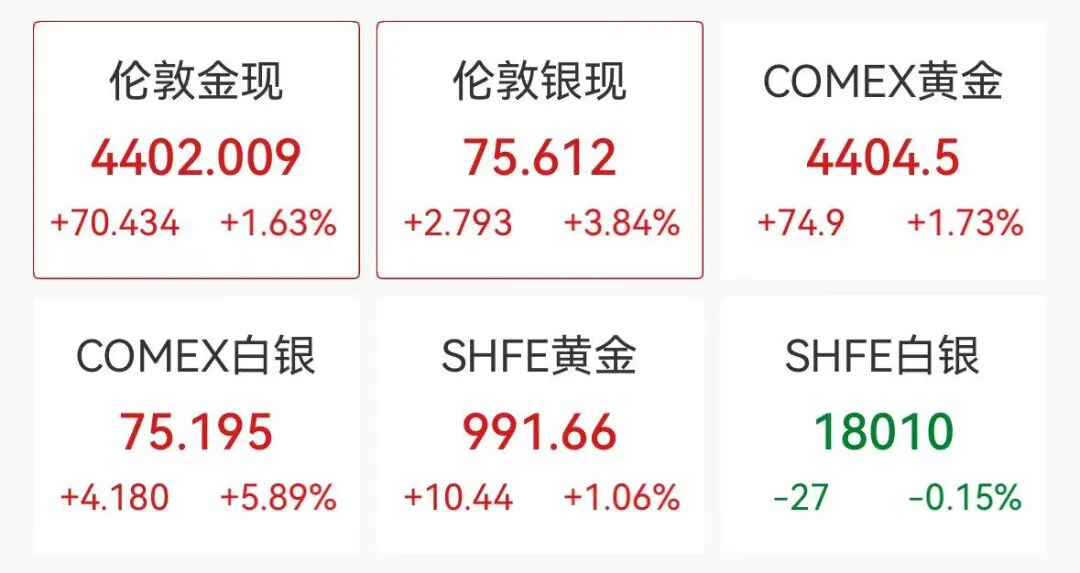
Group 1: Gold and Silver Market - Gold prices surged by 1.63%, surpassing the $1,400 mark, while COMEX gold futures increased by 1.73% [1] - Spot silver rose nearly 4%, breaking the $75 threshold [1] Group 2: Oil Market - International oil prices experienced significant volatility, shifting from decline to increase [3] - Venezuela, a key oil-producing country and OPEC member, faces production cuts due to U.S. sanctions, which may lead to a further decline in its oil output [6] - Analysts suggest that escalating geopolitical tensions could raise risk premiums and drive oil prices upward, with WTI and Brent crude potentially reaching $60 and $63 per barrel, respectively [6] Group 3: Asian Stock Markets - Asian stock markets opened higher, with Japan's Nikkei 225 rising over 2.6% and South Korea's Composite Index increasing by more than 2% [4] - The A-share market also saw gains, with the Shanghai Composite Index up by 0.46%, the Shenzhen Component up by 0.80%, and the ChiNext Index up by 0.84% [4] - Notable sectors included commercial aerospace, military stocks, brain-computer interface concepts, and oil and gas stocks showing strong performance [4]
中信证券裘翔:2026年A股公司盈利增速将呈现前低后高态势
Zheng Quan Shi Bao Wang· 2026-01-05 01:37
Core Viewpoint - The chief A-share strategist at CITIC Securities, Qiu Xiang, predicts that the profit growth rate of A-share companies will exhibit a pattern of low growth followed by high growth in 2026 [1] Group 1: Market Phases - The market trend is expected to be influenced by the US-China trade agreement and the US midterm elections, divided into three phases: 1. From now until the trade agreement is finalized, the market's upward slope is expected to slow down 2. From the agreement's implementation to the end of the midterm elections, A-shares are likely to experience sustained growth in a stable external environment 3. After the midterm elections, uncertainties from external disturbances may increase sharply, prompting investors to refocus on domestic factors [1] Group 2: Investment Opportunities and Sector Allocation - Four major themes are highlighted for investment opportunities: 1. The manufacturing sector's competition for global pricing power, with a focus on industries such as non-ferrous metals, chemicals, and new energy, which can convert market share advantages into pricing power and profit margin increases 2. The globalization of Chinese enterprises, significantly expanding market capitalization and profit growth potential, with key industries including machinery, innovative pharmaceuticals, electric equipment, and military industry 3. The continuation of the technology trend, particularly in AI, which is expected to further expand its commercial applications and enhance the competitive advantages of Chinese companies, focusing on sectors like semiconductors, computing power, edge hardware, and AI applications 4. The potential for unexpected recovery in domestic demand, where although the outlook for domestic demand-related sectors is generally moderate, there exists significant room for recovery and valuation elasticity [2]

美军突袭委内瑞拉引爆全球!A股5大板块将巨震,龙头已异动?
Sou Hu Cai Jing· 2026-01-05 00:38
Core Viewpoint - The U.S. military's surprise operation in Venezuela has heightened global geopolitical tensions, impacting various sectors in the A-share market, particularly those related to defense, oil, lithium resources, gold, and supply chain security [1][3]. Group 1: Military Operation Details - The U.S. military operation, named "Absolute Resolve," involved over 150 aircraft and was executed within three hours, successfully capturing President Maduro and his wife [3]. - The operation was meticulously planned over several months, with significant military assets deployed, including F-22 and F-35 fighter jets, and B-1 bombers [3]. Group 2: Impact on A-share Market - The conflict is expected to cause significant movements in five key sectors: defense and military, oil services and transportation, lithium resources, gold, and supply chain security [4]. - Historical trends indicate that military conflicts typically lead to increased orders and positive sentiment in the defense sector, with China's military budget growing at around 7% annually [4]. Group 3: Sector-Specific Insights - **Defense and Military**: Likely to benefit from increased orders due to heightened geopolitical tensions [4]. - **Oil Services and Transportation**: Venezuela's oil infrastructure may be damaged, leading to higher global oil prices and increased demand for oil services and transportation [4]. - **Lithium Resources**: The conflict may halt lithium mining operations in Venezuela, exacerbating supply shortages as global demand for electric vehicles rises [4]. - **Gold**: Traditionally viewed as a safe-haven asset, gold prices are expected to rise amid increased global uncertainty [4]. - **Supply Chain Security**: Disruptions in Venezuela's mining operations could accelerate domestic production in China for critical materials [4]. Group 4: Market Movements and Stock Performance - Leading stocks in relevant sectors have already shown signs of movement, with increased trading volumes and price changes noted prior to the conflict [5]. - Key players include military contractors like AVIC Shenyang Aircraft Corporation and lithium producers such as Ganfeng Lithium, which have demonstrated strong business fundamentals [5].