
炼油

Search documents
菲利普斯66 Q4业绩超预期,炼油部门实现扭亏为盈
Ge Long Hui A P P· 2026-02-04 13:45
格隆汇2月4日|炼油商菲利普斯66公布去年第四季度业绩,调整后每股收益为2.47美元,超过分析师平 均预期的2.16美元;销售额同比增长6.9%至363.33亿美元,亦超过分析师预期的320.61亿美元。期内, 炼油部门实现调整后净利润5.42亿美元,而去年同期为亏损7.59亿美元。 ...

刘宗义:攻下美国牵手欧盟,但印度的“雄心”不止于此
Sou Hu Cai Jing· 2026-02-04 05:10
Group 1 - India has successfully negotiated two significant trade agreements within a week, one with the EU covering approximately 2 billion people and another with the US, which includes substantial tariff reductions [1][2][4] - The EU will reduce tariffs on 96.6% of Indian exports, while India will gradually lower tariffs on 97% of EU imports, aiming to cover nearly 99% of India's export value [1][4] - The US agreement will see comprehensive tariffs on Indian goods drop from 50% to 18%, with India committing to eliminate tariffs and non-tariff barriers on US goods and to purchase $500 billion worth of US products [1][2][4] Group 2 - Key factors influencing India's shift from high tariff barriers include pressure from the US, which is India's largest export market, and the need to expand export markets amid declining economic growth [2][4] - The Indian economy has faced challenges, including a decline in GDP growth and reduced foreign investment, prompting the need for further market openness [4][5] - India's recent trade agreements indicate a strategic pivot towards the West, moving away from previous reliance on RCEP and focusing on partnerships with the EU and the US [4][5][7] Group 3 - The agreements are expected to benefit India's economy by increasing exports, particularly in mid to low-end manufacturing sectors, and attracting European investment and technology [14][15] - India aims to balance market openness with domestic protection, learning from China's economic development experience to enhance competitiveness [15][16] - The potential for deepened India-EU cooperation could lead to the emergence of an India-EU economic corridor, impacting global trade dynamics and posing challenges to initiatives like China's Belt and Road [19]

23万亿元、590亿元、71.9亿美元 多维度“数”说经济强劲“势能”
Yang Shi Wang· 2026-02-04 03:10
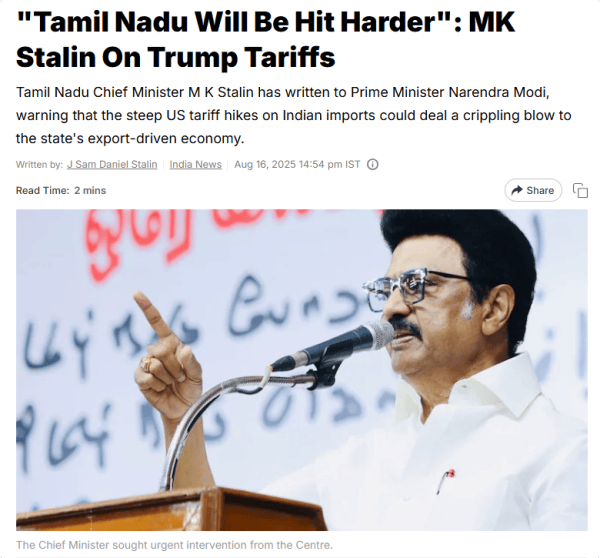
Group 1: Light Industry Economic Performance - In 2025, China's light industry is expected to achieve a year-on-year increase of 5.3% in added value for enterprises above designated size, with total operating revenue reaching 23 trillion yuan [3] - The profit margin for operating revenue in the light industry is projected to be 6.04%, which is 0.73 percentage points higher than the overall industrial average and 1.34 percentage points higher than the manufacturing sector [3] - Among 90 major light industry products, 35 are expected to see an increase in production, driven by the widespread adoption of digital R&D tools that enhance the supply of high-value-added products [3] Group 2: Consumer Market Dynamics - The policy-driven effect on the consumer market is significant, with over 129 million home appliances and more than 12.5 million electric bicycles expected to be replaced under the old-for-new policy in 2025 [5] - Retail sales of 11 categories of light industry goods are projected to reach 867.19 billion yuan, reflecting a year-on-year growth of 7.8% and an increase in their share of total social retail sales to 17.3% [5] Group 3: Export Performance - The export structure of light industry products continues to improve, with exports expected to reach 911.46 billion USD in 2025, accounting for 24.2% of the national total [7] - Among 22 major export categories, 11 are anticipated to experience growth, with exports to Belt and Road Initiative countries and the EU increasing by 1.3% and 7.9%, respectively, indicating early success in diversifying export markets [7] Group 4: Future Projections - In 2026, the effects of the old-for-new policy and subsidies for digital and smart products are expected to become more pronounced, with sales of six categories of home appliances and four categories of digital and smart products exceeding 15 million units in January alone, generating nearly 59 billion yuan in sales [8] - The sales of energy-efficient products are gaining popularity, with online sales of first-class energy-efficient water heaters and televisions increasing by 35.7% and 28.9% year-on-year, respectively [11]
印度递上能源版“投名状” 国内油企紧急停买以待政策细则
Ge Long Hui A P P· 2026-02-03 07:24
Core Viewpoint - India has reduced its oil imports from Russia in recent months, particularly following sanctions on major producers in Moscow, but trade has not ceased due to attractive discounts [1] Group 1: Trade Dynamics - Despite pressure from the Trump administration for India to cut trade with Russia, trade flows have remained intact due to the appealing pricing of Russian oil [1] - At least three refiners are seeking government clarification on the sensitive issue of Russian oil imports, with two of them having paused their purchases [1] Group 2: Future Outlook - Indian Oil Minister Hardeep Puri anticipates a continued decline in India's crude oil imports from Russia [1] - Refiners are eager to increase supply from Canada and the United States as an alternative to Russian oil [1]
石脑油产业链周度报告-20260201
Guo Tai Jun An Qi Huo· 2026-02-01 09:12
石脑油产业链周度报告 CONTENTS 总结 01 石脑油部分 02 乙烯部分 03 烯烃-芳烃影响 04 现货及价格 估值部分 供需及平衡表 现货及价格 估值部分 供需及平衡表 裂解-甲苯 脑油-芳烃 汽油-调油估值 Special report on Guotai Junan Futures 2 总结 1 本周石脑油观点:乙烯或震荡筑底 石脑油维持窄幅震荡 | | 石脑油 | 乙烯 | | --- | --- | --- | | 供应 | 中东一季度出口季节性下滑预计2月后逐步抬升,俄罗斯出口超预 | 主营炼厂开工继续抬升,民营开工预计下周提升,MTO开工环比下滑,但往 | | | 期,小幅调增后期出口预期,E/W价差持稳,美国套利物流因稀释 | 下空间有限,整体上游供应本周环比小幅增加,供应端预期继续抬升空间相 | | | 剂需求减少,整体亚洲供应小幅缩减 | 对有限 | | 需求 | 亚洲乙烯裂解本周利润小幅亏损维持,丙烷估值抬升后替代经济性下滑,裂解 | 本周下游衍生品开工开始提升,同时利润整体继续修复,若该利润继续维持 | | | 装置失去LPG原料补充经济性,26年一季度这部分需求将转回石脑油, ...
指数还是绷不住了,个股要小心!题材轮动快,还有哪些投资机会?
Sou Hu Cai Jing· 2026-01-30 07:00
Group 1: AI and Technology Sector - The current technology market is expected to continue its upward trend after a short-term correction, driven by the low likelihood of a fundamental reversal in the AI industry in the US stock market, which provides significant valuation growth potential for A-share companies [1] - In the US market, AI leaders are still experiencing strong earnings growth, and large-scale stock buybacks are mitigating institutional selling pressure, indicating that while there may be high volatility and internal clearing among individual stocks, a systemic collapse similar to the 2000 tech bubble is unlikely [1] - The current stage of the AI sector in A-shares corresponds to the period in the US market from 2023 to 2024, where funds are shifting from hardware to applications, suggesting that the AI market is far from reaching its peak [1] Group 2: Tesla and Physical AI Industry - Tesla is leading the global "physical AI" industry transformation, with humanoid robots as a core pillar, sharing technology foundations with smart driving, thus initiating a closed-loop iteration of "data-algorithm-hardware" [3] - The sentiment in the sector is recovering, driven by the upcoming release of Tesla's Optimus V3 and clear production plans for Gen3, with the market speculating on Tesla's potential to establish a million-unit production line by the end of 2026 [3] Group 3: Commodities and Precious Metals - Precious metals, particularly silver, are experiencing a strong upward trend, becoming the leader in the commodities market, with ongoing high volatility and strong bullish pressure [5] - The market is closely monitoring whether the Chicago Mercantile Exchange's increase in margin requirements can curb the bullish trend in silver; if not, silver may continue to exhibit unexpected price movements [5] - The rise in precious metal prices is positively impacting the performance of non-ferrous metal companies and innovative pharmaceutical firms, while some traditional industries are facing cyclical pressures and declining performance [5] Group 4: Market Sentiment and Investment Opportunities - The Shanghai Composite Index is showing signs of weakness, indicating a drop in market sentiment to a new low, influenced by ongoing risk events in the commodities market [9] - Despite the volatility, there is an increase in capital inflow, with significant investments in A500 ETF and a rise in margin financing, suggesting a potential for structural investment opportunities [9] - The sentiment indices for A-shares and Hong Kong stocks are rising, with a bullish outlook on A-shares and a cautious approach to Hong Kong stocks, while institutional interest in the defense and military industry remains high [9]

沧州炼化节水降耗成效显著
Zhong Guo Hua Gong Bao· 2026-01-30 03:00
中化新网讯 "2025年公司加工吨原油取水量首次降至0.55立方米,创历史最优,工业取水量、万元产值 工业取水量、污水回用量等多项核心节水指标刷新纪录,取水合格率保持100%。"这组刚刚出炉的数 据,显示出沧州炼化2025年节水降耗工作取得显著成效。 2025年,沧州炼化技术攻关、改造提效、管理赋能三措并举,开展节水降耗工作。 优化循环水系统。该公司实施反渗透运行优化项目,将污水双膜装置产水率从50%提升至65%;新增污水 双膜产水进循环水流程,替代新水补充;为了高比例回用中水,应用投加浓硫酸降低循环水碱度措施, 减少循环水补充新水。这三项核心措施的实施大幅减少了循环水补新水量,按照相同循环水外送量计 算,全年减少新鲜水使用量14万吨。 强化节水管理。更换频繁泄漏的消防水管线及消火栓阀芯,加强管网漏损治理;实施水效对标,成立水 系统优化攻关组,制定专项考核方案,发挥冷却塔消雾技术改造、一循能效提升优化等项目节水效果, 以对标先进、靶向改进的方式不断压缩耗水空间,筑牢节水防线。 构建非常规水资源多元回收体系。沧州炼化深挖雨水资源潜力,新增雨水暂储罐,拓展雨水收集空间, 构建起"明沟水+雨水+储罐存水"的多元回收 ...
土耳其一炼油厂突发爆炸
中国能源报· 2026-01-30 02:25
土耳其一炼油厂发生爆炸,员工被紧急撤离。 当地时间1月29日晚间,土耳其西北部科贾埃利省的图普拉什伊兹米特炼油厂发生爆炸。 爆炸发生在该厂的一个汽油储罐区,随后引发大火。现场浓烟滚滚,数公里外可见火光, 并伴有剧烈震感,引起当地民众恐慌。 事故发生后,厂区立即启动应急响应预案。出于安全考虑,大量炼油厂员工已被紧急撤 离。目前,当地消防及安全救援团队正在全力扑救,火势仍在控制中。 截至目前,尚无官方发布的伤亡报告。科贾埃利省省长预计将很快就事故原因及伤亡情况 发表正式声明。 图普拉什是土耳其最大的石油精炼商。此次发生爆炸的伊兹米特炼油厂位于土耳其重要的 工业走廊地带。 来源:央视新闻客户端 End 欢迎分享给你的朋友! 出品 | 中国能源报(c n e n e rg y) 责编丨李慧颖 ...

估值洼地引爆买盘!土耳其股市迎1997年以来最强1月
Jin Shi Shu Ju· 2026-01-29 09:49
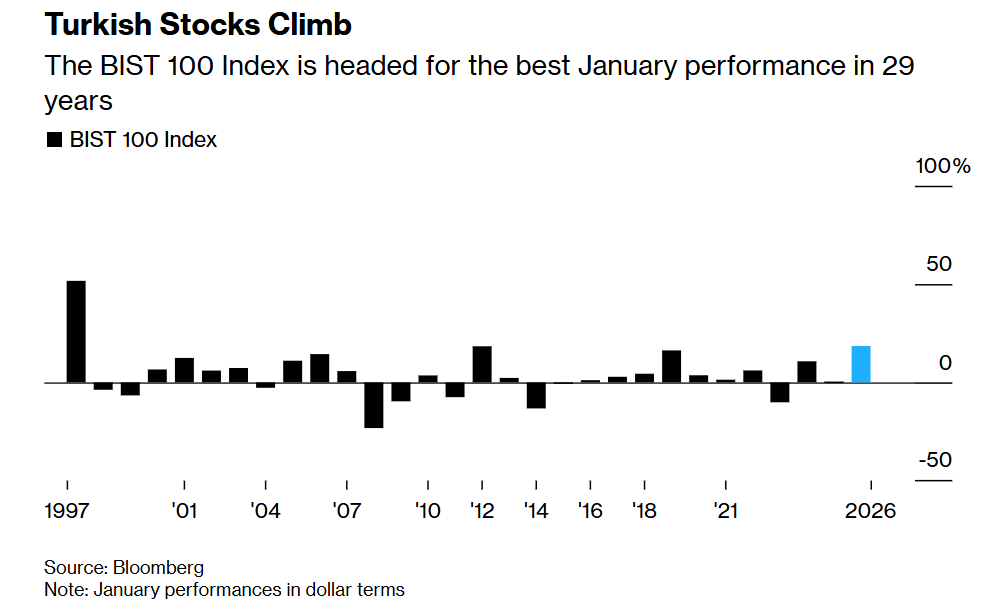
AI播客:换个方式听新闻 下载mp3 伊斯坦布尔100指数有望创下29年来最佳的1月表现 音频由扣子空间生成 受益于新兴市场乐观情绪蔓延及自身估值优势,外国投资者重新涌入土耳其股市,推动该国股市有望创下1997年以来的最佳1月表现。 以美元计价,伊斯坦布尔100指数1月至今已上涨19%,为1997年以来同期最佳表现。即便经历本轮上涨,以预期市盈率衡量,土耳其股市相较于其他 新兴市场股票仍存在显著估值折让。 土耳其股市的交易价格较新兴市场同类股票低约70% 去年,土耳其总统雷杰普・塔伊普・埃尔多安(Recep Tayyip Erdogan)对政治对手的打压令投资者恐慌,导致土耳其资产在新兴市场期待已久的反 弹行情中错失良机。如今,在美元走弱以及投资者寻求分散美国资产配置的推动下,土耳其股市正逐步缩小与其他新兴市场的差距。 阿塔投资管理公司首席执行官巴图汉・奥兹沙欣(Batuhan Ozsahin)表示:"在新兴市场需求旺盛的背景下,土耳其股市正迎头赶上,美元贬值交易 仍在强劲持续。" 土耳其央行数据显示,自去年12月初至今年1月16日,该国股市已吸引13.6亿美元的外资流入。贝莱德前沿市场投资信托基金目前将土耳 ...
碳专家交流
2026-01-29 02:43
Summary of Key Points from the Conference Call Industry Overview - The focus is on the transition from energy consumption dual control to carbon dual control in China, with carbon emission intensity becoming a binding indicator and total emissions as a recommended indicator, benefiting green electricity and clean energy applications [2][3] Core Insights and Arguments - Local governments will implement carbon assessments through various means, including encouraging or mandating companies to purchase renewable energy, formulating local carbon reduction policies, and setting industry carbon emission standards [2][7] - The national carbon market currently focuses on the power industry, with plans to gradually include non-electric industries. The carbon intensity reduction rate in the power sector is expected to increase, with free quotas transitioning to paid allocations by 2027 [2][10] - The carbon market's price is expected to remain relatively stable in 2026 and 2027, provided there are no new transfer restrictions [2][14] - Industries such as paper and flat glass may be included in the carbon market in the next phase, followed by basic chemicals, coal chemicals, refining, and copper smelting [2][17] - The transition to a carbon-centric assessment system means that new projects will focus on carbon emissions rather than energy consumption metrics, favoring the use of renewable energy [5][10] Important but Overlooked Content - The construction of zero-carbon parks aims to demonstrate low-emission areas, with specific requirements for carbon intensity and renewable energy usage [21][22] - The economic viability of zero-carbon parks depends on the availability of renewable energy resources and the cost of direct green electricity connections [23] - The EU carbon tariff significantly impacts China's steel and aluminum exports, with potential expansion to other industries [29][31] - The gradual tightening of the EU's free quota policy will increase carbon costs, leading to a rise in carbon prices in the coming years [31] - The potential for future adjustments to the default values used for measuring carbon emissions from Chinese exports to the EU, which are currently considered unreasonably high [30] This summary encapsulates the critical aspects of the conference call, highlighting the industry's transition towards carbon control, the implications for various sectors, and the potential impacts of international policies.