空调

Search documents
罗永浩炮轰,空调售后成「暴利江湖」?
36氪· 2025-12-27 13:06
Core Viewpoint - The article highlights the high costs associated with air conditioning maintenance and repair services, emphasizing the lack of transparency and regulation in the after-sales market, which has become a lucrative but problematic area for consumers and companies alike [4][16][37]. Group 1: Consumer Sentiment and Market Dynamics - Consumers are increasingly frustrated with high maintenance costs, as illustrated by a recent complaint from a prominent figure regarding a quote of approximately 15,000 yuan for seasonal cleaning of central air conditioning units [4][6]. - The air conditioning market is experiencing a price war at the front end, while the after-sales service sector remains largely unregulated, presenting a new battleground for major appliance companies [6][25]. - Many consumers feel that the cost of repairs often exceeds the price of new units, leading to a perception that "repairing is more expensive than buying" [12][15]. Group 2: Pricing and Service Quality - The article details the breakdown of costs for air conditioning maintenance, revealing that filter replacement can account for 70% of the total service fee, with installation fees also contributing significantly [8][11]. - Comparatively, other brands like Midea and Gree offer cleaning services at much lower rates, typically ranging from 100 to 300 yuan, indicating that the high costs associated with brands like Daikin may not be standard across the industry [9][10]. - The rising costs of maintenance are attributed to increased prices for parts and labor, as well as the complexity of repairs for older units, which often require more extensive work [12][15]. Group 3: After-Sales Market Issues - The after-sales market is plagued by issues such as price opacity, unnecessary repairs, and misleading practices by service providers, which have left consumers feeling vulnerable [17][19]. - There are significant discrepancies in pricing between official service providers and third-party platforms, with the latter often charging 3-4 times more for similar services [19][20]. - The article notes that many third-party service providers may misrepresent themselves as official brand representatives, leading to consumer confusion and potential overcharging [20][21]. Group 4: Industry Response and Future Outlook - Major appliance brands are increasingly recognizing the importance of after-sales service as a competitive differentiator, with companies like Gree and Midea expanding their service networks and improving service quality [28][29]. - The article mentions that consumer complaints regarding after-sales service have risen significantly, indicating a growing need for brands to enhance their service offerings [27]. - As the price war in the air conditioning market reaches its limits, companies are shifting focus towards improving service quality and customer experience as a means of differentiation [33][37].





2025年11月中国空调出口数量和出口金额分别为270万台和4.06亿美元
Chan Ye Xin Xi Wang· 2025-12-27 03:15
Core Insights - The report by Zhiyan Consulting analyzes the current market status and development prospects of the air conditioning industry in China from 2026 to 2032 [1] Export Data - In November 2025, China's air conditioning exports amounted to 2.7 million units, representing a year-on-year decline of 28% [1] - The export value for the same period was $406 million, which reflects a year-on-year decrease of 25.6% [1] Industry Analysis - Zhiyan Consulting is recognized as a leading industry consulting firm in China, specializing in in-depth industry research reports, business plans, feasibility studies, and customized services [1] - The firm emphasizes its professional approach, quality services, and keen market insights to provide comprehensive industry solutions that empower investment decisions [1]

沪指七连阳之后,如何看本轮反弹高度?
Sou Hu Cai Jing· 2025-12-25 10:35
Core Viewpoint - The current market trend indicates a bullish sentiment, with expectations for the Shanghai Composite Index to break previous highs and continue its upward momentum due to global monetary easing and capital inflows into A-shares [1][3]. Group 1: Market Trends - The Shanghai Composite Index has experienced a seven-day rally, with predictions of surpassing the previous high of 4034 points [1]. - Major global indices, including U.S. stocks, have reached new highs ahead of Christmas, indicating a strong market performance [1]. - The offshore RMB has successfully broken the 7 mark, and lithium carbonate futures have exceeded 120,000 [1]. Group 2: Economic Factors - The optimism in the market is attributed to the cyclical nature of economic trends, particularly under the influence of the Federal Reserve's monetary policy [1]. - The end of the Fed's balance sheet reduction and the purchase of U.S. Treasury bonds signify true monetary easing, which is expected to weaken the dollar and strengthen A-shares [1]. - The narrowing interest rate differential between China and the U.S. provides more room for interest rate cuts in China [1]. Group 3: Investment Opportunities - A-shares and H-shares are anticipated to catch up in valuation compared to U.S. and European markets by 2026 [3]. - The technical conditions for A-shares are favorable, with the Shanghai Composite Index stabilizing above the 60-day moving average [3]. - Key investment themes for 2026 include technology, cyclical assets influenced by Fed policies, and defensive sectors driven by domestic demand [4]. Group 4: Sector Focus - The technology sector, particularly related to AI, is expected to be a major focus, as AI is seen as a core component of the current technological revolution [3]. - The cyclical sector is linked to the Fed's monetary policy; easing will lead to rising asset prices and new highs in commodity prices [4]. - Defensive sectors, including new consumption, healthcare, and infrastructure, are expected to benefit from policy incentives [4]. Group 5: Commodity Insights - Copper is highlighted as a critical commodity due to its connection with AI and infrastructure development, particularly in the context of the U.S. "Big and Beautiful" plan [6]. - There is a projected supply-demand gap for copper, driven by increased demand for power supply solutions necessary for AI development [6]. - The potential for aluminum to replace copper in certain applications is debated, but copper's superior properties make it irreplaceable in many cases [6].
“铝代铜”再引热议!长虹空调:不冒进、不封闭
Xin Lang Cai Jing· 2025-12-23 06:25
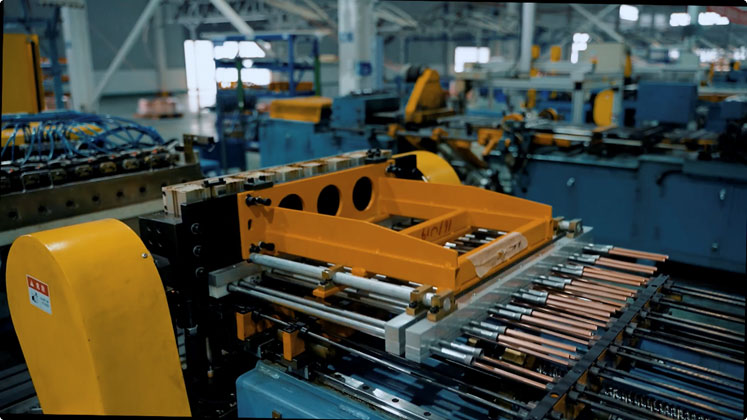
Core Viewpoint - The air conditioning industry is currently debating the use of aluminum instead of copper due to rising copper prices, but Changhong Air Conditioning has firmly stated it will not adopt aluminum until the technology is fully mature, prioritizing high-quality copper to ensure product performance and consumer trust [1][8]. Group 1: Material Characteristics and Quality Control - Copper is recognized for its excellent thermal conductivity, corrosion resistance, and chemical stability, while aluminum offers cost advantages and resource control, with performance closely tied to technology application levels [3]. - Changhong has established a comprehensive quality control system for copper components, collaborating with top suppliers and utilizing automated equipment to ensure precision in critical processes like bending and welding [3]. - Each air conditioning unit undergoes rigorous long-term testing under extreme conditions to ensure reliability, with ongoing R&D efforts aimed at enhancing heat exchange efficiency and energy performance [3][4]. Group 2: Product Innovations and Guarantees - The 2025 upgraded Pro shared air conditioning model features dual copper pipes, resulting in a 64% increase in heat exchange rate and significant reductions in electricity consumption, contributing to its superior energy efficiency [3]. - Changhong's new cloud sail central air conditioning model successfully addresses pipeline stress and strain simulation challenges, with core components undergoing multiple stringent tests to ensure a lifespan of over 10 years [4]. - The company offers a "10-year free repair" guarantee, reflecting its commitment to long-term reliability and quality assurance through the use of high-quality copper materials in key components [4][5][8]. Group 3: Brand Philosophy and Market Position - Changhong embodies a "craftsmanship spirit," continuously upgrading products, services, and branding to create greater value for users, with a new brand slogan emphasizing "craftsmanship quality and comfort" [4][5]. - The company's approach to the aluminum versus copper debate is characterized by a practical attitude of not rushing into new technologies unless they are fully mature and reliable, ensuring product quality stability while leaving room for future innovations [8].

董明珠硬刚空调“铝代铜”!海尔、美的、小米将联合推动空调核心散热部件的铜管换成铝管
Sou Hu Cai Jing· 2025-12-22 04:05
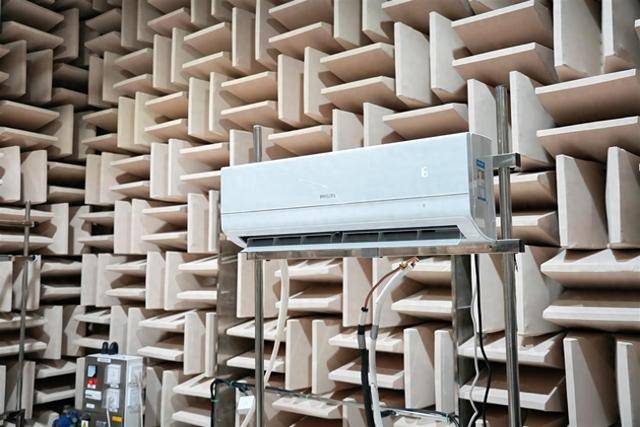
Core Viewpoint - The ongoing "copper vs aluminum" debate in the air conditioning industry has intensified, with major brands like Haier, Midea, and Xiaomi advocating for the use of aluminum pipes instead of copper, while Gree insists on sticking with copper due to concerns over quality and durability [1][7][15]. Cost and Pricing - The primary reason for the shift to aluminum is cost reduction, with aluminum prices around 22,000 yuan per ton compared to copper prices of 60,000-80,000 yuan per ton, resulting in a cost saving of approximately 380 yuan per unit when switching from copper to aluminum for a 1.5 HP air conditioner [3][20]. - The retail price of aluminum pipe air conditioners has dropped to between 1,599-1,699 yuan, which is about 400 yuan cheaper than similar copper models, contributing to a decrease in average prices for mid-range air conditioners from 2,500-3,000 yuan to below 2,000 yuan [3][20]. Consumer Concerns - Consumers are worried about the durability of aluminum pipes compared to copper, as copper has a thermal conductivity approximately 1.7 times greater than aluminum and a lifespan of 15-20 years, while aluminum pipes typically last less than 8 years, although optimized products can reach over 10 years [4][19]. - The lack of clear labeling on product materials has led to consumer confusion, with many unable to distinguish between aluminum and copper models, raising concerns about their right to know [6][19]. Industry Standards and Trends - The air conditioning industry has split into two camps: 19 companies, including Midea and Haier, have formed a group to promote aluminum heat exchangers and adhere to a self-regulatory agreement, while Gree and Philips have opted not to participate [6][10]. - The industry is moving towards establishing clearer standards, with a new group standard for aluminum heat exchangers being developed, and a national standard revision expected to enhance material labeling and durability indicators by 2026 [9][12]. Technological Development - The shift to aluminum is supported by advancements in microchannel technology, which can potentially improve heat exchange efficiency by 20-30% compared to traditional copper pipes, although concerns remain about corrosion and maintenance challenges in harsh environments [19][20]. - The government is promoting the use of aluminum as a strategic resource, with policies encouraging its application in various sectors, including home appliances, indicating a long-term trend towards aluminum substitution [12][20].
海尔中央空调2万余名服务兵为4Hz新品护航
Sou Hu Wang· 2025-12-22 02:59
Core Insights - The article emphasizes the importance of professional installation and ongoing service support for breakthrough technologies, particularly in the context of Haier's new 4Hz ultra-low frequency central air conditioning system [1] - Haier has established a comprehensive service guarantee system to ensure a seamless user experience from product launch to installation and maintenance [1] Group 1: Service Network - Haier's service network covers 336 cities and 2840 districts across the country, with over 3500 service points established to provide professional support to users in both urban and rural areas [3] - The foundation of this network consists of more than 20,000 trained and certified service engineers who possess comprehensive skills in central air conditioning system principles, precise matching of indoor and outdoor units, complex piping design, and intelligent debugging [3] Group 2: Installation Standards - Haier has standardized its service process into a "7-Star Precision Quality" system, which includes 41 major steps and 295 specific standards covering design, materials, craftsmanship, and supervision [4] - This standardization ensures that every hidden installation process, from measurement and design to pipeline welding and refrigerant filling, follows clear technical specifications and inspection points [4] Group 3: Continuous Training and Lifecycle Service - Haier has set up 2 comprehensive practical training bases and 16 training centers nationwide, completing over 30,000 professional skill training and certification sessions annually [5] - The service capability is designed to be continuously available, with a lifecycle service guarantee system that includes specialized materials and proactive maintenance options [6] - The company aims to elevate service value from mere post-installation response to proactive professional delivery and ongoing experience assurance, indicating a shift in competitive focus within the central air conditioning industry [6]
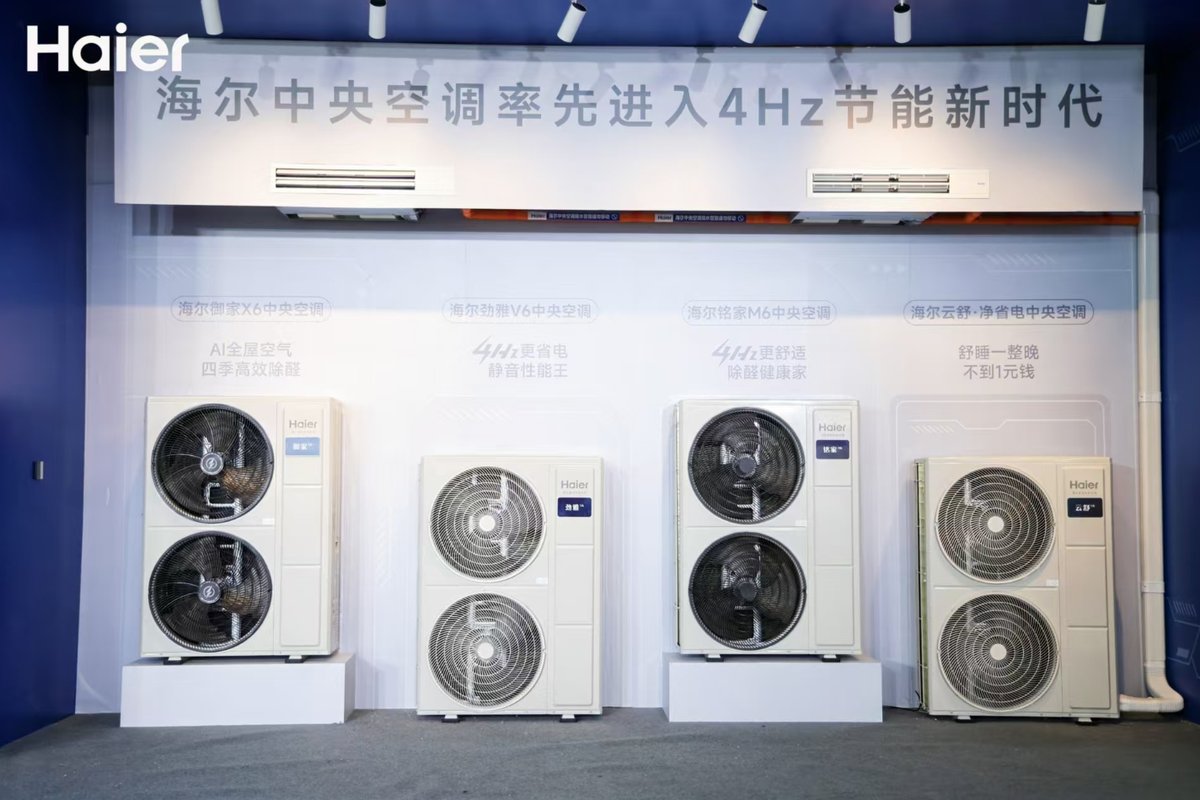
锚定“双碳”目标 海尔中央空调创新4Hz超低频稳定运行技术
Xin Hua Cai Jing· 2025-12-19 11:51
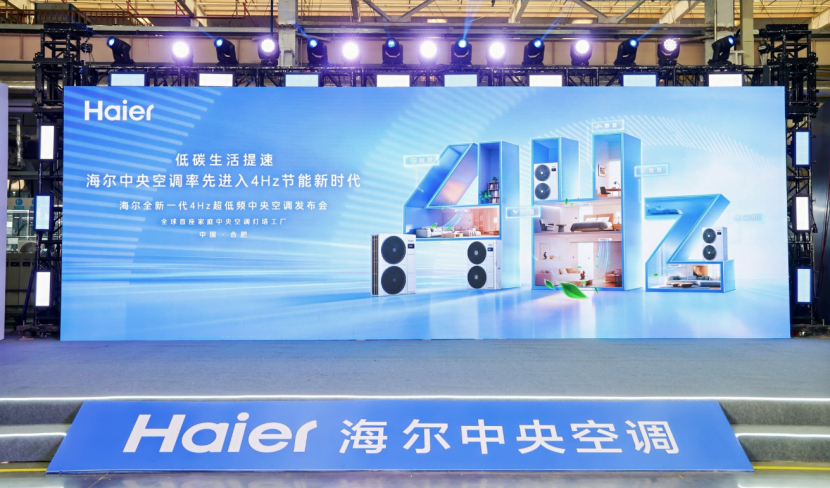
Core Viewpoint - Haier Central Air Conditioning has officially launched the 4Hz ultra-low frequency stable operation technology, marking a significant step towards achieving the "dual carbon" goals and fulfilling the commitment to providing "good air" for users [1][3]. Strategic Response - The construction of "good houses" is evolving towards higher quality and greener living standards, necessitating a shift in product logic from merely providing heating and cooling to offering comprehensive, sustainable air solutions [3]. - The introduction of the 4Hz technology addresses the critical contradiction in central air conditioning regarding high energy consumption and compromised user experience, transforming green energy goals into tangible benefits for users [3]. Technical Breakthrough - Lower operating frequencies in air conditioning lead to reduced energy consumption and noise, with the 4Hz technology representing a significant advancement from previous low-frequency technologies [4]. - Achieving this 4Hz capability required the efforts of 118 engineers over 720 days, emphasizing that this improvement is not just a numerical change but a fundamental optimization of operational logic [4]. - The 4Hz technology allows for a minimum operating power of 124W, nearly halving the energy consumption compared to standard 6Hz models, enhancing both user experience and energy efficiency [4]. User Benefits - The 4Hz technology results in three key benefits for users: reduced electricity bills, quieter operation, and stable temperature control, eliminating the discomfort of temperature fluctuations [5]. Implementation of Commitment - Haier Central Air Conditioning has established a complete closed-loop system from advanced manufacturing to smart services, ensuring high quality and consistency in products equipped with 4Hz technology [6]. - The company focuses on every aspect of user experience, from energy savings to comfort, demonstrating a commitment to technological originality and the core responsibility of providing "good air" [6].
财信证券晨会纪要-20251219
Caixin Securities· 2025-12-18 23:30
Market Overview - The Shanghai Composite Index closed at 3876.37, up 0.16%, while the Shenzhen Component Index fell by 1.29% to 13053.97. The ChiNext Index decreased by 2.17% to 3107.06, and the STAR Market 50 Index dropped by 1.46% to 1305.97 [1][7] - The overall market saw a decline in the majority of indices, with the exception of the blue-chip stocks represented by the Shanghai Composite Index [7][8] Industry Dynamics - The average operating rate and workload of the national engineering machinery sector increased month-on-month in November, with an average operating rate of 46.95%, up 1.39 percentage points, and workload increasing by 10.03% [25][26] - The air conditioning industry is expected to see a 32.0% year-on-year increase in domestic production in January 2026, following a decline in retail sales in November [28][29] - The sulfuric acid industry is implementing measures to stabilize supply and prices to ensure agricultural input stability, particularly for fertilizer production [31][33] - The total grain production for 2025 is projected to be 14,297.5 billion jin, a 1.2% increase from the previous year, with improvements in yield per mu for corn and rice [34][35] Company Updates - Yanjinpuzi (002847.SZ) announced a restricted stock incentive plan for 2025, proposing to grant 3 million shares at a price of 35.18 yuan per share, with performance targets set for 2026-2028 [36][37] - Shuhua Sports (605299.SH) plans to invest up to 500 million yuan in a health industry park project to enhance its competitive edge in the smart fitness sector [39][40] - Haitian Flavoring (603288.SH) disclosed a special dividend plan for 2025, proposing a cash dividend of 3.0 yuan per 10 shares, totaling approximately 1.754 billion yuan [41][42] - Qibin Group (601636.SH) is establishing a subsidiary in Shenzhen to enhance supply chain efficiency and management in the photovoltaic glass business [43]
雪祺电气:目前公司业务暂不涉及空调相关产品
Mei Ri Jing Ji Xin Wen· 2025-12-18 03:44
Core Viewpoint - A group of 19 air conditioning companies, including Haier, Midea, Hisense, TCL, Aux, and Xiaomi, has signed a self-discipline convention to promote breakthroughs in aluminum substitution for copper technology [1] Group 1: Industry Developments - The self-discipline convention aims to advance the application of aluminum in air conditioning systems, indicating a shift in material usage within the industry [1] - The collaboration among major players suggests a collective effort to innovate and improve efficiency in air conditioning manufacturing [1] Group 2: Company Specifics - Snow Qi Electric (001387.SZ) clarified on the investor interaction platform that it focuses on the research, production, and sales of large-capacity refrigerators (over 400L) and commercial display cabinets, and does not currently engage in air conditioning products [1]
美的海尔小米抱团推空调铝代铜,为何董明珠特立独行?
Sou Hu Cai Jing· 2025-12-17 23:13
Core Viewpoint - The home appliance industry is witnessing a rare trend of collaboration among major air conditioning companies to promote a self-regulatory convention regarding the use of aluminum in air conditioning systems, while Gree, a leading player, has not joined this initiative [2][4][14]. Industry Collaboration - Major brands such as Midea, Haier, and others have announced a self-regulatory convention to prohibit malicious attacks and promote the characteristics of aluminum heat exchanger air conditioners [2]. - Gree, traditionally a leader in the industry, has publicly stated it does not have plans to adopt aluminum in place of copper, citing concerns over aluminum's technical capabilities [2][11]. Market Reactions - Gree's stock price has risen despite the industry's shift towards aluminum, while the stocks of companies that joined the convention have shown volatility, indicating challenges in the widespread adoption of aluminum [5]. - The rising copper prices have led to increased costs for air conditioning manufacturers, prompting discussions about the potential benefits of switching to aluminum [6][10]. Cost Analysis - The cost of copper is significantly higher than aluminum, with copper prices reaching approximately 93,500 yuan per ton compared to aluminum at around 21,862.5 yuan per ton [7]. - The use of copper in air conditioning units accounts for about 26% to 33% of the total cost, with high-end models using up to 40% [9]. - If aluminum were to replace copper, Midea could save approximately 23.2 billion yuan, Gree 17.3 billion yuan, and Haier 12.4 billion yuan in costs [10]. Technical Considerations - Gree has expressed concerns about aluminum's durability and reliability, stating that aluminum components may have a shorter lifespan compared to copper, which could conflict with their commitment to a ten-year warranty [11][12]. - The industry consensus suggests that while aluminum can be used in non-pressurized components, it is not suitable for critical parts of the cooling system due to issues like corrosion and welding difficulties [11][12]. Consumer Perception - A significant portion of consumers (68%) prioritize whether an air conditioner is made of copper when making purchasing decisions, indicating that Gree's commitment to copper may enhance its brand perception [15]. - The push for aluminum in the industry is partly driven by government strategies to promote resource efficiency, but consumer trust in aluminum's performance remains a concern [14][16].