
电动车

Search documents
重新出手阿里巴巴!“木头姐”最新对话谈了一堆热点,包括中国科技、AI竞争及加密币
聪明投资者· 2025-09-24 03:36
Group 1: Investment in Chinese Tech - Cathie Wood's ARK Investment bought approximately $16.3 million worth of Alibaba stock, marking a return to the company after a four-year hiatus [2] - ARK also increased its stake in Baidu to $47 million, indicating a broader strategy to invest in Chinese technology [3] - Wood highlighted that Chinese tech stocks are currently valued at about half of their U.S. counterparts, showcasing significant investment opportunities [12] Group 2: AI and Market Dynamics - Wood identified four major players in the AI sector: OpenAI, Anthropic, XAI, and Gemini, suggesting a consolidation in the market [19] - The profitability of AI companies is contingent on their ability to enhance productivity, with many firms already experiencing significant productivity gains despite reduced hiring [20] - The emergence of "no-code programming" through AI tools like ChatGPT is transforming the programming landscape, potentially reducing the demand for traditional coding jobs [9][10] Group 3: H1B Visa and Talent Dynamics - Wood discussed the impact of H1B visa policies, suggesting that while there may be short-term disruptions, the ultimate goal is to retain foreign talent educated in the U.S. [7][8] - The current changes in visa policies may compel tech companies to enhance operational efficiency, which is a necessary evolution in the industry [8] Group 4: ARK's Competitive Edge - ARK differentiates itself through a unique research approach, adopting a "shared economy" model in its investment strategies [24] - Despite a challenging fundraising environment, ARK has maintained stable inflows, particularly in the UK and Europe, where it anticipates significant growth [28]



新力量NewForce总第4865期
First Shanghai Securities· 2025-09-23 09:13
Group 1: Company Overview - Dongyue Group reported a revenue of 7.46 billion RMB in H1 2025, a year-on-year increase of 2.8%[7] - The gross profit margin improved to 29.1%, up by 9.3 percentage points year-on-year[7] - Net profit attributable to shareholders reached 780 million RMB, a significant increase of 153.3% year-on-year[7] Group 2: Refrigerant Business Performance - The refrigerant segment generated 2.29 billion RMB in revenue, a year-on-year growth of 47.7%[8] - Profit from the refrigerant business soared to 1.03 billion RMB, up 209.8% year-on-year, with a segment profit margin of 44.9%, an increase of 23.5 percentage points[8] - As of September 12, 2025, the price of R22 refrigerant was 34,500 RMB per ton, up 2,500 RMB per ton since the beginning of the year[8] Group 3: Challenges in Other Segments - Revenue from fluorinated polymers declined by 4.6% year-on-year to 1.94 billion RMB, with a segment profit margin of 13.4%[9] - The organic silicon segment faced a 15.9% drop in revenue to 2.76 billion RMB, with a profit margin of only 0.38%[9] Group 4: Future Projections and Ratings - The target price for Dongyue Group is set at 18.9 HKD, representing a potential upside of 57.5% from the current price[10] - Projected revenues for 2025-2027 are 16.09 billion RMB, 17.47 billion RMB, and 18.15 billion RMB respectively, with net profits expected to be 1.90 billion RMB, 2.58 billion RMB, and 2.81 billion RMB[10]

刷新纪录!外贸顺差近1万亿美元,但许多外贸工厂倒闭,为什么?
Sou Hu Cai Jing· 2025-09-23 08:51
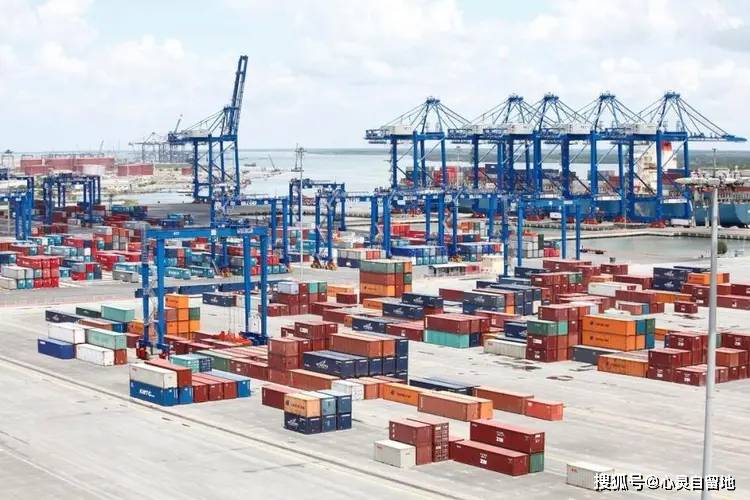
Core Viewpoint - China's trade surplus has reached nearly $1 trillion, a historical high, yet thousands of foreign trade factories are closing down, indicating a structural shift in the export landscape rather than a decline in exports [1][11]. Group 1: Trade Surplus and Structural Changes - The official trade surplus is calculated by subtracting the total value of imports from exports, focusing solely on monetary value without considering the underlying industries [3]. - High-value products like electric vehicles and lithium batteries have replaced traditional labor-intensive goods, leading to a higher trade surplus but not necessarily benefiting all factories [3][5]. - Traditional small and medium-sized foreign trade enterprises are facing severe survival challenges despite the rising surplus [3][5]. Group 2: Impact on Traditional Manufacturing - Many garment factories in Zhejiang report a lack of orders, with clients shifting to countries like Vietnam and Bangladesh or to more automated factories [5]. - The shift towards automation is resulting in significant job losses, as machines replace skilled labor [5][7]. - The transition to high-tech industries is not friendly to low-skilled workers, who find it difficult to adapt to new job requirements [5][9]. Group 3: Economic and Social Implications - Local governments face a dilemma between supporting traditional factories and allowing them to close, which could lead to reduced tax revenue and increased unemployment [7]. - The financial sector is increasingly favoring high-tech industries for credit and financing, tightening loans for traditional manufacturing [7]. - Unemployment is spreading from coastal areas to inland regions, with older workers struggling to find new jobs in a rapidly changing economy [7][9]. Group 4: Need for Systemic Support - There is a pressing need for social safety nets, such as unemployment insurance and skill training programs, to support workers during this transition [9]. - The education system is adapting by removing outdated vocational programs and introducing new fields like robotics and renewable energy [9]. - A unified national skills certification system is necessary to facilitate the transition of workers into high-value industries [9]. Group 5: Future Outlook - The current export structure is undergoing a transformation, with old industries declining and new ones emerging, which may lead to a stronger economy in the long run [11]. - The ability to navigate this transition will determine whether Chinese manufacturing can achieve lasting success on the global stage [11].
?行业动态:
ZHONGTAI INTERNATIONAL SECURITIES· 2025-09-23 07:41
Market Overview - The Hang Seng Index and Hang Seng China Enterprises Index rose by 0.6% and 1.2% respectively last week, with the Hang Seng Index remaining flat on Friday and the China Enterprises Index increasing by 0.2%[1] - Macau's gaming revenue in August increased by 12.2% year-on-year, boosting market expectations for gaming income during September and the National Day holiday[1] - AI-related stocks, such as SenseTime (20 HK) and Hua Hong Semiconductor (1347 HK), performed well last week due to positive market sentiment[1] U.S. Market Influence - All three major U.S. stock indices rose last week, with the Dow Jones, Nasdaq, and S&P 500 increasing by 1.1% to 2.2%[1] - The Federal Reserve announced a preventive rate cut of 25 basis points and is expected to implement two more cuts this year, encouraging investors anticipating continued monetary easing[1] Sector Performance - The Hang Seng Healthcare Index fell by 1.95%, underperforming the Hang Seng Index by 2.6 percentage points, amid concerns over U.S. pharmaceutical companies investing over $350 billion domestically[3] - The automotive sector showed positive performance, with NIO (9866 HK) and XPeng (9868 HK) rising by 3.4% to 4.4%, while Li Auto (2015 HK) fell by 1.1%[4] - The Macau gaming sector has seen strong growth since the end of August, with most stocks rising by 4% to 6% last Friday, driven by record gaming revenue and increased tourist arrivals[4] Energy Sector - The renewable energy and utility sectors generally declined, with coal-fired power companies experiencing significant drops, such as Huaneng International (902 HK) down 3.5% and Datang Power (991 HK) down 7.4%[5] - Some equipment stocks, like Goldwind Technology (2208 HK) and Harbin Electric (1133 HK), saw increases of 14.4% and 15.5% respectively[5]
海风项目密集释放,马斯克回购展现信心
Huaan Securities· 2025-09-22 13:17
Investment Rating - Industry Rating: Overweight [1] Core Views - The report highlights the robust growth in the offshore wind power sector, with significant projects being released, including a 304MW offshore wind project in Tangshan and a 1.1GW project by State Power Investment Corporation [6][19]. - The solar industry is experiencing upward pressure on prices due to rising costs in the upstream supply chain, while overseas demand remains stable [4][13]. - The energy storage market is projected to reach 300 million kilowatts during the 14th Five-Year Plan, with significant developments such as BYD's release of a 14.5MWh energy storage system [21][25]. - The hydrogen energy sector is gaining momentum with government support and partnerships, such as Toyota's collaboration with Yihua Tong to establish a hydrogen fuel cell company [29][31]. Summary by Sections 1.1 Solar Energy - Upstream prices for silicon materials are rising, leading to increased cost pressures, while demand from overseas markets remains strong [4][13]. - The report notes a significant increase in solar power generation in Central Europe, growing nearly fivefold since 2019 [13]. 1.2 Wind Energy - Major offshore wind projects are being awarded, including a 304MW project in Tangshan and a 1.1GW project by State Power Investment Corporation [6][19]. - The report suggests investment opportunities in undervalued companies within the wind energy sector [20]. 1.3 Energy Storage - The report anticipates that energy storage installations will reach 300 million kilowatts during the 14th Five-Year Plan, with BYD launching a new 14.5MWh energy storage system [21][25]. - The energy storage market is expected to benefit from favorable policies and rising demand in both domestic and overseas markets [28]. 1.4 Hydrogen Energy - The hydrogen energy industry is developing positively, with government support and a focus on commercial vehicle applications [29][37]. - The establishment of a hydrogen fuel cell company by Toyota and Yihua Tong signifies a strong commitment to advancing hydrogen technology [29][31]. 1.5 Power Grid Equipment - Huawei emphasizes the importance of liquid cooling in data centers, suggesting investment opportunities in this area [38]. - The report highlights the critical role of power grid equipment in supporting economic growth and energy transition [38]. 1.6 Electric Vehicles - Global battery production saw a year-on-year increase of 50.3% in August, indicating strong growth in the electric vehicle sector [39][41]. - The report suggests focusing on stable profit segments within the battery and structural components sectors [39]. 1.7 Humanoid Robots - The report notes significant investments in humanoid robotics, with a focus on companies that are advancing technology and production capabilities [43][44]. - The industry is entering a phase of small-scale production, with potential for substantial returns on investment in key components [44].
电动车违法改装“驶”不得!北京现场查扣“超长超宽超速”车辆
Xin Jing Bao· 2025-09-22 08:56
Core Viewpoint - The article highlights a joint enforcement operation conducted by the Chaoyang Traffic Police and the Chaoyang District Market Supervision Administration targeting illegal modifications of electric bicycles, specifically focusing on the issue of speed limit violations [1] Group 1 - The enforcement operation took place on September 22, under the Dawang Bridge in Beijing [1] - The operation aimed to address the illegal practice of modifying electric bicycles to remove speed limits, which poses safety risks [1]
摩博会盛况下的隐忧:市场低效内卷、产品路权待解
Jing Ji Guan Cha Wang· 2025-09-21 23:11
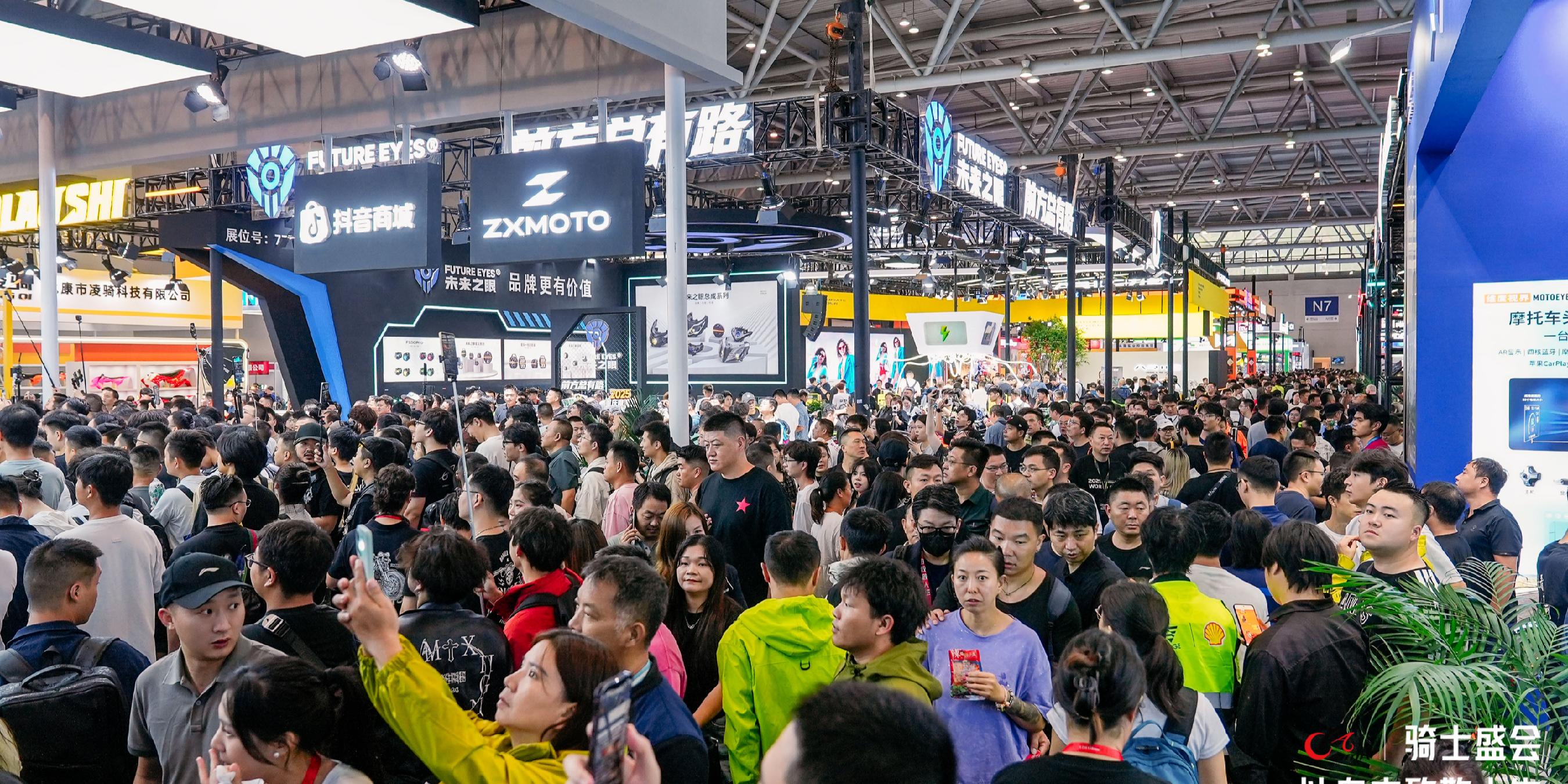
Industry Overview - The 23rd China International Motorcycle Expo opened in Chongqing, showcasing a mix of optimism and challenges within the motorcycle industry [2] - The number of exhibitors increased to 950 in 2025, up 8% from 2024, with 84 global motorcycle and electric vehicle manufacturers participating, a 21% increase from the previous year [2] Market Challenges - The motorcycle market is experiencing declining sales, with 2024 sales projected at 1,992,800 units, down from 2,019,480 units in 2021, representing a decrease of over one-third compared to the peak of over 30 million units in 2007 [4] - The industry's capacity utilization rate is low, estimated at only 39.85%, compared to 72.2% for the automotive industry in 2024 [4] Export Dynamics - Despite domestic market shrinkage, motorcycle exports are growing, with exports rising from 8,974,600 units in 2021 to 11,016,300 units in 2024 [5] - Major export markets include Latin America, Africa, and Southeast Asia, with significant export volumes to these regions [5] Regulatory and Competitive Landscape - The Mexican government proposed a 35% tariff on motorcycles from countries without trade agreements, set to take effect by December 31, 2026, which could impact export dynamics [7] - The industry faces challenges from new regulations, including the implementation of a new national standard for electric bicycles, which may lead to a decline in sales and affect production capacity utilization [9] Future Outlook - The motorcycle industry is seeking transformation through electric motorcycles and smart technology, with a 60% increase in electric motorcycle exhibitors at the expo [8] - There is a call for policy changes to lift restrictions on motorcycle usage in urban areas, which could significantly boost sales and market growth [10]
(活力中国调研行)探访“中国电动车之乡”:“小车轮”驶向全球大市场
Zhong Guo Xin Wen Wang· 2025-09-19 22:40
Core Insights - The electric vehicle industry in Xishan District, Wuxi, accounts for approximately one-third of China's total electric vehicle production, with an impressive output of 2.4 two-wheeled electric vehicles sold globally every minute [1][2] - In the first half of 2025, the electric vehicle industry in Xishan demonstrated strong growth, with 167 industrial enterprises achieving a revenue of 36.608 billion yuan, marking a year-on-year increase of 24.8% [1] - The cross-border e-commerce sector has emerged as a new engine for industrial expansion, with 18 electric vehicle cross-border e-commerce companies in Xishan completing imports and exports worth 610 million yuan, accounting for over two-thirds of the district's total [2] Industry Performance - The electric vehicle sector in Xishan has adopted differentiated product strategies to cater to various market demands, with high-end models priced above 10,000 yuan for the European and American markets, practical models priced between 2,000 and 3,000 yuan for Southeast Asia, and high-power models for mountainous regions in South America [1] - The cross-border e-commerce industrial park in the Yangtze River Delta (Wuxi) has facilitated over 30 million USD in cross-border transactions since its opening in October 2023, with 20 projects established [2] Global Expansion - Xishan District has established over 1,800 overseas sales stores in more than 40 countries and invested in 21 production bases across over 10 countries [2] - The district plans to cultivate 1,000 cross-border e-commerce talents by 2025 to support the industry's development and enhance the global market presence of "Xishan Manufacturing" electric vehicles [2]
专访德意志银行刘佳:港股科技股迎来新一轮价值重估
2 1 Shi Ji Jing Ji Bao Dao· 2025-09-19 13:37
Group 1 - The Federal Reserve's decision to restart interest rate cuts is expected to benefit the Asia-Pacific stock market, particularly the technology sector, attracting more foreign capital from Europe and the U.S. [1][2] - The Hang Seng Index has seen a significant increase of 32.33% year-to-date, while the Hang Seng Technology Index has surged by 40.87% [1]. - Companies related to artificial intelligence, especially in semiconductor design and manufacturing, are anticipated to have strong growth potential in the Hong Kong stock market [1][3]. Group 2 - The expected interest rate cuts by the Federal Reserve may lead to a decrease in financing costs, benefiting high-growth technology sectors in Asia [3]. - In Japan and South Korea, foreign capital is expected to flow into high-growth technology industries, particularly those related to the semiconductor supply chain and artificial intelligence [3]. - The Japanese banking sector is likely to benefit from stable economic growth and the Bank of Japan's interest rate hikes, while Japanese real estate investment trusts (J-REITs) may gain from increased foreign tourist inflows [3]. Group 3 - The Chinese central bank is anticipated to lower interest rates to stimulate domestic demand, particularly after recent economic data showed signs of slowing [4]. - Southeast Asian economies may have more room for interest rate cuts to stimulate local economies, given the low inflation and recent currency appreciation [4].
IMF米尔斯:财政政策需聚焦消费
3 6 Ke· 2025-09-19 08:13
Group 1: Economic Growth and Predictions - The IMF has raised its 2025 economic growth forecast for China by 0.8 percentage points to 4.8%, reflecting stronger-than-expected economic activity in the first half of 2025 and easing trade tensions with the U.S. [1] - China's economy is experiencing rapid growth driven by consumption and export increases, despite facing challenges related to insufficient domestic demand [2][3]. Group 2: Real Estate Market Challenges - The real estate sector's contribution to China's economy is declining, with new residential sales area and sales value dropping by 3.5% and 5.5% year-on-year in the first half of 2025 [6]. - Addressing the real estate market's issues, such as unsold inventory and supporting unfinished housing projects, is crucial for stabilizing the sector [5][6]. Group 3: Consumer Behavior and Savings - High household savings rates in China, exceeding 50% of financial assets, pose a challenge for boosting consumption, as many families save for precautionary reasons [4]. - The government is encouraged to enhance social security measures and support the real estate market to alleviate concerns and stimulate consumer spending [4][5]. Group 4: Trade and Export Dynamics - Despite a decline in exports to the U.S., China's overall export growth is being supported by strong sales to other global regions, with total import and export volume reaching a historical high of 20 trillion yuan in the first half of 2025 [3]. - China's efforts to diversify its export markets and supply chains are seen as effective strategies to mitigate risks from trade disputes [3]. Group 5: Monetary and Fiscal Policy Coordination - The IMF suggests that China may need to implement additional monetary easing and expand fiscal policies to address weak domestic demand and potential economic downturns [8]. - The focus should be on long-term fiscal policies that enhance social spending and support the real estate sector, rather than short-term measures with limited impact [8]. Group 6: Digitalization and Currency Internationalization - The digitalization of payment systems in China is facilitating the internationalization of the renminbi, with increased usage in trade settlements and financial transactions [11]. - The IMF has noted a rise in the renminbi's share in the Special Drawing Rights (SDR) basket, indicating progress in its internationalization [10][11].