
能源化工

Search documents
嘉泽新能: 嘉泽新能源股份有限公司关于向一级子公司增资暨关联交易的公告
Zheng Quan Zhi Xing· 2025-07-14 13:15
Core Viewpoint - The company is increasing its investment in its subsidiary Shanghai Jiayi Rongyuan Green Chemical Co., Ltd. to explore and develop businesses in green methanol, green ethanol, and green aviation kerosene, with a total capital increase of 49.45 million RMB [1][2]. Transaction Overview - The company will invest 49.45 million RMB in Shanghai Jiayi Rongyuan, raising its ownership from 70% to 95%, while another shareholder, Jinyuan Rongtai Investment Management (Ningxia) Co., Ltd., will invest 1.55 million RMB, maintaining its 5% stake [1][2]. - The board of directors approved the transaction on July 14, 2025, with the related party, Mr. Chen Bo, abstaining from the vote due to his interest in the transaction [2][7]. Related Party Information - Jinyuan Rongtai is the second-largest shareholder of the company, holding 15.38% of shares and is considered a related party due to its connection with the actual controller, Mr. Chen Bo [5]. - Jinyuan Rongtai has a registered capital of approximately 1.018 billion RMB and is involved in investment management and consulting [5]. Financial Information of the Target Company - Shanghai Jiayi Rongyuan was established on May 19, 2025, with a registered capital of 4 million RMB. As of June 30, 2025, it reported total assets, liabilities, and net assets of 0, with no revenue or profit [5][6]. Pricing and Agreement Details - The capital increase is priced at 1 RMB per registered capital, and Jinyuan Rongtai has waived part of its preferential subscription rights. The transaction is deemed fair and does not harm the interests of the company or minority shareholders [6][7]. Impact on the Company - The capital increase aligns with the company's overall interests and development plans, and it will not significantly affect the company's financial status or operational capabilities [6][7]. Historical Related Transactions - Prior to this transaction, there was one related transaction with Jinyuan Rongtai in the past 12 months, amounting to 2.8 million RMB [2][3].

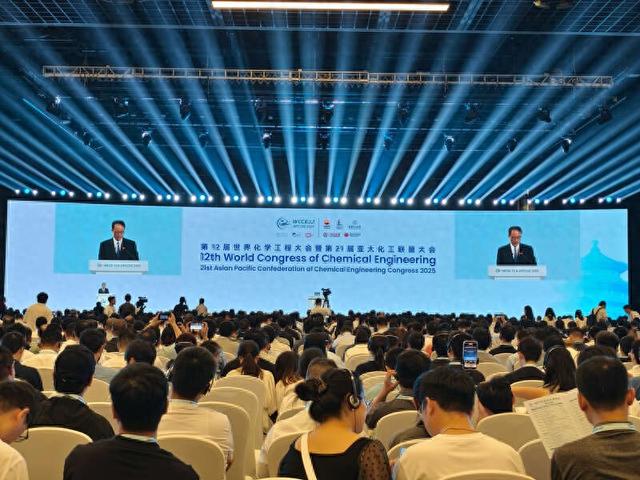
第12届世界化学工程大会在京开幕 各国人士共议化学工程范式变革
Zhong Guo Qing Nian Bao· 2025-07-14 12:01
Group 1 - The 12th World Congress of Chemical Engineering and the 21st Asia-Pacific Chemical Alliance Conference are being held together in China for the first time in 50 years, with nearly 5,000 top scientists and industry leaders from 66 countries participating [1][3] - The chemical industry is emphasized as the cornerstone of the modern industrial system, with innovation and international cooperation being crucial for technological breakthroughs and deep industry transformation [3] - China's chemical industry is the largest globally and has the most complete range of categories, showcasing its increasing influence in the chemical sector through numerous cutting-edge academic reports presented at the conference [3][4] Group 2 - The 2025 International Chemical Innovation Exhibition is being held concurrently, featuring themed exhibition areas that highlight the historical and future landscape of the chemical industry [4] - Key state-owned enterprises such as China National Petroleum, Sinopec, and China National Offshore Oil Corporation are showcasing major core technologies and innovations in essential fields like basic chemicals and new materials [4][5] - International participation is significant, with various authoritative institutions and well-known companies contributing to a narrative of open cooperation and mutual benefit in the global chemical industry [5]

综合晨报:美对墨西哥和欧盟征收30%关税,IEA下调原油需求预测-20250714
Dong Zheng Qi Huo· 2025-07-14 02:15
1. Report Industry Investment Rating No relevant information provided in the content. 2. Report's Core View The report analyzes the impact of various events on different financial and commodity markets. Key events include Trump's proposed 30% tariffs on Mexico and the EU, policy changes in the US and China, and supply - demand dynamics in multiple industries. These events lead to different market trends and investment outlooks in various sectors, such as financial futures, commodities like metals, energy, and agricultural products [1][2][3]. 3. Summary by Directory 3.1 Financial News and Comments 3.1.1 Macro Strategy (Gold) - Trump announced a 30% tariff on the EU and Mexico starting August 1st. Gold showed strong performance on Friday due to increased market risk aversion. However, the strength is less than in April because of the strong US dollar and lower uncertainty. Gold is expected to be strong in the short - term but remain in a volatile range [12][13]. 3.1.2 Macro Strategy (Foreign Exchange Futures - US Dollar Index) - The EU extended the suspension of counter - measures to negotiate with the US. Trump's tariff policy is expected to increase short - term market risk aversion, causing the US dollar index to rise. The US dollar is expected to continue rising in the short - term [15][16][17]. 3.1.3 Macro Strategy (Stock Index Futures) - China and the US strengthened communication, and the Chinese government promoted a long - cycle assessment mechanism for insurance funds. The A - share market is over - valued, and the index is expected to oscillate at a high level. It is recommended to allocate various stock indices evenly [20][21]. 3.1.4 Macro Strategy (US Stock Index Futures) - New tariff threats may delay the Fed's interest rate cut and make the inflation outlook unclear. Trump's 30% tariff on Mexico and the EU may lead to market risk aversion. US stock indices are expected to oscillate, and it is recommended to control positions carefully [22][23]. 3.1.5 Macro Strategy (Treasury Bond Futures) - The central bank conducted reverse repurchase operations. The bond market is expected to oscillate in the short - term. It is recommended that trading desks moderately buy Treasury bonds and sell them after the futures rebound [25][26][27]. 3.2 Commodity News and Comments 3.2.1 Black Metal (Steam Coal) - On July 11th, the price of steam coal in the northern port market remained stable. High temperatures increased power plant demand, and port inventories decreased. Coal prices are expected to remain strong in the short - term [28]. 3.2.2 Black Metal (Iron Ore) - In June, the monthly operating rate of China's construction machinery decreased. Iron ore prices rebounded, but the 100 - dollar key level is difficult to break through. It is recommended to wait and see [29][30]. 3.2.3 Agricultural Products (Soybean Oil/Rapeseed Oil/Palm Oil) - In the 28th week, the actual soybean crushing volume of oil mills was lower than expected, and it is expected to increase in the 29th week. After the release of the double - monthly reports, the oil market will enter the next stage of expected trading. Different oils have different investment suggestions [31][32]. 3.2.4 Agricultural Products (Soybean Meal) - Analysts estimated that the US soybean crushing volume in June decreased by 4% from May but increased by 5.5% year - on - year. USDA raised the end - of - season soybean inventory. The price of soybean meal is expected to oscillate in the short - term, and the basis is expected to remain weak [33][34][36]. 3.2.5 Agricultural Products (Sugar) - Brazil's port sugar - waiting ships increased, and its 2025 sugarcane production is expected to decline. Pakistan is seeking to purchase 30 - 500,000 tons of sugar. The international sugar price is expected to stabilize and weakly rebound in the short - term, but the upside is limited [37][38][39]. 3.2.6 Agricultural Products (Cotton) - Xinjiang's cotton topping work is basically completed. USDA's July report raised the end - of - season cotton inventory in the US and globally. ICE cotton prices are expected to oscillate at a low level, and Zhengzhou cotton is expected to be strong in the short - term [42][44][45]. 3.2.7 Black Metal (Coking Coal/Coke) - The coking coal market in Lvliang is strong, and the expectation of a coke price increase is rising. The short - term rise is mainly affected by macro factors, and it is recommended to wait and see [47][48]. 3.2.8 Black Metal (Rebar/Hot - Rolled Coil) - The retail and wholesale of passenger cars in early July showed different trends, and the dealer inventory coefficient increased. The steel price is expected to oscillate strongly in the short - term. It is recommended to be cautious about going long and use a hedging strategy for spot [53][54]. 3.2.9 Agricultural Products (Corn Starch) - The price difference between tapioca starch and corn starch widened slightly. Corn starch inventory increased, and the future is uncertain [55]. 3.2.10 Agricultural Products (Corn) - The成交 rate of imported corn auctions decreased. If the inventory and auction data continue to be bearish, the spot price in the northern port may decline slightly, and it is recommended to short new - crop contracts in advance [56][57]. 3.2.11 Non - ferrous Metals (Copper) - Osisko may expand a copper deposit in Quebec, and Codelco's copper production increased by 9% in the first half of the year. The global macro - expectation risk is rising, and the copper price may be under pressure in the short - term [58][60][61]. 3.2.12 Non - ferrous Metals (Nickel) - Philippine nickel ore exports to Indonesia are expected to increase. The nickel price is expected to oscillate at a low level in the short - term, and it is recommended to short on rallies in the medium - term [62][63][64]. 3.2.13 Non - ferrous Metals (Lithium Carbonate) - China's lithium carbonate production increased in June and is expected to rise in July. The lithium carbonate price is expected to be strong in the short - term and may decline in the medium - term [65][66]. 3.2.14 Non - ferrous Metals (Polysilicon) - Wuxi Suntech found a new trustee. Polysilicon companies raised their quotes. The price is expected to be bullish in general but may correct in the short - term [67][68][69]. 3.2.15 Non - ferrous Metals (Industrial Silicon) - Yunnan's industrial silicon production increased during the flood season, and Xinjiang's production decreased. The industrial silicon price has strong resistance to decline, and it is recommended to short on rallies [70][71][72]. 3.2.16 Non - ferrous Metals (Lead) - A central China lead smelter resumed production. The lead price is expected to rise in the long - term, and it is recommended to buy on dips in the short - term [73][74][75]. 3.2.17 Non - ferrous Metals (Zinc) - LME zinc inventories decreased, and the 0 - 3 spread increased. The zinc price is expected to be mainly affected by macro factors in the short - term, and it is recommended to manage positions carefully [76][78][79]. 3.2.18 Energy and Chemicals (Carbon Emissions) - The EUA futures price decreased on July 11th. The EU carbon price is expected to be strong in the short - term [80][82]. 3.2.19 Energy and Chemicals (Crude Oil) - Russia plans to compensate for over - production from August to September. IEA lowered the global crude oil demand growth forecast. The oil price is expected to oscillate in the short - term [82][83][84]. 3.2.20 Energy and Chemicals (Bottle Chips) - Bottle chip factories' export quotes are mostly stable, and they plan to cut production in July. It is recommended to look for opportunities to expand processing fees by buying on dips [85][87]. 3.2.21 Energy and Chemicals (Caustic Soda) - The price of caustic soda in Shandong increased slightly. The caustic soda price is expected to have difficulty rising further [87][88]. 3.2.22 Energy and Chemicals (Pulp) - The price of imported wood pulp increased. The pulp price is expected to have limited upside due to unchanged supply - demand [89]. 3.2.23 Energy and Chemicals (PVC) - The PVC market is consolidating. PVC prices are expected to have limited upside due to deteriorating fundamentals [90]. 3.2.24 Energy and Chemicals (Soda Ash) - The soda ash market is weak. It is recommended to short on rallies in the medium - term [91]. 3.2.25 Energy and Chemicals (Float Glass) - The price of float glass in Shahe increased. The glass price is expected to have a large fluctuation range, and it is recommended to use an arbitrage strategy [92][93]. 3.2.26 Shipping Index (Container Freight Rate) - Ningbo - Zhoushan Port ranked seventh in the global shipping center. The EC2508 futures price is expected to oscillate between 1950 - 2050 in the short - term [94][95].


研究所晨会观点精萃-20250711
Dong Hai Qi Huo· 2025-07-11 01:56
Report Industry Investment Rating No relevant content is provided. Core Viewpoints of the Report - Overseas, Fed officials released dovish signals and proposed to relax supervision of large - scale banks, and US trade negotiations accelerated, leading to a rise in global risk appetite. Domestically, China's June PMI data continued to rise, and policies emphasized "anti - involution" and "stabilizing employment", which increased domestic risk appetite. Different asset classes have different trends and investment suggestions [3]. Summary by Directory Macro - finance - **Overall Situation**: Overseas and domestic risk appetites are rising. In terms of assets, the stock index is expected to be short - term oscillating and strengthening, and short - term cautious long positions are recommended; treasury bonds are in a short - term high - level oscillation, and cautious observation is advised; in the commodity sector, black metals are in a short - term low - level oscillating rebound, non - ferrous metals are rising sharply in the short - term, energy - chemical products are in a short - term oscillating rebound, and precious metals are in a short - term high - level oscillation, all with short - term cautious long positions recommended [3]. - **Stock Index**: Driven by sectors such as silicon energy, real estate, and coal, the domestic stock market rose. The trading logic focuses on domestic incremental stimulus policies and trade negotiation progress. Short - term macro upward drive is weakening, and follow - up attention should be paid to Sino - US trade negotiation progress and domestic incremental policy implementation. Short - term cautious long positions are recommended [4]. - **Precious Metals**: Gold continued its high - level oscillation on Thursday. Trump's tariff announcement and the Fed's attitude towards interest rates affect the market. The US credit decline and geopolitical risks support gold in the medium - to - long - term, and tariff disturbances are the main short - term influencing factor [5]. Black Metals - **Steel**: The domestic steel futures and spot markets rebounded significantly on Thursday. There were many positive news about urban renewal. Real - world demand declined, with different trends in different varieties. Supply decreased due to the implementation of production - restriction policies, and cost support was strong. The steel market should be treated with a short - term rebound mindset [6]. - **Iron Ore**: The futures and spot prices of iron ore rebounded significantly on Thursday. Driven by improved macro expectations and real - estate market rumors, the fundamentals of iron ore are weakening, and follow - up attention should be paid to the implementation of production - restriction policies [7]. - **Silicon Manganese/Silicon Iron**: On Thursday, the spot and futures prices of silicon iron and silicon manganese rebounded slightly. Demand decreased, but prices may follow the rebound of coal prices in the short - term [8]. - **Soda Ash**: On Thursday, the soda ash main contract was running strongly. Affected by the central government's signal on anti - involution, there are concerns about production capacity withdrawal. Supply decreased due to equipment maintenance, demand was slightly increased but still at a low level, and profits decreased. It is expected to be short - term oscillating and strengthening [9]. - **Glass**: On Thursday, the glass main contract price was running strongly. Affected by the anti - involution policy, there are expectations of production reduction. Supply slightly increased, demand was weak, and profits were still at a low level. Supply - side production reduction expectations are expected to support prices [10]. Non - ferrous Metals and New Energy - **Copper**: Trump's proposed 50% tariff on copper imports to the US affects the market. The key to future copper price trends lies in the tariff implementation time [11]. - **Aluminum**: The price of Shanghai aluminum rose significantly on Thursday, affected by urban renewal news. The fundamentals are weakening, and it is expected to be short - term oscillating [11]. - **Aluminum Alloy**: The supply of scrap aluminum is tight, and it is in the demand off - season. Considering cost support, the price is expected to be short - term oscillating and strengthening, but the upward space is limited [12]. - **Tin**: Supply has recovered, and demand is weak. The price is expected to be short - term oscillating, and the upward space will be restricted in the medium - term [12]. - **Lithium Carbonate**: The main contract of lithium carbonate decreased slightly on Thursday. The supply side has a contradiction between strong expectations and weak reality. It is expected to be oscillating and strengthening [13]. - **Industrial Silicon**: The main contract of industrial silicon decreased in position on Thursday. Affected by policies, it is expected to be oscillating and strengthening [13]. - **Polysilicon**: The main contract of polysilicon continued to rise significantly on Thursday. Affected by policies, the expectations of industrial silicon and polysilicon are strong. Short - term cautious long positions are recommended [14][15]. Energy - Chemical Products - **Crude Oil**: Global trade wars and OPEC+ production - increase suspension discussions led to a significant decline in oil prices on Thursday. Oil prices are expected to continue to oscillate within a range in the short - term [16]. - **Asphalt**: Oil prices are running at a low level, and asphalt prices are oscillating. Follow - up attention should be paid to inventory reduction [16]. - **PX**: Crude oil is oscillating, and PX is oscillating in a neutral price range. The weakening trend of PX may be slower than that of downstream products [16]. - **PTA**: The liquidity of the spot market has improved, and downstream开工 has decreased. PTA prices are expected to have some downward space [17]. - **Ethylene Glycol**: Port inventory has decreased, but downstream开工 is decreasing. It is expected to continue to build a bottom and follow the polyester sector to run weakly [17]. - **Short - fiber**: The price of short - fiber is following the polyester sector to run weakly. Follow - up attention should be paid to inventory reduction [17]. - **Methanol**: The futures of methanol are oscillating upward. The supply - demand expectation has deteriorated, and short - selling opportunities should be noted [18][19]. - **PP**: The futures of PP are running strongly, but the supply - demand imbalance is prominent. The price is expected to decline further in the medium - to - long - term, and the short - term rebound space is limited [19]. - **LLDPE**: The price of LLDPE has risen. Supply is high, demand is weak, and the price is under pressure in the medium - to - long - term. It can be used as a short - selling variety [20]. Agricultural Products - **US Soybeans**: The price of US soybeans rose overnight. The key to the market is the weather during the 7 - 8 key growth period. The current weather is favorable for growth, and the market has a high expectation of a bumper harvest [21]. - **Soybean and Rapeseed Meal**: US soybeans are affected by bio - diesel policies and export conditions. Domestic soybean meal has relatively strong support. The supply pressure of domestic imported soybeans is difficult to relieve. Rapeseed meal is mainly concerned with Sino - Canadian trade policies [22]. - **Soybean and Rapeseed Oil**: Rapeseed oil inventory is high, and soybean oil supply is stable. They are affected by palm oil in the short - term, and there is a risk of a phased increase in the price difference [22]. - **Palm Oil**: Malaysia's palm oil inventory reached an 18 - month high at the end of June. The export volume increased in early July [23]. - **Corn**: The auction success rate of imported corn has decreased, and there is a risk of rice auction in August, which may impact the corn market [23]. - **Pigs**: The supply of pigs in July is expected to decrease. The cost of secondary fattening has increased, and the concentrated出栏 of large - weight pigs in July and August will limit the increase in pig prices [24].
日度策略参考-20250710
Guo Mao Qi Huo· 2025-07-10 06:47
Report Summary 1. Investment Ratings The report does not explicitly provide an overall industry investment rating. However, it offers specific outlooks and trading suggestions for various commodities. 2. Core Views - **Macro Environment**: Market uncertainties persist across different sectors, influencing the price movements of various commodities. The economic situation, policy changes, and geopolitical factors all play significant roles in shaping market trends [1]. - **Commodity - Specific Trends**: Different commodities have distinct price trends based on their supply - demand fundamentals, cost factors, and external influences such as tariffs and geopolitical events. For example, some metals are expected to face downward pressure due to factors like supply increases or cost - related issues, while others may see price rebounds or stabilizations [1]. 3. Summary by Commodity Categories **Macro - Financial** - **Equity Index**: In the short term, with limited domestic and international positive factors, but decent market sentiment and liquidity, the equity index may show a relatively strong oscillatory pattern [1]. - **Treasury Bonds**: Asset shortage and a weak economy are favorable for bond futures, but the central bank's short - term warning about interest - rate risks restricts upward movement [1]. **Precious Metals** - **Gold**: Given market uncertainties, the gold price is expected to mainly oscillate in the short term [1]. - **Silver**: Similar to gold, the silver price is likely to oscillate due to market uncertainties [1]. **Base Metals** - **Copper**: The potential implementation of US copper tariffs may lead to a back - flow of non - US copper, posing a risk of price correction for Shanghai and London copper [1]. - **Aluminum**: With the cooling of the Fed's interest - rate cut expectations and high prices suppressing downstream demand, the aluminum price faces a risk of decline. However, the domestic anti - involution policy boosts the expectation of supply - side reform, causing the alumina price to stabilize and rebound [1]. - **Zinc**: Tariff disturbances are increasing, and the expected inventory build - up is still pressuring the zinc price. Traders are advised to look for short - selling opportunities [1]. - **Nickel**: With macro uncertainties and a slight decline in the premium of Indonesian nickel ore, the nickel price is expected to oscillate weakly. Short - term short - selling is recommended, and in the long - term, the oversupply of primary nickel will continue to exert downward pressure [1]. - **Stainless Steel**: After a rebound, the sustainability of the stainless - steel price is uncertain. Short - term trading is advised, and selling hedges can be considered at high prices, while keeping an eye on raw - material changes and steel production [1]. - **Tin**: With increasing tariff disturbances, the tin price is mainly priced based on macro factors. In the short term, the supply - demand situation is weak, and the driving force for price movement is limited [1]. - **Industrial Silicon**: The supply shows a pattern of decrease in the north and increase in the south. Although the demand for polysilicon has a marginal increase, there are expectations of future production cuts. After the price rally, market divergence is likely to emerge [1]. - **Polysilicon**: There are expectations of supply - side reform in the photovoltaic market, and market sentiment is high [1]. - **Carbonate Lithium**: The supply side has not seen production cuts, downstream replenishment is mainly by traders, and there is capital - based gaming in the market [1]. **Black Metals** - **Rebar and Hot - Rolled Coil**: The strong performance of furnace materials provides cost support, but the spot market for hot - rolled coils has a risk of marginal weakening. Both are expected to oscillate [1]. - **Iron Ore**: In the short term, production has increased, demand is decent, supply - demand is relatively balanced, but cost support is insufficient, and the price is under pressure [1]. - **Manganese Silicon**: The price is under pressure due to short - term production increases, relatively balanced supply - demand, and insufficient cost support [1]. - **Silicon Iron**: Production has slightly increased, demand is okay, and supply - demand is relatively balanced [1]. - **Glass**: There is an improvement in the supply - demand margin in the short term, with stable supply and resilient demand. However, in the medium - term, oversupply may make it difficult for the price to rise [1]. - **Soda Ash**: Supply has been disrupted, direct and terminal demand is weak, cost support has weakened, and the price is under pressure [1]. - **Coking Coal and Coke**: For coking coal, short - term short - selling opportunities can be considered, and for coke, focus on selling hedges when the futures price has a premium [1]. **Agricultural Products** - **Palm Oil**: OPEC +'s unexpected production increase causes a decline in crude oil prices, and palm oil is expected to follow suit. In the long run, international oil - fat demand is expected to increase, so a bullish view is taken on far - month contracts [1]. - **Soybean Oil**: The near - month fundamentals are weak, but it may show a relatively strong performance due to the influence of palm oil [1]. - **Cotton**: In the short term, there are disturbances such as trade negotiations and weather premiums for US cotton. In the long - term, macro uncertainties are high. The domestic cotton - spinning industry is in the off - season, and downstream inventories are starting to accumulate. Overall, the domestic cotton price is expected to show a weakly oscillatory downward trend [1]. - **Sugar**: Brazil's 2025/26 sugar production is expected to reach a record high, but if crude oil prices continue to be weak, it may affect the sugar - production ratio and lead to higher - than - expected sugar output [1]. - **Corn**: Short - term policy - driven grain releases and a low wheat - corn price difference have a negative impact on the corn market. The futures price is expected to oscillate, and for the far - month CO1 contract, short - selling opportunities at high prices can be considered [1]. - **Soybean Meal**: In the US, the supply - demand balance sheet is expected to tighten. If Sino - US trade policies remain unchanged, there is an expectation of inventory reduction in the fourth quarter for soybean meal, and the far - month contract price is expected to rise. If an agreement is reached, the overall decline in the futures price is expected to be limited [1]. **Energy and Chemicals** - **Crude Oil and Fuel Oil**: With the cooling of the Middle - East geopolitical situation, the market returns to being dominated by supply - demand logic. OPEC +'s unexpected production increase and strong short - term consumption in Europe and the US during the peak season are the main influencing factors [1]. - **Natural Rubber**: The downstream demand is showing a weakening trend, the supply - side production is expected to increase, and inventory has slightly increased [1]. - **BR Rubber**: There have been recent device disturbances stimulating the price increase, OPEC's unexpected production increase, the fundamentals of synthetic rubber are under pressure, and attention should be paid to the price adjustments of butadiene and cis - butadiene and the de - stocking progress of synthetic rubber [1]. - **PTA**: The PTA basis continues to weaken, but the crude - oil price remains strong. The polyester downstream load remains at 90% despite the expectation of reduction, and the PTA spot market is becoming more abundant, with low replenishment willingness from polyester manufacturers due to profit compression [1]. - **Ethylene Glycol**: The coal price has slightly increased, the future arrival volume of ethylene glycol is large, and the concentrated procurement due to improved polyester sales has an impact on the market [1]. - **Short - Fiber**: The short - fiber warehouse - receipt registration volume is low, and factory maintenance has increased. With a high basis, the cost of short - fiber is closely related to the market [1]. - **Styrene**: The pure - benzene price has slightly recovered, the import volume has decreased, the styrene device load has increased, the styrene inventory is concentrated, and the styrene basis has significantly weakened [1]. - **Urea**: Domestic demand is average, the summer agricultural demand is coming to an end, but the export expectation in the second half of the year is improving [1]. - **PE**: With good macro - sentiment, many maintenance activities, and mainly rigid demand, the price is expected to oscillate strongly [1]. - **PP**: The maintenance support is limited, orders are mainly for rigid demand, and the anti - involution policy has boosted market sentiment, causing the price to oscillate strongly [1]. - **PVC**: The price of coking coal has increased, the market sentiment is good, the number of maintenance activities has decreased compared to the previous period, but the downstream has entered the seasonal off - season, and the supply pressure has increased. The price is expected to oscillate strongly [1]. - **Caustic Soda**: Maintenance is nearly over, the spot price has dropped to a low level, the decline in liquid chlorine has eroded the comprehensive profit of the chlor - alkali industry, and the number of current warehouse receipts is low. Attention should be paid to the change in liquid chlorine [1]. - **LPG**: The July CP prices of propane and butane have both decreased, OPEC + has unexpectedly increased production, the combustion and chemical demand for LPG is in the seasonal off - season, and the spot price decline is slow, so the PG price still has room to fall [1]. **Shipping** - **Container Shipping (European Route)**: There is a pattern of stable current situation and weak future expectations. The freight rate is expected to reach its peak in mid - July, showing an arc - top trend, and the peak - reaching time is advanced. The subsequent weeks will have sufficient capacity deployment [1].
中油资本加码产投融一体化协同 赋能绿色能源化工产业高质量发展
Zheng Quan Ri Bao Wang· 2025-07-10 04:14
Group 1 - The core viewpoint of the articles emphasizes the need for traditional energy companies to overcome multiple challenges such as technological iteration, capital investment, and industrial collaboration in the context of a global shift towards green and low-carbon energy [1][2] - China National Petroleum Corporation (CNPC) is accelerating its transformation into a comprehensive energy and chemical company focusing on "oil, gas, heat, electricity, hydrogen" and "refining, chemical materials" [1] - The collaboration between China Petroleum Capital Co., Ltd. and Kunlun Capital Co., Ltd. aims to create an integrated ecosystem of "industry + investment + finance" to inject new momentum into the green and high-quality development of the energy and chemical industry [1][3] Group 2 - Wang Zengye, Chief Economist of China Petroleum Capital, stated that the energy sector has complex financial needs due to its large scale and intricate scientific nature, requiring a variety of financing channels and tools for systematic transformation [2][3] - The focus of industrial finance should be on efficiently integrating resources and adding value to support the energy and chemical industry ecosystem [2] - The companies are actively building an integrated ecosystem centered on "industrial demand" to enhance collaboration between CNPC and invested enterprises, as well as between the enterprises themselves [3][4] Group 3 - Kunlun Capital is adopting a "fund + direct investment" dual-driven model, focusing on investments in emerging industries such as renewable energy, new materials, and high-end intelligent manufacturing [4] - The company is exploring new paths for industry development through selective investment in mature projects for technology transfer, closely aligned with its core business [4] - China Petroleum Capital aims to leverage its comprehensive financial licenses and nationwide service network to provide tailored, competitive "one-stop" financial services for industrial units and invested enterprises [4]

聚焦“两高四着力” 深度融入河南经济社会高质量发展进程
Jin Rong Shi Bao· 2025-07-10 03:16
Core Viewpoint - The article emphasizes the importance of implementing the strategic directives from the central government regarding the development of the central region, ecological protection of the Yellow River basin, and high-quality development in Henan province, with a focus on modernizing the industrial system and improving people's livelihoods [1][5]. Group 1: Empowering Industrial Transformation and Upgrading - China Cinda's Henan branch focuses on technology innovation in fields such as new materials and advanced manufacturing, supporting specialized enterprises through market-oriented debt-to-equity swaps [2]. - The company has helped listed firms like Huaying Agriculture and Zhongfu Industry reduce debt burdens and has actively participated in the rescue of Kedi Food, ensuring employment for over 15,000 individuals [2]. - A business matching event with the Henan State-owned Assets Supervision and Administration Commission is planned for April 2025 to enhance the financial services for state-owned enterprises [2]. Group 2: Assisting in Risk Mitigation in Key Areas - Since its establishment, China Cinda's Henan branch has invested over 50 billion yuan in acquiring non-performing loans from local banks, aiding in the resolution of risks associated with projects like the Wandaxin Expressway [3]. - The company has contributed to the restructuring of local small banks, acquiring non-performing loans worth 6.167 billion yuan [3]. - The branch has played a crucial role in the "guarantee housing" initiative, facilitating the delivery of 3,319 housing units in the Zhengzhou Tilu project [3]. Group 3: Promoting New Industrial Development - The company supports the transformation of traditional energy enterprises in Henan, providing over 20 billion yuan in funding to major energy groups since 2015 [4]. - It has utilized debt-to-equity swaps to assist the largest lithium hexafluorophosphate producer in expanding production and reducing debt ratios [4]. - The Henan branch is also involved in enhancing the cultural tourism industry, aiding in the bankruptcy restructuring of Luoyang Tourism Group to improve asset operation efficiency [4]. Group 4: Commitment to Strategic Directives - China Cinda's Henan branch is committed to deeply learning and implementing the important speeches of General Secretary Xi Jinping, focusing on the strategic deployment for the central region's rise and ecological protection [5][6]. - The company aims to serve the real economy and promote the development of industries such as cultural tourism, manufacturing, and high-tech sectors in Henan [6].
商品期货早班车-20250710
Zhao Shang Qi Huo· 2025-07-10 02:17
1. Report Industry Investment Ratings No industry investment ratings are provided in the report. 2. Core Views of the Report The report provides a comprehensive analysis of various commodity futures markets, including precious metals, base metals, black industry products, agricultural products, and energy chemicals. It offers market performance, fundamental analysis, and trading strategies for each sector, suggesting different approaches such as buying, selling, or holding based on the specific market conditions of each commodity [1][2][3]. 3. Summary by Related Catalogs Precious Metals - **Gold**: Prices are in high - level oscillation. China's central bank has increased gold holdings for 8 consecutive months. Suggest going long on gold due to the unchanged de - dollarization logic [1]. - **Silver**: It shows a rebound with good market sales recently. Long - term industrial silver demand is downward, so consider long - term short positions or going long on the gold - silver ratio [1]. Base Metals - **Copper**: Prices oscillated. Trump's tariff increase affected the market. It is recommended to wait for a full adjustment and then buy at low prices [2]. - **Aluminum**: The price of electrolytic aluminum is expected to oscillate. It is advised to wait and see due to macro uncertainties and a consumption off - season [2]. - **Alumina**: Prices may be strong in the short term. It is recommended to buy at low prices or purchase call options [2]. - **Industrial Silicon**: Short - term market sentiment is strong with high unilateral risks. It is recommended to wait and see [3]. - **Carbonate Lithium**: It is recommended to wait and see due to expected marginal improvement and industrial information disturbances [3]. Black Industry - **Rebar Steel**: Supply and demand are relatively balanced. It is recommended to wait and see and try a reverse spread [4]. - **Iron Ore**: Supply and demand are neutral. It is recommended to wait and see and layout long positions on the far - month coil - ore ratio [4][5]. - **Coking Coal**: Supply is relatively loose with improving fundamentals. It is recommended to wait and see [5]. Agricultural Products - **Soybean Meal**: Short - term US soybeans are in a range - bound oscillation. Domestic soybeans follow international cost - side trends [6]. - **Corn**: Futures prices are expected to oscillate within a range due to reduced surplus grain and wheat substitution [6]. - **Sugar**: Zhengzhou sugar 09 contract is expected to be weak and oscillate. It is recommended to short in the futures market, sell call options, or lock in prices for end - users [6]. - **Cotton**: It is recommended to wait and see and adopt a range - bound trading strategy [7]. - **Palm Oil**: It is expected to be strong in the short term with wide - range oscillations. Pay attention to production areas and bio - diesel policies [7]. - **Eggs**: Futures and spot prices are expected to oscillate due to high supply and cost support [7]. - **Pigs**: Futures prices are expected to oscillate and adjust due to increasing supply and weakening demand [7]. - **Apples**: It is recommended to wait and see, and the market is affected by weather [7]. Energy Chemicals - **LLDPE**: Short - term supply and demand improve. It is recommended to go short on far - month contracts in the long term [8][9]. - **PVC**: It is recommended to wait and see after gradually closing short positions [9]. - **PTA**: It is recommended to go long on PX, do a positive spread on PTA, and short processing fees in the long term [9]. - **Glass**: Fundamentals are weak. It is recommended to wait and see [9]. - **PP**: The short - term trend is weak and oscillating. It is recommended to go short on far - month contracts in the long term [9][10]. - **MEG**: It is expected to be weak. It is recommended to short at high prices [10]. - **Crude Oil**: The long - term trend is bearish. It is recommended to short at high prices and pay attention to inventory accumulation [10]. - **Styrene**: The short - term trend is weak and oscillating. It is recommended to go short on far - month contracts in the long term [10]. - **Soda Ash**: Fundamentals are weak. It is recommended to short at high prices [10][11].
五矿期货文字早评-20250710
Wu Kuang Qi Huo· 2025-07-10 02:13
Report Industry Investment Ratings No relevant content provided. Core Views of the Report - The report analyzes various sectors including macro finance, non - ferrous metals, black building materials, energy chemicals, and agricultural products. It provides market trends, price movements, supply - demand situations, and trading strategies for each sector [2][11][24] - Different sectors face different opportunities and risks. For example, in the macro - finance sector, the stock index futures suggest trading based on economic and policy expectations; in the non - ferrous metals sector, the prices are affected by policies, production, and demand; in the energy chemicals sector, geopolitical risks and supply - demand balances impact prices [2][11][41] Summary by Relevant Catalogs Macro Financial Category Stock Index - **Base Ratio**: IF, IC, IM, and IH show different base ratios for different contracts [2] - **Trading Logic**: Overseas, focus on US tariff impacts; domestically, focus on the "Central Political Bureau Meeting" in July. With low treasury bond rates and high stock - bond yield ratios, funds may flow into high - yield assets. Suggest going long on IH or IF futures related to the economy and IC or IM futures related to "new quality productivity" [2] - **Trading Strategy**: Unilateral trading suggests buying IF long contracts at low prices, and no arbitrage strategy is recommended [3] Treasury Bond - **Market Condition**: On Wednesday, TL, T, and TF contracts rose, while the TS contract remained unchanged. China's June CPI and PPI data were released, and the central bank conducted 7 - day reverse repurchase operations with a net withdrawal of funds [4] - **Strategy**: Economic data shows structural differentiation affected by tariffs. The PMI in June recovered, but exports may face pressure. The money market is expected to remain loose, and interest rates are expected to decline. It is recommended to enter the market at low prices [6] Precious Metals - **Market Performance**: Shanghai gold and COMEX gold rose, while Shanghai silver and COMEX silver fell. The US 10 - year treasury bond yield and the US dollar index were reported [7] - **Market Outlook**: The Fed's minutes show a cautious attitude towards interest rate cuts, with internal differences. It is expected that the Fed's stance will turn dovish. Focus on the opportunity to go long on silver [7][8] Non - Ferrous Metals Category Copper - **Market Movement**: Affected by the US copper tariff policy, prices fluctuated. LME and Shanghai copper showed different trends. The inventory, premium, and import - export situation were reported [11] - **Price Forecast**: The policy is uncertain, and the price may fluctuate. In July, China's refined copper production is expected to be high, and the inventory is expected to be stable. Shanghai copper may be stronger than LME copper [11] Aluminum - **Market Performance**: The domestic commodity market was strong, and aluminum prices rose. The inventory, processing fee, and spot premium situation were reported [12] - **Outlook**: The domestic market is strong, but overseas trade is uncertain. The inventory is low, but the supply may increase in July, which may limit the upward space of aluminum prices [12] Other Metals (Zinc, Lead, Nickel, Tin, etc.) - **Zinc**: Supply is high, and the inventory is increasing. The price is under pressure [13] - **Lead**: The primary supply is high, and the secondary supply is tight. The price is strong, but the increase in Shanghai lead may be limited [14] - **Nickel**: The demand for stainless steel is weak, and the price of nickel iron is falling. It is recommended to go short at high prices [15] - **Tin**: The supply of tin ore is short, but the downstream demand is weak. The price is expected to fluctuate within a certain range [16] Black Building Materials Category Steel - **Market Condition**: The prices of rebar and hot - rolled coil showed different trends. The registered warehouse receipts, positions, and spot prices were reported [24] - **Analysis**: The export is affected by the Vietnamese anti - dumping policy. The domestic demand is insufficient, and the market needs to pay attention to policy signals and terminal demand [24] Iron Ore - **Market Performance**: The price of the iron ore main contract rose. The supply, demand, and inventory situation were reported [25] - **Outlook**: The supply decreased seasonally, and the demand was affected by steel production. The price is expected to fluctuate widely [25][26] Other Products (Glass, Soda Ash, etc.) - **Glass and Soda Ash**: Glass prices rebounded, and soda ash prices are expected to be weak. The supply, demand, and inventory situation were reported [27] Energy Chemicals Category Rubber - **Market Movement**: NR and RU rebounded. The reasons for the rise and fall were different, and the tire industry situation was reported [37][38][39] - **Operation Suggestion**: It is recommended to have a long - term bullish view and a short - term neutral view. Pay attention to the band operation opportunity [40] Other Chemicals (Crude Oil, Methanol, etc.) - **Crude Oil**: The prices of WTI, Brent, and INE crude oil rose. The inventory data was reported. The market is in a long - short game, and it is recommended to wait and see [41] - **Methanol**: The price of the 09 contract and the spot price fell. The supply and demand are expected to be weak, and it is recommended to wait and see [42] Agricultural Products Category Livestock and Poultry Products (Pigs, Eggs) - **Pigs**: The prices in different regions showed different trends. The supply may increase, and the price may decline in the north. The short - term long - position may have space, but the medium - term needs to consider supply and hedging pressure [53] - **Eggs**: The prices were mostly stable. The supply is large, and the demand is cautious. The short - term is recommended to wait and see or short - term operation, and the medium - term is recommended to short after the festival [54] Oilseeds and Oils (Soybean Meal, Vegetable Oil) - **Soybean and Rapeseed Meal**: US soybeans are in a range - bound trend. The domestic soybean meal supply is high, and the demand is mixed. It is recommended to go long at low prices and pay attention to supply pressure [55][56] - **Vegetable Oil**: The export of Malaysian palm oil increased, and the domestic inventory increased. The EPA policy supports the price, but there are still negative factors. It is recommended to view it with a fluctuating attitude [57][58][59]
研究所晨会观点精萃-20250710
Dong Hai Qi Huo· 2025-07-10 01:10
1. Report's Industry Investment Rating No information provided in the report regarding industry investment ratings. 2. Core Viewpoints of the Report - Globally, the risk appetite has increased due to the hope of US interest - rate cuts despite tariff - related inflation concerns, and domestically, the economic growth has accelerated with improved market sentiment [2]. - Different asset classes have different short - term trends and investment suggestions: stocks are expected to be short - term bullish with caution; bonds are at a high level and should be observed carefully; commodities in different sectors have various trends, and most are recommended for short - term cautious long positions [2]. 3. Summary by Relevant Catalogs 3.1 Macro - finance - Overseas: The US has imposed tariffs on seven countries, increasing short - term tariff risks, but the Fed's meeting minutes have raised hopes of interest - rate cuts this year, boosting global risk appetite. - Domestic: China's June PMI data continued to rise, and policies such as "anti - involution" and "stabilizing employment" have improved domestic risk appetite. The RMB exchange rate has appreciated, and the domestic market sentiment has continued to warm up [2]. - Asset performance: Stocks are expected to be short - term bullish with caution; bonds are at a high level and should be observed carefully; commodities in different sectors have various trends, and most are recommended for short - term cautious long positions [2]. 3.2 Stock Index - The domestic stock market declined slightly due to the drag of sectors such as insurance, CSSC, and metals. However, the economic fundamentals are improving, and market sentiment is warming up. The short - term macro - upward drive has weakened, and attention should be paid to Sino - US trade negotiations and domestic incremental policies. Short - term cautious long positions are recommended [3]. 3.3 Precious Metals - Gold and silver continued to fluctuate. The delay of the tariff deadline and the conclusion of trade agreements by some countries have led to an optimistic market outlook. The rise of the US dollar and the Fed's attitude towards interest - rate cuts have put pressure on precious metals. However, gold has long - term support, and tariff disturbances will be the main short - term influencing factor, with expected increased short - term volatility [4]. 3.4 Black Metals 3.4.1 Steel - The steel market rebounded slightly, but the trading volume was low. The "anti - involution" initiative is expanding. The real demand is weakening, the inventory is rising, and the supply is affected by production - restriction policies. The cost support is strong, and the market is expected to fluctuate in the short term [5][6]. 3.4.2 Iron Ore - The price of iron ore rebounded slightly, mainly driven by the macro - logic. The fundamentals are weakening, and the impact of production - restriction policies needs to be further observed. The price is expected to be bullish in the short term, but there is a risk of a supplementary decline if the iron - water output continues to fall [6]. 3.4.3 Ferrosilicon and Silicomanganese - The spot prices of ferrosilicon and silicomanganese were flat, and the futures prices rebounded slightly. The demand for ferrosilicon and silicomanganese has decreased, and the market is expected to fluctuate in the short term [7]. 3.5 Chemicals 3.5.1 Soda Ash - The soda - ash futures price was bullish. The glass industry is expected to cut production, which has led to concerns about soda - ash production capacity withdrawal. The supply has decreased due to device maintenance, and the demand is still at a low level. In the long term, it is recommended to short, but there may be short - term support [8]. 3.5.2 Glass - The glass futures price was bullish. The market expects production cuts due to the "anti - involution" policy. The supply is expected to decrease, which may support the price, but the demand from the real - estate industry is still weak [9][10]. 3.6 Non - ferrous Metals and New Energy 3.6.1 Copper - Trump plans to impose a 50% tariff on copper. The implementation time is uncertain. If it is implemented before August 1st, the copper price will continue to fall; otherwise, the price may be supported [11]. 3.6.2 Aluminum - The PMI of the aluminum - processing industry in June decreased, and the fundamentals have weakened. The inventory has increased, but the short - term downward momentum is insufficient, and it is expected to fluctuate [11]. 3.6.3 Aluminum Alloy - It is in the off - season, and the demand is weak. However, the tight supply of scrap aluminum supports the price. The price is expected to be bullish in the short term, but the upward space is limited [12]. 3.6.4 Tin - The supply has increased, and the demand is weak. The price is expected to fluctuate in the short term, and the upward space will be restricted in the medium term [12]. 3.6.5 Lithium Carbonate - The futures price of lithium carbonate increased slightly. The supply is in a contradiction between strong expectations and weak reality. The cost support is strong, and it is expected to be bullish [13]. 3.6.6 Industrial Silicon - The futures price of industrial silicon increased slightly. The production decreased last week, and it is expected to be bullish due to the "anti - involution" policy [13]. 3.6.7 Polysilicon - The futures price of polysilicon increased significantly. The price of the spot and downstream products also increased. It is expected to be bullish in the short term, but attention should be paid to market feedback and capital changes [14]. 3.7 Energy and Chemicals 3.7.1 Crude Oil - The EIA data showed that the crude - oil inventory increased significantly last week, and the US imposed sanctions on Iranian oil exports. The market is testing the $70 level, and there is pressure at high levels [15]. 3.7.2 Asphalt - The asphalt price is stable, following the trend of crude oil. The shipment volume has decreased, the inventory is decreasing slowly, and the demand is approaching the peak season. It will continue to fluctuate at a high level following crude oil [15]. 3.7.3 PX - The PX price has weakened, and the PXN spread has narrowed. The PTA's increased production will support PX, but the weakening PTA price may drag it down. The weakening trend of PX may be slower than that of its downstream products [15]. 3.7.4 PTA - The PTA basis has weakened significantly, and there is an expectation of over - supply in the future. The price increased slightly due to the "anti - involution" logic, but there is a risk of a callback [16]. 3.7.5 Ethylene Glycol - The ethylene - glycol price increased slightly due to sector resonance. There is a risk of inventory accumulation after the increase in production, and the price may decline slightly in the future [16]. 3.7.6 Short - fiber - The short - fiber price fluctuated within a range, following the polyester sector. The terminal orders are average, the inventory is high, and it is expected to fluctuate weakly in the medium term [16]. 3.7.7 Methanol - The supply of methanol has decreased due to domestic maintenance and reduced arrivals, but the international supply is expected to increase. The price has rebounded slightly, but the upward space is limited, and short - selling opportunities should be noted [17]. 3.7.8 PP - The supply pressure of PP has been relieved due to maintenance and new - capacity release, but the demand is in the off - season. The price is expected to decline further [17]. 3.7.9 LLDPE - The production of LLDPE has increased due to more device maintenance, but the demand is in the off - season. The inventory is expected to accumulate, and the price is under pressure [17]. 3.8 Agricultural Products 3.8.1 Palm Oil - The palm - oil futures price has risen for three consecutive days, reaching a three - month high, supported by the rise of Dalian edible - oil futures and the weakening of the ringgit. However, the weak Chicago soybean oil has limited its increase. The market expects the Malaysian palm - oil inventory in June to shrink, and the upward trend will be restricted by the long - term production increase and the pressure on crude oil [19]. 3.8.2 Corn - The auction turnover rate of imported corn has decreased, which has a certain negative impact on the market. The price in the Northeast region has decreased. There is a risk of rice auctions in August, which may impact the corn market [19][20]. 3.8.3 US Soybeans - The price of US soybeans decreased. The trade disputes may affect US soybean exports. The weather during the key growing period from July to August is crucial. The market has a high expectation of a bumper harvest [19]. 3.8.4 Soybean and Rapeseed Meal - US soybeans are affected by biodiesel policies and bumper harvests. The domestic soybean - meal supply is under pressure, and the rapeseed - meal is mainly focused on inventory digestion. Attention should be paid to Sino - Canadian trade policies [19]. 3.8.5 Soybean and Rapeseed Oil - The rapeseed - oil inventory in ports is high and is slowly decreasing, supported by policy premiums. The soybean - oil supply is stable, but the terminal consumption is weak. The two oils are currently affected by palm oil, and there is a risk of a phased increase in the spread between soybean and palm oil [19]. 3.8.6 Pig - The large - scale pig - raising enterprises are not willing to increase the supply and reduce the weight of pigs. The supply in July is expected to decrease, and the market is in a situation of weak supply and demand. There is a risk of a large - scale supply of second - fattened pigs from late July to late August, which will limit the rise of pig prices [20].