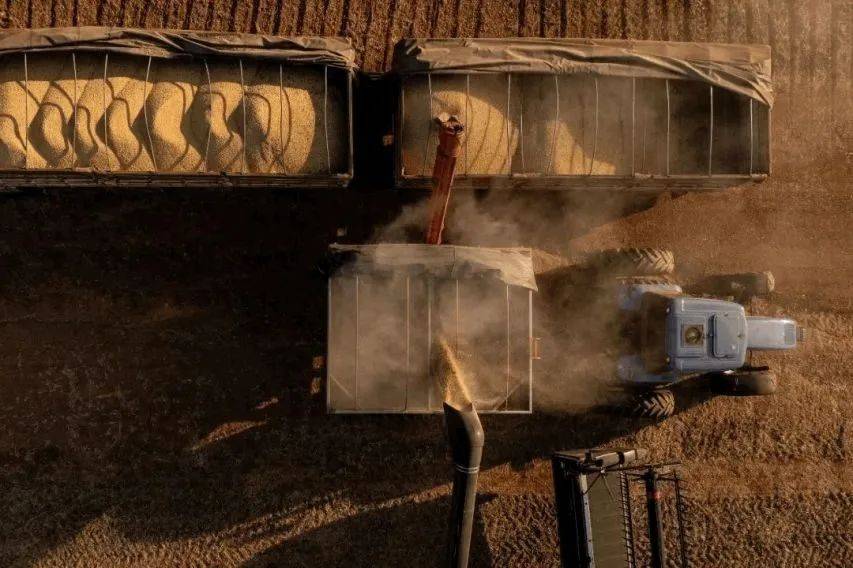
农产品种植

Search documents
农产品碳足迹因子基准数据库交出“成绩单”
Ke Ji Ri Bao· 2025-06-03 08:48
Core Insights - The first carbon footprint factor benchmark database for agricultural products in China has been established, covering major crops and economic products, with data from 29 provincial regions and 38,000 entries [1][2] Group 1: Database Development - The database has completed the construction of carbon footprint factor datasets for various agricultural products including wheat, corn, rice, apples, citrus, peanuts, vegetables, and sugarcane [1] - The database utilizes a three-level accounting system based on the full lifecycle of agricultural products, integrating key emission sources such as fertilizer use, pesticide application, plastic film coverage, irrigation energy consumption, and mechanical tillage [1] Group 2: Future Expansion and Technological Integration - By 2027, the database is expected to expand to include 50 core agricultural products, with a goal to cover all agricultural product categories by 2035 [2] - The project will incorporate remote sensing, artificial intelligence, and big data technologies to enhance the monitoring and accounting of agricultural carbon footprints [2] Group 3: Impact on Agriculture and Climate Goals - The construction of the database aims to provide a quantifiable standard for the agricultural sector, supporting the carbon emission measurement for the food supply of 1.4 billion people in China [2] - The initiative is positioned as a contribution to global climate governance, aligning with China's dual carbon goals [2]

每公斤12澳元!澳洲杏仁卖爆中国,农业REIT基金稳稳吃下这波红利
Sou Hu Cai Jing· 2025-06-02 00:49
Core Insights - The escalating trade tensions between the US and China have created significant opportunities for Australian farmers and fund managers, particularly in the agricultural sector [1][3] - Warakirri Asset Management's Steve Jarrott has made substantial investments in high-value agricultural assets, including wine, citrus, berries, and nuts, capitalizing on the increased demand for Australian products in China [3][4] Agricultural Sector Performance - Almonds have emerged as a major winner, with prices soaring to over AUD 12 per kilogram, the highest in a decade, due to punitive tariffs imposed by China on US almonds [4][6] - Australian almond exports reached AUD 762 million last season, a significant increase from AUD 570 million the previous year, highlighting the growing market position for Australian almonds [4] - The demand for citrus and berries is also rising, with Australian exports of oranges and blueberries showing strong growth, particularly blueberries which saw a 63% year-on-year increase [6] Investment Strategy - Warakirri's investment strategy prioritizes almonds, citrus, and berries as top investment categories, reflecting the changing dynamics in global agricultural markets [6][8] - The fund has made strategic acquisitions, including a AUD 15 million purchase of a 160-hectare citrus orchard and leasing a 59-hectare berry farm to Costa Group [8] - The fund's annualized net return is currently 5.91%, with a three-year annualized return of 5.78%, indicating stable performance in agricultural REIT investments [8] Market Trends - The rise of the Chinese middle class is driving demand for high-protein and high-value food products, benefiting Australian agricultural exports [5][8] - Australian agricultural products are perceived as clean, green, and high-quality, allowing for premium pricing in international markets [5][7] - Customization in production, such as producing visually appealing fruits for gifting, is crucial for meeting the preferences of Chinese consumers [7] Fund Composition - The fund's asset allocation includes 34% in wine, 19% in nuts, 18% in fruits, 16% in vegetables, and 13% in agricultural infrastructure, showcasing a diversified investment approach [11]


农产品早报-20250530
Yong An Qi Huo· 2025-05-30 09:21
农产品早报 研究中心农产品团队 2025/05/30 | 玉米/淀粉 | | | | 玉米 | | | | | | 淀粉 | | | --- | --- | --- | --- | --- | --- | --- | --- | --- | --- | --- | --- | | 日期 | 长春 | 锦州 | 潍坊 | 蛇口 | 基差 | 贸易利润 | 进口盈亏 | 黑龙江 | 潍坊 | 基差 | 加工利润 | | 2025/05/23 | 2180 | 2270 | 2370 | 2390 | -57 | -15 | 263 | 2800 | 2950 | 132 | -111 | | 2025/05/26 | - | 2270 | 2380 | 2390 | -48 | -15 | 258 | 2800 | 2950 | 142 | -111 | | 2025/05/27 | - | 2270 | 2370 | 2390 | -54 | -15 | 256 | 2800 | 2950 | 143 | -113 | | 2025/05/28 | - | 2270 | 2380 | 2410 | -55 | ...
林下种粽叶,一年卖出600万片
Ren Min Ri Bao· 2025-05-28 22:31
Core Viewpoint - The article highlights the growing cultivation of zongzi leaves in Yaship Village, Hainan, which has become a significant source of income for local farmers, particularly in the lead-up to the Dragon Boat Festival [2]. Group 1: Industry Development - The cultivation of zongzi leaves has expanded from a few acres to nearly 1,000 acres in Yaship Village, indicating a significant growth in the industry [2]. - The village produces approximately 6 million zongzi leaves annually, which are in high demand from local zongzi manufacturers and neighboring cities [2]. Group 2: Economic Impact - Each acre of zongzi leaves can generate an income of 2,500 to 4,000 yuan per year for farmers, contributing positively to the local economy [2]. - The initiative has been supported by local policies, encouraging more villagers to participate in zongzi leaf cultivation [2].

首农食品集团打造农业新场景
Bei Jing Shang Bao· 2025-05-28 13:35
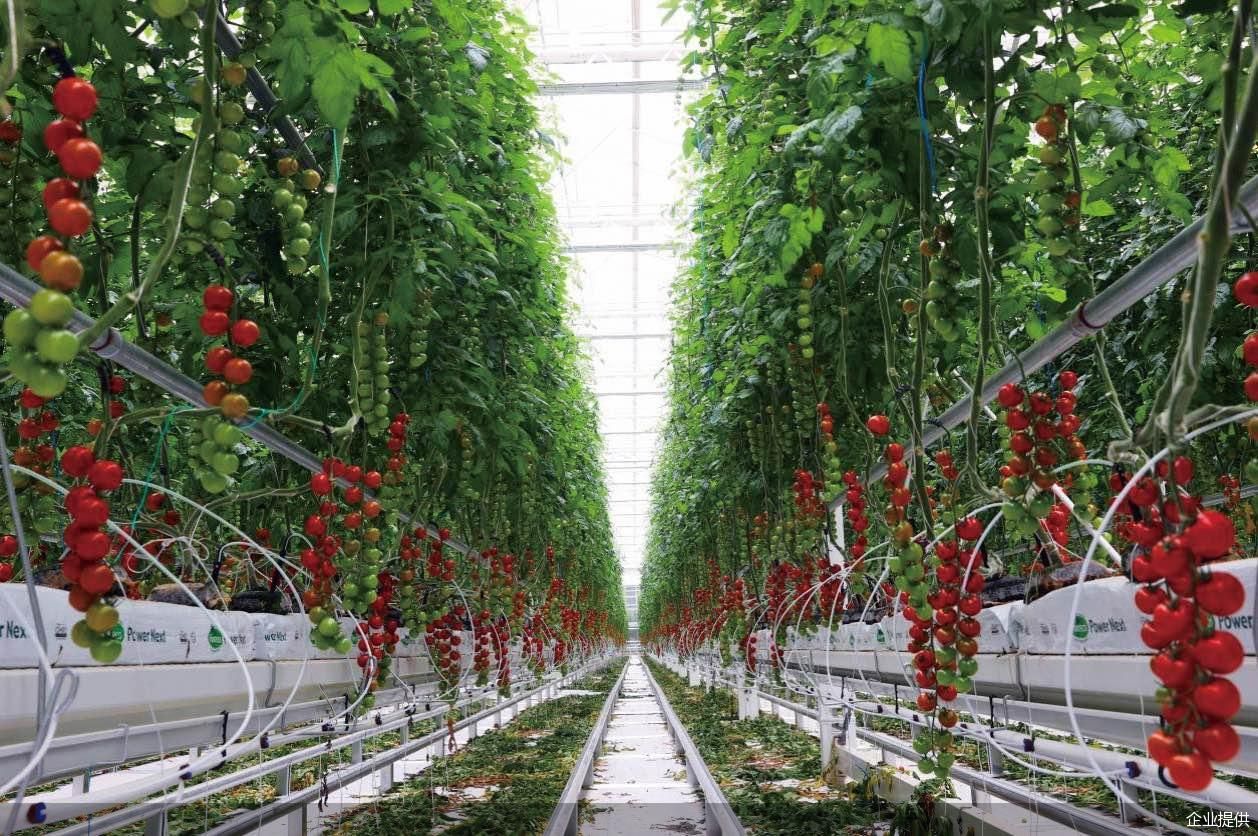
Group 1 - The core viewpoint is that Shou Nong Food Group is actively promoting the transformation and upgrading of traditional agriculture, aiming to build a complete agricultural industry chain and advantageous industrial clusters [1][3] - Shou Nong's Xijiao Farm covers an area of 1,040 acres, featuring over 5,000 cherry trees and modern greenhouses with a total greenhouse area of 600 acres, producing over 100 types of vegetables and fruits [1] - The farm has successfully achieved green food A-level certification for over 30 products, including more than 10 varieties of "south fruits grown in the north" [1] Group 2 - The Cuihu Smart Agriculture Innovation Factory is a key research demonstration base for promoting agricultural modernization in China, covering 878 acres and housing the largest vegetable production greenhouse in the Beijing-Tianjin-Hebei region [3] - The smart greenhouse has achieved over 80% localization in materials and main framework, reducing construction costs by 30% [3] - Shou Nong also owns Yuno Quality Agricultural Products Planting Company, which has 1,427.5 acres of self-owned bases and over 6,000 acres of cooperative bases, supplying raw materials to factories in Beijing and other provinces [3]
美国滥施关税后国内外大豆市场变化
2025-05-26 15:17
Summary of Key Points from the Conference Call Industry Overview - The conference call discusses the global soybean market, focusing on the impact of U.S.-China trade relations and the dynamics of soybean production and consumption in major producing countries like the U.S., Brazil, and Argentina [1][2][3][4][16]. Core Insights and Arguments - **Global Soybean Production**: The global soybean production is expected to reach 427 million tons in the 2025/26 season, with Brazil contributing the majority of the increase, reaching 175 million tons, accounting for 41% of global production [4][16]. - **U.S. Soybean Market**: The U.S. soybean planting area is projected to decrease by 4% to 84.5 million acres, but yield estimates are higher, leading to a slight decline in production by 0.6% [4][5]. - **Export Challenges**: U.S. soybean exports are facing challenges due to trade tensions, with a projected decline of 1.9% for the 2025-2026 season. If China and the EU shift to Brazilian soybeans, U.S. soybeans may struggle to find buyers [8][19]. - **Chinese Import Trends**: China has significantly increased its reliance on Brazilian soybeans, with Brazil accounting for 70% of imports in 2024, up from 45% in 2017, while U.S. imports have decreased to 22.8% [9][10]. - **Domestic Demand and Pricing**: The USDA forecasts a 16% decrease in carryover stocks, which is expected to drive U.S. soybean prices up, despite a slight downward adjustment in export forecasts [5][6]. Additional Important Insights - **Impact of Trade Policies**: The ongoing trade war has led to significant changes in the soybean market, with the U.S. imposing tariffs that have affected export dynamics. The potential for further tariffs on European imports remains a concern [2][19]. - **Domestic Soybean Production**: China's domestic non-GMO soybean production has increased but is facing growth limitations. The reliance on traditional planting methods is seen as a bottleneck, necessitating the adoption of GMO technology for further increases [12][14][13]. - **Future Market Trends**: The global soybean market is expected to see increased trade flows, particularly in soybean meal, driven by demand from major producing countries. However, the overall growth in global feed demand is anticipated to be limited, leading to excess supply pressures [20][21][17]. - **Plant Oil Market Dynamics**: The plant oil market is showing potential for growth, with a focus on the relationship between oil prices and soybean production costs. The market for plant oils is expected to outperform the soybean market in terms of resilience [24][25]. Conclusion - The global soybean market is undergoing significant changes due to trade tensions, shifts in import dependencies, and production dynamics. The U.S. faces challenges in maintaining its export levels, while Brazil continues to strengthen its position as a leading supplier. Future market trends will be influenced by various factors, including trade policies, weather conditions, and international oil prices.
乡村大棚里的“创新共同体”
新华网财经· 2025-05-26 06:05
Core Viewpoint - The article highlights the collaboration between agricultural research institutions and local farmers in Nanchang, focusing on the development and commercialization of asparagus through innovative agricultural practices and technology [2][4][5]. Group 1: Agricultural Innovation - The "Dream Flying Farm" asparagus base serves as a large experimental lab for testing smart agricultural machinery, significantly increasing operational efficiency [4]. - The introduction of various robotic technologies, such as intelligent tilling and fertilizing machines, has tripled the efficiency of single-shed operations [4]. - The collaboration has led to the development of new asparagus products, including asparagus tea, powder, noodles, wine, and fruit cakes, laying the groundwork for future industry expansion [7]. Group 2: Educational Collaboration - The partnership with universities and research institutions is crucial for the future of rural agriculture, emphasizing the importance of youth and scientific research [5]. - The establishment of a live-streaming team in collaboration with Jiangxi Transportation Vocational College has provided a platform for students to engage in social practice and entrepreneurship [11]. - The "Hundred Schools Link Hundred Counties to Prosper Thousand Villages" initiative by Nanchang University has integrated educational resources into rural development, enhancing local economic vitality [13]. Group 3: Market Challenges and Solutions - The asparagus market faces challenges such as short shelf life and high transportation requirements, making e-commerce and live streaming effective solutions for sales [11]. - The base has transformed into a significant agricultural and tourism brand, attracting increasing numbers of visitors and research teams [13]. Group 4: Community and Economic Development - The integration of research, innovation, and local government support has created a new productive force for rural revitalization and agricultural development [15]. - The collaboration fosters a vibrant ecosystem where academic research and practical farming experience contribute to sustainable agricultural practices [15].
宝兴:逐绿向新 绘就高质量发展新图景
Si Chuan Ri Bao· 2025-05-25 22:06
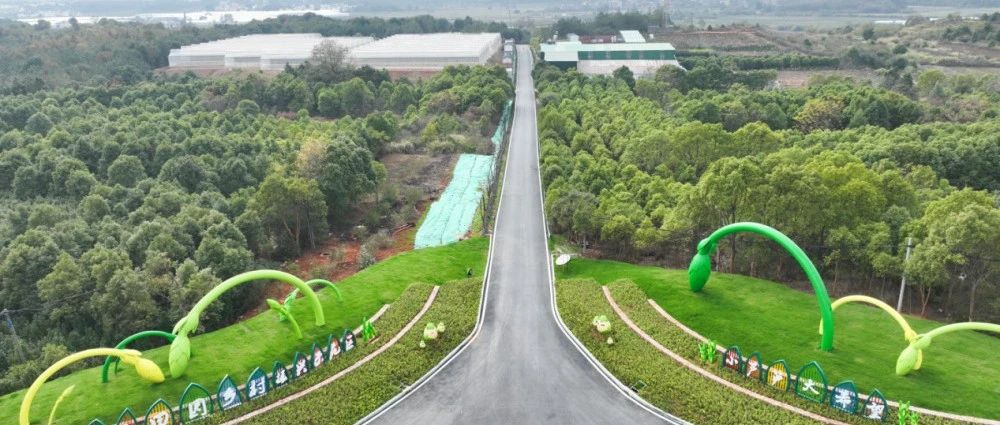
Group 1 - Baoxing County is focusing on ecological priority and green development, transforming its economy and enhancing the quality of life for its residents [2][4] - The county has established over 130,000 acres of ecological farms, forests, and pastures, achieving an agricultural output value of 1.13 billion yuan [4][6] - Baoxing's agricultural sector is thriving, with the area under loquat cultivation reaching over 13,000 acres and an annual production of 2,100 tons, benefiting over 1,300 households [3][4] Group 2 - The tourism sector in Baoxing is experiencing significant growth, with 4.2 million visitors expected in 2024 and a projected tourism revenue of 3.7 billion yuan [4][5] - During the recent May Day holiday, Baoxing County received over 270,000 visitors, a 50.17% increase year-on-year, generating ticket revenue of 3.2 million yuan [5] - The county is enhancing its tourism offerings with various cultural activities and new experiences, such as RV camping and live performances [5] Group 3 - Baoxing County is actively pursuing industrial development, with the Ya'an Economic Development Zone achieving a comprehensive output value of 15 billion yuan in 2024 [7] - The county is focusing on green transformation and has initiated multiple projects, including a high-precision aluminum plate production facility [7][8] - Baoxing aims for a GDP growth of 6.5% in 2024, aligning local budget revenues and per capita disposable income with economic growth [8]

美豆产区或东涝,西旱政策扰动仍未散去
Guo Xin Qi Huo· 2025-05-25 02:12
1. Report Industry Investment Rating No information provided in the report. 2. Core Views of the Report Protein Meal - South American soybeans' impact on the market is gradually weakening. Brazilian soybeans mainly affect the market through the trend of Brazilian basis. In June, the high - temperature weather in the US continues, with excessive rainfall in the east and significantly lower - than - normal rainfall in the western part of the Midwest, which may damage soybean growth. CBOT soybeans will fluctuate between 950 - 1150 before variables change and may rise if variables occur. In June, domestic imported soybeans will arrive at ports intensively, oil mills will operate at a high level, and soybean meal inventory accumulation may accelerate, causing spot and basis prices to decline. Dalian soybean meal may follow the trend of US soybeans [1][124]. Oils - In June, there is a high possibility that US soybean oil will oscillate and decline from a high level due to the uncertainty of the US biodiesel policy. Malaysian palm oil may continue to accumulate inventory in May, and there is a high risk of a market decline in June. Domestic oils have an obvious oversupply situation in June, with soybean oil inventory accumulating faster, and palm oil and rapeseed oil inventories remaining stable. Domestic oil demand is weak, and the market may follow international oils. Lianpalmoil may continue to oscillate weakly, Zheng rapeseed oil may be supported by policies and oscillate strongly, and the soybean - palm oil spread is expected to continue to widen [2][125][126]. 3. Summary by Relevant Catalogs Part One: Market Review - In May, CBOT soybeans oscillated and closed higher. At the beginning of May, they showed a low - level oscillation trend. Later, positive factors such as the improvement of US soybean export prospects, the tightening of new - year supply, and the increase in US biodiesel blending ratio pushed up the price. Domestic soybean meal was significantly weaker than the external market. International oils showed differentiated trends, with US soybean oil reaching a high and then falling, and Malaysian palm oil oscillating downwards. Domestic oils followed international oils but did not break out of the previous oscillation range [4][5]. Part Two: Protein Meal - **Global Soybean Production Forecast**: USDA's May report shows that the global soybean production is expected to increase for the fourth consecutive year in the 25/26 season, with heavy supply pressure from South America. The supply pressure is most significant during the concentrated listing period of South American soybeans from May to June [9]. - **South American Soybean Situation**: Argentina was affected by rainfall during the harvest period, which may reduce production. Brazilian soybean production is a foregone conclusion, and its impact on the market is mainly reflected in the Brazilian basis. The decline of Brazilian basis may slow down in June and may stop falling and stabilize [10][15][19]. - **US Soybean Situation**: In the 25/26 season, US soybean supply is tight, with low tolerance for yield reduction. The planting progress in 2025 is ahead of schedule, but the weather may be characterized by "flood in the east and drought in the west", which may damage soybean growth. US soybean exports and crushing demand in the 25/26 season have great uncertainties. Before variables change, CBOT soybeans will oscillate between 950 - 1150 and may rise if variables occur [26][29][40]. - **Domestic Protein Meal Situation**: In June, domestic imported soybeans will arrive at ports intensively, oil mills will operate at a high level, and soybean meal inventory accumulation may accelerate, causing spot and basis prices to decline. Dalian soybean meal may follow the trend of US soybeans [64]. Part Three: Oils - **US Soybean Oil**: USDA estimates that the production and demand of US soybean oil will increase in the 25/26 season, but the market sentiment has changed from optimism to pessimism due to the uncertainty of the biodiesel policy. In June, US soybean oil may oscillate and decline from a high level [66][69][74]. - **Malaysian Palm Oil**: Since March, Malaysian palm oil production has been increasing. In May, production may exceed demand, leading to inventory accumulation. In June, production may slightly decline, and exports may increase. The market has a high risk of decline and needs export demand and biodiesel policies to boost [75][79][84]. - **Canadian Rapeseed**: USDA estimates that the global rapeseed production will increase by 5% in the 25/26 season, and the supply will be better than that in the 24/25 season. Canadian rapeseed production is expected to increase by nearly 4%, but the inventory is still at a low level, with limited tolerance for yield reduction [90][93]. - **Domestic Oils**: In June, domestic oils have an obvious oversupply situation, with soybean oil inventory accumulating faster, and palm oil and rapeseed oil inventories remaining stable. Domestic oil demand is weak, and the market may follow international oils. Lianpalmoil may continue to oscillate weakly, Zheng rapeseed oil may be supported by policies and oscillate strongly, and the soybean - palm oil spread is expected to continue to widen [123]. Part Four: Conclusions and Operational Suggestions - **Protein Meal**: South American soybeans' impact on the market is weakening. In June, US weather may affect soybean growth, and there are uncertainties in US soybean exports and crushing demand. CBOT soybeans will oscillate in a range and may rise if variables occur. Domestic soybean meal inventory may accumulate faster, and spot and basis prices may decline. Dalian soybean meal may follow US soybeans [124]. - **Oils**: US soybean oil may oscillate and decline from a high level in June. Malaysian palm oil has a high risk of decline. Domestic oils have an oversupply situation, with soybean oil inventory accumulating faster, and palm oil and rapeseed oil inventories remaining stable. Lianpalmoil may oscillate weakly, Zheng rapeseed oil may oscillate strongly, and the soybean - palm oil spread is expected to widen [125][126]. - **Operations**: For soybean meal, adopt low - level buying or selling put options. For palm oil, short at the upper limit of the range or sell call options. In arbitrage, go long on the soybean - palm oil spread and short on the oil - meal ratio [127][128][129].
特朗普后悔晚了!中方仅用十几天,踢美国出局,最大赢家是他
Sou Hu Cai Jing· 2025-05-24 21:32
Group 1 - The core point of the news is the significant reduction of tariffs on soybean imports between the US and China, with the US lowering tariffs from 145% to 30% and China from 125% to 10% [1] - China has ceased purchasing US soybeans and corn since mid-January, leading to a complete halt in imports from the US, while increasing purchases from Brazil, which has become the primary supplier [3][4] - Brazil's soybean production is at a record high, and the country has become the largest supplier of soybeans to China, accounting for over 70% of China's imports [8] Group 2 - The US soybean industry is facing challenges due to tariffs, with a significant drop in soybean imports to China, which fell to the lowest level since 2008, with March imports at 3.5 million tons, down 36.8% year-on-year [6] - The US is exploring new markets in India, Egypt, and Mexico, but establishing these alternatives may take one to two decades [6] - China's soybean import structure has changed dramatically, with Brazil now supplying more than 60% of the global trade and over 70% of China's imports, further eroding the US market share [8]