航空航天

Search documents
马斯克:三年内星舰发射频率将超过每小时一次!航空航天ETF天弘(159241)近5日吸金近2.2亿元净流入率超35%,超跌反弹一触即发!
Sou Hu Cai Jing· 2026-01-16 02:10
Core Insights - The Aerospace ETF Tianhong (159241) has seen an active trading volume with a turnover of 15.07% and a transaction value of 1.24 billion yuan as of January 15, 2026, despite the CN5082 index declining by 3.69% [1] - The ETF has experienced a significant growth of 4.11 billion yuan in scale over the past six months, indicating strong investor interest [1] - In the last five trading days, the ETF attracted a total of 2.16 billion yuan in net inflows, with a net inflow rate exceeding 35% [1] Product Highlights - The Aerospace ETF Tianhong (159241) focuses on military aerospace sectors, covering leading companies in fighter jets, transport aircraft, helicopters, aircraft engines, missiles, satellites, and radar, aligning with the "integrated aerospace" strategic direction [1] Hot Events - Elon Musk announced that SpaceX aims to achieve a launch frequency of over once per hour within three years, with a target of producing 10,000 Starship spacecraft annually [1] - The U.S. has approved SpaceX's request to deploy 7,500 second-generation Starlink satellites, which would increase the total number of operational Starlink satellites globally to 15,000 [1] Institutional Views - According to Caitong Securities, satellite frequency resources have become a national strategic priority, with a "first-come, first-served" mechanism accelerating network formation. The competition for frequency resources is intensifying, as evidenced by the strong entry of national teams like China Star Network and the Wireless Radio Innovation Institute [2]

侯喜保:实体经济“大树”根深叶茂
Jing Ji Ri Bao· 2026-01-16 00:05
Core Viewpoint - The "14th Five-Year Plan" emphasizes the importance of consolidating and strengthening the foundation of the real economy as a strategic task, highlighting its critical role in China's modernization efforts [1]. Group 1: Modern Industrial System - Building a modern industrial system is a strategic choice to strengthen the foundation of the real economy and is essential for promoting high-quality development [2]. - The focus should be on intelligent, green, and integrated development, promoting deep integration of technological and industrial innovation [2]. - Traditional industries need optimization and enhancement, while emerging industries should focus on cultivation and growth in sectors like new energy and aerospace [2]. Group 2: Manufacturing Sector - The manufacturing sector is fundamental to national strength and the core of the modern industrial system, with China's manufacturing value added accounting for nearly 30% of the global total [3]. - China has maintained its position as the world's largest manufacturer for 15 consecutive years, producing the majority of 504 major industrial products globally [3]. - The goal is to strengthen and optimize the manufacturing sector, ensuring it remains a backbone of the modern industrial system [3]. Group 3: Service Industry - The modern service industry is a crucial support for the modern industrial system, but it faces structural and systemic challenges [3]. - There is a need to promote high-quality development in the service sector, enhancing the integration of productive services with manufacturing [3]. - The focus should be on improving the quality and diversity of life services while advancing the digitalization of the service industry [3]. Group 4: Infrastructure Development - Infrastructure is essential for industrial development and must be optimized to support the real economy [4]. - A modern infrastructure system should leverage China's large market and existing facilities, focusing on new infrastructure construction and the digital transformation of traditional infrastructure [4]. - The goal is to enhance the resilience and adaptability of infrastructure to support China's modernization efforts [4].
美国国会两党力推25亿美元关键矿产战略储备计划
Hua Er Jie Jian Wen· 2026-01-16 00:04
Core Viewpoint - A bipartisan group of U.S. lawmakers is set to introduce a new bill to establish a $2.5 billion Strategic Resilience Reserve aimed at securing critical minerals and reducing dependence on external supply chains [1] Group 1: Legislative Proposal - The proposed legislation, named the SECURE Minerals Act, will be introduced by Senators Jeanne Shaheen and Todd Young, along with Representatives John Moolenaar and Rob Wittman [1] - The bill aims to create a critical minerals trading center, functioning similarly to the Strategic Petroleum Reserve and the Federal Reserve [1][2] - The reserve will be overseen by a seven-member committee appointed by the President and confirmed by the Senate, mirroring the governance structure of the Federal Reserve [2] Group 2: Economic Implications - The initiative is designed to enhance U.S. economic resilience and support high-paying jobs in key sectors such as aerospace, automotive, and technology [2] - The initial investment of $2.5 billion may be expanded if the bill passes, similar to the funding model of the CHIPS and Science Act, which authorized approximately $280 billion for semiconductor and scientific research [2] Group 3: Strategic Goals - The Strategic Resilience Reserve aims to establish a domestic critical minerals market, enhancing U.S. production capacity and ensuring a stable long-term supply for American businesses [3] - The competition for global rare earth and other raw materials is intensifying, with the U.S. seeking to gain greater autonomy and bargaining power in this global mineral race [3]
培育活跃生态 上海推动“AI+制造”规模化发展
Zhong Guo Zheng Quan Bao· 2026-01-15 20:48
Core Insights - Shanghai is promoting the large-scale development of "AI + manufacturing" during the 14th Five-Year Plan period, aiming to leverage the combined advantages of AI and manufacturing to accelerate application in key industries and support the creation of model enterprises [1][2] Group 1: AI + Manufacturing Initiatives - Shanghai has launched the "AI + manufacturing" model enterprise cultivation project, selecting 10 model enterprises from various sectors including nuclear power, shipbuilding, automotive, steel, aerospace, semiconductors, and biomedicine [2][3] - These enterprises have identified 50 specific scenarios where AI technology can be applied, targeting pain points in the digital transformation of manufacturing [2][3] Group 2: Digital Transformation and Supply Chain - The third batch of 21 "chain master" enterprises has been announced, which are expected to drive digital transformation across the supply chain [3][4] - Since 2022, Shanghai has cultivated 42 "chain master" enterprises, linking over 360,000 companies and empowering more than 7,000 core enterprises, resulting in a 20% reduction in operational costs and a 10% decrease in energy consumption [3][4] Group 3: AI Application in Manufacturing - Specific AI application scenarios include intelligent generation of 3D to 2D drawings, AI-assisted CAD modeling, intelligent scheduling of precision grinding lines, and smart visual inspection of aerospace components [3][4] - The establishment of a national AI application pilot base aims to tackle common challenges in high-end equipment industries, promoting technological breakthroughs and product innovation [4][5] Group 4: Support for SMEs - The Shanghai Unicom Industrial Intelligent Computing Cloud Service Platform addresses challenges faced by small and medium-sized enterprises (SMEs) such as high computing costs and a shortage of AI talent [5][6] - This platform provides integrated AI application support, including computing power, data models, and development tools, to help SMEs reduce initial and operational costs [5][6] Group 5: Industry Perspectives on AI Integration - Experts emphasize the importance of AI in enhancing design accuracy, optimizing production processes, and improving operational efficiency in response to new energy system demands [6][7] - The integration of AI with industrial internet technologies is seen as a way to automate and smarten production processes, thereby improving efficiency and product quality [6][7]
撬动耐心资本 创投“国家队”打法升级
Zhong Guo Zheng Quan Bao· 2026-01-15 20:48
Core Insights - The National Venture Capital Guiding Fund, launched at the end of 2025, has a 20-year duration and aims to support hard technology sectors without regional reinvestment requirements, marking a significant shift in China's venture capital landscape [1][2] Group 1: Fund Characteristics - The fund emphasizes a focus on hard technology and strategic emerging industries, primarily targeting seed, early, and mid-stage innovative small and micro enterprises [2] - The fund's long duration and flexible reinvestment requirements are designed to align with the growth cycles of hard technology companies, promoting a more market-oriented investment approach [3][4] Group 2: Investment Trends - State-owned capital is increasingly investing in hard technology, with significant contributions from central enterprises and local government funds, such as the 18.32 billion USD investment from the National Integrated Circuit Fund into SMIC [2][3] - Local government funds are also expanding, with Beijing establishing a 100 billion yuan fund focused on AI and robotics, and Chengdu launching a fund covering similar future industries [2] Group 3: Investment Strategy Evolution - The investment strategy has shifted towards longer fund durations and more flexible reinvestment mechanisms, with 53% of new guiding funds allowing for durations over 10 years [3][4] - The focus has moved from short-term gains to respecting industry growth patterns, reducing the pressure for forced exits during market downturns [3][4] Group 4: Key Sectors and Companies - The state venture capital "national team" is actively investing in critical sectors such as semiconductors, advanced manufacturing, AI, and new materials, with notable investments in companies like Moer Technology and Longxin Technology [1][6] - In the semiconductor sector, investments have been made in key areas such as core equipment and materials, while in AI, the focus includes hardware and software solutions [6][7] Group 5: Future Industry Focus - The national team is also targeting emerging fields like embodied intelligence and robotics, with investments in companies that facilitate faster technological validation and industrial scaling [7] - The collaboration between the guiding fund and various capital sources is expected to accelerate the formation of a mature patient capital ecosystem, driving China's high-quality economic development [7]
又一个战略储备诞生?报道:美国国会两党力推25亿美元关键矿产战略储备计划
Sou Hu Cai Jing· 2026-01-15 12:16
Core Viewpoint - A bipartisan group of U.S. lawmakers is introducing the SECURE Minerals Act, which aims to establish a $2.5 billion Strategic Resilience Reserve to stockpile critical minerals, reducing reliance on external supply chains and ensuring stable raw material supply for domestic technology and manufacturing [1][2]. Group 1: Legislative Details - The SECURE Minerals Act will be proposed by Senators Jeanne Shaheen and Todd Young, along with Representatives John Moolenaar and Rob Wittman [1]. - The reserve will operate similarly to the Strategic Petroleum Reserve, with physical storage facilities for critical materials and a governance structure akin to the Federal Reserve, overseen by a seven-member committee appointed by the President and confirmed by the Senate [2]. Group 2: Economic Implications - The establishment of the reserve is seen as a necessary measure to protect national and economic security, with the potential to enhance high-paying jobs in key sectors such as aerospace, automotive, and technology [2]. - The initial investment of $2.5 billion may be expanded if the legislation passes, similar to the funding model of the CHIPS and Science Act, which authorized approximately $280 billion for semiconductor and scientific research [2]. Group 3: Strategic Objectives - The long-term strategy of the Strategic Resilience Reserve extends beyond mere storage; it aims to develop a domestic critical minerals market, enhance U.S. production capacity, and ensure a stable long-term supply for American businesses [3]. - The initiative is part of a broader effort to gain greater autonomy and bargaining power in the global competition for rare earth and other raw materials, which has already led to conflicts in Africa and increased interest in regions like Greenland [3].
政企同心“面对面” 成都为航空航天产业注入新动能
Xin Lang Cai Jing· 2026-01-15 12:12
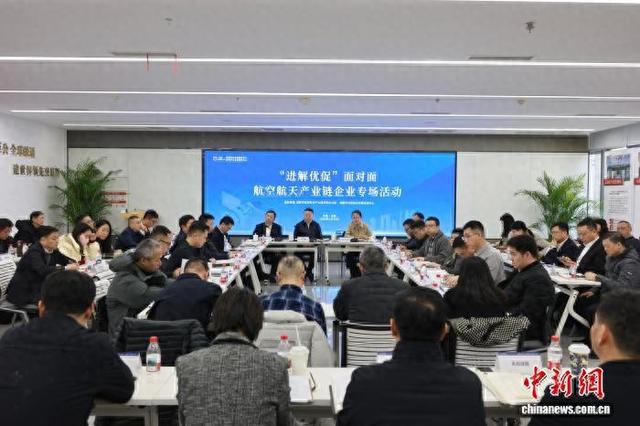
Core Viewpoint - The event "Jin Jie You Cu" focused on addressing the development challenges faced by the aerospace industry in Chengdu, facilitating direct communication between government departments and over 60 key enterprises in the sector [1] Group 1: Event Overview - The event collected over 30 enterprise demands, with 28 receiving immediate responses and guidance, while the remaining demands were recorded in a service ledger with assigned responsibilities and deadlines [2] - Chengdu's aerospace industry has established over 30 specialized parks and initiated a special fund exceeding 10 billion yuan to support the sector [6] Group 2: Industry Development - Chengdu has developed comprehensive capabilities in aircraft manufacturing, including autonomous research and development of complete aircraft, engines, and space vehicles, achieving over 90% self-controllable core technology [4] - The city aims to establish a globally influential aerospace technology innovation center and a national drone industry cluster by 2030, focusing on integrating large, medium, and small enterprises [6] Group 3: Talent and Market Expansion - Companies expressed a need for high-tech talent in areas such as aircraft design and composite materials, prompting the government to introduce talent attraction policies, including housing subsidies [2] - Chengdu plans to regularly host supply-demand matching events and has launched a public platform for industrial sales and demand matching, with several aerospace companies already participating [3]
六大部委释放2026关键信号,大湾区这些产业要飞
Xin Lang Cai Jing· 2026-01-15 10:11
Group 1: Economic Policy and Growth Signals - The National Development and Reform Commission, Ministry of Finance, Central Bank, Ministry of Commerce, Ministry of Industry and Information Technology, and Ministry of Housing and Urban-Rural Development have released four key policy signals aimed at stabilizing growth, expanding domestic demand, supporting technological innovation, and stabilizing the real estate and stock markets for 2026 [1] - The focus for 2026 includes enhancing industrial technological innovation capabilities, developing core technologies, and fostering high-level manufacturing platforms, with an emphasis on emerging industries such as integrated circuits, new materials, and biomedicine [1][2] Group 2: Investment and Funding Initiatives - The National Venture Capital Guidance Fund has been launched with an investment of 100 billion yuan, aiming to attract local and social capital to create an investment scale exceeding one trillion yuan, particularly in hard technology sectors [2] - The Guangdong province has introduced policies to promote the "use first, pay later" model for technology transfer, providing flexible cooperation paths for enterprises, especially small and medium-sized enterprises [3] Group 3: Low-altitude Economy Development - The low-altitude economy has been included in the 14th Five-Year Plan, with new opportunities for the development of three-dimensional low-altitude travel [4] - The first Guangdong-Hong Kong-Macao Greater Bay Area Low-altitude Economy High-quality Development Conference has been held, announcing policies for infrastructure, technological innovation, and financial support for the low-altitude economy [5] Group 4: Digital Economy Collaboration - The Guangdong-Hong Kong-Macao Greater Bay Area is enhancing digital economy cooperation, establishing a development pattern driven by the dual cores of Guangzhou and Shenzhen, with unique contributions from Hong Kong and Macau [7] - The policies released by six ministries focusing on supporting technological innovation provide strong guidance for the high-quality development of the digital economy in the Greater Bay Area [7]
巴媒:巴基斯坦总理证实“多国积极与巴方洽谈购买‘枭龙’战机”
Huan Qiu Wang· 2026-01-15 09:07
据介绍,JF-17是一款轻型多用途战斗机,由位于伊斯兰堡附近的巴基斯坦航空综合体生产,其最新型 号被定位为4.5代战机,配备先进的航电系统、有源相控阵雷达、电子战系统以及超视距导弹,可执行 空对空和空对地作战任务,搭载中国制造的导弹。巴基斯坦空军表示,这款战机在中低空具有较高机动 性,兼顾火力、敏捷性和生存能力,能成为"任何空军的强大平台"。《每日电讯报》称,JF-17不具备 隐身能力,整体定位与法国"阵风"、瑞典"鹰狮"、欧洲"台风"相近,但价格明显更便宜,每架售价约为 2500万至3000万美元。 报道称,夏巴兹在首都伊斯兰堡举行的内阁会议上回顾了巴基斯坦在去年一场战争中取得的胜利。《黎 明报》称,这显然是指与印度的冲突。夏巴兹表示,自那之后,对巴基斯坦战机的需求有所增加。他还 称,有多个国家正在与巴方"积极开展谈判"——此举将促进巴基斯坦的经济和国防生产。 报道提到,印度尼西亚、孟加拉国、伊拉克和沙特阿拉伯都已表示有兴趣购买JF-17战斗机。 【环球网报道 记者 闫珮云】据巴基斯坦《黎明报》报道,巴基斯坦总理夏巴兹当地时间14日证实,多 个国家正在积极与巴方洽谈购买JF-17"雷电"战斗机(中国称"枭龙 ...

存储芯片板块活跃,34位基金经理发生任职变动
Sou Hu Cai Jing· 2026-01-15 08:12
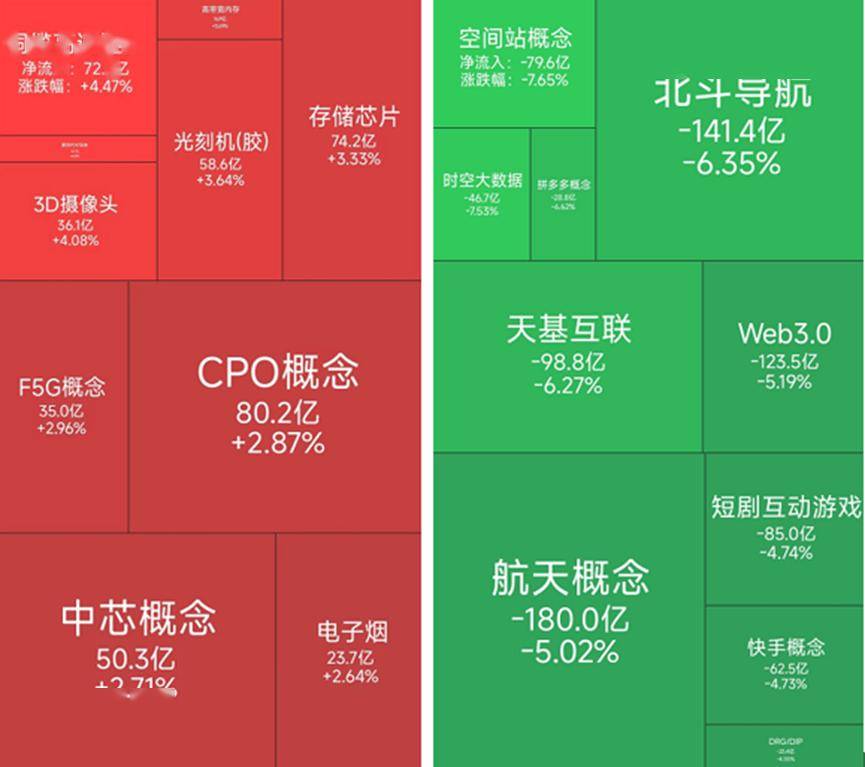
1月15日,A股三大指涨跌不一。截至收盘,沪指跌0.33%报4112.6点,深成指涨0.41%报14306.73点,创业板指涨0.56%报 3367.92点。从板块行情上来看,今日表现较好的是铜缆高速连接、存储芯片和CPO概念,而空间站概念、北斗导航和航天 概念等板块下跌。 基金经理是一只基金产品最核心的成员,能决定一只基金的投资方向、投资策略以及投资风格,基金经理出色的择时选股 能力和调研预测能力是基金业绩的有力保证,所以基金经理是投资者在选择基金产品时的重要依据。基金经理的变动很大 程度上会影响到基金产品未来的表现,是一个需要特别关注的信息。1.15日共有34位基金经理发生任职变动。 根据巨灵统计的数据,近30天(12.16-1.15)共有582只基金产品的基金经理发生离职。其中今天(1.15)日有29只基金产 品发布基金经理离职公告,涉及8名基金经理。从变动原因上来看,有5位基金经理是由于工作变动而从管理的12只基金产 品中离职。有1位基金经理是由于个人原因而从管理的9只基金产品中离职。有1位基金经理是由于辞职而从管理的1只基金 产品中离职。有1位基金经理是由于结束代理而从管理的7只基金产品中离职。 | ...