可再生能源

Search documents
国信证券:可再生能源消纳政策出台 绿色氢氨醇产业迎来新机遇期
智通财经网· 2025-10-15 03:51
Core Viewpoint - The green hydrogen and ammonia industry is entering a significant strategic opportunity period due to national policies promoting the increase of renewable energy non-electric consumption and the development of the green hydrogen and ammonia industry [1][2] Group 1: Policy Developments - The National Development and Reform Commission released a draft implementation plan for the minimum proportion target of renewable energy consumption and the responsibility weight system for renewable energy power consumption [1] - The plan includes mandatory assessments for renewable energy non-electric consumption, marking a shift in energy management focus from solely electricity to a multi-energy collaborative consumption model [2] Group 2: Market Implications - The inclusion of green hydrogen and ammonia as a compliant path in the policy creates unprecedented access for the industry, enhancing market demand and expectations [2] - The establishment of minimum non-electric consumption targets for provincial regions and key energy-consuming enterprises, along with punitive measures, creates a systematic market demand for green hydrogen and ammonia [2] Group 3: Investment Opportunities - Companies to watch in the green hydrogen and ammonia sector include Jin Feng Technology (002202.SZ), Yunda Co., Ltd. (300772.SZ), Sany Renewable Energy (688349.SH), Hewei Electric (603063.SH), and Huadian Technology (601226.SH) [1]




电力设备新能源行业点评:可再生能源消纳政策出台,绿色氢氨醇产业迎来新机遇期
Guoxin Securities· 2025-10-15 02:42
Investment Rating - The investment rating for the industry is "Outperform the Market" (maintained) [2][3] Core Viewpoints - The National Development and Reform Commission (NDRC) has introduced a policy that includes minimum consumption targets for renewable energy, marking a significant shift towards a multi-energy consumption model that includes green hydrogen and methanol [3][6][8] - The policy creates a mandatory assessment framework for renewable energy consumption, expanding the focus from solely electricity to include non-electric consumption, thereby enhancing market demand for green hydrogen and methanol [5][7] - The introduction of punitive measures for failing to meet renewable energy consumption targets significantly strengthens the policy's enforcement and provides a clear long-term signal to the market [7][8] Summary by Sections Policy Overview - On October 13, the NDRC released a draft policy outlining minimum consumption targets for renewable energy, which can be achieved through various methods for both electric and non-electric consumption [3][5] - The policy emphasizes the inclusion of green hydrogen and methanol as compliant pathways, indicating a strategic focus on these sectors [3][8] Market Implications - The new policy is expected to create a substantial institutional market demand for green hydrogen and methanol, enhancing the certainty and market expectations for the industry [3][9] - The strategic opportunity for the green hydrogen and methanol industry is highlighted, with recommendations to focus on companies such as Goldwind Technology, Yunda Co., SANY Heavy Energy, Hewei Electric, and Huadian Technology [3][9] Financial Projections - Financial forecasts for related companies indicate growth in net profits, with Goldwind Technology projected to achieve a net profit of 1.86 billion RMB in 2024, increasing to 3.67 billion RMB by 2026 [11]
“含绿量”不断提升!能源发展成就瞩目
Yang Shi Wang· 2025-10-15 00:04
Core Insights - The "14th Five-Year Plan" emphasizes the importance of energy as the backbone of industrial development and national economy, highlighting the significant progress in renewable energy during this period [1] Group 1: Renewable Energy Development - China has constructed the world's largest and fastest-growing renewable energy system, with new energy storage capacity reaching approximately 95 million kilowatts, a nearly 30-fold increase over five years [2] - The proportion of renewable energy generation capacity has increased from 40% to around 60%, indicating a substantial shift towards cleaner energy sources [2] - The "Shagao Desert" has emerged as a new frontier for renewable energy construction, adding over 130 million kilowatts of new capacity, transforming previously barren land into an "energy oasis" [2] Group 2: Energy Supply and Consumption - During the first four years of the "14th Five-Year Plan," China's energy consumption growth reached 1.5 times the total growth of the previous five years, demonstrating robust demand [3] - Despite the increased demand, China's energy supply and security have remained stable, with a self-sufficiency rate consistently above 80% [3] - The "Xinjiang Power Transmission to Chongqing" project showcases advancements in electricity transmission, allowing electricity to travel over 2,000 kilometers in just 0.007 seconds [3] Group 3: Infrastructure and Electric Vehicles - China has built the world's largest electric vehicle charging network, with two charging stations for every five electric vehicles, enhancing the energy infrastructure [4] Group 4: Global Leadership in Energy Transition - With over 1.4 billion people's energy security effectively guaranteed, China is recognized as a global leader in renewable technologies and low-carbon development, playing a crucial role in the global energy transition [5]
逐绿向新 “十四五”时期能源转型“加速跑”
Xin Hua Wang· 2025-10-14 23:54
Core Insights - China's energy transition has achieved remarkable milestones, with national electricity generation exceeding 10 trillion kilowatt-hours in 2024, accounting for one-third of global electricity generation, and energy production equivalent to approximately 5 billion tons of standard coal, representing over one-fifth of the global total [1][2] Group 1: Energy Transition Achievements - The "14th Five-Year Plan" period is recognized as the fastest phase for China's green and low-carbon energy transition, with non-fossil energy consumption increasing by 1 percentage point annually while coal's share decreases correspondingly [2][3] - By July 2024, China's renewable energy installed capacity reached 2.17 billion kilowatts, maintaining the global lead, with wind power at 570 million kilowatts and solar power exceeding 1.1 billion kilowatts, marking a doubling since the end of the "13th Five-Year Plan" [2][3] - The share of non-fossil energy in installed capacity has historically surpassed 60%, with renewable energy generation capacity exceeding coal power for the first time in 2024 [2][4] Group 2: Regional Innovations and Models - Various regions are innovating energy development models, such as Yunnan's hydropower utilization, Sichuan's green hydrogen industry, and Tibet's solar and wind energy projects, leading to a clean energy system dominated by renewables [3] - The "pastoral photovoltaic" model in Qinghai demonstrates the integration of solar energy with livestock farming, enhancing vegetation cover and improving the livelihoods of local herders [3] Group 3: Cross-Regional Energy Transactions - The first cross-regional green electricity transaction from Tibet to Shanghai successfully delivered 7.85 million kilowatt-hours, reducing coal consumption by 24,100 tons and cutting CO2 emissions by 60,100 tons [4] - The energy transition has shifted the electricity supply structure from coal-dominated to green energy-dominated, with significant upgrades in power transmission and grid management [4][5] Group 4: Technological Innovations - Continuous technological innovation has been a driving force in the energy transition, with China holding over 40% of global renewable energy patents and achieving record advancements in solar and wind technologies [6][7] - The new energy storage capacity is projected to reach 95 million kilowatts by mid-2025, a nearly 30-fold increase over five years, providing robust support for stable electricity supply [6][7] Group 5: Energy Efficiency and Future Goals - Since the beginning of the "14th Five-Year Plan," China's energy consumption per unit of GDP has decreased by 11.6%, equivalent to reducing CO2 emissions by 1.1 billion tons [8] - New targets set for 2035 include increasing the share of non-fossil energy consumption to over 30% and achieving a total installed capacity of wind and solar power six times that of 2020 [8]
“十四五”:中国式现代化迈出坚实步伐
Sou Hu Cai Jing· 2025-10-14 23:39
Core Insights - The "14th Five-Year Plan" period has marked significant achievements in China's economic development, emphasizing high-quality growth and modernization, which is crucial for both domestic progress and global economic stability [1][2]. Economic Achievements - Economic scale has reached new heights, with GDP surpassing 130 trillion yuan and projected to reach 140 trillion yuan by 2025, solidifying China's position as the world's second-largest economy [3]. - The average annual GDP growth rate during the first four years of the "14th Five-Year Plan" is approximately 5.5%, with a projected average of 5.4% for the entire period [3]. - The quality of development has improved, with R&D expenditure intensity increasing from 2.40% in 2020 to 2.69% in 2024, and China's global innovation index ranking rising from 14th to 10th [4]. - Structural adjustments have been made, with the service sector's share of GDP increasing from 55.5% in 2020 to 56.7% in 2024, and the contribution of domestic demand to economic growth averaging 86.8% from 2021 to 2024 [5]. Global Economic Impact - China's contribution to global economic growth has remained around 30%, making it a stable driving force for the world economy [6]. - The total value of goods imports and exports reached 43.8 trillion yuan in 2024, maintaining China's position as the world's largest trading nation for eight consecutive years [6]. Development Strategies - The "14th Five-Year Plan" has adhered to five development principles: innovation, coordination, green development, openness, and sharing, which have been translated into practical actions across various regions and sectors [7][8]. - Significant advancements in innovation have been noted, with R&D funding exceeding 3.6 trillion yuan in 2024, a 48% increase from 2020 [14]. - The modernization of the industrial system has accelerated, with China's manufacturing sector accounting for nearly 30% of global output [15]. - Progress in green development is evident, with renewable energy capacity increasing significantly and pollution control measures yielding positive results [10][16]. Future Outlook - The "15th Five-Year Plan" period will face new challenges and opportunities, with a focus on high-quality development and modernization as key priorities [25][27]. - The global economic landscape is expected to shift due to technological advancements and geopolitical tensions, necessitating a strategic focus on maintaining competitive advantages [25][26].
绿色甲醇:IMO碳税落地在即,绿色燃料投资元年
2025-10-14 14:44
Summary of Key Points from the Conference Call Industry Overview - **Industry Focus**: Green Methanol and Alternative Fuels in Shipping Industry [1][3] - **Regulatory Changes**: The International Maritime Organization (IMO) is tightening carbon emission standards, impacting fuel sourcing and pushing the shipping industry towards zero or low-carbon alternatives like ammonia and biomass fuels [1][3] Core Insights and Arguments - **Carbon Tax Implementation**: A carbon tax will be levied starting in 2027, with a two-year preparation period for shipping companies. Historical data indicates that IMO policies are effectively enforced, which is expected to accelerate emission reduction in the shipping sector [1][3][4] - **Economic Analysis of Alternative Fuels**: Current costs for hydrogen-ammonia and green methanol vessels are higher than traditional heavy oil and biodiesel vessels. However, the carbon reduction benefits may offset some of these costs [1][5] - **Demand for Green Methanol**: Anticipated demand for green methanol is projected to reach 38.8 million tons by around 2030, a significant increase from current usage levels. Biodiesel and heavy oil are expected to reach price parity by 2033, while green methanol is expected to achieve economic viability by 2034 [1][6][7] - **Cost Parity Factors**: Biodiesel requires a compliance surplus trading price of $150/ton and a sales price of 7,500 RMB/ton to achieve parity. Green methanol requires an electricity price of 0.14-0.16 RMB/kWh, a sales price of 4,400 RMB/ton, and a compliance surplus trading price of $150/ton [1][10] Additional Important Insights - **Production Chain and Key Players**: The green methanol production chain includes raw materials, equipment, design, and construction. Key companies involved include Aerospace Engineering, Blue Stone Heavy Industry, and Donghua Technology, among others [1][11] - **Aerospace Engineering's Role**: As a major supplier in the coal chemical sector, Aerospace Engineering is well-positioned to benefit from the increasing demand for green methanol due to new IMO policies [1][12] - **Support for Renewable Energy Policies**: The National Development and Reform Commission has set minimum consumption targets for renewable energy, which will drive the development of related industries [1][13] - **Future Directions in New Energy**: The focus is shifting towards non-electric applications of renewable energy, such as producing green hydrogen, ammonia, and methanol, which are crucial for achieving carbon neutrality goals [1][14] - **Challenges and Opportunities**: The economic viability of non-electric renewable energy applications remains a challenge, but supportive policies are emerging both domestically and internationally [1][15][16] Role of Wind Power Companies - **Wind Power Companies' Involvement**: Companies like Goldwind Technology and Mingyang Smart Energy are actively investing in green methanol projects, leveraging their capabilities in supplying renewable energy resources [1][17] - **Domestic Market Trends**: The domestic onshore wind market is experiencing growth, with stable pricing and expected profit recovery, which will benefit companies involved in green methanol production [1][18] - **International Market Expansion**: Wind power companies are expanding into international markets, with significant orders and strategic partnerships to enhance competitiveness [1][19][20]

摩根大通:如果没有风能和太阳能,美国将无法实现能源目标
Hua Er Jie Jian Wen· 2025-10-14 09:44
Group 1 - Morgan Stanley believes that the power supply needed for growth in the U.S. technology sector will be difficult to meet unless renewable energy sources like wind and solar are fully utilized [1] - Chuka Umunna, head of global sustainable solutions at Morgan Stanley, emphasized the necessity of renewable energy, contrasting sharply with the Trump administration's energy policies [1] - The U.S. government is currently seeking to increase fossil fuel production while prioritizing nuclear and geothermal energy as low-carbon options [1] Group 2 - Umunna pointed out that nuclear energy faces significant time constraints, as it takes years to become operational, making renewable energy a crucial part of the solution [2] - The focus has shifted from solely climate and environmental issues to achieving energy self-sufficiency, reshaping investor perceptions of the renewable energy sector [2] - Morgan Stanley's $1.5 trillion investment plan emphasizes energy independence, intertwining sustainable development with competitiveness and geopolitical concerns [2] Group 3 - The initiative's four core areas include critical industries for U.S. economic and national security, such as semiconductors, critical minerals, and clean energy, reflecting heightened attention to geopolitical risks and supply chain security [2]


Tracking the listing performance of India’s billion-dollar IPOs since 2020
BusinessLine· 2025-10-14 06:53
Core Insights - LG Electronics India had a remarkable stock market debut, listing at a 50% premium to its issue price of 1,140 rupees per share, marking the best listing for a billion-dollar Indian IPO since Eternal in 2021 [1] Group 1: Recent Billion-Dollar IPOs in India - SBI Cards and Payment Services debuted in March 2020, sliding about 13% due to COVID-19 pandemic concerns [1] - Eternal, formerly known as Zomato, listed in July 2021 at a premium of 51.3%, achieving a valuation of approximately $13 billion [2] - One97 Communications, the parent of Paytm, had a poor debut in November 2021, listing at a 9% discount and closing 27% below its offer price due to profitability concerns [3] - Life Insurance Corporation of India debuted in May 2022, with shares sliding nearly 9% amid market volatility and competition concerns [4] - Hyundai Motor India, in October 2024, saw shares fall 1.5% on listing due to a lukewarm reception and valuation concerns [5] - Swiggy listed in November 2024 at a 5.6% premium, indicating growing investor confidence in the food delivery segment [6] - NTPC Green Energy's shares jumped 14% on debut in November 2024, driven by investor optimism regarding clean energy needs [7] - HDB Financial Services, in July 2025, jumped about 13% on listing, achieving a valuation of $8.2 billion amid long-term growth prospects [8] - Tata Capital made a muted debut in October 2025, listing slightly higher than its issue price at a valuation of $15.78 billion, reflecting investor caution in a crowded IPO market [10]


拉美或成能源投资新中心
Zhong Guo Hua Gong Bao· 2025-10-14 06:19
Core Insights - Major tech companies are increasingly investing in data centers in Latin America to support the expansion of the AI industry, with an estimated investment exceeding $2 billion in 2024 alone [2] - The Latin American data center market is projected to double by 2030, reaching a market size of $14.3 billion [2] - The energy demand from data centers in Latin America is expected to grow significantly, with McKinsey estimating an annual growth rate of 19% to 22% globally from 2023 to 2030 [3] Investment Trends - The "industrial sunshine belt" from Brazil to Mexico, along with nearshore outsourcing advantages, is driving significant investments in data centers [2] - The region's potential for renewable energy, particularly solar power, positions it as an ideal location for large-scale data center projects [4] - The influx of investment is anticipated to enhance production efficiency, upgrade infrastructure, and promote overall economic development in Latin America [4] Energy Demand and Supply Challenges - McKinsey's report highlights a potential severe energy supply gap by 2030, necessitating the construction of energy capacity at least double that of the last 25 years [3] - The energy demand for data centers in Latin America is expected to mirror or exceed global averages, raising concerns about resource allocation [3] Regulatory and Market Dynamics - New local regulations and the trend towards nearshore outsourcing are positioning Latin America as a digital infrastructure hub [4] - The region's rich fossil fuel resources and abundant solar energy potential are critical for supporting the growth of data centers [4] Socioeconomic Implications - While the data center boom presents investment opportunities, it also poses challenges related to resource competition and potential negative impacts on local communities [5] - Sustainable resource management is essential to balance the needs of data processing and AI infrastructure with the welfare of vulnerable communities [5] - Proper planning could turn the data center investment surge into a dual opportunity for clean energy development and local economic growth [5]
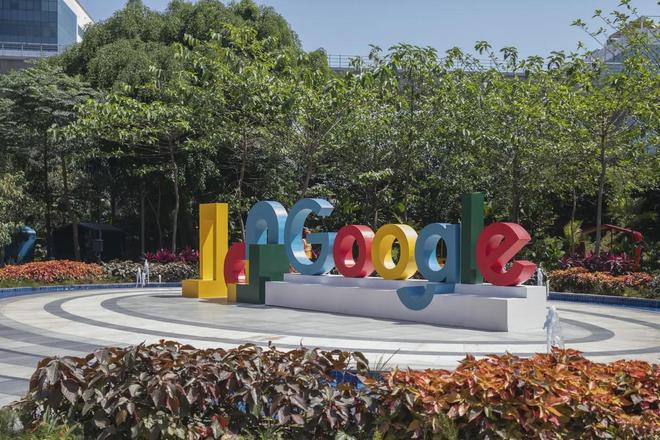
谷歌押注印度:100亿美元建数据中心!印度还想要更多
Guan Cha Zhe Wang· 2025-10-14 04:23
Core Insights - Alphabet, Google's parent company, plans to invest over $10 billion in a 1 GW data center in Visakhapatnam, Andhra Pradesh, marking a significant bet on the Indian market as part of its global expansion strategy [1] - The Andhra Pradesh government aims to establish a total of 6 GW of data centers by 2029, highlighting the importance of such infrastructure for job creation and economic activity [1][3] Investment and Market Trends - The demand for data centers is surging globally, with India emerging as a major beneficiary; Amazon plans to invest $12.7 billion in cloud infrastructure in the region by 2030, and OpenAI is seeking to establish a 1 GW data center [3] - According to CBRE, India's data center market investment is projected to exceed $100 billion by 2027 [3] Energy Infrastructure and Challenges - Indian Prime Minister Modi emphasizes technology as a key driver for economic revitalization and poverty alleviation, although challenges such as limited water resources and unstable electricity supply persist [3] - The Indian government is enhancing its power generation capacity, with a record addition of 34 million kW in 2024, primarily from renewable sources, which contributed over 85% of the new capacity [3][4] - Andhra Pradesh is actively seeking to improve its electricity supply, including plans for coal power plants, despite facing peak load shortages [3][4] Government Support and Policy - The Andhra Pradesh government is introducing clean energy projects to diversify its energy structure, with ReNew Energy investing $2.5 billion in a 2.8 million kW wind-solar hybrid project [4] - The Telugu Desam Party, led by N. Chandrababu Naidu, is a key supporter of the data center investment plans, leveraging its influence to secure favorable policies for investing companies [4]