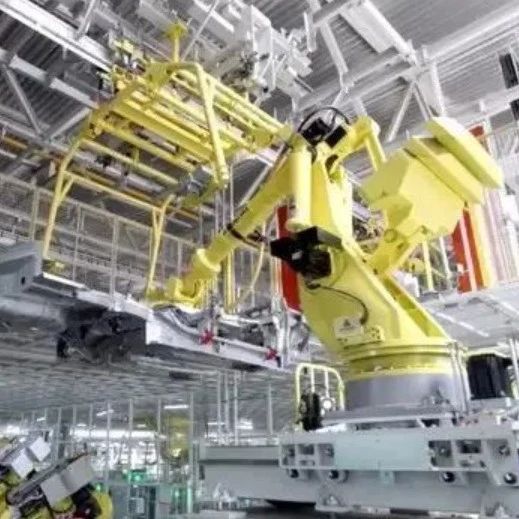
工业机器人

Search documents
3.8%↑!广州经济半年报出炉
Zheng Quan Shi Bao· 2025-07-29 10:26
Economic Performance - In the first half of 2025, Guangzhou's GDP reached 1,508.099 billion yuan, with a year-on-year growth of 3.8% [1] - The primary industry added value was 11.234 billion yuan, growing by 4.2%; the secondary industry added value was 370.587 billion yuan, growing by 2.1%; and the tertiary industry added value was 1,126.278 billion yuan, growing by 4.3% [1] Industrial Growth - The industrial added value in Guangzhou increased by 0.7% year-on-year, with the automotive manufacturing sector facing challenges, showing a decline of 5.7% [2] - New energy vehicle production accelerated, with cumulative output growing by 9.5%, an increase of 8.8 percentage points compared to the first quarter [2] - The integrated circuit manufacturing sector saw a significant increase in added value by 30.0%, while production of LCD modules, analog chips, and industrial robots grew by 150%, 19.5%, and 19.0% respectively [2] - Fixed asset investment in Guangzhou grew by 0.8% year-on-year, with infrastructure investment increasing by 4.2% and real estate development investment recovering with a growth of 4.1% [2] Consumer Market Recovery - The total retail sales of consumer goods in Guangzhou reached 561.122 billion yuan, with a year-on-year growth of 5.9%, improving by 2.4 percentage points from the first quarter [3] - Retail sales of new energy vehicles, communication equipment, home appliances, and furniture showed strong demand, with significant increases in sales [3] - Online retail sales of physical goods grew by 16.4%, and restaurant revenues through online platforms increased by 10.9% [3] - By the end of June, the balance of deposits and loans in Guangzhou's financial institutions reached 17.69 trillion yuan, with deposits growing by 4.7% and loans by 5.0% [3]


3.8%↑!广州经济半年报出炉
证券时报· 2025-07-29 10:21
Economic Overview - In the first half of 2025, Guangzhou's GDP reached 1,508.099 billion yuan, showing a year-on-year growth of 3.8% at constant prices [1] - The primary industry added value was 11.234 billion yuan, growing by 4.2%; the secondary industry added value was 370.587 billion yuan, growing by 2.1%; and the tertiary industry added value was 1,126.278 billion yuan, growing by 4.3% [1] Industrial Performance - Guangzhou's industrial output above designated size increased by 0.7% year-on-year in the first half of the year [3] - The automotive manufacturing sector faced challenges, with added value declining by 5.7%, although the decline narrowed by 0.7 percentage points compared to the first quarter due to product transformation and new model sales [3] - New energy vehicle production accelerated, with cumulative output increasing by 9.5%, up 8.8 percentage points from the first quarter [3] - The integrated circuit manufacturing sector saw a significant increase in added value by 30.0%, with production of LCD modules, analog chips, and industrial robots growing by 150%, 19.5%, and 19.0% respectively [3] - The aerospace and aviation equipment manufacturing sector's added value grew by 17.1%, with civil drone production surging by 37.7% [3] Investment Trends - Fixed asset investment in Guangzhou increased by 0.8% year-on-year, with infrastructure investment growing by 4.2% and real estate development investment recovering with a growth of 4.1% [3] - Investment in the automotive manufacturing sector increased by 19.3%, while investment in computer communication and other electronic equipment manufacturing grew steadily by 6.0% [3] Consumer Market Dynamics - The retail sales of consumer goods in Guangzhou reached 561.122 billion yuan in the first half of the year, reflecting a year-on-year growth of 5.9%, which is an increase of 2.4 percentage points from the first quarter [5] - Demand for goods in sectors such as new energy vehicles, communication equipment, home appliances, and furniture saw significant growth due to subsidy coverage [5] - Online shopping and booking trends increased, with online retail sales of physical goods growing by 16.4% and restaurant revenues through public networks increasing by 10.9% [5] Financial Sector Insights - As of the end of June, the balance of deposits and loans in Guangzhou's financial institutions reached 17.69 trillion yuan, a year-on-year increase of 4.8% [5] - The deposit balance was 9.23 trillion yuan, growing by 4.7%, with household deposits increasing by 10.5% [5] - The loan balance was 8.46 trillion yuan, up by 5.0%, with significant growth in household medium- and long-term loans and loans to enterprises [5]
8月行业配置关注:反内卷与中报业绩改善的线索
2025-07-29 02:10
Summary of Conference Call Records Industry or Company Involved - The focus is on the A-share market and various sectors including TMT (Technology, Media, and Telecommunications), non-bank financials, pharmaceuticals, electric equipment, machinery, defense, and computers. Core Points and Arguments 1. **Market Status and Trends** - The A-share market has entered the second phase of a bull market, driven by increased operating cash flow of listed companies and a decline in capital expenditure, leading to continuous growth in free cash flow. The intrinsic return rate of the CSI 300 index reached 7.3%, surpassing the yield of ten-year government bonds, indicating a scarcity of high-yield assets and driving demand for high-quality stocks [2][3][10]. 2. **Industry Configuration Recommendations** - Current industry configuration should focus on high-quality companies with good operating cash flow and improving profitability. Key sectors to focus on include AI-driven fields such as humanoid robots, solid-state batteries, controllable nuclear fusion, new consumption, innovative drugs, military trade, and semiconductors [1][4][21]. 3. **Performance of Recommended Sectors** - In the previous month, recommended sectors such as pharmaceuticals, defense, non-ferrous metals, electronics, automation equipment, and computers achieved over 11% growth, outperforming the market by approximately 3% [8][21]. 4. **Economic Data Insights** - June economic data showed a continued recovery, with supply-side performance outpacing demand. The Producer Price Index (PPI) fell by 3.6% year-on-year due to weak demand, while industrial capacity utilization dropped to historical lows [9][11]. 5. **Impact of Anti-Competition Policies** - The anti-competition policy aims to mitigate the economic impact of the pandemic and excessive competition in industries. This has led to a significant decline in industrial capacity utilization, necessitating a focus on industries facing potential capacity clearance [11][12]. 6. **Sector-Specific Recommendations for August** - Recommended sectors for August include non-bank financials (especially securities), pharmaceuticals (especially chemical drugs), electric equipment, machinery, defense, and computers, based on their low valuations and potential for performance improvement [21][22]. 7. **Valuation and Growth Potential** - Non-bank financials are currently valued at around 22 times earnings, below the historical average, while the pharmaceutical sector is experiencing improvements due to policy changes. Electric equipment and machinery sectors are also expected to benefit from government initiatives and infrastructure projects [22][25]. 8. **Performance of TMT Sector** - The TMT sector's second-quarter performance was significantly influenced by AI innovations, with substantial growth expected in semiconductor, consumer electronics, and gaming sub-sectors [17][18]. Other Important but Possibly Overlooked Content 1. **Financial Indicators of Capacity Clearance Industries** - Industries facing capacity clearance show weak financial indicators, including low capital expenditure growth and high debt levels, indicating a need for careful monitoring [12][15]. 2. **Consumer Sector Performance** - The consumer sector has shown weaker performance, with retail sales growth below expectations, although certain categories like home appliances and communication equipment have maintained double-digit growth [6][19]. 3. **Potential for Rotation in Low Valuation Sectors** - Sectors with low valuations and limited growth, such as electric equipment, non-bank financials, and consumer goods, are expected to see rotation and potential upward movement in the market [20]. This summary encapsulates the key insights and recommendations from the conference call, providing a comprehensive overview of the current market landscape and strategic investment opportunities.
“十四五”时期 税收改革发展取得积极效果 税费优惠政策为高质量发展注入强劲动力(权威发布·高质量完成“十四五”规划)
Ren Min Ri Bao· 2025-07-28 22:04
Core Insights - The "14th Five-Year Plan" period is characterized by significant tax reforms and development, with total tax revenue expected to exceed 155 trillion yuan, accounting for approximately 80% of total fiscal revenue [1] - Cumulative new tax reductions and exemptions are projected to reach 10.5 trillion yuan, with export tax refunds exceeding 9 trillion yuan, effectively promoting economic and social development [1] Tax Reduction and Economic Impact - During the "14th Five-Year Plan," a series of tax and fee reduction policies have been implemented, resulting in a cumulative reduction of 9.9 trillion yuan from 2021 to mid-2023, with an expected total of 10.5 trillion yuan by the end of the year [2] - Tax reductions focused on supporting technological innovation and advanced manufacturing, with 3.6 trillion yuan in reductions, accounting for 36.7% of the total [2] - The private economy benefited significantly, with 7.2 trillion yuan in tax reductions for private taxpayers, representing 72.9% of the total [2] Manufacturing and Innovation Growth - Manufacturing development has shown stable growth, with sales revenue from manufacturing enterprises maintaining a 29% share of total enterprise revenue from 2021 to 2024 [3] - High-end and intelligent manufacturing sectors have seen annual sales revenue growth of 9.6% and 10.4%, respectively, with significant year-on-year increases in 2023 [3] - R&D expense deductions have been optimized, with 3.32 trillion yuan in deductions expected for 2024, marking a 25.5% increase from 2021 [3] Green Taxation and Environmental Policies - The green tax system has been continuously improved, with environmental protection and resource taxes generating 2.5 trillion yuan in revenue from 2021 to mid-2023 [4] - Tax incentives for green development have resulted in 1.5 trillion yuan in reductions, reflecting a balanced approach to environmental taxation [4] Personal Income Tax Reforms - The personal income tax system has been refined to promote equitable distribution and improve living standards, with the top 10% income earners contributing approximately 90% of total personal income tax [5] - The number of individuals benefiting from special deductions has increased significantly, with over 1 billion people enjoying these deductions in the recent tax settlement [6] Smart Taxation Initiatives - The "14th Five-Year Plan" emphasizes the construction of a smart taxation system to enhance the tax payment experience, reducing the need for physical visits and paperwork [7] - By mid-2023, over 61 million taxpayers had utilized digital invoices, accounting for over 90% of total invoice amounts, improving efficiency in financial transactions [8]
“十四五”税改发力稳经济,新增减税降费预计10.5万亿
2 1 Shi Ji Jing Ji Bao Dao· 2025-07-28 12:31
Core Insights - The "14th Five-Year Plan" period in China is characterized by steady economic growth and significant tax reforms, with total tax revenue expected to exceed 85 trillion yuan, an increase of 13 trillion yuan compared to the "13th Five-Year Plan" period [1][2] - A series of tax reduction and fee reduction policies have been implemented, with an estimated total of 10.5 trillion yuan in new tax cuts and fee reductions, significantly aiding economic recovery [1][3] Tax Revenue and Economic Growth - During the "14th Five-Year Plan," tax revenue is projected to surpass 155 trillion yuan, accounting for approximately 80% of total fiscal revenue, with tax revenue (excluding export tax rebates) expected to exceed 85 trillion yuan [2] - The tax revenue growth rate has slowed in recent years, with a 3.4% year-on-year decline in 2024 and a 1.2% decline in the first half of the year [5] Tax Reduction Policies - From 2021 to mid-2023, new tax cuts and fee reductions totaled 9.9 trillion yuan, with expectations to reach 10.5 trillion yuan by the end of the year, averaging over 2 trillion yuan annually [3] - The majority of tax cuts have benefited the private sector, with private enterprises receiving 7.2 trillion yuan in tax reductions, accounting for 72.9% of the total [3] Emerging Industries and Tax Contributions - Traditional industries like real estate are experiencing slower growth, while emerging sectors such as new energy vehicles and high-tech manufacturing are showing strong growth, with sales revenue increasing by 37.6% annually [4] - The contribution of new productive forces to tax revenue is on the rise, with private enterprises' sales revenue increasing from 68.9% in 2020 to 71.7% in mid-2023 [4] Individual Tax Policies - A series of individual income tax deductions have been introduced, including increased deductions for childcare, education, and elder care, aimed at alleviating family financial burdens [7][8] - Over 1 billion individuals benefited from these deductions, with a significant portion of the benefits going to middle-aged individuals with dependents [7] Future Tax Reforms - The recent policy discussions emphasize the need to improve the individual income tax system, suggesting a more equitable distribution of tax burdens among different income types [9]
31省经济成绩单!谁在裸泳?谁在闷声发大财?
Sou Hu Cai Jing· 2025-07-28 12:19
Group 1 - The core viewpoint of the article emphasizes that the economic half-year report of 31 provinces in China serves as a comprehensive assessment of the country's economic performance, influencing everything from national policy to local market prices [1] - The overall GDP growth rate for the first half of the year is reported at 5.5%, which is an increase of 0.5 percentage points compared to the first quarter, but the performance varies significantly among provinces [3] - High growth rates in provinces like Shaanxi and Inner Mongolia, exceeding 6.5%, are attributed to their strong energy resources, while provinces with lower growth rates must focus on sustainable development rather than just speed [3][4] Group 2 - The article discusses the importance of "new engines" for economic growth, highlighting that provinces with a high proportion of high-tech industries, such as Guangdong and Jiangsu, are better positioned for resilience against economic fluctuations [4][5] - The concept of "energy transition" is introduced, indicating a shift from traditional resource-based growth to technology and innovation-driven growth, with provinces adopting different strategies to achieve this [6] - Provinces like Zhejiang and Guangdong are leading the way in digital economy and manufacturing upgrades, while others like Shanxi and Hebei are transitioning from coal and steel to renewable energy and new technologies [6][7] Group 3 - The article emphasizes the significance of optimizing the business environment as a crucial economic catalyst, with various provinces implementing measures to streamline processes for businesses [9][10] - The focus on fairness in the business environment is highlighted, with examples of provinces ensuring equal treatment for all types of enterprises, which is essential for fostering a healthy economic ecosystem [10][11] - The need for stable policies is stressed, as frequent changes can deter investment and create uncertainty for businesses [11] Group 4 - Promoting consumption is identified as a key strategy for economic growth, with consumer spending contributing 77.2% to economic growth in the first half of the year [12] - The article argues that the root cause of low consumer spending is not merely a lack of incentives like coupons, but rather concerns about stable income and future security [12][13] - Strategies to increase consumer confidence include raising wages, reducing financial burdens, and creating new spending opportunities that align with changing consumer preferences [13][14] Group 5 - The article concludes that while there are challenges ahead, there is potential for economic improvement in the second half of the year, provided that local governments and businesses take proactive measures [15] - It emphasizes the importance of genuine efforts from businesses to innovate and adapt rather than relying solely on government support [15] - The overall message is one of resilience and collaboration, suggesting that with collective effort, economic conditions can improve significantly [15]
我国新能源汽车民营企业近 4 年销售收入年均增长 50.1%
Sou Hu Cai Jing· 2025-07-28 05:54
一是制造业发展量稳质升。发票数据显示,2021—2024 年,制造业企业销售收入占全部企业的比 重保持在 29% 左右,为经济增长提供了重要支撑。特别是制造业"高端化、智能化"稳步推进,装 备制造业和高技术制造业销售收入年均分别增长 9.6% 和 10.4%,今年上半年同比分别增长 8.9% 和 11.9%。其中,新能源车、光伏设备、锂电池"新三样"销售收入年均增长 37.6%;工业机器 人、服务消费机器人制造业销售收入年均分别增长 23.2% 和 17.2%。 二是创新动能增势较好。研发费用加计扣除是促进科技创新的重要税收支持政策。"十四五"期 间,我国研发费用加计扣除政策不断优化、力度不断加大,其中 2024 年度企业享受研发费用加计 扣除 3.32 万亿元、享受户数 61.5 万户,较 2021 年度分别增长 25.5% 和 16.7%,为我国研发投入 强度提高到 2.68% 发挥了关键作用。 三是民营经济稳步壮大。发票数据显示,民营经济销售收入占全国比重由 2020 年的 68.9% 提高 至今年上半年的 71.7%。其中,工业机器人、新能源汽车领域的民营企业 2021—2024 年销售收 入,年均分 ...

对话黄少卿:“反内卷”首先要让地方政府别乱补了
经济观察报· 2025-07-27 04:41
Core Viewpoint - The root cause of "involution" competition lies not in industries or enterprises, but in the improper intervention of local governments in micro-level affairs [2][3]. Group 1: Government Intervention and Involution - The "anti-involution" policy will become a mainline policy in supply-side reforms starting from mid-2024, focusing on regulating local government and enterprise behavior [2]. - Local governments' selective industrial policies and various subsidies are significant drivers of market supply-demand imbalance, which is the essence of "involution" [3][16]. - The need for local governments to abandon selective industrial policies and restrict their micro-level interventions is emphasized as crucial for addressing "involution" [3][16]. Group 2: Economic Growth and Demand Management - China's GDP growth in the first half of the year showed resilience, but nominal GDP growth has slowed, with the second quarter's nominal GDP growth dropping to 3.9% [4]. - The nominal GDP growth is critical for enterprises, local governments, and households, as it directly impacts cash flow and financial health [4]. - Consumption should be the focal point for stimulating total demand, as insufficient consumption can hinder economic growth [5]. Group 3: Policy Recommendations for Consumption - Expanding the scope of consumption subsidies, such as including service consumption, is suggested to further stimulate demand [6]. - Issuing quasi-cash vouchers to residents is proposed as a viable option to enhance purchasing power and alleviate financial pressure on enterprises [6]. - Increasing the issuance of special government bonds to support financial institutions and improve liquidity for enterprises is recommended [6]. Group 4: Supply-Side Reforms and Long-Term Strategy - Supply-side reforms must continue alongside demand management to ensure sustainable economic growth [7]. - The experience of Japan in the 1980s highlights the importance of improving supply-side efficiency to complement demand-side stimulus [7]. - A shift in economic growth model towards innovation and technological advancement is necessary to address the root causes of demand insufficiency [8]. Group 5: Innovation and Market Dynamics - The distinction between Schumpeterian entrepreneurs, who drive original innovation, and Kirznerian entrepreneurs, who capitalize on market opportunities, is crucial for understanding market dynamics [9][10]. - The rapid entry of Kirznerian entrepreneurs, spurred by government subsidies, can lead to market saturation and reduced profitability for original innovators [11][12]. - The role of local governments in fostering competition can inadvertently stifle original innovation, as seen in various industries like photovoltaics and electric vehicles [11][14]. Group 6: Regulatory Framework and Market Competition - The need for a legal framework to constrain local government interventions is emphasized, as many interventions are self-assigned rather than mandated by central government [17]. - Market competition should be the primary mechanism for clearing inefficient capacities, rather than relying on administrative measures [18]. - The emergence of "trusts" or monopolistic behaviors in the market, as seen in historical contexts, necessitates stringent regulatory oversight to prevent anti-competitive practices [20].

对话黄少卿:“反内卷”首先要规范地方政府行为
Jing Ji Guan Cha Wang· 2025-07-27 02:11
Group 1 - The core policy direction from mid-2024, especially into 2025, is the comprehensive rectification of "involutionary" competition, which has gained significant market attention across various industries such as photovoltaics, automotive, and e-commerce [2] - The essence of "involution" is identified as a market supply-demand imbalance, primarily driven by local government interventions through subsidies and industrial funds [2][18] - The need for local governments to abandon selective industrial policies and restrict their micro-intervention capabilities in industries and enterprises is emphasized as a key aspect of the "anti-involution" initiative [18] Group 2 - In the first half of 2023, China's GDP growth showed resilience, but nominal GDP growth slowed marginally, with a second-quarter nominal GDP growth rate of 3.9% and a real GDP growth rate of 5.2% [3] - The nominal GDP growth is crucial for businesses, local governments, and households, as it directly impacts cash flow and tax revenues, highlighting the importance of managing total demand effectively [3] - Consumer spending is identified as the primary focus for stimulating demand, as insufficient consumption can hinder economic growth and lead to ineffective investments [4] Group 3 - Measures such as expanding the scope of subsidies to include service consumption and considering the issuance of quasi-cash vouchers are suggested to further stimulate consumer spending [5] - The issuance of special government bonds could provide liquidity to repay local government debts to enterprises, thereby improving their financial conditions [6] - Continuous supply-side reforms are necessary alongside demand management to ensure a balanced economic growth model [7][8] Group 4 - The supply-side also relies on capital accumulation, labor input, and total factor productivity improvement, with a focus on enhancing labor's contribution to GDP growth through innovation [9][10] - The current industrial upgrades in China are primarily technology improvements in engineering, with significant room for breakthroughs in original innovation [10][11] - The lack of profitability in industries like photovoltaics and new energy vehicles is attributed to excessive competition driven by local government policies that encourage rapid market entry without fostering original innovation [11][12] Group 5 - The relationship between local governments and industries has evolved since the 1980s, with local governments often supporting similar industries due to tax revenue motivations and distorted performance metrics [17] - The need for regulatory reforms to limit local government interventions and promote a market-driven economy is highlighted, as excessive government support can lead to inefficiencies and market distortions [18][20] - Establishing a legal framework to constrain local government decision-making and interventions is essential for fostering a competitive market environment [19]

首个机器人公司主板退市,背后原因是什么
机器人大讲堂· 2025-07-25 08:03
Core Viewpoint - ST Gongzhi has been delisted from the stock market due to an audit report that could not express an opinion on its financial statements, marking it as the first robot company to be delisted from the main board [2][13]. Company History and Transformation - ST Gongzhi, originally listed as Shudu A in 1995, underwent multiple name changes and business transformations over the years, including a shift to the spandex industry and later to industrial robotics [3][6]. - In 2016, the company was acquired by Lianchuang Investment Group at a high premium, leading to a series of aggressive acquisitions [4][5]. - The company rebranded to Harbin Intelligent Robotics after acquiring Tianjin Fuzhen Industrial Equipment Co., and aimed to position itself as a key player in the smart manufacturing sector [6][8]. Financial Performance and Issues - The company has faced significant financial challenges, with a reported net profit loss of 2.15 billion yuan in 2024, despite a reduction in losses compared to previous years [12][14]. - From 2017 to 2022, ST Gongzhi spent over 2.5 billion yuan on acquisitions, but these did not translate into sustainable financial performance, leading to substantial goodwill impairments [9][11]. - The company reported a revenue of 1.94 billion yuan in 2024, an 11.51% decrease from the previous year [12][14]. Governance and Compliance Issues - ST Gongzhi has been criticized for significant internal control deficiencies, leading to negative audit opinions on its financial statements [15][18]. - The company has faced regulatory scrutiny for improper use of raised funds and issues with revenue recognition methods, which have raised concerns about potential financial fraud [17][21]. - The company's operational difficulties have been compounded by high turnover in management, with several key executives resigning in recent months [18]. Legal and Future Implications - Following its delisting, ST Gongzhi faces ongoing legal challenges, including a lawsuit from a bank for repayment of loans totaling 2.17 billion yuan [20]. - The company's failed acquisition plans due to delisting highlight the challenges it faces in maintaining operational continuity and investor confidence [20][22].