农产品

Search documents
打造更具生态红利的公用品牌
Jing Ji Ri Bao· 2026-01-19 22:18
Core Viewpoint - The rapid development of ecological product regional public brands in China has transformed scattered ecological advantages into market competitive advantages, injecting new momentum into local economies and providing consumers with high-quality green products [1][2]. Group 1: Development of Ecological Product Brands - Ecological product regional public brands are registered and managed by relevant organizations within specific natural or cultural regions, allowing agricultural producers to collectively use these brands [1]. - Successful brands like "Wuyi Mountain Water" and "Gannan Navel Orange" have significantly boosted local industries and increased farmers' incomes, with "Wuyi Mountain Water" projected to achieve sales of over 2.2 billion yuan in 2024 [2]. Group 2: Challenges in Brand Development - There are notable challenges in the development of ecological product regional public brands, including brand homogenization, inadequate quality standards, lack of regional collaboration, and weak market promotion capabilities [2]. - Many brands lack core differentiation and unique selling points, leading to blind imitation of successful cases [2]. Group 3: Strategies for Improvement - To enhance the competitiveness of ecological product regional public brands, strategies should focus on brand positioning, standard development, collaborative innovation, and market promotion [2][3]. - A scientific and systematic brand development strategy should be established, emphasizing the unique ecological resources and cultural heritage of the region to avoid homogenized competition [3]. Group 4: Quality Assurance and Standards - There is a need to accelerate the establishment of comprehensive ecological product standards covering the entire industry chain, including environmental thresholds and eco-friendly packaging requirements [3]. - Implementing a traceability system supported by technology such as blockchain and IoT can enhance transparency and accountability in production [3]. Group 5: Collaborative Governance - A multi-stakeholder collaborative governance model involving government, enterprises, farmers, and social organizations should be developed to ensure shared benefits from brand premiums [3]. - The establishment of a value chain-based profit distribution model can ensure that both ecological protectors and producers benefit from the brand's success [3]. Group 6: Marketing Innovations - Innovative marketing strategies should be employed to enhance global brand influence, utilizing digital empowerment and immersive consumer experiences [4]. - Building independent cross-border e-commerce platforms and applying for global green certifications can facilitate international market access and brand globalization [4].
美媒披露:美国谈判代表向英国施压,要求其采纳美国标准
Guan Cha Zhe Wang· 2026-01-19 14:25
Group 1 - The core issue in the US-UK trade negotiations is the disagreement over "non-tariff barriers," particularly regarding the adoption of US standards and recognition of US certification bodies by the UK [1][4] - The US has intensified pressure on the UK to align with its standards, which could jeopardize the UK's food industry and its cooperation with the EU [1][4] - The UK government has classified food standards as a "red line" in negotiations, but there are concerns that the UK may concede on other US demands [1][4] Group 2 - The US and UK signed the "Technology Prosperity Agreement" in September, aimed at enhancing cooperation in AI, quantum computing, and civil nuclear energy, but the agreement has been paused due to ongoing trade barrier disputes [1][4] - The UK's current certification model, managed by a single non-profit body (UKAS), differs significantly from the decentralized US system, which could lead to competitive pressures and potential compromises on public service obligations [4][5] - The UK is seeking to strengthen trade relations with the EU, which may reduce the likelihood of accepting US conditions in the ongoing trade negotiations [5]


AgRural:截至上周四 巴西2025/26年度大豆收割率为2%
Xin Hua Cai Jing· 2026-01-19 13:21
Core Insights - Brazil's soybean harvest for the 2025/26 season reached 2% completion as of January 15, 2024, marking an increase of 1.4 percentage points from the previous week and slightly above the 1.7% completion rate from the same period last year [1] Group 1 - The soybean harvest rate in Brazil is currently at 2% [1] - The harvest rate increased by 1.4 percentage points compared to the previous week [1] - The current harvest rate is slightly higher than the 1.7% recorded at the same time last year [1]
咨询机构Safras:预计巴西2026年大豆出口量为1.05亿吨
Xin Hua Cai Jing· 2026-01-19 12:18
(文章来源:新华财经) 巴西农业咨询机构Safras预计,巴西2026年大豆出口量将达到1.05亿吨。 ...
基本面高频数据跟踪:农产品价格回落
GOLDEN SUN SECURITIES· 2026-01-19 12:07
Report Industry Investment Rating - Not provided in the given content Core Viewpoints - The Guosheng Fundamental High-Frequency Index is stable, with a current value of 129.5 points (previous value: 129.4 points), and a week-on-week increase of 6.1 points. The long-short signal factor for interest rate bonds is 3.2% (previous value: 3.1%) [1][9]. - Industrial production maintains stable growth, with the industrial production high-frequency index at 128.0, and a week-on-week increase of 4.8 points, the same as the previous period [1][9]. - In terms of total demand, the decline in the high-frequency index of commercial housing sales has widened, the growth rate of the high-frequency index of infrastructure investment has narrowed, the decline in the high-frequency index of exports has expanded, and the growth rate of the high-frequency index of consumption remains unchanged [1][9]. - In terms of prices, the month-on-month forecast of CPI is 0.1% (previous value: 0.1%); the month-on-month forecast of PPI is -0.1% (previous value: -0.1%) [1][9]. - The high-frequency index of inventory, transportation, and financing has increased, with the growth rate expanding [2][10]. Summary by Directory Total Index - The Guosheng Fundamental High-Frequency Index is stable, with a current value of 129.5 points (previous value: 129.4 points), and a week-on-week increase of 6.1 points. The long-short signal factor for interest rate bonds is 3.2% (previous value: 3.1%) [1][9] Production - The electric furnace operating rate has increased to 63.5% (previous value: 61.9%); the polyester operating rate is 87.2% (previous value: 87.5%); the semi-steel tire operating rate is 73.4% (previous value: 65.9%); the all-steel tire operating rate is 62.9% (previous value: 58.0%); the PX operating rate is 90.5% (previous value: 89.1%) [16] Real Estate Sales - The transaction area of commercial housing in 30 large and medium-sized cities has slightly increased, reaching 18.5 million square meters (previous value: 16.9 million square meters); the land premium rate of 100 large and medium-sized cities is 1.4% (previous value: 0.4%) [29] Infrastructure Investment - The operating rate of petroleum asphalt has slightly increased to 27.2% (previous value: 25.4%) [42] Exports - The RJ/CRB index has increased to 304.3 points (previous value: 301.8 points) [45] Consumption - The average daily movie box office has decreased to 45.777 million yuan (previous value: 53.561 million yuan) [54] CPI - The average wholesale price of pork is 18.0 yuan/kg (previous value: 17.9 yuan/kg); the average wholesale price of 28 key monitored vegetables is 5.5 yuan/kg (previous value: 5.6 yuan/kg); the average wholesale price of 7 key monitored fruits is 7.9 yuan/kg (previous value: 7.8 yuan/kg); the average wholesale price of white-striped chickens is 17.7 yuan/kg (previous value: 17.7 yuan/kg) [61] PPI - The ex - warehouse price of steam coal at Qinhuangdao Port (produced in Shanxi) is 699.6 yuan/ton (previous value: 690.7 yuan/ton); the futures settlement price of Brent crude oil is 64.8 US dollars/barrel (previous value: 61.6 US dollars/barrel); the spot settlement price of LME copper is 13,232.0 US dollars/ton (previous value: 13,048.7 US dollars/ton); the spot settlement price of LME aluminum is 3,184.3 US dollars/ton (previous value: 3,093.7 US dollars/ton) [65] Transportation - The subway passenger volume in first-tier cities is 39.161 million person - times (previous value: 40.448 million person - times); the road logistics freight rate index is 1052.3 points (previous value: 1051.9 points); the number of domestic flights is 12,736.9 (previous value: 12,494.3) [79] Inventory - The soda ash inventory has slightly increased to 1.57 million tons (previous value: 1.541 million tons) [90] Financing - The net financing of local government bonds is 65.57 billion yuan (previous value: 117.66 billion yuan); the net financing of credit bonds is 39.99 billion yuan (previous value: 131.04 billion yuan) [101]
苹果日报-20260119
Yin He Qi Huo· 2026-01-19 11:46
研究所 农产品研发报告 农产品日报 2024 年 01 月 19 日 研究员:刘倩楠 期货从业证号: F3013727 投资咨询证号: Z0014425 联系方式: 研究所 农产品研发报告 第二部分 市场消息及观点 :liuqiannan_qh@chinas tock.com.cn 苹果日报 第一部分 市场信息 | 现货价格 | | | | | | | | | --- | --- | --- | --- | --- | --- | --- | --- | | 指标 | 今日价格 | 下一工作日似 | 涨跌 | 指标 | 今日价格 | 下一工作日似 | 涨跌 | | 成 | | | | | | あ | | | 富士苹果价格指数 | 109.79 | 109.13 | 0.66 | 洛川半商品纸袋70 | 4.20 | 4.20 | 0.00 | | 栖霞 一、二级纸袋 80 | 4.10 | 4.10 | 0.00 | 沂源纸袋70 | 2.50 | 2.50 | 0.00 | | 蓬莱 一、二级纸袋 80 | 4.25 | 4.25 | 0.00 | 6种水果平均批发价 | 7.94 | 7.84 | 0.1 ...
游戏结束,中国减持外汇资产,纳瓦罗很生气:美国一粒大豆也不卖
Sou Hu Cai Jing· 2026-01-19 11:00
Group 1 - China reduced its holdings of US Treasury bonds by $6.1 billion in November, bringing the total to approximately $680 billion, while global holdings reached a record high of over $9.36 trillion [1][8] - The reduction in US Treasury holdings by China is a strategic adjustment focused on foreign exchange reserve security and long-term planning, rather than an emotional reaction or a complete economic decoupling from the US [1][4] - China's foreign exchange reserves are intended to support economic security, emphasizing stability and diversification rather than seeking short-term high returns [4][6] Group 2 - The US debt has surpassed $30 trillion, with interest payments consuming significant fiscal resources, leading to concerns about the sustainability of holding excessive US debt due to increased uncertainty [4][6] - The use of the dollar as a geopolitical tool by the US has prompted countries, including China, to reduce their reliance on dollar-denominated assets to mitigate financial risks [6][31] - China has been increasing its gold reserves, reaching 7.415 million ounces by the end of December 2025, as part of a strategy to enhance the resilience of its foreign exchange reserves [6][8] Group 3 - Japan increased its US Treasury holdings by $2.6 billion to $1.2 trillion, driven by currency management, yield supplementation, and strategic considerations related to US military presence [12] - The UK also increased its holdings by $10.6 billion to $888.5 billion, focusing on maintaining its financial center status and risk hedging [14][16] - Other countries like Canada and Norway have increased their US Treasury holdings for short-term liquidity management and strategic balance, reflecting diverse motivations behind these decisions [16][18] Group 4 - The ongoing reduction of US Treasury holdings by China has sparked political reactions in the US, particularly from figures like Navarro, who express concerns over the implications for US financial stability [22][24] - The US agricultural sector's dependence on China for soybean exports highlights the potential economic repercussions of trade threats, suggesting that such measures may harm US interests more than intended [26][28] - The global increase in US Treasury holdings, while appearing as an endorsement of the dollar, reflects a lack of alternatives in the current economic landscape, with countries exploring diversified asset allocations as a challenge to US financial dominance [31][33]
湖北“农业天团”将达广州!小龙虾、武昌鱼、秭归橙…你的必吃清单准备好了吗?
Nan Fang Nong Cun Bao· 2026-01-19 10:02
Core Viewpoint - The event "Hubei Agricultural Products Brand Promotion and Exhibition" will take place in Guangzhou from January 24 to 26, showcasing 25 high-quality agricultural products from Hubei, aiming to enhance agricultural collaboration between Hubei and Guangdong [2][3][22]. Group 1: Event Overview - The event will feature a one-stop experience for consumers to enjoy Hubei's culinary offerings without traveling to Hubei [2][6]. - It will include various activities such as product displays, cultural performances, and interactive tasting sessions, creating a vibrant atmosphere for attendees [4][14]. - The event aims to cater to the taste preferences of the Greater Bay Area residents with a diverse range of products [11][26]. Group 2: Featured Products - A total of 25 brands will be represented, covering nine major public brands from Hubei, including products like lotus root, shrimp, and Wuchang fish [7][8]. - Specific highlights include the freshness of Poyang Lake shrimp, the sweetness of Zhi Gui oranges, and the richness of Xiangyang beef noodles [9][10]. Group 3: Cultural and Community Engagement - The event will also feature traditional performances such as the Enshi hand-waving dance and Huangmei opera, enhancing cultural exchange between northern and southern China [17][22]. - Community engagement will be emphasized with local residents able to sample products and participate in interactive activities [15][19]. Group 4: Business and Economic Impact - The event serves as a platform for deepening agricultural collaboration between Hubei and Guangdong, facilitating direct communication between local businesses and agricultural producers [22][25]. - It aims to promote the efficient connection of agricultural products from Hubei to the consumer market in the Greater Bay Area, supporting high-quality agricultural development in Hubei [26][28].

中加经贸互利多赢,共谋发展新篇章|专家热评
Di Yi Cai Jing Zi Xun· 2026-01-19 09:47
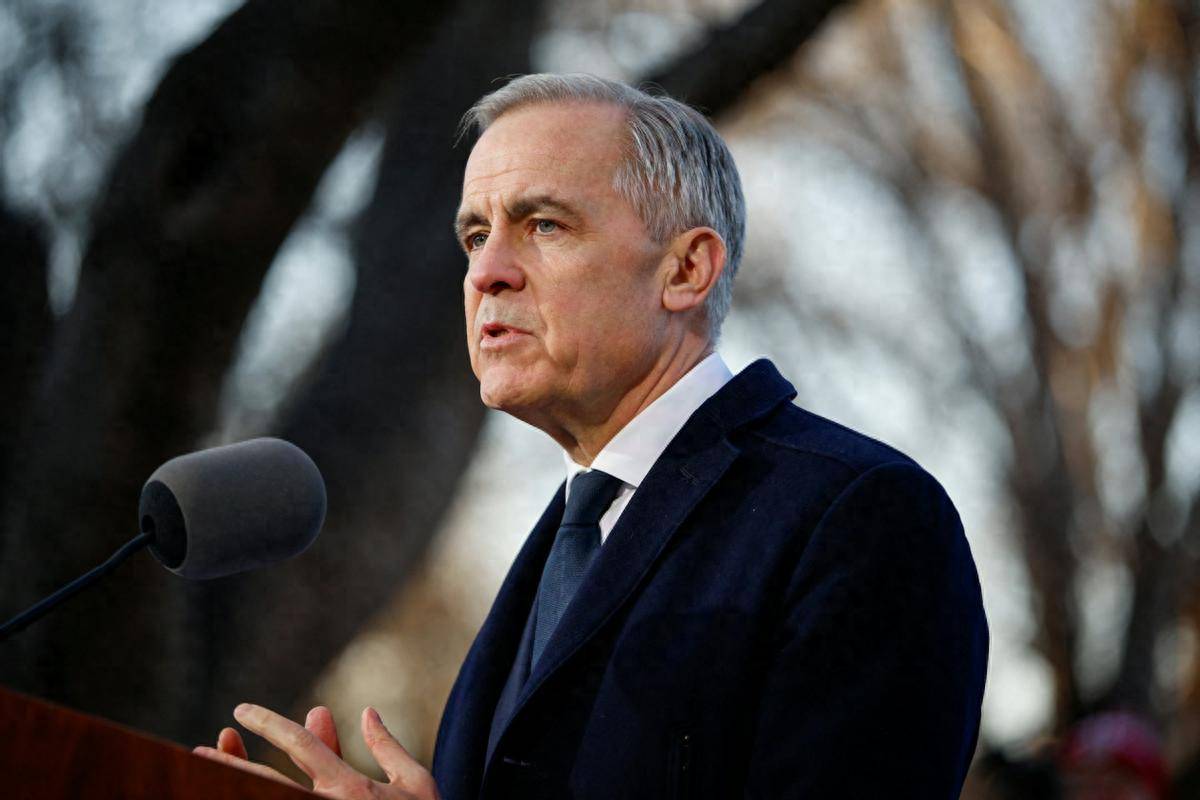
Group 1 - The core viewpoint of the articles highlights the significance of the recent formal visit of Canadian Prime Minister Carney to China, marking the first visit in eight years, and the signing of the "China-Canada Economic and Trade Cooperation Roadmap," which signifies a new phase in bilateral relations [1] Group 2 - China and Canada have strong economic complementarity, with China being the world's second-largest economy and Canada known for its rich natural resources and advanced technology. The signed roadmap includes 28 specific cooperation measures across eight key areas, promoting resource optimization and market opportunities for both countries [3] Group 3 - The upgrade of the China-Canada Economic and Trade Joint Committee from a vice-ministerial to a ministerial level signifies a commitment to deepen economic relations, enhancing dialogue on intellectual property and trade remedies, and providing a solid foundation for stable bilateral trade [4] Group 4 - Canada will grant China an annual quota of 49,000 electric vehicles, exempting them from high additional taxes, reflecting recognition of Chinese electric vehicle technology and strong demand in the North American market [5] Group 5 - In agricultural trade, Canada’s high-quality products align with China's vast consumer market. Preliminary agreements were reached to adjust anti-dumping measures on canola seeds, responding to Canada's concerns and meeting the growing demand for quality agricultural products in China [6][7] Group 6 - The cooperation between China and Canada serves as a template for bilateral economic relations amid rising global trade protectionism, emphasizing multilateralism and free trade principles, which enhances both countries' international influence and contributes positively to global economic stability [8]

访华第三天,加拿大总理作出决定,取消对华关税,美方发出杂音
Sou Hu Cai Jing· 2026-01-19 08:35
Group 1 - Canada will no longer impose a 100% additional tariff on electric vehicles from China, instead applying a 6.1% most-favored-nation tariff on a limited number of imported vehicles, signaling a restoration of trade relations with China [1][3] - The new quota system aims to maximize bilateral cooperation and significantly reduce car purchase costs for Canadian citizens, while also encouraging substantial Chinese investment in Canada's automotive industry over the next three years [3][5] - Canadian farmers are expected to benefit from reduced tariffs on canola seeds, which will drop to approximately 15% by March 2026, and other agricultural products will no longer be subject to Chinese countermeasures starting in March [3][5] Group 2 - The visit of Canadian Prime Minister Carney to China is viewed as a crucial step in recalibrating Canada-China relations, with the signing of the "China-Canada Economic and Trade Cooperation Roadmap" providing a framework for future cooperation [5] - The U.S. has expressed concerns regarding Canada's decision to reduce tariffs on Chinese electric vehicles, indicating potential strategic implications for North American security and economic stability [5][7] - Many countries globally are moving towards diversifying their partnerships to mitigate risks, with China emerging as a significant partner due to its large and stable market and commitment to mutually beneficial cooperation [7]