
健康服务

Search documents
专家称下一阶段CPI有望改善,呈现低位温和回升态势
news flash· 2025-07-10 00:03
Group 1 - The core viewpoint is that the Consumer Price Index (CPI) is expected to improve, showing a mild recovery from low levels [1] - A series of incremental and stock policies are expected to work synergistically, particularly the gradual implementation of policies to address "involution" competition, which will promote continuous improvement in supply and demand structure [1] - The potential for service consumption is increasingly evident, which will contribute to price increases in sectors such as catering, accommodation, domestic services, elderly care, cultural tourism, and health services [1]
悦心健康: 关于使用公积金弥补亏损通知债权人的公告
Zheng Quan Zhi Xing· 2025-07-09 15:14
Core Viewpoint - Shanghai Yueshen Health Group Co., Ltd. plans to use surplus reserves to cover losses, as the company reported a significant decline in net profit due to increased market competition and reduced sales prices of its products [1][2]. Group 1: Financial Adjustments - The company intends to utilize a total of 72,853,943.26 yuan from surplus reserves and 141,057,228.79 yuan from capital reserves to offset losses, resulting in a reduction of capital reserves to 176,595,527.02 yuan [1]. - As of December 31, 2024, the company's undistributed profits were reported at -0 yuan, indicating a complete depletion of retained earnings [1]. Group 2: Causes of Loss - The primary reasons for the company's losses include a slight decline in sales and intensified market competition, which led to a decrease in sales prices and gross margins of tile products [2]. - The company has also recognized potential impairment losses on assets, further exacerbating the cumulative loss [2]. Group 3: Notification to Creditors - The company has formally notified creditors of their rights to claim debts or request guarantees within 30 days of receiving the notice, or 45 days from the announcement date if no notice is received [2][3]. - Creditors must submit written requests along with relevant documentation to the company to assert their claims [2][3].

新增“减脂餐窗口”,运动积分鼓励,开设体重管理门诊 健康体重管理场景正渗入你我生活
Zhen Jiang Ri Bao· 2025-07-02 23:47
Group 1: Health Management Initiatives - The "Weight Management Year" initiative launched by the National Health Commission and 16 other departments aims to promote health weight management across all age groups and life stages [1][6] - The "Zhenjiang City Health Weight Management 2025 Action Plan" has been developed to implement comprehensive health weight management strategies [1][7] Group 2: School Initiatives - The implementation of "Double Big Break" at the Experimental Primary School encourages students to engage in physical activities, ensuring at least 2 hours of physical activity daily [2][3] - The school has increased the frequency of physical activities and introduced sports leagues to promote health and weight management among students [2] Group 3: University Initiatives - Jiangsu University Jingjiang College has revamped its cafeteria to include healthier food options, such as whole grains and light meals, to support students' dietary needs [3] - The introduction of a "Fat Reduction Meal Window" and a body fat self-testing area aims to assist students in managing their weight effectively [3] Group 4: Corporate Health Programs - Zhongjie Energy Solar Technology (Zhenjiang) Co., Ltd. has established a "Health Cabin" with five areas dedicated to health management, encouraging employees to engage in physical activities and track their health data [5] - The company incentivizes employees to maintain an active lifestyle through a points system for regular exercise, achieving a participation rate of over 30% [5] Group 5: Community Health Initiatives - The city has launched health consultation activities, including dietary nutrition lectures, reaching over 27,500 elderly individuals in the community [6] - Weight management clinics have been established in various healthcare facilities, including 17 community health service centers, to provide accessible support for residents [6][7] Group 6: Comprehensive Health Ecosystem - The "Zhenjiang City Health Weight Management 2025 Action Plan" features a multi-faceted approach, integrating government leadership, professional support, and community participation to create a sustainable health weight management ecosystem [7] - The plan includes six major actions aimed at enhancing health literacy and promoting healthy weight management practices among the population [7]
2024年生活服务业连锁TOP100营收规模近3200亿元
Bei Jing Shang Bao· 2025-06-23 11:27
Core Insights - The "Top 100 Chain Enterprises in the Life Service Industry" report for 2024 shows a revenue scale of 319.47 billion yuan, representing a 7.5% increase from 2023 [1] - The total number of stores reached 252,000, marking a 27.9% growth compared to the previous year [1] - Online sales proportion increased from 22% in 2023 to 37.3% in 2024 [1] Revenue and Store Growth - The life service industry encompasses eight sectors, including hotel accommodation, automotive aftermarket, household services, beauty services, health services, leisure and entertainment, and education services [1] - The average rent cost for surveyed enterprises rose by 5% in 2024 [2] - 43% of enterprises reported an increase in net profit, down from 69% in the previous year [2] Employment and Consumer Trends - Employment numbers grew by 20% in 2024 compared to 2023, with flexible employment rising to an average of 15.7% [2] - 48% of enterprises experienced an increase in customer foot traffic, a decrease from 66% in 2023 [1][2] - 33% of enterprises reported stable customer foot traffic, up from 16% the previous year [2] Future Expectations - 86% of enterprises plan to continue expanding their store presence in 2025, down from 97% in 2024 [2] - Approximately 85% of enterprises expect revenue growth in 2025, a decline from 94% in 2024 [2] - The total number of new stores in county areas is projected to exceed 39,000 in 2025, up from over 33,000 in 2024 [2]




策略周思考:从美日市场看新消费崛起经验
Guoxin Securities· 2025-06-21 13:40
Group 1 - The core viewpoint emphasizes that the rise of new consumption is a result of specific economic cycles and social changes, with optional consumption surpassing essential consumption in the US and Japan during key periods of economic transformation [1][2][3] - Historical experiences from the US stock market show that optional consumption sectors have significantly outperformed essential consumption sectors, particularly during the 1970s and post-2009, driven by factors such as rising disposable income and shifts in consumer behavior [1][2] - The financial characteristics of new consumption reveal that sectors within optional consumption have seen increasing debt ratios while effectively managing risks, leading to improved fundamentals and higher valuation premiums [2][3] Group 2 - The driving factors behind the shift from essential to optional consumption include continuous growth in disposable income, technological advancements, and changes in demographic structures and consumer attitudes, particularly among younger generations [3][4] - The market structure is evolving, with leading companies in optional consumption leveraging scale effects and brand advantages to consolidate their market positions, as evidenced by successful companies in Japan's toy, beauty, and gaming sectors [3][4] - The report suggests that the experiences from the US and Japan can inform current investment strategies in the A-share market, focusing on sectors that meet diverse consumer needs and exhibit high growth potential [4][10]
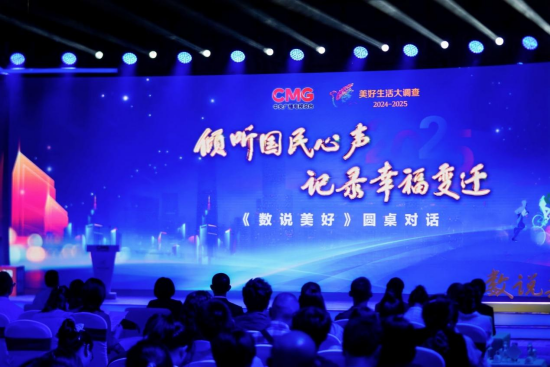
从“求富”到“求福”:美好生活大调查解码国民幸福变迁
Hua Xia Shi Bao· 2025-06-18 08:24
Group 1 - The core finding of the "2024-2025 Annual Survey on a Good Life" indicates a significant shift in the factors influencing public happiness, with health now being the primary factor at 53.44%, while the importance of income has dropped from 65.74% in 2019 to 40.64% in 2024 [2][3] - The survey, which is the largest of its kind globally, involved 100,000 families across 31 provinces and cities in China, highlighting a collective societal shift from "seeking wealth" to "seeking well-being" [2][3] - The five key elements affecting national happiness are health status, family relationships, income level, marital emotions, and personal interests, with a notable increase in the importance of social interactions and community engagement [3][6] Group 2 - The trend of consumption is shifting from product-based to service-based, with health-related services such as tourism, education, and wellness becoming increasingly prioritized, reflecting a growing demand for health consumption [6][10] - The health service industry in China is projected to reach a total scale of 16 trillion yuan by 2030, driven by government initiatives promoting health consumption and quality supply in the health sector [6][10] - The survey reveals that psychological stress, sleep issues, weight management, and immune health are the primary health concerns among the public, emphasizing the need for a focus on mental and physical well-being [7][10] Group 3 - The role of community and social support is becoming increasingly vital in enhancing public happiness, with a rise in the number of individuals participating in social activities and community groups [13][15] - Research indicates that engagement in community activities significantly improves participants' health and emotional well-being, with over 80% reporting feelings of joy and relaxation [17] - Companies like Amway are leveraging community-driven initiatives to promote healthy lifestyles, aligning their business strategies with the evolving public focus on well-being and happiness [20]
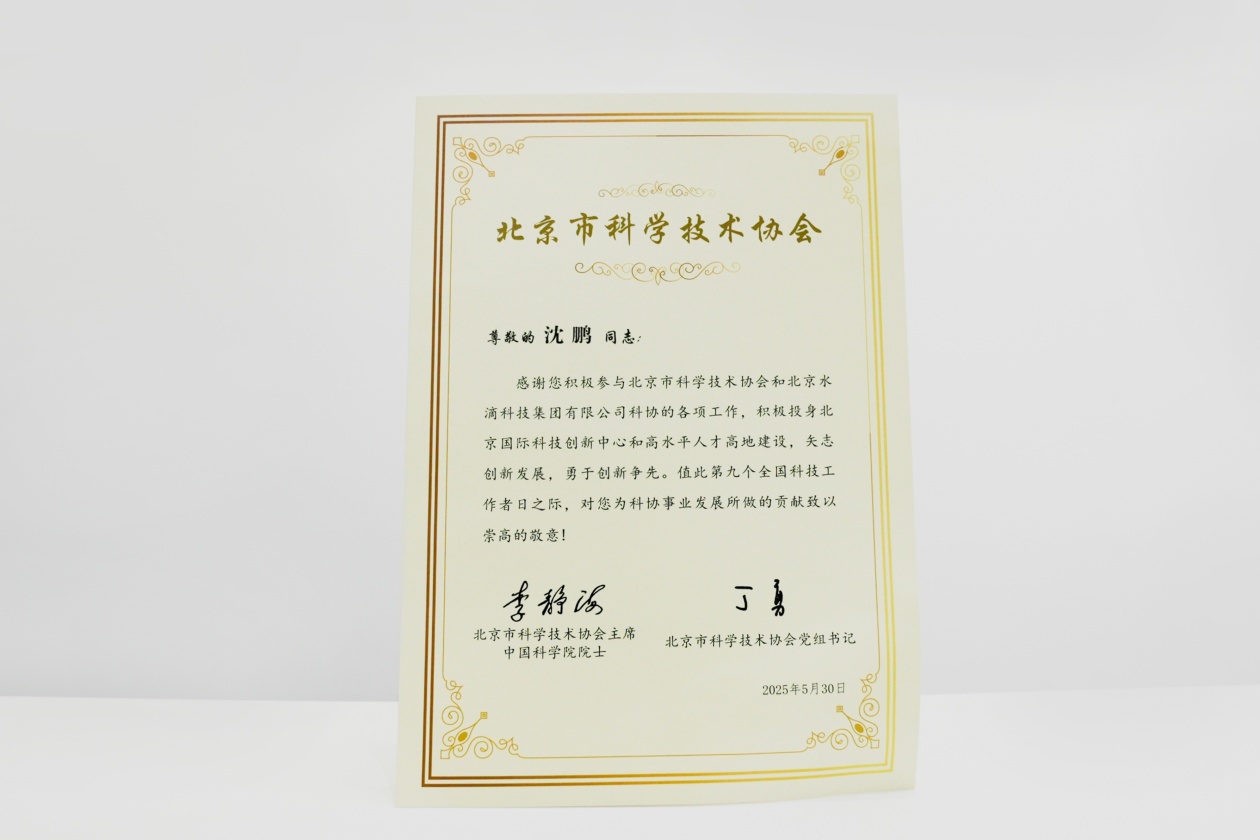
水滴公司CEO沈鹏获北京市科协“创新争先”感谢信
Huan Qiu Wang· 2025-06-18 06:01
Group 1 - The core viewpoint of the article highlights the recognition of Shen Peng, founder and CEO of Waterdrop, for his contributions to technological innovation and talent cultivation in the context of the 2025 Innovation Initiative by the Beijing Association for Science and Technology [1][3] - Waterdrop is recognized as a pioneer in applying AI large models in the insurance and healthcare sectors, investing nearly 300 million yuan annually in R&D and holding over 100 technology patents [3][4] - The company has developed its own insurance industry large model, the Waterdrop Water Guardian Model, which has received dual registrations for generative AI services and deep synthesis service algorithms, significantly enhancing efficiency in sales processes [3][4] Group 2 - Shen Peng has been acknowledged for his extensive experience and expertise in the technology and internet sectors, leading Waterdrop to become a leading technology platform in insurance and health services in China [4] - The company actively promotes an "All in AI" strategy, encouraging employees to explore AI application scenarios to enhance business efficiency and expand global reach [5] - Shen Peng has received numerous accolades for his contributions to the industry, including recognition as an advanced individual in employment and entrepreneurship in Beijing, and has been listed in prestigious rankings such as Forbes' "30 Under 30 Asia" [4]

康养不再是中老年人专属,年轻人已成为消费主力军
Sou Hu Cai Jing· 2025-06-16 12:01
Core Insights - The younger generation is increasingly becoming a driving force in the health consumption market, viewing health products as a new necessity [2][4][6] - There is a notable shift in health consumption trends, with young consumers focusing on personalized and quality health products [4][6][10] Health Consumption Trends - Health products such as supplements and nutrient-rich foods are experiencing strong sales among young consumers [2][4] - The demand for health-oriented food options, like nourishing hot pot, has surged, particularly among users aged 25 to 30 [6] - The health industry in China is projected to reach a total revenue of 9 trillion yuan in 2024 [6] Fitness and Outdoor Activities - Outdoor sports like cycling and skiing are gaining popularity among the youth, with average annual spending on outdoor activities ranging from 2,000 to 5,000 yuan [7][9] - The search volume for fitness-related activities has increased by 70% year-on-year, with a significant portion of searches coming from users aged 20 to 30 [9] Mental and Emotional Well-being - There is a growing emphasis on mental health, with young consumers engaging in activities that promote relaxation and stress relief, such as reading and participating in creative workshops [10][11][13] - The trend indicates a shift towards spending on experiences like travel and learning, which are prioritized over traditional consumer goods [11][13]

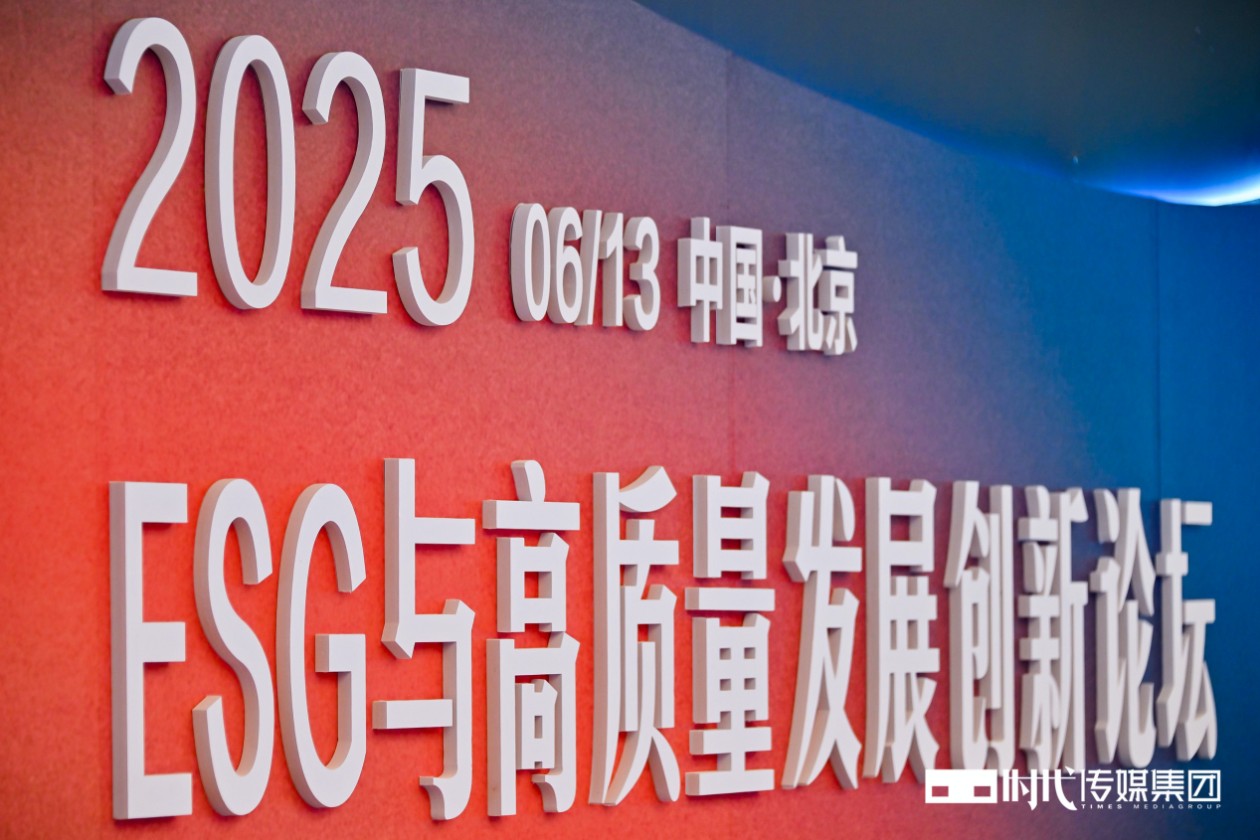
2025 ESG与高质量发展创新论坛举办,轻松健康集团分享ESG实践成果
Huan Qiu Wang· 2025-06-13 11:01
Core Viewpoint - The 2025 ESG and High-Quality Development Innovation Forum held in Beijing highlighted the importance of ESG (Environmental, Social, and Governance) as a critical focus for sustainable development in China, with a particular emphasis on actionable solutions and diverse participation [1][3]. Group 1: ESG Development and Recognition - ESG has transitioned from an optional consideration to a mandatory requirement in various sectors, necessitating practical solutions and a broader range of contributors [3]. - The forum recognized the achievements of the company, awarding it the "2025 Annual ESG Social Responsibility Practice Leading Enterprise" title based on evaluations from professional institutions and authoritative media [3]. Group 2: AI and Sustainable Development - The forum featured a roundtable discussion on "How AI Drives Corporate Sustainable Development," where the company's executive shared its initiatives and results in implementing ESG strategies [6]. - The company integrates AI technology deeply into its operations, creating a sustainable development model that emphasizes "technology for good" [6][10]. Group 3: Specific Initiatives for ESG Implementation - The company aims to bridge the healthcare resource gap through AI, developing a digital health ecosystem that enhances primary healthcare services and improves diagnostic accuracy [7]. - It has achieved full digitalization of processes, significantly reducing paper usage and optimizing resource consumption through platforms that support clinical trials and data analysis [7]. - The company has established a collaborative network involving 48 pharmaceutical companies, 36 insurance firms, and 30,000 medical experts, effectively lowering coordination costs and promoting public health education [8]. Group 4: Data Management and Ethical Considerations - The company has built a digital foundation for its services, utilizing a unique data accumulation strategy to manage health and insurance data while ensuring compliance with safety and privacy regulations [10]. - It emphasizes the need for algorithms to counteract historical biases, ensuring that data flow acts as a catalyst for sustainable behavior rather than a constraint [10].
本市加快打造形成十园百企发展格局
Bei Jing Qing Nian Bao· 2025-06-04 18:27
Core Viewpoint - The deep integration of modern service industry and advanced manufacturing (referred to as "two-industry integration") is crucial for cultivating a modern industrial system and achieving high-quality development, as well as for developing new types of productivity [1] Group 1: Pilot Demonstration Units - Beijing has recently recognized the second batch of city-level pilot demonstration units for two-industry integration, including three demonstration parks and 32 pilot enterprises [1] - The three newly selected demonstration parks are: 1. Chaoyang New Quality Productivity Integration Demonstration Pilot Area, with a management area of 26.9 square kilometers and an annual revenue share of 62% from two-industry integration enterprises [2] 2. Tongzhou City Sub-center Future Design + Health Integration Innovation Demonstration Area, with a management area of 25.5 square kilometers and an annual revenue share of over 50% from two-industry integration enterprises [3] 3. Western Beijing Yongding River Two-Industry Integration Demonstration Park, with a management area of 26.43 square kilometers and an annual revenue share of over 66% from two-industry integration enterprises [3] Group 2: Focus Areas and Development Paths - The Chaoyang Park focuses on the integration of new generation information technology and service industry, as well as high-end equipment and service integration, exploring paths such as "new generation information technology + technology services + intelligent manufacturing" [2] - The Tongzhou Park emphasizes the integration of pharmaceutical manufacturing and health services, and research design and manufacturing, exploring paths like "pharmaceutical research design + manufacturing + health services" [3] - The Western Beijing Park focuses on the integration of new generation information technology with manufacturing and service industries, and pharmaceutical manufacturing with health services, exploring paths such as "artificial intelligence + application scenarios" [3] Group 3: Pilot Enterprises - The second batch includes 32 city-level two-industry integration pilot enterprises, comprising 10 leading pilot enterprises and 22 growth-type pilot enterprises, covering seven key areas of integration development across 11 districts and the Beijing Economic and Technological Development Zone [4] - Notable enterprises include Qihoo 360 Technology Co., Ltd., with pilot enterprises in fields such as new generation information technology and manufacturing service integration, pharmaceutical manufacturing and health services, and high-end equipment and service integration [4] Group 4: Future Development Plans - The Beijing Municipal Development and Reform Commission plans to continue nurturing and constructing two-industry integration pilot demonstrations, aiming to create a "ten parks and hundred enterprises" development pattern [4] - The focus will be on summarizing the development models, typical cases, and benchmark enterprises of Beijing's two-industry integration, forming replicable models to guide market entities in achieving empowerment, efficiency enhancement, and transformation [4]