
商超

Search documents
聚焦稳定质价比与头部供应商协同 商超加速构建差异化竞争护城河丨新经济观察
Sou Hu Cai Jing· 2025-11-18 12:07
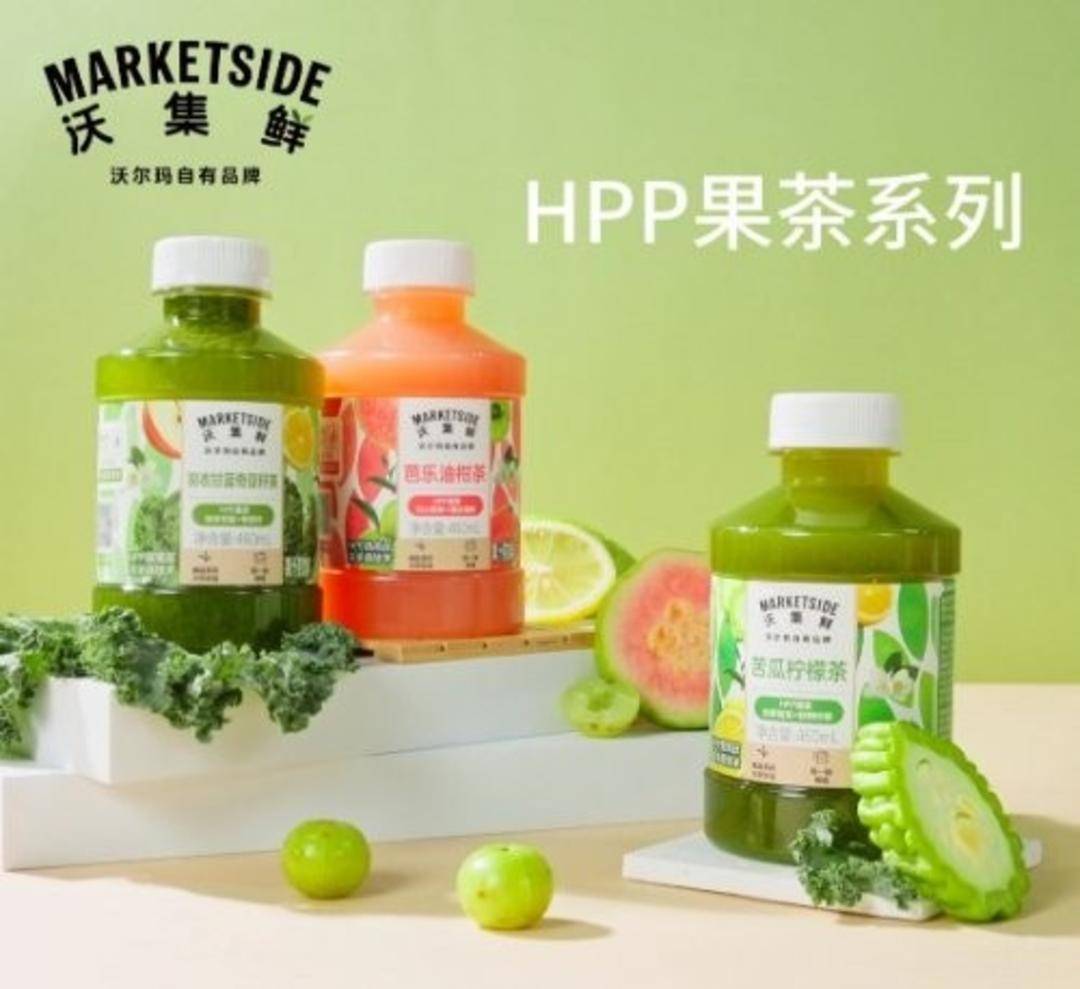
Core Insights - The Chinese supermarket industry is undergoing a structural transformation, with private label brands becoming a key growth driver [3] - Walmart's private label "Wojixian" has been upgraded to cover fresh produce, food, and beverages, focusing on three core principles: simple ingredients, collaboration with leading brands, and stable price-quality ratio [3] - By 2025, the sales of private label products in China's supermarket sector are expected to exceed 380 billion yuan, growing by 17% year-on-year, accounting for 9.2% of the overall retail market [3] Company Strategy - Walmart emphasizes deep collaboration with top suppliers, respecting their autonomy in choosing cooperation models, whether through exclusive brands or OEM [3] - The company aims for long-term growth for both itself and its suppliers through this collaborative approach [3] - The core competitive advantage of "Wojixian" lies in its stable price-quality ratio, which meets consumer demands for both quality assurance and reasonable pricing [4] Industry Trends - The trend of consumer upgrading indicates a growing demand for high-quality products at competitive prices [4] - "Wojixian" achieves a dynamic balance between price and quality through optimization of the entire supply chain and digital management [4]


胖东来与泡泡玛特案例,河南为什么出营销奇才?
Sou Hu Cai Jing· 2025-11-12 18:36
Core Insights - The article discusses the rise of marketing talents from Henan, highlighting how local entrepreneurs have transformed retail and new consumption from regional to national and global levels [1] Group 1: Key Entrepreneurs and Their Achievements - Yu Donglai opened the first store in 1995, achieving sales of 16.964 billion yuan by 2024 with a focus on customer service and return policies [2] - The Zhang brothers of Mixue Ice City rebranded in 1998 and are set to list on the Hong Kong stock exchange in 2025 with a market value exceeding 200 billion HKD, operating nearly 30,000 stores [2] - Wang Ning founded Pop Mart in 2010, reaching revenue of 13.04 billion yuan in 2024, with overseas business growing by 375.2% [2] Group 2: Business Strategies and Market Positioning - Entrepreneurs from Henan leveraged local advantages such as high agricultural output and established supply chains to build their businesses [2] - The common strategy among these entrepreneurs includes a long-term commitment to their business models, often taking 20 years to reach a breakthrough [2][4] - Each entrepreneur faced significant challenges, such as store fires for Yu Donglai and price wars for Mixue Ice City, but they adapted their supply chains and service standards to overcome these obstacles [4][5] Group 3: Capital and Growth Dynamics - Some brands opted for slow growth, while others, like Mixue Ice City, saw their valuations soar post-IPO [5] - Pop Mart has successfully commercialized its IP, creating a comprehensive brand ecosystem that includes blind boxes and international stores [5] - By 2024 and 2025, Henan's enterprises have established a strong presence in the supermarket, new consumption, and trendy toy sectors, forming a notable industry matrix [5]


一个胖东来,带火一座城--谈胖东来经营哲学的深层启示与实践路径
Sou Hu Cai Jing· 2025-11-12 05:21
Core Insights - The article discusses the business philosophy and operational strategies of "胖东来" (Pang Donglai), a retail company that has transformed from a small tobacco shop into a significant player in the retail market, emphasizing the importance of trust, quality, and employee welfare in achieving long-term success [2][4][11]. Group 1: Growth Journey - Pang Donglai started in 1995 with a 30 square meter tobacco shop, focusing on genuine products and customer trust [4]. - The company faced challenges, including a fire in 1998, which strengthened community ties and reinforced the belief that a business is a community of employees, customers, and society [4]. - By 2025, Pang Donglai is projected to achieve sales exceeding 20 billion, with a store efficiency three times that of competitors, and a growth rate of over 55% from 2022 to 2024 [4][5]. Group 2: Human-Centric Business Philosophy - The company adopts a dual customer approach, treating both employees and consumers with equal importance, which is reflected in its profit-sharing model and employee benefits [7][8]. - Employee retention is high, with a turnover rate below 3%, attributed to generous welfare policies and a supportive work environment [8]. - The company emphasizes genuine service, implementing a no-questions-asked return policy and a comprehensive quality control system to alleviate consumer fears [8][9]. Group 3: Social Responsibility and Community Impact - Pang Donglai prioritizes community welfare, especially during the pandemic, by selling essential goods at cost and ensuring the lowest prices for medications [9]. - The company has established a range of free services that enhance customer experience, such as 24-hour service stations and various convenience offerings [9]. - The business model has positively impacted local tourism and transportation, making it a significant economic driver in its region [5]. Group 4: Business Lessons and Insights - The article highlights that trust is the ultimate competitive advantage in retail, as demonstrated by Pang Donglai's transparent policies that foster customer loyalty [11]. - The value of employees is recognized as a core asset, with a culture that promotes respect and engagement, leading to enhanced productivity and customer satisfaction [11]. - Long-term success is attributed to a focus on core business rather than expansion, with a commitment to quality over quantity [11][13]. Group 5: Practical Applications for SMEs - Small and medium enterprises (SMEs) are encouraged to adopt Pang Donglai's principles of sincerity and human-centric approaches, tailored to their specific contexts [13][15]. - The article suggests a phased approach to implementing core capabilities, emphasizing the importance of genuine service and employee involvement [14]. - It warns against blindly copying high-cost benefits without considering the financial viability of such practices [14][15].
早报|胖东来“柴怼怼”诋毁案宣判,获赔260万元;常州小米汽车拖下高速后起火;软银清仓英伟达套现58.3亿;巴菲特发表“谢幕信”
虎嗅APP· 2025-11-11 23:53
Group 1 - The U.S. Navy's Ford aircraft carrier strike group has entered the Caribbean Sea, marking a significant military deployment in the region [2] - Meta's Chief AI Scientist Yann LeCun plans to leave the company to start his own venture, coinciding with a major restructuring of Meta's AI operations [3] - SoftBank has fully divested from NVIDIA, raising $5.83 billion, and has also reduced its stake in T-Mobile, generating $9.17 billion [4] Group 2 - Apple has decided to delay the release of the next-generation iPhone Air due to lower-than-expected sales, impacting its supply chain [7][8] - Foxconn has dismantled a significant portion of its production lines in response to Apple's decision, with plans to cease operations by the end of the month [8] - The next iPhone Air is now expected to be redesigned and potentially launched in spring 2027 alongside other new models [9] Group 3 - The "Chai Dui Dui" defamation case against Pang Donglai resulted in a court ruling that ordered the defendants to pay a total of 2.6 million yuan in damages [10][12] - The court found that the defendants had spread false information about Pang Donglai's business practices, which misled the public and disrupted market order [12] Group 4 - Berkshire Hathaway's CEO Warren Buffett announced he will step down by the end of the year and accelerate his philanthropic efforts [13][14] - Buffett's departure marks a significant transition for the company, as he has been a key figure in its management for decades [14] Group 5 - The 2025 World Power Battery Conference will take place in Yibin, Sichuan, focusing on new opportunities in the battery industry [35] - The Shanghai Stock Exchange will host its International Investor Conference, providing a platform for foreign investors to engage with domestic entities [36]



物美定义新公式:“AI+零售”=打碎、重组“人货场”
Cai Jing Wang· 2025-11-11 07:06
Core Insights - The retail industry is undergoing significant transformation, with companies like Wumart Group leveraging AI to enhance operational efficiency and customer experience [1][11] - Wumart is focusing on integrating AI into various aspects of its operations, including product selection, inventory management, and customer service, to create a more intelligent retail ecosystem [10][11] Group 1: AI Integration in Retail - Wumart is utilizing AI technologies such as smart scales and self-checkout systems to improve customer experience and operational efficiency, achieving a product recognition accuracy of over 99% [2][3] - The implementation of AI self-checkout systems has reduced customer wait times and improved transaction efficiency, with error rates in loss prevention below 0.1% [3] - AI-driven product selection and inventory management systems are enhancing Wumart's ability to meet consumer demands and optimize stock levels, resulting in a fivefold increase in customer traffic and sales at specific locations [5][6] Group 2: Operational Efficiency and Cost Management - Wumart's AI systems are designed to automate repetitive tasks, allowing employees to focus on higher-value service roles, thus improving overall service quality [4] - The AI inventory management system boasts a replenishment accuracy rate of over 95%, significantly reducing stockouts and ensuring timely restocking of high-demand items [6] - The AI-driven clearance strategy has streamlined the process of managing perishable goods, reducing the time required for clearance from one hour to five minutes [7] Group 3: Enhanced Customer Engagement - Wumart's AI customer service system operates 24/7, handling high-frequency inquiries and significantly reducing the workload on human staff by 70% [3] - The integration of AI in customer interactions allows for seamless transitions to human agents when complex issues arise, improving customer satisfaction [3][4] - The focus on creating value for consumers through AI technologies reflects a broader trend in the retail industry towards personalized and efficient shopping experiences [2][11] Group 4: Future Outlook and Industry Trends - The collaboration between Wumart and DMALL highlights the importance of comprehensive AI solutions that cover the entire retail chain, from product selection to customer engagement [10] - The retail sector is expected to increasingly rely on deep data analysis and the development of unmanned retail models, which will open new growth opportunities [10] - Wumart's approach to balancing competitive advantage with market appeal positions it well for future challenges in the evolving retail landscape [11]
称收费是为了保证参访质量,所有收入都将用于公益事业
Nan Fang Du Shi Bao· 2025-11-06 23:14
Core Viewpoint - The founder of the well-known Henan supermarket chain, Pang Donglai, stated that the company has no plans for scale development or an IPO, positioning itself as a "school-like enterprise" focused on cultural and business exchange research [1][2] Company Overview - Pang Donglai was founded in 1995 and currently operates 13 stores located in Xuchang and Xinxiang, Henan [3] - As of November 4, 2023, Pang Donglai's total sales for the year reached 19.786 billion yuan, with a projected sales figure of 16.9 billion yuan for 2024 [3] Financial Health - The company has a healthy cash flow with 4.1 billion yuan in cash reserves and no loans [1][2] - The founder emphasized that the company does not need to seek financing due to its stable financial condition [2] Recent Controversies - Pang Donglai has faced criticism for launching a paid corporate visit program, charging 20,000 yuan per person for visits, which some perceive as excessive [1][2] - The founder defended the program, stating that the fees are intended to ensure the quality of visits and that all income will be directed towards public welfare [2] Market Positioning - The company aims to serve as a model for industry reference and learning, focusing on employee happiness rather than blind expansion [1][2]
胖改红利下的盒马们,把区域商超逼到墙角
东京烘焙职业人· 2025-11-03 09:29
Core Viewpoint - The article discusses the impact of the "胖改" (Fat Reform) on the retail industry, highlighting how traditional supermarkets are closing stores, creating opportunities for new entrants like Hema to expand rapidly in both first-tier and lower-tier cities [5][12][15]. Group 1: Market Dynamics - Hema has opened at least 206 new stores in 2025, with 41.75% located in second-tier and lower cities, indicating a strategic focus on market penetration in less saturated areas [12][17]. - The closure of at least 782 supermarkets in 2024 and 720 in the first half of 2025 reflects a significant downturn in the traditional supermarket sector, with many companies experiencing revenue declines [15][12]. - The traditional supermarket landscape is being disrupted as Hema and other new retail formats aggressively capture market share, leading to a decline in sales for established players [12][16]. Group 2: Competitive Strategies - Traditional supermarkets like 家家悦 (Jiajia Yue) are responding to Hema's entry by upgrading their stores and enhancing their product offerings to retain customers [9][32]. - Hema's strategy includes focusing on core business models and closing non-core operations, which allows for a more concentrated effort on fresh food and neighborhood stores [17][23]. - The competition is not just about pricing but also involves different business models and operational systems, with traditional supermarkets leveraging local supply chains and community ties [30][32]. Group 3: Consumer Behavior - Consumers are increasingly drawn to Hema due to its innovative product offerings and efficient supply chain, which contrasts with the traditional supermarkets' slower adaptation to market changes [30][29]. - The article notes that Hema's ability to quickly adapt and innovate in product selection is a significant advantage over traditional supermarkets, which struggle with product innovation [30][29]. - The shift in consumer preferences towards new retail formats is evident as many shoppers are opting for Hema over traditional supermarkets, especially in areas where Hema has established a presence [12][29].

资深企业家传经助力“金种子”成长 芙蓉区初创企业供需对接会精准搭桥
Sou Hu Cai Jing· 2025-10-31 13:01
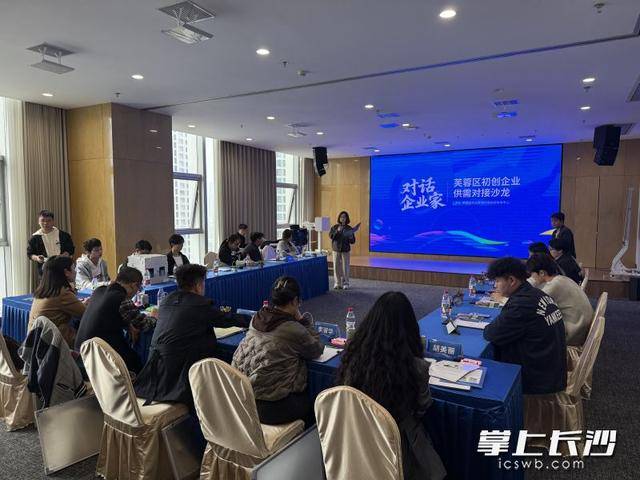
Core Insights - The event "Dialogue with Entrepreneurs" in Changsha facilitated a connection between experienced entrepreneurs and startup teams, promoting knowledge sharing and resource matching [1][3] Group 1: Event Overview - The event took place on October 31, coinciding with the fifth Entrepreneur Day in Changsha, aimed at fostering collaboration between seasoned business leaders and emerging entrepreneurs [1] - The format emphasized direct interaction, allowing startup teams to present their innovative projects and seek advice on overcoming developmental challenges [3] Group 2: Participant Engagement - Six industry leaders from sectors such as e-commerce, animation, and floral retail engaged with startup teams from Hunan Agricultural University and Hunan Bio-Medical Vocational College [3] - Startups showcased unique products like non-alcoholic beer and 3D-printed animation props, while entrepreneurs shared practical experiences on market expansion and team management [3] Group 3: Outcomes and Support - Several startups established preliminary cooperation intentions with experienced entrepreneurs, with plans for further collaboration [5] - Two university startup teams received special permits for a six-month rent-free period at a popular night market, aimed at enhancing their market exposure [5] - The event also introduced a "Youth Innovation Partner" initiative, where young officials will provide tailored support to startups, reflecting the district's commitment to fostering entrepreneurship [5] Group 4: Ongoing Support Initiatives - The district has been actively building resource connection platforms, including both offline events and an online platform called "Furong Enterprise Service," to enhance resource circulation [5] - The initiative is part of a broader strategy to support university students' entrepreneurial efforts and cultivate emerging market players [5]
合百集团:截至目前,合家福自有品牌单品数已达到470个
Mei Ri Jing Ji Xin Wen· 2025-10-31 06:36
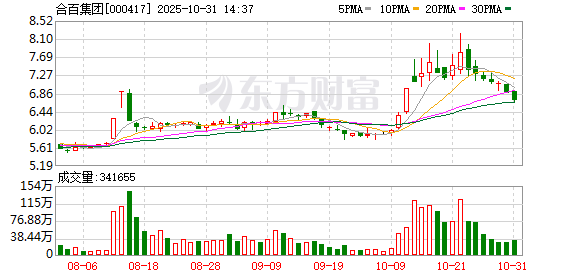
Group 1 - The core viewpoint of the article highlights the growing trend of private label products in the retail sector, particularly in response to the success of brands like Sam's and Pang Donglai [2] - The company HeBai Group (000417.SZ) is actively exploring the development of its private label brands, focusing on quality, health, safety, and cost-effectiveness [2] - HeBai Group has established a matrix of four private label brands: HeJiaFu, JiaXiaoBai, RouXiaoBai, and HeJiaXian, with a total of 470 private label SKUs covering various categories such as daily chemicals, beverages, grains, and fresh produce [2] - From January to October, the sales of the company's private label products have increased by 96.25% year-on-year [2]

永辉超市前三季度实现营收424.34亿元
Zheng Quan Ri Bao Wang· 2025-10-30 13:13
Core Insights - Yonghui Supermarket reported a revenue of 12.486 billion yuan for Q3 2025, with a cumulative revenue of 42.434 billion yuan for the first three quarters [1] - The company has completed the transformation of 222 stores into the "Pang Donglai" model, showcasing a positive trend and scale effect [1] - Same-store sales have returned to positive growth, indicating a steady recovery in the core business [1] Company Strategy - Yonghui Supermarket's core strategy is centered around "product centralization," focusing on supply chain reforms to enhance quality retail [2] - The company aims to establish 200 core strategic partners and create 100 billion-yuan-level flagship products within three years [2] - Recent product launches include over 20 quality items across various categories, with 15 items generating over 100 million yuan in sales since their release in October [2] Industry Context - The retail supermarket industry in China is undergoing a collective transformation, with Yonghui Supermarket leading the way in quality retail [2] - The company is committed to continuous investment in "people" and "products" to meet market expectations [2]
