饮料

Search documents
河北百草集古凉茶饮品有限公司成立 注册资本50万人民币
Sou Hu Cai Jing· 2025-11-25 22:44
天眼查App显示,近日,河北百草集古凉茶饮品有限公司成立,法定代表人为王茂柏,注册资本50万人 民币,经营范围为一般项目:食品销售(仅销售预包装食品);互联网销售(除销售需要许可的商品); 保健食品(预包装)销售;品牌管理;市场营销策划;餐饮管理;技术服务、技术开发、技术咨询、技术交 流、技术转让、技术推广(除依法须经批准的项目外,凭营业执照依法自主开展经营活动)许可项目: 饮料生产;食品生产;食品销售(依法须经批准的项目,经相关部门批准后方可开展经营活动,具体经营 项目以批准文件或许可证件为准)。 ...
东鹏饮料大宗交易成交23.98万股 成交额5565.30万元
Zheng Quan Shi Bao Wang· 2025-11-25 15:09
Group 1 - Dongpeng Beverage executed a block trade on November 25, with a volume of 239,800 shares and a transaction amount of 55.653 million yuan, at a price of 232.11 yuan, which represents a discount of 10.17% compared to the closing price of the day [1][2] - The buyer of the block trade was the Shanghai Huangpu District Xizang South Road Securities Branch of China Merchants Securities, while the seller was the Beijing Jianguo Road Securities Branch of China Merchants Securities [1] - Over the past three months, Dongpeng Beverage has recorded a total of 8 block trades, with a cumulative transaction amount of 513 million yuan [1] Group 2 - The latest margin financing balance for Dongpeng Beverage is 380 million yuan, with an increase of 815,500 yuan over the past five days, reflecting a growth rate of 0.22% [2] - As of November 25, the closing price of Dongpeng Beverage was 258.39 yuan, with a slight increase of 0.19%, and a daily turnover rate of 0.31% [1] - The stock experienced a net outflow of 12.0845 million yuan in main funds throughout the day, and over the past five days, the total net outflow of funds was 704,400 yuan, with a cumulative increase of 0.72% in stock price [1]

华润怡宝饮料(中国)投资有限公司增资至约2.53亿美元
Cai Jing Wang· 2025-11-25 14:57
据悉,华润怡宝饮料(中国)投资有限公司成立于2011年8月,法定代表人为张伟通,经营范围包括在 国家允许外商投资的食品饮料领域依法进行投资、从事货物及技术进出口等。 近日,据国家企业信用信息公示系统显示,华润怡宝饮料(中国)投资有限公司发生工商变更,公司注 册资本由约8329万美元增至约2.53亿美元。 ...
食品饮料周报(25年第43周):白酒板块红利属性凸显,关注大众品消费场景恢复-20251125
Guoxin Securities· 2025-11-25 13:55
Investment Rating - The report maintains an "Outperform the Market" rating for the food and beverage sector [4][5][15]. Core Views - The food and beverage sector is expected to benefit from a recovery in consumer spending, particularly in the context of the upcoming 2026 fiscal year, with a focus on health innovation and digital supply chains [3][10]. - The report highlights the differentiation in performance across categories, with beverages outperforming food and alcoholic beverages [2][10]. - Key investment opportunities are identified in premium liquor brands, dairy products, and innovative snack foods, with specific recommendations for companies like Guizhou Moutai, Yili, and Eastroc Beverage [2][3][15]. Summary by Relevant Sections Market Overview - The food and beverage sector saw a cumulative decline of 1.52% this week, with A-shares down 1.36% and H-shares down 3.69% [1]. - Notable performers included Nanchao Food (+11.91%) and Yili (+2.65%) [1]. Alcoholic Beverages - The liquor sector is entering a left-side layout phase, with premium brands expected to gain market share [2][10]. - Recommendations include Luzhou Laojiao, Shanxi Fenjiu, and Guizhou Moutai, with a focus on companies that can leverage pricing power and regional advantages [2][10]. Beer - The beer industry is experiencing healthy inventory levels, with expectations for demand recovery [2][11]. - Yanjing Beer is recommended for its strong growth potential and ongoing internal reforms [2][11]. Dairy Products - The dairy sector is seeing a steady recovery in demand, with Yili recommended for its valuation safety margin [2][13]. - The report anticipates improvements in supply-demand dynamics by 2026 [2][13]. Snacks - The report emphasizes the growth potential of konjac snacks, with leading companies like Weilong and Yanjinpuzi showing strong competitive advantages [2][12]. - The snack industry is shifting towards a category-driven growth model, necessitating strong product differentiation [2][12]. Investment Recommendations - The recommended investment portfolio includes Guizhou Moutai, Babi Food, Eastroc Beverage, Weilong, and Luzhou Laojiao, with an average decline of 4.94% this week [3][15]. - The report suggests that the current pricing environment for Moutai presents a favorable investment opportunity, with expectations for revenue growth in the coming years [15][16].




东鹏饮料今日大宗交易折价成交23.98万股 成交额5565.3万元
Xin Lang Cai Jing· 2025-11-25 10:06
Group 1 - The core point of the article highlights that Dongpeng Beverage executed a block trade of 239,800 shares on November 25, with a transaction value of 55.653 million yuan, accounting for 11.96% of the total trading volume for that day [2][3] - The transaction price was 232.11 yuan, which represents a discount of 10.17% compared to the market closing price of 258.39 yuan [2][3] - The buying brokerage for the transaction was China Merchants Securities Co., Ltd., located in Shanghai, while the selling brokerage was also China Merchants Securities Co., Ltd., based in Beijing [3]


泰国神饮圈的爽文“男主”,一夜蒸发50亿
3 6 Ke· 2025-11-25 09:42
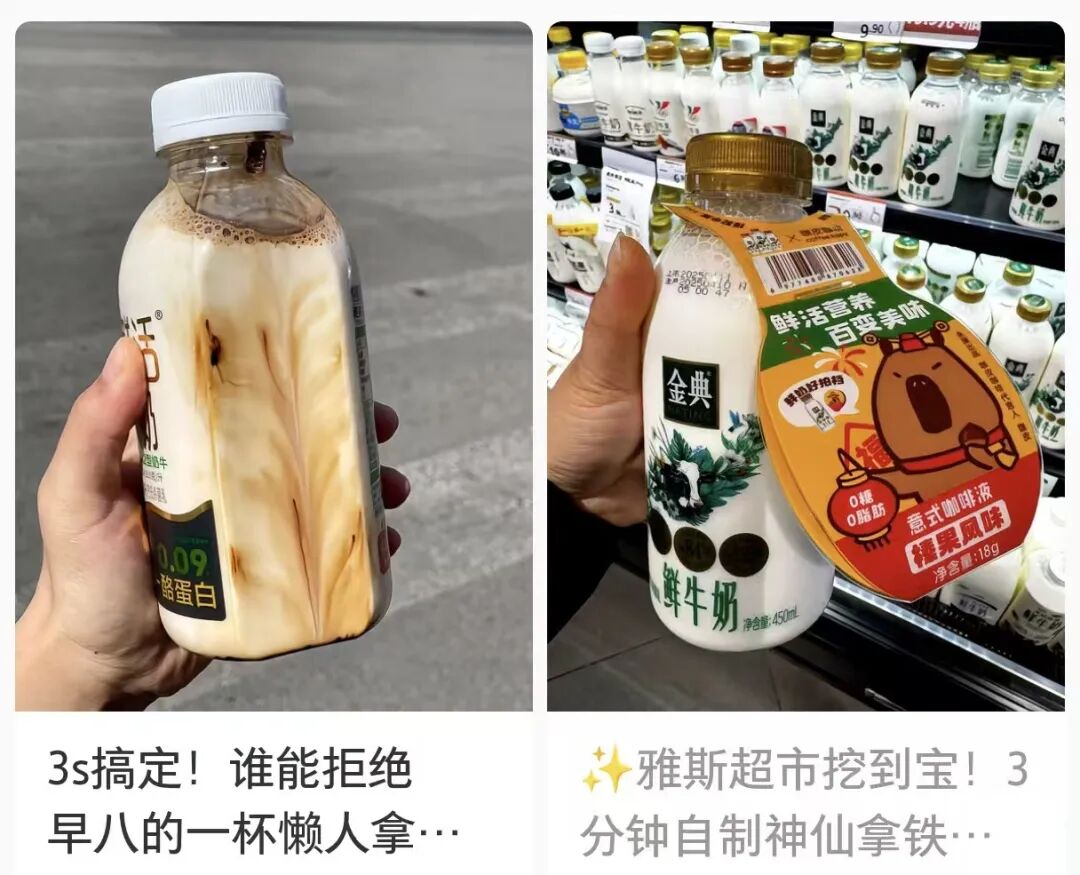
Core Viewpoint - The rise and fall of IFBH, a coconut water brand, highlights the volatility of consumer preferences and the challenges faced by brands that rely heavily on a single product in a competitive market [3][10][31]. Group 1: Market Dynamics - A new product, "3-second latte," has gained immense popularity, showcasing the coffee industry's ability to create trends that resonate with consumers [1]. - IFBH, once a market leader with a valuation of over 100 billion, has seen its market cap halved, losing 5 billion due to declining sales and profitability issues [7][28]. - The coconut water market is becoming increasingly crowded, with over 50 brands competing, leading to a significant drop in IFBH's market share from 55% to 34% [35][40]. Group 2: Consumer Behavior - IFBH's initial success was largely driven by Chinese consumers, contributing 92% of its global sales, but changing consumer preferences have led to a decline in its popularity [11][31]. - The brand's reliance on a single product, if coconut water, has made it vulnerable as competitors introduce a variety of new products [33][40]. - Consumers are increasingly favoring local brands that offer better price-performance ratios, impacting IFBH's sales [40][44]. Group 3: Business Strategy - IFBH's light-asset model, which allowed it to scale quickly without heavy investment in production, is now seen as a weakness as it struggles with supply chain issues and rising costs [32][44]. - The brand's marketing strategies, including celebrity endorsements and collaborations, initially attracted a young consumer base but have not been sufficient to maintain market dominance [20][22][26]. - IFBH's failure to adapt its supply chain and production strategies in response to market changes has led to quality control issues, further eroding consumer trust [51][54].
水岁喜(江苏)饮品有限公司成立 注册资本1000万人民币
Sou Hu Cai Jing· 2025-11-25 01:20
Core Insights - A new company, Shui Suixi (Jiangsu) Beverage Co., Ltd., has been established with a registered capital of 10 million RMB [1] Company Overview - The legal representative of the company is Huang Shuai [1] - The company is involved in various business activities including beverage production, food sales, and the production of food packaging materials [1] - The company is authorized to engage in the production and sale of alcoholic beverages, subject to regulatory approval [1] Business Scope - The licensed projects include beverage production, food sales, and internet sales of food products [1] - General projects encompass wholesale and retail of edible agricultural products, non-edible agricultural product processing, and sales of food packaging materials [1] - The company is permitted to conduct business activities autonomously based on its business license, except for projects requiring specific approvals [1]
泡沫、壁垒、裁员
Xin Hua She· 2025-11-25 00:25
Group 1: AI Bubble Concerns - The performance of major companies in the AI sector has been robust, with firms like Nvidia exceeding revenue and profit expectations, yet concerns about an AI bubble are growing among analysts [2][3] - Major tech companies, including Amazon, Alphabet, and Microsoft, have raised their capital expenditure forecasts, collectively expecting to exceed $380 billion in investments this year, but market reactions to these investments have varied [2] - A survey by Bank of America indicates that over half of fund managers believe there is a bubble in AI stocks, particularly among the "Tech Giants," suggesting an over-concentration of market funds [3] Group 2: Impact of Tariff Barriers - The impact of U.S. tariff policies has become more pronounced in Q3, negatively affecting the earnings and forecasts of export-oriented companies in Europe and Japan [4][5] - European luxury goods companies have reported significant revenue declines, with LVMH's fashion and leather goods division seeing a roughly 8% drop and Kering's Gucci brand experiencing a 22% decline in revenue [4] - Japanese automakers have collectively faced a 2.5% drop in net profits, with estimates suggesting that U.S. tariffs on imported vehicles could lead to losses of approximately 1.5 trillion yen for major Japanese car manufacturers [4] Group 3: Consumer Sentiment and Layoffs - U.S. consumer sentiment is notably low, with major companies announcing significant layoffs, contributing to a bleak economic outlook [7] - The disparity in consumer spending is evident, as affluent consumers maintain or increase their spending while lower-income consumers are forced to cut back [7] - The number of layoffs in the U.S. has reached nearly 1 million in the first nine months of the year, the highest since 2020, raising concerns about potential economic recession [7]


娃哈哈经销商大会冷场,宗馥莉缺席,5个亿增长难抚人心
Sou Hu Cai Jing· 2025-11-24 23:47
Core Insights - The recent Wahaha distributor conference was marked by a significant decline in attendance and a lack of key leadership presence, particularly the absence of former chairwoman Zong Fuli, leading to dissatisfaction among distributors [1][5][6] - The company reported a revenue increase of 500 million yuan for 2025, but the specifics of this growth were vague, raising concerns about the accuracy of performance metrics [6][8] - The restructuring of the distributor system has introduced higher entry barriers and stringent requirements, resulting in some distributors being excluded from participation [3][11][13] Group 1: Conference Dynamics - The conference was notably shorter than expected, lasting only about an hour, with attendance dropping to around 300 participants, less than a third of previous years [1][3] - The absence of Zong Fuli, who previously played a significant role in these events, contributed to a lack of engagement and disappointment among attendees [5][6] - The new general manager, Xu Simin, made her debut at the conference but failed to address many of the distributors' concerns, leading to a sense of frustration [1][5] Group 2: Financial Performance - Wahaha announced a revenue growth of 500 million yuan for 2025, but the lack of detailed financial disclosures has led to skepticism regarding the actual performance figures [6][8] - The company has not disclosed specific performance data for the past two years, making it difficult to assess the true financial health of the organization [8] - Distributors expressed doubts about the reported revenue figures, suggesting that internal transactions may inflate the numbers [8] Group 3: Distributor System Restructuring - The company has implemented a new threshold for distributor participation, requiring a minimum sales volume of 15 million yuan, which has excluded many smaller distributors [3][11] - A guarantee deposit system has been introduced, where distributors must pay a deposit to continue their partnership, further tightening the criteria for participation [13] - The restructuring aims to optimize the distributor ecosystem, but it has led to significant turnover and dissatisfaction among long-standing partners [11][13] Group 4: Management Challenges - The conference featured a rewards system for top distributors, but this was overshadowed by reports of mismanagement and penalties for overstocking, highlighting internal conflicts [14][16] - The disparity between rewards and penalties has created confusion among distributors regarding performance expectations and management standards [16] - The company is facing challenges in maintaining order within its distribution channels while trying to enhance brand loyalty and trust among distributors [16][19] Group 5: Future Outlook - Wahaha's water products continue to be a strong revenue driver, with a focus on expanding distribution in under-served markets [17][19] - The company is investing in modernizing its distribution channels and enhancing management practices to improve efficiency and market reach [17][19] - The absence of Zong Fuli marks a pivotal moment for Wahaha, as it seeks to stabilize its operations and refocus on core business strategies [19]
中企全球遍地开花,在华美企超7万家、投下1.2万亿,为啥在美国只剩边缘席位?
Sou Hu Cai Jing· 2025-11-24 20:41
Core Insights - The article highlights the stark contrast between the number of American companies operating in China, exceeding 70,000 with investments over $1.2 trillion, and the relatively small presence of Chinese companies in the U.S., totaling around 5,000 [3][22]. Group 1: American Companies in China - Since the early days of China's reform and opening up, American companies have been attracted to the Chinese market due to its vast consumer base and demand for international brands [5][11]. - The number of American enterprises in China has surged from a few dozen to nearly 80,000 over 30 years, encompassing various sectors including retail, technology, finance, and manufacturing [15]. - Despite global investment fluctuations, many American companies continue to report stable profits in China, indicating a reluctance to withdraw from a lucrative market [17]. Group 2: Chinese Companies in the U.S. - Chinese companies view the U.S. market primarily as a "financial springboard," seeking to leverage the large capital pool of over $40 trillion and the potential for enhanced global recognition through U.S. listings [18][19]. - However, the number of Chinese firms in the U.S. is significantly lower due to stringent regulatory hurdles and compliance standards, making entry challenging [20][22]. - High-profile cases like Huawei and TikTok illustrate the difficulties faced by Chinese companies in the U.S. market, with increasing restrictions and scrutiny impacting their operations [20][22]. Group 3: Market Dynamics - The article emphasizes the differing approaches to foreign investment between the U.S. and China, with the U.S. imposing more barriers while China remains open to foreign capital, particularly in high-end manufacturing and services [26][32]. - Chinese companies are diversifying their global presence by investing in emerging markets such as Southeast Asia, the Middle East, Africa, and Latin America, rather than relying solely on the U.S. market [24]. - The successful integration of American companies in China has led to the development of robust supply chains and local partnerships, benefiting both foreign and domestic firms [28].