
奢侈品

Search documents
传媒互联网产业行业周报:海外中国资产财报季开启-20250727
SINOLINK SECURITIES· 2025-07-27 09:59
Investment Rating - The report maintains an optimistic outlook on the Hong Kong stock market, particularly in sectors such as stablecoins, new consumption, and innovative pharmaceuticals [3][10]. Core Views - The overseas Chinese asset earnings season has begun, with a significant increase in risk appetite for Hong Kong and US-listed Chinese stocks, as active funds seek undervalued stocks with low price-to-book ratios [3][10]. - There is a sustained bullish outlook on virtual assets, including stablecoins, with traditional virtual asset exchanges expected to enter the traditional capital markets through IPOs, reverse mergers, and acquisitions [3][10]. - The potential risks for overseas Chinese assets remain, particularly concerning US-China tariff issues, necessitating close monitoring of global tariff negotiations [3][10]. Industry Situation Tracking Education - The Chinese education index fell by 0.82% during the period from July 21 to July 25, underperforming compared to major indices [11][21]. - Notable stock performances include Oriental Selection rising by 13.67% and New Oriental falling by 10.03% [11][21]. Luxury Goods - The S&P Global Luxury Goods Index increased by 2.75%, while the MSCI European Luxury Goods and Apparel Index rose by 2.52% during the same period [22][25]. - Key luxury stocks showed mixed results, with Samsonite up by 3.16% and Prada down by 1.94% [22][25]. Coffee and Tea - The Hang Seng Non-Essential Consumer Index rose by 1.30%, outperforming the Hang Seng Index [27][30]. - Notable stock performances include Haidilao up by 4.31% and various tea brands experiencing declines [27][30]. E-commerce - The Hang Seng Internet Technology Index increased by 1.86%, with Pinduoduo rising by 8.67% and Alibaba declining by 0.17% [30][31]. - The competitive landscape remains intense, with significant investments in logistics and marketing by leading platforms [30][31]. Streaming Platforms - The Hang Seng Media Index fell by 1.2%, underperforming compared to other indices [35][39]. - Key stocks like iQIYI and Tencent Music experienced varied performance, with iQIYI up by 2.04% and Tencent Music down by 4.45% [35][39]. Virtual Assets & Internet Brokers - As of July 25, the global cryptocurrency market cap reached $393.75 billion, with Bitcoin and Ethereum prices at $117,482 and $3,765, respectively [41][42]. - The report highlights the ongoing development of regulatory frameworks for virtual assets, with significant movements in the market [41][42]. Automotive Services - The Hang Seng Composite Index rose by 2.45%, with notable performances from companies like Zhongsheng Holdings up by 17.27% [49][50]. - The automotive service sector is witnessing growth, with new partnerships and service offerings emerging [49][50].



东鹏饮料上半年净利润大涨近4成;星巴克推出免费自习室;LV上半年净利下跌超20% | 品牌周报
36氪未来消费· 2025-07-27 09:10
Group 1: Dongpeng Beverage - Dongpeng Beverage reported a significant increase in revenue and profit for H1 2025, with revenue reaching 10.74 billion yuan, a 36.4% increase year-on-year, and net profit of 2.37 billion yuan, up 37% [2] - The "Bup Shui La" electrolyte drink series saw a remarkable performance, with revenue doubling to 1.49 billion yuan, accounting for 13.91% of total revenue [2] - The company is expanding its production capacity with plans for 13 production bases, of which 9 are already operational, focusing on key markets [3] Group 2: Starbucks - Starbucks launched a "study room" initiative in several cities, allowing customers to use the space for free without purchase requirements, aiming to attract younger customers [4][5] - The company has faced declining sales, with a 1.4% drop in revenue for FY2024 and a 6% decline in same-store sales for Q1 FY2025 [6] Group 3: LVMH - LVMH reported a 4% decline in revenue for H1 2025, with net profit down 22% to 5.7 billion euros, primarily due to poor performance in the Asia-Pacific region [7] - The luxury goods sector continues to face pressure, with LVMH's stock price dropping approximately 30% over the past 12 months [9] Group 4: Pop Mart - Pop Mart's LABUBU brand is projected to sell nearly 10 million units monthly by September 2024, with significant revenue growth expected [10] - The company is focusing on optimizing its supply chain to meet high demand and has seen a revenue increase of at least 200% in H1 2025 [10][11] Group 5: Other Companies - OATLY is considering separating its Greater China operations to accelerate growth, as the market's contribution to overall performance is minimal [20] - Deckers reported a 17% revenue increase in Q1 FY2026, with HOKA sales growing by 19.8% [21]





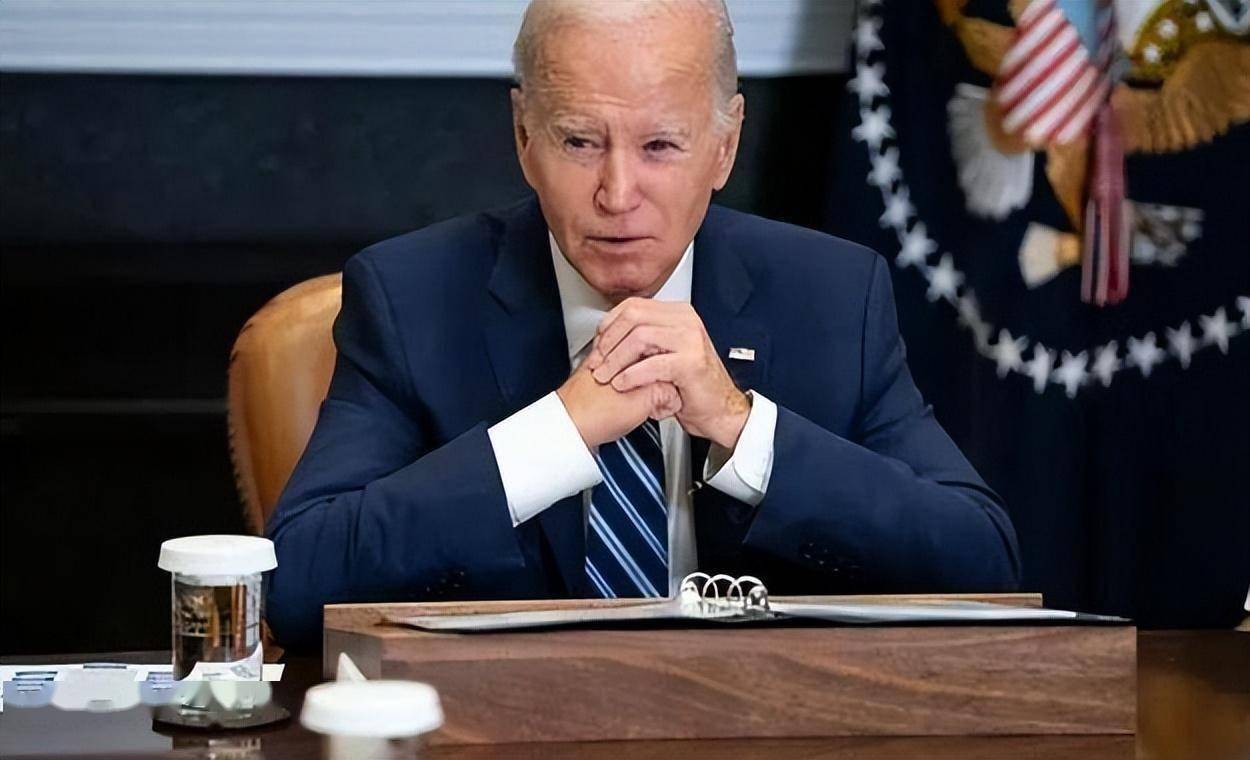
关税战尘埃落定,中国税率意外成全球最低,美国何去何从?
Sou Hu Cai Jing· 2025-07-27 08:04
Group 1 - The article highlights that China has the lowest average import tariff rate among major global economies at 3.1%, significantly lower than the United States at 19.3% and other countries like Canada and Australia [1][8] - The effectiveness of tariffs as a traditional trade protection measure is being challenged in the context of globalization and interconnected supply chains, leading to unintended consequences for countries imposing high tariffs [1][8] - The U.S. tariff strategy against China has resulted in increased costs for American consumers and businesses, ultimately harming the U.S. economy rather than achieving its intended goals [1][3] Group 2 - Chinese manufacturers have demonstrated remarkable adaptability by relocating production lines to countries like Vietnam, Malaysia, and Mexico to circumvent high tariffs while continuing to supply the U.S. market [3] - Europe is taking a more cautious approach towards China, focusing on finding alternative suppliers and building strategic reserves rather than severing ties with China, due to its reliance on Chinese markets for key industries [6] - The global economic landscape is undergoing significant changes, with China's supply chains proving resilient and indispensable despite the ongoing tariff conflicts initiated by the U.S. [8]
关税战最后结果曝光!美国自食其果,中国税率竟成全球最低?
Sou Hu Cai Jing· 2025-07-27 06:18
Group 1 - The article highlights the irony that despite the U.S. imposing high tariffs on Chinese goods, China's average import tariff rate is only 3.1%, the lowest among major economies [3][13] - The U.S. has a significantly higher tariff rate of 19.3% on Chinese imports, leading to increased costs for American consumers and businesses [4][3] - American manufacturers are facing rising production costs due to reliance on Chinese components, which are now more expensive due to tariffs [4][3] Group 2 - Chinese manufacturers are adapting by relocating production to countries like Vietnam and Mexico to avoid U.S. tariffs, thus maintaining access to the American market [8] - The supply chain is becoming more flexible, with a notable increase in throughput at Vietnamese ports as they serve as transit points for goods destined for North America [8] - European countries are cautious in their approach to reducing reliance on China, recognizing the significant costs associated with a complete decoupling from Chinese supply chains [10][11] Group 3 - The global economic landscape is shifting, with China demonstrating resilience and maintaining its competitive edge in mid-to-high-end manufacturing despite the trade tensions [13] - The article suggests that the ongoing trade disputes have not achieved their intended effects, and globalization remains a prevailing trend [13] - The final outcome of the tariff wars has resulted in China having the lowest import tax rate among major global powers, which is unexpected [13]
客群扩容、潜力释放!国际品牌创新消费场景 掀起深耕中国市场转型浪潮
Yang Shi Wang· 2025-07-26 05:55
Core Insights - The total retail sales of consumer goods in China reached 24,545.8 billion yuan in the first half of 2025, with a year-on-year growth of 5%, highlighting the resilience of high-end consumption, particularly in luxury goods [1] - International luxury brands are actively innovating consumer experiences to deepen their presence in the Chinese market [1] Luxury Market Trends - A flagship store of Louis Vuitton in Shanghai has seen a daily visitor count of 2,000, with August bookings fully booked, indicating strong consumer interest [4] - The store's opening has tripled the regional foot traffic, showcasing the impact of luxury brands on local commerce [4] - A new luxury store concept in Shanghai combines exhibition, dining, and retail, creating an immersive cultural experience for consumers [5] Brand and Cultural Integration - Luxury brands are exploring new ways to integrate with local culture, as seen in a renovated old house in Shanghai that offers a unique shopping experience blending local and Italian styles [6] Market Expansion and Digital Transformation - In 2024, 278 monitored luxury brands opened approximately 350 new stores in China, with a focus on first-tier cities and digital upgrades [8] - The second-hand luxury market is gaining traction, with a notable increase in consumer awareness and the rise of circular consumption concepts [9][15] Demographic Shifts in Consumer Base - The second-hand luxury market is seeing a younger demographic, with a growing proportion of male buyers [12] - Stores are diversifying their inventory to include a wide range of products, catering to various consumer needs [13] Future Outlook - The luxury market in China is expected to maintain a positive trajectory, driven by ongoing consumption policies and the potential of younger and lower-tier market consumers [17] - The luxury sector is shifting from "buying new" to "activating existing inventory," indicating a broader evolution in the industry [17]

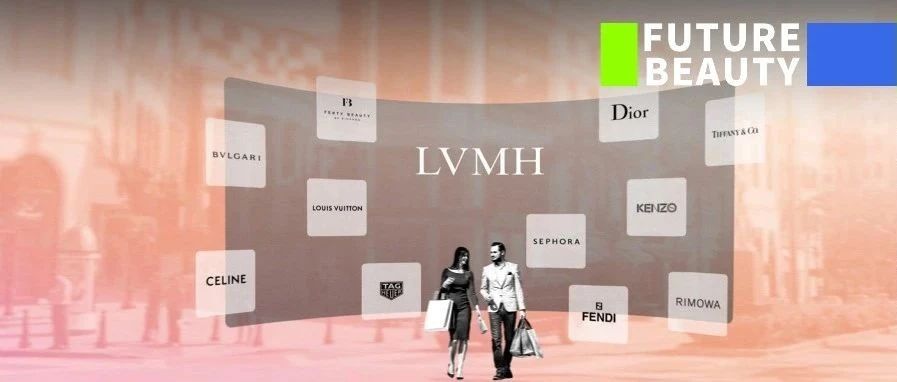
LVMH如何在“奢侈寒冬”续写口红经济?
FBeauty未来迹· 2025-07-26 05:47
Core Viewpoint - LVMH is experiencing significant challenges in the luxury goods market, with a notable decline in overall revenue and profits, yet its high-end beauty segment shows resilience and potential for growth amidst these difficulties [2][4][20]. Financial Performance - Total revenue for the first half of 2025 was €398.1 billion (approximately RMB 3,351.2 billion), a year-on-year decline of 4% [4][7]. - Operating profit decreased by 15% to €90.1 billion (approximately RMB 758.4 billion), with the operating margin dropping to 22.6%, down 2.5 percentage points year-on-year [4][7]. - The Asian market (excluding Japan) saw its share shrink by 2 percentage points to 28% [4][17]. Market Trends - The "Veblen Effect," which traditionally drove luxury consumption, appears to be weakening, particularly among younger consumers who are reassessing the value of luxury goods [6][7]. - Bain & Company warns of significant challenges ahead for the luxury sector, predicting it may face its largest setback in 15 years [7]. Beauty Segment Performance - The Perfumes and Cosmetics division reported stable revenue of €40.8 billion (approximately RMB 343.4 billion), with organic growth remaining flat [20]. - Sephora, as part of the selective retailing segment, achieved revenue of €8.63 billion (approximately RMB 726.7 billion), with a 2% organic growth, marking it as the only department with positive growth in the first half of 2025 [21][22]. Regional Insights - The Asian market's contribution to LVMH's sales has declined, with organic revenue in Japan dropping by 15% due to currency fluctuations affecting tourist spending [17][18]. - In China, LVMH's beauty brands are facing challenges, with classic brands experiencing brand aging and declining transaction volumes despite some increases in transaction value [23][24]. Strategic Initiatives - LVMH is focusing on high-end beauty as a key growth area, with significant investments in brand innovation and market entry strategies targeting younger consumers [20][27]. - The introduction of new beauty products under the Louis Vuitton brand and the expansion of Fenty Beauty in China are part of LVMH's strategy to capture the Z generation market [27][28]. Organizational Changes - Sephora's operations in China are being prioritized, with the global CEO directly overseeing the market to enhance competitiveness [30][33]. - LVMH is restructuring its DFS business and reducing workforce in its wine and spirits division to control costs amid declining luxury demand [34].

LV“巨轮”驶进上海的背后:用温度、精度、速度提亮营商“灯塔”
Zheng Quan Shi Bao Wang· 2025-07-26 04:57
Core Insights - The first China (Shanghai) Innovation Practice Case Release Conference was held on July 25, showcasing 60 typical cases aimed at optimizing the business environment in Shanghai, contributing to its reputation as a global business hub [1][6] - The "Louis Ship," made from stacked Louis Vuitton luggage, symbolizes the successful efforts of the Jing'an District in enhancing the business environment, reflecting its strong external economic characteristics [1] Group 1: Business Environment Optimization - Jing'an District has implemented a "city-district dual leadership" mechanism to ensure efficient project progress and problem-solving, demonstrating a commitment to optimizing business processes [2] - The Tesla Shanghai energy storage super factory project achieved a remarkable turnaround, completing the entire process from investment agreement to construction permit in just 75 days, showcasing the "Shanghai speed" [2] - The Lingang New Area has pioneered a new approval system that combines multiple environmental assessments and permits into a streamlined process, significantly reducing approval times from over 40 days to just 7 days for the Tesla project [3] Group 2: Talent and Economic Growth - The Qingpu District is actively integrating into the Yangtze River Delta's collaborative development, with the Huawei Lianqiuh Lake R&D Center being a key initiative, reflecting a focus on technological innovation [4] - Huawei's projects in Qingpu are projected to generate a total revenue of 34.24 billion yuan and tax revenue of 1.87 billion yuan, indicating strong economic contributions [5] - The influx of high-educated talent due to Huawei's operations is expected to boost local consumption, with a significant number of employees being young graduates, enhancing the district's economic dynamism [5] Group 3: Policy and Regulatory Framework - Since 2018, Shanghai has continuously updated its business environment action plans, achieving significant improvements across various sectors, with 22 out of 59 evaluation points reaching global best levels according to the World Bank [6]
内部立场趋于强硬,做好谈判破裂准备,欧盟亮明对美关税“报复选项”
Huan Qiu Shi Bao· 2025-07-25 23:12
Group 1 - The EU is close to reaching an agreement with the US on a 15% tariff on European products exported to the US, with a potential implementation date of August 7 if negotiations fail [1][2][4] - The EU has prepared countermeasures, including a proposed €93 billion in tariffs on US products, which could reach up to 30% if negotiations do not yield satisfactory results [4][5] - The negotiations are influenced by the US's previous agreements with Japan and the need for President Trump to demonstrate successful outcomes in trade discussions [1][3] Group 2 - The proposed 15% tariff may apply to various sectors, including automobiles and pharmaceuticals, and would not stack on existing tariffs [2][3] - The EU's internal discussions indicate a willingness to accept the 15% tariff as a means to maintain the status quo, potentially reducing the current 27.5% tariff on cars [2][3] - The EU is also considering the activation of the "anti-coercion tool" as a response to US tariffs, reflecting a strong stance among member states [5][6] Group 3 - The deadline for reaching an agreement is approaching, with many unresolved issues remaining, particularly concerning Canada and Mexico, which face significant tariffs if no agreement is reached [6][7] - The cancellation of the US-South Korea "2+2" economic talks raises concerns about the likelihood of reaching a tariff agreement with South Korea before the deadline [7] - Analysts suggest that the US's fluctuating negotiation strategy has created significant uncertainty in global trade [7]
创新场景+文化融合!国际奢侈品品牌掀起深耕中国市场转型浪潮
Sou Hu Cai Jing· 2025-07-25 16:48
Core Insights - In the first half of the year, China's total retail sales of consumer goods reached 24,545.8 billion yuan, with a year-on-year growth of 5% [1] - International luxury brands are actively innovating consumer experiences to deepen their presence in the Chinese market [1] Group 1: Market Trends - A new flagship store in Shanghai combines exhibition, dining, and retail, attracting an average of 2,000 visitors daily, with bookings for August fully booked [3] - The flagship store's opening month saw regional foot traffic increase to three times the usual levels [3] Group 2: Cultural Integration - Luxury brands are exploring new ways to integrate with local culture, exemplified by a renovated old house in Shanghai that offers a unique shopping experience [5] Group 3: Expansion and Upgrades - In 2024, 278 luxury brands are expected to open approximately 350 new stores in China, with 215 in first-tier cities and 137 in non-first-tier cities [7] - 89 brands are set to upgrade 430 stores, focusing on digital transformation and enhancing customer service spaces [7] Group 4: Shift in Business Strategy - International luxury brands are shifting from selling products to promoting a lifestyle, utilizing various non-store formats to create synergies with traditional retail [9]

LVMH销售下滑或触底 投资者看好转机推动股价反弹
news flash· 2025-07-25 10:29
LVMH销售下滑或触底 投资者看好转机推动股价反弹 金十数据7月25日讯,在连续一个季度销售下滑后,投资者押注全球奢侈品巨头LVMH的困境可能即将 缓解,推动其股价反弹。LVMH股价盘中一度上涨5.1%,扭转早前跌势。该公司近期受到消费需求低迷 和美国加征关税的严重冲击。LVMH周四表示,其关键的时尚与皮具部门第二季度营收按可比口径下降 9%,差于分析师预期的7.8%降幅。分析师指出,从本次财报与管理层电话会传递的信息来看,市场趋 势或已改善,同时公司正在采取措施控制高成本。汇丰分析师Erwan Rambourg团队在报告中表示:"结 果显示公司正在迅速推行效率提升措施,同时也看到销售下滑可能已见底的曙光。" ...