
文旅

Search documents
政企协同 “票根经济”流量变“留量”
Zheng Quan Ri Bao· 2026-01-13 23:55
Core Insights - The "ticket root economy" is emerging as a new engine for winter consumption, integrating various consumption scenarios and acting as a "city pass" that connects dining, accommodation, transportation, tourism, shopping, and entertainment [1] Group 1: Market Trends - As the winter vacation approaches, the ticket root economy is expected to activate regional consumption and promote industrial upgrades by linking various consumption scenarios through ticket integration [1] - The term "ticket root economy" has been recognized as one of the "Top Ten New Words" for 2025, indicating its growing significance in the market [2] Group 2: Case Studies - During the New Year holiday, Qingdao Tourism Group successfully sold 5,901 tickets by offering half-price promotions for travelers arriving in the city, demonstrating the effective conversion of visitor flow into consumption [2] - In Chongqing's Fuling District, various ticket types, including concert tickets and exam admission tickets, can be used for discounts at local attractions and accommodations, showcasing the broadening scope of the ticket root economy [3] Group 3: Industry Analysis - The rise of the ticket root economy reflects the convergence of consumption upgrades, cultural tourism, and precise marketing, transforming ticketing into a flow link for comprehensive consumption [2][3] - The ticket root economy addresses high customer acquisition costs and fragmented consumption scenarios, creating a win-win situation for businesses and consumers [2] Group 4: Future Innovations - Future innovations in the ticket root economy could include deeper technological integration, expanding ecological boundaries to include green consumption and charity, and establishing national data standards and rights guidelines [4] - The industry is encouraged to explore a "reverse ticket root" model, where consumption invoices can be exchanged for attraction tickets, enhancing dual-directional flow [5]
激活文旅IP的生命力(延伸阅读)
Ren Min Ri Bao· 2026-01-13 23:00
Core Insights - During the "14th Five-Year Plan" period, China's cultural industry is steadily advancing towards high-quality development, with the creative transformation and innovative development of cultural tourism IP becoming key engines [1] - The integration of cultural resources and market consumption serves as a bridge, activating the cultural creative, digital content, and brand licensing industries through deep exploration and modern interpretation of cultural values [1] Group 1: Trends and Developments - Systematic, digital, and integrated approaches are emerging as new trends, with local cultures being deeply cultivated to create recognizable and emotionally connected IP systems [1] - Cities like Chongqing with "Magical Mountain City" and Xi'an with "Prosperous Tang Atmosphere" have gained popularity, leveraging landscapes and historical narratives to enhance experiential appeal [1] - Super IPs like the Forbidden City and Dunhuang continue to innovate, with cultural products, digital exhibitions, and cross-industry collaborations revitalizing excellent traditional culture [1] Group 2: Technological Empowerment and Industry Integration - The widespread application of new technologies is a highlight, facilitating the expansion of IP from physical to digital spaces, leading to the emergence of digital collectibles, online immersive performances, and metaverse projects [1] - The collaboration between cultural tourism IP and industries such as film, animation, and gaming is continuously strengthening through co-creation of stories, image licensing, and scene integration [1] Group 3: Future Outlook - Looking ahead to the "15th Five-Year Plan," the cultural tourism IP is expected to drive the cultural industry forward, requiring a foundation in cultural richness and a bold embrace of transformation [1] - Continuous efforts are needed in areas such as deepening connotations, technological leadership, cross-industry collaboration, and international expression [1] - The goal is to create a complete ecosystem encompassing creativity, products, operations, and marketing, shaping immersive, interactive, and personalized experiences in cultural tourism consumption, and promoting the "going out" of Chinese cultural tourism IP with a more vibrant IP matrix to drive industry prosperity [1]
珠海:“百会进百村”助力“百千万工程”
Xin Lang Cai Jing· 2026-01-13 22:55
Core Insights - The "Baihui into Bai Village" initiative in Zhuhai, Guangdong, has shown significant progress in supporting the "Hundred Million Project" aimed at rural revitalization, with a focus on deepening collaboration between business associations and local villages [1][4] - The initiative has mobilized over 800 million yuan in social investment, resulting in more than 160 support projects, including 76 million yuan in industrial investments that have fostered vibrant new rural businesses [2] Group 1: Initiative Overview - The "Baihui into Bai Village" action was launched in 2022 to enhance the participation of private enterprises in rural revitalization, achieving a pairing of 122 business associations with 122 administrative villages for comprehensive support [1] - The initiative has created a multi-faceted support structure focusing on industrial assistance, ecological construction, and improving livelihoods [1] Group 2: Financial Impact - The initiative has attracted over 800 million yuan in social investment, with 76 million yuan specifically directed towards industrial investments that have led to the emergence of distinctive rural businesses [2] - Successful projects include the "Lantern Village Sauerkraut Fish" brand and the establishment of a cultural tourism complex in Jinwan, which have enhanced local economic activity [2] Group 3: Community Engagement - The initiative has facilitated ecological improvements, with over 4.2 million yuan invested in planting more than 120,000 trees, contributing to a more livable environment [2] - Business associations have played a crucial role in implementing these projects, with a focus on creating a win-win model for enterprises and rural communities [3] Group 4: Future Directions - The Zhuhai Municipal United Front Work Department plans to deepen the "Baihui into Bai Village" initiative, focusing on long-term collaboration mechanisms and key areas such as industrial empowerment and talent support [4] - The goal is to attract more private enterprises and social resources to participate in rural revitalization, contributing to the construction of a modern urban model in Zhuhai [4]
发票藏“红包”,你抽到了吗?
Ren Min Ri Bao Hai Wai Ban· 2026-01-13 22:49
Core Viewpoint - The Chinese government is launching a pilot program to promote consumer spending through a lottery system based on invoices, aiming to stimulate demand and enhance consumption across approximately 50 cities [4][11]. Group 1: Policy Implementation - The Ministry of Finance, Ministry of Commerce, and State Taxation Administration have confirmed the support for around 50 cities to conduct a pilot program for prize invoices, with a minimum invoice amount of 100 yuan and a maximum prize of 800 yuan per invoice [4][11]. - The pilot program will last for six months, allowing cities to determine the specifics of the lottery, including the prize structure and winning invoice amounts [4][11]. Group 2: Historical Context - The concept of prize invoices is not new in China, having been implemented in various forms since 2016, aimed at enhancing tax compliance and consumer engagement [5][6]. - Previous initiatives in provinces like Guangdong and Jiangsu have shown positive results, with significant increases in invoice issuance and consumer participation [6][8]. Group 3: Economic Impact - The introduction of prize invoices is expected to boost consumer spending by creating excitement around shopping experiences, thereby converting potential demand into actual purchases [7][11]. - The program is designed to cover essential consumer activities such as shopping, dining, and entertainment, directly impacting daily life and consumption patterns [11][12]. Group 4: Tax Compliance and Benefits - The initiative is anticipated to improve the issuance of value-added tax (VAT) invoices, which are crucial for tax deductions and compliance [8][9]. - By encouraging consumers to request invoices, the program aims to enhance tax compliance among businesses and reduce tax evasion, ultimately benefiting the national economy [9][10]. Group 5: Funding and Support - Central government funding will support the pilot cities, with allocations based on city size, ensuring that financial resources are effectively utilized to maximize consumer engagement [12][13]. - The funding structure includes up to 3 billion yuan for super-large cities, 2 billion yuan for large cities, and 1 billion yuan for smaller cities, promoting targeted spending in sectors with high consumer potential [12][13].

“买心情”如何重塑假日消费
Jing Ji Ri Bao· 2026-01-13 22:12
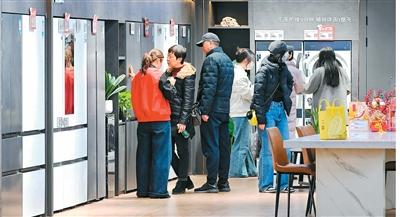
Group 1 - The core viewpoint of the articles highlights the rising trend of emotional consumption in China's cultural and tourism market, driven by a shift from material satisfaction to emotional experiences [1][2] - The concept of "self-indulgent" consumption is gaining traction, with consumers increasingly willing to pay for emotional value, reflecting a societal need for emotional belonging and self-actualization [1][2] - The release of policy benefits and improvements in infrastructure are making "self-indulgent" consumption more accessible, as seen with the operational opening of the Xi'an to Yan'an high-speed railway, which has significantly increased tourist traffic to local attractions [1] Group 2 - The potential of emotional consumption can be further unlocked through personalized services tailored to different consumer groups, such as "healing" products for professionals and nostalgic experiences for older adults [2] - A more mature and comprehensive supply ecosystem is essential for enhancing the vitality of the emotional consumption market, as suggested by the "14th Five-Year Plan" which emphasizes the expansion of quality consumer goods and services [2] - Technological empowerment is seen as a key factor in expanding quality supply, with recommendations for strengthening smart consumption infrastructure and encouraging AI technology in health management and cultural entertainment [2]
不贪胜,方致远(人民论坛)
Ren Min Ri Bao· 2026-01-13 22:10
Group 1 - The core idea emphasizes the importance of strategic foresight and patience in both chess and development, advocating for long-term planning over short-term gains [1][2][6] - Local development often faces trade-offs, such as pursuing high-investment projects that may harm the environment, necessitating careful decision-making [2] - The concept of "舍" (sacrifice) in development is highlighted, where innovative thinking can transform challenges into opportunities, as seen in successful projects in Jiangsu and Shandong [3] Group 2 - Collaboration and complementary strengths among regions, such as Hong Kong, Shenzhen, and Guangzhou, enhance industrial resilience and innovation [3][4] - The integration of infrastructure and coordinated regional development is crucial for sustained economic growth and innovation [4] - The rapid advancement of AI in China is attributed to a combination of strategic planning, abundant resources, and significant talent development, with Chinese experts comprising 47% of top global AI researchers [5]
万亿元消费城市之争 中部不再“缺位”
Mei Ri Jing Ji Xin Wen· 2026-01-13 17:24
Core Insights - Wuhan's GDP is projected to grow by approximately 6% by 2025, marking the highest growth rate in four years, with retail sales expected to exceed 900 billion yuan, indicating progress towards a trillion yuan consumption target [1][2] - The city is emerging as a competitive player in the consumption market, alongside Hangzhou and Nanjing, with retail sales rebounding to 700 billion yuan in 2023 and expected to surpass 900 billion yuan in 2025 [2][3] Economic Growth and Consumption - Wuhan's government aims for a retail sales target of over 1.07 trillion yuan by 2027 as part of its action plan to establish itself as an international consumption center [1] - The retail sales growth reflects a shift in consumer behavior and market dynamics, with Wuhan's consumption market showing new momentum [2] Emerging Trends and Cultural Impact - The rise of "internet celebrity" products, such as the "Garlic Bird," has provided Wuhan with a unique opportunity to enhance its cultural and consumption appeal, achieving over 1 million yuan in sales in a single month [3][4] - The cherry blossom season has become a significant draw for tourism, with over 1 million visitors in 2025, indicating a blend of cultural and commercial activities that enhance consumer engagement [4][8] Tourism and External Consumption - A significant portion of visitors during the cherry blossom season are from outside Wuhan, contributing to local economic growth, with external tourists generating approximately 1.2 billion yuan in direct consumption [8][9] - Wuhan's tourism revenue reached 217.04 billion yuan during the 2025 National Day and Mid-Autumn Festival, showcasing its position as a leading economic city [8][9] Retail and E-commerce Growth - Wuhan's online retail sales grew by 9.51% to 268.06 billion yuan in the first eight months of 2025, indicating a shift towards digital consumption [11] - The transformation of traditional retail spaces, such as Han Zheng Street, into hubs for live-streaming commerce has significantly boosted sales, with clothing revenue surpassing 100 billion yuan [11] Challenges and Opportunities - Despite strong growth, Wuhan's per capita tourism spending remains lower than that of Nanjing and Hangzhou, highlighting potential for further development in local consumption [12][14] - The city is focusing on enhancing local consumer spending through initiatives aimed at increasing disposable income and promoting new consumption trends, such as outdoor camping and electric vehicles [12][15] Strategic Positioning - Wuhan's geographical advantage as a transportation hub allows it to connect with surrounding provinces, enhancing its role as a consumption center [10] - The city's focus on emerging industries, including new energy vehicles and technology sectors, positions it to capture future consumer trends and drive economic growth [15]
政企协同“票根经济”流量变“留量”
Zheng Quan Ri Bao· 2026-01-13 17:10
Core Insights - The "ticket root economy" is emerging as a new engine for winter consumption, integrating various consumption scenarios and acting as a "city pass" that connects dining, accommodation, transportation, tourism, shopping, and entertainment [1] Group 1: Market Trends - As the winter holiday approaches, the ticket root economy is expected to activate regional consumption and promote industrial upgrades by linking various consumption scenarios [1] - The term "ticket root economy" has been recognized as one of the "Top Ten New Words" for 2025, indicating its growing significance in the market [2] Group 2: Case Studies - Qingdao Tourism Group successfully converted 5,901 tickets into "sea consumption" through a promotional campaign that offered half-price tickets for arrivals [2] - Chongqing Fuling District is expanding the scope of the ticket root economy by allowing various tickets, including exam admission tickets, to provide discounts at local attractions [3] Group 3: Economic and Social Implications - The rise of the ticket root economy reflects the deep integration of digital economy and experiential consumption, enhancing consumer efficiency and value [3] - The ticket root serves as a credible data carrier, facilitating resource optimization, precise subsidies, and improved industry regulation [3] Group 4: Future Innovations - Future innovations in the ticket root economy could include deeper technological integration, expansion into green consumption and charity, and the establishment of national data standards [4][5] - The industry could explore a "reverse ticket root" model, allowing consumers to exchange purchase invoices for attraction tickets, thereby creating a dual flow of consumer engagement [5]
代州黄酒品牌门店联合开业 以酒为媒促消费助文旅
Sou Hu Cai Jing· 2026-01-13 14:18
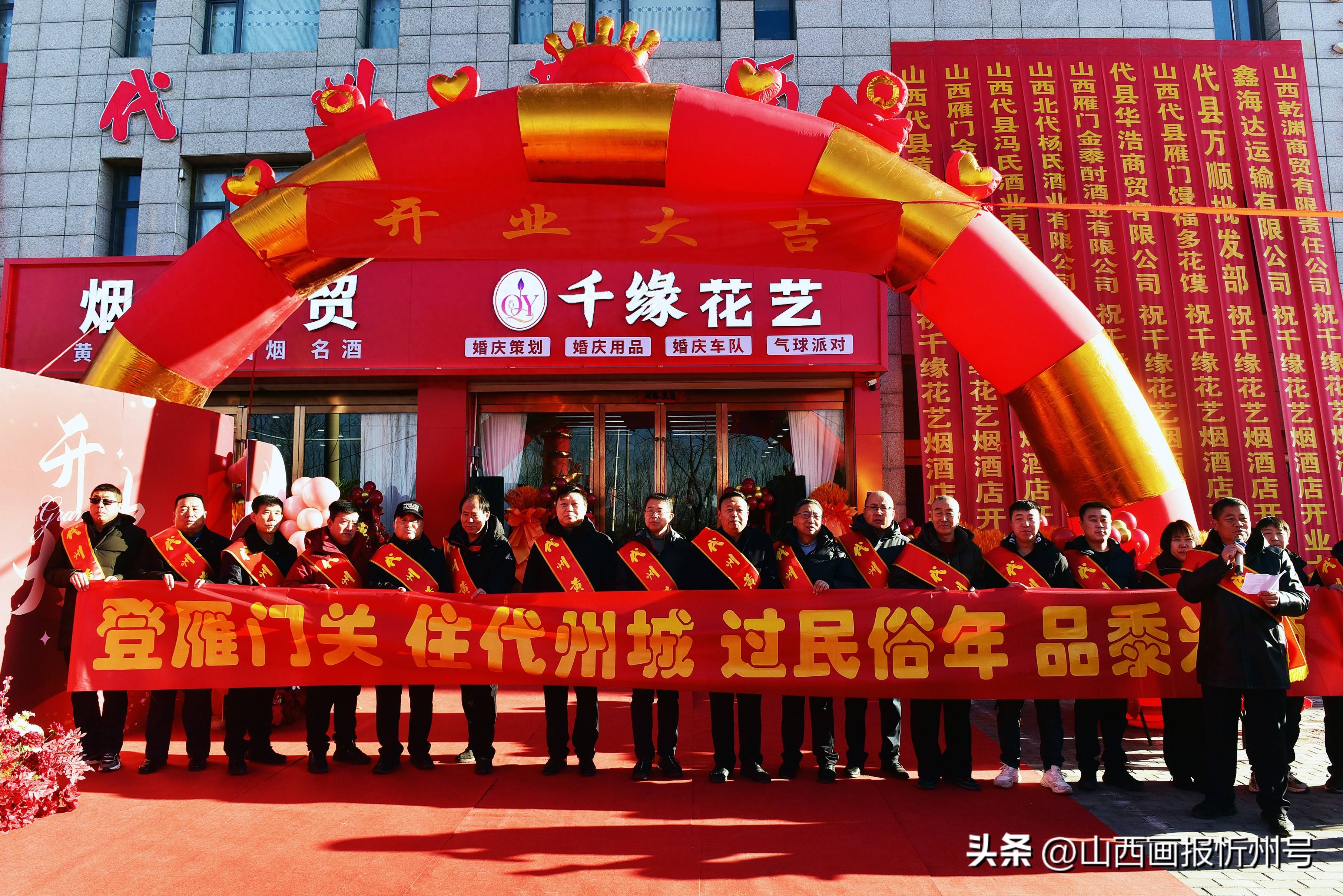
Core Viewpoint - The joint opening of 11 brand stores in Daizhou aims to activate the consumer market and promote the integration of culture and tourism through the medium of Huangjiu (yellow wine) [3][16]. Group 1: Event Overview - The joint opening event was organized by the Daizhou Huangjiu Industry Association and took place on January 11, featuring simultaneous activities in both the new city and ancient city districts [3][16]. - The event included various brand stores such as Qianyuan Store, Fenbai Dai Huang Specialty Store, and Huangjiu Flagship Store, located in key areas like Xinfeng Community and the Ancient City Tourist Center [7][16]. Group 2: Activities and Engagement - The opening ceremony featured cultural explanations of Huangjiu, free tastings, and guided tasting services, allowing citizens and tourists to experience the brewing heritage and rich flavor of Daizhou Huangjiu [16]. - The atmosphere was festive, with local leaders, industry representatives, and cultural scholars participating in the event, promoting the slogan "Come to Daizhou, eat braised fish, drink Huangjiu, and celebrate the folk year" [7][16]. Group 3: Future Plans and Goals - The event is seen as a practical step towards high-quality development in the cultural tourism industry, aiming to accumulate experience and explore operational models for the market-oriented development of Daizhou Huangjiu [16]. - Future plans include expanding the brand store layout to attract domestic and international tourists, enhancing the local cultural tourism experience [16].
谁是云南下一个千亿产业?“十五五”产业强省行动计划出炉
Xin Lang Cai Jing· 2026-01-13 12:34
Core Viewpoint - The Yunnan Provincial Government has issued an "Action Plan" aimed at accelerating the construction of a modern industrial system, targeting an industrial output value exceeding 2 trillion yuan by 2027, with a focus on enhancing the proportion of non-tobacco and non-energy industries in the overall industrial structure by approximately 3 percentage points [1] Group 1: Resource-based Industries - The plan emphasizes strengthening resource-based industries, particularly in green aluminum, silicon photovoltaic, phosphorus chemical, and non-ferrous and precious metals sectors [2] - By 2027, the aluminum alloy rate is expected to reach around 80%, with the green aluminum industry chain's output value projected to be approximately 250 billion yuan [2] - The phosphorus chemical industry aims for an output value of 100 billion yuan, with a target of over 80% for the comprehensive utilization rate of phosphogypsum [2] - The non-ferrous metal industry is projected to exceed 550 billion yuan in output value, with a production target of over 10 million tons for 10 types of non-ferrous metals by 2027 [2] Group 2: Characteristic Advantage Industries - The plan identifies five key sectors for enhancing characteristic advantage industries: highland characteristic agriculture, cultural tourism, green energy, tobacco, and modern logistics [3] - By 2027, the total output value of agriculture, forestry, animal husbandry, and fishery is expected to exceed 720 billion yuan [3] - The tourism sector aims for total spending of 1.4 trillion yuan, with the tourism industry's added value accounting for over 8% of regional GDP [3] - The green energy sector targets an installed power capacity of 180 million kilowatts, with clean energy accounting for 90% of the total [3] - The tobacco industry aims for an output value of 192 billion yuan by 2027 [3] - The logistics sector targets over 220 national A-level logistics enterprises and a total social logistics volume of around 6 trillion yuan [3] Group 3: Strategic Emerging and Future Industries - The plan outlines the development of six strategic emerging industries: biomedicine, new materials, advanced equipment manufacturing, digital economy, low-altitude economy, and biomanufacturing [4] - The biomedicine sector aims for revenue of 350 billion yuan by 2027 [4] - The new materials industry is projected to exceed 120 billion yuan in output value [4] - The renewable battery sector targets an output value of over 40 billion yuan, while advanced equipment manufacturing (excluding electronics) aims for over 100 billion yuan [4] - The digital economy's core industry revenue is expected to reach 320 billion yuan [4] - The low-altitude economy is projected to achieve a scale of over 20 billion yuan by 2027 [4] Group 4: Policy Measures - The action plan proposes policy measures focusing on strengthening technological empowerment, optimizing the development environment, deepening open cooperation, and enhancing support and guarantees [5] - It emphasizes the need for region-specific development of local advantages and characteristic industries while accelerating breakthroughs in non-tobacco and non-energy industries [5]