半导体

Search documents
下周外盘看点丨 美联储领衔央行超级周,英伟达GTC会带来什么惊喜
Sou Hu Cai Jing· 2026-03-15 02:57
Market Overview - The blockage of the Strait of Hormuz has led to a surge in oil prices, raising concerns about inflation and economic outlook. The Dow Jones fell by 1.99%, the Nasdaq by 1.26%, and the S&P 500 by 1.60% over the week [1] - European indices also declined, with the FTSE 100 down 0.23%, DAX 30 down 0.61%, and CAC 40 down 1.03% [1] Federal Reserve and Economic Data - The Federal Reserve is expected to maintain the federal funds target rate at 3.50%–3.75% during the upcoming policy decision, marking the second consecutive meeting without a change [2] - Investors are particularly interested in how the Fed will address the rising energy prices due to Middle Eastern conflicts and their potential impact on inflation [2] - Key upcoming U.S. economic data includes February industrial production, producer price index (PPI), and initial jobless claims [2] Nvidia's Global Technology Conference - Nvidia's annual Global Technology Conference (GTC) is set to take place from March 16 to 19, where CEO Jensen Huang is expected to announce significant AI-related developments that could impact tech stocks [3] Oil and Gold Market - Oil prices have risen for the fourth consecutive week due to disruptions in the Strait of Hormuz, with WTI crude up 8.59% to $98.57 per barrel and Brent crude up 11.27% to $103.14 per barrel [4] - The International Energy Agency (IEA) agreed to release 400 million barrels from emergency reserves, but market concerns remain high due to ongoing threats to shipping routes [4] - Gold and silver prices fell, with COMEX gold futures down 2.65% to $5022.11 per ounce and silver down 3.46% to $80.914 per ounce [4] Central Bank Actions - The European Central Bank (ECB) is expected to adjust its stance due to the impact of the Middle Eastern conflict on energy prices, with market expectations for rate hikes before July [5] - The Bank of England is likely to maintain its rate at 3.75% amid rising inflation concerns, with January's inflation rate reported at 3.0% [5] - The UK money market is pricing in a 70% probability of a rate hike by the end of the year, although some analysts suggest potential rate cuts if the conflict does not persist [6] Upcoming Economic Events - Key economic data releases next week include the ZEW Economic Sentiment Index for Germany and the Eurozone, as well as CPI figures for Italy and the Eurozone [5][6] - The schedule also includes various corporate earnings reports from companies like Micron Technology, General Mills, and Alibaba [3][7]



英伟达,急了!
半导体行业观察· 2026-03-15 02:20
Core Viewpoint - The AI computing power industry is experiencing unusual signals, with changes in demand and infrastructure uncertainties impacting the structure of the AI supply chain [2]. Group 1: Changes in AI Computing Demand - NVIDIA has been a dominant player in the AI supply chain, benefiting from explosive growth in GPU demand, with orders often exceeding a year [2]. - OpenAI's Stargate project, initially a massive $500 billion investment plan for 10GW of AI computing infrastructure, has faced delays and adjustments, impacting its expansion plans [4][6]. - The shift in focus from chip supply to infrastructure bottlenecks is becoming evident, as AI data centers require significant power and resources [7]. Group 2: Middle East as a New Battlefield - The Middle East is emerging as a critical region for AI infrastructure, with approximately 170 existing data centers and plans for an additional 111 projects, aiming for a future capacity of 4.5GW [9][11]. - Countries like Saudi Arabia and the UAE are investing heavily in AI infrastructure, with significant commitments from companies like Oracle, AWS, and Microsoft [14][16]. - The region's combination of capital, land, energy, and favorable policies makes it an attractive location for AI data centers [13]. Group 3: Geopolitical Risks - Geopolitical tensions in the Middle East pose risks to AI infrastructure, as evidenced by AWS data centers being damaged in drone attacks [18]. - The ongoing conflicts could lead to increased investment and financing costs, impacting project timelines and returns [19]. - The uncertainty surrounding these geopolitical issues may lead to a reevaluation of demand expectations for AI computing resources [20]. Group 4: Future of AI Infrastructure - The competition in the AI landscape is shifting from GPU battles to infrastructure battles, focusing on data centers, power, and geopolitical factors [22]. - NVIDIA's role is evolving from merely selling GPUs to ensuring that there are adequate facilities and resources for their chips to be utilized effectively [22].
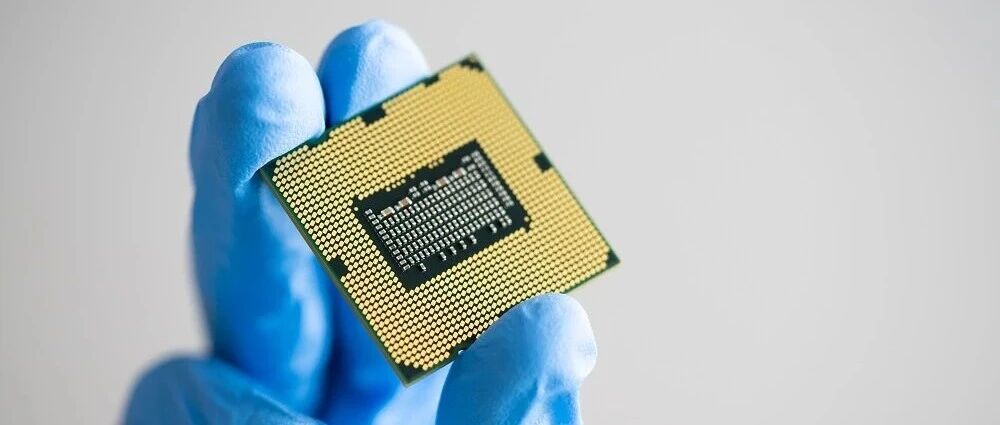
中国高校携手,单片异质集成芯片与重构技术
半导体行业观察· 2026-03-15 02:20
Core Viewpoint - The article discusses the advancements in GaN/Si CMOS heterogeneous integration technology, emphasizing its potential to meet the increasing multifunctional demands of integrated circuits driven by AI and machine learning applications. The collaboration between Fudan University and Jiangnan University focuses on overcoming challenges in material integration and process design to enhance chip performance and efficiency [2][4][29]. Group 1: Heterogeneous Integration Process and Collaborative Design - The research optimizes a 6-inch GaN/CMOS IC heterogeneous integration scheme based on a 3 μm 20 V process, achieving a breakthrough in the integration of analog devices with GaN materials [8]. - A complete SPICE model for the heterogeneous integration system was constructed, demonstrating higher integration density and smaller form factor compared to traditional all-GaN or all-Si technologies [9]. - The integration platform is divided into three functional modules: silicon process module, interface process module, and GaN process and integration module, with the silicon module being the most challenging [9]. Group 2: Device Characterization and Performance - The electrical performance of the fabricated devices was characterized, showing NMOS transistors with threshold voltages ranging from 1.6 V to 2.5 V, indicating successful optimization for analog circuit applications [13]. - The GaN HEMT device demonstrated a maximum drain current of 300 mA/mm, showcasing a high current density approximately 40 times that of similar silicon-based devices, with a low on-resistance of 9.675 mΩ・cm² [15]. - The developed DC-DC buck converter based on the GaN/Si CMOS integration platform achieved a total power loss reduction from 752.68 mW in all-GaN solutions to 183.41 mW, highlighting the efficiency of the integrated design [27][28]. Group 3: Modeling and Parameter Extraction - A high-precision SPICE model was constructed for the GaN/Si CMOS heterogeneous integration system, utilizing the advanced ASM-HEMT model tailored for GaN HEMT devices [19]. - The model extraction process involved detailed parameter fitting, achieving a root mean square error of only 2.68%, indicating a strong match between simulated and measured electrical characteristics [22]. Group 4: Conclusion and Future Prospects - The established GaN/Si CMOS heterogeneous integration platform effectively combines silicon-based CMOS control logic, silicon-based rectifiers, and GaN switching devices, overcoming the limitations of both all-GaN and all-Si solutions [29]. - The integration of materials and processes within the GaN/Si CMOS technology demonstrates significant potential for high-performance power electronic systems in AI applications, indicating a promising future for this technology [29].

英特尔否认分拆
半导体行业观察· 2026-03-15 02:20
Core Viewpoint - Intel's latest processor for the RAN market, Granite Rapids, symbolizes the company's struggle to stabilize amidst significant revenue declines and restructuring efforts, yet it remains committed to the RAN sector and aims to leverage its new technology to regain market confidence [2][3]. Group 1: Financial Performance and Restructuring - Intel's revenue plummeted from $79 billion in 2021 to under $53 billion last year, with a prior loss of $19 billion [2]. - After securing $7 billion in funding from Nvidia and SoftBank, Intel abandoned plans to divest its Network and Edge Group (NEX) [2]. - Despite stagnant sales, Intel reported a net profit of $26 million last year, with stock prices recovering from around $20 to approximately $46 [2]. Group 2: Market Position and Client Relationships - Intel has reaffirmed its commitment to the RAN market, with NEX General Manager Christina Rodriguez stating that the company will not exit this sector [3]. - Intel remains the only commercial option in the virtual RAN market, which is crucial for major 5G network players like Samsung and Ericsson [3][4]. - Ericsson's dependence on Intel for chip supply is highlighted, with industry insiders noting that the company is "tied" to Intel [4]. Group 3: Product Development and Technology - The anticipated growth of the 5G chip market was overestimated, with actual sales figures falling short of Intel's projections [5]. - NEX's overall revenue decreased from $8.4 billion in 2022 to $5.8 billion in 2024, although its operating profit margin improved from 4% to 16% [5]. - Granite Rapids features a 72-core processor designed to reduce deployment costs and improve efficiency in RAN processes, integrating advanced technologies like AVX-512 and vRAN Boost [8][10]. Group 4: Competitive Landscape and Future Outlook - The rise of Nvidia's GPUs poses a challenge to Intel, as concerns grow over the performance and efficiency of general-purpose CPUs compared to specialized chips [8]. - Rodriguez asserts that Granite Rapids can meet RAN needs at a lower cost, countering the narrative that GPUs are necessary for RAN applications [10][11]. - Despite setbacks, Intel is optimistic about its future in the RAN market, with ongoing development of next-generation products [12].

马斯克自建晶圆厂,重磅官宣
半导体行业观察· 2026-03-15 02:20
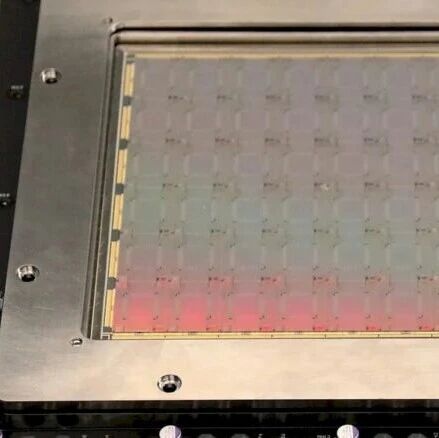
Core Viewpoint - Elon Musk plans to announce the construction of a chip factory, named "TeraFab," in 7 days to address Tesla's chip supply bottleneck amid soaring demand in the semiconductor industry driven by artificial intelligence [2][6] Group 1: TeraFab Project - The TeraFab project aims to integrate storage, chip manufacturing, and packaging within the same facility, which Musk claims is the only way to achieve the required production scale [2] - Musk envisions an annual production capacity of 100 billion to 200 billion chips, potentially making TeraFab one of the largest chip factories globally, surpassing TSMC's capacity [2][6] - The project is seen as a response to the urgent need for the U.S. to expand its domestic semiconductor industry and reduce reliance on foreign manufacturers like TSMC [4] Group 2: Challenges and Industry Response - Experts express skepticism about Musk's ambitious plans, citing the high technical barriers and significant investment required for advanced chip manufacturing [3][7] - Nvidia's CEO Jensen Huang highlighted the complexities of establishing advanced chip manufacturing capabilities, emphasizing that it involves more than just financial investment [7] - Tesla currently relies on a dual-sourcing strategy with TSMC and Samsung for chip production, while also considering partnerships with Intel for potential collaboration [7] Group 3: Industry Context - The semiconductor industry is experiencing unprecedented demand, particularly for AI chips, which has led to supply chain vulnerabilities for companies like Tesla, Nvidia, and AMD [4][6] - The example of the Japanese startup Rapidus illustrates the challenges new entrants face in establishing advanced manufacturing capabilities, with significant investments and time required to achieve production readiness [8][9]


这一巨头,看好大芯片
半导体行业观察· 2026-03-15 02:20
Core Insights - Amazon Web Services (AWS) plans to deploy Cerebras-designed processors in its data centers, marking a significant trust in the AI-focused startup [2] - The collaboration highlights a shift in the computing market from AI model training to inference, as companies seek lower latency and higher response speeds [2] - AWS has historically relied on its own semiconductor division, Annapurna Labs, but is now diversifying its supplier base [2] Financial Agreements - OpenAI has signed a deal worth over $10 billion with Cerebras to provide computing power for its ChatGPT, reviving interest in the startup [3] - Cerebras has completed a new funding round of $1 billion, bringing its total funding to $2.6 billion and post-money valuation to approximately $23 billion [3] - AWS plans to combine Cerebras chips with its own Trainium chips to optimize inference computing solutions [3] Competitive Landscape - The partnership poses a new challenge to Nvidia, which is facing increasing competition from specialized chip manufacturers [4] - Nvidia has signed a $20 billion licensing agreement with startup Groq and plans to release a new inference-optimized processing system [4] Service Offerings - AWS and Cerebras aim to provide one of the fastest inference computing solutions in the industry, with a focus on high-end service pricing [5] - The goal is to enhance speed and reduce costs, while still offering lower-speed, lower-cost options based solely on Trainium [5] - Cerebras positions its chips as "ultra-fast inference solutions," claiming speeds up to 25 times faster than Nvidia GPUs in critical decoding tasks [3][5]
投资大家谈 | 景顺长城科技军团3月观点
点拾投资· 2026-03-15 02:04
Core Viewpoint - The article emphasizes the importance of a balanced market environment for investment opportunities, particularly in the technology sector, while acknowledging the challenges posed by high valuations and macroeconomic factors [2][3]. Group 1: Market Outlook - AI-related companies face significant challenges in further increasing their market value due to already high valuations [2]. - The technology growth remains a key investment theme, but the market style is expected to be more balanced compared to 2025 [3]. - The first quarter of 2026 is anticipated to show strong performance in the equity market, driven by coordinated domestic policies and a new round of interest rate cuts by the Federal Reserve [3]. Group 2: AI and Technology Developments - Nvidia's latest financial report indicates a revenue of $68.1 billion for FY26Q4, exceeding guidance, with a Non-GAAP gross margin of 75% [4]. - The transition of AI agents from "dialogue" to "execution" is expected to drive exponential growth in model token usage, indicating a significant shift in AI capabilities [4]. - The AI investment landscape is expanding beyond traditional IDC supply chains to include sectors like power grids and renewable energy, reflecting a broader economic impact [11]. Group 3: Investment Strategies - The investment strategy focuses on "quality tracks + performance certainty" as the core source of excess returns, with an emphasis on technology innovation, overseas expansion, and traditional industry recovery [6]. - The current market is characterized by short-term trading strategies, with a focus on sectors like energy, materials, and traditional heavy asset industries [7][8]. - The healthcare sector is viewed as an attractive investment opportunity due to its strong fundamentals and current price misalignment [12]. Group 4: Sector-Specific Insights - The energy and resource sectors are expected to benefit from global liquidity conditions and domestic policy support, with a focus on companies with strong cash flow and governance [13]. - The renewable energy sector, particularly in solid-state battery technology and energy storage, is seen as a promising area for investment due to rapid advancements and increasing demand [15]. - The AI sector is anticipated to see significant growth in 2026, with a focus on domestic AI capabilities and the potential for increased returns from supply-constrained assets [16][17].

长三角首台“华龙一号”核电机组成功并网;第二艘国产大型邮轮完成坞内起浮丨智能制造日报
创业邦· 2026-03-15 01:32
Group 1 - The second domestically produced large cruise ship "Aida Huacheng" successfully completed its floating test on March 14, with plans for system debugging and interior completion, aiming for sea trials by the end of May and delivery by the end of the year [2] - The first "Hualong One" nuclear power unit in the Yangtze River Delta successfully connected to the grid on March 12, marking its capability to supply electricity and entering the load test operation phase, with commercial operation expected in the first half of 2026 [2] - Samsung Electronics and NVIDIA announced a collaboration to develop next-generation ferroelectric NAND flash memory, significantly improving analysis speed by over 10,000 times compared to existing methods, focusing on performance modeling for ferroelectric NAND devices [2]

海外策略周报:中东地缘问题延续,全球市场继续回调
HUAXI Securities· 2026-03-15 00:35
Market Overview - Global markets continued to decline this week due to escalating geopolitical issues in the Middle East, with major U.S. indices experiencing pullbacks[1] - The VIX index peaked above 35, indicating increased market volatility[1] - The S&P 500, Nasdaq, and Dow Jones indices fell by 1.60%, 1.26%, and 1.99% respectively[2][11] U.S. Market Insights - The S&P 500's Shiller P/E ratio remains high at 38.33, suggesting potential overvaluation[1] - The TAMAMA Technology Index's P/E ratio is at 32.01, while the Philadelphia Semiconductor Index is at 41.31, indicating high valuations in tech stocks[1] - Despite potential short-term rebounds, mid-term pressures for corrections in U.S. financial, consumer, and industrial sectors are anticipated due to high valuations and geopolitical uncertainties[1] European Market Performance - European markets also saw declines, with the German DAX down 0.61% and the UK FTSE 100 down 0.23%[2][8] - Economic fundamentals in Europe remain weak, leading to expectations of continued volatility in major indices like the DAX and CAC40[1] Asian Market Trends - The Nikkei 225 index fell by 3.24%, with its P/B ratio still considered high, indicating potential for further declines[2][8] - Emerging markets in Latin America and Southeast Asia also faced downturns, with indices like Brazil's IBOVESPA down 0.95% and India's SENSEX30 showing similar trends[2][10] Hong Kong Market Dynamics - The Hang Seng Index decreased by 1.13%, while the Hang Seng China Enterprises Index rose by 0.5%[22] - Structural opportunities are expected in segments with resilient fundamentals, despite overall market differentiation[1][22]
美国或以AI半导体为筹码要求对美投资
日经中文网· 2026-03-15 00:32
Core Viewpoint - The article discusses the potential expansion of U.S. AI semiconductor export controls to include not only adversarial nations like China but also friendly countries, indicating a shift from security concerns to economic interests in trade policy [2][4]. Group 1: Export Control Policy - The U.S. government's export control policy on AI semiconductors has primarily targeted China, aiming to limit its access to high-performance semiconductors and hinder advanced AI development for military purposes [4][5]. - The new proposal suggests that countries purchasing large quantities of AI semiconductors may be required to make commitments to invest in the U.S. [4]. - The approval process for export controls will depend on the scale of AI semiconductor exports, with larger transactions requiring more stringent security guarantees [4]. Group 2: Historical Context and Strategic Implications - The background of the proposed controls is rooted in past experiences, such as the Trump administration's decision to allow large-scale AI semiconductor exports to the UAE and Saudi Arabia as part of a diplomatic trade-off [5]. - The UAE and Saudi Arabia are investing heavily in AI development to diversify their economies away from oil dependency, making high-performance semiconductors like those from NVIDIA strategically important [5]. - The U.S. has consistently advocated for collaboration between government and private sectors to promote AI infrastructure exports, with NVIDIA's CEO emphasizing the need for American technology to set global standards [5].