
镍业

Search documents
所长早读-20260330
Guo Tai Jun An Qi Huo· 2026-03-30 03:06
1. Report Industry Investment Ratings The report does not explicitly mention industry - wide investment ratings. 2. Core Views - The global geopolitical situation, especially the conflict in the Middle East, has a significant impact on the commodity market. Supply disruptions and cost increases are common themes across various industries [7][8][118]. - Different commodities have different trends. Some are expected to be strong due to supply shortages or cost - driven factors, while others may face downward pressure or be in a state of shock [11][13][88]. 3. Summary by Relevant Catalogs Metals - **Aluminum**: Concerns about supply disruptions are high. Middle - East aluminum plants have been affected, and if production cuts expand, prices may rise. However, there are also risks from macro - negative pricing [8]. - **Copper**: The strong US dollar restricts price rebounds. There are geopolitical and industry - specific factors such as attacks in the Middle East and production changes in different countries [23][25]. - **Zinc**: It is running strongly, with price and trading volume showing positive trends [26]. - **Lead**: Reduced inventory supports prices [29]. - **Tin**: It shows a stable and upward trend. Market sentiment is affected by supply concerns from Indonesia, and fundamentals are strong with high premiums and inventory depletion [11]. - **Nickel**: Inventory accumulation is slowing, and the cost of pyrometallurgy is rising due to support from the ore end [44]. - **Stainless Steel**: There is a game between demand and cost, and steel prices are oscillating [45]. - **Precious Metals**: Gold is affected by the easing of geopolitical tensions, and silver has fallen from the shock platform [19]. Energy and Chemicals - **Crude Oil and Related Products**: The conflict in the Middle East has led to supply disruptions, and oil - related products are affected by cost support and supply - demand changes [12][83]. - **Methanol**: It is expected to run strongly, with supply disturbances from geopolitical factors and inventory decline [118][119]. - **Urea**: The price center is moving up, with a neutral - to - strong domestic fundamental pattern [123]. - **Benzene and Related Products**: Benzene is in a strong shock state, with supply shortages and increased downstream demand [126]. - **LPG and Propylene**: There are geopolitical risks and supply disturbances, and the trend is strong [136][137]. - **PVC**: The driving force is upward, with long - term support from supply disturbances and cost increases [146]. - **Fuel Oil**: The night - session price rebounds, and it may be strong in the short term [148]. Agricultural Products - **Palm Oil**: It is in a high - level shock operation due to continuous oil - price disturbances [176]. - **Soybean Products**: Soybean meal may be in a weak shock, and soybean is in a state of adjustment shock due to factors such as the US EPA's renewable fuel policy and expected changes in planting areas [182][184]. - **Corn**: It is running in a shock state [185]. - **Sugar**: It is in a strong shock state, with changes in domestic and international production and consumption [189][190]. - **Cotton**: The domestic market lacks new driving forces [193]. - **Eggs**: Wait for opportunities to short at high prices in the far - month contracts [197]. - **Hogs**: The weight - reduction is less than expected, and the price center will move down again [200]. - **Peanuts**: Attention should be paid to oil - mill acquisitions [204]. Others - **Shipping**: The container shipping market is affected by the situation in the Middle East. The near - month contract of the container shipping index (European line) is in a narrow - range shock, and the far - month contract fluctuates with geopolitical factors [150][161][162]. - **Paper**: The market for offset printing paper is in a wait - and - see state [166].
电解铝供给扰动加深-助力铝价突破
2026-03-10 10:17
Summary of Key Points from Conference Call Records Industry Overview - The records discuss the non-ferrous metals industry, particularly focusing on aluminum, lithium carbonate, nickel, and copper markets. Key Insights and Arguments Aluminum Market - Geopolitical conflicts have increased oil prices and inflation expectations, temporarily suppressing the financial attributes of non-ferrous metals, but the situation in the Strait of Hormuz is expected to shift towards a risk-averse logic, supporting precious metals [1] - Significant supply disruptions in the Middle East have occurred, with Qatar Aluminum's 636,000-ton capacity offline for 6-12 months and Bahrain Aluminum's 1.62 million-ton capacity facing shipment delays, collectively impacting about 3% of global supply [1][6] - The aluminum price has recently broken through due to these supply disruptions, with the Middle East's reliance on natural gas and logistical challenges driving prices upward [1][6] Lithium Carbonate Market - Lithium carbonate inventory has dropped below 100,000 tons for the first time, with accelerated depletion observed [1][3] - Supply growth from expected regions like Jiangxi and Africa has not met market expectations, leading to a tighter supply situation [3][4] - Demand for energy storage is expected to show resilience against high prices, with industry pricing anchored in the 150,000-180,000 RMB range [1][4] Nickel Market - There is a discrepancy between Indonesia's nickel quota and production estimates, with the quota set at 26-27 million tons but production expected to be around 20.9 million tons due to historical conversion rates [5] - Indonesia's policy aims to push nickel prices above cost support levels without triggering excessive production from neighboring countries, targeting a price range of $18,000-$20,000 per ton [5][6] Copper Market - Copper prices are under short-term pressure due to delayed interest rate cuts by the Federal Reserve and a rebound in the dollar index [7] - Despite high inventory levels, historical data shows weak correlation between visible inventory and copper price trends, indicating that fundamental support remains strong [7] - The long-term outlook for copper prices remains bullish, driven by ongoing supply constraints and the Fed's easing cycle [7] Additional Important Points - The potential for economic recession due to rising oil prices and inflation could shift the narrative for non-ferrous metals from supply-driven to demand-driven [2] - The market is advised to monitor companies such as Huayou Cobalt, Zhongjin Lingnan, and Zijin Mining for investment opportunities in the lithium and nickel sectors [4][5][6]
光大期货:2月27日有色金属日报
Xin Lang Cai Jing· 2026-02-27 01:40
Copper - Copper prices showed a weak fluctuation overnight, with the domestic refined copper import window closed [2][11] - LME copper inventory increased by 3,950 tons to 259,600 tons, while Comex copper inventory rose by 9.98 tons to 545,267 tons [2][11] - The core logic driving copper prices upward remains the insufficient global copper mine capital expenditure leading to a supply gap, alongside increasing demand from new energy and AI infrastructure [2][11] Nickel & Stainless Steel - LME nickel fell by 1.75% to $17,730 per ton, while SHFE nickel dropped by 1.25% to 139,100 yuan per ton [12][12] - LME nickel inventory increased by 1,698 tons to 289,506 tons, while SHFE warehouse receipts decreased by 19 tons to 53,158 tons [12][12] - The approved nickel ore production quota in Indonesia is between 260 million to 270 million tons, significantly lower than last year's target [12][12] Aluminum & Alumina & Aluminum Alloys - Alumina prices showed a weak fluctuation, with AO2605 settling at 2,747 yuan per ton, down 3.55% [14][14] - SHFE aluminum fluctuated weakly, with AL2604 closing at 23,780 yuan per ton, down 0.34% [14][14] - The overseas alumina price increased, while domestic electrolytic aluminum plants began winter raw material storage, leading to a counter-trend rise in alumina prices [14][14] Industrial Silicon & Polysilicon - Industrial silicon showed weak fluctuations, with the main contract settling at 834,035 yuan per ton, down 1.3% [15][15] - Polysilicon also experienced a weak fluctuation, with the main contract closing at 46,315 yuan per ton, down 2.59% [15][15] - The supply of industrial silicon has narrative support, but upward price movement is limited due to constrained demand [15][15] Lithium Carbonate - Lithium carbonate futures rose by 3.47% to 173,660 yuan per ton, with battery-grade lithium carbonate prices increasing by 11,250 yuan per ton to 173,000 yuan per ton [16][16] - The weekly lithium carbonate social inventory decreased by 2,839 tons to 100,093 tons, with downstream inventory dropping by 4,471 tons to 40,021 tons [16][16] - Concerns over exports from Zimbabwe have led to a gap opening in lithium carbonate futures prices, with current exports paused [16][16]


港股异动 镍业股早盘普涨 印尼政府力挺镍价 镍价有望在1.8万美元以上运行
Jin Rong Jie· 2026-02-25 04:19
Core Viewpoint - Nickel stocks experienced a significant increase in early trading, driven by news of a landslide at the Morowali nickel mining center in Indonesia, which resulted in one worker's death and damage to several mining vehicles [1] Group 1: Market Reaction - Liqin Resources (02245) rose by 8.33% to HKD 29.64 - Xinjiang Xinxin Mining (03833) increased by 3.42% to HKD 2.72 - Zhongwei New Materials (02579) saw a rise of 3.4% to HKD 38.28 [1] Group 2: Impact of the Incident - The landslide is expected to affect nickel production in Indonesia, with the government maintaining a supportive stance on nickel prices, which are anticipated to remain above USD 18,000 [1] - The Indonesian government has projected nickel mining quotas for 2026 to be between 250-260 million tons, a decrease of over 34% compared to 379 million tons in 2025 [1] Group 3: Future Outlook - Guosen Securities noted that Indonesia is the world's largest nickel supplier and has a mature quota system, indicating potential policy adjustments to increase mining development costs and barriers [1] - Future fluctuations in nickel prices will largely depend on adjustments to Indonesia's nickel mining quotas, with the possibility of extreme tightening of supply by the government being a potential risk [1]
港股午评|恒生指数早盘涨0.75% 矿产资源板块强势
智通财经网· 2026-02-25 04:06
Group 1 - The Hang Seng Index rose by 0.75%, gaining 199 points to reach 26,790 points, while the Hang Seng Tech Index increased by 0.34% [1] - The market is anticipating continued government policies to regulate crude steel production, leading to a strong rally in steel stocks, with Chongqing Steel rising by 16.5% and Ansteel gaining over 6% [1] - Lithium carbonate futures surpassed 170,000, with Tianqi Lithium increasing by over 4% and Ganfeng Lithium rising by over 2% [1] - Jaxin International Resources surged by 9% as tungsten prices continue to rise, and the company was included in the Hang Seng Composite Index [1] - Dragon Resources increased by over 12% after positive drilling results at Jokisivu Gold Mine, with expectations of a significant year-on-year increase in after-tax net profit [1] - Nickel stocks saw broad gains in early trading, supported by the Indonesian government, with nickel prices expected to remain above $18,000; Liqin Resources rose by over 8%, Xinjiang Xinxin Mining by 3%, and Zhongwei New Materials by 4% [1] - Aimi Resources surged by over 24% due to supply shocks accelerating tantalum price increases, being one of the few domestic companies with tantalum and niobium processing capabilities [1] - Haidilao increased by over 6%, with nationwide store visits exceeding 14 million during the nine-day Spring Festival period [1] - Beike-W rose by 8% after being included in the Hang Seng China Enterprises Index, with institutions optimistic about the company's cost optimization in real estate transactions [1] Group 2 - Anta Sports rose by over 4%, with Citigroup suggesting that the market may underestimate the positive impact of PUMA's business in China following its acquisition [2]
去年两市日均成交额大增,机构称券商各业务均受益于增量资金入市丨A股明日线索
2 1 Shi Ji Jing Ji Bao Dao· 2026-02-11 11:40
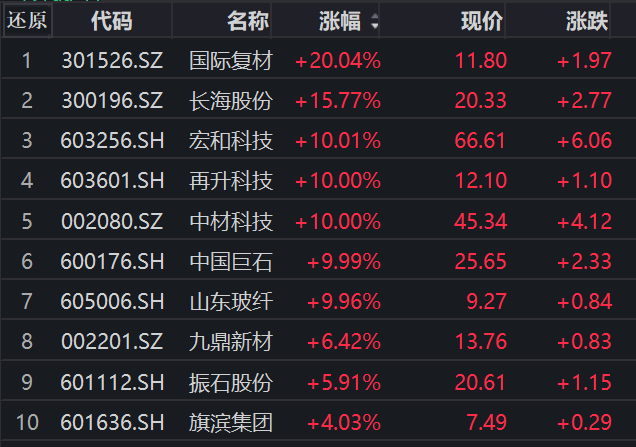
Group 1: National Power Market Development - The State Council has issued an implementation opinion aiming to establish a unified national electricity market system by 2035, with a market transaction volume steadily increasing [1] - By 2030, the goal is to have about 70% of the total electricity consumption in the country come from market-based transactions, with all types of power sources and non-essential users participating directly in the market [1] - The implementation will include joint transactions across provinces and regions, with a fully operational spot market and a well-established market pricing mechanism by 2030 [1] Group 2: Stock Market Projections - The People's Bank of China projects that the average daily trading volume of the two stock exchanges will reach 17,045.4 billion yuan in 2025, an increase of 61.9% compared to 2024 [2] - By the end of 2025, the Shanghai Composite Index is expected to close at 3,968.8 points, reflecting an 18.4% increase from the end of 2024, while the Shenzhen Component Index is projected to rise by 29.9% to 13,525.0 points [2] Group 3: Solid-State Battery Standards - The first part of the national standard for solid-state batteries for electric vehicles is expected to be released in July 2026, with the draft completed by December 2025 [3] - The standard will include terminology and classification, with testing and validation scheduled for early 2026 [3] Group 4: Lithium Carbonate Futures and Market Activity - Lithium carbonate futures saw a significant increase, with the main contract rising over 9% on February 11 [4] Group 5: Glass Fiber Price Increases - Leading glass fiber companies have raised prices for electronic cloth, resulting in multiple stocks in the sector hitting their daily price limits [5] - Notable companies include International Composites, Changhai Co., and Honghe Technology, with price increases ranging from 10% to over 20% [5][6] Group 6: Tungsten and Rare Earth Market Movements - Zhangyuan Tungsten Industry announced significant price increases for long-term procurement contracts, with black tungsten and white tungsten prices rising by 28.1% and 28.2% respectively [7] - Rare earth product prices have accelerated, with neodymium oxide and metal prices increasing by 7.59% and 6.27% respectively, and a cumulative increase of 34% since the beginning of the year [8] Group 7: Solid-State Battery Technology Collaboration - Guoxuan High-Tech and BASF have signed a strategic cooperation memorandum to jointly develop next-generation solid-state battery technology, focusing on high-performance materials [9] - The collaboration aims to accelerate the commercialization of innovative results in various applications, including electric vehicles and energy storage [9] Group 8: Nickel Price Trends - Nickel prices have continued to rise, with LME nickel reaching $17,780 per ton, and domestic futures increasing over 4% [11] - Indonesia has reaffirmed plans to significantly reduce nickel ore production, with a production quota set between 260 million and 270 million tons for the year [11]


长江有色:宏观助力及产业支撑镍价盘面秀红 11日镍价或上涨
Xin Lang Cai Jing· 2026-02-11 03:18
Core Viewpoint - The nickel futures market is experiencing fluctuations, with recent price increases driven by macroeconomic factors and supply-demand dynamics. Group 1: Market Performance - Overnight London nickel prices rose by 0.8%, closing at $17,550 per ton, an increase of $140 per ton, with a trading volume of 7,547 lots [1] - The Shanghai nickel futures market opened lower but rebounded significantly, with the main contract closing at 136,500 yuan per ton, up 2,520 yuan per ton, a rise of 1.88% [1][2] - The LME nickel inventory reported 285,750 tons, an increase of 678 tons from the previous trading day [1] Group 2: Supply and Demand Dynamics - Supply remains tight due to policy disruptions in major producing countries like Indonesia and seasonal factors, leading to a marginal contraction in supply [3][4] - Demand from downstream sectors, particularly in new energy batteries and stainless steel, has stabilized as pre-holiday stockpiling has concluded, entering a traditional off-season [3][5] Group 3: Industry Chain Status - The upstream nickel ore prices remain high, providing rigid support to the industry chain [4] - Midstream nickel iron manufacturers are showing strong price support intentions, although refined nickel output has slightly increased, price elasticity remains limited due to high costs [5] - Downstream production schedules in the new energy and stainless steel sectors are slowing, with companies focusing on inventory digestion and cash flow stability, resulting in a subdued market transaction environment [5] Group 4: Market Outlook and Strategy - The nickel spot market is entering a pre-holiday quiet phase, with traders focused on settlement and only minimal essential transactions occurring [6] - Short-term nickel prices are expected to maintain a strong bias, supported by macroeconomic easing expectations and high costs, but seasonal demand decline and risk aversion may limit price increases [6] - A defensive strategy of "light positions, short-term focus" is recommended, emphasizing strict position control and short-term trading, while closely monitoring key variables such as dollar movements and Indonesian industrial policies [6]

长江有色:春节前镍市供需双淡观望主导 10日镍价或涨跌不大
Xin Lang Cai Jing· 2026-02-10 03:33
Group 1 - Nickel futures market shows a rebound driven by a weaker US dollar and improved sentiment in the US stock market, with LME nickel closing at 17,410, up 175 USD/ton, a 1.02% increase [1] - Domestic nickel futures also experienced a slight increase, with the main contract closing at 134,820 CNY/ton, up 1,210 CNY/ton, a 0.91% rise [1] - LME nickel inventory reported at 285,072 tons, a decrease of 210 tons from the previous trading day [1] Group 2 - The macroeconomic environment indicates a warming sentiment, with the overnight surge in LME nickel attributed to improved market conditions rather than fundamental changes [2] - The weakening US dollar has elevated industrial metal valuations, while a rebound in US tech stocks has increased risk appetite and attracted funds back into the non-ferrous sector [2] - Geopolitical tensions are providing support for nickel prices, with expectations of supply disruptions from key producing countries, particularly Indonesia, which plans to cut nickel mining quotas by 34% by 2026 [2] Group 3 - The nickel market is currently experiencing a dual warm macro environment, with expectations of recovery post-holiday supporting prices [2] - The demand for traditional stainless steel is weakening, while the demand for high-nickel batteries in the new energy sector remains robust, with a projected penetration rate exceeding 70% by 2026 [2] - Investment strategy suggests a cautious approach ahead of the holiday, avoiding high-risk positions while waiting for post-holiday recovery opportunities [2]
所长早读-20260209
Guo Tai Jun An Qi Huo· 2026-02-09 02:08
Report Summary 1. Investment Ratings The report does not explicitly provide an overall investment rating for the industry. However, it gives trend intensities for various commodities, which can be used as a reference for investment sentiment: - Strongly Bullish: Cotton [191] - Bullish: None - Neutral: Gold, Silver, Zinc, Lead, Tin, Aluminum, Alumina, Cast Aluminum Alloy, Platinum, Palladium, Nickel, Stainless Steel, Carbonate Lithium, Industrial Silicon, Polysilicon, Rebar, Hot - Rolled Coil, Ferrosilicon, Silicomanganese, Coke, Coking Coal, Steam Coal, Logs, Rubber, LLDPE, PP, Caustic Soda, Pulp, Glass, Methanol, Urea, Styrene, Soda Ash, LPG, Propylene, Fuel Oil, Low - Sulfur Fuel Oil, Container Freight Index (European Line), Short - Fiber, Bottle Chips, Offset Printing Paper, Pure Benzene, Palm Oil, Soybean Oil, Soybean Meal, Soybean, Corn, Sugar, Eggs, Peanuts [21][27][29] - Bearish: Copper, Iron Ore, PX, PTA, MEG, Synthetic Rubber, PVC, Live Pigs [24][61][87] 2. Core Views - Global financial markets have shown complex fluctuations from the night session last Friday to this morning. Domestic A - share markets continued to fluctuate, with the Shanghai Composite Index hovering around 4065. The technology - growth sector remained under pressure, while the consumer and defensive sectors were relatively resilient. Hong Kong stocks were also weak. Internationally, the three major US stock indices diverged, with the Dow hitting a new high and the Nasdaq retreating due to tech - stock volatility. In the commodity market, gold prices stabilized and rebounded after previous large fluctuations, and silver prices also rebounded. Market sentiment remained cautious, and asset fluctuations were mainly affected by overseas policy expectations, geopolitical risks, and the pace of domestic economic recovery [8]. - For copper, the short - term fundamentals are weak, but the long - term outlook is positive. The market is in a wait - and - see mode. It is recommended to buy on dips and use options to hedge risks [9][10]. - For caustic soda, the cost is rising, and the valuation is at a low level. It is suggested to close out short positions in the 03 contract before the Spring Festival and gradually build long positions in the 05 contract [12]. 3. Summary by Commodity Precious Metals - Gold: It is in an oscillating rebound, with a trend intensity of 0 [19][21]. - Silver: It is experiencing a high - level decline, with a trend intensity of 0 [19][21]. Base Metals - Copper: The price is oscillating, and trading is cautious. The trend intensity is - 1 [22][24]. - Zinc: It is in a range - bound oscillation, with a trend intensity of 0 [25][27]. - Lead: Supply and demand are both weak, and the price is oscillating, with a trend intensity of 0 [28][29]. - Tin: It is consolidating in an oscillation, with a trend intensity of 0 [31][36]. - Aluminum: Attention should be paid to post - holiday destocking. The trend intensity of aluminum is 0, alumina is - 1, and cast aluminum alloy is 0 [38][40]. - Platinum: It is recovering in an oscillation, with a trend intensity of 0 [41][43]. - Palladium: It is rebounding following the precious - metal sector, with a trend intensity of 0 [41][43]. - Nickel: There is an impact from pre - holiday capital outflows, and the medium - term contradiction lies in Indonesia. The trend intensity is 0 [45][51]. - Stainless Steel: There are frequent maintenance and production cuts in February, and the cost support center has shifted upward. The trend intensity is 0 [45][51]. Energy and Chemicals - Carbonate Lithium: The supply - demand pattern is tight. Attention should be paid to the evolution of macro - sentiment. The trend intensity is 0 [52][55]. - Industrial Silicon: The industry inventory is accumulating. Attention should be paid to this week's commodity sentiment. The trend intensity is 0 [57][59]. - Polysilicon: The industry cost guidance price has been determined. The trend intensity is 0 [57][59]. - Iron Ore: The restocking is almost over, and the demand expectation is weakening. The trend intensity is - 1 [60][61]. - Rebar and Hot - Rolled Coil: The apparent demand has weakened month - on - month, and they are in a wide - range oscillation. The trend intensity of both is 0 [64][67]. - Ferrosilicon and Silicomanganese: There is a game between fundamentals and sentiment, and they are in a wide - range oscillation. The trend intensity of both is 0 [69][72]. - Coke and Coking Coal: They are in a high - level oscillation, with a trend intensity of 0 for both [73][76]. - Steam Coal: The coal price is expected to remain stable before the Spring Festival [77][78]. - Logs: The port arrivals are low, and the spot price is stable with a slight increase. The trend intensity is 0 [79][82]. - PX: It is in a pre - holiday range - bound market, with a weakening month - spread. The trend intensity is - 1 [84][87]. - PTA: The downside space may be limited, and the month - spread is bearish. The trend intensity is - 1 [84][87]. - MEG: The supply pressure is still high. The trend intensity is - 1 [84][87]. - Rubber: It is in a wide - range oscillation. The trend intensity is 0 [92][93]. - Synthetic Rubber: It is under oscillating pressure. The trend intensity is - 1 [96][98]. - LLDPE: The import window is narrowing, and it is in a pre - holiday oscillating market. The trend intensity is - 1 [99][101]. - PP: The valuation repair is limited, and the weekly export signing volume has declined. The trend intensity is 0 [102][104]. - Caustic Soda: The cost is rising, and the valuation is at a low level. The trend intensity is 0 [105][108]. - Pulp: It is oscillating. The trend intensity is 0 [110][112]. - Glass: The original - sheet price is stable. The trend intensity is 0 [115][116]. - Methanol: It is oscillating. The trend intensity is 0 [118][123]. - Urea: It is oscillating with support. The trend intensity is 0 [124][126]. - Styrene: It is in a high - level oscillation. The trend intensity is 0 [127][128]. - Soda Ash: The spot market has changed little. The trend intensity is 0 [129][132]. - LPG: There are still geopolitical disturbances, and the fundamental driving force is downward. The trend intensity is 0 [135][142]. - Propylene: Supply and demand remain tight, and the upward driving force is weakening. The trend intensity is 0 [136][142]. - PVC: It is weakly oscillating. The trend intensity is - 1 [146][147]. - Fuel Oil: It is in a narrow - range adjustment, and the short - term weakness has暂缓. The trend intensity is 0 [149]. - Low - Sulfur Fuel Oil: It is weakly oscillating, and the spot high - low sulfur spread in the overseas market continues to decline. The trend intensity is 0 [149]. - Container Freight Index (European Line): It is in an oscillating market. The trend intensity is 0 [151][159]. Agricultural Products - Short - Fiber and Bottle Chips: They are in a short - term oscillating market. The trend intensity of both is 0 [160][161]. - Offset Printing Paper: It is recommended to close out short positions. The trend intensity is 0 [163]. - Pure Benzene: It is strongly oscillating. The trend intensity is 0 [168][170]. - Palm Oil: The macro - sentiment is fluctuating, and the fundamental driving force is limited. The trend intensity is 0 [172][176]. - Soybean Oil: It is in a range - bound adjustment. The trend intensity is 0 [172][176]. - Soybean Meal: The overnight US soybeans rose slightly, and Dalian soybean meal may oscillate. The trend intensity is 0 [177][179]. - Soybean: The spot is gradually entering the holiday mode, and the price is oscillating. The trend intensity is 0 [177][179]. - Corn: The callback range is limited. The trend intensity is 0 [180][182]. - Sugar: It is in a narrow - range consolidation. The trend intensity is 0 [183][186]. - Cotton: It is expected to remain oscillating before the Spring Festival. The trend intensity is 1 [188][191]. - Eggs: They are in an oscillating adjustment. The trend intensity is 0 [194][196]. - Live Pigs: The peak - season weakness is confirmed, and the release of the "backlog" has begun. The trend intensity is - 2 [198][201]. - Peanuts: They are oscillating. The trend intensity is 0 [203][205].
长江有色:商品抛售后镍价进入震荡寻支撑 3日镍价或小跌
Xin Lang Cai Jing· 2026-02-03 03:17
Group 1 - Nickel futures market experienced a significant sell-off due to the Federal Reserve's hawkish stance on liquidity tightening, with LME nickel closing down 2.91% at $17,045 per ton, a decrease of $510 per ton from the previous trading day [1] - Domestic nickel futures on the Shanghai Futures Exchange (SHFE) also showed weakness, with the main contract closing at 132,670 yuan per ton, down 3,860 yuan per ton, a decline of 2.83% [1] - The LME nickel inventory reported on February 2 was 285,528 tons, a decrease of 756 tons from the previous day [1] Group 2 - The SHFE nickel futures opened lower, with the main contract starting at 132,640 yuan, down 3,890 yuan, and continued to decline throughout the trading session [2] - The sharp decline in nickel prices was attributed to a dramatic reversal in U.S. monetary policy expectations, particularly following the nomination of a hawkish figure as Fed Chair, which raised concerns about prolonged high interest rates and potential balance sheet reduction [2] - Strong U.S. manufacturing data provided support for tightening policies, leading to a surge in the U.S. dollar index, which negatively impacted the attractiveness of dollar-denominated commodities and triggered a collective withdrawal of global funds from the commodity market [2] Group 3 - Nickel prices are expected to exhibit a "volatile consolidation with slight declines" in the short term, with a focus on the price range of 134,000 to 135,000 yuan per ton [3] - The short-term price movements are primarily influenced by macroeconomic sentiment and liquidity conditions, while medium to long-term price recovery is anticipated as macro shocks are gradually absorbed [3] - Structural tightening in global nickel supply and increasing demand from downstream sectors such as new energy are expected to drive prices into a recovery channel in the future [3]