
摆件

Search documents
窑火薪传中的“匠心年”
Xin Lang Cai Jing· 2026-02-19 23:03
Group 1 - The article highlights the revitalization of Wanyao Village in Yunnan Province, which has a 300-year history of pottery making, attracting tourists with its traditional craftsmanship and modern product offerings [1] - Yang Pizhuai, a provincial representative inheritor of the intangible cultural heritage of pottery making, emphasizes the complexity of the pottery-making process, which includes multiple stages such as clay preparation, shaping, and firing [1] - The village has seen a return of young people who, after exploring opportunities elsewhere, are now interested in learning traditional crafts from older artisans, leading to a blend of traditional and modern pottery products [1] Group 2 - The introduction of the "Taoju" project aims to integrate pottery with tourism by transforming old earthen houses into a mixed-use accommodation cluster, which was fully booked during the Spring Festival [2] - Visitors can engage in hands-on experiences at transformed workshops, learning pottery techniques from artisans and taking home their creations, enhancing the tourist experience [2] - The village has also incorporated local coffee production into the tourism experience, allowing visitors to enjoy unique coffee brewed in traditional pottery, thus creating a "coffee and pottery" fusion [2]
菜百股份20260203
2026-02-04 02:27
Summary of the Conference Call on Cai Bai Co., Ltd. Company Overview - Cai Bai Co., Ltd. is a long-established gold and jewelry brand in the North China region, particularly in Beijing, with origins dating back to 1956 when it was established as a department store in Xuanwu District, Beijing. The company transitioned to a dedicated gold and jewelry retail chain in 2010, operating under a fully direct sales model. As of June 2025, it has 103 stores in Beijing, with the flagship store covering 8,800 square meters, which is owned by the company [1][2]. Financial Performance - Revenue growth from 2018 to 2024 shows an increase from 8.6 billion to 20.2 billion, with a compound annual growth rate (CAGR) of approximately 15%. For the first three quarters of 2025, revenue reached 20.5 billion, reflecting a year-on-year growth of 33% [2]. - The net profit attributable to shareholders from 2018 to 2024 has a CAGR of 12%. The forecast for 2025 indicates a net profit between 1.06 billion and 1.23 billion, representing a year-on-year growth of 47% to 71%, marking a historical high [2]. - The company's return on equity (ROE) has been robust, exceeding 14% from 2018 to 2024, with peaks of 20% and 19% in 2023 and 2024, respectively [2]. Dividend Policy - The dividend payout ratio has consistently been above 76% from 2021 to 2024, with a cumulative dividend of 1.74 billion during this period [3]. Business Segmentation - The company's revenue is primarily derived from three categories: gold jewelry, gold bars, and ornaments. In 2024, gold jewelry accounted for 27% of revenue but contributed 56% to gross profit, while gold bars represented 64% of revenue but only 20% of gross profit [3]. Gross Margin Analysis - The gross margin for gold jewelry fluctuates between 14% and 19%, while for gold bars, it ranges from 2% to 5% [4]. - The sales volume of gold bars has shown a compound growth of 14% from 2018 to 2024, while the revenue growth for gold jewelry has been 6%, indicating a decline in volume but an increase in overall revenue due to rising gold prices [4]. Market Position and Competitive Advantage - Cai Bai Co., Ltd. is a member of the Shanghai Gold Exchange and sources raw materials from it or through bank leasing. The company does not own manufacturing facilities, relying on outsourced production [5]. - The company has a stable offline expansion strategy, adding approximately 10 stores annually, while online sales have been growing at a faster rate, with a compound growth of 64% from 2021 to 2024 [7]. Governance and Shareholder Structure - The company is controlled by the Xicheng District State-owned Assets Supervision and Administration Commission, holding 25% of shares. Other significant shareholders include Mingpai, Hengan Tianrun, and Yunnan Development, holding 16%, 13%, and 9% respectively [8]. Management Stability - The core management team has been stable, with many executives having been with the company since the early 2000s [9]. Growth Drivers 1. **Investment Gold Bars**: Recent tax policy changes favoring retail sales over wholesale are expected to enhance the company's market share in investment gold bars, which are primarily sold directly to consumers [10][11]. 2. **Competitive Pricing**: The company's pricing strategy for gold jewelry is lower than competitors, enhancing its market position. For instance, the company's gold price was 1,432 yuan per gram compared to 1,498 yuan for competitors like Chow Tai Fook [12]. 3. **Product Innovation**: The company has been actively innovating its product offerings, including collaborations with cultural institutions and the introduction of new product lines [14]. Regional Market Dynamics - The jewelry retail market in Beijing is experiencing significant growth, with a year-on-year increase of 40% in 2025, compared to a national average of 13%. Cai Bai's revenue is heavily concentrated in Beijing, with 68 out of 100 stores located there, contributing to 90% of total revenue [15][16]. Future Projections - Revenue projections for 2025 to 2027 are 31.7 billion, 43.5 billion, and 52.4 billion respectively, with year-on-year growth rates of 57%, 37%, and 20%. The net profit forecast for 2026 is 1.42 billion, increasing to 1.58 billion in 2027 [17]. Investment Rating - The company has been given a "Buy" rating based on its strong financial performance and growth prospects [17].

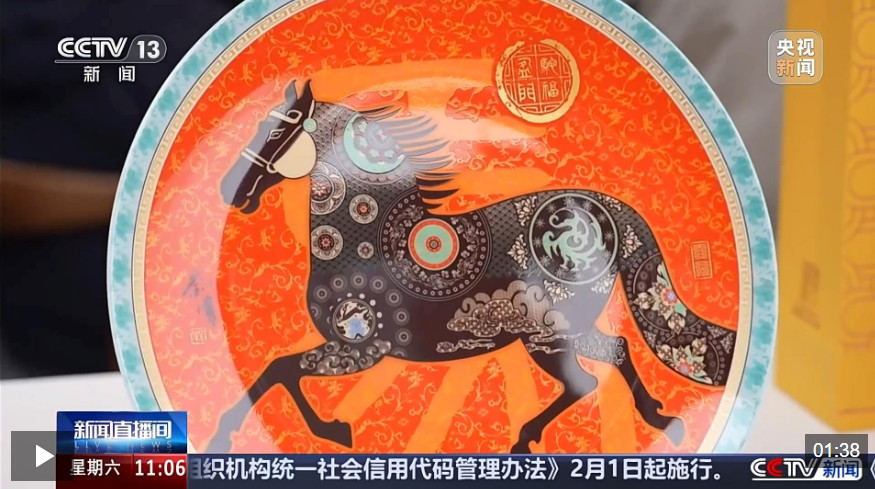
视频丨文化拉动节前消费 生肖文创让年味儿“马”上有
Yang Shi Xin Wen Ke Hu Duan· 2026-02-01 01:34
Group 1 - The core theme of the articles revolves around the popularity of cultural and creative products featuring the "horse" element, particularly in the context of the upcoming Year of the Horse, which integrates traditional culture with modern design [2][4][15] - In Jingdezhen, a creative design center is showcasing new spring cultural products that combine the symbolism of the zodiac with traditional craftsmanship, making them popular choices for the New Year [2][4] - The "Liuhé Tongfeng Ma" series in Quanzhou features artistic and visually appealing designs that have become a cultural attraction in the ancient city, enhancing the festive atmosphere [6][11] Group 2 - The "Liuhé Tongfeng" concept reflects the ideal of cultural unity and harmony in Chinese culture, as derived from historical texts [8] - Quanzhou has launched various cultural tourism activities alongside the zodiac IP, including art installations and themed products, allowing visitors to engage with the cultural narrative behind the horse zodiac [11][13] - The surge in demand for zodiac-themed cultural products is attributed to the integration of traditional cultural elements with innovative marketing strategies, driving pre-festival consumer spending [12][15]

团市委组织举办“青春小店”年货节,汇聚30余个青年创业品牌
Chang Sha Wan Bao· 2026-01-31 23:38
Group 1 - The "Youth Store" New Year Festival showcases over thirty youth entrepreneurial brands, blending tradition and innovation in a vibrant marketplace [1][2] - The event features traditional crafts like Xiang embroidery, which has been modernized to appeal to younger consumers, successfully promoting cultural heritage [2][3] - The festival includes interactive areas for traditional cultural experiences, such as handmade crafts and calligraphy, enhancing community engagement [2][3] Group 2 - The festival highlights the revival of traditional brands, such as "Wang Pangzi Fried Goods," which has embraced modern branding and marketing strategies to attract a younger audience [1][2] - The "Ningxiang Dushang Lanshan Hand-dyeing Workshop" exemplifies rural revitalization efforts, providing employment opportunities for local women through traditional craft preservation [2] - The event serves as a platform for youth innovation and entrepreneurship, reflecting a dynamic interplay between local culture and contemporary trends [3]

打年货、逛市集、看世界……湖北非遗点燃荆楚年味
Xin Hua She· 2026-01-19 07:36
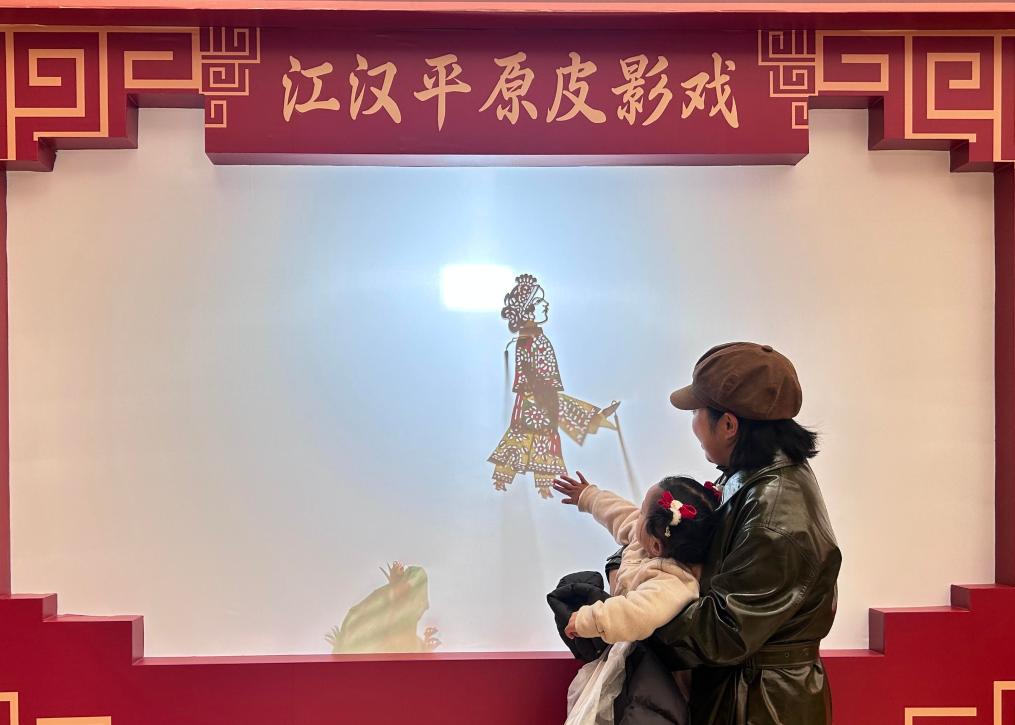
Core Viewpoint - The event "Knowledgeable Hubei Super Cultural Tourism Day" and the fifth Hubei Intangible Cultural Heritage Carnival showcased nearly 200 intangible cultural heritage projects and over 500 inheritors, highlighting the unique charm of Jingchu culture through the exhibition and sale of more than 3,000 intangible cultural heritage products and cultural tourism items [1]. Group 1 - The event attracted many citizens and tourists to Wuhan's Yangtze River New Area, where they experienced local culture and purchased New Year goods [1]. - Various traditional folk customs were performed, creating a lively atmosphere reminiscent of childhood Spring Festivals, with attendees engaging with intangible cultural heritage projects like bronze bells and shadow puppetry [2]. - The integration of traditional craftsmanship with modern consumer preferences was emphasized, as artisans created contemporary items like bookmarks and ornaments inspired by traditional shadow puppetry [2]. Group 2 - The artistic performances included regional folk songs and traditional operas, showcasing the innovative fusion of different cultural elements [3]. - A new collaboration between traditional incense and weaving techniques was introduced, aiming to revitalize intangible cultural heritage products for the market [6]. - The "Jingchu Intangible Cultural Heritage International Reception Hall" was inaugurated, facilitating international cooperation and promoting Hubei products globally [6][7]. Group 3 - The event featured a variety of Jingchu intangible cultural heritage items, including wood carvings and tea, appealing to both local and international audiences [7]. - A total of 3,000 New Year gift packages were sent from Hubei to countries like Hungary, Serbia, and Malaysia, spreading New Year blessings to overseas compatriots [7]. - The event not only showcased local products but also fostered cultural exchange, as international attendees experienced Chinese New Year traditions and local delicacies [7][8].
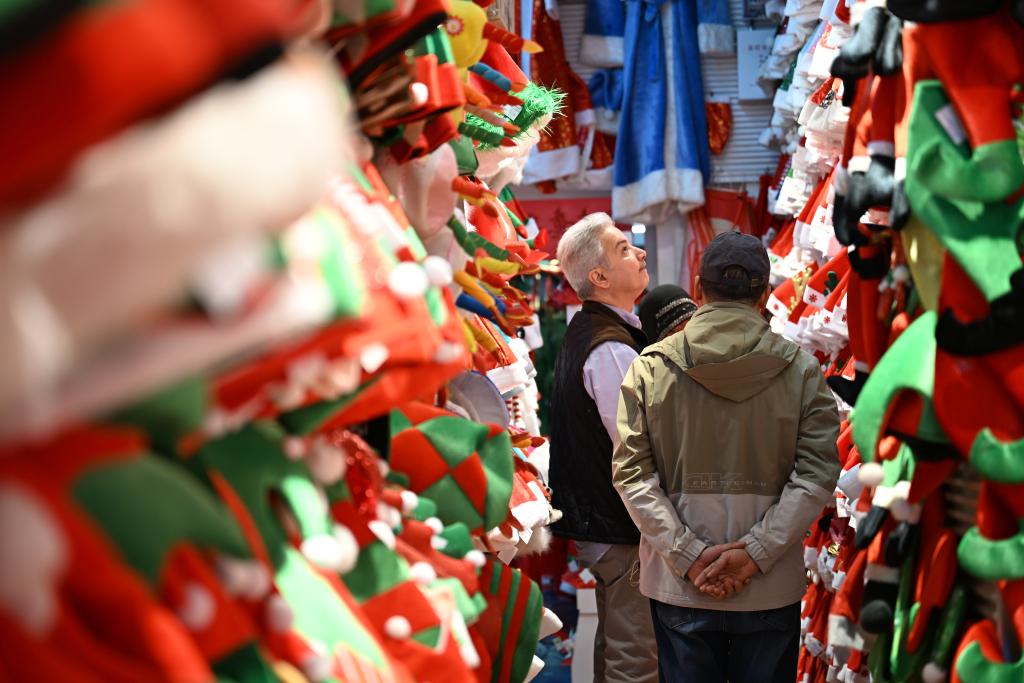
“世界超市”义乌装点全球快乐节庆
Xin Lang Cai Jing· 2025-12-24 17:47
Core Insights - Yiwu, known as the "world supermarket," is preparing for the upcoming Christmas season, highlighting its role as the largest distribution center for Christmas goods globally [1][3] - The city exports over 20,000 types of Christmas products, accounting for nearly 80% of the global market, and serves over 100 countries and regions [3][4] - The early start of the Christmas export season this year, with a significant increase in orders beginning in April, indicates a shift in purchasing behavior among international buyers [3][4] Market Dynamics - The export value of Yiwu's Christmas goods reached 5.17 billion yuan in the first three quarters of this year, reflecting a year-on-year growth of 22.9% [3][4] - Diverse market distribution across Europe, Southeast Asia, Central Asia, and the Middle East helps mitigate risks from external market fluctuations [4] - The export markets for Yiwu's Christmas products saw significant growth, with Latin America and the EU increasing by 17.3% and 45.0% respectively [4] Innovation and Product Development - Continuous innovation is crucial for maintaining competitiveness, with companies like Luocheng Craft Co. launching new interactive products, such as a dancing Santa Claus, which is priced 33% higher than traditional items [6] - The local manufacturing ecosystem allows companies to collaborate closely, enabling the launch of approximately 300 new products annually [6] - As the New Year and Spring Festival approach, Yiwu's domestic market for products like New Year paintings and calendars is also experiencing a surge in orders [6] Global Trade Impact - Yiwu's comprehensive product range, quick response times, and efficient trade models position it as an essential player in the global holiday economy, especially amid complex international trade conditions [7]
中信建投:老铺黄金(06181)年内第三次提价 打造东方奢侈品品牌
智通财经网· 2025-11-11 05:53
Core Viewpoint - The report from CITIC Securities predicts significant revenue growth for Laopu Gold (06181) from 2025 to 2027, with revenues expected to reach 252.8 billion, 333.7 billion, and 413.9 billion yuan respectively, reflecting year-on-year growth rates of 197.3%, 32.0%, and 24.0% [1] - The company has implemented its third price increase of the year, with gold products seeing price hikes of approximately 24%-30% for plain gold items and 16%-26% for diamond-studded products [1][2] Financial Performance - Following the recent price increase, the gross profit margin for Q4 of this year is expected to rebound to 40%, with the second half of the year maintaining a gross margin around 38% [2] - The recent surge in gold prices has led to a significant increase in the average price per gram for Laopu's products, with plain gold products priced at approximately 1,600 yuan per gram and diamond-studded products at around 2,100-2,200 yuan per gram [1][2] Customer Base and Market Growth - The company aims to attract a growing customer base primarily composed of high-net-worth individuals, with a focus on expanding into the luxury segment [3] - The Chinese jewelry market is projected to reach a scale of 778.8 billion yuan in 2024, with the gold jewelry market expected to grow by 9.8% to 568.8 billion yuan [3] Strategic Positioning - The recent price increases have effectively widened the price gap between Laopu Gold and mass-market jewelry brands, reinforcing its positioning as a high-end gold brand [1][3] - The company is focusing on optimizing existing stores domestically while planning to open 3-4 new stores overseas, particularly in high-end markets [5] Brand Development and Valuation - The company is enhancing its brand value by reducing customer sensitivity to gold prices and introducing new product lines that incorporate cultural elements [6] - The valuation of Laopu Gold is expected to increase, aligning more closely with luxury brands like Hermès and LVMH, with potential for upward adjustment in its PE ratio [6]

百年非遗化身乡村发展新引擎
Ren Min Ri Bao Hai Wai Ban· 2025-11-06 22:11
Core Insights - The article highlights the revival and innovation of traditional silver and copper craftsmanship in Lu Shaer, Qinghai Province, showcasing its significance as a national intangible cultural heritage and its role in local economic development [1][2]. Group 1: Heritage and Craftsmanship - The "silver and copper craftsmanship and gilding technique" has a history of over a hundred years and was included in the third batch of national intangible cultural heritage in 2011, involving complex processes such as refining silver, shaping, and engraving [1]. - Wang Fubang, a representative inheritor of this craft, emphasizes the ongoing production of various silver and copper items, indicating a vibrant and bustling workshop environment [1]. Group 2: Economic Impact and Community Development - The establishment of the Lu Shaer ethnic handicraft processing base, supported by Nanjing's assistance, has created a 97-acre industrial park, attracting over 30 cooperatives and individual artisans, with nearly 40% of the village's 400 households benefiting from this craft [2]. - The annual output value of the silver and copper handicraft industry surpassed 100 million yuan in 2021, demonstrating significant economic contributions [2]. Group 3: Innovation and Future Prospects - The involvement of young artisans returning to their hometowns has led to innovative product development, integrating local ecological culture and aesthetics into new offerings such as titanium copper products and aluminum tiles for ancient buildings [2]. - There is a strong hope that traditional craftsmanship and the spirit of artisanship will attract more young people, driving comprehensive rural revitalization [2].
黄金税新政落地:周大福等品牌紧急调价
Di Yi Cai Jing· 2025-11-04 13:16
Core Insights - The recent tax policy changes by the Ministry of Finance and the State Administration of Taxation have led to increased compliance costs for gold merchants, prompting them to raise prices to maintain profit margins [1][3] - The gold price in the Shui Bei market experienced a significant surge, reaching approximately 996 yuan per gram, marking the largest single-day increase in five years [1][2] - The new tax policy aims to differentiate tax management based on the investment and non-investment use of gold, which is expected to reduce speculative behavior in the market and promote healthy competition [3] Industry Impact - Merchants in the Shui Bei market are currently hesitant to engage in transactions, opting to observe market conditions due to the new tax regulations [1][2] - Major jewelry brands, including Chow Tai Fook, have begun adjusting their prices in response to the increased costs associated with the new tax policy [3] - A report from the World Gold Council indicates that global gold demand reached a record high in Q3 2023, driven primarily by investment demand, which surged by 47% year-on-year [3] Market Demand - In Q3 2023, China's retail gold investment and consumption demand totaled 152 tons, reflecting a year-on-year decline of 7% and a quarter-on-quarter drop of 38% [4] - Despite the decline in volume, the monetary value of China's retail gold investment and consumption demand reached 120.4 billion yuan, representing a 29% year-on-year increase and setting a record for Q3 [4]
入境消费迎利好 “中国购”有望持续升温
Zhong Guo Zheng Quan Bao· 2025-11-03 20:11
Core Insights - The recent policies implemented to support duty-free shopping and enhance inbound tourism are expected to significantly boost domestic consumption and investment demand, providing new momentum for economic growth [1][3][4] Policy Enhancements - Starting from November 1, new policies have been enacted to improve the duty-free shopping experience, including the expansion of product categories in duty-free stores and the adjustment of duty-free shopping policies for travelers in Hainan [3] - The number of entry ports eligible for a 240-hour visa-free transit will increase from 60 to 65, effective November 5 [1] - The implementation of online entry card filling for foreigners will begin on November 20 [1] Consumption Trends - Inbound consumption is experiencing a notable increase, with data showing that in Q3, the number of inbound and outbound foreign travelers reached 20.134 million, a growth of 22.3% year-on-year, and visa-free inbound travelers numbered 7.246 million, up 48.3% [2] - From January to September, the number of foreign travelers who processed departure tax refunds surged by 229.8%, with the refund amount increasing by 97.4% [2] Future Recommendations - Experts suggest further refining policies to enhance regional layouts, increase international recognition of domestic brands, and improve cross-border after-sales support to sustain the growth of inbound consumption [4] - Recommendations include dynamically adjusting the duty-free product list to include emerging categories, enhancing the integration of duty-free shopping with cultural and tourism resources, and expanding the coverage of departure tax refund stores [4]