
欧洲天然气期货

Search documents
What smart people are saying about oil's latest spike to nearly $120 a barrel
Business Insider· 2026-03-19 15:29
Core Viewpoint - The recent surge in oil and gas prices, driven by geopolitical tensions, could lead to significant market volatility and economic repercussions for consumers and growth [1][2][3]. Group 1: Price Movements - Brent crude oil prices increased by over 11% to exceed $119 per barrel, marking the highest levels in nearly four years [1]. - European natural gas futures rose by 35% to above 70 euros per megawatt-hour at their peak [1]. - West Texas Intermediate crude and US natural gas futures also experienced significant increases following attacks on energy infrastructure [2]. Group 2: Geopolitical Context - The escalation of conflict between Iran and the US and Israel has contributed to rising oil and gas prices, particularly due to Iran's actions in the Strait of Hormuz, a critical shipping route for global LNG supplies [3][8]. - The ongoing blockade of the Strait of Hormuz could lead to a supply shock worse than historical events in 1973 or 1979 [8][9]. Group 3: Economic Implications - The combination of rising energy prices and stagnating growth raises concerns about stagflation, reminiscent of the 1970s [4][14]. - Higher energy costs are expected to dampen consumer spending and business investment, exacerbating economic uncertainty [14]. - Disruptions in fertilizer exports from the Middle East could lead to increased food prices, impacting agricultural markets [13][15]. Group 4: Market Reactions - European markets are particularly vulnerable due to their reliance on energy imports, with potential for a shift from 'worried' to 'panic' in global equities [6]. - The volatility in oil and gas markets is likely to persist until stability is restored in the region [18]. - A potential agreement between the US and China could ease geopolitical tensions and lower energy prices, leading to a relief rally in global equities [18].

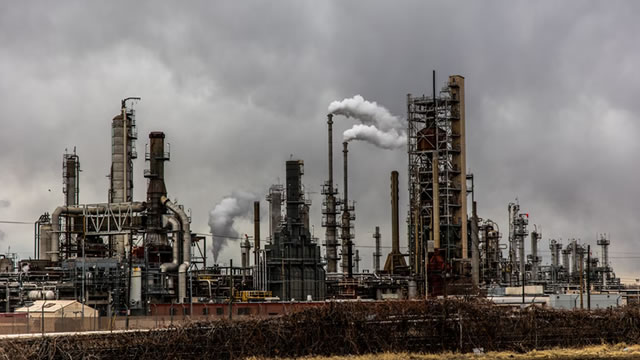
黄金、白银跳水,原油、天然气飙升
财联社· 2026-03-19 07:26
Group 1: Silver Market - Spot silver has dropped 4.5% intraday, falling below $72 per ounce, while New York silver futures have declined over 7%, currently at $72.13 per ounce [1] - The Thai Futures Exchange has announced a suspension of online silver futures trading [1] Group 2: Gold Market - Spot gold has also seen a decline, breaking below $4750 per ounce, with an intraday drop of 1.43% [2] Group 3: Natural Gas and Oil Market - European natural gas futures surged by 27% due to damage from missile strikes on Qatar's liquefied natural gas facilities [3] - Brent crude oil futures rose by 6%, trading above $108 per barrel amid the crisis in the Strait of Hormuz [5] Group 4: Russian Oil Purchases - Asian countries are rapidly purchasing Russian oil following the temporary lifting of the U.S. ban, with Indian refiners buying approximately 30 million barrels of Russian oil within a week of the ban's lift [5] - Kpler data indicates that Indian refiners are securing Ural and some Far East Russian crude oil, scheduled for delivery in March and April [5][6] - The urgency for Asian refiners to ensure supply has increased due to the ongoing conflict in Iran, leading to earlier trading of Far East crude [6]

富时中国A50指数将调整……盘前重要消息还有这些
证券时报· 2026-03-05 00:32
Group 1 - The State Council will hold a press conference on March 5, 2026, to interpret the "Government Work Report" [2] - The Ministry of Foreign Affairs emphasized the importance of maintaining security in the Strait of Hormuz for global economic stability [2] - FTSE Russell announced adjustments to the FTSE China Index Series, effective March 20, 2026, including the inclusion of China Shipbuilding and others [2] - The manufacturing PMI for February fell to 49.0%, while the non-manufacturing business activity index slightly increased to 49.5% [2] Group 2 - The Shanghai Futures Exchange announced adjustments to trading margin ratios and price limits for fuel oil futures, effective March 4, 2026 [3] - The Zhengzhou Commodity Exchange adjusted trading margin standards and price limits for methanol futures, effective March 4 and March 5, 2026 [3] - European natural gas futures prices exceeded €56 per MWh, marking a 60% increase due to geopolitical tensions [3] - The U.S. Treasury Secretary announced a new 15% global import tariff expected to take effect soon [3] Group 3 - E Fund will suspend trading of its crude oil LOF from March 5 until 10:30 AM [5] - Far Eastern New Century clarified it does not engage in "special optical fibers" or "fiber sensing" businesses [6] - Huayuan New Materials' controlling shareholder plans to transfer 6% of company shares, which will not affect actual control [7] - Xiamen Tungsten's revenue is expected to grow by 60% to 110% year-on-year for January to February [8] - Muxi Co., Ltd. anticipates a revenue increase of 24.84% to 87.26% year-on-year for the first quarter [9] - Shuangxin Environmental Protection will change its stock name to "Shuangxin Materials" starting March 5 [10] - COSCO Shipping has suspended new bookings for related routes due to escalating conflicts in the Middle East [11] - Huafeng Superfiber plans to raise prices for super fiber base cloth starting March 9 due to rising crude oil costs [12]

中东地缘风险溢价重塑欧洲货币政策预期?
第一财经· 2026-03-04 09:59
Core Viewpoint - The ongoing tensions in the Middle East have disrupted the energy supply chain, particularly through the Strait of Hormuz, leading to significant price increases in energy products, with WTI crude oil prices rising over 13% to $76 and European natural gas futures surging by over 40% [3][4]. Group 1: Energy Price Impact - The shipping through the Strait of Hormuz is effectively stalled due to increased insurance premiums and withdrawal of coverage for vessels, indicating that the main barrier is psychological rather than physical, expected to last for several days [6]. - If the conflict escalates into a regional war, oil prices are likely to continue rising, posing significant economic challenges for net oil-importing countries due to increased energy costs affecting real income and trade balances [8]. - The rise in energy prices is expected to lead to uncertainty and instability, which will translate into higher energy prices, lower economic growth expectations, and volatility in financial markets [7][10]. Group 2: Central Bank Policy Considerations - The European Central Bank (ECB) is currently in a wait-and-see mode regarding monetary policy adjustments, with potential changes depending on the duration of the energy price surge [4]. - If energy prices remain elevated for an extended period, the risk of a second-round effect could trigger adjustments in interest rates, complicating the ECB's plans for potential rate cuts [4][8]. - The current energy price fluctuations are critical in determining the ECB's monetary policy trajectory, especially if broader inflation rates rise above 2% due to oil price shocks [7][10]. Group 3: Geopolitical Risk and Market Sentiment - Geopolitical risks are becoming structural factors influencing investment cycles, with energy price volatility and inflation uncertainty expected to dominate market trends [10][11]. - Historical patterns suggest that even if conflicts resolve quickly, market perceptions of risk will persist for some time, indicating a sustained geopolitical premium in the market [11]. - The U.S. political landscape may influence military actions in the Middle East, with potential implications for market stability and investor sentiment as the midterm elections approach [11][12].
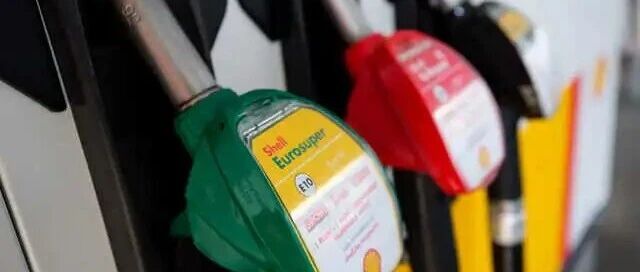
油价白天跌停,夜盘窄幅波动,情绪宣泄后陷入沉静
Xin Lang Cai Jing· 2026-02-02 23:29
Core Viewpoint - Oil prices experienced a significant drop, with various factors contributing to the volatility in the market, including geopolitical tensions and supply-demand dynamics [4][5][20]. Market Dynamics - On Monday, oil prices fell sharply, with WTI crude oil futures closing at $62.14 per barrel, down $3.07 or 4.71%, and Brent crude oil futures at $66.30, down $3.02 or 4.36% [6][22]. - The decline in oil prices was attributed to a combination of easing geopolitical tensions, particularly between the U.S. and Iran, and a rise in global oil inventories as supply concerns diminished [5][21]. Supply and Demand Factors - Recent data indicated a rebound in global oil inventories, with the impact of North American cold weather subsiding and production at Kazakhstan's Tengiz oil field resuming [5][21]. - The market is expected to remain in a cautious wait-and-see mode as investors anticipate the outcomes of U.S.-Iran negotiations, which could further influence oil prices [21]. Recent Developments - OPEC+ has been monitoring compliance with production quotas, with November's production reported at 37.625 million barrels per day, which is 505,000 barrels below target levels [23]. - The European natural gas futures market saw a significant drop of over 12%, attributed to warmer weather forecasts and improved LNG supply, alleviating short-term supply concerns [24][26]. Price Trends - The European natural gas price fell to approximately €34.3 per megawatt-hour, down from a seven-month high of €40 per megawatt-hour [25][29]. - Despite the recent price drops, European gas storage levels remain low at around 41.1%, indicating ongoing supply vulnerabilities [29].

智通港股解盘 | 证监会交易监管新增亮点 国产半导体需加速推进
Zhi Tong Cai Jing· 2026-01-16 13:43
Market Overview - The market experienced a high opening but quickly fell, with the China Securities Regulatory Commission emphasizing the need for stable and regulated market development, particularly targeting excessive speculation and market manipulation [1] - The Canada-China meeting resulted in significant trade agreements, including the reduction of tariffs on Chinese electric vehicles entering Canada from 100% to 6.1%, marking a notable shift in trade relations [1] Semiconductor Industry - The U.S. and Taiwan reached a trade agreement to reduce tariffs on semiconductor exports, with TSMC planning to expand its manufacturing capabilities in the U.S. This includes accelerating the timeline for its second factory in Arizona to late 2027 and applying for permits for a fourth factory [3] - TrendForce reported that DRAM contract prices are expected to increase by 55%-60% in Q1 2026 due to supply constraints driven by AI server demand, making the semiconductor supply chain a target for capital investment [3] - Companies like Zhaoyi Innovation and Cambridge Technology saw significant stock price increases, benefiting from the semiconductor industry's growth [3][4] Emerging Technologies - The application of silicon carbide in emerging fields such as AR glasses and advanced packaging is expanding, leading to long-term growth opportunities for companies like Tianyue Advanced [4] - The CES 2026 showcased a strong presence of Chinese brands in smart glasses, with several companies launching innovative products, indicating a growing market for AR technology [4] Energy Sector - The State Grid of China announced a fixed asset investment of 4 trillion yuan during the 14th Five-Year Plan, a 40% increase from the previous plan, aimed at meeting the electricity demand of data centers [5] - Companies like Weisheng Holdings are experiencing rapid growth in their data center business, supported by strategic partnerships and expected revenue increases [5] Consumer Goods - Li Ning is expected to benefit from increased brand exposure during the Milan Winter Olympics and strong growth in running and badminton categories, with stock prices rising significantly [6] - The price of rare earth minerals is anticipated to increase due to supply constraints and export controls, positively impacting companies like Jinchuan Group [6] Natural Gas Market - European natural gas prices are set to experience their largest weekly increase in over two years, driven by cold weather and geopolitical risks, with prices rising over 20% [7] - Companies involved in the energy sector, such as Kunlun Energy and New Hope Energy, are likely to benefit from this price surge [8] Robotics and AI - Sanhua Intelligent Controls is preparing for mass production of humanoid robots, with significant demand for liquid cooling systems driven by AI and data centers [9] - The company is expected to see substantial revenue growth, with a projected net profit increase of 25%-50% for the upcoming fiscal year [9][10]
欧洲天然气价格年底窄幅盘整 年内暴跌40%创三年最大跌幅
Zhi Tong Cai Jing· 2025-12-31 09:13
Core Viewpoint - European natural gas futures prices have stabilized around €28 per megawatt-hour since the beginning of the month, with expectations of a 40% decline by year-end, marking the largest annual drop since 2023 [1] Group 1: Market Dynamics - Natural gas prices are currently hovering around €27.84 per megawatt-hour, with a recent increase of 1.1% [1] - The market has shifted from initial concerns about low fuel inventories to a more stable outlook due to strong supply and mild weather [1] - Norway's stable gas supply and increased liquefied natural gas (LNG) imports have alleviated market pressures, indicating significant progress since the energy crisis four years ago [1] Group 2: Supply and Demand Factors - The International Energy Agency predicts that Europe’s LNG imports are set to reach a record high this year [1] - Despite a mild start to the heating season, forecasts indicate a drop in temperatures in parts of Europe by mid-January, with models showing continued below-normal temperatures in Northwestern Europe [1] - Current natural gas inventory levels have decreased to 63%, compared to a five-year average seasonal inventory level of 74% [1] Group 3: Trading Activity - Trading volume was relatively low ahead of the New Year holiday, reflecting cautious market sentiment [1] - Ongoing electricity issues continue to impact natural gas delivery, adding another layer of complexity to the market [1]
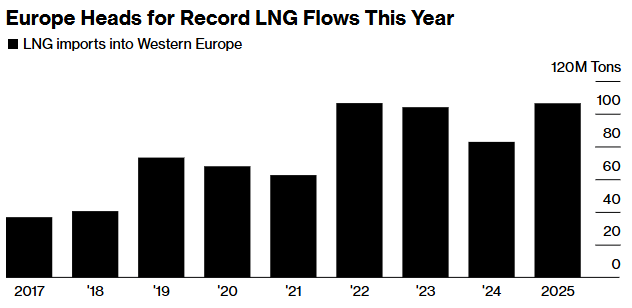
欧洲天然气期货自20个月低点反弹 LNG流量放缓引发供应平衡担忧
智通财经网· 2025-12-11 09:02
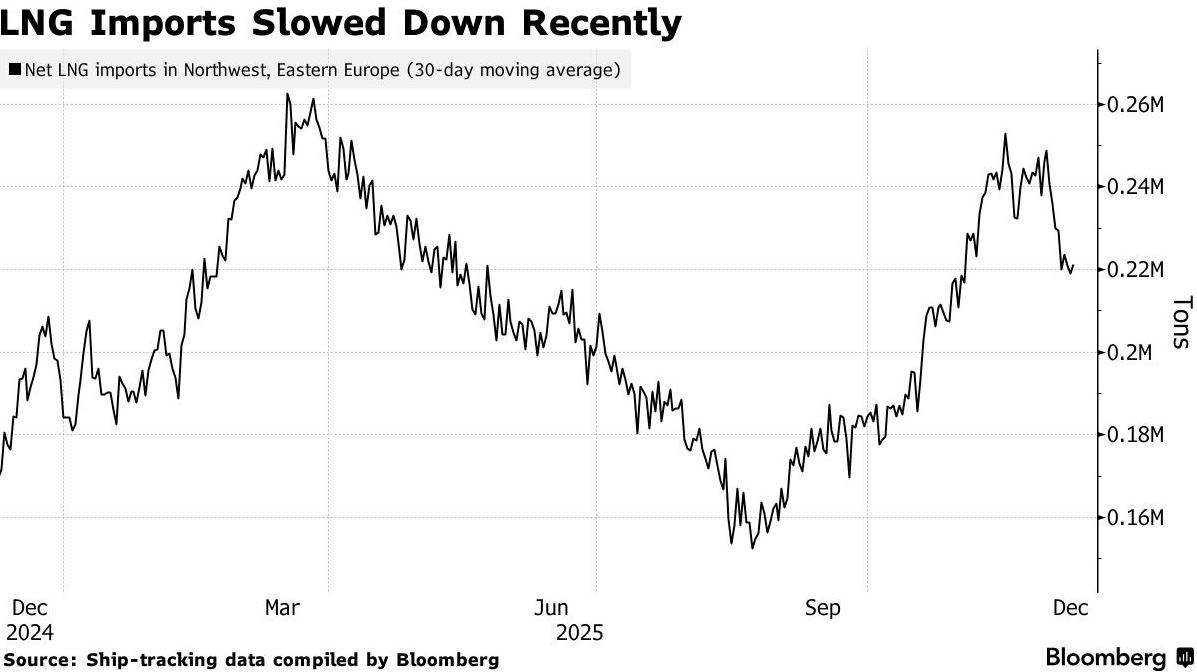
Core Viewpoint - European natural gas futures prices have started to rebound after hitting a 20-month low, as traders assess the impact of slowing liquefied natural gas (LNG) flows on supply balance in the region [1] Group 1: LNG Supply and Demand - LNG imports in Northwest Europe and major ports in Italy have seen a slight decline since December compared to the previous month [1] - Mild weather has suppressed heating demand, yet Europe still needs to attract stable fuel inflows, keeping natural gas prices fluctuating within a relatively narrow range this week [1] - Analysts from Royal Bank of Canada (RBC) indicate that due to low inventory levels, Europe will need to continue purchasing LNG this winter, leaving room for slight price increases in the first quarter [1] Group 2: Weather and Inventory Conditions - Weather forecasts predict temperatures will be above seasonal averages for the remainder of the month, although there is a possibility of colder temperatures in January [1] - Current natural gas storage filling rates are below 72%, compared to a five-year average of 81%, although the extraction rate of natural gas has recently slowed [1] Group 3: Market Pricing - As of the latest update, the January 2026 contract price for Dutch TTF natural gas futures rose by 1.3% to €26.96 per megawatt-hour, after previously hitting the lowest point since April 2024 [2]
欧洲天然气期货下跌 受温和天气及亚洲需求疲软影响
Xin Lang Cai Jing· 2025-12-04 13:57
Core Viewpoint - European natural gas prices continue to decline due to above-average temperatures and weak demand from Asia, which has bolstered market confidence in fuel supply [1][2] Group 1: Weather Impact - Weather forecasts indicate milder and windier conditions next week, which will reduce the demand for natural gas for electricity and heating [1] - Warm weather across the European continent is expected to persist until mid-December [1] Group 2: Supply Factors - Norwegian exports remain relatively stable, and liquefied natural gas (LNG) supply is abundant and expected to exceed last year's levels [1] - Global competition remains moderate, allowing more shipments to reach Europe [1] Group 3: Price Movement - As of 2 PM Amsterdam time (9 PM Beijing time), the European natural gas benchmark Dutch front-month futures fell by 3.2%, trading at €27.31 per megawatt-hour [1] - This week's prices have dropped to the lowest level since April 2024, entering an oversold territory [2]
欧洲天然气期货创去年5月来新低 地缘局势缓和与暖冬预期打压价格
Ge Long Hui A P P· 2025-11-21 08:25
Core Insights - European natural gas futures prices have dropped to the lowest level since May 2024, following Ukrainian President Zelensky's agreement to develop a peace plan [1] - Warmer weather forecasts are putting pressure on heating demand, with predictions indicating that temperatures in Northwest Europe will return to or exceed seasonal norms from late November to early December [1] - Despite recent fluctuations in short-term weather forecasts keeping traders cautious, the overall trend is shifting towards warmer conditions [1] - Current cold waves have accelerated the extraction of natural gas, leading to a continuous decline in inventory levels, with European gas storage facilities currently filled to less than 81% [1]