
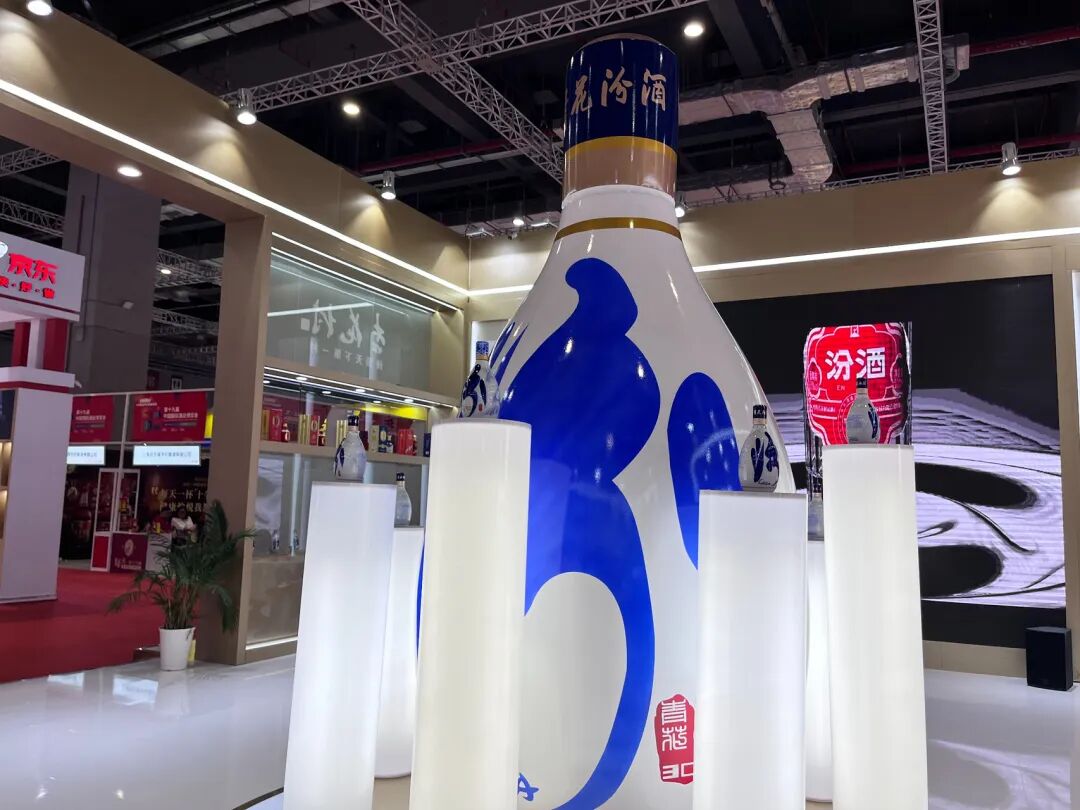
汾酒青花系列

Search documents
2026元夕后白酒进销存系列调研
2026-03-06 02:02
Summary of the Conference Call on the Baijiu Industry Industry Overview - The conference call focused on the Baijiu industry, particularly the performance of major brands such as Moutai, Wuliangye, Guojiao, Yanghe, and Fenjiu during the 2026 Spring Festival period compared to 2025. Key Points and Arguments Sales and Payment Progress - Payment collection for Baijiu brands is generally lagging, with Moutai's payment nearing delivery, Wuliangye at approximately 40%, and Guojiao, Yanghe, and others at only 20%-30% compared to the same period in 2025 [1][2] - Moutai's sales growth is in the single digits, while Wuliangye saw a 3%-4% increase in January-February. Guojiao's sales dropped nearly 25%, and Yanghe and others saw declines of about 15% [1][5] Inventory Levels - Inventory levels are high across many brands, with Guojiao, Yanghe, and others having 2-3 months of channel inventory. Moutai has about 10 days, and Wuliangye around 25 days, indicating ongoing pressure to reduce inventory [1][3][4] Pricing Trends - Pricing for Moutai is expected to range between 1,450-1,650 RMB, with Wuliangye maintaining above 780 RMB. Guojiao is around 850 RMB, while Water Well's 8th product has dropped to 267 RMB due to inventory pressure [1][7][8] Regional Performance - In the Anhui market, Gujing and Yingjia have payment collections around 45%, while Kuozi has less than 30%. Gujing's sales have declined by 10%-15%, and Kuozi's by nearly 40%, indicating intensified regional competition and shrinking profit margins [1] Contract Goals for 2026 - Wuliangye has signed contracts at 1.1 times last year's actual volume, Yanghe is flat, and Kuozi has reduced its target by over 20%. Moutai's premium products are now handled by select distributors, with a focus on the "i Moutai" sales channel [1][25][30] Consumer Behavior and Market Dynamics - Moutai's non-standard products have seen a decline in sales due to inventory changes, with current non-standard inventory covering about one month. The sales structure is lighter, indicating a healthier inventory state [6] - The premium segment for Moutai has improved, but channel motivation is still affected by historical losses. The supply method for premium products has changed, focusing on select distributors rather than broad distribution [7] Profitability and Margin Analysis - Guojiao's current pricing is around 840-850 RMB, with a significant drop in sales attributed to decreased liquidity in the wholesale market during the Spring Festival [11][12] - The profitability of Guojiao's distributors is not as favorable compared to Wuliangye, with Guojiao's distributors likely not making significant profits [13] Product-Specific Insights - The performance of specific products like Fenjiu's Qinghua series has seen a decline of about 10%, while other products have shown mixed results [5][15] - The pricing for Water Well's 8th product has significantly decreased, reflecting market pressures and inventory issues [18][19] Future Outlook - The overall sentiment in the Baijiu market indicates cautious optimism, with brands adjusting their strategies to cope with inventory pressures and changing consumer preferences. The focus will be on maintaining profitability while navigating competitive challenges [1][25][30] Additional Important Insights - The call highlighted the importance of regional dynamics, with varying performance across different markets, and the need for brands to adapt their strategies accordingly [10][28] - The impact of promotional activities and consumer incentives remains a critical factor in driving sales, particularly in a competitive landscape [9][36] This summary encapsulates the key discussions and insights from the conference call, providing a comprehensive overview of the current state and future outlook of the Baijiu industry.






华创证券:春节白酒旺季临近 茅台量价均超预期
智通财经网· 2026-02-03 08:29
Core Viewpoint - The ongoing reforms at iMoutai are gradually demonstrating their effectiveness, with online consumer engagement strengthening and offline demand for regular Moutai returning to rational consumption levels, leading to a significant increase in sales velocity for Feitian Moutai compared to the same period last year [1][2] Group 1: iMoutai Reforms and Market Dynamics - The iMoutai reforms are effectively expanding the consumer base, attracting and nurturing new consumer groups, and driving high growth in distributor demand [1] - The price of regular Moutai has returned to the consumer-friendly price range of 1500 yuan, releasing substantial potential demand for business, family gatherings, and gifting [1] - The supply of high-value products has decreased, with regular Moutai filling the supply gap, leading to accelerated turnover [1][3] Group 2: Pre-Festival Demand and Sales Performance - Pre-festival demand for Feitian Moutai is heating up, with a collection progress of 33% and sufficient inventory turnover among distributors [2] - The expected additional sales volume from iMoutai is around 20%, driven by enhanced consumer reach and a slight increase in price per ton [2] Group 3: High-Value Products and Inventory Levels - The supply of high-value products is focused on inventory reduction, with low inventory levels reported [3] - The sales performance of premium and aged wines is showing positive growth, with some distributors seeking to increase their inventory from self-operated stores [3] Group 4: Regional Market Observations - There is a noticeable divergence in sales performance across different regions, with high-end brands like Feitian Moutai experiencing strong sales growth while other brands face significant declines [4] - In regions with better economic conditions and drinking culture, such as East China and Henan, sales declines are around 10%, while provinces like Shandong and Hunan report declines exceeding 10% [4] Group 5: Investment Recommendations - The investment outlook suggests focusing on Moutai and Guojiao, as the sales and pricing of Moutai have exceeded expectations, indicating a concentration of seasonal effects in leading brands [7] - For the broader market, recommendations include stable dividend-paying stocks like Guizhou Moutai and Gujing Gongjiu, while also monitoring the sales rhythm of brands like Wuliangye and Shanxi Fenjiu [7][8]
中国消费板块 2026 展望:消费信心复苏是否已开启?-China Consumer Sector_ 2026 Outlook_ are we at the beginning of consumer confidence recovery_
2026-01-15 06:33
Summary of the Conference Call Transcript Industry Overview - **Industry**: China Consumer Sector - **Outlook**: The sector is believed to be in the early stage of a multi-year recovery cycle that began in Q3 2024, with expectations for gradual improvement in consumer sentiment and spending through 2026E [2][11][12] Key Insights - **Valuation**: MSCI China Consumer Discretionary and Staples are trading at 17x and 15x 12-month forward PE, approximately one standard deviation below the 10-year averages, indicating that current valuations do not reflect a potential consumption recovery [2][9] - **Consumer Confidence**: The China Consumer Confidence Index has been trending upwards since September 2024, suggesting a gradual restoration of consumer confidence despite ongoing challenges in the property market [12][19] - **K-shaped Recovery**: The recovery is characterized by a K-shaped trend, where mid- to high-income consumers in tier-1 cities are expected to lead spending, while lower-tier city consumers remain focused on value for money [3][48] Consumer Behavior Trends - **Shifting Preferences**: A UBS Evidence Lab survey indicates a divergence in consumer behavior, with over 50% of mid- to high-income consumers reporting investment gains and showing strong spending intentions, particularly in premium and experiential categories [3][37] - **Spending Intentions**: The strongest spending intentions are noted in beauty and skincare (41%) and tourism (37%), reflecting a shift towards experiential and premium spending [51] - **Investment Gains**: 64-74% of mid- to high-income consumers reported increased investment returns, with many planning to reinvest or spend on travel, health services, and consumer electronics [40][41] Stock Implications - **Company Ratings**: - Upgrades to Neutral for Fenjiu due to expected benefits from non-business baijiu consumption - Buy ratings maintained for companies like MIXUE, Guming, China Foods, CR Beer, and YUM China, among others [4] - **Dividend Payouts**: Premium baijiu companies are noted for their >75% dividend payout, which is expected to protect share prices from downside risks [4] Structural Growth Opportunities - **Emerging Themes**: Key investment themes for 2026E include changing consumer preferences, corporate restructuring, and industry consolidation, particularly in sectors like home appliances and mass-market consumption [14][50] - **Corporate Restructuring**: Companies are expected to adapt their business models to align with changing consumer behaviors, which may lead to sustainable long-term earnings growth [4][50] Risks and Challenges - **Property Market Downturn**: The ongoing downturn in the property market is anticipated to weigh on household balance sheets, potentially impacting consumer spending [13][48] - **Policy Support**: The pace of recovery is contingent on stabilizing the property market and effective policy implementation to boost consumption [13][48] Conclusion - The China consumer sector is poised for a recovery, driven by improving consumer confidence and shifting spending patterns. However, the recovery will be uneven across different income groups and city tiers, necessitating a nuanced investment approach to capture emerging opportunities while being mindful of potential risks associated with the property market downturn.



骂白酒是智商税?茅台300亿分红,老酒60倍涨幅,真相打谁的脸?
Sou Hu Cai Jing· 2025-12-09 09:18
Core Viewpoint - The Chinese liquor industry in 2025 is experiencing a significant divide, with distributors struggling to sell inventory while leading companies like Moutai are thriving and distributing substantial dividends, indicating a resilience that is not reflected in short-term sales figures [1][3]. Industry Overview - The liquor industry has faced continuous bad news in 2025, with production among large-scale liquor manufacturers dropping by 11.5% from January to October, and the A-share liquor sector reporting its worst quarterly results in a decade [3]. - The implementation of strict alcohol regulations has severely impacted business dining and wedding markets, leading to a notable decline in demand for liquor among younger consumers [3][4]. Distributor Challenges - Distributors are under immense pressure, with some forced to increase their purchase volumes or risk losing their agency, leading to significant financial strain as they struggle to sell excess inventory [7]. - A distributor in Zhengzhou reported holding inventory worth 3 million, with slow turnover leading to mounting interest costs, highlighting the financial burden on distributors [4]. Head Company Resilience - Leading liquor companies have effectively locked in profits early in the year by requiring distributors to pay upfront for inventory, allowing them to maintain financial stability despite market fluctuations [4][7]. - Moutai reported a cash reserve of 159.5 billion and announced a dividend of 30 billion, showcasing its strong financial position independent of short-term sales [4]. Market Dynamics - The market is characterized by a "survival of the fittest" dynamic, where top companies capture 86% of industry profits, while smaller firms struggle with inventory issues or face closure [12]. - The total social inventory in the industry reached 12 million kiloliters, indicating significant pressure on the market, yet leading companies continue to maintain profitability [12]. Investment Considerations - Defensive assets in the liquor sector are characterized by high margins, stable cash flow, and substantial dividends, rather than short-term growth potential [14]. - Investors should be prepared for a longer holding period to realize the value of these defensive assets, as the current inventory represents future wealth for leading companies [16][18]. Conclusion - The liquor industry's current challenges should not be mistaken for the failure of leading companies, which possess the ability to increase the value of aged liquor and benefit from a more concentrated market [20]. - The resilience of top companies during this downturn highlights the importance of evaluating long-term value rather than short-term market noise [20].


直击山西汾酒业绩会:长江以南是新战场,将坚定不移稳定价格体系
Guo Ji Jin Rong Bao· 2025-12-04 13:10
Core Viewpoint - The management of Shanxi Fenjiu emphasizes "rationality" as a key theme in response to the challenges faced by the liquor industry this year, highlighting the need for a balanced approach to consumption and pricing [1][4]. Financial Performance - In the first three quarters of the year, Shanxi Fenjiu achieved a revenue of 32.924 billion yuan, representing a year-on-year growth of 5%, and a net profit attributable to shareholders of 11.405 billion yuan, with a slight increase of 0.48% [1]. - For the third quarter alone, the company reported total revenue of 8.960 billion yuan, a year-on-year increase of 4.05%, while the net profit attributable to shareholders decreased by 1.38% to 2.899 billion yuan [3]. Market Challenges - The liquor industry is currently facing significant challenges, with many companies experiencing pressure on performance. Among 20 A-share listed companies, only Guizhou Moutai and Shanxi Fenjiu have managed to achieve growth in both revenue and net profit [1]. - The chairman of Shanxi Fenjiu acknowledged the difficulties in the industry, noting that traditional consumption patterns driven by government and business scenarios have largely failed this year [3]. Strategic Focus - For the upcoming year, Shanxi Fenjiu plans to focus on four main areas: national expansion 2.0, youth-oriented strategies 1.0, internationalization 1.0, and precise consumer services [6]. - The company aims to optimize inventory structure, stabilize pricing systems, enhance consumer engagement, and promote the synergy of its three major brands [6].
水晶剑,乔愚在剑南春的滑铁卢?
Sou Hu Cai Jing· 2025-11-28 06:21
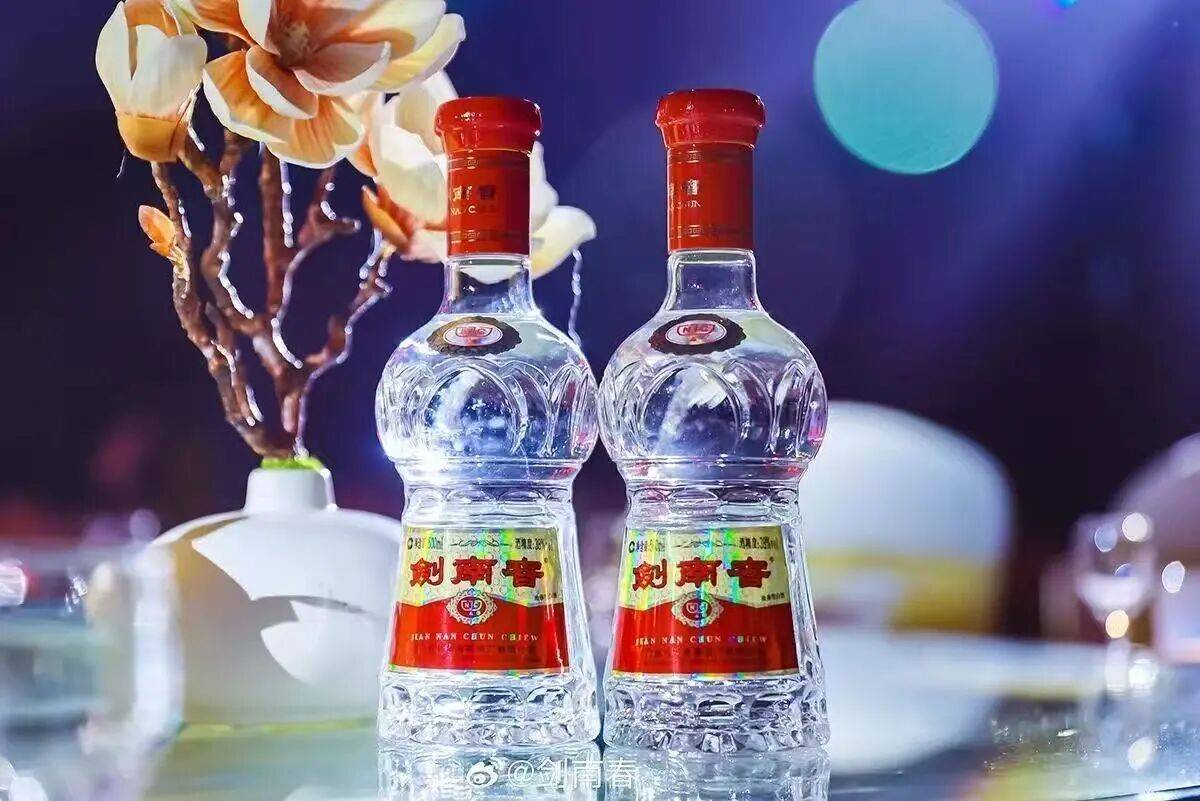
Core Viewpoint - During this year's Double Eleven shopping festival, the online prices of premium liquor brands, such as Moutai and Wuliangye, experienced significant drops, raising concerns in offline channels about market stability and pricing strategies [2][10]. Group 1: Price Dynamics and Market Reactions - The "Billion Subsidy" initiative on e-commerce platforms led to unprecedented price reductions for liquor, particularly affecting the well-known product "Crystal Sword" from Jian Nan Chun, which saw its price drop to 341 yuan per bottle on Pinduoduo, breaking the 350 yuan threshold [2][8]. - The online price of 350 yuan per bottle for "Crystal Sword" has disrupted the long-standing stability in pricing, distribution, and profitability, indicating a potential market "short-selling" signal [10][19]. - Jian Nan Chun's sales performance during Double Eleven remained strong, with its official Tmall store ranking first in liquor sales, and significant sales increases on platforms like Meituan [8][10]. Group 2: Sales Targets and Challenges - Jian Nan Chun's current sales target of 30 billion yuan by 2025, set by the new general manager Qiao Yu, is under scrutiny as the company reported only 16.94 billion yuan in revenue for 2024, with a mere 3.74% growth rate [12][13]. - Achieving the ambitious 30 billion yuan target would require a staggering 77.1% year-on-year growth, which appears increasingly unattainable given the current market conditions [13][15]. - The overall liquor industry is facing a slowdown, with over 90% of companies reporting declining performance, making it particularly challenging for Jian Nan Chun to achieve high growth [15]. Group 3: Competitive Landscape and Future Outlook - The competitive landscape has expanded, with new entrants like Guojiao 1573 and others challenging Jian Nan Chun's market position, making it difficult for "Crystal Sword" to maintain its status as a leading product [17]. - The significant drop in online pricing and emerging sales volume signals for "Crystal Sword" suggest potential difficulties ahead for Jian Nan Chun, raising questions about how the company will navigate market fluctuations [17][19]. - The reliance on "Crystal Sword" as a key revenue driver poses risks for Jian Nan Chun, as any substantial decline in its market performance could lead to significant challenges for the new management under Qiao Yu [19].
食品饮料三季报总结及展望
2025-11-03 02:35
Summary of Industry and Company Insights from Conference Call Records Industry: Baijiu (Chinese Liquor) Key Points: - The overall performance of the baijiu industry in Q3 was under pressure, with most companies experiencing a decline in net profit, particularly those with significant revenue drops. [1][7] - Moutai maintained a stable performance with a 7% revenue increase, despite a drop in batch prices from 1,760 RMB to around 1,670 RMB, reflecting a more than 20% year-on-year decline. [1][10] - Wuliangye saw a significant revenue decline of 52% and a profit drop of 65%, indicating substantial pressure on its performance. [1][4] - Luzhou Laojiao performed better than expected, with effective strategies in place, although external environmental factors need to be monitored. [1][6] - The second-tier brand Fenjiu showed stable performance, with the Qinghua series growing by 9-10%, while Qinghua 30 experienced a decline of 20-30%. [1][5] - The overall baijiu sector is expected to continue adjustments in Q4 in preparation for the Spring Festival, which is a critical sales period. [1][8] Industry: Dairy Products Key Points: - The dairy sector faced weak terminal demand in Q3, with Yili's liquid milk revenue declining by 8.8%, while New Dairy achieved double-digit growth. [1][12] - The outlook for Q4 remains challenging, with expectations of continued pressure on liquid milk demand due to weak consumer confidence. [1][13] - New Dairy and Miaokelando are expected to maintain good growth through product innovation and market expansion. [1][13][14] Industry: Soft Drinks Key Points: - The soft drink industry showed stable performance in Q3, driven by strong travel demand and the introduction of new products. [1][15] - Dongpeng Beverage reported a 30.4% revenue increase, benefiting from new product launches, while competitors like Master Kong and Uni-President experienced revenue declines. [1][15][16] - Long-term growth prospects for Dongpeng and Nongfu Spring are viewed positively, while Master Kong and Uni-President are considered defensive dividend investment options. [1][18] Industry: Frozen Foods Key Points: - The frozen food sector is showing signs of stabilization, with demand not expected to worsen significantly. [1][20] - Leading companies are reducing expenditure, leading to some profit recovery, although growth rates remain modest. [1][20] - The industry is at a bottom turning point, with expectations for improvement in restaurant demand. [1][20] Industry: Snacks Key Points: - The snack sector saw slight revenue growth but at a slower pace, with rapid growth in bulk snack channels. [1][21] - New retail channels like Sam's Club are contributing significantly to revenue growth, despite some short-term impacts from public sentiment. [1][21] - The performance of key brands like Yanjin and Youyou has improved, indicating better operational efficiency and profitability. [1][25] Industry: Meat Products Key Points: - The meat product sector is considered a defensive dividend segment, with companies like Shuanghui Development and WH Group showing stable performance. [1][22] - Shuanghui's meat product sales remained steady, with a target of 30% growth in new channels for the upcoming year. [1][23] - WH Group's U.S. market performance was stable, with expectations for relatively stable pork prices in 2026. [1][24] Overall Market Performance Key Points: - The food and beverage sector has underperformed compared to the CSI 300 index, with a 5.5% decline as of October 31, 2025. [1][9] - The baijiu sector's valuation has decreased, with a forecasted P/E ratio of 18.9 times, lower than historical averages. [1][9] - Fund holdings in the baijiu sector have decreased, indicating potential for future capital inflow if demand improves. [1][9]

食品饮料行业2025年三季报前瞻:白酒加速出清,大众逐渐改善
Huachuang Securities· 2025-10-22 00:46
Investment Rating - The report maintains a recommendation for the liquor sector, indicating a bottoming out phase with potential for recovery in the future [2]. Core Insights - The liquor industry is experiencing a significant decline in sales, with an expected drop of over 20% in overall sales volume. However, there are signs of month-on-month improvement, and the decline is narrowing [5][9]. - Major liquor companies like Moutai and Wuliangye are showing strong recovery in payment collection, with over 80% collection rates, while regional brands are performing adequately [5][9]. - The report emphasizes the importance of focusing on high-quality liquor brands that are likely to recover faster, such as Moutai and Fenjiu, while also highlighting the need to monitor companies undergoing significant changes [6][9]. Summary by Sections 1. Liquor Sector: Q3 Accelerated Decline and Bottoming Out - The liquor sector is facing a 20%+ decline in sales due to external demand shocks, with a gradual improvement expected in the coming months [5][9]. - High-end liquor brands are expected to show resilience, with Moutai projected to achieve a 3% revenue growth in Q3, while Wuliangye is expected to see a 20% revenue decline [10][11]. - The report indicates that companies are adjusting their strategies to reduce channel pressure and improve operational efficiency [9][10]. 2. Consumer Goods Sector: Overall Demand Weakness, Structural Resilience - The consumer goods sector is experiencing overall weak demand, but segments like snacks and beverages are showing higher resilience [17][24]. - The report notes that while the demand for dairy and beer remains stable, the restaurant supply chain is still under pressure [17][24]. - Raw material prices are generally declining, which may provide some cost relief to companies in the sector [24][25]. 3. Investment Recommendations: Focus on Liquor Bottoming Catalysts and Selective Consumer Goods Trends - The report suggests focusing on liquor companies that are at the bottom of their cycles, with Moutai and Fenjiu being primary recommendations [6][9]. - For consumer goods, the report highlights the potential of snack and beverage companies, recommending brands that are well-positioned to benefit from current trends [6][17].




白酒2024年报及2025一季报总结:压力延续,火炼真金
Soochow Securities· 2025-05-07 13:01
Investment Rating - The report maintains an "Accumulate" rating for the liquor industry, indicating a positive outlook for the mid-term [1]. Core Insights - The liquor industry is experiencing continued pressure, with a focus on quality over speed in growth. The recovery in demand is showing signs of being uneven, leading companies to prioritize prudent growth strategies [12][18]. - The high-end liquor segment is seeing stable pricing control, while the mid-range segment is under pressure, indicating a divergence in performance across different price tiers [1][12]. Summary by Sections 1. Demand Recovery and Quality Focus - The liquor sector's revenue for FY 2024 grew by 8.2% year-on-year, with net profit increasing by 7.2%. For Q1 2025, revenue growth slowed to 2.3% and net profit to 2.6% [12][18]. - Consumer confidence remains weak, particularly in the mid to low-end segments, while high-end banquet consumption is showing signs of recovery from a low base [12][18]. 2. Revenue Trends - Revenue growth is gradually bottoming out, with increasing differentiation among companies. The high-end segment remains relatively stable, while the mid-range segment faces significant challenges [18][27]. - The report highlights that many liquor companies are tightening control over distributors and focusing on core products to drive sales [18][27]. 3. Profitability Analysis - The gross profit margin for the liquor sector in FY 2024 was 82.93%, a slight increase from the previous year. However, many companies are facing pressure on their gross margins due to pricing and product mix challenges [2][3]. - Sales and management expense ratios have seen slight increases, indicating a cautious approach to spending amid a challenging market environment [2][3]. 4. Investment Recommendations - The report suggests that leading liquor companies are expected to show resilient growth, supported by effective channel management and digital tracking strategies. Companies like Guizhou Moutai and Shanxi Fenjiu are recommended for their solid performance and valuation safety margins [3][12].

