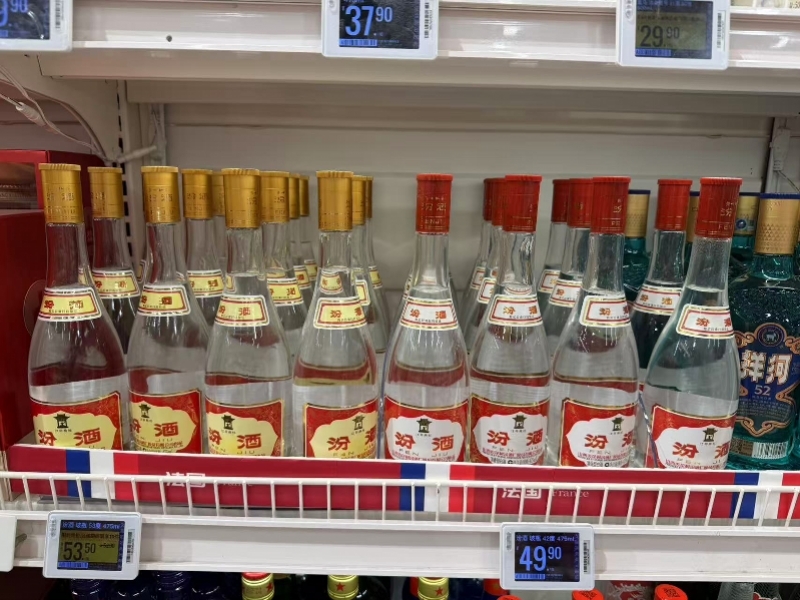
泸州老窖二曲

Search documents
酒行业周度市场观察-20260125
Ai Rui Zi Xun· 2026-01-25 03:02
Investment Rating - The report does not explicitly provide an investment rating for the industry Core Insights - The Australian wine market is reshaping the Chinese imported wine market after a year and a half of absence, with a significant initial increase in imports followed by a decline in sales due to inventory issues and economic pressures [2] - The low-alcohol beverage category is rapidly growing, appealing to younger consumers, but faces challenges such as brand homogenization and declining repurchase rates [2] - The white liquor industry is experiencing a shift in market dynamics, with top brands competing fiercely and some companies facing their first quarterly negative growth in nearly a decade [4] - New beverage products are emerging, with brands like Xiaojin Wine and Guoli Fang successfully capturing market share through innovative approaches [5] - The industry is expected to return to rationality in 2026, focusing on consumer needs and product quality, while smaller companies may face elimination [6] Industry Environment - The Australian wine market is seeing a resurgence in China due to the removal of anti-dumping taxes, but initial sales have not met expectations, leading to inventory issues and price reductions [2] - The low-alcohol market is projected to grow from 20 billion yuan in 2020 to 57 billion yuan by 2024, but faces challenges in brand differentiation and consumer loyalty [2] - The white liquor market is undergoing structural changes, with companies like Shanxi Fenjiu surpassing others in revenue, indicating a competitive landscape [4] - The introduction of innovative products is crucial for the industry's transformation, with a focus on low-alcohol and health-oriented offerings [5] - The industry is moving towards a more rational approach, emphasizing product quality and consumer experience, as it transitions from a bubble phase to a healthier growth period [6] Top Brand Dynamics - Guizhou Zhenjiu is upgrading its "Dazhen" product to enhance quality and market positioning, aiming to compete with top brands like Moutai [8] - Wuliangchun is celebrating its 30th anniversary with a marketing campaign that deepens emotional connections with consumers [9] - Xifengjiu is focusing on quality and cultural empowerment to drive its revival in the competitive white liquor market [10] - Moutai is launching a new product structure to meet diverse consumer needs and stabilize its market presence [14] - Niulanshan is evolving its product strategy to maintain its position in the mass market while enhancing emotional connections with consumers [18]





2026年第3周:酒行业周度市场观察
艾瑞咨询· 2026-01-21 00:07
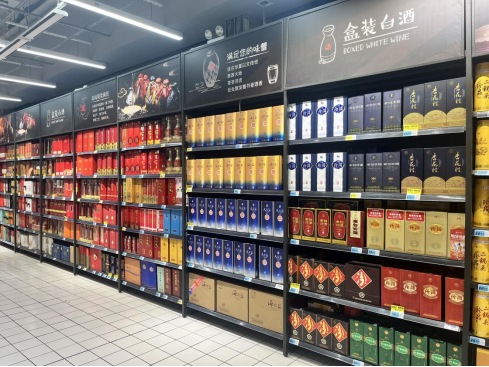
Industry Environment - After a year and a half, Australian wine is reshaping the Chinese imported wine market as China terminates anti-dumping and countervailing duties on Australian imported wine starting March 29, 2024, leading to an initial surge in imports, followed by a significant decline in sales due to inventory buildup and economic pressures, with declines ranging from 20% to 70% [2][3] - Despite challenges, Australian wine is seen as having product strength, prompting the industry to streamline brands and enhance promotions to reshape market dynamics [3] Low-Alcohol Beverage Market - The low-alcohol beverage market has rapidly grown, increasing from 20 billion yuan in 2020 to an expected 57 billion yuan by 2024, with global market projections surpassing 740 billion yuan by 2025, driven by young consumers and a trend towards "tipsy enjoyment" [4] - Traditional liquor companies and retail brands are entering the low-alcohol space, but the market faces challenges such as brand homogenization and declining repurchase rates, indicating a need for innovation to establish long-term competitiveness [4] New Product Innovations in Alcohol Industry - In 2025, leading liquor companies are leveraging product innovation to navigate challenges, with notable new products like Moutai's 1935 premium version and Wuliangye's youth-oriented design gaining market traction [5] - The industry is witnessing a trend towards low-alcohol and youth-oriented products, with a focus on value reconstruction across all price ranges, indicating a shift in consumer preferences and competitive dynamics [5] Changing Landscape of Baijiu Industry - The baijiu industry is undergoing significant changes, with Shanxi Fenjiu surpassing Luzhou Laojiao and Yanghe in revenue, marking a competitive shift among leading brands [6] - The overall industry is under pressure, with many mid-sized companies experiencing declines, while top brands like Moutai and Fenjiu show slight growth, indicating a potential gradual recovery in 2026 [6] New Beverage Trends - The new beverage sector is experiencing growth, with brands like Xiaojinjiu and Guolifang successfully filling market gaps through innovative products that cater to younger consumers and diverse consumption scenarios [7] - The success of these new products is attributed to their ability to meet specific consumer needs and drive emotional consumption, positioning them as mainstream options in the market [7] Marketing Strategies of Leading Brands - Major liquor companies are optimizing inventory and enhancing marketing strategies to adapt to the current industry adjustment period, focusing on consumer-centric approaches and diversified consumption scenarios [9] - Companies are employing a pyramid product structure to solidify core offerings while exploring niche markets, indicating a shift from scale expansion to refined operations [9] Brand Dynamics - Guizhou Zhenjiu is upgrading its "Dazhen" product to enhance quality and packaging, aiming to establish it as a classic product in the market [10] - Wuliangchun is deepening emotional connections with consumers through its 30th-anniversary marketing activities, showcasing a shift towards more profound brand engagement [11] Value Competition in Baijiu Industry - The baijiu industry is entering a phase of value competition, with brands like Xifengjiu focusing on quality and cultural empowerment to drive their revival [12][13] - The emphasis on quality and innovation is seen as essential for long-term success in a competitive market [12][13] Retail Innovations - Sam's Club is restructuring its display of aged baijiu by grouping products by production year, aiming to enhance value perception and broaden consumption scenarios [23] - This adjustment reflects a collaborative effort between distributors and retailers to address market challenges and improve product value expression [23]


白酒行业2025年终观察:深水区破局前行,重构中锚定新增长曲线
Xin Hua Wang· 2025-12-31 06:56
Core Insights - The Chinese liquor industry is at a crossroads of "adjustment and innovation" in 2025, facing dual pressures from consumption trends and market competition, leading to a significant reshaping of the industry landscape [1] - The industry is transitioning from "scale expansion" to "value cultivation," with new growth opportunities emerging amidst the pain of transformation [1] Industry Performance - In the first three quarters of 2025, the overall performance of the liquor industry showed a phase of decline, with a 5.90% decrease in revenue to 317.79 billion yuan and a 6.93% drop in net profit to 122.57 billion yuan [2] - The third quarter alone saw a revenue decline of 18.47% and a net profit drop of 22.22% [2] - The production of liquor from January to October 2025 was 2.902 million kiloliters, down 11.5% year-on-year, indicating a systemic adjustment in the industry [2] Market Segmentation - The top six liquor companies accounted for 88% of the total revenue and 95% of the net profit among 20 listed companies, highlighting an increasing concentration in the industry [3] - Regional liquor companies are experiencing significant differentiation, with some maintaining stability through geographic advantages, while many mid-sized and small companies face unprecedented challenges [3][4] - Companies like Jinhuijiu and Jiansiyuan have shown resilience with smaller revenue declines compared to the industry average, while others like Jiuguijiu and Jinzizijiu faced revenue drops exceeding 20% [3] Inventory and Channel Dynamics - The average inventory turnover days reached 900 days in the first half of 2025, reflecting severe inventory pressure across the industry [5] - The total inventory of 20 listed liquor companies reached 170.69 billion yuan, up 11.32% year-on-year, indicating that destocking remains a priority for most companies [5] - Traditional liquor distributors are struggling with profitability due to high inventory and declining prices, leading to a significant drop in their earnings [5][6] Product Innovation and Consumer Trends - The rise of light bottle liquor and low-alcohol products is reshaping the industry, with light bottle liquor expected to surpass a market size of 200 billion yuan in 2025 [11] - Companies are shifting focus from traditional high-end products to more affordable, quality-driven options that appeal to younger consumers [11][12] - The emergence of low-alcohol products is also notable, with several major companies launching innovative offerings that cater to a more casual drinking experience [12] Regulatory Environment and Support Measures - Regulatory efforts to clean up industry practices have intensified, with local governments implementing supportive policies to boost market confidence and promote recovery [19][20] - Initiatives such as consumer vouchers and financial support for sales growth are being introduced to stimulate the market [20] Future Outlook - The industry is expected to see a structural upturn in 2026, with high-end products likely to recover first due to their stable social and gifting attributes [21][22] - Companies are encouraged to innovate new channels and adapt to changing consumer preferences, focusing on quality and brand storytelling to maintain market share [21][22] - The liquor industry is anticipated to continue its transition towards high-quality development, with a focus on digital transformation and consumer engagement [23]
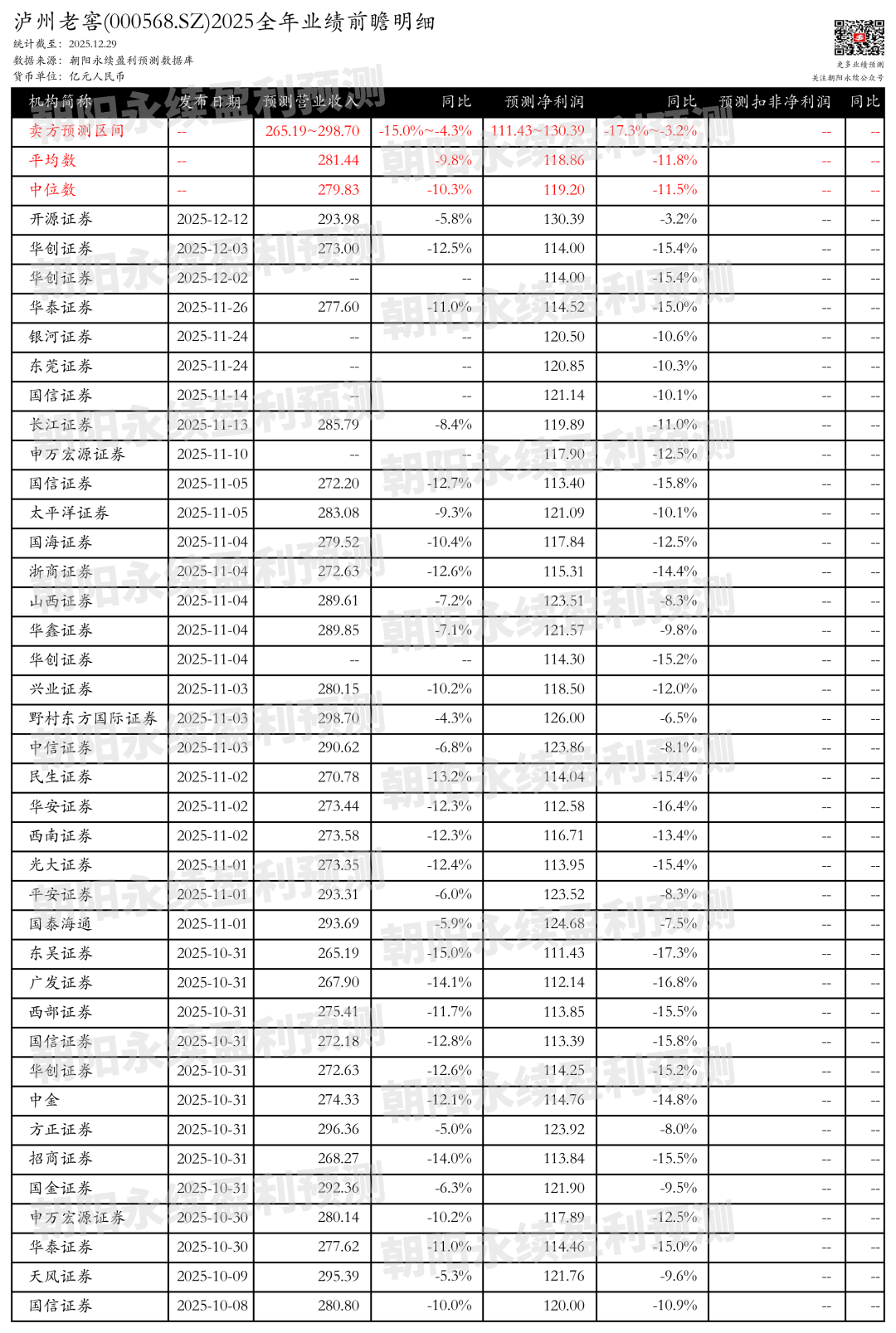
泸州老窖:战略定力,看好改善弹性,预测Q4一致预期营收265.19~298.70亿元
Xin Lang Cai Jing· 2025-12-29 13:45
Core Viewpoint - Luzhou Laojiao is expected to experience a decline in both revenue and net profit for Q4 2025, with projected revenue ranging from 26.519 to 29.870 billion yuan, reflecting a year-on-year change of -15.0% to -4.3%, and net profit expected to be between 11.143 to 13.039 billion yuan, with a year-on-year change of -17.3% to -3.2% [1][7] Revenue and Profit Forecast - The consensus forecast for Q4 2025 indicates an average revenue of 28.144 billion yuan, representing a year-on-year decline of 9.8%, and an average net profit of 11.886 billion yuan, with a year-on-year decrease of 11.8% [3][8] - Various securities firms have provided differing forecasts, with estimates for revenue ranging from 26.519 billion yuan to 29.870 billion yuan and net profit estimates between 11.143 billion yuan and 13.039 billion yuan [4][9] Market and Strategic Insights - According to Kaiyuan Securities, Luzhou Laojiao maintains stable pricing for its core product, Guojiao, and has managed to keep market order intact despite weak consumer demand. The company has adjusted its strategies to release pressure in an orderly manner, maintaining channel confidence [5][10] - Northeast Securities notes that while revenue and net profit have declined in the first half of 2025, sales of mid-to-high-end liquor have shown steady growth. The company is focusing on digital marketing to enhance efficiency and is innovating products to expand consumer demand [6][10]
2025,年轻人没有抛弃白酒
Sou Hu Cai Jing· 2025-12-22 12:48
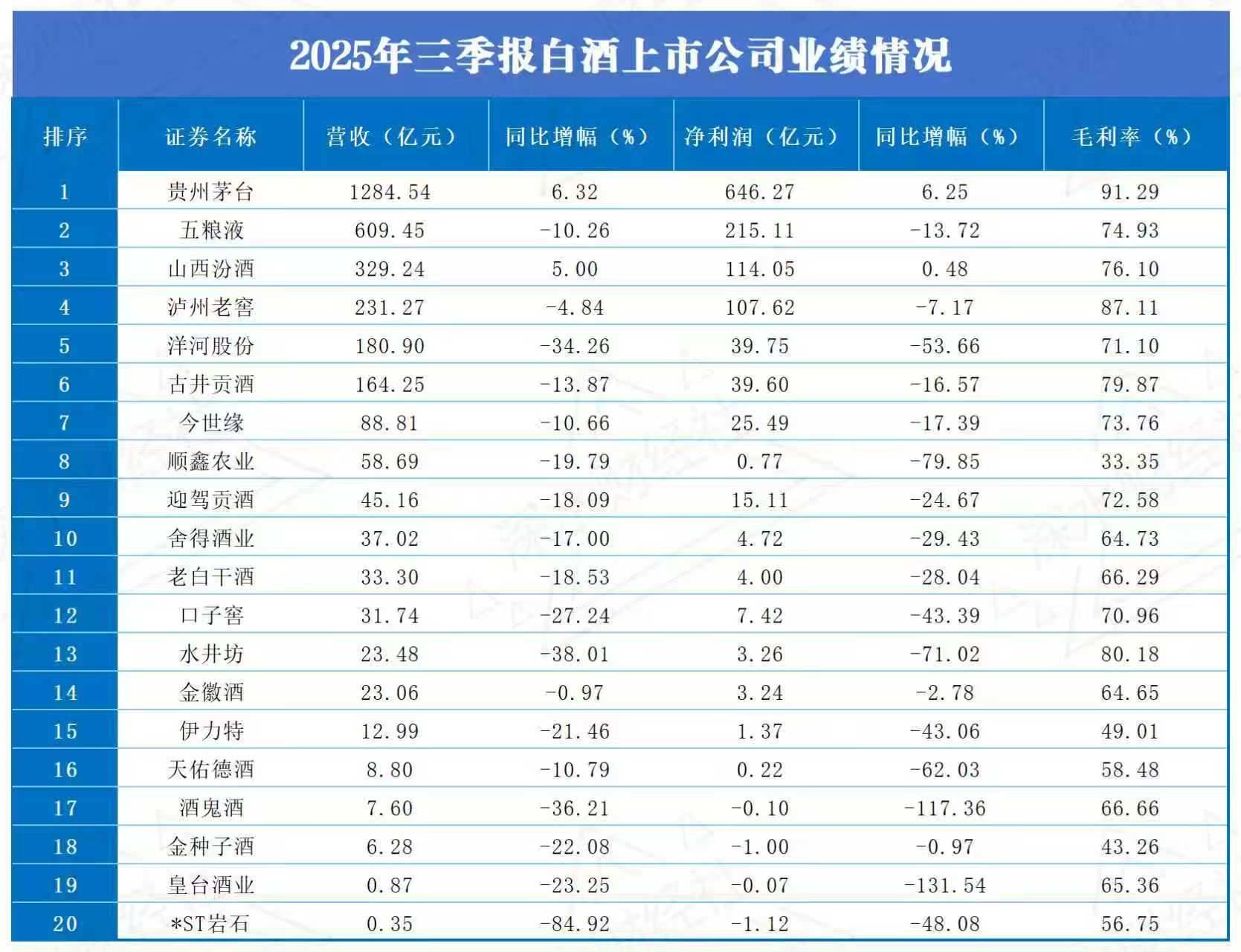
Core Viewpoint - The decline in the price of Moutai below 1499 yuan per bottle is attributed to industry-wide adjustments, including factors like consumption downgrade and inventory issues, while niche brands like Jingjiu are gaining popularity among younger consumers [1][2][3] Industry Overview - The current state of the liquor industry shows a collective downturn among major liquor companies, unable to sustain previous price levels [2][3] - The traditional consumption logic is fading, indicating a shift in consumer preferences towards more personalized and self-satisfying choices [4][5] Company Performance - In the first three quarters of 2022-2024, the liquor industry maintained double-digit revenue growth rates of 12%, 15.37%, and 10.49%, but projections for 2025 suggest negative growth for most companies [7] - In Q3, 20 listed liquor companies reported a total revenue of 317.78 billion yuan, a year-on-year decline of 5.90%, with net profits dropping by 6.93% [7][9] - Major companies like Moutai and Wuliangye are showing signs of "growth fatigue," with Moutai's revenue at 128.45 billion yuan, a growth of 6.32%, while Wuliangye's revenue fell by 10.26% [9][10] Market Dynamics - The market is experiencing a significant shift, with traditional high-end liquor brands facing pressure while niche brands like Jingjiu are thriving, particularly among young female consumers [12][18] - The consumption landscape is evolving, with younger consumers favoring low-alcohol and health-oriented products, leading to a decline in traditional high-end liquor sales [17][32] Consumer Behavior - The younger demographic (post-85 to post-94) is becoming a key market segment, preferring convenient, low-alcohol, and easily mixable products, which is reshaping the liquor market [18][20] - The trend of "self-satisfying consumption" is emerging, where consumers prioritize personal enjoyment over brand prestige, indicating a shift in purchasing motivations [20][21] Product Innovation - Companies are adapting by introducing lower-alcohol and smaller packaging options to meet the new consumer demands for health and convenience [15][24] - Jingjiu's rise in popularity is attributed to its successful marketing as a health-oriented product, appealing to young women and aligning with modern consumption trends [12][32]
解读泸州老窖2025年三季报:锚定高质量发展 构建业绩增长新曲线
Chang Jiang Shang Bao· 2025-11-12 02:43
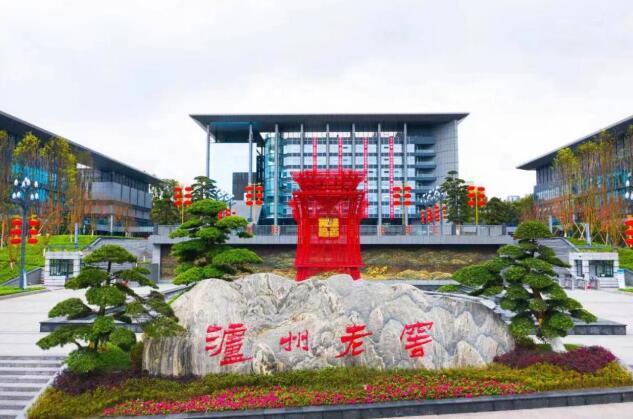
Core Viewpoint - The liquor industry is undergoing a deep adjustment, shifting from "scale competition" to a systematic game focusing on "quality enhancement, brand influence, cultural expression, and value creation" [1] Company Performance - Luzhou Laojiao achieved operating revenue of 23.127 billion yuan and net profit attributable to shareholders of 10.762 billion yuan in the first three quarters [1] - In Q3, the company reported operating revenue of 6.674 billion yuan and net profit of 3.099 billion yuan [1] - The company maintains a strong competitive position, with its high-end brand strategy providing a robust competitive barrier [3] Strategic Focus - Luzhou Laojiao adheres to a long-term strategy focusing on "dual brands, three product lines, and major single products," ensuring a balance between volume and price [3] - The company is actively cultivating resilience and capability to navigate external uncertainties through a high-end strategy and refined operations [1][3] Brand Development - The brand revitalization project has shown significant results, with resources directed towards mainstream mid-to-high-end products [5] - The 38-degree Guojiao 1573 has become one of the largest low-alcohol liquor products, indicating strong competitive advantages [6] Market Trends - The company is adapting to changing consumer demographics, with younger consumers driving trends towards personalized, low-alcohol, and enjoyable drinking experiences [5][6] - Luzhou Laojiao is leveraging theme marketing and high-end experiential activities to connect with consumers [8] Industry Outlook - The liquor industry is expected to maintain a long-term positive trend, with the value of the industry continuing to rise [9] - The company believes that the emotional demand for liquor among Chinese consumers remains unchanged, indicating broad future development potential [9] Digital Transformation - Luzhou Laojiao is committed to digital transformation, aiming for 2025 to be the "year of digital implementation" [11] - The company has implemented a comprehensive smart management system to enhance operational efficiency and consumer engagement [11] Financial Health - As of September 2025, the company's contract liabilities reached 3.838 billion yuan, a year-on-year increase of 44.60%, reflecting strong order accumulation capabilities [12] - The company emphasizes the importance of maintaining harmonious relationships with distributors and optimizing profit-sharing models [12]
光瓶酒逆势预涨超10%
Nan Fang Du Shi Bao· 2025-11-06 23:10
Core Viewpoint - The Chinese liquor industry is undergoing a deep adjustment period, while the light bottle liquor segment is experiencing strong growth, with products like Guo Fen from Shanxi Fenjiu showing over 10% sales growth in the first three quarters of the year, indicating a shift in consumer preferences from "face consumption" to "substance consumption" [1][2]. Industry Overview - The market size of light bottle liquor has grown from 35.2 billion yuan in 2013 to over 150 billion yuan in 2024, with projections to exceed 200 billion yuan by 2025, reflecting a compound annual growth rate of 13.8% from 2013 to 2021 [1][2]. Company Performance - Shanxi Fenjiu is one of the few companies showing growth, with a reported revenue of 32.924 billion yuan in the first three quarters of the year, a 5% increase year-on-year, and a net profit of 11.405 billion yuan, a slight increase of 0.48% [1][2]. Product Contribution - The Guo Fen product line has been a significant contributor to Shanxi Fenjiu's growth, with analysts noting that it achieved over 10% growth in the first three quarters, contrasting with the declining sales of many other products [2][3]. Competitive Landscape - The rapid growth of the light bottle liquor market has attracted numerous companies to increase their investments in this segment, with brands like Yanghe and Luzhou Laojiao launching new products aimed at capturing market share [3][4]. Market Dynamics - Despite overall growth in the light bottle liquor market, there is increasing differentiation among brands. Traditional brands like Niulanshan are facing significant challenges, with reported revenue declines of nearly 20% year-on-year [4][5]. Consumer Trends - The shift in consumer behavior is evident, with younger consumers moving from luxury packaging to a focus on quality and cost-effectiveness, prompting companies to adapt their strategies to meet the demand for high-value products [3][6]. Future Outlook - The light bottle liquor segment is expected to continue expanding, but competition is intensifying, leading to a clear differentiation among brands. Companies that can adapt to changing consumer preferences and market conditions are likely to thrive [6][7].
总投资约15亿!泸州老窖拟投建白酒博物馆
Nan Fang Du Shi Bao· 2025-11-06 04:49
Core Viewpoint - Luzhou Laojiao has announced an investment of approximately 1.478 billion yuan in the construction of a historical and cultural industry park and a Chinese liquor museum, aiming to enhance brand influence and showcase the history and culture of Chinese liquor [2] Industry Transformation - The Chinese liquor industry is undergoing a transformation from a "capacity expansion" model to a focus on "quality improvement, brand influence, cultural expression, and value creation" [3] - Data from the National Bureau of Statistics indicates a decline in liquor production, with a cumulative output of 2.655 million kiloliters from January to September 2025, representing a year-on-year decrease of 9.9% [3] - The shift in consumer logic is characterized by four trends: 1. Changing consumption concepts from "quantity satisfaction" to "quality pursuit" [3] 2. Demand for personalized, lower-alcohol, and self-indulgent liquor among younger consumers [4] 3. A restructuring of consumption scenarios, with a decline in government consumption and growth in self-drinking and new consumption scenarios [4] 4. Accelerated evolution of consumption channels, with a deep integration of online and offline sales [4] Marketing Strategy - Luzhou Laojiao plans to focus on "deepening the market, innovating products, solidifying the core base, and transforming channels" in its marketing strategy [5] - The company aims to implement a long-term strategy for market cultivation, particularly in lower-tier markets, to convert opportunities into sustainable growth [5] - In product innovation, Luzhou Laojiao will continue to develop lower-alcohol and diversified products, including promoting new drinking methods [6] - The company is shifting resources towards mid-to-high-end mainstream products to solidify its market position [6] - Luzhou Laojiao is also entering the high-growth light bottle liquor segment, with pilot promotions of its new Luzhou Laojiao Erqu product [6] - The company emphasizes the importance of a comprehensive pricing strategy to maintain balance between volume and price, while ensuring healthy channel ecology [6]
泸州老窖前三季度营收净利双降 国窖1573等中高档酒销量同比下滑10%
YOUNG财经 漾财经· 2025-11-05 10:39
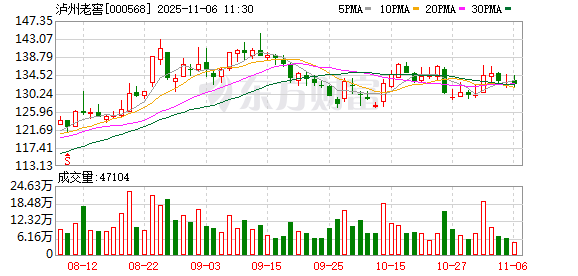
Core Viewpoint - Luzhou Laojiao's revenue and net profit have declined for the first time in 10 years, with significant drops in sales of mid-to-high-end liquor products, particularly the flagship Guojiao 1573 [2][3]. Financial Performance - In the third quarter, Luzhou Laojiao reported a revenue of 6.674 billion yuan, a year-on-year decrease of 9.80%, and a net profit of 3.099 billion yuan, down 13.07% [2]. - For the first three quarters, total revenue was 23.127 billion yuan, a decline of 4.84%, while net profit reached 10.762 billion yuan, down 7.17% [2]. Product Performance - Sales of mid-to-high-end liquor, represented by Guojiao 1573, amounted to 24,119.09 tons, a year-on-year decline of 10.2%, with sales revenue of approximately 21.12 billion yuan, down 1.1% [4]. - Conversely, low-end liquor sales increased to 24,798.63 tons, a growth of 17.3%, with sales revenue of about 1.89 billion yuan, up 16.8% [4]. Strategic Response - Luzhou Laojiao is actively seeking changes in response to shifting consumer preferences, particularly among younger demographics who favor personalized, lower-alcohol, and more casual drinking experiences [4]. - The company plans to continue developing 38-degree products and is researching plans for even lower-alcohol options [4].

预计逆势涨超10%!消费风向变了,光瓶酒成了“香饽饽”?
Nan Fang Du Shi Bao· 2025-11-05 10:29
Core Viewpoint - The overall performance of the liquor industry, particularly the baijiu sector, is declining, with only a few companies like Guizhou Moutai and Shanxi Fenjiu showing slight growth, while the majority face significant revenue drops [1][2]. Industry Overview - In the third quarter of 2025, 20 listed baijiu companies reported their earnings, with only Guizhou Moutai and Shanxi Fenjiu achieving minor increases, while 18 others experienced varying degrees of decline [1]. - The baijiu industry is undergoing a deep adjustment period due to changing consumer environments and high channel inventories [1]. Market Trends - Despite the overall downturn, the light bottle liquor segment is experiencing robust growth, with products like Shanxi Fenjiu's Guo Fen showing over 10% sales growth in the first three quarters [1][5]. - The market size of light bottle liquor has expanded from 35.2 billion yuan in 2013 to over 150 billion yuan in 2024, with projections indicating it will surpass 200 billion yuan in 2025 [1][5]. Company Performance - Shanxi Fenjiu reported a revenue of 32.924 billion yuan in the first three quarters of 2025, marking a 5% year-on-year increase, with a net profit of 11.405 billion yuan, a slight increase of 0.48% [2]. - The growth in Shanxi Fenjiu's performance is attributed to its light bottle products, particularly Guo Fen, which has shown significant sales increases [2][5]. Competitive Landscape - The rapid growth of the light bottle liquor market has prompted many liquor companies to increase their investments in this segment, with notable entries from Yanghe and other brands [6][8]. - Analysts indicate a shift in consumer preferences from luxury packaging to quality and cost-effectiveness, driving the growth of light bottle liquor [8]. Market Challenges - Despite the overall growth in the light bottle liquor market, there is increasing differentiation among brands, with traditional brands like Niulanshan facing severe challenges [10][12]. - Niulanshan's revenue dropped by 19.79% to 5.869 billion yuan in the first three quarters, with a net profit decline of 79.85% [10][12]. - The competitive landscape is intensifying, with many companies facing challenges due to changing consumer habits and market dynamics [13][16].