洋河梦之蓝

Search documents
2026元夕后白酒进销存系列调研
2026-03-06 02:02
Summary of the Conference Call on the Baijiu Industry Industry Overview - The conference call focused on the Baijiu industry, particularly the performance of major brands such as Moutai, Wuliangye, Guojiao, Yanghe, and Fenjiu during the 2026 Spring Festival period compared to 2025. Key Points and Arguments Sales and Payment Progress - Payment collection for Baijiu brands is generally lagging, with Moutai's payment nearing delivery, Wuliangye at approximately 40%, and Guojiao, Yanghe, and others at only 20%-30% compared to the same period in 2025 [1][2] - Moutai's sales growth is in the single digits, while Wuliangye saw a 3%-4% increase in January-February. Guojiao's sales dropped nearly 25%, and Yanghe and others saw declines of about 15% [1][5] Inventory Levels - Inventory levels are high across many brands, with Guojiao, Yanghe, and others having 2-3 months of channel inventory. Moutai has about 10 days, and Wuliangye around 25 days, indicating ongoing pressure to reduce inventory [1][3][4] Pricing Trends - Pricing for Moutai is expected to range between 1,450-1,650 RMB, with Wuliangye maintaining above 780 RMB. Guojiao is around 850 RMB, while Water Well's 8th product has dropped to 267 RMB due to inventory pressure [1][7][8] Regional Performance - In the Anhui market, Gujing and Yingjia have payment collections around 45%, while Kuozi has less than 30%. Gujing's sales have declined by 10%-15%, and Kuozi's by nearly 40%, indicating intensified regional competition and shrinking profit margins [1] Contract Goals for 2026 - Wuliangye has signed contracts at 1.1 times last year's actual volume, Yanghe is flat, and Kuozi has reduced its target by over 20%. Moutai's premium products are now handled by select distributors, with a focus on the "i Moutai" sales channel [1][25][30] Consumer Behavior and Market Dynamics - Moutai's non-standard products have seen a decline in sales due to inventory changes, with current non-standard inventory covering about one month. The sales structure is lighter, indicating a healthier inventory state [6] - The premium segment for Moutai has improved, but channel motivation is still affected by historical losses. The supply method for premium products has changed, focusing on select distributors rather than broad distribution [7] Profitability and Margin Analysis - Guojiao's current pricing is around 840-850 RMB, with a significant drop in sales attributed to decreased liquidity in the wholesale market during the Spring Festival [11][12] - The profitability of Guojiao's distributors is not as favorable compared to Wuliangye, with Guojiao's distributors likely not making significant profits [13] Product-Specific Insights - The performance of specific products like Fenjiu's Qinghua series has seen a decline of about 10%, while other products have shown mixed results [5][15] - The pricing for Water Well's 8th product has significantly decreased, reflecting market pressures and inventory issues [18][19] Future Outlook - The overall sentiment in the Baijiu market indicates cautious optimism, with brands adjusting their strategies to cope with inventory pressures and changing consumer preferences. The focus will be on maintaining profitability while navigating competitive challenges [1][25][30] Additional Important Insights - The call highlighted the importance of regional dynamics, with varying performance across different markets, and the need for brands to adapt their strategies accordingly [10][28] - The impact of promotional activities and consumer incentives remains a critical factor in driving sales, particularly in a competitive landscape [9][36] This summary encapsulates the key discussions and insights from the conference call, providing a comprehensive overview of the current state and future outlook of the Baijiu industry.






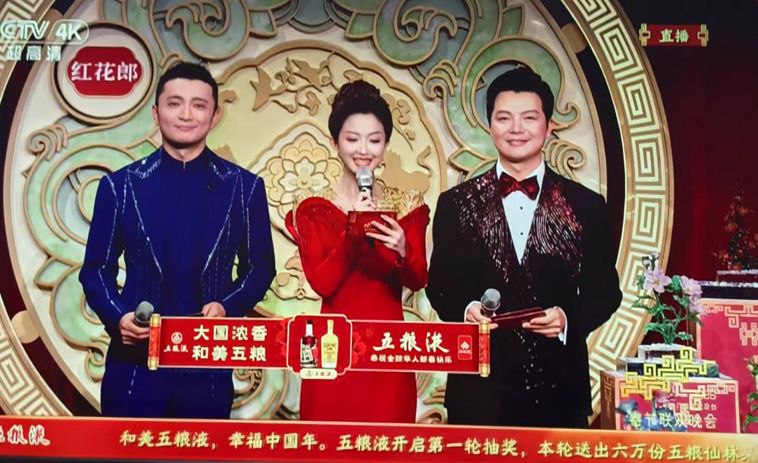
“含酒量”大缩水!马年总台春晚仅4家白酒赞助品牌亮相 酒企正转战短剧短视频新阵地?
Mei Ri Jing Ji Xin Wen· 2026-02-25 09:42
Core Insights - The number of liquor brands sponsoring the CCTV Spring Festival Gala has decreased significantly, from 9 in 2024 and 7 in 2025 to only 4 in 2026, indicating a shift in marketing strategies among liquor companies [1][2][6] - Major liquor brands that remain as sponsors are long-term partners of the gala, focusing on differentiated positioning and interactive collaborations [2][6] - The reduction in sponsorship is attributed to a more rational and diversified approach to marketing, with brands opting for softer product placements rather than traditional sponsorships [5][6][15] Industry Trends - The liquor industry is experiencing a cyclical adjustment, yet the Spring Festival remains a crucial sales period, prompting companies to explore various marketing channels beyond traditional sponsorships [1][6] - Brands are increasingly investing in short videos, micro-dramas, and variety shows as new marketing battlegrounds, reflecting a shift towards more engaging and consumer-centric strategies [9][12][14] - The trend indicates a move from broad exposure strategies to precision marketing, focusing on direct consumer engagement and sales conversion [15][16] Marketing Strategies - Major liquor brands are utilizing innovative marketing techniques, such as integrating products into popular media formats like micro-dramas and short videos, to reach younger audiences [9][12][14] - The collaboration with platforms like Douyin (TikTok) and various streaming services has become a common practice, allowing brands to leverage storytelling to enhance consumer connection [12][14] - The industry's focus is shifting towards creating immersive experiences and interactive content, moving away from mere logo placements to deeper brand integration within entertainment [5][15]

春晚白酒品牌三十年浮沉:从'标王'争霸到'四强'鼎立,行业营销迈入高质量新阶段
Jing Ji Guan Cha Bao· 2026-02-17 06:48
Group 1 - The article discusses the evolution of the Chinese liquor industry as reflected through the partnerships with the Spring Festival Gala, highlighting three distinct phases: rapid expansion, recovery, and consolidation [1][2] - From the 1990s to 2012, liquor brands aggressively competed for prime advertising spots, with notable brands like Langjiu and Moutai establishing strong presences [1] - The period from 2016 to 2019 saw a resurgence of liquor brands returning to the Gala through special partnerships, with Guqingongjiu becoming a representative brand during this phase [1] Group 2 - Since 2020, the industry has entered a phase of solidified leadership, with top brands like Yanghe and Wuliangye forming a stable partnership structure, reducing the number of participating brands significantly [2] - The 2026 Spring Festival Gala will feature a reduced lineup of four leading brands, marking a new low in brand participation over the past six years, indicating a shift towards high-quality development rather than industry decline [2] - The evolution from competitive bidding to a focus on a few leading brands reflects a broader transformation in the liquor industry towards brand-driven strategies and rational marketing approaches [2]

春晚合作公司名单来了
财联社· 2026-02-16 05:35
Group 1 - The 2026 Spring Festival Gala has announced over 20 partners across various sectors, including smart mobility, artificial intelligence, and liquor [1] - Key partners in the smart ecosystem include companies like ZhiMi Group, MOVA, and Huawei's Mate 80 series, which is designated as the live broadcast phone partner [2] - In the smart mobility sector, partners include Lynk & Co 900 and JAC Motors, which collaborates with Huawei on the flagship vehicle [2] Group 2 - The artificial intelligence and robotics sector features partners such as Volcano Engine, Yushu Technology, and Galaxy General, highlighting a strong technological presence at the gala [3] - Notably, there are 8 listed companies among the partners, including Wuliangye, Yanghe, and Great Wall Motors, indicating significant corporate involvement [3]

新任董事长顾宇,能拯救掉队的洋河吗?
Sou Hu Cai Jing· 2025-12-18 01:13
Core Viewpoint - Yanghe Co., Ltd. has been facing significant challenges in the white liquor market, with declining sales and profits, despite continuing to invest heavily in advertising partnerships, such as being the exclusive timekeeping partner for the 2026 Spring Festival Gala for the seventh consecutive year [2][4]. Group 1: Financial Performance - In Q3 2024, Yanghe reported revenue of 3.295 billion yuan, a year-on-year decline of 29.01%, and a net loss of 373 million yuan, marking a significant downturn compared to leading competitors like Kweichow Moutai and Wuliangye [5][6]. - The company's sales volume in 2024 was 139,076.05 tons, down 16.3% from 2023, while production decreased by 8.4% to 145,494.73 tons [8]. - In the first half of 2025, Yanghe's sales volume fell to 78,192.32 tons, a decrease of 32.35%, and production dropped to 48,891.12 tons, down 51.63% [10]. Group 2: Market Position and Competition - Yanghe has dropped out of the top three in the white liquor industry, currently ranking fifth, facing increasing competition from regional brands like Jinshiyuan and Gujinggongjiu [5][6]. - In Jiangsu Province, Yanghe's revenue fell by 11.43% to 12.748 billion yuan, while Jinshiyuan experienced a 16% growth to 10.551 billion yuan, narrowing the revenue gap significantly [12][14]. - The number of Yanghe's distributors decreased by 257 to 8,609, indicating weakened market presence and a potential impact on future sales [15]. Group 3: Strategic Challenges - Yanghe's high-end brand, Dream Blue, struggles to establish itself in the market compared to established products from competitors like Moutai and Wuliangye, limiting its appeal as a collectible item [19]. - The company has faced challenges in brand positioning and channel management, leading to a decline in distributor enthusiasm and market share [16][18]. - The new leadership under Gu Yu lacks experience in corporate management and the liquor industry, raising concerns about the effectiveness of future strategies [17]. Group 4: Future Outlook - Yanghe may need to focus on maintaining its mid-range product line while exploring new consumer segments, particularly younger demographics, to adapt to changing market dynamics [21]. - The company has seen a slight increase in average price per ton, indicating potential for maintaining profit margins despite declining sales volume [21].

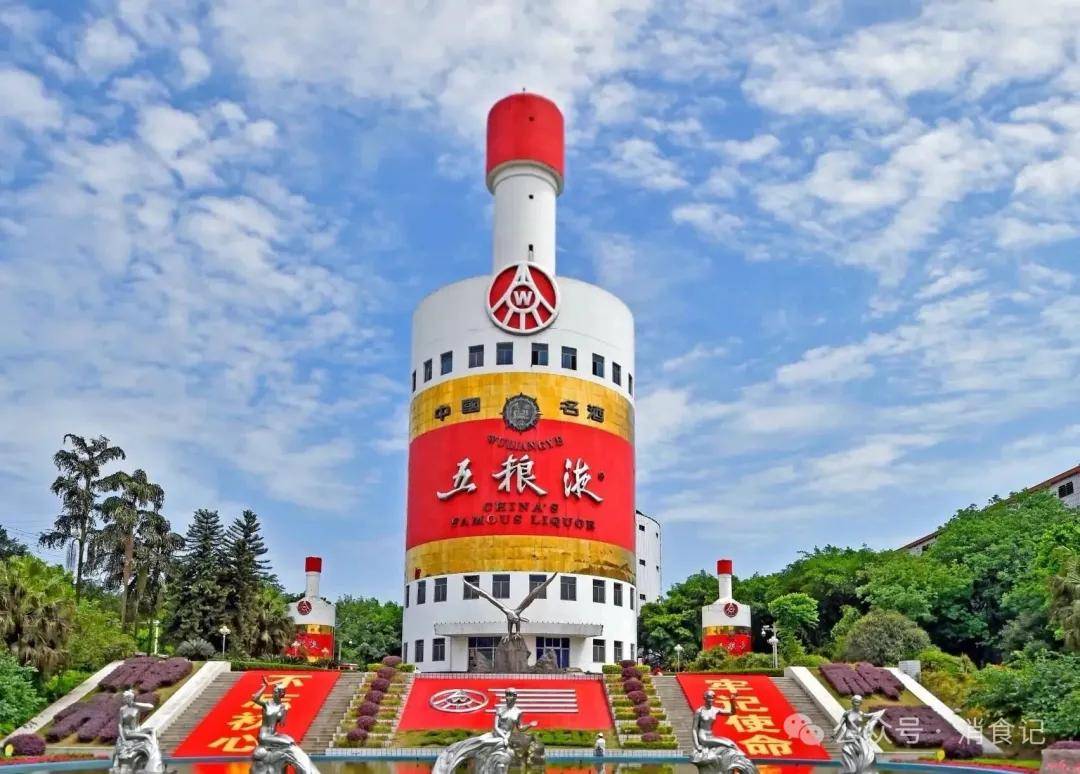
五粮液第八代普五开票价直降:白酒行业价格重构浪潮下的深度剖析
Sou Hu Cai Jing· 2025-12-11 18:59
Core Insights - The core point of the articles is that the Chinese liquor industry is undergoing a significant transformation, marked by Wuliangye's decision to reduce the price of its flagship product, the eighth generation of Pu Wu, from 1019 yuan to 900 yuan per bottle, indicating a shift from "bubble prosperity" to rationality in the market [1][2]. Industry Overview - The liquor industry entered a golden growth period in 2015 but faced a cyclical turning point in 2022 due to macroeconomic slowdown, insufficient consumer confidence, and regulatory pressures, leading to sustained pressure on high-end liquor pricing [2]. - The average inventory turnover days in the industry have risen to 900 days, with channel inventory levels reaching 5-6 months, significantly exceeding healthy levels [2]. Pricing Strategy - Wuliangye's price reduction is seen as a strategic move to accelerate inventory digestion and shift products from the channel to the consumer end, utilizing policies like "instant discounts + consumer bottle-opening QR code rewards" to bind subsidies with terminal sales [2][3]. - This approach contrasts with previous industry adjustments that led to significant revenue declines, showcasing improved channel management capabilities [2]. Market Dynamics - The industry is transitioning from "channel push sales" to "demand-driven sales," allowing distributors to focus more on consumer engagement and enhancing the consumption experience [3]. - Wuliangye's pricing decision is expected to influence competitors like Guojiao 1573 to adopt similar channel support policies, leading to a normalization of implicit discounts in the industry [3]. Competitive Landscape - Following Wuliangye's price cut, the price gap with Moutai has narrowed, potentially triggering a downward adjustment in the high-end liquor price range, affecting brands like Luzhou Laojiao and Yanghe [3][4]. - The top six companies in the industry now account for 87.6% of total revenue, indicating a strengthening of the "Matthew Effect" where larger firms gain market share at the expense of smaller brands [4]. Consumer Trends - While the price reduction may stimulate short-term demand, long-term consumer preferences are shifting towards value and quality, with younger generations showing increased interest in lower-alcohol and fruit-based beverages [4]. - Traditional high-end liquor brands need to innovate in product development and marketing strategies to attract new consumer demographics [4]. Future Outlook - The timing of the industry's recovery is anticipated to depend on economic recovery and genuine consumer revival, likely around the 2026 Spring Festival [6]. - Wuliangye's price reduction is both a pragmatic response to industry cycles and a strategic choice for transformation, emphasizing the need for companies to balance short-term survival with long-term development [6].
五粮液价格防线松动,十年首度主动调整,市场风向释放什么信号
Sou Hu Cai Jing· 2025-12-09 05:17
Core Viewpoint - The recent price reduction by Wuliangye, known as the "King of Strong Aroma," marks its first substantial price cut in ten years, indicating significant pressure within the industry [1] Group 1: Price Reduction Mechanism - Wuliangye's official stance is that they are increasing channel support rather than reducing prices, with the actual cost to distributors dropping from 1019 yuan to approximately 900 yuan per bottle due to a 119 yuan discount per bottle [3][5] - This method of "visible support" while maintaining the official price helps preserve the brand's image while alleviating the financial burden on distributors [5] Group 2: Market Conditions - The term "price inversion" describes a situation where distributors' purchase prices exceed market selling prices, leading to losses for distributors [6] - In 2025, the market price for the eighth generation of Wuliangye dropped to as low as 810 yuan per bottle, resulting in a loss of 169 yuan per sale for distributors [6] Group 3: Industry Impact - Wuliangye's performance has significantly declined, with a 10.26% drop in revenue to 609.45 billion yuan and a 13.72% decrease in net profit to 215.11 billion yuan in the first three quarters of 2025, marking the first negative revenue growth since 2015 [8][10] - The price reduction is seen as a necessary response to both distributor losses and the company's declining performance, indicating a shift in the entire liquor industry [10] Group 4: Industry Trends - The liquor industry is transitioning from a seller's market to a buyer's market, with consumers becoming more rational and less willing to pay inflated prices [11][13] - In the first half of 2025, over 100 large-scale liquor companies exited the market, with total production down by 5.8% and profits down by 4.93% [13] - Wuliangye's price cut may prompt competitors like Luzhou Laojiao and Yanghe to follow suit to maintain market share [13] Group 5: Future Outlook - Wuliangye's shift from inventory pressure to channel support may set a new trend in the industry, focusing on real consumer demand rather than inflated pricing [15] - The current market challenges are viewed as a necessary cleansing process, where only companies that prioritize quality and consumer needs will thrive [16] - The long-term health of the liquor industry depends on moving away from price inflation and focusing on quality and service [16]
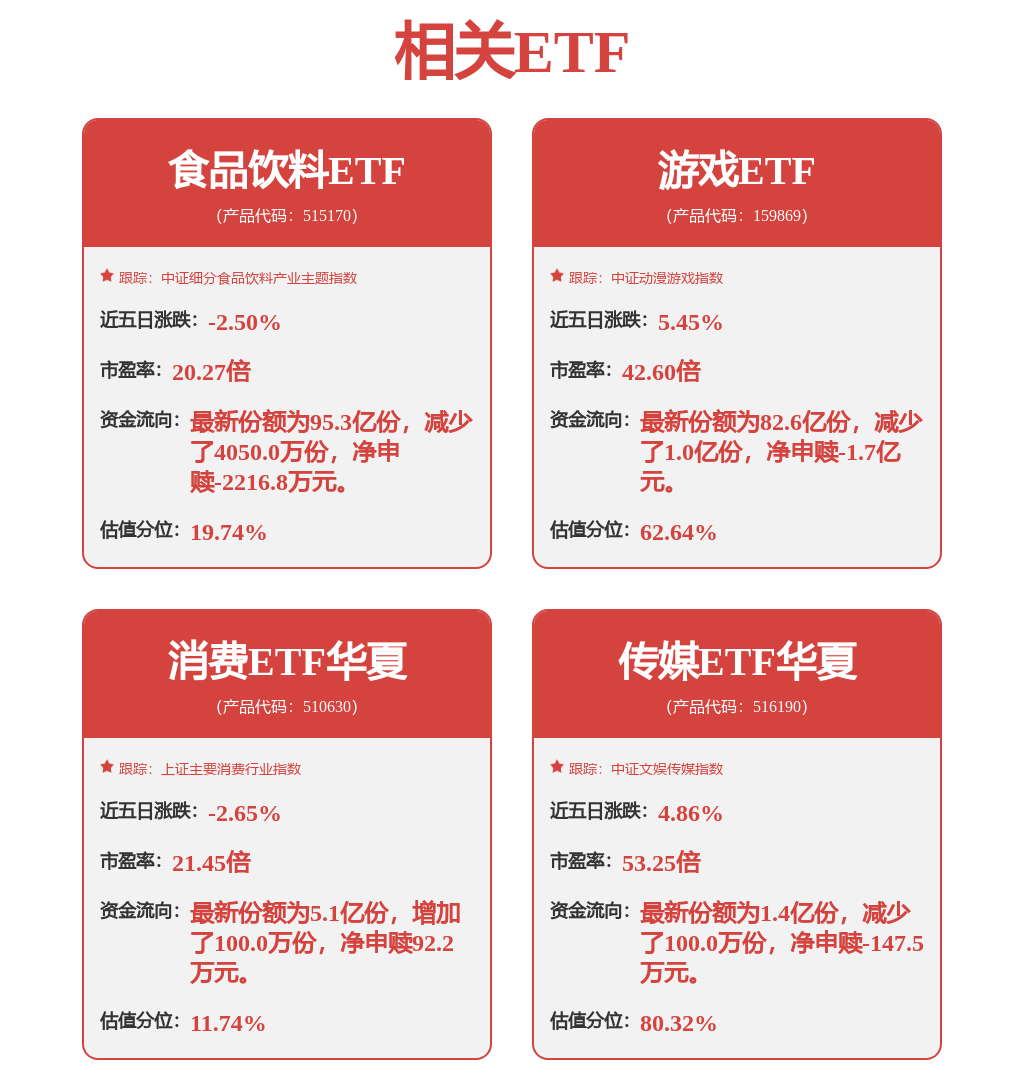
一天吃透一条产业链:白酒行业(风光不再)
Sou Hu Cai Jing· 2025-11-29 15:06
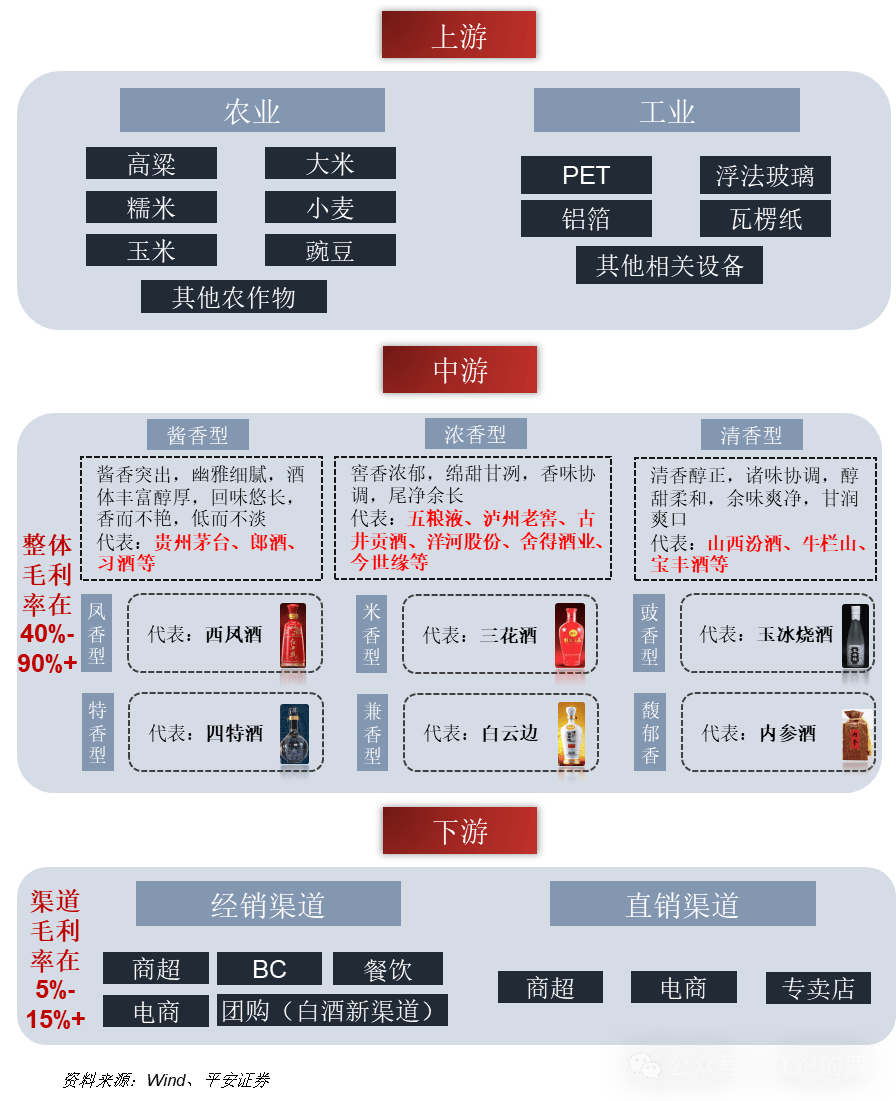
Core Insights - The article discusses the evolution and current state of the Chinese liquor industry, particularly focusing on the baijiu market, which is characterized by various flavor profiles and a significant shift in consumer behavior towards online purchasing and younger demographics [3][5][41]. Industry Overview - Baijiu is a unique traditional distilled liquor in China, primarily made from sorghum, with three main flavor types: strong aroma, sauce aroma, and light aroma [8][10]. - The baijiu market has seen a transformation driven by consumer preferences, particularly among the younger generation, leading to a more integrated approach in sales channels [5][41]. Market Dynamics - The baijiu industry is undergoing supply-side structural reforms, with a focus on reducing production capacity while enhancing efficiency and profitability [19]. - The market size for baijiu is projected to reach 861.8 billion yuan in 2024, reflecting a year-on-year growth of 10.23% [19]. Consumer Trends - The Z generation is becoming the main consumer force, with a notable shift towards rational and personalized consumption, and a decrease in traditional business drinking [5][45]. - Online sales of baijiu are expected to grow, with 2023 seeing approximately 900 billion yuan in online sales, although the online penetration rate remains relatively low at 11.9% [41][45]. Pricing and Competition - The pricing structure of baijiu is evolving, with a noticeable shift towards mid-range products, indicating a change in consumer demand [26][30]. - The industry is experiencing increased concentration, with the top 10 brands' market share rising from 18.8% in 2015 to an expected 57.1% by 2024 [33]. Production and Supply Chain - The production process of baijiu is highly standardized, ensuring consistent quality across products, with major brands like Moutai employing complex manufacturing processes [17]. - Sorghum, the primary raw material for baijiu, has seen a rebound in planting area, increasing from 425,000 hectares in 2015 to 630,000 hectares in 2023 due to rising demand [10][12]. Regional Competition - The regional competition in the baijiu market is characterized by strong local brands in provinces like Shanxi and Jiangsu, while national brands dominate in other areas [39][36].
“苏超”唯一洋帅大婚 | “杨”“何”好合,就喝洋河!
Zhong Jin Zai Xian· 2025-11-03 14:25
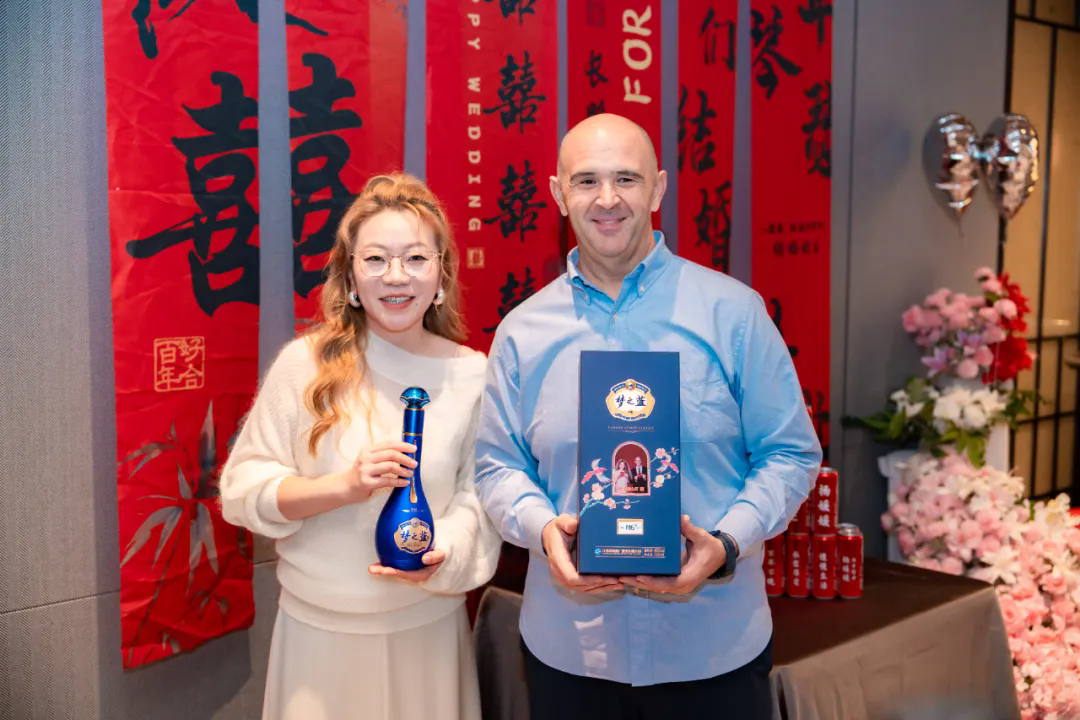
Group 1 - The article highlights a unique cross-cultural wedding between José, a Spanish football coach, and Yang Yuanyuan, a local from Nanjing, which adds a romantic touch to the upcoming Jiangsu Super League final [1][3] - José has been in Nanjing since 2017, transitioning from a youth training coach to the head coach of the Nanjing team, achieving an impressive record of 11 unbeaten matches [3][5] - The wedding symbolizes the blending of Eastern and Western cultures, with the couple's initials "Y" and "H" representing the brand Yanghe, which plays a significant role in their wedding celebration [5][9] Group 2 - The wedding features a specially customized crystal version of Yanghe's Dream Blue, symbolizing the couple's pure love and cultural fusion [7][9] - The event showcases the deep-rooted Eastern drinking culture and Western romantic sentiments, emphasizing the theme of "love knows no borders" [9][11] - The couple expresses their hopes for a future filled with both sporting achievements and a harmonious life together, with Yanghe Dream Blue serving as a metaphorical trophy in their life journey [11]
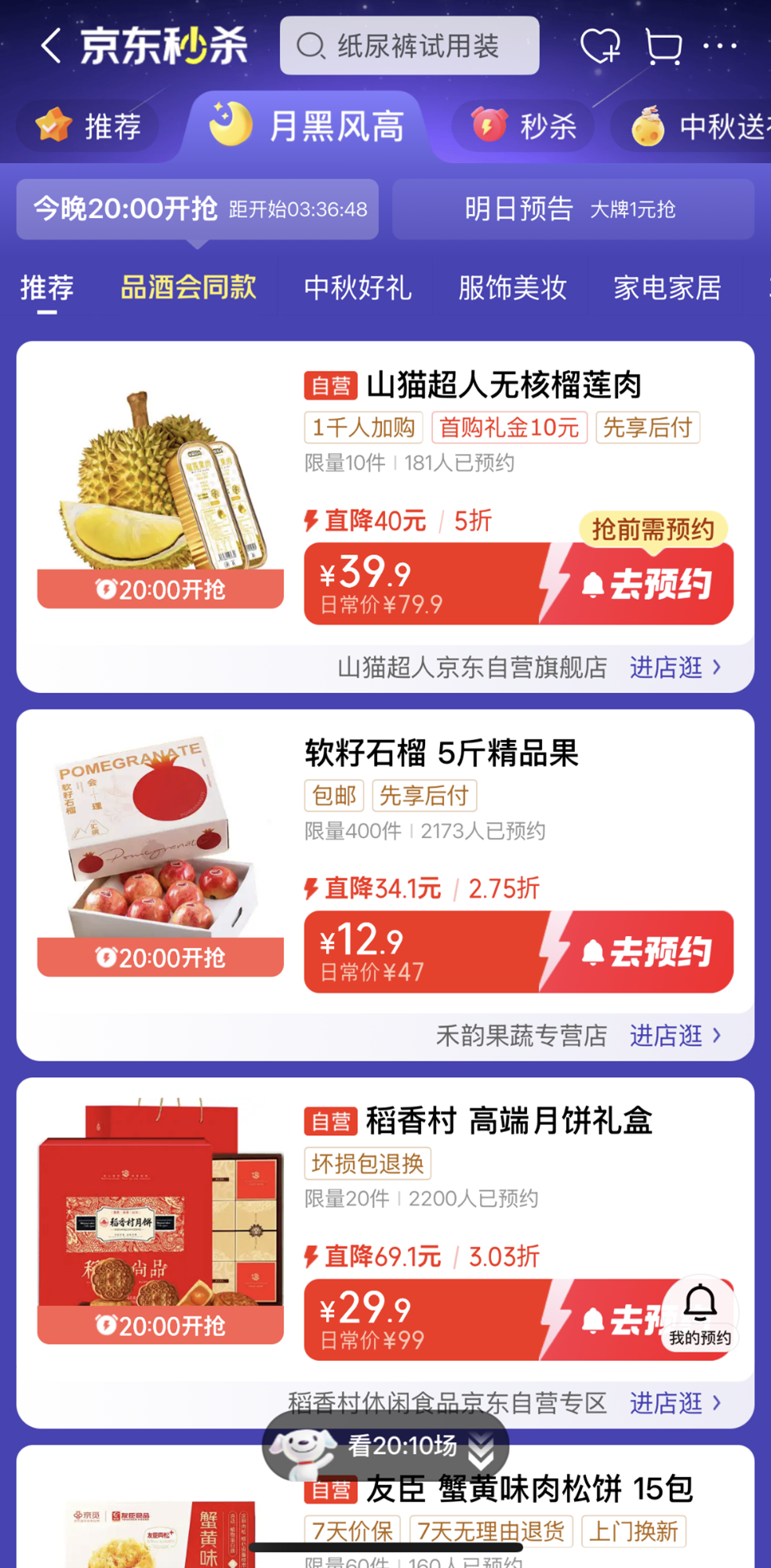
多款名酒每晚九点开抢!京东月黑风高频道9月16日起推出名酒抢购优惠
Zhong Jin Zai Xian· 2025-09-16 09:48
Core Viewpoint - JD.com is launching a promotional campaign for the Mid-Autumn Festival, featuring discounts on various alcoholic beverages and gift sets to meet consumer demand for festive gatherings and gifting [1][4]. Group 1: Promotional Activities - Starting from September 16, JD.com will offer a "Moon Black Price" discount on well-known liquor brands such as Wuliangye, Yanghe Dream Blue, and Martell, with prices starting from 50% off [1][4]. - The "JD Tasting Event" will be held on September 16, featuring the same discounted liquor available during the event, providing consumers with high-quality drinking options [2][4]. - The promotional activities will last until September 30, with nightly offers on various famous liquors, including both domestic and international brands [4]. Group 2: Gift Options and Features - JD.com is introducing high-value gift options for the Mid-Autumn Festival, including premium mooncakes and seafood gift boxes at significantly reduced prices, such as a mooncake set priced at 49 yuan, down from 139 yuan [5]. - A "One-Click Gifting" feature will be available, allowing consumers to send gifts easily while enjoying discounts of at least 15% on their orders [5]. - The platform will support customized electronic greeting cards and group gifting options, enhancing the gifting experience for consumers during the festival [5].