磁珠

Search documents
没买盘啊
Datayes· 2026-03-17 12:18
Core Viewpoint - The article discusses the recent downturn in the A-share market, highlighting the unexpected declines despite initial optimism surrounding events like the GTC conference and the performance of various sectors, particularly real estate and technology [1][5][9]. Market Performance - From March 2 to March 17, the number of declining stocks in the A-share market fluctuated significantly, with peaks of over 4,800 stocks on March 3 and 4,523 on March 17, indicating a bearish trend [4]. - On March 17, the three major indices closed down, with the Shanghai Composite Index falling by 0.85%, the Shenzhen Component by 1.87%, and the ChiNext by 2.29%. The total market turnover was 22,247.26 billion yuan, a decrease of 1,153.86 billion yuan from the previous day [16]. Sector Analysis - The real estate sector has seen mixed signals, with some stocks initially rising but ultimately facing pressure due to broader market trends. The article notes that new housing sales are weak, while second-hand housing remains stable, indicating a lack of strength in the overall market [10]. - The technology sector, particularly stocks related to computing power hardware, experienced significant declines following the GTC conference, with companies like Tianfu Communication and Longguang Huaxin dropping over 10% [16]. Investment Sentiment - There is a prevailing sentiment of caution among investors, with many opting to reduce exposure amid geopolitical tensions and market volatility. The article suggests that controlling positions and adopting a wait-and-see approach may be prudent in the current environment [13][16]. - The article also highlights the potential for foreign capital inflows into Hong Kong, driven by geopolitical factors, as some investors consider reallocating assets due to instability in the Middle East [12][11]. Price Adjustments - Several companies have announced price increases for their products due to rising raw material costs, with Li Min Co. raising prices by 10%-15% for certain pesticides and chemicals, and Murata announcing price hikes of 15%-35% for passive components [21][23]. - The price of Vitamin A has surged by 35% since the end of February, reflecting broader inflationary pressures in the agricultural and chemical sectors [21]. Regulatory Environment - Recent regulatory changes in China have tightened the IPO process for red-chip companies in Hong Kong, which may increase listing costs and affect foreign investment dynamics [13].




风华高科(000636) - 000636风华高科投资者关系管理信息20260306
2026-03-06 11:26
Group 1: Market Development and Product Innovation - The company has prioritized "emerging market development" as a key annual initiative, focusing on accelerating new product research and development, including high-performance products like alloy resistors and multi-layer ceramic capacitors (MLCC) [2][3] - The company has a comprehensive industry layout, integrating materials, products, and equipment, enabling it to respond promptly to customer needs and provide one-stop procurement services for electronic components [3] Group 2: Product Applications and Features - New products are designed to meet higher demands in emerging application areas, including IM and AE series MLCCs for high stability and efficiency in medium to high voltage environments, and MF and MI series alloy resistors for high power and precision applications [3] - The TLVR inductors utilize advanced materials and hot-pressing technology, offering high current capacity, compact size, and low DC resistance to meet high power density requirements [3] Group 3: Pricing and Capacity Utilization - The company adjusted prices for certain products, such as chip resistors and inductors, in response to rising raw material costs, indicating a competitive market environment [3] - The current capacity utilization rate for main products remains high, with ongoing plans to expand production capacity for MLCCs, chip resistors, and inductors to support high-end transformation [3]

AI需求拉动 被动元器件全面涨价即将到来
Shang Hai Zheng Quan Bao· 2026-02-25 17:32
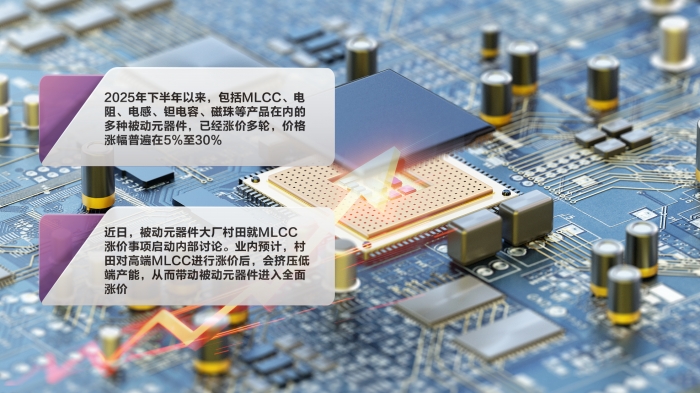
Group 1 - The core viewpoint of the articles indicates that the demand for passive components, particularly MLCCs, is set to increase significantly due to the rapid development of AI technology, leading to a confirmed price increase across the industry [2][3][5] - Murata, the largest MLCC supplier, is initiating discussions on price increases for MLCCs, with expectations to complete assessments of AI-driven demand by the end of Q1 2025 [3][5] - The price increase for passive components, including MLCCs, resistors, inductors, tantalum capacitors, and magnetic beads, is projected to range from 5% to 30% due to rising raw material costs and increased demand from AI and automotive sectors [2][5][6] Group 2 - The demand for high-end MLCCs is expected to grow significantly, with Murata's president stating that current orders for high-end MLCCs are double the company's production capacity, indicating a supply shortage that may persist for the next two years [3][4] - The passive components industry is entering a phase of multiple price increases across various regions and product categories, with several companies already announcing price hikes [5][6] - Analysts predict that the rapid advancement of AI technology will have a profound impact on the passive components industry, driving growth in high-end MLCCs and related materials [6]
被动元件,涨涨涨
3 6 Ke· 2026-02-09 01:13
Core Viewpoint - The recent price hikes in passive components, led by major players like Yageo and Walsin, indicate a significant shift in the market driven by supply-demand imbalances and rising raw material costs, particularly in high-end sectors like AI and electric vehicles [1][4][19]. Group 1: Price Adjustments - Yageo announced a price increase of 15%-20% for certain resistor products starting February 1, marking its third price adjustment in a short period [1]. - Walsin and Panasonic also announced price hikes of around 20% and 15%-30% respectively for various passive components, reflecting a broader trend among major manufacturers [1][2]. - Smaller manufacturers in China, such as Fenghua Advanced Technology and Shunluo Electronics, have also followed suit with price adjustments ranging from 5%-30% across multiple product categories [2][3]. Group 2: Supply Chain Dynamics - The passive component market is experiencing supply tightness, with lead times extending and some distributors pausing quotes due to uncertainty in price adjustments [3][4]. - Rising costs of raw materials, particularly precious metals like silver and palladium, have significantly increased production costs for passive components, with estimates suggesting a 20%-30% rise in production costs [5][6]. - Capacity constraints are exacerbated by major manufacturers shifting focus to high-end products, leading to a structural shortage in the mid-range market [7][8]. Group 3: Demand Drivers - The demand for passive components is being driven by the rapid growth of AI and electric vehicles, with AI servers requiring significantly more MLCCs than traditional servers [10][11]. - The automotive sector is also a major growth area, with electric vehicles using up to three times more passive components compared to traditional vehicles, creating a favorable environment for price increases [11][12]. - The overall market for passive components in China is projected to grow from 1237.65 billion yuan in 2023 to 2583.59 billion yuan by 2030, with a compound annual growth rate of 11.09% [13]. Group 4: Market Structure Changes - The current price hikes reflect a structural change in the passive components market, with high-end products experiencing significant demand while traditional consumer electronics face challenges [15][19]. - Domestic manufacturers in China are beginning to capture more market share, particularly in high-end segments, as they improve their technology and production capabilities [19][20]. - The geopolitical landscape and supply chain diversification are providing opportunities for Chinese manufacturers to enter high-end markets, as global players face capacity and delivery challenges [19][24]. Group 5: Future Outlook - The passive components market is expected to continue evolving, with AI and automotive electronics driving demand for high-value products [25][26]. - Companies need to focus on high-capacity, miniaturized, and reliable products to meet the changing market demands and maintain competitiveness [25][26]. - Collaboration across the supply chain will be crucial for manufacturers to overcome technical challenges and align with market needs [25][26].


MLCC 现货价飙升 20%
是说芯语· 2026-02-05 01:09
Core Viewpoint - The passive components industry is experiencing a price increase, particularly in multilayer ceramic capacitors (MLCC), with some distributors in mainland China raising spot prices by up to 20% [2][3]. Group 1: Price Trends - The price increase trend includes tantalum capacitors, chip resistors, magnetic beads, and MLCC, with industry expectations for improved performance from related manufacturers [3]. - Tantalum capacitors have seen price hikes of 20% to 30% due to high demand from AI server applications, leading to a supply-demand imbalance [3]. - MLCC is expected to follow suit in price increases, supported by a significant rise in demand as system designs adapt to include more MLCCs [4]. Group 2: Market Dynamics - The dependency on tantalum capacitors in AI devices has led to a design shift towards using a combination of tantalum capacitors and MLCCs to mitigate supply risks and control costs [4]. - The demand for MLCC is no longer just a reactive response to price increases but is now driven by structural demand expansion, particularly in AI applications [4]. - For the company Yageo, tantalum capacitors account for approximately 18% to 22% of revenue, while MLCC contributes about 18% to 20% [4].
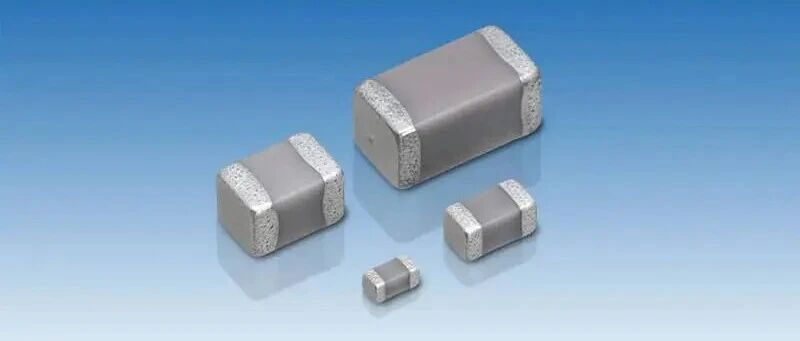
这些芯片,继续涨价
半导体行业观察· 2026-02-04 01:38
Group 1: Memory Market Insights - The general manager of Winbond, Chen Peiming, announced that prices are expected to continue rising, with contract prices for this and next season maintaining similar increases as Q4 of last year [2] - Despite rising prices, demand remains strong, with customers eager to secure production capacity, leading to full bookings for both existing and new capacities through 2027 [2] - The memory market is described as "very good," with Winbond planning to increase prices quarterly while customers are willing to accept these increases [2] Group 2: DRAM and Flash Memory Production - Winbond is expanding production capacity at its Kaohsiung facility, with DRAM installations expected to begin in mid-June, while Flash memory installations will start even earlier [2] - There is a significant supply shortage in DDR4, prompting some customers to downgrade to DDR3, but Winbond aims to maximize output, particularly focusing on the growth potential of LPDDR4 [2] Group 3: Passive Components Price Trends - Passive components, including MLCCs, are experiencing price increases, with recent adjustments in the Chinese market showing price hikes of up to 20% [3] - Major Taiwanese manufacturers like Yageo and Walsin are expected to follow suit with price increases in their contract prices due to the overall upward trend in passive component pricing [3][4] Group 4: Market Dynamics for Passive Components - The demand for tantalum capacitors has surged due to their adoption in high-end AI servers, leading to significant price increases of 20-30% for large-sized polymer tantalum capacitors [4][5] - The increasing use of MLCCs is attributed to their small size and reliability, making them essential in high-density AI server applications [4] Group 5: Financial Outlook for Key Players - Yageo's revenue from tantalum capacitors is approximately 18-22%, with MLCCs contributing 18-20% to its revenue, indicating a diversified product line benefiting from current market trends [5] - Japanese companies Murata and TDK have also reported positive financial forecasts, with Murata's order-to-shipment ratio exceeding 1 for five consecutive quarters, indicating strong demand [5][6]
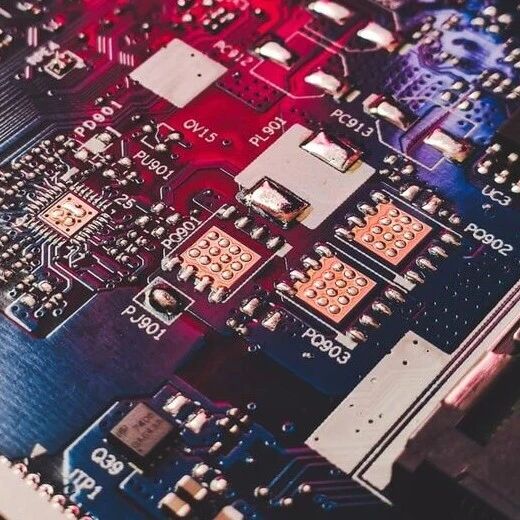
国巨、厚声加入被动元件涨价潮,市场啥情况?
芯世相· 2026-01-27 07:37
Core Viewpoint - The article discusses the recent price increases in passive components, particularly focusing on Taiwanese resistor manufacturers joining the trend, driven by rising raw material costs and increased demand from AI applications [3][4][13][15]. Group 1: Price Increases from Taiwanese Manufacturers - Taiwanese passive component manufacturers, including Yageo, Thick Sound, and Walsin, have announced price hikes for various resistor products, with increases ranging from 15% to 25% [5][6][7]. - Yageo's price adjustments will take effect from February 1, covering specific resistor products like RC0402, RC0603, and others [5]. - Thick Sound and Walsin have also issued price increase notifications, indicating a collective movement among Taiwanese manufacturers to raise prices due to rising material costs [6][7]. Group 2: Market Reactions and Trends - Following the announcements, the passive component market experienced a temporary halt in quotations and price increases, but most channels have since returned to normal pricing [9][10]. - The overall price of resistors has increased by approximately 10-20% since the New Year, particularly for sizes 0201 to 1206, with fluctuations stabilizing after initial increases [10][11]. - Distributors have noted that the initial price hikes did not significantly impact the market, as many customers had already begun stockpiling components prior to the announcements [11]. Group 3: Underlying Causes of Price Increases - The primary reasons for the price hikes include rising raw material costs, particularly for metals like silver, palladium, and others, which have seen significant price increases [13][14]. - Additionally, the surge in demand driven by AI applications has contributed to the rising prices of passive components, with projections indicating a substantial increase in demand for components like MLCCs in AI servers [15][16].

如何看待本轮被动元器件涨价行情
2026-01-26 02:49
Summary of Conference Call on Passive Component Price Trends Industry Overview - The passive components market is experiencing price increases across nearly all categories, including capacitors, resistors, diodes, inductors, and ferrite beads, driven primarily by raw material inflation [1][2][3] - The current price increase is characterized by a more rational market behavior compared to the previous cycle from 2017 to 2022, where speculative hoarding was prevalent [1][6] Key Points and Arguments - **Price Transmission**: Price increases are transmitted in layers; small and medium-sized end customers face price hikes of 30%-40%, while large customers with long-term contracts experience increases of less than 10% [4][2] - **MLCC Market Dynamics**: Although MLCC (Multi-layer Ceramic Capacitors) prices have not officially increased, high-capacity products have seen price rises. Manufacturers are cautious to avoid past mistakes of rapid price hikes [7][8] - **Market Share Concentration**: The MLCC market is dominated by four major players: Murata, Samsung, Yageo, and Sanhua, which together hold 80% of the market share. Strategies include reducing production and increasing agent thresholds [9] - **Domestic Brand Growth**: Domestic brands like Chaozhou Sanhua are gaining market share as customers shift from foreign brands to more cost-effective local options [10][12] - **Future Price Trends**: The trajectory of component prices will largely depend on raw material costs, with increases in silver and copper prices likely to push costs higher [13] Additional Important Insights - **Inventory Management**: Unlike the panic buying seen in previous years, current stakeholders are managing inventory more rationally, purchasing based on actual orders rather than speculation [5] - **Historical Context**: The last significant price surge occurred from July 2017 to the end of 2022, driven largely by human factors and market manipulation, whereas the current situation is primarily influenced by raw material costs [6][14] - **Cautious Market Sentiment**: Despite expectations of price increases, companies are hesitant to expand production capacity significantly, reflecting a cautious approach to market dynamics [11] - **Emerging Demand Areas**: While AI servers and storage are currently stable, the AI glasses sector may emerge as a new growth point in the future [18][16] Conclusion The passive components market is currently undergoing a price increase driven by raw material inflation, with a more rational market response compared to previous cycles. The focus on domestic brands and cautious inventory management reflects a significant shift in market dynamics. Future price trends will depend heavily on raw material costs and the evolving demand landscape, particularly in emerging technologies.

涨价、暂停报价,被动元件现在咋样了?
芯世相· 2026-01-16 06:37
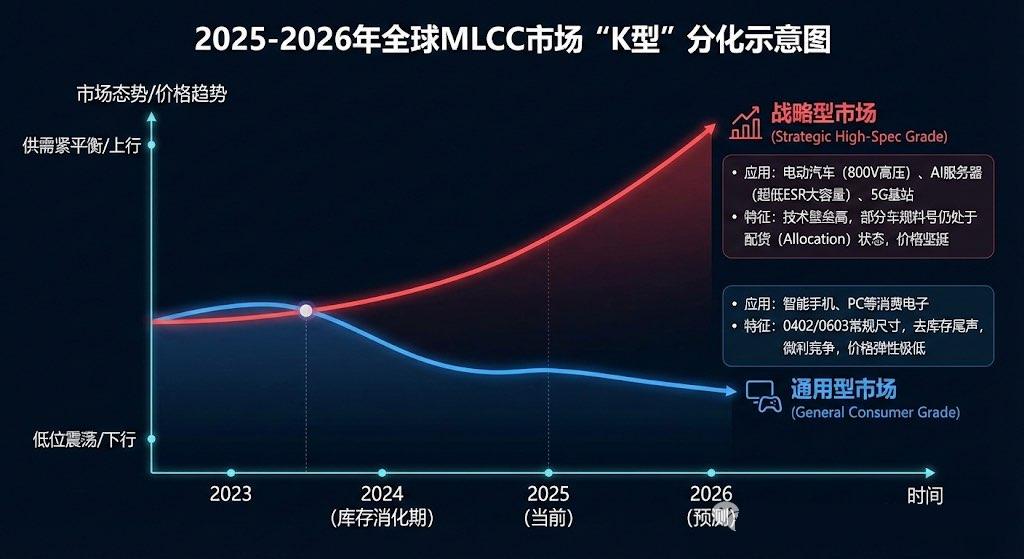
Core Viewpoint - The passive component market is experiencing a price increase and order suspension due to rising demand and material costs, particularly in resistors and capacitors, driven by AI and other technological advancements [4][20]. Group 1: Market Situation - Before the New Year, many passive component manufacturers issued price increase notices, leading to a suspension of quotes and orders in the market [4][6]. - Distributors reported that the main reason for suspending quotes was the uncertainty of price increases from manufacturers, which could render pre-holiday quotes ineffective [6][9]. - After the New Year, most channels resumed normal quoting, but some specific models remained in short supply, causing continued order suspensions [6][9]. Group 2: Price Changes - Resistors have seen significant price increases, with some models rising by 10-30%, while capacitors experienced more moderate increases, particularly in high-demand types like polymer tantalum capacitors [7][9]. - The price of magnetic beads and inductors has also risen significantly, reflecting broader trends in the passive component market [8][9]. Group 3: Causes of Price Increases - The current price surge is attributed to two main factors: rising raw material costs, particularly for precious metals like silver, and increased demand driven by AI technologies [15][16]. - Silver prices surged by 143% in 2025, significantly impacting the cost structure of passive components, especially inductors [16][17]. - The rapid growth in AI demand is pushing the need for high-end components, further driving prices up [18][19]. Group 4: Future Outlook - The demand for passive components is expected to remain stable in 2025, with significant increases in AI-related applications, particularly for MLCCs [9][20]. - The market is likely to see a structural differentiation where high-end products maintain stable growth while standard consumer-grade components may struggle [19][20].

国巨宣布电阻涨价!
芯世相· 2026-01-16 06:37
Core Viewpoint - The article discusses the recent price increases announced by Yageo Corporation (国巨) for certain passive components, particularly resistors, due to significant cost increases in chip product lines, especially precious metals like silver, ruthenium, and palladium [3]. Group 1: Price Adjustments - Yageo has decided to raise prices for some resistor products by approximately 15-20%, effective February 1 [3]. - Major passive component distributors in mainland China have also received notifications regarding price increases, with a 15% hike on products such as 0402 to 1206 thick film resistors starting January 26 [3]. - The company has previously adjusted prices for specific tantalum capacitors and magnetic beads, indicating a broader trend of price increases across its product lines [3]. Group 2: Market Context - The price adjustments are attributed to the significant rise in costs associated with chip production, particularly due to the soaring prices of precious metals [3]. - Yageo emphasizes its commitment to long-term partnerships with customers, ensuring reliable supply, excellent product quality, and competitive comprehensive solutions despite the price hikes [3].