银华国证港股通创新药ETF

Search documents
申万金工ETF组合202602
Shenwan Hongyuan Securities· 2026-02-10 09:43
1. Report Industry Investment Rating - Not provided in the given content 2. Core Viewpoints of the Report - The report focuses on constructing multiple ETF portfolios, including macro industry, macro + momentum industry, core - satellite, and trinity style rotation portfolios, aiming to find better investment opportunities by combining macro factors, momentum factors, and style rotation [4][5]. - Different industries have different sensitivities to economic, liquidity, and credit factors. For example, traditional cycle industries are sensitive to the economy, TMT is sensitive to liquidity, and consumption is sensitive to credit [4]. 3. Summary According to Relevant Catalogs 3.1 ETF Portfolio Construction Methods 3.1.1 Based on Macro Method - Calculate macro - sensitivities of broad - based, industry - themed, and Smart Beta ETFs based on economic, liquidity, and credit variables. Combine with momentum indicators for complementary analysis [4]. - Traditional cycle industries are suitable for economic up - periods, TMT for weak - economy but loose - liquidity periods, and consumption for credit - expansion periods. State - owned enterprises and ESG - related themes have low sensitivities to liquidity and credit [4]. - Construct three ETF portfolios (macro industry, macro + momentum industry, and core - satellite) and adjust positions monthly [4]. 3.1.2 Trinity Style Rotation ETF Portfolio Construction - Build a medium - to - long - term style rotation model centered on macro - liquidity, and compare it with the CSI 300 index [5]. - Construct three types of models (growth/value rotation, market - cap, and quality models) by screening macro, fundamental, and market - sentiment factors. The model has 8 style - preference results [5]. - Select ETFs with high exposure to the target style, control industry exposure, and set allocation limits to get the final ETF allocation model [5]. 3.2 Macro Industry Portfolio - Select industry - themed ETFs with over 1 - year establishment and over 200 million current scale. Calculate sensitivity scores of economic, liquidity, and credit factors monthly, adjust scores according to the latest indicators, and sum them up. If liquidity and credit deviate significantly, remove the liquidity score. Select the top 6 industry - themed indices and corresponding largest - scale ETFs for equal - weight allocation [6][7]. - Currently, with falling economic leading indicators, loose liquidity, and tightened credit, the portfolio is biased towards TMT and consumption. The February positions are shown in Table 1 [8]. - The portfolio has large fluctuations and outperformed the benchmark significantly in January [11]. 3.3 Macro + Momentum Industry Portfolio - Combine macro and momentum methods to address the left - side nature of macro - based strategies (low win - rate but high odds). Use clustering to group industry - themed indices and select the highest - rising product in each group in the past 6 months for equal - weight allocation [12]. - The momentum - selected industries still have a high proportion of cyclical industries. The February positions are shown in Table 3 [16]. - The portfolio has performed well this year and outperformed the CSI 300 significantly in January [17]. 3.4 Core - Satellite Portfolio - Design a "core - satellite" portfolio with the CSI 300 as the core to address the high volatility and rapid industry rotation of industry - themed ETFs [19]. - Calculate macro - sensitivities for broad - based, industry - themed, and Smart Beta ETFs, construct three stock portfolios, and weight them at 50%, 30%, and 20% respectively [19]. - The current allocation of broad - based ETFs is biased towards the Sci - tech Innovation Board and the ChiNext. The portfolio has performed stably, outperforming the benchmark in most months except December, and had significant excess returns in January 2026 [23][24]. 3.5 Trinity Style Rotation ETF Portfolio - The model currently favors the small - cap growth - high - quality segment. The factor exposures and historical performance are shown in Table 7 [26]. - The February positions are shown in Table 9 [31]. - The portfolio has achieved certain excess returns, especially in some months such as August 2025 and January 2026 [29].
创新药主题ETF总规模突破千亿元
Zheng Quan Ri Bao· 2025-11-07 16:16
Core Insights - The innovative drug-themed ETFs have performed well this year, with many funds achieving positive returns and a significant increase in overall scale, surpassing 100 billion yuan as of November 7 [1][2] Performance Overview - As of now, all 27 innovative drug-themed ETFs have realized net value growth this year, with 9 funds showing a net value growth rate exceeding 50%, and several products maintaining growth rates above 80% [1] - Notable funds include Wanji Zhongzheng Hong Kong Stock Connect Innovative Drug ETF, GF Zhongzheng Hong Kong Innovative Drug ETF, and Yinhua Guozheng Hong Kong Stock Connect Innovative Drug ETF [1] Fund Size and Rankings - Three products have surpassed 10 billion yuan in scale, with GF Hong Kong Innovative Drug ETF leading at 24.636 billion yuan, followed by Huitianfu Hong Kong Stock Connect Innovative Drug ETF at 21.719 billion yuan, and Yinhua Innovative Drug ETF at 13.187 billion yuan [2] - Ten additional products maintain scales between 1 billion and 8 billion yuan [2] Market Drivers - The expansion of innovative drug-themed ETFs is driven by multiple factors, including policy benefits, continuous institutional investment, improved liquidity, and the strengthening fundamentals of innovative drug companies [2] - The valuation of the innovative drug sector has recovered from previous lows, further stimulating investor interest [2] Industry Outlook - The Chinese pharmaceutical industry has completed a transition to new growth drivers, with innovative drugs opening new growth avenues for Chinese pharmaceutical companies [2] - The number and value of outbound licensing transactions for Chinese innovative drugs have reached new highs, indicating a positive outlook for the industry's prosperity [2] - The innovative drug sector is expected to enter a fundamental catalyst period, with advantages in patient resources, research and development costs, clinical efficiency, and policy support [2]
5.6万亿ETF撑起A股“稳定器”大旗?
Huan Qiu Lao Hu Cai Jing· 2025-10-30 11:23
Core Insights - The ETF market is experiencing explosive growth, with the total scale of non-money ETFs surpassing 5.6 trillion yuan and the number of products exceeding 1,300 as of the end of September [1][2] - The rapid growth of ETFs is significantly driven by policy support, particularly noted in 2024, where the scale increased by nearly 1.7 trillion yuan [2] - ETFs are playing a stabilizing role in the market, smoothing out volatility and providing liquidity during downturns, while also being a preferred tool for investors looking to "buy the dip" [1][6][7] ETF Market Growth - The ETF scale grew from 1 trillion yuan to 5 trillion yuan in less than six years, with a notable acceleration starting in 2020 [2] - By the end of Q3 2025, passive fund scale accounted for approximately 33.55% of the market, with ETFs making up 78% of passive funds [2][3] Fund Company Landscape - As of the latest data, there are 54 fund companies engaged in ETF business, with a high concentration of management scale among the top firms [3] - The top five non-money ETF management companies are 华夏基金, 易方达基金, 华泰柏瑞基金, 南方基金, and 嘉实基金, collectively managing over 25% of the total ETF scale [4] Market Stability Role - ETFs are seen as market stabilizers, helping to reduce volatility caused by large inflows and outflows of capital [6][7] - Institutional investors, such as 中央汇金, are using ETFs to stabilize the market, particularly focusing on broad-based ETFs [7] Individual Stock Impact - While ETFs help smooth market fluctuations, they can also contribute to significant price movements in individual stocks during rebalancing events [10][11] - For instance, the stock price of 寒武纪 experienced a notable decline due to ETF rebalancing, highlighting the dual role of ETFs in both stabilizing and amplifying market movements [11][12] Sector Trends - The trend of investing through ETFs in popular sectors is increasing, with significant inflows into themes like robotics and innovative pharmaceuticals [3][8] - The performance of individual stocks, such as 药捷安康, has been heavily influenced by their inclusion in ETF indices, leading to rapid price increases followed by sharp corrections [12]

抢手!热门基金,规模暴增20倍!
券商中国· 2025-10-27 08:32
Core Viewpoint - The rapid growth of Hong Kong stock technology ETFs is driven by artificial intelligence, with some funds experiencing scale increases of 5 to 20 times within nine months [2][3]. Group 1: ETF Growth - Multiple Hong Kong stock technology and pharmaceutical ETFs have seen significant scale growth, with the Penghua CSI Hong Kong Stock Connect Technology ETF reaching nearly 1.2 billion yuan, up from 256 million yuan at the beginning of the year [3]. - The China Merchants CSI Hong Kong Technology ETF's scale increased over tenfold in the first nine months of the year, from 120 million yuan to 1.463 billion yuan [3]. - The Wan Jia Hang Seng Internet ETF, established in April, grew from 237 million yuan to over 1.2 billion yuan by the third quarter [3]. - The Yinhua Guozheng Hong Kong Stock Connect Innovative Drug ETF surged from 380 million yuan to 7.7 billion yuan, marking a growth of over 19 times [3]. Group 2: Fund Redemption - There is a noticeable redemption of funds in broad-based and consumer ETFs, with a specific broad-based ETF's scale declining from 567.5 million yuan to 47.73 million yuan by the end of September [4]. - A consumer ETF reported a slight decrease in scale from 295 million yuan to 272 million yuan, indicating limited capital inflow [4]. - Some ETFs have warned of contract termination risks due to asset scales falling below 50 million yuan for 60 consecutive working days [5][6]. Group 3: Market Outlook - Fund managers remain optimistic about technology and consumer assets, predicting that the Hong Kong market will attract international capital, providing liquidity support [7]. - Expectations for GDP growth in the fourth quarter are around 4.5%, with a full-year target of approximately 5%, driven by macro policies focusing on demand and consumption [8]. - The traditional consumer sector is seen as having reached a cyclical bottom, with AI and policy support expected to drive new opportunities in the market [8][9].


最高近190%!前三季度37只基金收益翻倍!AI主题表现领跑
Sou Hu Cai Jing· 2025-09-30 12:53
Core Viewpoint - The A-share and Hong Kong stock markets have shown a continuous upward trend since mid-April, achieving new highs in the third quarter, with equity funds yielding significant returns [1] Group 1: Active Equity Funds - A total of 37 funds have doubled their returns this year as of September 26, with 31 active equity funds in A-shares achieving over 100% returns [2][4] - The average return for active equity funds is 30.32%, with over 98% of these funds reporting positive returns [4] - The top-performing fund, Yongying Technology Smart Selection A, has a return rate of 189.58%, significantly boosted by its focus on AI concept stocks [4][6] Group 2: Passive Index Funds - Nearly 98% of index funds have achieved positive returns, with an average return of 27.53% [7] - Funds tracking innovative drugs, communications, and artificial intelligence have outperformed, with the top two funds yielding returns of 103.96% and 100.59% [7] - Underperforming index funds are primarily those tracking energy, food and beverage, and coal sectors, with losses exceeding 5% [7] Group 3: QDII Funds - QDII funds focused on the Hong Kong market, particularly in innovative drug assets, have performed well, with four funds exceeding 100% returns [3][8] - The top-performing QDII fund, Huatai Bairui Hang Seng Innovation Drug ETF, has a return of 152.25% [8] - Other notable funds in this category have also shown strong performance, with several exceeding 90% returns [8]
42只公募基金年内净值增长率超100%
Zheng Quan Ri Bao· 2025-09-17 16:13
Group 1 - As of September 17, 42 public funds have achieved a net value growth rate exceeding 100% this year, with the highest nearing 190% [1] - The 42 "doubling funds" include various types such as equity mixed, QDII, flexible allocation, ordinary stock, and passive index funds, with equity mixed funds being the most prevalent at 23, accounting for nearly 55% [1] - Most of these funds are heavily invested in technology or pharmaceutical assets, with notable examples including Yongying Technology Smart Selection A and Yinhua Guozheng Hong Kong Stock Innovation Drug ETF [1] Group 2 - The investment direction in the AI industry chain is emphasized as "underlying hardware chips + upper software applications," indicating a focus on semiconductor opportunities due to increasing computing power demands [2] - In addition to the 42 "doubling funds," over 100 other products have achieved a net value growth rate between 80% and 100%, primarily focusing on technology and pharmaceutical assets [2]
这位实力派基金经理,可能也要走了...
Sou Hu Cai Jing· 2025-09-17 11:01
Group 1 - Liu Peng, a well-known fund manager at交银, has shown signs of change as all three funds he manages have appointed additional fund managers [1][2] - The newly appointed managers, such as Guo Ruo, have similar backgrounds in manufacturing and comparable performance to Liu Peng [2][10] - Liu Peng has managed the "交银先进制造" fund since May 2018, achieving a return of 199.02%, placing it in the top 5% of its category [7][10] Group 2 - Guo Ruo, also a product of交银, began managing funds in March 2023 and employs a strategy that focuses on industry changes and company characteristics [9][10] - Guo Ruo's investment approach is more diversified compared to Liu Peng, with a single industry position typically capped at 15% [9][10] - Other notable fund managers with a strong manufacturing background include Ren Xiangdong and Liu Xiao, both of whom have a history of managing funds in the manufacturing sector [12][17][21] Group 3 - The market is currently experiencing high volatility, with the Shanghai Composite Index rising by 0.37% and trading volume maintaining a high level of 2.4 trillion CNY [28] - There are concerns about market divergence, with some sectors like the internet experiencing significant gains while others, such as coal, are recovering from larger declines [40][41] - The recent performance of ETFs related to innovative drugs has been mixed, with some funds struggling to keep pace with market movements [44][49]

9/16财经夜宵:得知基金净值排名及选基策略,赶紧告知大家
Sou Hu Cai Jing· 2025-09-16 16:00
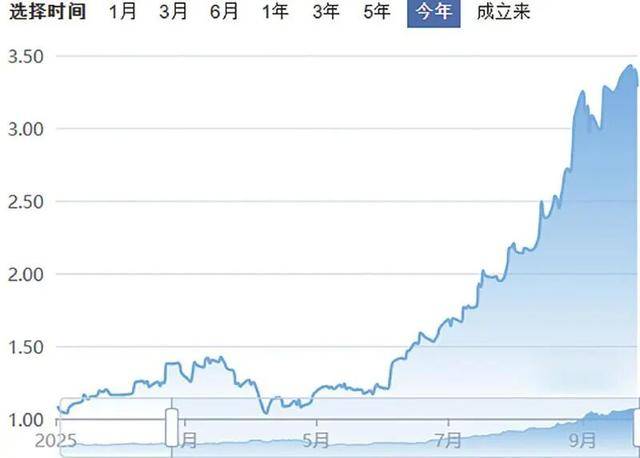
Group 1 - The article highlights the top 10 open-end funds with the highest net value growth as of September 16, 2025, including 德邦高端装备混合发起式C and 德邦高端装备混合发起式A, which showed significant increases in net value [2][6] - The net value of 德邦高端装备混合发起式C increased from 1.1635 to 1.2649, reflecting a growth of 8.00% [2] - The article also mentions the bottom 10 funds, with 银华国证港股通创新药ETF showing a decline in net value from 1.5532 to 1.5070, a decrease of 2.00% [4][6] Group 2 - The analysis indicates that the Shanghai Composite Index opened high but later experienced fluctuations, with a total trading volume of 2.36 trillion, and a market breadth of 3629 gainers to 1689 losers [6] - Leading sectors included comprehensive and IT equipment industries, both showing gains exceeding 3% [6] - The fund strategy analysis suggests that the 德邦高端装备混合发起式C fund is focused on the general machinery industry, with a significant portion of its holdings in companies like 汉威科技 and 银轮股份, which saw substantial daily increases [7]

历史罕见!最牛涨超175%
中国基金报· 2025-08-31 00:44
Core Viewpoint - The A-share market has shown significant strength in the first eight months of the year, leading to a strong performance of public equity funds, with many funds achieving over 100% returns [2][6][13]. Group 1: Market Performance - The main indices have experienced substantial gains, with the North Exchange 50 index rising by 51.49%, and several other indices, including the Sci-Tech Innovation 50 and the ChiNext index, increasing by over 30% [2][4]. - In August, the Shanghai Composite Index broke through the 3,800-point mark, reaching a 10-year high, with the Sci-Tech series indices showing strong performance, with increases of 32.25% and 28.00% respectively [4]. Group 2: Fund Performance - The average net value growth rate of active equity funds in the first eight months reached 23.83%, with the best-performing fund achieving a growth rate exceeding 175% [6][10][11]. - A total of 603 active equity funds have recorded a net value growth rate exceeding 50%, with 21 funds surpassing 100% [13][20]. - The average net value growth rates for ordinary stock funds and mixed equity funds were 28.38% and 28.79% respectively, indicating strong recovery in net values [9]. Group 3: Sector Opportunities - Structural opportunities have emerged in sectors such as the North Exchange, innovative pharmaceuticals, humanoid robots, AI, and semiconductors, contributing to the strong performance of funds managed by adept fund managers [12][20]. - The innovative pharmaceutical sector has been a standout performer, with the Hong Kong Stock Connect innovative pharmaceutical index showing a cumulative annual increase of 108.24% [24]. Group 4: Future Outlook - If the current market trends continue, 2025 is expected to be a breakout year for active equity fund performance [21]. - The market is experiencing a rebalancing of underlying funds, with indications of capital flowing from dollar assets to non-dollar assets, and from the bond market to the equity market [26].

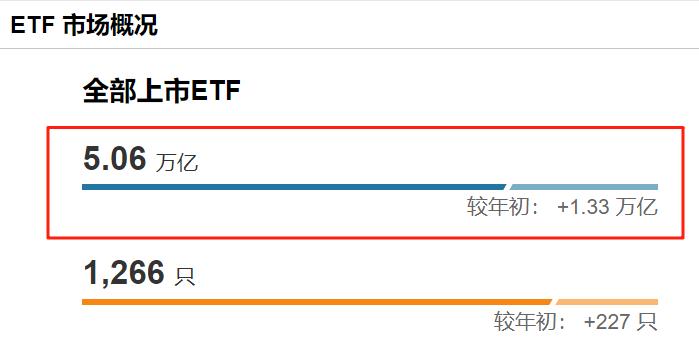
ETF规模破5万亿,公募基金“二次首发”升温,投资者要不要参与?
Xin Lang Cai Jing· 2025-08-27 07:53
Group 1 - The total scale of ETFs in China has reached a record high of 5 trillion, achieving this milestone in just four months from 4 trillion [1] - The A-share market is showing signs of improvement, leading to changes in the public fund-raising market, with several fund companies collaborating with major banks for "second launches" of well-performing funds [2][3] Group 2 - "Second launch" refers to a concentrated sales effort for existing funds that have performed well but have low asset sizes, aimed at expanding their scale [3] - Notable funds involved in "second launches" include the West China State-Owned Enterprises Preferred Stock Fund, which saw its size grow rapidly after a successful fundraising campaign [3][4] - Other high-performing funds like the Huaxia Smart Selection Mixed Fund and the Yuanxin Yongfeng Pharmaceutical Health Mixed Fund have also undergone "second launches," with returns of 55.43% and 108.82% respectively [4] Group 3 - The trend of diminishing star fund manager effects is becoming a consensus in the industry, with many investors unaware of specific top-performing managers [5] - Index funds, such as the GF CSI Hong Kong Innovative Medicine ETF and the Huatai-PineBridge National Index Hong Kong Stock Connect Innovative Medicine ETF, have also shown impressive returns exceeding 130% over the past year, indicating strong performance compared to actively managed funds [5][6] Group 4 - Investors often have high expectations for star fund managers, but individual funds may struggle to maintain strong performance across different market conditions [6] - For risk-averse investors, ETF products may be a more suitable option compared to actively managed funds [6]