
阿托伐他汀

Search documents
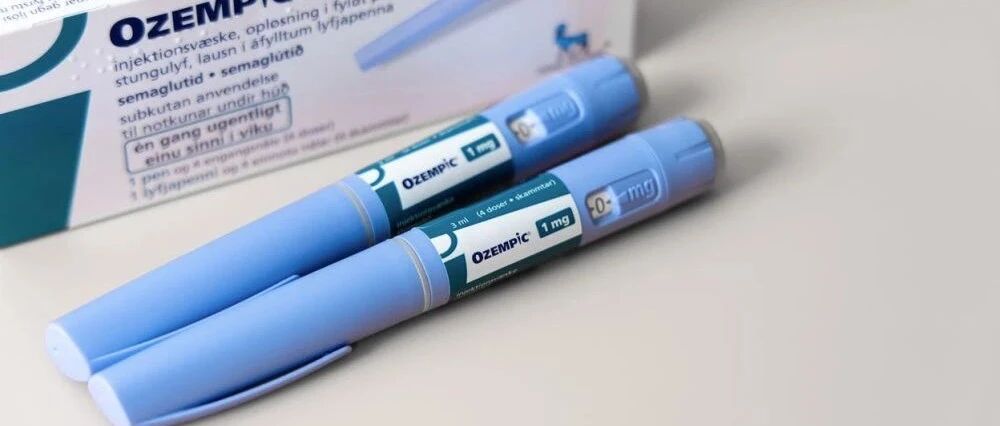
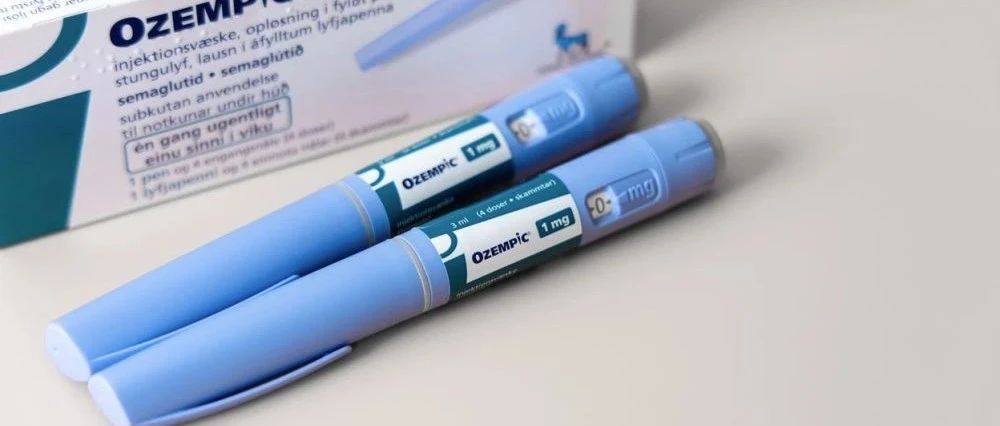
过年警惕!盘点易与司美格鲁肽发生相互作用的药物
GLP1减重宝典· 2026-02-21 03:12
Core Viewpoint - The article discusses the potential drug interactions of Semaglutide, a GLP-1 medication, emphasizing the importance of understanding these interactions to ensure effective treatment and minimize risks [4]. Group 1: Severe Drug Interactions - Insulin and other diabetes medications can lead to hypoglycemia when used with Semaglutide, necessitating careful blood sugar monitoring [7]. - Anticoagulants and antiplatelet drugs, such as Warfarin and Aspirin, may increase the risk of gastrointestinal bleeding and affect the efficacy of these blood thinners [8][9]. - Opioid analgesics may have altered absorption and elimination rates when combined with Semaglutide, potentially increasing side effects [10]. Group 2: Moderate Drug Interactions - Statins may have their absorption affected by Semaglutide, requiring timing adjustments for administration [14][15]. - Hormonal contraceptives may be less effective when used with Semaglutide, increasing the risk of unintended pregnancy [17][18]. - Thyroid medications may require dose adjustments due to increased absorption when taken with Semaglutide [19]. Group 3: Other Considerations - Certain antibiotics can exacerbate gastrointestinal side effects when used with Semaglutide [11][12]. - Non-prescription medications, such as NSAIDs and laxatives, may also increase gastrointestinal irritation, compounding the side effects of Semaglutide [22].

医药行业2025年三季报总结:业绩逐步筑底
Southwest Securities· 2025-11-27 09:04
Investment Rating - The report does not explicitly state an investment rating for the pharmaceutical industry Core Insights - The pharmaceutical industry is gradually stabilizing, with a total revenue of 16,766.9 billion yuan in the first three quarters of 2025, reflecting a slight decline of 0.7% year-on-year. The net profit attributable to shareholders decreased by 1.1% to 1,427.5 billion yuan, while the net profit excluding non-recurring items fell by 8.5% to 1,219.9 billion yuan [3][13][37] - Among the 388 selected pharmaceutical companies, 197 companies achieved revenue growth, accounting for 51%, while 189 companies reported positive net profit growth, representing 49% [3][13] - The third quarter of 2025 saw a positive revenue growth rate of 1.9% year-on-year, with net profit showing stable growth [14] Summary by Sections Overall Industry Performance - The pharmaceutical industry experienced a revenue decline of 0.7% in the first three quarters of 2025, with a total revenue of 16,766.9 billion yuan. The net profit attributable to shareholders decreased by 1.1% to 1,427.5 billion yuan [3][37] - The first three quarters showed a quarterly revenue of 5,586 billion yuan in Q1, 5,593 billion yuan in Q2, and 5,588 billion yuan in Q3, with Q3 marking a return to positive growth [14][16] Sector Performance - **Innovative Drugs and Formulations**: Revenue of 3,437.8 billion yuan (+0.6%) and net profit of 342.8 billion yuan (+5.0%) [4] - **Medical Devices**: Revenue of 1,457 billion yuan (-2.4%) and net profit of 265 billion yuan (-14.4%) [5] - **CXO**: Revenue of 695.7 billion yuan (+13.0%) and net profit of 165.4 billion yuan (+60.0%) [5][30] - **Active Pharmaceutical Ingredients**: Revenue of 782.1 billion yuan (-1.5%) and net profit of 114.2 billion yuan (+6.6%) [5] - **Life Sciences Upstream**: Revenue of 60.2 billion yuan (+0.1%) and net profit of 4.4 billion yuan (+15.6%) [5] - **Medical Services**: Revenue of 436 billion yuan (+0.4%) and net profit of 57.3 billion yuan (-13.8%) [5] - **Blood Products**: Revenue of approximately 176 billion yuan (+0.5%) and net profit of approximately 37.7 billion yuan (-20.0%) [5] - **Retail Pharmacies**: Revenue of 859 billion yuan (+0.7%) and net profit of 35.2 billion yuan (+8.9%) [6] - **Pharmaceutical Distribution**: Revenue of 6,087.3 billion yuan (+1.4%) and net profit of 116.8 billion yuan (+5.5%) [6] - **Traditional Chinese Medicine**: Revenue of 2,506 billion yuan (-3.6%) and net profit of 292.7 billion yuan (-0.5%) [6] - **Vaccine Sector**: Revenue of 174 billion yuan (-49.2%) and net profit of -9 billion yuan (-121.6%) [6] Profitability Analysis - The overall industry saw a decline in gross profit margin and net profit margin, with the gross profit margin at 33.7% and net profit margin at 8.5% [37][40] - The CXO sector exhibited the highest growth in net profit, increasing by 60% [31][35] - The medical device sector faced significant profit pressure, with a net profit decline of 14.4% [5][30]
南京医科大学胡志斌团队发现,母亲孕期缺乏胆固醇,后代先天性心脏病风险升高
生物世界· 2025-11-15 01:06
Core Insights - The article discusses the relationship between maternal cholesterol levels during pregnancy and the risk of congenital heart defects (CHD) in offspring, highlighting the importance of cholesterol in fetal development [2][10]. Group 1: Research Findings - A study published in "Signal Transduction and Targeted Therapy" indicates that low maternal cholesterol levels during pregnancy are significantly associated with an increased risk of CHD in offspring, particularly during mid to late pregnancy [3][6]. - The research involved a cohort of 5,041 family trios and found a notable correlation between maternal low cholesterol levels and the incidence of CHD in children [6]. - The study utilized cholesterol-lowering drugs, ezetimibe and atorvastatin, on pregnant mice, which resulted in a significant increase in the incidence of CHD in their offspring [8]. Group 2: Genetic Insights - Whole-genome sequencing of 103 children with CHD identified a pathogenic mutation in the CYP51A1 gene, which affects cholesterol synthesis and disrupts Hedgehog (Hh) signaling, leading to CHD [8]. - The study created a Cyp51 I383V gene knock-in mouse model to further investigate the link between cholesterol synthesis and CHD, confirming that dietary cholesterol supplementation could significantly reduce the risk of CHD in offspring of mutant mothers [8][10]. Group 3: Implications for Maternal Health - The findings suggest that maternal cholesterol supplementation during pregnancy could be an effective strategy to lower the risk of CHD in children, emphasizing the need for further research in this area [10].
药箱里的十五年医保路
Jing Ji Guan Cha Bao· 2025-11-13 08:25
Group 1 - The article highlights the significant reduction in drug prices and the improvement in healthcare coverage for rural residents over the past fifteen years, particularly through the New Rural Cooperative Medical Scheme [1][3] - The reimbursement rate for inpatient care has increased from a low level at the start of the program to around 70% currently, indicating a substantial enhancement in financial support for medical expenses [3][8] - The article provides specific examples of individuals, such as Liu Guiying, who have experienced a decrease in monthly medication costs, with the price of a commonly used drug, Captopril, dropping from 28 yuan to 4 yuan per box, resulting in over a 50% reduction in her monthly drug expenses [2][4] Group 2 - Despite the improvements, there are still challenges faced by patients, such as the withdrawal of certain effective imported drugs from the reimbursement list, leading to increased out-of-pocket expenses for patients like Liu Guiying [4][6] - The disparity in healthcare benefits between different insurance schemes is evident, with urban employees enjoying better coverage compared to rural residents, as seen in the cases of Liu Guiying and Ai Fenglan [7][8] - The funding structure for urban employee insurance is more robust due to contributions from both employers and employees, while rural resident insurance relies heavily on government subsidies and individual payments, resulting in a smaller overall funding pool [8][9]
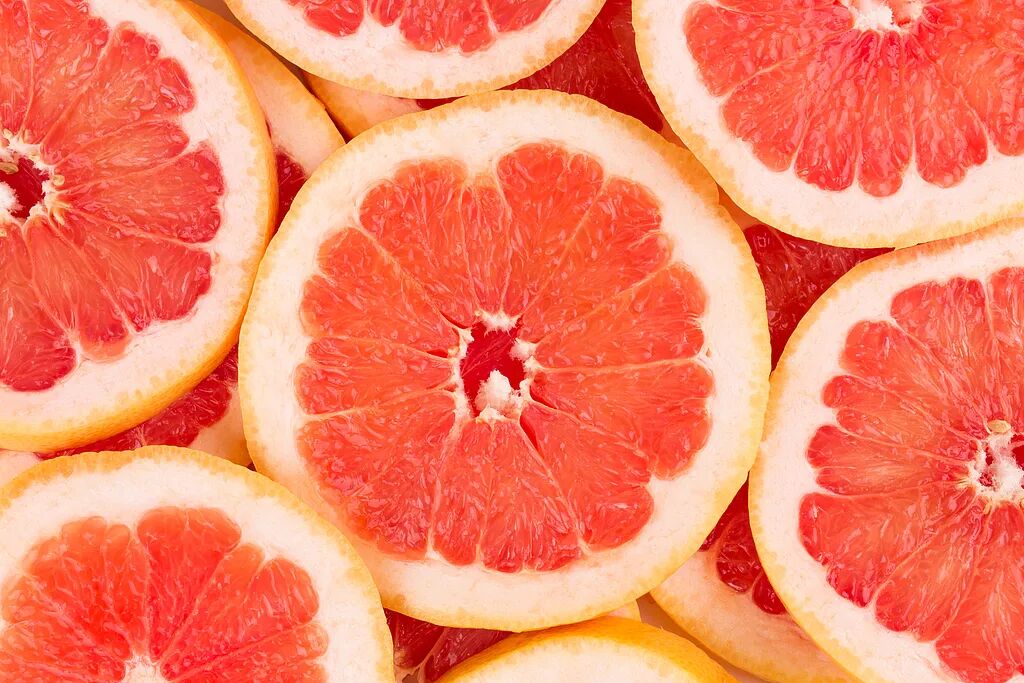
近期大量上市!这种水果与多种药物“相冲”,医生提醒→
Xin Hua Wang· 2025-10-28 14:58
Core Viewpoint - The article emphasizes the health risks associated with consuming grapefruit, particularly in relation to certain medications, highlighting the need for caution when combining grapefruit with specific drugs due to potential adverse effects on drug metabolism [4][3]. Group 1: Health Risks of Grapefruit - Grapefruit, especially varieties like grapefruit juice, contains furanocoumarins that inhibit the CYP3A4 enzyme in the liver, which is crucial for metabolizing many medications [4][6]. - The most significant interactions are noted with grapefruit, rather than other types of pomelo or citrus fruits [4][3]. Group 2: Medications to Avoid with Grapefruit - Certain antihypertensive medications (e.g., nifedipine, felodipine, amlodipine) can lead to dangerously low blood pressure when taken with grapefruit [8]. - Statins (e.g., atorvastatin, simvastatin, lovastatin) may increase the risk of muscle pain and liver damage when combined with grapefruit, necessitating discussions with healthcare providers about safer alternatives [9]. - Some antihistamines (e.g., terfenadine, astemizole) can cause increased drowsiness and heart rhythm issues when taken with grapefruit [10]. - Immunosuppressants (e.g., cyclosporine, tacrolimus) can have dangerously fluctuating concentrations in the body when combined with grapefruit, leading to severe health consequences [11]. - Sedatives and anesthetics (e.g., midazolam, diazepam) may have prolonged effects and increased risks of respiratory depression when taken with grapefruit [12]. Group 3: Practical Advice for Consumers - Consumers should carefully read medication labels for warnings about grapefruit interactions and identify if their medications fall into high-risk categories [13]. - If uncertain about the type of grapefruit or its effects on medications, consulting a healthcare professional is advised [13]. - Safer fruit alternatives, such as oranges, tangerines, and apples, are recommended for those on high-risk medications [13].
立项只是FIC,已经不够用了?
Tai Mei Ti A P P· 2025-10-13 02:37
Core Insights - The article emphasizes that being the "first" in the biopharmaceutical industry does not guarantee long-term commercial success, as evidenced by the rapid evolution and competition in the market [1][3] - There is a growing recognition that "Best in Class" (BIC) products, which are iterations of existing drugs, may offer better commercial viability compared to "First in Class" (FIC) products [1][5] - The article highlights the importance of strategic innovation, particularly in the context of established mechanisms and pathways, to meet clinical needs and market demands [1][7] Group 1: Innovation Dynamics - The rapid iteration of drugs is compressing their lifecycle, forcing companies to maximize the value of new drugs within limited timeframes [1][9] - The success of atorvastatin, which became a blockbuster despite being a later entrant in the statin class, illustrates that FIC advantages can diminish over time as BIC products emerge [3][4] - Companies like Eli Lilly have successfully adopted a strategy focused on "me better" drugs, which are improvements on existing therapies rather than entirely new innovations [5][6] Group 2: Market Trends - The trend towards BIC products is evident in various therapeutic areas, including oncology and autoimmune diseases, where companies are focusing on improving established targets rather than pursuing new ones [7][9] - The competitive landscape is shifting as more Chinese pharmaceutical companies leverage their advantages in speed and cost-effectiveness to innovate rapidly, challenging established players [10] - The urgency to fill gaps left by patent expirations is leading to a preference for iteratively developed products based on validated mechanisms [9][10]

警惕!易与司美格鲁肽发生相互作用的药物
GLP1减重宝典· 2025-06-18 07:53
Core Viewpoint - The article discusses the potential drug interactions of Semaglutide, emphasizing the importance of understanding how it may interact with other commonly used medications, which could affect its efficacy or increase the risk of side effects [2][4]. Group 1: Severe Drug Interactions - Semaglutide has significant interactions with several classes of medications, particularly insulin and other diabetes drugs, which may lead to hypoglycemia if used together [5]. - Patients using anticoagulants and antiplatelet drugs, such as Warfarin and Aspirin, should be cautious as these can increase the risk of gastrointestinal bleeding and may alter the absorption and metabolism of Semaglutide [6][7]. - Opioid medications may have moderate interaction risks with Semaglutide, potentially affecting the absorption and elimination of these pain relievers due to delayed gastric emptying [8]. Group 2: Moderate Drug Interactions - Statins, such as Atorvastatin and Simvastatin, may have moderate interaction potential with Semaglutide, possibly affecting their absorption in the intestine [12]. - Hormonal contraceptives may be less effective when used with Semaglutide, increasing the risk of unintended pregnancy [15][16]. - Thyroid medications and certain antiepileptic drugs may require monitoring and potential dosage adjustments when used alongside Semaglutide due to absorption changes [17][18]. Group 3: Over-the-Counter Drug Interactions - Common over-the-counter medications, including NSAIDs and laxatives, may exacerbate gastrointestinal side effects associated with Semaglutide, such as diarrhea and nausea [20][21].
多达一的“传奇”:从全球首创到本土绽放的“一粒双控”标杆
Jiang Nan Shi Bao· 2025-05-19 06:35
Group 1 - The article highlights the global concern over hypertension, with approximately 1.3 billion people affected, and emphasizes the severe challenge in China where only 16% of the 250 million hypertensive patients achieve treatment targets [1] - The combination of hypertension and dyslipidemia significantly increases the risk of cardiovascular diseases, making effective management of both conditions a key focus in the industry [1] - The introduction of a compound drug named "Duodayi" represents a new paradigm in the combined treatment of hypertension and dyslipidemia, addressing the shortcomings of previous treatment methods [1][3] Group 2 - The compound formulation combines amlodipine and atorvastatin, which are well-known and widely used medications for hypertension and dyslipidemia, respectively [2] - Pfizer's early patent application for the combination in 1998 laid the groundwork for the development of the world's first dual-action compound drug, which received FDA approval in 2004 and has since been recognized globally [2][6] - The drug "Caduet" (Duodayi) has been approved in over 70 countries and has become a significant player in the cardiovascular medication market [2][6] Group 3 - The single-tablet formulation improves patient adherence to treatment, with a reported 26% increase in the proportion of patients maintaining treatment over 12 months compared to taking two separate medications [4] - The dual-action drug has shown a significant improvement in achieving both blood pressure and lipid level targets compared to single medications or free combinations [6] Group 4 - In July 2021, Haizheng Pharmaceutical began local production of Duodayi, maintaining original drug quality while reducing adverse reactions and treatment costs by 25% compared to single medications [7] - The drug is available in multiple dosages, allowing for tailored treatment plans based on individual patient needs, enhancing treatment efficiency [7] Group 5 - Haizheng Pharmaceutical emphasizes quality control and has implemented a comprehensive management system to ensure high standards in production, achieving FDA certification [8] - The company has adopted a digital transformation strategy, integrating modern information technology with advanced manufacturing processes to enhance the entire lifecycle of drug production [8][9] Group 6 - Duodayi is positioned as a solution for chronic disease management, simplifying medication regimens for patients and showcasing the potential of local pharmaceutical innovation [9] - The success of Duodayi reflects the growth and evolution of the Chinese pharmaceutical industry, demonstrating that local production can match or exceed the quality of original formulations [9]

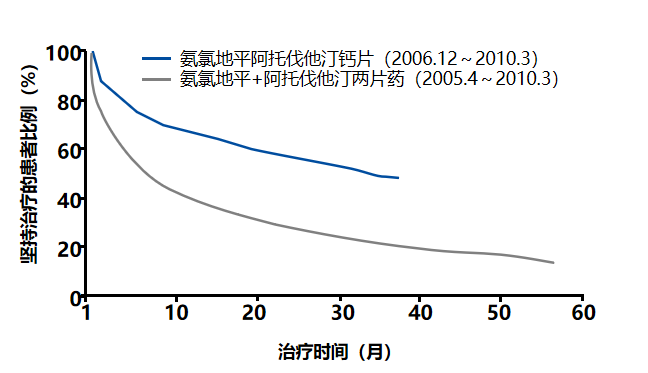
2025年5月第二周创新药周报-20250511
Southwest Securities· 2025-05-11 12:43
Investment Rating - The report maintains an "Outperform" rating for the pharmaceutical industry as of May 11, 2025 [1]. Core Insights - The A-share innovative drug sector saw a weekly increase of 2.33%, outperforming the CSI 300 index by 0.33 percentage points, while the biopharmaceutical sector rose by 0.75% [2][17]. - In the past six months, the A-share innovative drug sector has cumulatively increased by 5.43%, outperforming the CSI 300 index by 9.13 percentage points, whereas the biopharmaceutical sector has decreased by 10.55% [2][17]. - The Hong Kong innovative drug sector experienced a decline of 2.14%, underperforming the Hang Seng Index by 3.75 percentage points, with a cumulative increase of 22.08% over the past six months [2][20]. - The XBI index in the US fell by 8.59% this week, with a cumulative decline of 22.72% over the past six months [2][23]. Summary by Sections Domestic Key Innovative Drug Progress - In May, one new drug was approved for market launch in China, with no new indications approved [3][41]. Overseas Key Innovative Drug Progress - In May, there were no NDA or BLA approvals in the US, Europe, or Japan for innovative drugs [4][45]. Global Key Innovative Drug Transaction Progress - A total of 12 key transactions occurred globally this week, with one disclosed transaction amounting to 415 million USD between Alchemab Therapeutics and Eli Lilly [5]. Market Performance - The report indicates that 39 stocks in the innovative drug sector rose while 67 fell during the week, with the top gainers being HaiChuang Pharmaceutical-U (22.76%), Changchun High-tech (8.99%), and Zhongsheng Pharmaceutical (8.98%) [2][16]. - The top decliners included Fuhong Hanlin (-12.64%), Connaught-B (-12.40%), and Boan Biotechnology (-11.77%) [2][16]. Clinical Trials and Approvals - In May, there were 23 newly announced clinical trials in China, including 17 in BE/I phase, 4 in II phase, and 2 in III phase [31].
对不同医药细分业务本质的一些思考
青侨阳光投资交流· 2024-08-16 02:02
青侨阳光医药投资 - 行业思考 1 标准化程度和医生依赖度的差异, 是"药VS械VS院"业务不同特性的重要来源 "医药"里的"医"主要指医疗器械和医疗机构,"药"主要指中药、化药、生物药等药品。从这点来说,"药品、 器械、医院等医疗机构"是医药行业最核心3大业务类别。除此之外的医药细分,多数可以看成是这3类业务的 配套产业,比如原料药、CRO、CMO等可以看成是药品的配套,分销商、药店等可以看成是药品和器械的配 套,三方诊断、医疗信息化等可以看成是医疗机构的配套。 从欧美日等发达国家过去几十年的历史经验看,在医药行业相对成熟的主流经济体中,"药"的资本回报率最为 可观,"械"的资本回报率也相当优秀,但"院"的资本回报率比较糟糕。 比如有很多人统计过美股不同行业的历史ROIC,其中: 这与我们的直觉感受是一致的,虽然药品和器械占整个医药行业总盘子不到20%,但我们闭着眼睛也能数出几 十个声名显赫、历史回报强劲的来自美国、欧洲、日本的制药企业和医疗器械企业;但对于占行业总盘子超 60%的医疗服务业务,著名的海外上市医院集团我们可能一只手的指头都数不完。 为什么会这样?一个重要原因是这 三类业务在标准化程度和医生依 ...