
Ren Min Ri Bao Hai Wai Ban

Search documents
漳州古城打造“非遗大观园”
Ren Min Ri Bao Hai Wai Ban· 2025-12-26 03:16
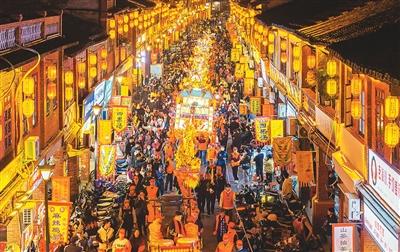
Core Viewpoint - The immersive cultural performances in Zhangzhou Ancient City, particularly the traditional Minnan opera, have successfully attracted both domestic and international tourists, enhancing the experience of intangible cultural heritage through interactive and engaging activities [2][3][4] Group 1: Cultural Engagement - The event "Xiyou Minnan" in Zhangzhou Ancient City has drawn numerous tourists, including international students, who express excitement and appreciation for traditional performances like Minnan opera despite language barriers [2] - Local residents actively participate in regular performances, indicating a strong community engagement with traditional arts, which cater to both older and younger generations [2] - The integration of intangible cultural heritage into daily life has transformed the ancient city into a vibrant cultural hub, where every visitor becomes an active participant [2] Group 2: Innovative Experience - Zhangzhou Ancient City has created a series of themed corridors that incorporate local intangible cultural heritage elements, enhancing the immersive experience for visitors [3] - The "Intangible Cultural Heritage Street" allows tourists to engage in hands-on activities, such as making traditional ink, which personalizes their cultural experience [3] - Creative cultural products, such as playful representations of traditional foods, have made intangible heritage more accessible and appealing to younger audiences [3] Group 3: Transformation of Heritage Presentation - The transition from static displays of intangible cultural heritage to dynamic, interactive experiences marks a significant evolution in how cultural heritage is presented in Zhangzhou Ancient City [4] - The combination of live performances, immersive environments, and hands-on activities creates a comprehensive cultural experience that resonates with visitors [4]

追忆世界级对外汉语教学泰斗——纪念吕必松先生诞辰九十周年
Ren Min Ri Bao Hai Wai Ban· 2025-12-26 03:09
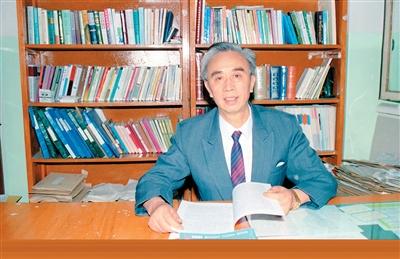
Core Viewpoint - The article commemorates the 90th anniversary of the birth of Lü Bisong, a pioneer in the field of teaching Chinese as a foreign language, highlighting his significant contributions to international Chinese education and the establishment of the discipline [2][10]. Group 1: Foundational Contributions - Lü Bisong was born in 1935 in Jiangsu and dedicated his life to the international Chinese education sector, advocating for the establishment of Chinese language teaching as a specialized discipline [3]. - In 1978, he proposed the establishment of Chinese as a foreign language as a dedicated academic discipline, which led to the creation of the first research institution for Chinese language teaching materials in China [3][4]. - During his tenure as the president of Beijing Language University from 1982 to 1989, he implemented comprehensive reforms in teaching, research, and management, establishing a complete system for education and academic exchange [3][4]. Group 2: Innovative Theoretical Contributions - Lü Bisong made foundational contributions to the theoretical framework of Chinese language teaching, introducing the "practicality principle" in 1974 and the "overall design theory" in 1986, which categorized the language teaching process into four key components [5][6]. - He published significant works such as "Overview of the Development of Teaching Chinese as a Foreign Language" and "Introduction to Teaching Chinese as a Foreign Language," which laid the groundwork for the discipline's theoretical framework [6]. - In his later years, he proposed the "combination Chinese" theory, emphasizing the importance of Chinese characters in language teaching, and made substantial revisions to his works based on peer feedback, demonstrating his commitment to academic rigor [6][8]. Group 3: Practical Implementation and Global Outreach - Lü Bisong established the Chinese Teaching Association and the World Chinese Teaching Association, facilitating international academic exchanges and promoting Chinese language education globally [7][9]. - He played a crucial role in developing the HSK (Chinese Proficiency Test), which has become the international standard for evaluating Chinese language proficiency [7]. - His teaching experiences spanned multiple countries, and he adapted his teaching materials to meet local needs, significantly impacting Chinese language education in places like the Philippines [7][9]. Group 4: Legacy and Influence - Lü Bisong's dedication to practical teaching and innovative spirit has left a lasting impact on the field of Chinese language education, inspiring future generations of educators [8][10]. - His commitment to academic collaboration and his ability to unite scholars from various countries have broadened the reach of Chinese language education [9][10]. - As the article reflects on his legacy, it emphasizes the importance of continuing his mission to expand the "Chinese language bridge" and promote cultural exchange [10].
一纸侨批牵万里(侨界关注)
Ren Min Ri Bao Hai Wai Ban· 2025-12-26 00:37
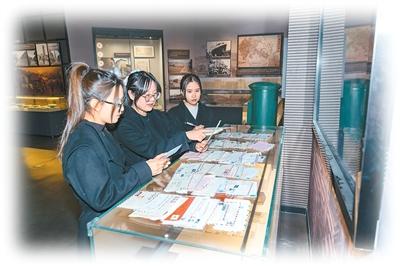
Core Viewpoint - The article highlights the significance of "Qiaobi" (overseas remittance letters) in connecting overseas Chinese with their hometowns, particularly in Fuzhou, Fujian Province, showcasing the emotional and economic impact of these letters on local communities and the development of the region [4][10]. Group 1: Historical Context and Significance - "Qiaobi" served as a vital communication link for overseas Chinese, often being the only means to connect with family back home, especially during times of war and economic hardship [10]. - The name "Lin Huarong" frequently appears in remittance letters, representing a special code used by the Bank of China in Fuzhou to facilitate safe transfers of funds from overseas Chinese to their families in China [7][9]. - The letters not only conveyed financial support but also expressed deep emotional ties and cultural identity, symbolizing the connection between overseas Chinese and their homeland [5][11]. Group 2: Economic Impact - The remittances sent through "Qiaobi" significantly contributed to the economic development of Fuzhou, helping to fund infrastructure projects, schools, and local businesses [11][12]. - Since the reform and opening up, the use of remittances has expanded from simple financial support to investments in industrial and educational projects, leading to the establishment of various development zones and industrial parks in Fuzhou [11][12]. - It is estimated that overseas Chinese have invested over $10 billion in Fuzhou, with contributions exceeding 4.6 billion RMB to public welfare projects [11][12]. Group 3: Cultural Legacy - The Fuzhou Overseas Chinese Museum serves as a cultural landmark, preserving the history and contributions of overseas Chinese, and continues to promote the stories of their struggles and achievements [12][13]. - The emotional legacy of "Qiaobi" persists, with newer generations of overseas Chinese maintaining their connection to their roots and contributing to local development [13][14]. - Recent initiatives, such as the establishment of the "Two Countries, Dual Parks" innovation center, reflect the ongoing commitment of overseas Chinese to support their hometowns and engage in national development strategies [14].
向“新”而行 加“数”奔腾——2025数字中国建设提质提速
Ren Min Ri Bao Hai Wai Ban· 2025-12-26 00:18
Core Insights - The digital economy in China is rapidly evolving, driven by advancements in artificial intelligence and digital technologies, leading to new business models and high-quality economic development [1][2][5]. Group 1: Digital Innovation and AI Development - China has significantly enhanced its autonomous innovation capabilities in the digital sector, with AI models like DeepSeek achieving over 22.15 million active users within 21 days of launch [2]. - The country has become the largest holder of AI patents globally, accounting for 60% of the total, with breakthroughs in AI chips and algorithms [3]. Group 2: Infrastructure and Digital Economy Growth - By the end of November, China had 4.83 million 5G base stations, a net increase of 579,000 from the previous year, representing 37.4% of all mobile base stations [4]. - The scale of China's digital economy remains the second largest in the world, with significant improvements in technological innovation and industrial competitiveness [4]. Group 3: Industry Transformation and Smart Manufacturing - The integration of digital technologies across various industries has led to a 9.2% year-on-year increase in high-tech manufacturing value added from January to November [6][8]. - Over 7,000 advanced intelligent factories have been established nationwide, with the total scale of intelligent manufacturing equipment and solutions exceeding 4.5 trillion yuan [7]. Group 4: Agricultural Innovation - The agricultural sector is experiencing revitalization through digital technologies, with 62 types of intelligent equipment achieving breakthroughs [8]. - The value added in the digital product manufacturing industry increased by 9.3% year-on-year, with significant growth in information transmission and software services [8]. Group 5: Digital Services and Public Welfare - The implementation of a two-way referral information platform in Chengdu has improved healthcare access for over 6 million people, showcasing the impact of digital services on public welfare [9]. - The digitization of public services has streamlined processes, allowing citizens to access services more efficiently, exemplified by self-service terminals in various government offices [10]. Group 6: Daily Life and Leisure Transformation - Digital technologies are reshaping daily life, with smart applications enhancing community services and leisure activities, such as AI-driven tourist assistance in scenic areas [11]. - The completion rate of digital transformation in 5A-level tourist attractions has reached 100%, indicating widespread adoption of digital technologies in enhancing visitor experiences [11]. Group 7: International Cooperation in Digital Economy - China is actively promoting international cooperation in the digital economy, with the "Suhau Cloud" platform facilitating cross-border e-commerce and achieving over 220% growth in trade volume [12][13]. - The establishment of partnerships with 36 countries under the "Silk Road e-commerce" initiative highlights China's commitment to bridging the digital divide globally [13][14].
金融监管总局发布管理办法 引导信息披露融入业务全过程
Ren Min Ri Bao Hai Wai Ban· 2025-12-25 23:47
Core Viewpoint - The National Financial Regulatory Administration has issued the "Management Measures for Information Disclosure of Asset Management Products by Banking and Insurance Institutions" to standardize information disclosure practices and enhance investor protection [1] Group 1: Regulation Overview - The new measures comprehensively regulate the entire lifecycle of asset management products, including fundraising, ongoing management, and termination phases [1] - The aim is to integrate information disclosure into the entire business process, ensuring clarity on product status [1] Group 2: Fundraising Phase - In the fundraising phase, the focus is on standardizing product prospectuses and contracts, as well as clarifying performance benchmark requirements to enhance transparency for product sales [1] Group 3: Ongoing Management Phase - During the ongoing management phase, the measures require accurate and truthful disclosure of net asset values, performance, and investment asset conditions, along with timely reporting of significant events to clarify risks [1] Group 4: Termination Phase - In the termination phase, the measures mandate the disclosure of fees, profit distribution, and remaining asset distribution in expiration announcements or liquidation reports to ensure clarity on product returns [1] Group 5: Implementation Timeline - The measures will officially take effect on September 1, 2026, allowing approximately eight months for banking and insurance institutions to adjust and modify product documentation and systems [1]
2025 百姓身边的民生新事
Ren Min Ri Bao Hai Wai Ban· 2025-12-25 23:06
Group 1 - The implementation of a flexible retirement system in China allows employees to choose between early or delayed retirement, gradually increasing the retirement age for men and women [18] - The new regulations aim to enhance labor resource allocation and support high-quality economic development by providing more options for workers [18] Group 2 - The Chinese government is addressing the issue of inaccurate electronic scales, introducing new technical standards to prevent cheating and ensure fair market transactions [19] - The new regulations focus on enhancing the traceability and anti-cheating measures of electronic scales, aiming to protect consumer interests [19] Group 3 - The Chinese government is accelerating the deployment of charging infrastructure in rural areas to boost the consumption of new energy vehicles, with plans to support 75 pilot counties by 2025 [20][21] - The initiative aims to integrate charging facilities with rural revitalization and green development, enhancing the potential for rural consumption [21] Group 4 - New regulations in personal information protection have been introduced, including guidelines for facial recognition and management of public surveillance cameras, to safeguard citizens' privacy [22] - The measures target key privacy areas and aim to enhance the security of digital ecosystems in China [22] Group 5 - The introduction of standardized requirements for smart elderly care products aims to improve the usability and safety of home products for the elderly, promoting a more age-friendly living environment [23] - The regulations address existing market issues such as design flaws and safety concerns, ensuring that products meet the needs of older adults [23] Group 6 - A new child-rearing subsidy program will provide financial support for families with children under three years old, starting in 2025, with an annual subsidy of 3,600 yuan per child [24] - This initiative is part of a broader effort to enhance family welfare and support population growth in China [24] Group 7 - The implementation of the Housing Rental Regulations marks a new phase of legal and regulatory oversight in China's rental market, addressing issues like false listings and tenant rights [26] - The regulations establish mechanisms for verifying rental properties and ensuring safety standards, promoting a healthier rental market [26] Group 8 - The age limit for civil service recruitment has been relaxed, allowing more candidates to apply, which reflects changes in population structure and educational attainment [27] - This policy aims to create a more inclusive job market and enhance the quality of public service by attracting diverse talent [27] Group 9 - A new initiative allows for more efficient vehicle registration processes, enabling car owners to register new vehicles without visiting the vehicle management office [28] - This reform is expected to significantly reduce paperwork and streamline the vehicle registration process for millions of car owners [28] Group 10 - The inclusion of the HPV vaccine in the national immunization program aims to increase vaccination rates among young girls, addressing public health concerns related to cervical cancer [29] - This initiative is part of a broader strategy to enhance preventive healthcare measures in China [29]

热土忠魂(人民家书)
Ren Min Ri Bao Hai Wai Ban· 2025-12-25 23:06
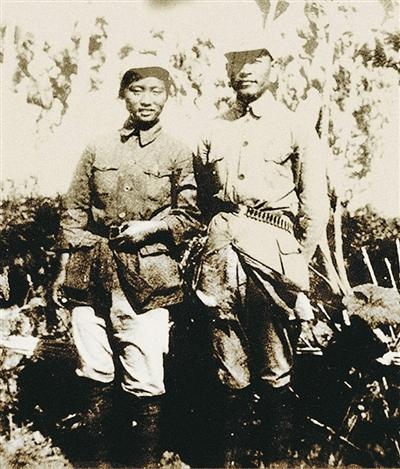
彭雪枫和林颖夫妇合影。 吉鸿昌书信 今天,本报联合中央档案馆国家档案局刊出这些穿越硝烟的文字(信件节选),不仅为了铭记历史,更 为了赓续精神血脉。让这份来自历史的回响,化作我们前行的力量。 ——编者 彭雪枫: 伟大的党的事业,在等待着你! 裕群: 徐悲鸿书信 蔡炳炎一家合影。 今年是中国人民抗日战争暨世界反法西斯战争胜利80周年。值此岁末回望,80年前的烽火硝烟仿佛仍在 眼前,而那些历经岁月洗礼的家书,依然字字千钧。 彭雪枫致妻子的信,诠释了革命伴侣的家国情怀;蔡炳炎在奔赴罗店战场前,于家书中冷静研判战局、 细致安排家事,展现了军人的担当与慈父柔肠;吉鸿昌的绝笔家书,将对家人的万般不舍与牵挂,化作 了理性而具体的嘱托;徐悲鸿在信中传授给学生的不仅是绘画技巧,更是艺术家的社会责任;化名"陈 云"的孙晓梅则在信中立下了为革命理想而奋斗的志向。 我们婚后的你的第一个生日,应当为你祝福。想多送你一些吃的礼物,又怕过于张扬,所以只好从简。 《斯达林传》倒是一件颇为别致的礼物,倒不在一本书,而在于书的内容,你要学习他。而且在书的首 页,我题了一句话——"我们忠诚坦白之对于爱,一如我们忠诚坦白之对于党!"这也是颇为别致的礼 ...
同心同行,共建一流湾区(2025·年终特稿)
Ren Min Ri Bao Hai Wai Ban· 2025-12-25 23:06
Core Viewpoint - The successful hosting of the 15th National Games in Guangdong symbolizes the deepening integration and collaboration among the Guangdong-Hong Kong-Macao Greater Bay Area, showcasing its vibrant development and international competitiveness [2]. Infrastructure Connectivity - The Greater Bay Area's infrastructure connectivity serves as a solid foundation for collaborative development, with over 2,800 kilometers of railway and more than 1,500 kilometers of urban rail transit operational [3]. - The "one-hour living circle" is becoming a reality, allowing seamless travel across the region, as evidenced by the efficient transportation of athletes and spectators during the National Games [3]. Traffic and Transportation Growth - From January to October, the five major cross-river and cross-sea channels in the Pearl River Delta recorded a total traffic volume of 137 million vehicles, a year-on-year increase of 10.52% [5]. - The Hong Kong-Zhuhai-Macao Bridge saw a traffic volume of 4.32 million vehicles, reflecting a 19.6% increase year-on-year, indicating strong demand for cross-border travel [5]. Regulatory Mechanisms - The successful organization of the first cross-border cycling event during the National Games highlights the innovative breakthroughs in regulatory alignment and mechanism integration among the three regions [7]. - The introduction of the "Bay Area Standards" and the issuance of "Bay Area Certification" certificates are enhancing market integration and facilitating cross-border services [7]. Technological Innovation - The Greater Bay Area has established nine major scientific and technological infrastructures, including two national laboratories and 45 key laboratories, promoting accelerated flow of research funding and resources [8]. - The innovation index of the "Shenzhen-Hong Kong-Guangzhou" cluster has ranked first globally, indicating a robust collaborative environment for technological advancement [8]. Community Integration - The National Games have sparked a sports enthusiasm that extends beyond professional arenas, fostering community engagement and friendship among residents of the Greater Bay Area [9]. - Over 200,000 residents from Hong Kong and Macao are working in Guangdong, with cross-border consumption and travel becoming increasingly common, reflecting a growing sense of community [10].
钛合金冰刀、“国潮风”滑雪板 中国冰雪装备加速圈粉海外
Ren Min Ri Bao Hai Wai Ban· 2025-12-25 02:47
Core Insights - Chinese snow sports equipment is gaining popularity overseas, with significant export growth in products like ice skates and ski apparel, particularly in North America and Central and Eastern Europe [1][2]. Group 1: Company Innovations - Heilongjiang Qiqihar Heilong International Ice and Snow Equipment Co., known for its titanium alloy speed skating blades, has attracted global interest, showcasing its innovative designs that break international monopolies [3][5]. - The company has developed a titanium alloy ice blade with enhanced performance characteristics, including improved glide and strength, through collaboration with universities and extensive research [4][5]. - The company has transitioned from a state-owned enterprise to a private high-tech firm, demonstrating a successful transformation in the Chinese ice and snow equipment industry [5]. Group 2: Product Highlights - Lidakex Zhangjiakou Ice and Snow Equipment Technology Co. has introduced a lightweight ski board, reducing weight from over 2.5 kg to approximately 1.8 kg, which has become popular in markets like South Korea and Japan [6][7]. - Shandong Jianhua Zhongxing Glove Co. has developed lithium battery-powered heated ski gloves, which are now in their fifth generation, featuring smart temperature control and are exported to over 60 countries [8][9]. - Ningbo Xingda Tourism Supplies Co. has created a foldable ski pole that is lightweight and easy to use, with over 80% of its products exported to international markets [10][11]. Group 3: Market Performance - Fujian Province's ski equipment exports reached 205 million yuan, marking a 50.6% increase year-on-year, with ski apparel exports alone growing by 30.6% [15].
助力青年创业者想法落地
Ren Min Ri Bao Hai Wai Ban· 2025-12-25 01:47
据悉,海淀创业园"HI创引力计划"为青年创新者打造"空间+服务+生态"三维赋能平台,面向全球招募青 年创新创业团队,聚焦海淀创新与国际资源联动,打造青年人才创业引力空间。计划提供灵活办公空间 及首年场地费减免等优惠,搭配全周期孵化、资质申报等一站式服务,设立高强度创业加速营,链接创 投资源与产业共性技术平台,同时构建全球化合作生态,提供出海支持,全方位降低创业门槛、赋能项 目成长。 本报电(张舟)近日,由北京海外学人中心指导,中国北京(海淀)留学人员创业园等机构联合主办 的"2025U8青年创新论坛暨GNIS新质生产力国际合作沙龙"举办。 (责编:郝孟佳、刘凡) 本次活动中,中关村创业大厦以"HI创青年引力空间"全新定位亮相,同步启动的海淀创业园"HI创引力 计划",成为赋能全球青年创新的关键举措。 ...
