Workflow
2 1 Shi Ji Jing Ji Bao Dao
icon
Search documents
全球最贵独角兽诞生 SpaceX并购xAI构建天基算力网络
Core Insights - SpaceX has officially announced the acquisition of AI startup xAI, marking a significant move towards vertical integration in its business empire, driven by the need to build AI data centers in space [1][10] - The merger aims to create a "vertical integration innovation engine" that combines artificial intelligence, launch vehicles, space-based internet, and real-time information platforms [1][10] - Elon Musk envisions that space will become the lowest-cost location for AI computing power within the next 2 to 3 years, as current AI development faces physical limitations due to energy demands [4][12] Company Overview - SpaceX, founded in 2002, is the largest commercial rocket launch service provider globally, with capabilities in manufacturing, launching, recovering, and reusing rockets [4][12] - xAI, established in 2023, focuses on AI development with a mission to "understand the true nature of the universe" and has launched significant projects like the Grok language model and the Colossus training cluster [5][12] - The merger positions the combined entity as a trillion-dollar non-public giant, with SpaceX's valuation at approximately $800 billion and xAI's post-funding valuation exceeding $230 billion [6][13] Strategic Vision - Musk emphasizes the necessity of transitioning resource-intensive computing tasks to space to alleviate energy bottlenecks, as terrestrial data centers cannot meet the global AI power demand [7][14] - The plan includes deploying a million satellites to create an orbital data center that can harness solar energy for computing, potentially adding 100 gigawatts of AI computing capacity annually [8][15] - Future plans involve establishing a permanent base on the Moon to manufacture satellites and support deep space missions, with projections of deploying 500 to 1000 terawatts of AI satellites annually [9][16] Market Position and IPO Plans - SpaceX is accelerating its IPO process, with expectations of raising over $50 billion, potentially making it one of the largest IPOs in history, with a valuation exceeding $1.5 trillion [10][17] - The company aims to time its IPO around Musk's 55th birthday in June 2026, marking a significant milestone in his business career [10][17]
商业航天大年来了 广东、山东、浙江等10多个地方争相布局
"十五五"规划建议中提出,加快建设航天强国,并提出加快航空航天等战略性新兴产业集群发展。"十五五"开局之年,全国工业和信息化工作 会议提出,2026年要打造航空航天等新兴支柱产业。1月底,人民日报刊文《2026,一个可期待的商业航天大年》。 接连释放出的信号,让2026年的商业航天发展备受关注与期待。如今,各地也争相布局。截至2月1日,超20个省份已召开地方两会,多地尚未 披露政府工作报告全文,从已披露的信息来看,其中约半数的省份在政府工作报告中直接或间接布局商业航天相关产业,广东、山东、浙江、 河南、北京、辽宁、天津等多地明确提及航空航天或商业航天。 在各地两会的部署中,"全链条"与"产业集群"是两大关键词。例如,广东提出,2026年,全链条推动低空与商业航天等领域关键核心技术攻关 取得突破。浙江提出,着力打造新兴支柱产业,支持航空航天等新兴产业集群发展。各地的部署,切中的正是我国商业航天产业协同尚显不 足、关键技术存在短板等痛点。 推进"全链条"布局 根据2025年12月底披露的《中国商业航天产业研究报告》,中国商业航天产业规模预计在2025年达到2.5万亿—2.8万亿元,年均复合增长率超 20%,商业航 ...
首批商业不动产REITs拟募资超314亿 资金锁定优质资产
Core Insights - The public REITs market in mainland China is entering a consolidation phase, with the first batch of 8 commercial real estate REITs filing for a total fundraising of 31.475 billion yuan [1][10] - The underlying assets of these REITs include shopping centers, office buildings, and hotels, with some projects reporting full occupancy [1][10] - Despite the positive outlook for commercial real estate REITs, several previously filed REITs have been withdrawn, indicating a selective approach in the current market environment [1][10][15] Group 1: Market Dynamics - The recent surge in commercial real estate REIT applications is driven by policy support from the China Securities Regulatory Commission, which expanded the pilot scope to include commercial real estate [3][12] - The withdrawal of certain REIT applications reflects the market's expectation of a rigorous selection process, as investors are becoming more cautious about asset quality [2][11][15] - The overall investment logic in the capital market is expected to be reshaped, with a focus on long-cycle quality assets [2][11] Group 2: Asset Characteristics - The first batch of REITs includes diverse asset types, with the largest project aiming to raise 7.47 billion yuan, and underlying assets showing strong operational performance [1][3][12] - Notable projects include the CICC Vipshop project, which has seen over 17% revenue growth and maintained a weighted average occupancy rate of over 99% for three consecutive years [3][12] - The inclusion of office assets in REIT applications has shown promising indicators, such as high occupancy rates and favorable lease structures [4][13] Group 3: Investor Sentiment - Investors are adopting a more cautious stance, with a focus on high-quality assets that can meet the required return rates of over 4.5% after accounting for various fees [5][14] - The market is witnessing a trend where asset holders and fund managers are actively seeking to enhance investor trust through careful asset selection [4][13][15] - Despite the cautious approach, several brokerage firms remain optimistic about the future of public REITs, highlighting the potential for value discovery in the real estate sector [7][17]
险资火力全开 近10亿扫货港股基石 密集调研310家A股公司
Group 1 - The insurance capital is increasingly active in equity market allocation due to a low interest rate environment and asset scarcity, participating in cornerstone investments in Hong Kong stocks and conducting research on A-share companies [1][5] - Since the beginning of 2026, insurance capital has participated in cornerstone placements for 7 Hong Kong stocks, with a total subscription amount nearing 1 billion yuan, covering sectors from technology to consumer [1][2] Group 2 - Insurance capital is becoming a core player in Hong Kong's IPO market, utilizing cornerstone investments as a strategy to achieve significant investment returns while establishing a clear long-term asset allocation path [2][9] - A notable example is the IPO of Hunan Mingming Henmang Commercial Chain Co., which raised 3.336 billion HKD, attracting major institutions like Tencent and Temasek, with a total subscription amount of 195 million USD [2][10] Group 3 - Taikang Life is leading the charge in this wave of insurance capital moving south, participating in multiple IPOs across various sectors, with individual subscription amounts ranging from 78 million HKD to 233 million HKD [3][11] - The synchronized investment strategy among insurance companies indicates a focus on optimizing asset allocation and value recovery, particularly as the Hong Kong market is at a historical valuation low [11][12] Group 4 - Since 2025, insurance capital has significantly increased its participation in Hong Kong IPO cornerstone investments, with 20 cases and a total subscription amount of 4.679 billion HKD, reflecting a favorable market return [12] - Future trends suggest that as global liquidity improves, insurance capital will continue to accelerate its investments in the Hong Kong market, capitalizing on the valuation discrepancies and enhancing overall portfolio returns [12] Group 5 - In addition to Hong Kong, insurance capital is actively investing in A-shares, with 713 A-share companies appearing in the top ten shareholders list, and a notable increase in research activity on 310 A-share companies [6][13] - The focus on consumer sectors, particularly in the pre-made food industry, is evident, with companies like Qianwei Yangchu achieving a revenue increase of 1% year-on-year [13][14]
绿联科技冲击港股IPO:抓牢一根充电线,莆田老板攒下130亿
Core Viewpoint - Luguan Technology, led by Zhang Qingsen, is seeking an IPO on the Hong Kong Stock Exchange to raise funds for product R&D and brand development, having established a strong presence in the 3C accessories market and overseas markets [2][12]. Company Overview - Founded in 2012 by Zhang Qingsen, Luguan Technology started as an online store and has grown to serve over 300 million global customers, primarily through its core products like chargers and data cables [2][12]. - The company has evolved from a simple accessory provider to a comprehensive consumer electronics brand, covering various scenarios including home, office, and entertainment [6][18]. Market Position - Luguan ranks second in the global charging products market by retail sales projected for 2025, with creative charging products generating RMB 29.5 billion in revenue for the first nine months of 2025, contributing nearly 50% of total revenue [4][16]. - The overall gross margin for charging cables remains stable at approximately 36.5%, with a net profit of RMB 467 million reported for the first nine months of 2025 [17]. Product Development - The company has made significant strides in the storage sector, launching a consumer-grade NAS brand, which has become a new growth engine, contributing RMB 545 million in revenue, a year-on-year increase of over three times [20]. - The flagship private cloud DXP product, priced from RMB 3,599, has received positive consumer feedback for its value proposition [18][20]. Financial Performance - For the fiscal year ending December 31, 2023, Luguan's revenue from creative charging products was RMB 2.076 billion, with a projected increase to RMB 2.958 billion in 2024 [17]. - The company's actual controller, Zhang Qingsen, holds 46.58% of the shares, corresponding to an asset value of RMB 13 billion [22]. Industry Outlook - The global consumer electronics market is expected to reach USD 1,046 billion by 2024, with stable growth anticipated, indicating potential for further expansion for Luguan in the home storage market [22].
185亿聊城老板秦华创立的乖宝宠物重金扩产宠物粮
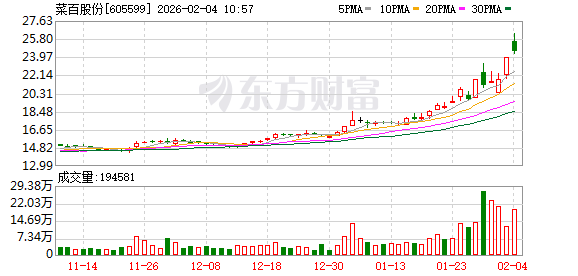
Core Viewpoint - The company, Guibao Pet, is investing 500 million yuan to expand its production capacity for high-end pet food, anticipating a growing market demand for pet staple food [1][3][4]. Group 1: Investment and Expansion Plans - Guibao Pet plans to build a high-end pet staple food project with an annual production capacity of 300,000 tons, with a construction period of two years [1]. - The expansion will take place in Chao Ping District, Liaocheng, Shandong Province, covering a total area of approximately 100,000 square meters [4]. - The company has previously invested 560 million yuan in a project aimed at producing 100,000 tons of high-end pet food, with about 77% of the investment completed by the end of last year [5]. Group 2: Market Trends and Strategic Shift - The domestic pet consumption market is shifting from a "basic needs" model to a "quality-oriented" model, with high-end pet food market growth significantly outpacing the mass market [10]. - The company aims to strengthen its supply chain control over high-end ingredients and meet market demand for high-quality pet food through differentiated products [8][10]. Group 3: Financial Performance and Challenges - For the first three quarters, the company reported revenue of 4.737 billion yuan, with a net profit of 513 million yuan, showing a year-on-year growth rate of 9.05% [18]. - However, the company faced a decline in net profit by 16.65% in the third quarter, marking its first quarterly negative growth since going public, attributed to increased marketing expenses [19][20]. - Major shareholders have been reducing their stakes, with significant sell-offs leading to a substantial drop in the company's market value [21][23].
“再通胀”担忧卷土重来 美联储货币政策迷雾重重
Economic Data and Inflation Concerns - Recent economic data from the U.S. indicates renewed inflation concerns, with the Producer Price Index (PPI) rising by 0.5% month-on-month in December, the largest increase in five months, and a year-on-year increase of 3% [1][10] - The core PPI, excluding food and energy, increased by 0.7% month-on-month and 3.3% year-on-year, both exceeding market expectations [1][10] - The ISM's Purchasing Managers' Index (PMI) for January rebounded to 52.6, marking the first time it has surpassed 50 in 12 months and the highest level since August 2022 [1][10] Manufacturing Expansion and Cost Pressures - The manufacturing sector's expansion in January was the fastest since 2022, attributed to the transmission effects of import tariffs, with companies passing on tariff-related costs to production [4][14] - This cost pressure may continue to push consumer inflation higher in the coming months, potentially allowing the Federal Reserve to maintain stable interest rates for a period [4][14] Market Reactions and Investment Strategies - Major investment firms like BlackRock, Bridgewater Associates, and PIMCO are adjusting their portfolios in anticipation of a new wave of inflation [4][14] - BlackRock is shorting U.S. Treasuries and UK gilts to hedge against falling interest rate expectations, while Bridgewater favors equities over bonds, and PIMCO is optimistic about U.S. Treasuries with embedded inflation protection [4][14] Federal Reserve's Monetary Policy Outlook - The outgoing Atlanta Fed President Bostic believes the Fed should not lower interest rates this year due to the strong economy and stable labor market, which could hinder efforts to bring inflation back to target levels [5][15] - Concerns about the impact of tariffs on inflation have a lagging effect, with many companies still uncertain about the true costs of tariffs [5][15] Future Inflation Projections - Looking ahead to 2026, inflation is expected to exhibit a "front-high, back-low" characteristic, with potential stronger inflation persistence in the first half of the year due to tariff transmission and tax cuts [6][16] - If the tariff transmission rate approaches 70%, the core PCE price index could end 2026 at 2.6% year-on-year [6][16] Federal Reserve Leadership and Policy Direction - The potential nomination of Kevin Warsh as the next Fed Chair could influence monetary policy, as he has historically advocated for a strong monetary policy stance [8][18] - Warsh's leadership may alleviate market concerns about inflation management being overshadowed by political priorities, promoting a data-driven approach to policy [8][18]
“棉花公主”溢达董事长杨敏德:大湾区为APEC协同发展树立范例
Core Insights - The Greater Bay Area (GBA) is recognized as a successful model for collaborative development, which can support China's high-quality growth and serve as a reference for APEC economies [1][3] - The APEC Business Advisory Council (ABAC) plays a crucial role in providing business insights and recommendations on key issues such as WTO reform, digital trade, and sustainable development [5] Group 1: Leadership and Vision - Yang Mindy, the chairman of Yida Group, emphasizes the importance of sustainable development and believes that ESG (Environmental, Social, and Governance) principles are core competitive advantages rather than costs [2] - The GBA's collaborative model is highlighted as a practical application of "cluster competitiveness," which enhances overall competitiveness through cooperation among industries [3][4] Group 2: Technological Innovation and Sustainability - Yida Group has developed a "waterless dyeing" technology that saves approximately 40 liters of water per shirt, showcasing a commitment to sustainability in the textile industry [2][6] - The company advocates for the integration of technology in traditional manufacturing to meet changing consumer demands for customization and sustainability [6][7] Group 3: Regional Cooperation and Economic Development - The selection of Shenzhen as the host city for the 2026 APEC summit reflects a strategic recognition of the GBA's collaborative development model [4][3] - Strengthening cooperation among APEC economies can enhance regional competitiveness and resilience, particularly in the face of global economic uncertainties [3][5]
复星国际陈启宇:打通前沿技术转化通道 赋能药物研发范式变革
Core Viewpoint - Shanghai is positioned to enhance its global competitiveness in the health industry through a series of proposals focusing on the integration of medical services, insurance, and pharmaceuticals, addressing challenges such as aging population and regulatory frameworks [1][3]. Group 1: Medical and Pharmaceutical Industry Development - The biopharmaceutical industry in Shanghai is transitioning from a "follower" to a "leader" phase, but faces challenges such as disconnection between innovation and industry chains, and imbalances in supply and demand [1][3]. - The implementation of the new regulations for biomedical technology and the first version of the commercial health insurance innovative drug directory are critical for Shanghai to leverage its role as a pioneer in reform [1][4]. Group 2: Regulatory and Pricing Challenges - The current regulatory framework for biomedical technologies lacks specificity, leading to potential inefficiencies in resource allocation and regulatory processes [4][5]. - There is a need for clear pricing standards for biomedical technologies, as existing regulations do not provide detailed guidelines for cost and pricing mechanisms [5][6]. Group 3: Health Insurance and Payment Mechanisms - To address the high costs of innovative drugs, proposals include expanding commercial health insurance coverage and optimizing reimbursement levels for innovative drugs, particularly those developed in Shanghai [7][8]. - A new funding pool for innovative drugs is suggested to support local high-value clinical innovations that are not yet included in national insurance negotiations [8][9]. Group 4: AI and Digital Transformation in Drug Development - The pharmaceutical industry is experiencing a paradigm shift towards digitalization and AI integration, with major companies investing heavily in AI technologies to enhance drug development efficiency [10][11]. - The establishment of a centralized data platform for biomedical research is proposed to overcome data fragmentation and enhance collaboration across institutions, aiming to create a world-class biomedical database by 2030 [12][13].
价格战持续 疫苗行业2025年业绩分化加剧
Core Viewpoint - The performance forecasts for A-share vaccine companies in 2025 reveal significant industry adjustments, with major players like Zhifei Biological, Wantai Biological, and Baike Biological reporting losses, while companies like CanSino and Watson Biologics achieve growth through innovative products and overseas market expansion [1][2]. Industry Overview - The vaccine industry is facing multiple pressures, including price wars, shrinking demand, and product homogenization, which are forcing companies to shift from channel-driven to innovation-driven strategies [1][4]. - The overall profitability of the industry has sharply declined, with Zhifei Biological expecting its first annual loss since its listing, projecting a net loss of 10.698 billion to 13.726 billion yuan, a year-on-year decline of 630% to 780% [1][2]. Company Performance - Zhifei Biological, Wantai Biological, and Baike Biological have all transitioned from profit to loss due to various factors, including price cuts and inventory issues [1][2]. - CanSino has turned a profit in 2025, with a projected net profit of 24.5 million to 29 million yuan, benefiting from the strong sales of its four-valent meningococcal vaccine, which accounts for 90% of its revenue [2][6]. - Watson Biologics has seen a 35% year-on-year increase in overseas vaccine exports, achieving a net profit of 16 million to 19 million yuan, reflecting its ability to counter domestic declines [2][7]. Market Dynamics - The ongoing price war is compressing profit margins, with significant price drops observed in various vaccine categories, such as the HPV vaccine and flu vaccine, leading to reduced gross margins for companies [4][8]. - Demand for vaccines is declining due to a falling birth rate and low vaccination rates among adults, exacerbating the industry's growth challenges [4][5]. Strategic Shifts - Companies are increasingly focusing on innovation and overseas expansion as key strategies to navigate the current market challenges [5][9]. - The inclusion of the HPV vaccine in the national immunization program is expected to stabilize market demand but will also pressure companies to reduce costs and innovate further [8][9]. Future Outlook - 2025 is seen as a pivotal year for the vaccine industry in China, with a shift towards high-quality development and a focus on core competencies and innovation [9]. - The industry is expected to gradually recover as innovative products are launched, overseas markets are expanded, and public awareness of vaccination increases [9].