Hua Xia Shi Bao

Search documents
两小时吸金百亿元的深圳顶豪,曾是20年“烂尾地”,记者实探“豪”在何处
Hua Xia Shi Bao· 2025-12-31 16:45
Core Insights - The project "CITIC Xinyue Bay" in Shenzhen achieved over 10 billion yuan in sales within two hours of its launch, setting records for the fastest sales and the number of units sold over 100 million yuan [2][10] - The high-end real estate market in Shenzhen is experiencing a surge in demand, driven by a concentration of high-net-worth individuals and a limited supply of luxury properties [10][11] Sales Performance - The project sold 156 units, with a total sales amount exceeding 100 billion yuan, marking a significant achievement in the luxury real estate sector [2][10] - The highest unit price reached 38,000 yuan per square meter, with a verification requirement of 20 million yuan for potential buyers [2][4] Market Dynamics - The sales success reflects a structural differentiation in the real estate market, where luxury properties are thriving while the broader market remains under pressure [10][12] - The project is positioned in a prime location along the Shenzhen Bay, which is seen as a key factor in its attractiveness to investors [4][10] Customer Insights - Investors are particularly focused on the project's location and unique features, such as sea views and proximity to cultural landmarks like the Shenzhen Opera House [4][10] - Feedback from potential buyers indicates a preference for product quality and service standards, with some expressing concerns about the overall experience during the viewing process [4][6] Historical Context - The development of the site has a complex history, with previous ownership and financial difficulties leading to a long development hiatus before CITIC's involvement [7][9] - The project represents a case study in the restructuring of distressed assets in the real estate sector, highlighting the importance of effective financial and operational strategies [7][9] Industry Trends - The luxury market is characterized by a unique demand from affluent buyers, driven by new wealth from emerging industries, which contrasts with the struggles faced by the broader housing market [11][12] - The current market environment suggests a clear divide between high-end properties and the general market, with luxury segments maintaining their appeal even during downturns [12][13]

公募总规模首次突破37万亿元,ETF年内增长超2万亿元
Hua Xia Shi Bao· 2025-12-31 16:39
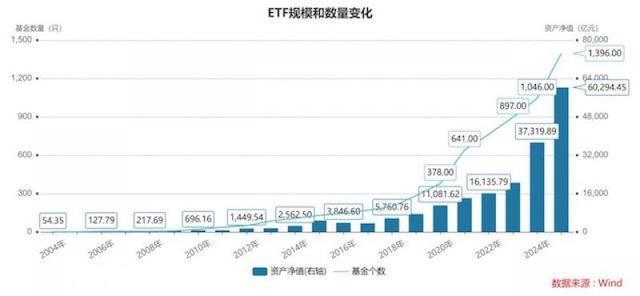
Core Viewpoint - The public fund market in China has reached a significant milestone, surpassing 37 trillion yuan in total assets, driven by strong growth in the ETF market and a continuous upward trend in public fund sizes over the past eight months [2][3][7]. Group 1: Public Fund Market Growth - As of November 2025, the total net asset value of public funds in China reached 37.02 trillion yuan, marking a historic breakthrough [3]. - The public fund market has shown a consistent upward trend, crossing key thresholds of 34 trillion, 35 trillion, and 36 trillion yuan throughout the year [3]. - The dominant segment within the public fund market is the money market fund, which holds 15.19 trillion yuan, followed by bond funds at 10.52 trillion yuan [4][5]. Group 2: ETF Market Expansion - The ETF market has experienced explosive growth, with the number of products reaching 1,391 and total assets surpassing 6 trillion yuan by the end of 2025, representing a year-on-year increase of 32.98% in product count and 61.66% in total assets [7][8]. - The growth of the ETF market has significantly outpaced the overall public fund market, with an increase of approximately 2.3 trillion yuan in 2025 alone [7]. - Since its inception in 2004, the ETF market has evolved from a nascent stage to a crucial component of the capital market, particularly accelerating since 2020 [7]. Group 3: Future Investment Trends - Looking ahead to 2026, artificial intelligence is anticipated to be a central theme in the market, with expectations of a "structural bull" market in A-shares [9][10]. - Key investment opportunities are expected in sectors such as autonomous driving, AI applications, and non-ferrous metals, while traditional sectors like consumer goods and liquor require close monitoring of policy changes [10][11]. - Analysts suggest that the semiconductor sector remains promising, driven by ongoing demand for AI-related chips and advancements in technology [10][11].
625亿元!2026年首批“国补”已下达,以旧换新仍是扩大内需重要抓手
Hua Xia Shi Bao· 2025-12-31 16:39
Core Viewpoint - The Chinese government has announced the early allocation of 625 billion yuan in special long-term bonds to support the consumption upgrade policy, particularly focusing on the "two new" initiatives aimed at boosting consumer demand during peak seasons like New Year and Spring Festival [2]. Group 1: Policy Overview - The "two new" policy has expanded its coverage to include a wide range of consumer goods, from smartwatches to home appliances and vehicles [2][3]. - The policy emphasizes continuity and stability, with a focus on consumer goods exchange as a key strategy to expand domestic demand [2]. Group 2: Specific Measures - The updated policy includes new subsidies for equipment upgrades in various sectors, such as adding elevators in old residential areas and updating equipment in elderly care facilities [4]. - The consumer goods exchange program continues to support vehicle scrappage and replacement, as well as subsidies for six categories of home appliances, including refrigerators and air conditioners [4]. Group 3: Market Implications - Analysts suggest that the policy shift towards higher-value items like electric trucks and green appliances will enhance the effectiveness of fiscal spending in stimulating consumption [5]. - The transition from fixed subsidies to proportional subsidies for vehicles is expected to better reflect consumer purchasing power and encourage higher-quality purchases [5]. Group 4: Implementation Challenges - The government is addressing issues such as fraudulent claims and inefficient fund distribution, with measures to streamline application processes and enhance support for small businesses [6]. - A unified subsidy standard will be enforced nationwide to ensure consistency in the implementation of the "two new" policy [6]. Group 5: Future Outlook - Beyond the "two new" policy, there are indications that the government may introduce additional measures to boost service consumption and stabilize investment, potentially through a mid-term plan focusing on cultural and tourism sectors [7]. - The fiscal policy is expected to work in tandem with consumption policies to support domestic demand recovery [7].

12月PMI超预期回暖,产需两端明显回升
Hua Xia Shi Bao· 2025-12-31 16:39
Core Viewpoint - The manufacturing PMI has returned to the expansion zone for the first time since April, indicating a recovery in economic sentiment, driven by stable growth policies and resilient exports [2][4]. Group 1: Manufacturing Sector - The manufacturing PMI for December is reported at 50.1%, marking a significant increase and indicating expansion [2]. - The production index stands at 51.7%, up 1.7 percentage points from the previous month, reflecting accelerated production activities and improved market confidence [4]. - The new orders index has risen to 50.8%, indicating a recovery in market demand, particularly in sectors like food processing and textiles [5]. - Large enterprises' PMI has also returned to the expansion zone at 50.8%, up 1.5 percentage points from last month [5]. Group 2: Non-Manufacturing Sector - The non-manufacturing PMI is reported at 50.2%, showing improvement in the service sector, although the service PMI remains slightly below the expansion threshold at 49.7% [8]. - The construction sector has shown notable recovery, with the construction PMI rising to 52.8%, marking a return to expansion after five months [8]. - The business activity expectation index for the service sector is at 56.4%, indicating increased confidence among service enterprises regarding future market developments [8]. Group 3: Economic Policies and Outlook - The government is expected to implement more proactive macroeconomic policies, with a focus on balancing fiscal expansion and sustainable growth [3]. - The production and business activity expectation index has risen to 55.5%, reflecting enhanced confidence among manufacturing enterprises [7]. - The overall economic environment is supported by favorable external trade conditions and a strong global AI investment trend, contributing positively to exports [6].

2025基金业绩TOP20揭晓:名字带“科技”的基金,今年赢麻了
Hua Xia Shi Bao· 2025-12-31 13:59
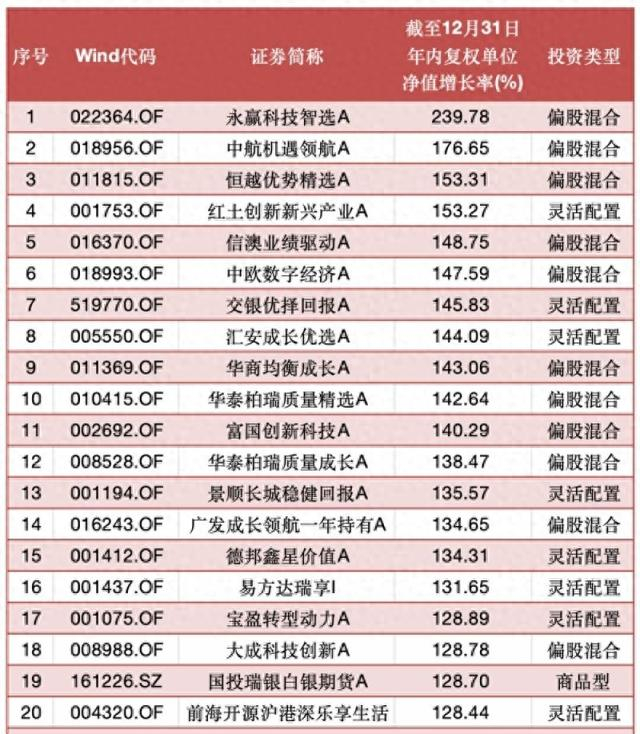
Core Insights - The article highlights the strong performance of public funds in 2025, particularly those focused on technology and digital economy sectors, with many achieving returns exceeding 125% [2][5] - The leading fund, Yongying Technology Smart Selection A, achieved a remarkable return of 239.78%, significantly outpacing its competitors [2][3] Fund Performance - The top-performing funds are predominantly equity funds with a clear focus on technology themes, particularly artificial intelligence and digital economy [2][3] - The second and third positions are held by China Aviation Opportunity Navigation A and Hengyue Advantage Selection A, with returns of 176.65% and 153.31% respectively [2][3] Investment Strategies - Leading funds have concentrated their portfolios in sectors such as AI computing power, semiconductors, and digital economy, reflecting a strategic alignment with market trends [3][4] - Yongying Technology Smart Selection A's top holdings include major players in the communication and electronics sectors, indicating a focused investment strategy [3][4] Market Trends - The article notes a significant structural characteristic of the A-share market in 2025, termed the "technology bull," which has driven the performance of these funds [2][5] - Factors contributing to this trend include a surge in demand for AI infrastructure, a recovery in the semiconductor industry, and supportive domestic policies for digital economy development [5][6] Performance Sustainability - Despite high returns, there are concerns regarding the sustainability of such performance, as the market may not replicate these results in the future [7][8] - Analysts emphasize the need for fund managers to reassess the long-term value of their holdings in light of high valuation levels in certain tech sectors [8]


「港股IPO观察」三冲港交所,乐欣户外IPO关键悬念:独立性成最大考验
Hua Xia Shi Bao· 2025-12-31 12:14
Core Viewpoint - Lexin Outdoor International Co., Ltd. is seeking to go public on the Hong Kong Stock Exchange, facing challenges due to its close operational ties with related parties and fluctuating performance post-pandemic [2][9]. Group 1: Company Performance - In 2022, Lexin Outdoor achieved a revenue peak of 818 million yuan and a net profit of 114 million yuan, but experienced a significant decline in 2023 [3]. - For the first eight months of 2025, the company reported a revenue of 460 million yuan, a year-on-year increase of 17.7%, and a net profit of 56.24 million yuan, up 20.4% [3]. - The company's main products include fishing chairs, beds, and rod holders, with 48.7% of revenue coming from these categories in the first eight months of 2025 [3]. Group 2: Market Position - Lexin Outdoor is the largest fishing equipment manufacturer globally, holding a market share of 23.1% based on 2024 revenue [3]. - Europe is the largest revenue region for the company, accounting for 75.5% of revenue in the first eight months of 2025, while mainland China contributed 15.2% [3]. Group 3: Sales Model and Client Dependency - The company's revenue primarily comes from the OEM/ODM model, with over 90% of income derived from this method from 2022 to August 2025 [4]. - Lexin Outdoor has a significant reliance on major clients, with the top five clients contributing 55% of total revenue, and the largest client accounting for 17.7% of revenue in the first eight months of 2025 [5]. Group 4: Brand Development Challenges - Despite efforts to develop its own brand, Solar, the OBM (Own Brand Manufacturing) business has not achieved significant scale, contributing only 6.6% of total revenue as of the first eight months of 2025 [6]. - The company plans to enhance the Solar brand through an online sales platform and increased marketing efforts, with the platform expected to launch by the end of 2025 [6]. Group 5: Related Party Transactions - Lexin Outdoor has a close operational relationship with Taipusen Group, which is both a major customer and supplier, raising concerns about the company's business independence [9]. - In the first eight months of 2025, revenue from Taipusen Group was 54.41 million yuan, accounting for 11.8% of total revenue, while the gross margin on sales to Taipusen was lower than the overall company margin [9].

募资295亿元!长鑫科技闯关科创板,夹缝中挑战DRAM三巨头
Hua Xia Shi Bao· 2025-12-31 12:14
本报(chinatimes.net.cn)记者卢晓 北京报道 身处行业"超级周期",国内最大的DRAM(动态随机存取存储器)厂商长鑫科技开启了自己的上市征 程。 12月30日,长鑫科技集团股份有限公司(下称"长鑫科技")正式向上海证券交易所递交招股书,拟募资 295亿元在科创板挂牌上市,保荐机构为中金公司和中信建投。 长鑫科技的营收规模近年来一直在扩大,特别是在眼下的"超级周期"中。招股书显示,今年前三季度, 长鑫科技营收约320亿元,相比去年同期近乎翻倍。但它目前还未能实现盈利,今年前三季度,它的归 母净利润为亏损52.8亿元,相比去年收窄了1.79%。 行业周期波动导致DRAM价格下跌,是长鑫科技报告期内亏损的原因之一。招股书就披露,2023年虽然 公司产销量实现大幅增长,但产品单价下滑使其收入增速受到较大影响;此外,单价下滑也导致公司存 货减值损失计提增加,对公司利润产生冲击。 DRAM行业的规模导向属性导致固定资产折旧金额较大,以及研发投入持续增加这两个原因,也被长鑫 科技在招股书中提及。据招股书披露,2022年至2025年上半年,长鑫科技累计研发投入为188.67亿元, 占累计营业收入的33.11% ...

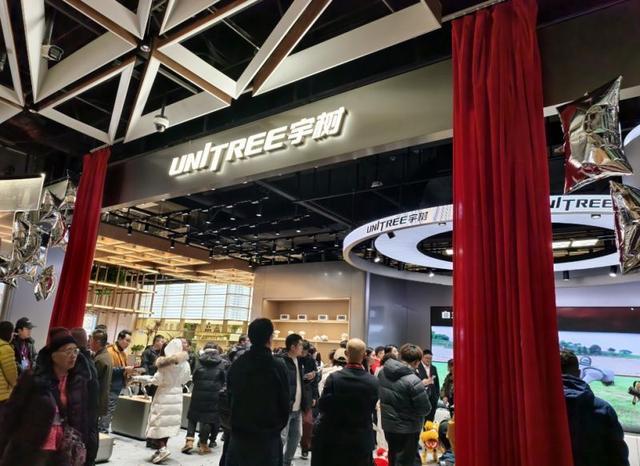
「机器人+」实探宇树机器人全国首店!店内只有四款产品出售,CMO称消费者实地体验最重要
Hua Xia Shi Bao· 2025-12-31 12:12
Group 1 - The core idea of the article is that Yushu Technology has opened its first offline store in Beijing, aiming to make robots more accessible and relatable to the general public, moving from curiosity to familiarity [2][3]. - The store is strategically located in JD MALL, highlighting JD's significant investment in promoting Yushu Technology's brand and products [3]. - Yushu Technology has previously collaborated with JD, successfully selling out its G1 humanoid and H1 industrial robots shortly after their launch on JD's platform [3]. Group 2 - The store currently offers four robot models: two robotic dogs (Go2 Air priced at 10,497 yuan and Go2 Pro at 19,999 yuan) and two humanoid robots (G1 starting at 85,000 yuan after discounts) [4]. - The opening event featured performances by the robots, attracting a diverse crowd, including families and technology enthusiasts, emphasizing the goal of enhancing public interaction with robots [4][5]. - The primary objective of the store is not immediate sales but to increase public exposure to robots and improve acceptance of robotic technology [5]. Group 3 - The offline store aims to address the high trust barrier associated with expensive consumer products by providing hands-on experiences that can convert interest into purchase decisions [6]. - Industry experts note that while the initiative is promising, it faces challenges such as high costs and the difficulty of converting foot traffic into actual sales, especially given the high price points of the products [6]. - Other companies in the industry are also exploring ways to enhance consumer engagement and reduce barriers to entry, such as launching application stores for easier robot operation [7].

多家中小银行加入“停卡潮”,联名信用卡为何失宠?
Hua Xia Shi Bao· 2025-12-31 10:31
Core Insights - The trend of regional small and medium-sized banks ceasing the issuance of co-branded credit cards reflects a significant shift in the credit card industry from scale expansion to value-oriented operations [2][6] - The current credit card business has moved away from a high-growth phase, with banks focusing on channel consolidation, product standardization, intelligent risk control, and integration into consumer ecosystems [2][6] Group 1: Industry Trends - Multiple small and medium-sized banks have announced the suspension of co-branded credit card issuance, including major banks and regional banks, covering various sectors such as e-commerce, entertainment, and travel [2][4] - The cessation of co-branded credit cards indicates a broader industry transition towards refined operations and a focus on customer contribution and risk management capabilities [2][6] Group 2: Market Dynamics - The credit card market has entered a phase of stock competition, with limited new customer acquisition and high customer acquisition costs, leading to an imbalance in the cost-benefit ratio of co-branded cards [6][7] - As of the third quarter of 2025, the total number of credit cards and loan cards in China has decreased to 707 million, a drop of 100 million cards or 12% from the historical peak in June 2022 [7] Group 3: Strategic Adjustments - Banks are advised to focus on regional and customer characteristics to create differentiated products, shift towards refined operations for existing customers, and optimize cost structures through digital upgrades [7][6] - The need for banks to integrate financial services into everyday life scenarios is emphasized as a key factor for finding new growth opportunities in a competitive market [7]

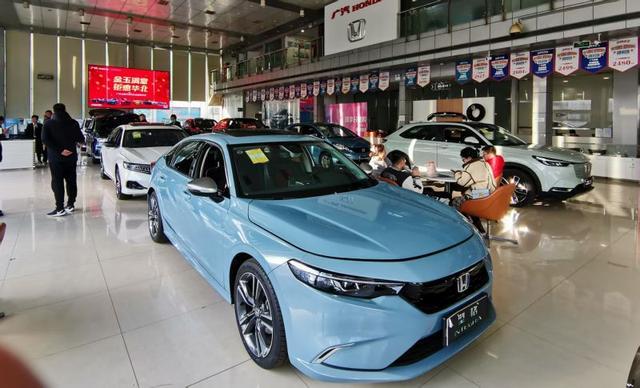
2026年汽车“两新”政策落地:按车价比例补贴,新能源车最高补2万元
Hua Xia Shi Bao· 2025-12-31 09:40
Core Viewpoint - The announcement of the 2026 "Two New" policy for automobiles is expected to significantly boost the automotive consumption market in China, providing a strong stimulus for consumer spending during the upcoming holiday season [2][8]. Group 1: Policy Changes - The 2026 policy introduces a major adjustment in the old-for-new vehicle subsidy standard, shifting from a fixed subsidy to a percentage-based calculation based on the price of the new vehicle [2][3]. - The government has allocated 62.5 billion yuan in special long-term bonds to ensure the timely implementation of the policy during peak consumption periods [2][8]. Group 2: Subsidy Details - The new subsidy structure encourages higher-end consumption, with personal consumers receiving a 12% subsidy (capped at 20,000 yuan) for purchasing new energy vehicles after scrapping their old cars, and a 10% subsidy (capped at 15,000 yuan) for fuel vehicles [3][4]. - In the vehicle replacement scenario, the subsidy for new energy vehicles is set at 8% (capped at 15,000 yuan), while for fuel vehicles, it is 6% (capped at 13,000 yuan) [3][4]. Group 3: Market Impact - The policy aims to address structural issues in the automotive market, promoting a shift from volume expansion to quality improvement, particularly benefiting brands with high-value, technology-rich models [5][6]. - The 2025 old-for-new policy had already shown significant results in boosting automotive consumption and facilitating the upgrade of the automotive industry, with over 60% of the market now driven by replacement demand [7][8]. Group 4: Implementation and Monitoring - The new policy emphasizes optimizing fund allocation and implementing strict measures against illegal practices, such as price gouging and fraudulent claims for subsidies [5][6]. - A pre-allocation system for subsidy funds has been established to alleviate financial pressure on enterprises, ensuring smooth policy execution [7].