
Zhong Guo Qing Nian Bao

Search documents
山东“团校企”携手让中医药文化浸润校园
Zhong Guo Qing Nian Bao· 2025-11-18 23:01
Core Insights - The article highlights the integration of traditional Chinese medicine (TCM) culture into modern education, emphasizing the importance of cultural confidence and health literacy among youth [1][2][4]. Group 1: Cultural Promotion - The "Youth So Much 'Gel'" campaign aims to spread TCM culture across universities in Shandong, fostering a connection between ancient wisdom and modern health concerns [1][3]. - The TCM culture market at Shandong University attracted many students, who engaged with herbal materials and learned about their health benefits, showcasing the appeal of TCM [2][3]. Group 2: Educational Initiatives - The collaboration between enterprises like Dong'e Ejiao and universities is designed to create new pathways for TCM culture dissemination, combining resources from both sectors [3][5]. - Students expressed increased interest in TCM careers, recognizing diverse opportunities in cultural promotion, product development, and market outreach [5][6]. Group 3: Employment Opportunities - The employment guidance session at Yantai University revealed a growing demand for professionals who understand both design and TCM culture, indicating a shift in job market dynamics [5][6]. - The initiative by the Youth League to connect students with industry professionals is enhancing the visibility of TCM career paths, making it more accessible to the younger generation [6].

“石油学霸”巴克在抱团中炼成
Zhong Guo Qing Nian Bao· 2025-11-18 23:01
Core Viewpoint - The article highlights the journey of a skilled expert in the oil industry, emphasizing the importance of continuous learning, teamwork, and innovation in overcoming challenges in oil extraction, particularly in heavy oil production [2][3][11]. Group 1: Personal Development and Achievements - The individual, known as a "petroleum scholar," has over 30 years of experience and has received multiple national honors for his contributions to the oil industry [2][3]. - He faced significant challenges early in his career, including language barriers and technical difficulties, but overcame them through perseverance and support from colleagues [4][5]. - His educational achievements include obtaining two associate degrees and a bachelor's degree, becoming a skilled expert by the age of 30 [5][6]. Group 2: Teamwork and Innovation - The establishment of the innovation studio in 2012 allowed over 180 technicians to collaborate on solving field problems, leading to numerous patents and innovative solutions [3][9]. - The studio promotes a culture of embracing challenges, with members encouraged to view problems as opportunities for innovation [9][10]. - The team has successfully addressed 52 out of 86 identified challenges in 2024, showcasing their commitment to collaborative problem-solving [9][10]. Group 3: Knowledge Sharing and Community Impact - The expert emphasizes the importance of sharing knowledge, having created bilingual training materials and an online platform for resource sharing among employees [8][9]. - He has mentored 22 apprentices, helping them achieve recognition in their fields and fostering a culture of skill development within the company [10][11]. - The article illustrates how the expert's journey reflects a broader commitment to societal and industry advancement, moving beyond personal goals to contribute to the collective growth of the oil sector [11].
深耕技术领域,吉利获评混合动力控制技术创新领先企业
Zhong Guo Qing Nian Bao· 2025-11-18 14:46
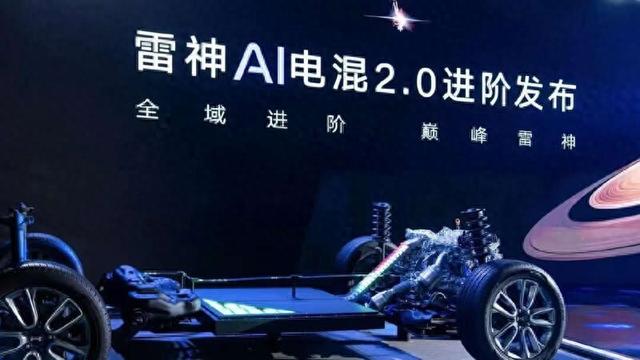
Group 1 - Geely Holding Group was recognized as the "Leading Enterprise in Hybrid Power Control Technology Innovation" in the recent evaluation conducted by the China Automotive Intellectual Property Utilization Promotion Center [2] - Geely holds 161 authorized patents in hybrid power system control technology, with a comprehensive patent innovation index of 145.69 and a technical innovation score of 90, all ranking first in the industry [2] - The company launched the industry's first AI scenario engine-based power domain intelligent system, Starry AI Cloud Power 2.0, which enhances the Thunder God electric hybrid system to version 2.0, currently implemented in models like Geely Galaxy M9 and Galaxy A7 [2] Group 2 - Geely's Q3 financial report shows a revenue of 239.5 billion yuan for the first three quarters, a year-on-year increase of 26%, with Q3 revenue reaching 89.2 billion yuan, up 27%, marking a new high for a single quarter [3] - The total R&D investment from January to September was 14.6 billion yuan, reflecting an 8% year-on-year increase, with ongoing advancements in areas such as assisted driving, AI cockpit, AI electric hybrid, and satellite communication [3]


动画联动机器人,“硬核版”熊猫胡胡亮相金鸡
Zhong Guo Qing Nian Bao· 2025-11-18 13:46
Group 1 - The core event was the launch of a new animation brand and the introduction of a new business segment "IP derivative business" by Maoyan Entertainment at the Golden Rooster and Hundred Flowers Film Festival [1] - The promotion of the family comedy film "Panda Project 2" featured a physical interactive version of the character Panda Huhu, which was created through a collaboration with Yushu Technology [1] - The appearance of Panda Huhu captured significant attention online, quickly trending across multiple platforms, with social media users expressing a desire for mass production of the character [3] Group 2 - The transition from "viewing anticipation" to "desire to own" indicates a shift in audience expectations, as they seek deeper, more interactive connections with their favorite IP characters [4] - The recent World Robot Conference highlighted the popularity of companion robots, with the plush Panda serving as an emotional companion, reflecting changing consumer preferences [4] - Maoyan Entertainment plans to introduce more diverse IP derivative content to meet consumer demands in the future [4]


外卖小哥专属“防寒险”上线
Zhong Guo Qing Nian Bao· 2025-11-18 13:42
Core Viewpoint - Meituan has launched a winter insurance program for over 3 million delivery riders to cover health-related expenses due to cold weather, enhancing their safety and support during the winter season [1][2] Group 1: Insurance Program - The winter insurance, named "防寒险," is fully funded by Meituan and is designed specifically for outdoor workers facing harsh weather conditions such as low temperatures, rain, and snow [1] - This insurance is an addition to existing occupational injury and commercial accident insurance, aimed at providing comprehensive risk coverage for riders during winter deliveries [1] Group 2: Rider Support Initiatives - Since October, Meituan has distributed nearly 1 million pieces of cold-weather gear and supplies to riders across 165 cities [2] - The company has also provided discounted meals for riders and equipped over 52,000 rider stations with warming supplies like heat packs and hot beverages to facilitate rest and warmth during their shifts [2] - Meituan will optimize delivery routes and implement emergency measures based on weather conditions to enhance the delivery experience for riders [1]

北京首钢篮球俱乐部举行新赛季誓师大会
Zhong Guo Qing Nian Bao· 2025-11-18 13:36
Group 1 - The Beijing Shougang Basketball Club held a rally on November 18, 2023, to mark the upcoming 2025-2026 season, which coincides with the 70th anniversary of basketball in Beijing [2] - The club welcomed new players, including Zhao Rui, Li Yonghan, Zhang Zhiyang, and others for the men's team, as well as Pan Zhenqi, Li Yifan, and several others for the women's team [2] - The men's team will have a dual home venue setup, with the Shougang Ice Hockey Arena serving as the home ground until February 3, 2026, after which they will return to the Wukesong Sports Center starting March 11, 2026 [2] Group 2 - A special "inheritance ceremony" was held during the rally to honor the 70-year history of Beijing basketball, where former players presented a commemorative badge to the current team captains [2] - The event symbolized the passing of the torch in Beijing basketball, emphasizing the continuity and legacy of the sport in the region [2]

北京发布新举措加速科技成果“从1到10”落地
Zhong Guo Qing Nian Bao· 2025-11-18 13:11
Core Viewpoint - Beijing has released the "Beijing Action Plan for Promoting the Transformation of Scientific and Technological Achievements (2025-2027)" aimed at accelerating the conversion of scientific achievements into practical applications in the city [1] Group 1: Goals and Objectives - The main goal of the Action Plan is to establish an efficient and dynamic system for the transformation of scientific achievements by 2027, targeting the formation of 1,000 cooperation platforms, 5,000 technology development cooperation projects, and the incubation of 3,000 technology-based enterprises and 600 specialized and innovative enterprises [1] - The plan emphasizes the importance of meeting national strategic needs and supporting the economic and social development of Beijing through the transformation of significant scientific achievements [1] Group 2: Key Tasks and Focus Areas - The Action Plan includes 20 key tasks across five sections, highlighting the role of enterprises as the main players in the transformation process [2] - It proposes the establishment of a research organization model where enterprises propose challenges, research units respond, and collaborative efforts are made [1][2] - The plan aims to expand the team of technology managers and integrate them into the municipal talent support policy framework [2] Group 3: Technology Transfer and Innovation - The Action Plan also focuses on building regional technology transfer centers in collaboration with national universities, particularly in areas like Haidian, Fangshan, and Changping [2] - Data from the "2024 Annual Report on the Transformation of Scientific and Technological Achievements" indicates that last year, capital universities completed 30,332 contracts for technology transfer, with a total value of 20.19 billion yuan, reflecting an annual growth rate of approximately 15% [2] - The plan highlights successful technology transfers that align with national strategic needs, resulting in competitive innovations and the cultivation of leading technology enterprises [2] Group 4: Project Development and Talent - The National Technology Transfer Center has identified 2,100 quality projects through comprehensive engagement with multiple universities [3] - Future initiatives will include various models such as "competition camps" to stimulate activity, facilitate connections, and nurture projects, focusing on collaborative potential among university faculty and students [3]
上海跻身国际金融中心第一梯队,哪些大咖是“沪上金融家”
Zhong Guo Qing Nian Bao· 2025-11-18 13:09
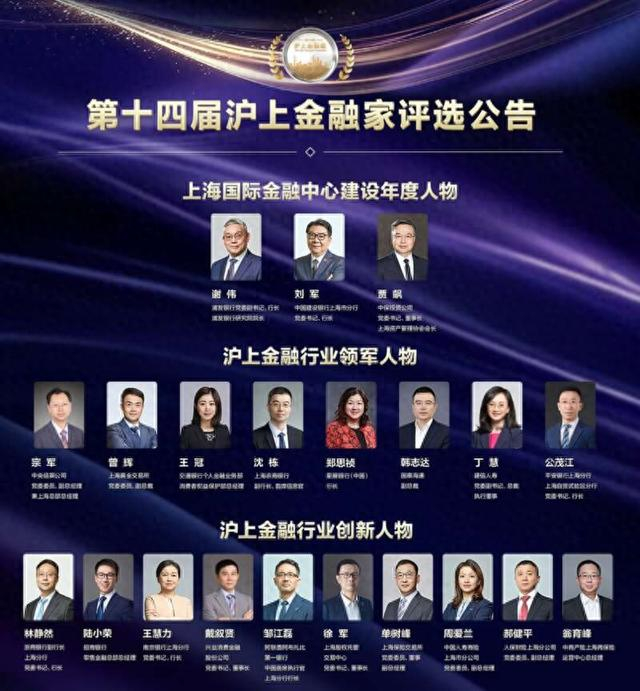
才,包括既熟悉金融又熟悉科技、数字等相关领域的复合型、交叉型人才,既了解国内又了解国际金融 市场的国际化金融人才,既懂金融业务又懂经营管理的领军型金融人才。 中国青年报客户端讯(陈云富 王淑娟 中青报·中青网记者 王烨捷)11月17日,第十四届"沪上金融家"评 选结果公布,21名上海金融英才分获"上海国际金融中心建设年度人物""沪上金融行业领军人物""沪上 金融行业创新人物"三大奖项。 据悉,本届"沪上金融家"评选采用自主报名、推举委员会提名,媒体评审、网络投票、专家评审相结合 的方式,最终评选出3位"上海国际金融中心建设年度人物"、8位"沪上金融行业领军人物"及10位"沪上 金融行业创新人物"。其中,浦发银行党委副书记、行长,浦发银行研究院院长谢伟,中国建设银行上 海市分行党委书记、行长刘军,中保投资公司党委书记、董事长,上海资产管理协会会长贾飙荣获"上 海国际金融中心建设年度人物"。 数据显示,2025年前9个月,上海金融市场交易总额达2967.83万亿元,同比增长12.7%,股票总市值、 银行间债市规模位居世界前列;同时,数字人民币国际运营中心投入运营,上海自贸离岸债成功发行, 绿色金融、科技金融等特色 ...
合肥高新区着力打造世界量子产业高地
Zhong Guo Qing Nian Bao· 2025-11-18 11:08
Core Insights - The upcoming 2025 Quantum Technology and Industry Conference will be held in Hefei, marking a significant step for the internationalization of the quantum industry in the region [1] - Guoyi Quantum Technology has successfully delivered its self-developed EPR300 spectrometer to Queen Mary University of London, showcasing China's global competitiveness in quantum technology [3] - Benyuan Quantum Computing has also received international orders for its dilution refrigerator, indicating strong demand for Chinese quantum products [3] Industry Development - Hefei High-tech Zone, known as "Quantum Avenue," hosts over 80 quantum enterprises, forming a complete industrial chain covering quantum communication, computing, and measurement [3][5] - Leading companies like Guoshield Quantum and Benyuan Quantum are driving the development of numerous small and medium-sized enterprises, creating a robust industrial ecosystem [5] - Guoshield Quantum has established the largest and most extensive "Hefei Quantum Metropolitan Area Network," expanding secure communication capabilities [5] Technological Advancements - Benyuan Quantum's third-generation superconducting quantum computer "Benyuan Wukong" has completed over 690,000 quantum computing tasks for users in 163 countries since its launch in 2024 [5] - The application of quantum technology is accelerating, with a notable improvement in the accuracy of HIV antiviral drug screening from 73% to 97% through a collaboration with the University of Science and Technology of China [6] Supportive Ecosystem - Hefei's innovation ecosystem is bolstered by a collaborative mechanism involving national laboratories, universities, and enterprises, significantly reducing the time required for technological achievements [5] - Financial support from local government initiatives, including angel and seed funds, has enhanced the risk tolerance for quantum enterprises, facilitating their growth [5] Future Plans - Hefei High-tech Zone aims to gather 100 quantum enterprises and over 30 leading talents by 2025, with a target of nurturing two listed companies and achieving a quantum industry scale of 5 billion yuan by 2027 [7]

什么是年轻人眼中的“好房子”
Zhong Guo Qing Nian Bao· 2025-11-18 07:08
什么是年轻人眼中的"好房子" 每天早上8点20分,23岁的康康下楼从早点铺取走提前预订的早餐,步行5分钟到达地铁站,再乘坐15分 钟地铁直达公司。不到9点,他已经坐到工位上。"虽然现在合租的房间不到20平方米,但不管是房租价 格、周边配套还是通勤便利度,我都比较满意。"他说。 今年10月,中国青年报社联合保利发展北京公司发布《2025年北京互联网从业青年"好房子"需求调研报 告》(以下简称《报告》),其中显示,超七成00后受访者在租房生活,其中,合租占30.08%,整租占 41.46%。超四成受访者反映通勤距离过长、周边配套缺失是主要痛点。此外,房屋隔音差、采光弱、 户型不佳等问题也影响居住体验感。 一名互联网行业的受访者向中青报·中青网记者提供了一份"租房避坑宝典","踩坑"多集中在租金、居 住环境、中介服务态度、物业服务水平等方面。 一年前,康康来四川成都工作时,一直在寻找合适的租住房源。"我工作的地方在南边的金融城附近, 离单位越近的房子,租金就越高。稍微便宜点的,要么距离远,要么就是'老破小'。"康康前前后后挑 选了一两个月,始终没找到满意的房子,最后只能在4公里外的火车南站附近,暂时租下一间老旧房 ...