
Zhong Guo Qi Che Bao Wang

Search documents
十九载坚守 “商用车测试”推动行业迈向高质量新阶段
Zhong Guo Qi Che Bao Wang· 2025-09-16 04:15
Core Viewpoint - The 2026 China Commercial Vehicle Product Testing event is a significant platform for showcasing advancements in the commercial vehicle industry, emphasizing the transition towards high-quality development and technological innovation in response to market demands and environmental goals [3][4][6][16]. Group 1: Event Overview - The 2026 China Commercial Vehicle Product Testing event commenced on September 15 in Chongqing, featuring major commercial vehicle manufacturers such as China National Heavy Duty Truck Group, Foton Auman, and others [3][4]. - This event has been held for eighteen years and is recognized as the most influential and market-leading activity in the domestic commercial vehicle sector [3]. Group 2: Industry Transformation - The commercial vehicle sector is a crucial pillar of China's economy and logistics, with improvements in vehicle quality directly impacting the efficiency of the logistics industry [4][7]. - The industry is currently undergoing a significant transformation, focusing on smart and new energy vehicles, driven by technological innovations and the "dual carbon" goals [6][11][16]. - The market is experiencing a shift from traditional manufacturing to a focus on intelligent, green, high-end, and globalized products [11][13]. Group 3: Market Performance - In August, commercial vehicle production and sales reached 315,000 and 316,000 units respectively, marking a month-on-month increase of 5.9% and 3.4%, and a year-on-year increase of 16.4% and 16.3% [6]. - From January to August, production and sales totaled 2.713 million and 2.744 million units, reflecting year-on-year growth of 7.1% and 5.2% [6]. Group 4: Testing and Evaluation - The testing event aims to provide a comprehensive evaluation of vehicle performance, focusing on aspects such as energy efficiency, safety, and intelligent features, to guide industry development and enhance competitiveness [7][9][16]. - The testing procedures have been upgraded to align with the industry's shift towards intelligence, connectivity, and electrification [6][9]. Group 5: Future Outlook - The commercial vehicle industry is at a critical juncture, where companies must innovate and enhance product performance to thrive in a competitive market [16][18]. - The testing event serves as both a summary of past developments and a forecast for future technological directions, promoting the advancement of Chinese commercial vehicles on a global scale [16][18].


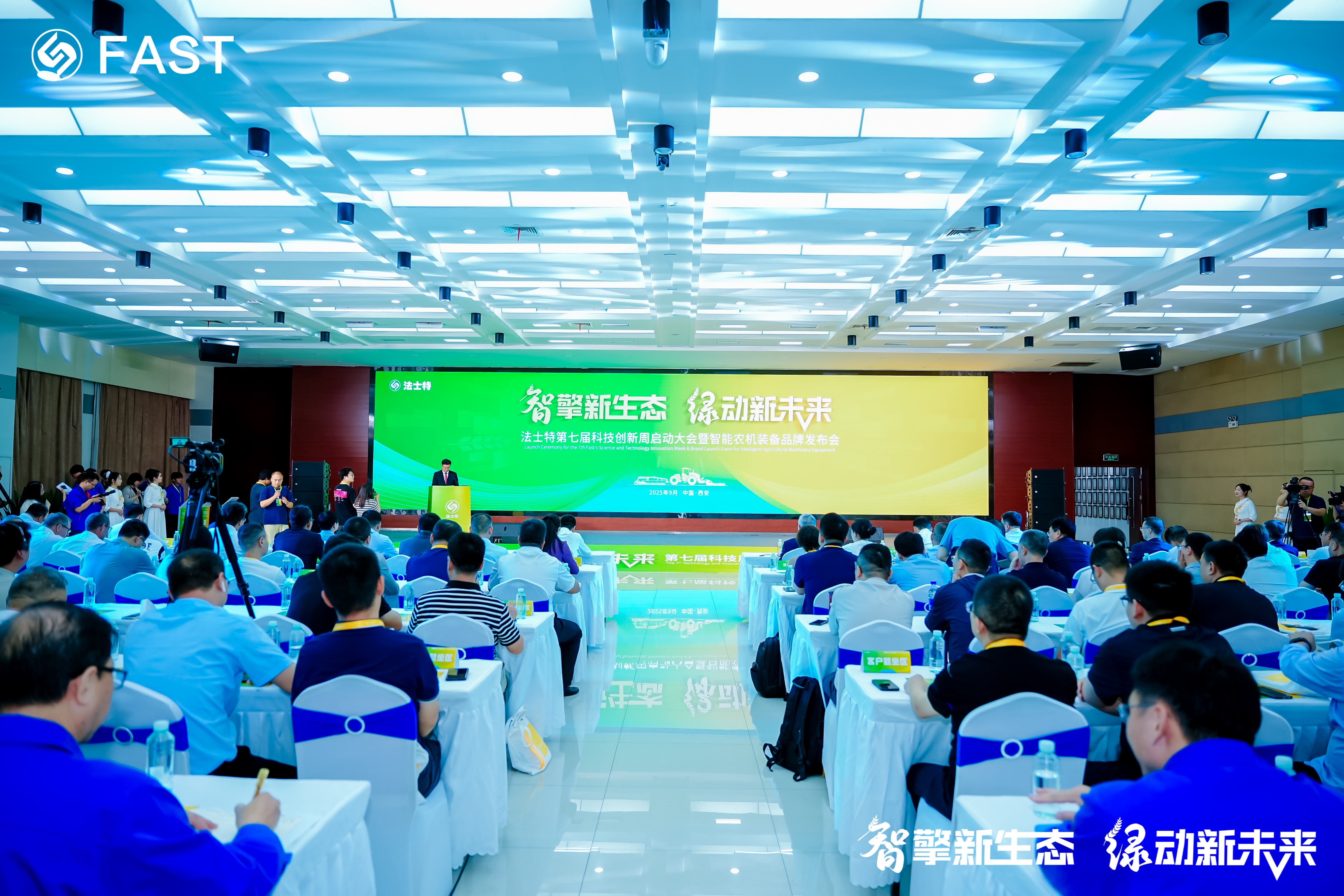
科技创新周启幕 法士特共绘智慧农业新蓝图
Zhong Guo Qi Che Bao Wang· 2025-09-16 02:14
Core Insights - The event "Intelligent New Ecology, Green New Future" marks the launch of Fast Group's seventh Technology Innovation Week and the brand release of intelligent agricultural machinery, emphasizing the importance of innovation and industry transformation [3][5]. Group 1: Company Overview - Fast Group is recognized as a global leader in automotive transmission systems and high-end equipment manufacturing solutions, showcasing its technological strength and industry position [5]. - The company is entering the intelligent agricultural machinery sector, demonstrating its commitment to breaking foreign brand monopolies and promoting domestic agricultural machinery autonomy [5][9]. Group 2: Product Development - Fast Group has developed a range of intelligent agricultural machinery products designed with platform, modular, and green concepts, supporting the high-end, intelligent, and green development of agricultural equipment [9][19]. - The newly launched products include advanced power machinery and harvesting machinery, featuring high-efficiency transmission technology that enhances operational efficiency and reduces fuel consumption [21][27]. Group 3: Technological Innovations - The company has introduced several industry-leading products, including a CVT (Continuously Variable Transmission) for agricultural machinery, which achieves a 30% increase in overall efficiency and a 31.8% reduction in fuel consumption [21][24]. - Fast Group's new energy agricultural machinery power assembly utilizes advanced energy management strategies, achieving over 37% fuel savings and reducing component count by 20% [24]. Group 4: Collaboration and Research - Fast Group has established the Intelligent Agricultural Machinery Transmission Research Institute in collaboration with Xi'an Jiaotong University and Northwest A&F University, aiming to overcome key technological challenges in intelligent agricultural machinery [31][34]. - The company is actively building partnerships with various manufacturers to promote high-quality development in the agricultural machinery industry [35]. Group 5: Future Vision - Fast Group is committed to accelerating the incubation of original, leading, and forward-looking research results, contributing to the upgrade of China's automotive industry and local economic development [40].

一天之内17家车企表态:积极落实账款支付倡议!
Zhong Guo Qi Che Bao Wang· 2025-09-16 01:45
Core Viewpoint - The China Automotive Industry Association released the "Supplier Payment Norms Initiative" on September 15, urging automakers to comply with the "Regulations on Payment to Small and Medium-sized Enterprises" and to avoid exploiting their dominant positions to harm suppliers' interests, aiming to build a collaborative and win-win ecosystem in the automotive industry for high-quality development [1]. Group 1: Industry Response - A total of 17 automakers, including FAW, Dongfeng, Changan, SAIC, GAC, BAIC, Chery, Jiangqi, BYD, Geely, Great Wall, Seres, NIO, Li Auto, Xpeng, Leap Motor, and Xiaomi, have publicly committed to the payment initiative [1]. - The initiative provides clear guidance for building a collaborative ecosystem between complete vehicles and components, promoting high-quality development in the automotive industry [5][8]. Group 2: Specific Company Actions - FAW has unified the payment term for suppliers to within 60 days and optimized internal procurement and financial settlement processes to maintain a healthy market economy [3]. - Dongfeng will implement the initiative's requirements in key areas such as order confirmation, delivery, acceptance, payment, and settlement to protect supplier rights and enhance supply chain resilience [5]. - Changan has also committed to a 60-day payment term and has implemented an innovative payment process to ensure efficient cash flow for suppliers [7]. - SAIC has announced a unified 60-day payment term and will avoid using commercial acceptance bills that increase supplier financial pressure [8]. - GAC has adhered to a payment principle of not exceeding 60 days for 28 years and has established a comprehensive management system for the payment process [10]. - BAIC emphasizes equal, voluntary, fair, and honest principles in supplier relationships and opposes unreasonable payment practices [12]. - Chery has implemented measures to shorten the average payment period for suppliers and alleviate financial pressure on small and medium-sized enterprises [14]. - Jiangqi is enhancing payment efficiency and transparency while ensuring all suppliers receive fair and efficient payment experiences [15]. - BYD is focusing on key areas such as order confirmation and payment to build a collaborative ecosystem with suppliers [17]. - Geely has committed to a 60-day payment term and will not use practices that increase supplier financial pressure [18]. - Great Wall is committed to timely payments and optimizing payment processes to maintain a healthy supplier relationship [21]. - Seres calls for industry self-discipline to enhance supply chain resilience and competitiveness [23]. - NIO aims to establish long-term, mutually beneficial relationships with partners to ensure product quality and user experience [26]. - Li Auto and Xpeng both reaffirm their commitment to a 60-day payment term and efficient payment processes to support their partners [28][30]. - Leap Motor is dedicated to implementing the initiative and ensuring supply chain stability [32]. - Xiaomi emphasizes the importance of timely payments as a fundamental respect for partners and aims to enhance supply chain resilience [35].





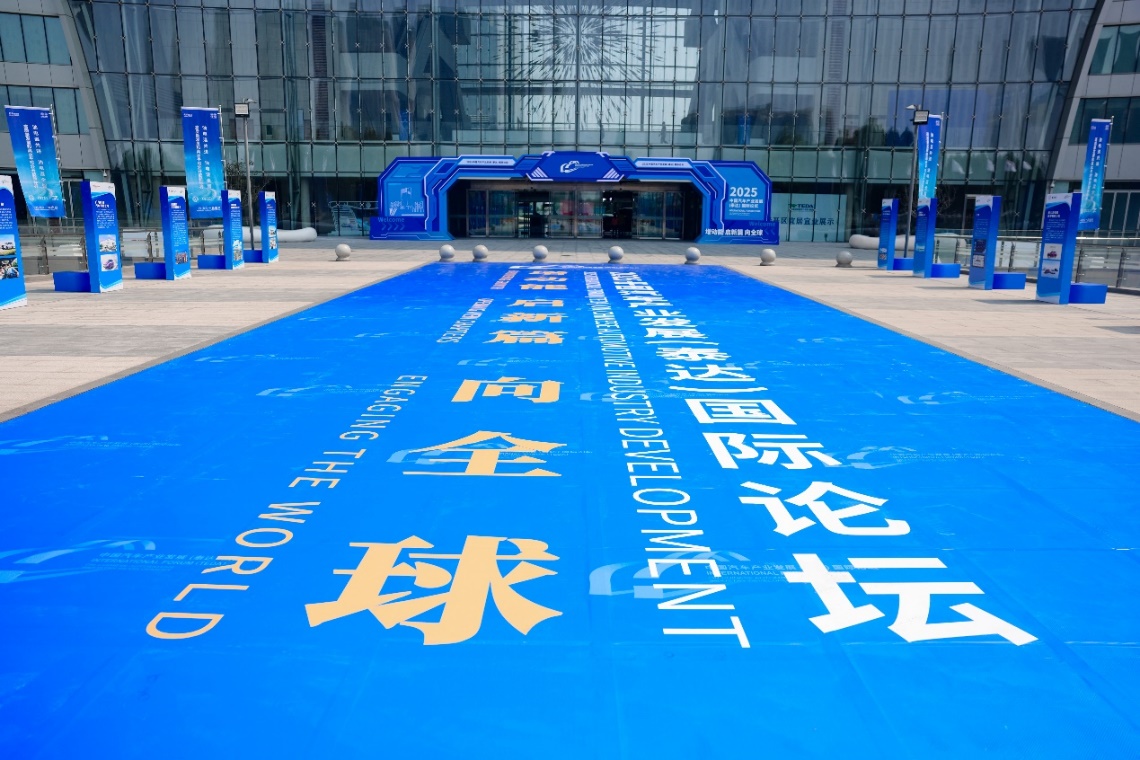
2025泰达论坛:要以共赢、双赢的方式“走出去”
Zhong Guo Qi Che Bao Wang· 2025-09-16 01:25
Core Viewpoint - The trend of Chinese automotive companies going global is inevitable, and experts emphasize the importance of a win-win approach in this process [1] Group 1: Challenges and Considerations for Going Global - Internal competition among Chinese brands, referred to as "involution," affects sustainable international expansion by impacting supply chain stability and overall industry health [3] - Over-reliance on price competition may lead to decreased trust from overseas consumers, hindering the establishment of a long-term, high-quality brand image [3] - Chinese automotive companies should control the speed of exports to avoid significant local disruptions, contribute to local employment, and enhance tax contributions [4] Group 2: Strategic Approaches for Internationalization - Jianghuai Automobile recognizes that internationalization is not just market expansion but a comprehensive transformation involving user insights, technology development, quality control, and brand management [6] - Great Wall Motors emphasizes the need for a shift from mere product export to a holistic approach that includes technology, brand, manufacturing, and cultural values, adapting to local regulations and consumer preferences [6][8] - The automotive industry has inherent global characteristics, and the "14th Five-Year Plan" period is crucial for Chinese brands to become global players [8] Group 3: Recommendations for Enhancing Global Competitiveness - Strengthening international cooperation and promoting global layout processes are essential for the future of the automotive industry [10] - Engaging in global governance and standard-setting, particularly in smart connectivity and carbon reduction, can enhance China's contribution to global automotive governance [10] - Supporting leading companies in establishing R&D centers and manufacturing bases overseas through technology licensing and joint R&D can foster local innovation ecosystems [10]
2026款岚图梦想家32.99万元起售,上市即交付!
Zhong Guo Qi Che Bao Wang· 2025-09-16 01:23
外观设计方面,2026款岚图梦想家延续"鲲鹏展翅"家族化设计,新增"金銮红"双拼车色,以故宫宫殿配色演绎中式豪华。内饰以"天地入怀"为理念,全 新Zebra wood斑马木纹饰板与"映山河"透光面板将东方意境与现代匠心融合;新增的紫米、玄青两种内饰配色,也营造出多种豪华氛围,2026款岚图梦想家 为用户带来属于中国人自己的豪华旗舰。 | 鲲鹏Pro | 鲲鹏Max | 2026款岚图梦想家 乾崑Pro | 乾崑Max | | --- | --- | --- | --- | | PHEV价格 32.99万元 | PHEV价格 35.99万元 EV价格 36.99万元 | PHEV价格 35.99万元 | PHEVAN 38 EV价格 39 | | | | 上市权益 价值至高 6.8 万元 | | | 现金抵扣 | 用车无忧 | 服务无忧 | 金融权益 | | 2,000元抵5,000元尾款 ADS 4高阶功能包20,000元抵扣 | 5年/10万公里整车质保 终身免费车机流量(10G/月) | 5年免费基础保养服务(5年5次) | 0首付起12-60期超低 50%首付起36期0月 | | (价值32,000元, ...

未来智造在这里落地发芽
Zhong Guo Qi Che Bao Wang· 2025-09-16 01:23
广西柳州是一座以工业闻名的城市。在这座城市中,上汽通用五菱的岛式智能工厂与广西新能源汽车实验室犹如两颗璀璨的明珠,不但展现出上汽通 用五菱对智能制造和新能源汽车的思考与举措,更为我国新能源汽车产业向智能化、高端化跃迁提供了生动的样本。近日,《中国汽车报》记者深入探访 这两大创新基地,见证了一场颠覆传统汽车制造逻辑的产业革命。 岛式智能工厂重构百年汽车制造基因 步入上汽通用五菱岛式智能工厂,记者发现这里汽车生产线别具特色。30多台工业机器人和250多台移动智能机器人(IGV)物流小车组成的"无人舰 队"正在高效运转,智能小车往返于以16座独立"智能岛"——轮胎岛、玻璃岛、检测岛等模块——为核心单元之间,通过AI卓越运营大模型 (EOAI,Excellence Operation Artificial Intelligence)的实时指挥协调,实现"车找工位"与"料找车"的双向智能匹配。 "不同于传统生产线只能生产几款车型,岛式工厂车型兼容数量可达20个以上。如IGV小车上的承托支架轴距,可根据车型轴距的长短灵活调整。在 生产工序上,可根据设定实现灵活组合。"工厂相关负责人向记者介绍。他举例说明,通过解构串联式工 ...

蘑菇车联副总裁赵仁杰:城市交通从“单点智能”迈向“全局智能”
Zhong Guo Qi Che Bao Wang· 2025-09-16 01:15
Core Insights - The recent issuance of the "Opinions on Deepening the Implementation of 'Artificial Intelligence +'" by the State Council serves as a strategic impetus for the robust development of China's AI industry, marking a transition from technological breakthroughs to broad integration across various sectors, particularly in the automotive industry [1][2] Group 1: AI Integration in the Automotive Industry - The automotive sector is identified as a key area for the application of AI, with significant potential for innovation and disruption, driven by advancements in technology and changing consumer experiences [1][2] - AI is transforming the automotive landscape from "point intelligence" to "system intelligence," impacting vehicle development, smart transportation, and various operational aspects [2][3] - New startups in the automotive ecosystem are leveraging agile mechanisms and innovative ideas to redefine traditional boundaries, contributing to a comprehensive view of the "Artificial Intelligence + Automotive" industry chain [2][3] Group 2: Technological Advancements and Applications - AI technologies are revolutionizing urban transportation management by providing real-time data analysis for better decision-making and enhancing driving safety and efficiency through advanced perception systems [4][5] - The development of the MogoMind model by Mogu Car Union exemplifies the integration of AI in real-time digital networks, enabling intelligent analysis and decision support for various stakeholders [4][5] Group 3: Future Directions and Recommendations - The competition in future urban environments, particularly in transportation, will hinge on the capabilities of AI network infrastructure, necessitating collaboration between government and high-tech enterprises to enhance urban traffic management [6] - Recommendations include improving public information services, promoting data openness, and fostering collaboration in data and model capabilities to drive transformative changes in urban governance and traffic management [6]
万勋科技市场总监成晖:用户期待AI提供“无感化”服务
Zhong Guo Qi Che Bao Wang· 2025-09-16 01:15
Core Viewpoint - The recent issuance of the "Opinions on Deepening the Implementation of 'Artificial Intelligence +'" by the State Council serves as a strategic impetus for the robust development of China's artificial intelligence industry, marking a transition from technological breakthroughs to broad integration across various sectors, particularly in the automotive industry [1][2]. Industry Application - The automotive sector is identified as a key area for the application of AI, with innovations transforming product forms, industry structures, and user experiences [1][2]. - AI is driving the automotive industry from "point intelligence" to "system intelligence," impacting areas such as vehicle development and smart transportation [2]. Emerging Companies - A variety of new companies are emerging in the automotive ecosystem, focusing on areas like Robotaxi, autonomous delivery vehicles, and smart traffic solutions, showcasing agility and innovative capabilities [2][3]. - These companies represent a portion of a larger, diverse community dedicated to the integration of AI and automotive innovation [2]. Technological Innovations - The development of automatic charging robots exemplifies the challenges of standardization and compatibility in the electric vehicle charging sector, with a focus on adaptability across different charging environments [4]. - Wanxun Technology's automatic charging robot utilizes a bionic flexible arm and AI to enhance operational efficiency, achieving over 90% recognition of various vehicle brands in real-world conditions [4][5]. User Experience Transformation - The evolution of automotive intelligence is shifting from "function stacking" to "experience reconstruction," with user expectations moving towards seamless, unobtrusive services [5]. - The flexible arm design of the automatic charging robot reduces reliance on high-precision sensors, facilitating broader deployment and commercialization of autonomous charging solutions [5]. Recommendations for AI Development - The industry should focus on creating a seamless service ecosystem that integrates AI capabilities into high-frequency user interactions, forming a "human-vehicle-service" intelligent ecosystem [6]. - Breaking down industry barriers and fostering cross-domain collaboration is essential for the large-scale implementation of automotive AI [6][7]. - Promoting "technological equity" is crucial to expand AI's market penetration beyond high-end vehicles, thereby increasing the user base and enhancing AI algorithm optimization through data feedback [7].
比亚迪2026款海豹07DM-i上市,重塑中大型轿车新标杆
Zhong Guo Qi Che Bao Wang· 2025-09-15 14:21
Core Insights - BYD's Ocean Network series vehicles sold over 1.39 million units from January to August this year, marking a year-on-year growth of 30.8%, with a total of over 5.6 million owners [1] - The 2026 model of the Seal 07DM-i was officially launched on September 15, featuring advancements in five key areas: intelligence, comfort, performance, aesthetics, and safety [1] Sales and Promotions - The 2026 Seal 07DM-i is available in four configurations, with official prices ranging from 149,800 to 186,800 yuan, and includes various promotional offers such as zero down payment and interest-free financing options [4] - Customers can receive up to 26,000 yuan in trade-in subsidies, including a national subsidy of up to 20,000 yuan and an additional BYD trade-in subsidy [4] Design and Aesthetics - The 2026 Seal 07DM-i features an ocean aesthetic design with a new EV-style front and a smooth body contour, available in four exterior colors [5] - The interior design follows the ocean aesthetic theme, providing a youthful and elegant atmosphere with various color options [7] Space and Comfort - The vehicle dimensions are 4995mm in length, 1900mm in width, and 1495mm in height, with a wheelbase of 2900mm, offering spacious interior and trunk space [9] - The car includes 29 storage compartments and features such as ventilated and heated front and rear seats, a smart refrigerator, and a panoramic sunroof for enhanced comfort [11] Safety Features - The 2026 Seal 07DM-i is equipped with over 30 active and passive safety features, including a high-strength safety body and 12 airbags [18] - It includes the TSC high-speed tire blowout stability control system, ensuring vehicle stability even in dangerous situations [18] Technology and Performance - The vehicle is powered by BYD's fifth-generation DM technology, achieving a low fuel consumption of 3.2L per 100km under NEDC conditions and a combined range of 1585km [20] - It supports fast charging capabilities, allowing for a 30% to 80% charge in just 20 minutes [20] Market Positioning - The 2026 Seal 07DM-i aims to meet the high-quality travel needs of mid-to-large sedans, offering luxury features at mainstream market prices [22] - The vehicle is positioned to redefine the value standards in the mid-to-large sedan market, emphasizing technological equality [22]

白犀牛首席技术官夏添:AI正在重塑末端物流生态
Zhong Guo Qi Che Bao Wang· 2025-09-15 09:56
Core Insights - The State Council's issuance of the "Opinions on Deepening the Implementation of 'Artificial Intelligence +'" serves as a strategic boost for the development of China's AI industry, marking a transition from technological breakthroughs to broad integration across various sectors, particularly in the automotive industry [1][2] Group 1: AI Integration in Automotive Industry - The automotive sector is identified as a key area for the application of AI, with significant potential for innovation and disruption, driven by advancements in technology and changing consumer experiences [1][2] - AI is transforming the automotive landscape from "point intelligence" to "system intelligence," impacting vehicle development, smart transportation, and various operational aspects [2][3] Group 2: Emerging Companies and Innovations - A range of new companies are emerging in the automotive ecosystem, focusing on areas such as Robotaxi, autonomous delivery vehicles, and smart traffic solutions, showcasing agility and innovative capabilities [2][3] - These companies represent a diverse and growing community dedicated to the integration of AI in the automotive sector, demonstrating a clear path from isolated capabilities to system-level intelligent interactions [2][3] Group 3: Advancements in Autonomous Delivery - The use of AI in autonomous delivery vehicles is rapidly developing, with significant cost reductions of 30% to 50% for delivery clients, highlighting the economic advantages of this technology [4][5] - Autonomous vehicles, such as the L4 self-driving technology from companies like White Rhino, are creating comprehensive systems that enhance safety, efficiency, and operational capabilities [4][5] Group 4: Operational Efficiency and Workforce Transformation - Autonomous delivery vehicles are designed to operate continuously, providing reliable and cost-effective logistics support, which allows human workers to focus on higher-value customer service roles [5] - The integration of autonomous vehicles into logistics is reshaping the industry, creating a new collaborative ecosystem that enhances overall delivery efficiency and service quality [5][6] Group 5: Future Development and Policy Recommendations - Continuous investment in core technologies such as algorithms, chips, and sensors is essential for the maturation of autonomous delivery vehicles, as emphasized in the "Opinions" [6] - There is a call for local governments to establish more accommodating policies to support the safe and efficient deployment of autonomous vehicles, ensuring they contribute positively to societal development [6]