Feng Huang Wang Cai Jing

Search documents
AI眼镜的真相:大多数产品根本没打算卖
Feng Huang Wang Cai Jing· 2026-01-21 07:23
Core Insights - The AI glasses industry is transitioning from a "technology exploration phase" to a "consumer validation phase," indicating a more mature stage where differentiation among products is becoming evident [1][2] - The focus of competition is shifting from concepts and specifications to practical integration into users' daily lives [1][2] Industry Maturity and Path Differentiation - As AI glasses move into real consumer scenarios, manufacturers are beginning to differentiate their products based on various approaches, such as emphasizing cutting-edge technology, ecosystem integration, or everyday usability [2] - This differentiation signals the industry's maturity, with real consumer feedback determining sustainable paths for growth [2] - The importance of overseas markets is highlighted, where comfort, daily wearability, and immediate value are becoming key metrics for evaluating AI glasses [2] Company Strategy: Dapeng's Approach - Dapeng has chosen a clear path by entering the consumer market with AI sunglasses, aligning with its consistent product methodology [3][4] - The company focuses on practical usability rather than high-concept narratives, ensuring that products can be genuinely used and purchased [5] Product Definition and Market Validation - Dapeng's AI glasses are designed as everyday sunglasses that meet basic expectations for comfort and style, integrating AI capabilities seamlessly [5] - The product logic emphasizes usability first, making AI glasses a natural part of daily life rather than a disruptive technology [5] Overseas Market Performance - Dapeng's AI sunglasses have achieved significant market validation in North America and Southeast Asia, demonstrating stable channel integration and continuous sales [6] - This performance indicates the commercial viability of AI glasses as everyday items, providing a reference for the industry on transitioning from concept to mass consumption [6] Evolving Value of AI - The value of AI glasses is shifting towards high-frequency usage rather than merely accumulating features, with user experience becoming paramount [7] - Dapeng's design focuses on ensuring that AI functionalities are easy to use and integrate into daily routines, moving from being a technology showcase to a practical tool [7] Long-term Competition Landscape - As AI glasses enter a phase of mass production, competition will extend beyond technology to include product definition, supply chain collaboration, and global delivery capabilities [8] - Dapeng's ongoing success in overseas markets reflects the need for manufacturers to manage long-term operations, services, and product iterations effectively [8] Conclusion - The AI glasses narrative is evolving, with real market performance providing new insights [9] - Products that can integrate into daily life and achieve mass sales are now being validated by the market, with Dapeng's AI sunglasses exemplifying this trend [9] - The next phase of the industry will focus on long-term competition based on real consumer scenarios, marking the beginning of a more mature market [9]
市场冲高回落,创业板指收涨0.54%,半导体、有色金属板块全线爆发
Feng Huang Wang Cai Jing· 2026-01-21 07:09
凤凰网财经讯 1月21日,市场冲高回落,沪指午后一度翻绿。截至收盘,沪指涨0.08%,深成指涨 0.7%,创业板指涨0.54%。沪深两市成交额2.6万亿,较上一个交易日缩量1771亿。 市场概况 76.00% 封板 79 触及 25 1958 1747 627 319 243 163 180 88 105 83 25 23 11 大于 +8% 小于 -8% 涨停 0% -6% 跌停 +8% +6% +4% +2% -2% -4% -8% 3096家 下跌 上涨 持平 2197家 180家 涨停 88家 跌停 停牌 8家 11家 市场热度:52 ◎ 50 100 0 涨停表现 封板率 | | | | | 沪深京重要指数 | | | | --- | --- | --- | --- | --- | --- | --- | | 名称 *● | 最新 | 张幅% | | 涨跌 涨跌家数 涨速% | 息手 | 现于 金额 | | 上证指数 | 4116.94 | 0.08 | 3.29 | 1282/979 | 0.01 6.67亿 | 126万 1.18万亿 | | 深证成指 | 14255.13 | 0.70 | 9 ...



泉城沃野绘新卷:多维赋能让乡村产业旺起来
Feng Huang Wang Cai Jing· 2026-01-21 06:28
Core Viewpoint - The integration of technology in agriculture is driving rural revitalization in Jinan, with a focus on modernizing farming practices and enhancing productivity through smart agricultural techniques [1]. Group 1: Technological Advancements in Agriculture - The use of smart greenhouses in Zhangqiu District has transformed traditional watermelon farming into a modern, efficient industry, allowing for year-round production and improved quality [2][3]. - Innovations such as "hanging vine cultivation" and collaboration with agricultural research institutions have led to the introduction of high-quality watermelon varieties, enhancing market competitiveness [3]. - The establishment of a comprehensive agricultural supply chain, including processing and e-commerce, has increased the value of watermelon production and expanded market reach [4]. Group 2: Hydroponic and Smart Farming Techniques - In Laiwu District, the implementation of hydroponic systems has enabled year-round vegetable production, significantly increasing yield and reducing water usage [6][7]. - The integration of IoT technology in agricultural practices allows for real-time monitoring and management of environmental conditions, leading to improved crop quality and efficiency [7]. Group 3: Youth Engagement and Innovative Marketing - Young entrepreneurs like Yang Jie are leveraging social media and innovative marketing strategies to promote local agricultural products, such as strawberries, enhancing sales and community engagement [9][10]. - The shift from traditional farming to modern, brand-oriented approaches is attracting younger generations to agriculture, fostering new business models and community support [9][15]. Group 4: Role of Party Leadership in Agricultural Development - In Jiyang District, the integration of party leadership in agricultural initiatives has facilitated the development of facility agriculture, enhancing productivity and profitability for local farmers [16][19]. - The establishment of cooperative models led by party organizations has empowered farmers, providing them with resources and technical support to transition to modern agricultural practices [18][19].
齐鲁机遇全球共享!山东发布2026年对外开放“十大伙伴行动”计划
Feng Huang Wang Cai Jing· 2026-01-21 06:17
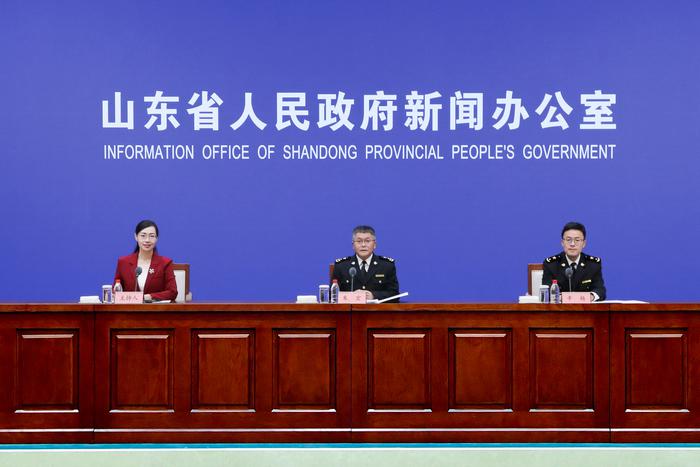
一、国际市场开拓提升行动 1月20日,2026山东——全球伙伴开放合作对话会在北京举办。这是继跨国公司领导人青岛峰会、儒商 大会之后,山东省打造的又一高水平对外开放活动。活动现场,省商务厅党组书记、厅长王磊发布2026 年山东对外开放"十大伙伴行动"计划。山东向全球伙伴发出"请柬",共享齐鲁大地发展新机遇、共创高 质量发展美好未来。 四、招商引资多元拓展行动 全面深化青岛服务业扩大开放综合试点。推进跨国股权并购,推广合格境外有限合伙人(QFLP)业 务,鼓励上市公司引进境外战略投资者。 策划推出一批互联网平台、新能源汽车、半导体高质量投资 场景与合作项目。 五、重大招商活动创新行动 打响"至诚山东 近悦远来"招商品牌,举办4大经贸活动,持续深化与世界500 强、行业领军企业在标志 性产业链领域合作。 第七届跨国公司领导人青岛峰会:拟于6月9日—11日举办,6月10日举办开幕式,大会将围绕"跨国公司 与中国——共赴'十五五'向新向未来"设计活动,重点解读"十五五"期间全国及山东最新开放政策、产业 导向,搭建务实的项目对接平台,持续放大峰会政策策源、成果展示、资源链接功能。 实施"万企出海 鲁贸全球"国际市场开拓 ...
市场震荡拉升,创业板指半日涨0.85%,贵金属、芯片产业链方向爆发
Feng Huang Wang Cai Jing· 2026-01-21 03:43
Market Overview - The market experienced a volatile upward trend in early trading, with the ChiNext Index rising over 1% at one point. By midday, the Shanghai Composite Index increased by 0.16%, the Shenzhen Component Index by 0.76%, and the ChiNext Index by 0.85% [1] - The total trading volume in the Shanghai and Shenzhen markets reached 1.63 trillion yuan, a decrease of 216.9 billion yuan compared to the previous trading day [1][6] Index Performance - Shanghai Composite Index: 4120.10, up 0.16%, with 1205 stocks rising and 1048 falling [2] - Shenzhen Component Index: 14263.20, up 0.76%, with 1626 stocks rising and 1170 falling [2] - ChiNext Index: 3306.00, up 0.85%, with 871 stocks rising and 479 falling [2] Sector Performance - The precious metals sector continued to surge, with Hunan Silver achieving two consecutive trading limits [2] - The semiconductor industry saw significant gains, with multiple stocks such as Huada Technology and Longxin Zhongke hitting trading limits [2] - The lithium mining sector rebounded, with companies like Shengxin Lithium Energy and Dazhong Mining also reaching trading limits [2] Declining Sectors - The consumer sector collectively weakened, particularly in the liquor and tourism hotel segments [3] - The coal sector faced declines, with Dayou Energy dropping over 8% [3] Market Sentiment - 71.21% of users are bullish on the market [4] - The market showed a high limit-up rate of 76% and a profit rate of 59% for stocks that hit trading limits yesterday [7]

A股指数集体低开:沪指跌0.25%,商业航天、AI应用等板块跌幅居前
Feng Huang Wang Cai Jing· 2026-01-21 01:32
Market Overview - Major indices opened lower with Shanghai Composite Index down 0.25%, Shenzhen Component down 0.38%, and ChiNext down 0.24% [1] - The trading volume for Shanghai Composite was 577 million with a turnover of 8.73 billion, while Shenzhen Component had 846 million with a turnover of 12.89 billion [2] External Market Impact - Concerns over global trade tensions reignited by U.S. President Trump's insistence on controlling Greenland led to significant declines in U.S. indices, with the Dow Jones down 1.76%, S&P 500 down 2.06%, and Nasdaq down 2.39% [3] - Notable declines in popular Chinese stocks, with Alibaba down 1.82%, JD.com down 1.80%, and NIO down 3.18% [3] Industry Insights - Huatai Securities highlighted 2026 as a critical year for global L4 autonomous driving commercialization, driven by legislative changes in the U.S. and advancements in China [4] - CITIC Securities noted the acceleration of AI glasses development, predicting a product explosion by 2025, with significant consumer demand expected due to policy support [5] - Guojin Securities reported that the domestic PVC industry is nearing the end of its expansion cycle, with potential improvements in supply-demand dynamics as high-cost capacities exit the market [6] - CICC observed positive changes in real estate policies and supply-side dynamics, suggesting increased attention to the real estate sector in the short term [7][8]

齐鲁制药:以“有温度的科技”锻造新质生产力
Feng Huang Wang Cai Jing· 2026-01-21 00:06
Core Viewpoint - Shandong Province has achieved a significant milestone by entering the 10 trillion yuan economy club, attracting national attention for its high-quality economic and social development [1] Group 1: Industry Development - The 20th National Congress of the Communist Party emphasized the implementation of a health-first development strategy, which provides fundamental guidance for the pharmaceutical industry [3] - Domestic pharmaceutical companies are seizing opportunities during a transformative period, focusing on innovation, internationalization, and green intelligence to create new development scenarios [3] - Qilu Pharmaceutical has made significant strides, with 143 new products developed and launched during the 14th Five-Year Plan, including 109 products winning national procurement bids and 38 being the first or only domestic listings [3][5] Group 2: Innovation and Product Development - Qilu Pharmaceutical's innovative drug, Ilruak (启欣可), has been approved for treating advanced non-small cell lung cancer, providing hope for patients [5][8] - The company has also developed a PD-1/CTLA-4 dual-function antibody, expected to offer a more effective and safer treatment for recurrent or metastatic cervical cancer [8] - Qilu's strategy balances innovation and generic drug development, addressing urgent clinical needs and enhancing drug accessibility [9] Group 3: International Expansion - Qilu Pharmaceutical has transitioned from a cost-driven model to a value-creating approach in international markets, becoming a notable player in the global pharmaceutical landscape [12] - The company responded to a clinical drug shortage in the U.S. by quickly facilitating the export of cisplatin injection, showcasing its capability and reliability in international supply [12] - Qilu's generic drug, gefitinib (伊瑞可), significantly reduced the price of a previously monopolized drug, enhancing accessibility for over 100,000 patients [13] Group 4: Manufacturing and Sustainability - Qilu Pharmaceutical has integrated smart manufacturing into its production processes, achieving high-quality and efficient drug production [16][17] - The company has invested nearly 2.1 billion yuan in environmental protection facilities and 2.7 billion yuan in safety and environmental expenditures during the 14th Five-Year Plan [20] - Qilu has received recognition for its green factories, with seven subsidiaries awarded national-level green factory status, reflecting its commitment to sustainable development [20] Group 5: Future Outlook - Qilu Pharmaceutical aims to become a world-class pharmaceutical enterprise, contributing to the "Healthy China" initiative and global health efforts [21]
无处不在的“项目”,2026年的济南如何“赋能”?
Feng Huang Wang Cai Jing· 2026-01-21 00:06
Core Insights - The Jinan Municipal People's Congress has opened its fifth session, emphasizing the importance of "projects" in the government's work report and the "14th Five-Year Plan" [1][2] - 2026 is designated as the "Project Empowerment Year," reflecting a strategic shift in Jinan's development approach, where projects are seen as the core engine for urban development and public welfare [1][2] - The government aims for a 7% growth in industrial added value above designated size by 2026, focusing on implementing an industrial strong city strategy and building a modern industrial system [1] Industrial Goals - Jinan aims to achieve specific targets for various industries by 2026: - Electronic information industry to reach 240 billion yuan - Automotive industry to reach 180 billion yuan - High-end software industry to reach 130 billion yuan - Modern pharmaceutical industry to reach 52 billion yuan [1] - Key projects include the semiconductor smart optoelectronics industrial park, new energy vehicle projects, and aerospace city, which are not just plans but imminent developments [1] Public Welfare and Quality of Life - The focus on projects also aims to enhance the quality of life for residents, promising cleaner energy, more convenient transportation, better healthcare, and enriched cultural spaces [2] - The collective mobilization from planning to real-world implementation signifies a commitment to transforming the urban landscape and improving public services [2] Future Outlook - The future growth trajectory of Jinan is closely tied to the ongoing and upcoming projects, indicating a strong reliance on project development for economic and social advancement [3]
山东外贸“朋友圈”已遍及全球,与超过250个国家和地区有贸易往来
Feng Huang Wang Cai Jing· 2026-01-21 00:06
Core Insights - In 2025, Shandong Province's foreign trade achieved a historical high, demonstrating resilience against external challenges with stable volume and improved quality [1] Group 1: Market Diversification - Shandong Province engaged in trade with over 250 countries and regions, with nine foreign trade markets exceeding 100 billion yuan and 53 exceeding 10 billion yuan [3] - The Belt and Road Initiative significantly boosted trade with partner countries, accounting for 64.1% of Shandong's total exports and 74.7% of imports, showing an increase from 2024 [3] - Notably, 58.5% of Shandong's automobile exports were directed to the African market, establishing a strong presence there [3] Group 2: New Industries and High-Tech Exports - Exports of Shandong's "new three samples" products reached 14.23 billion yuan, marking a 37% increase, with electric vehicle exports alone totaling 8.81 billion yuan and growing by 126% [3] - High-tech product exports saw a significant rise, with shipbuilding and marine engineering equipment exports increasing by 90.5% to 57.06 billion yuan, alongside double-digit growth in other sectors [3] Group 3: Private Sector Contribution - The private economy contributed 92.9% of Shandong's foreign trade market entities and 76.3% of the total import and export value, with private enterprises accounting for 77.4% of total exports and 74.4% of imports [4] - Shandong hosts numerous leading private enterprises in sectors such as crude oil, metal ores, and marine engineering equipment, holding significant positions nationally [4] Group 4: Future Outlook - The customs authority plans to continue supporting foreign trade enterprises in international market expansion, enhancing technological innovation, and developing measures to support private enterprises for high-quality foreign trade growth in Shandong [4]
瑞士达沃斯:《Brand Finance 2026年全球品牌价值500强榜单报告》出炉
Feng Huang Wang Cai Jing· 2026-01-20 23:28
Core Insights - The Brand Finance 2026 Global Brand Value 500 report highlights Apple's continued dominance as the world's most valuable brand, with a brand value of $607.64 billion, reflecting a growth of 5.8% [5][6] - The report indicates that the United States leads with 192 brands contributing 53.4% of the total brand value, followed by China with 68 brands at 15.1% [3][5] - The banking sector remains the highest valued industry globally, contributing 12.5% of total brand value with 79 brands, while media and electronics follow [3][5] Company Highlights - Apple maintains its position as the top brand, with a brand value of $607.64 billion, driven by strong performance in services including advertising and cloud services [5][6] - Microsoft ranks second with a brand value of $565.25 billion, showing a significant growth of 22.6%, bolstering its leadership in AI and cloud services [5][6] - TikTok (Douyin) has seen a remarkable brand value increase of 45.1%, reaching $153.54 billion, making it the highest valued Chinese brand and sixth globally [7][19] - The State Grid of China ranks tenth globally with a brand value of $102.44 billion, leading the utilities sector and achieving a 19.6% growth [8][19] - China Petroleum and China Petrochemical also show positive growth in brand value, with China Petroleum at $35.74 billion and China Petrochemical at $30.42 billion [11][20] Industry Insights - The banking industry is highlighted as the strongest sector for Chinese brands, with a total brand value of $417 billion from 13 banks, marking a 1.4% increase [10] - The utilities sector, led by the State Grid, shows strong performance, with China Southern Power Grid achieving a 33.2% growth in brand value [9][10] - The food and beverage sector is represented by Yili, which ranks third globally in the food industry with a brand value of $14.5 billion, reflecting a 29.2% growth [13][21] - The insurance sector also performs well, with six out of seven Chinese brands on the list showing growth, particularly China People's Insurance with a 12% increase [15][21] - The engineering sector sees China holding nine out of twenty brands, with China National Building Material achieving a 1.3% growth in brand value [15][21]