
Zhong Guo Huan Jing Bao

Search documents
长三角一体化下生态资源跨区共享难题怎么解决?
Zhong Guo Huan Jing Bao· 2025-05-29 05:36
为解决长三角一体化发展背景下生态资源跨区域共享存在的难题,笔者提出如下建议: 一是构建跨区域治理制度体系。设立长三角生态环境委员会,负责制定区域生态规划、协调重大项目, 建立常态化协商机制,每年召开联席会议解决跨界纠纷。 当前,随着长三角一体化发展,在生态资源跨区域共享方面,已形成了新安江流域跨省生态补偿机制等 诸多成功案例,成效显著。但笔者发现,当前仍存在一些具体问题。 一是利益协调机制不完善,存在补偿标准与生态价值错配等问题。例如,新安江流域虽然建立了全国首 个跨省生态补偿机制,但前三轮试点安徽年均获得补偿仅两亿元,绩溪县作为新安江——千岛湖水系的 源头地区,前三轮试点仅县财政配套资金就投入9亿余元,而获得补偿金仅5.4亿元,补偿金额与实际治 理投入差距显著。 二是政策法规碎片化,区域内环境标准不统一。例如,工业企业挥发性有机物(VOCs)排放限值上 海、江苏、浙江分别为50mg/m、80mg/m、60mg/m,企业跨区域迁移时面临重复改造难题。2024年生态 环境部《关于进一步深化环境影响评价改革的通知》要求省级统筹重大项目环评,但长三角部分地级市 仍存在审批权限下放不当问题。 三是生态补偿机制单一化。 ...
如何管好农村环境污染防治资金?
Zhong Guo Huan Jing Bao· 2025-05-29 03:13
Core Viewpoint - Rural environmental pollution prevention requires urgent funding support and faces multiple challenges, including unclear responsibility allocation, over-reliance on fiscal input, and insufficient market participation [1] Group 1: Current Issues in Funding - There is a lack of clarity in responsibility allocation, leading to excessive reliance on government funding rather than market participation [1] - The principle of "who pollutes, who governs" has not been effectively implemented [1] - Policy tools are limited, primarily relying on fiscal expenditure without diverse methods such as environmental taxes or public-private partnerships [1] - There is a fragmentation in the management of special funds, resulting in poor coordination among departments during project application and implementation [1] - Performance management is weak, focusing more on project allocation rather than performance evaluation, lacking effective incentive and constraint mechanisms [1] - The funding structure is unreasonable, overly favoring engineering construction while neglecting farmer participation and source prevention [1] Group 2: Recommendations for Improvement - Clarify expenditure responsibilities and define social responsibilities and fiscal input priorities for township governments, ensuring that social entities bear their share of pollution management [2] - Strengthen planning and project bundling to enhance fund integration across various government levels and departments involved in rural environmental protection [2] - Improve distribution and expenditure methods to incentivize township governments and social investments, including competitive funding allocation and encouraging farmer participation [3] - Enhance performance management to improve fund utilization efficiency, implementing comprehensive management throughout the funding process and establishing a performance evaluation system [4]
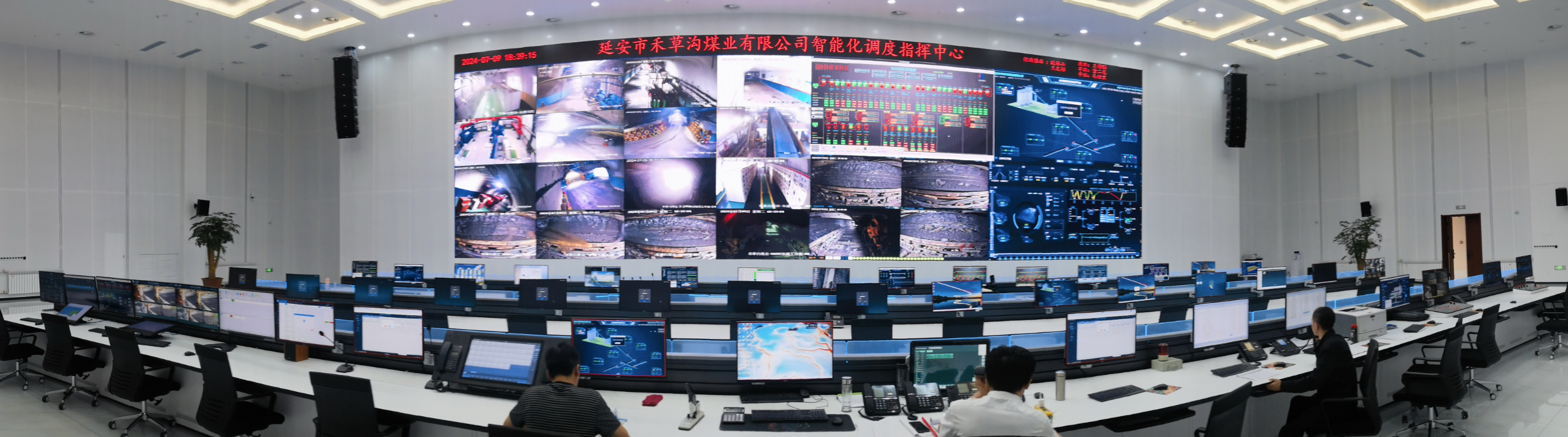
禾草沟煤业:绿色引领矿山高质量发展
Zhong Guo Huan Jing Bao· 2025-05-29 02:35
Core Viewpoint - He Caogou Coal Industry Co., Ltd. emphasizes green development and safety in mining operations, aiming to create a modern, environmentally friendly coal mining enterprise with an annual production capacity of 5 million tons since its establishment in September 2010 [1][10]. Group 1: Safety and Environmental Protection - Safety and environmental protection are prioritized as essential conditions for high-quality mining development, with the company promoting green, low-carbon, and clean production [2][11]. - The company has established a comprehensive environmental management system, including daily inspections, monthly assessments, and the implementation of over 30 safety regulations [2][11]. - Achievements in ecological governance include the renovation of a wastewater treatment plant and the certification of green mining practices, earning recognition as an advanced unit in energy conservation and emission reduction in the coal industry [3][11]. Group 2: Investment in Technological Upgrades - The company invested 66.6628 million yuan to upgrade its mine water treatment system, achieving water quality standards suitable for drinking and ensuring a circular water supply for the entire mining area [4][12]. - The implementation of a geothermal heating system and the optimization of mining parameters have improved energy efficiency and reduced costs, with a reported cost reduction of over 5% in minor projects and an efficiency gain of 6.5784 million yuan [4][12]. Group 3: Intelligent Mining Advancements - He Caogou Coal Industry has established an intelligent production command center that integrates advanced technologies such as IoT, cloud computing, and big data for real-time data collection and analysis [5][12]. - The company has implemented a smart coal sales management system that enhances operational efficiency, achieving a 50% increase in loading efficiency and reducing vehicle entry time to 3-5 minutes [6][12].

持续推动“两山”转化,看看江西省铜鼓县怎么做!
Zhong Guo Huan Jing Bao· 2025-05-29 01:50
Core Viewpoint - The article emphasizes the integration of ecological protection and economic development in Tonggu County, Jiangxi Province, showcasing a model of green development that aligns with the "green mountains and clear waters are as valuable as mountains of gold and silver" philosophy [1][3]. Group 1: Ecological Protection - Tonggu County prioritizes ecological preservation as a key strategy for socio-economic development, focusing on building a life community among mountains, rivers, forests, fields, lakes, and grasslands [1]. - The county has achieved a forest coverage rate of 88.04%, establishing itself as the "ecological green heart" of the Yangtze River middle reaches [1]. Group 2: Urban Development - Over 200 million yuan has been invested in the construction of 932 new villages, creating 9 beautiful and livable demonstration towns and 50 demonstration villages [2]. - The county has implemented urban enhancement actions, improving urban functions and quality, and has built several parks to enhance green space [2]. Group 3: Innovative Mechanisms - Tonggu County is exploring mechanisms for realizing the value of ecological products, addressing challenges in measuring, trading, and monetizing ecological assets [3]. - An ecological product value realization support platform has been established, and various financial products have been introduced to facilitate the transformation of ecological resources into economic value [3]. Group 4: Economic Development - The county is developing a diversified ecological industrial system focusing on health, green food, and tourism, with a modern agricultural system that includes organic certification and significant production value [4]. - The county aims to create a national all-region tourism demonstration zone, enhancing its tourism offerings and successfully establishing several scenic areas [4].
丽江实现泸沽湖保护与发展共赢
Zhong Guo Huan Jing Bao· 2025-05-29 01:43
Core Viewpoint - The article highlights the ecological protection and high-quality development of Lugu Lake in Yunnan Province, emphasizing the successful implementation of the "lake revolution" strategy to maintain water quality and promote sustainable tourism [1][2]. Group 1: Ecological Protection Measures - Lijiang City has committed to preventing any wastewater from entering Lugu Lake, implementing various measures including ecological relocation and strict law enforcement to transition from "people entering the lake" to "people retreating from the lake" [2][3]. - The ecological red line along the lakeshore has been established at 26.15 kilometers, with an ecological yellow line of 52.7 kilometers, and the core ecological protection area is now 2.4 times larger than the original first-level protection area [3]. - The construction of new commercial facilities in the scenic core area is prohibited, with a daily visitor capacity limited to 12,000 [3]. Group 2: Infrastructure and Waste Management - A total of 17 waterfront platforms and 6 docks have been dismantled, along with 180 guesthouses and 95 illegal constructions, resulting in a reduction of 142,500 square meters of building area and 94,300 square meters of land occupation [3]. - Wastewater treatment infrastructure has been expanded, with 20 pumping stations and 81 kilometers of sewage pipelines constructed, achieving full coverage of sewage collection in local villages [3][4]. - Two sewage treatment plants capable of processing 4,000 tons per day have been built, meeting Class A discharge standards, alongside a project for garbage reduction processing [3][4]. Group 3: Collaborative Governance - Lijiang City has strengthened collaborative governance through the implementation of the "1+3" plan for the joint protection and management of Lugu Lake, establishing various coordination and enforcement mechanisms [4]. - Monthly water quality monitoring is conducted at multiple points, ensuring that the water quality meets standards, with a 100% compliance rate for national and provincial monitoring sections [5]. - A budget of 112 million yuan has been allocated for the establishment of a smart management center for Lugu Lake, integrating water quality monitoring and other systems [4]. Group 4: Community Involvement and Sustainable Development - A "government + enterprise + community" management mechanism has been established, allowing local communities to play a central role in both protection and development [6]. - Local residents are encouraged to participate in tourism through eco-friendly activities, reducing agricultural pollution while benefiting from sustainable income sources [6]. - The integration of traditional culture into tourism provides immersive experiences for visitors while ensuring that local communities benefit from ecological protection efforts [6].
滇池开“美颜”“流量”变“留量”
Zhong Guo Huan Jing Bao· 2025-05-29 01:43
Core Viewpoint - The article highlights the significant improvements in the ecological environment and water quality of Dianchi Lake in Yunnan Province, showcasing successful governance and restoration efforts that have transformed the lake into a key ecological landmark and tourist destination [2][5][8]. Group 1: Water Quality Improvement - Over the years, Yunnan Province has implemented effective measures to improve the water quality of Dianchi Lake, achieving a continuous improvement from a poor quality (Class V) to a Class IV water quality over the past seven years [2][5]. - The lake's water quality improved from Class V in 2016 to Class IV in 2018, and it has maintained Class IV status since then [2][5]. Group 2: Systematic Governance - The local government has prioritized the pollution control of Dianchi Lake as a key task in ecological civilization construction, employing a comprehensive approach that includes administrative, legal, economic, engineering, technological, ecological, and informational measures [5][6]. - The governance strategy includes a focus on integrated protection and restoration of the lake's ecosystem, with specific projects aimed at controlling pollution from industrial, agricultural, and domestic sources [5][6]. Group 3: Ecological Restoration - Significant ecological restoration efforts have been made, including the restoration of 159 mines covering over 11,700 acres, and an increase in forest coverage in the Dianchi watershed from 40.78% in 2015 to 42% currently [7]. - The establishment of a complete plant community along the lakeshore has been achieved, with biodiversity significantly enhanced, including an increase in fish species from 23 to 26 since the "13th Five-Year Plan" [7]. Group 4: Tourism Development - The transformation of the lakeside villages into attractive tourist destinations has been facilitated by the ongoing ecological restoration, with 39 key villages undergoing construction and 22 villages already operational, attracting over 20 million visitors and generating revenue of 540 million yuan [8][9]. - The "Dianchi Lakeside Key Village Renovation and Upgrade Plan" aims to create beautiful villages that reflect local culture and integrate natural landscapes, enhancing the region's appeal as a world-class ecological tourism destination [8][9].
玉溪“五个坚持”引领生态文明建设
Zhong Guo Huan Jing Bao· 2025-05-29 01:43
近年来,云南省玉溪市以"五个坚持"为引领,统筹推进污染防治与生态环境保护,交出了一份亮眼 的"绿色答卷"。据统计,全市生态环境质量持续改善,公众对生态环境的满意度从2020年的89.15%提升 至2024年的93.65%,高原明珠的生态底色愈发鲜明。 坚持系统治理,守护蓝天碧水 玉溪市以蓝天、碧水、净土三大保卫战为核心,实施综合治理。 蓝天更清朗。推进钢铁、建材等行业超低排放改造,强化污染天气预警响应。2024年,中心城区空气质 量优良天数比率达99.5%,同比上升2.8个百分点,PM2.5浓度同比下降13%,降至20微克/立方米。 碧水更澄澈。以"湖泊革命"为抓手,统筹水资源、水环境、水生态治理,深入推进"两江"(南盘江、元 江)和重要湖泊保护治理,实施入湖污染治理工程,打造"湖外水资源循环利用"升级版。2024年,全市 地表水国控断面水质优良率达80%,县级以上集中式饮用水水源和水源地水质达标率均保持100%。 净土更安全。深化"无废城市"建设,协同推进受污染耕地土壤污染源管控,重点建设用地安全利用率保 持100%。2024年,全市镇区、村庄生活垃圾处理设施覆盖率分别为100%、92.3%,生活垃圾无害化 ...
挖掘“长汀经验”,构建生态文明自主知识体系
Zhong Guo Huan Jing Bao· 2025-05-29 00:12
Core Viewpoint - The construction of a Chinese philosophy and social science autonomous knowledge system, particularly in ecological civilization, is a key reform task highlighted in the 20th National Congress and the "Education Strong Nation Construction Plan Outline (2024-2035)" [1] Group 1: Ecological Civilization Knowledge System - The ecological civilization autonomous knowledge system is a crucial part of the Chinese philosophy and social science autonomous knowledge system, aiming to innovate knowledge, theory, and methods while reconstructing academic and discourse systems with Eastern wisdom [1] - The "Changting Experience" serves as a model of "new practices with regularity," showcasing how ecological restoration can lead to sustainable development and economic benefits [2] Group 2: Knowledge Independence - The "Changting Experience" reflects the autonomous characteristics of China's ecological civilization construction, moving away from the "Western interpretation of Chinese practices" to a paradigm of "Chinese interpretation of Chinese practices" [3] - This experience dismantles the knowledge dependency that has historically placed China at the lower end of the knowledge production chain [4] Group 3: Original Theoretical Contributions - The "Changting Experience" embodies original theoretical contributions to the ecological civilization autonomous knowledge system, particularly the "Two Mountains" theory, which emphasizes the relationship between economic development and environmental protection [5] - This theory provides a dialectical understanding of the dynamic relationship between ecological preservation and economic growth, countering Western ecological thought that often presents a binary opposition [6][7]
高度关注美欧甲烷排放管控动向,加快推进我国甲烷减排
Zhong Guo Huan Jing Bao· 2025-05-28 23:21
Core Insights - The IEA's report highlights that global methane emissions in the energy sector have not peaked yet, with significant challenges in enforcement and high emissions from abandoned mines [1][2] - China's methane emissions intensity from oil and gas is below the global average, while coal methane emissions intensity is on par with global levels, indicating notable achievements in methane control [1][2] Global Methane Emissions - Methane emissions from the fossil fuel sector contribute approximately one-third of human-induced methane emissions, with annual emissions exceeding 120 million tons [2] - The IEA estimates that reported methane emissions from the energy sector are about 80% higher than the data submitted by countries to the UNFCCC, primarily due to a lack of actual measurement data [2] Methane Control Initiatives - As of the end of 2024, 159 countries, including the EU, have joined the Global Methane Pledge, covering 50% of global methane emissions from human activities [2] - Despite the commitments, many countries have not implemented substantial control measures, with only half having detailed regulatory frameworks [2] Abandoned Mine Emissions - Methane emissions from abandoned mines are underestimated, accounting for about 5% of global methane emissions from energy activities, with around 8 million abandoned oil and gas wells globally [3] - China accounts for approximately 60% of global methane emissions from abandoned coal mines, while the U.S. contributes about 40% from abandoned oil and gas wells [3] Impact on China's Energy Consumption - The EU is seeking to establish regulations for methane emissions from imported energy, which could reshape the energy trade system [4] - By 2030, fossil fuel importers must demonstrate compliance with EU-set methane intensity limits, impacting China's energy import costs and strategies [4] China's Methane Emissions from Imports - China's implicit methane emissions from imported energy are significant, with approximately 10 million tons attributed to imports, surpassing levels from the EU, Japan, and South Korea [5] - The majority of these emissions stem from oil and gas imports from Russia and the Middle East [5] Recommendations for Methane Control in China - A systematic assessment of international methane control regulations' impact on China's energy trade is recommended, focusing on tracking the implementation of methane emission standards by major trading partners [6] - Establishing a methane emissions accounting system for imported energy is suggested, including a database covering extraction, processing, and transportation stages [6] - Initiating a national survey on methane emissions from abandoned mines is advised, with a focus on monitoring and remediation responsibilities [6]
打通人、技、物堵点,让数智化平台更好助力基层治理
Zhong Guo Huan Jing Bao· 2025-05-28 08:32
Group 1 - The article emphasizes the importance of dynamic management in administrative law enforcement inspections related to enterprises, highlighting the need for higher standards in grassroots governance digitization [1] - The integration of AI technology is proposed to enhance data processing capabilities, allowing for efficient identification of potential issues and early warnings in environmental regulation [1][2] - The article suggests that the ecological environment governance should focus on three protective measures: human, technical, and material, to effectively address challenges in environmental management [1] Group 2 - In terms of "human defense," the article advocates for a unified enforcement platform that integrates various administrative functions, facilitating data sharing among departments to optimize regulatory processes [1][2] - For "technical defense," it encourages the development of tailored smart regulatory systems that utilize historical data and AI to predict risks and cover blind spots in environmental monitoring [2] - Regarding "material defense," the article stresses the importance of scientific scheduling of emergency resources and conducting drills to prepare for environmental incidents, ensuring rapid response to minimize secondary pollution [3]