
3 6 Ke

Search documents
被解雇的教授,逆袭成经济救星,学生靠他年入百万
3 6 Ke· 2026-02-11 23:10
Core Insights - The article highlights the transformative journey of Michael H. Best, a professor who was dismissed from the University of Massachusetts Amherst, and his subsequent impact on economic thought and practice through his new book "How Growth Happens" [2][6]. Group 1: Academic Revolution - Best's dismissal from UMass Amherst in the 1970s due to his radical research methods sparked a significant academic upheaval, leading to the hiring of several top radical political economists, which transformed the department into a center for radical political economics [3]. - The student-led protests in support of Best resulted in the dismissal of the department head, marking a rare event in American academic history [3]. Group 2: Economic Revitalization - After leaving UMass Amherst, Best joined UMass Lowell, where he played a crucial role in revitalizing the 128 highway region, which was in economic decline [4]. - Best's consulting team identified systemic failures in small to medium-sized manufacturing enterprises and proposed innovative solutions, leading to the emergence of a new industry cluster focused on biotechnology and precision manufacturing [4]. Group 3: Entrepreneurial Impact - Best's influence extended to his students, many of whom became successful entrepreneurs and founded consulting firms, demonstrating the practical application of his theories [5]. - Notably, David Pyne, a student of Best, turned insights gained in class into a successful consulting business, showcasing the real-world value of Best's teachings [5]. Conclusion - Best's life and work illustrate the importance of diverse thinking and resilience in achieving economic growth, as encapsulated in his book "How Growth Happens," which offers insights for scholars and policymakers alike [7].


教育出海:胜负手是成为「半个本地人」的时间
3 6 Ke· 2026-02-11 13:40
Core Insights - The Chinese education industry's growth trajectory was abruptly altered in 2021, leading to a significant shift towards international expansion, particularly in Southeast Asia and the Middle East, as companies sought to replicate their previous success in China [1] - The overseas markets are not merely smaller versions of China, and many efficiency models that worked domestically have failed or backfired in these new environments [1] Group 1: Reasons for Going Overseas - The discussion around international expansion among Chinese education companies began in earnest after the "Double Reduction" policy in 2021, which marked a critical turning point [2] - The decision to expand internationally was driven by a combination of slowing domestic growth and the need for new opportunities, rather than a grand strategic vision [2][4] - Personal experiences, such as a background in English education and previous international exposure, played a significant role in preparing individuals for this transition [2][3] Group 2: Challenges Faced in International Markets - The first major realization was that simply translating and adapting content from China was insufficient, as educational motivations and family structures varied significantly across countries [5][6] - The second challenge arose when attempting to export operational models that had been successful in China, which often did not resonate with local market dynamics, leading to ineffective marketing strategies [6][12] - The third realization was that organizational structures and management practices from China did not translate well, resulting in difficulties in recruitment and retention of local staff [12][15] Group 3: Market Analysis and Misjudgments - Initial market assessments focused on theoretical market size (TAM) and reachable market (SAM) but failed to account for the complexities of local educational environments and family dynamics [19][23] - The assumption that a large market size would guarantee success was proven wrong, as local conditions and cultural contexts played a crucial role in determining the viability of educational products [23] Group 4: Cultural Differences in Consumer Behavior - In Southeast Asia, education consumption resembles fast-moving consumer goods, where immediate experiences and visible value are critical for decision-making [24][26] - Conversely, in the Middle East, educational decisions are heavily influenced by family networks and trust, requiring a different approach to marketing and service delivery [24][27] Group 5: Long-term Strategy and Adaptation - Successful international expansion requires a long-term commitment and understanding of local contexts, rather than a short-term profit-driven mindset [30][32] - Companies must balance local insights with their operational strengths, ensuring that they adapt to local cultures while maintaining high standards of service and efficiency [32][33]
江淮拿到35亿元融资,项兴初预告三款尊界新车,MPV、SUV都要来了
3 6 Ke· 2026-02-11 13:38
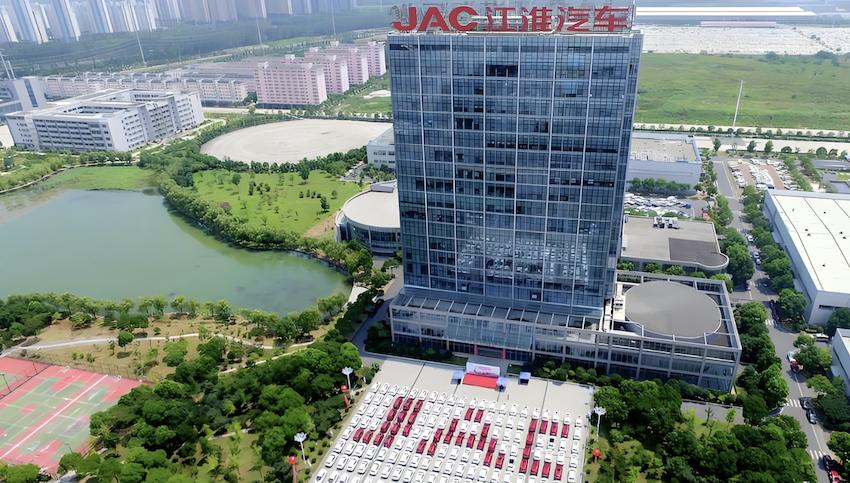
35亿元!江淮完成大额增资,私募大佬成第八大股东。 车东西2月11日消息,就在今天,江淮汽车一连发布多则公告,确认完成募资约35亿元,该笔资金已经全部到位。 ▲江淮汽车此次定增认购对象名单 ▲江淮汽车确认资金到位 根据江淮汽车发布的发行情况报告书,江淮汽车此次发行了7016.84万股股票,发行价格为49.88元/股,募集资金总额约为35亿元。 根据官方公告,此次募集所得资金将全部投入高端智能电动平台开发项目,或进一步推动江淮汽车与华为合作研发的豪华汽车品牌"尊界"系列 车型的研发与量产。 ▲所得资金用于高端智能电动平台开发项目 值得注意的是,江淮本次发行的发行对象确定为8家,其中包括有着"私募大佬"之称的葛卫东以及方文艳("游资教父"章建平之妻)两位自然 人,各自认购约10亿元。 | 序 | 认购对象名字/名称 | 发行价格 | 配售股份数 | 配售金额(元) | 锁定期 | | --- | --- | --- | --- | --- | --- | | 号 | | (元/股) | (股) | | | | 1 | 姚志超 深圳市新思哲投资管理有限 | | 2, 004, 811 | 99, 999, 972. ...
年销10亿仍然破产,自嗨锅营销窟窿有多大?
3 6 Ke· 2026-02-11 13:34
Core Viewpoint - The company "自嗨锅" (Self-Heating Hot Pot) is facing significant challenges, including declining sales, negative consumer sentiment, and operational losses, leading to its potential bankruptcy and a shift in consumer preferences towards more convenient and appealing food options [2][6][32]. Financial Performance - In 2020, "自嗨锅" achieved sales close to 1 billion, but still reported a net loss of 1.51 billion due to high marketing expenses [9][11]. - By 2022, the company's revenue dropped by 17.34% to 819.7 million, with online sales declining by 41.54% [11]. - The marketing expenses were significantly reduced from 246 million in 2021 to below 30 million in 2022, which helped improve profit margins [9][11]. Consumer Sentiment - Consumer feedback has turned negative, with complaints about product quality, including issues like unappetizing flavors and high prices, leading to a loss of brand loyalty [17][19][21]. - The perception of "自嗨锅" as overpriced and underwhelming in taste has become prevalent among consumers, impacting its market position [21][23]. Market Trends - The self-heating hot pot market is shrinking, with competitors like "卫龙" and "统一企业" also withdrawing from the market due to changing consumer demands [32][35]. - The rise of pre-packaged meals and the convenience of delivery services have further eroded the unique selling proposition of "自嗨锅" [38][43]. Product Development - "自嗨锅" has struggled to innovate and keep up with evolving food trends, failing to introduce new flavors or healthier options that resonate with current consumer preferences [20][43]. - The brand's attempts at cross-promotions and collaborations have not generated significant consumer interest, indicating a disconnect with its target audience [26][32]. Operational Challenges - The company is burdened with debt and legal issues, complicating its ability to recover and adapt to market changes [16][32]. - Regulatory challenges, such as bans on carrying self-heating hot pots on trains, have further limited its market reach [14][32].

AI游戏独角兽的焦虑:AI迭代太快,冲击传统VC决策
3 6 Ke· 2026-02-11 13:33
Core Insights - The rapid development of AI has surpassed the understanding of industry professionals, leading to a sense of urgency and the need for continuous learning and adaptation [1][3][7]. Group 1: AI Development and Impact - AI's evolution has shifted from a "few months for a blockbuster" pace to a weekly occurrence of significant updates that can reshape product design and operational frameworks [2][3]. - The ability of AI to enhance productivity is evident, as tasks that previously required multiple team members can now be completed by a single engineer in a short time [4][5]. - The fast-paced updates in AI capabilities are causing anxiety among managers, who feel the pressure to keep up with technological advancements and consider hiring dedicated personnel to track AI research [6][7]. Group 2: Competitive Landscape in AI - Within the Chinese AI sector, companies within the ByteDance ecosystem are likely to lead the first tier and potentially set trends in certain areas [8][9]. - Key factors contributing to this competitive edge include strong execution efficiency, a willingness to invest in new technologies, and access to large and diverse datasets [10][11][12]. - ByteDance's product strategy focuses on user-centric applications rather than merely achieving technical superiority, which has resulted in a significant user engagement advantage [13]. Group 3: Business Model Transformation - AI has not yet created entirely new business models but has fundamentally restructured existing business frameworks, particularly in the internet industry [14][15]. - Established tech giants benefit the most from AI, as they can enhance their existing business models without needing to create new ones [14][15]. Group 4: Entrepreneurial Opportunities and Challenges - The transformation in productivity means that tasks that once required large teams can now be accomplished by much smaller groups, lowering the barriers to innovation and increasing the speed of product iteration [16][17]. - The influx of high-quality projects due to AI advancements poses a challenge to traditional venture capital models, which may struggle to maintain efficiency and returns in a rapidly changing landscape [18][19]. - The potential for AI products to evolve into a new market dynamic, akin to attention economies, raises questions about the future of financing and project development [19]. Group 5: Future of AI and AGI - Current AI models are approaching the intuitive expectations of general intelligence, with future breakthroughs likely hinging on enhanced permissions and long-term memory capabilities [20][21]. - The integration of high-quality, real-time data sources will be crucial for the evolution of AI, as it can significantly enhance user experience and perceived intelligence [22][23]. Group 6: Societal and Structural Changes - The next five to ten years are anticipated to be a period of unprecedented transformation in societal operations, production structures, and individual capabilities [26][27]. - The perception of stability in career paths and industry positions may lead to significant consequences for those who do not adapt to the rapid changes occurring in the AI landscape [29].
2025电商十大事件:告别红利,电商开始打硬仗
3 6 Ke· 2026-02-11 13:28
Core Insights - The e-commerce and retail sectors are experiencing significant changes, with the peak of traffic dividends and a shift in consumer behavior being the most critical factors for 2025 [1] - The year 2025 is marked by a decline in e-commerce penetration rate, with online retail sales expected to reach nearly 16 trillion yuan, growing by 8.6% compared to the previous year [1] Group 1: E-commerce Industry Trends - A "de-involution" movement in the e-commerce industry is led by platforms optimizing rules, regulating promotions, and enhancing technology [2] - Major platforms are adjusting controversial rules like "only refunds" and "mandatory shipping insurance" to balance consumer and merchant rights [2] - The introduction of supportive policies for merchants aims to lower costs and optimize traffic distribution, with Douyin e-commerce saving merchants over 32 billion yuan [2] Group 2: Instant Retail Competition - A fierce competition in instant retail has emerged, with major players like JD, Alibaba, and Meituan investing at least 30 billion yuan in marketing during Q2 [4] - The battle for market share in the instant retail sector is expected to reshape competition rules, leading to a stable state where Alibaba and Meituan may become long-term rivals [4] Group 3: Brand and Consumer Dynamics - The disappearance of top influencers has led brands to shift towards self-operated live streaming, with KOCs (Key Opinion Consumers) gaining traction as cost-effective marketing tools [9] - The 2025 Double 11 shopping festival has transformed into a battle of rationality among platforms, merchants, and consumers, with a focus on maintaining the lowest prices [10] Group 4: Regulatory Changes - The implementation of new tax regulations for e-commerce platforms marks the end of the long-standing "tax-free dividend," requiring merchants to report comprehensive income data [16] - The new tax rules are expected to impact how merchants operate, with a focus on compliance becoming essential for survival in the industry [16] Group 5: AI Integration - Major companies are heavily investing in AI, with Alibaba planning to invest over 380 billion yuan in AI and cloud infrastructure over the next three years [17] - The integration of AI tools is changing e-commerce operations, enhancing search capabilities and content conversion efficiency [18]




从玩家到创作者,UGC的淘金热真的来了吗?
3 6 Ke· 2026-02-11 13:22
当我的社交平台上开始不断被《原神》"万马奔腾"入侵;当我看见去年下半年《和平精英》的UGC平台"绿洲启元"里有头部创作小团队单月创收突破2000 万元;也当我看见《蛋仔派对》里有越来越多的中小创作者,乃至大学生在其中创业成功…… 很明显,你可以看到 UGC 项目的潜力和影响力巨大,并且对于它的潜力,全世界的游戏厂商都是明了的,但它确实缺少一个"天时地利人和"。 一转头,还有今年听过参加过的好几场AI技术游戏领域应用会议内容,以及各家大厂在UGC内容编辑器上的持续优化,激励金的不断加码,这一切的信 息在我脑海里不断回想,并让我越来越确信,UGC模式赛道,终于迎来了它最好的迎风生长期。 门槛降下来了 关于UGC模式,其实并不是最近几年才有或者开始被人熟知的。 即使去年的UGC风潮刮得相当猛,也诞生了不少高DAU高收入的项目产品,但回顾过往游戏史的更成功案例,今年的这些项目明显还尚未达到书写历史 的程度,尤其当过往部分UGC项目极具影响力,甚至至今仍在影响游戏市场时。 比如《CS(反恐精英)》诞生于Valve《半条命》这款游戏的关卡编辑器;《魔兽争霸3》更是催生了无数的经典UGC项目甚至开创了MOBA这一个全新 的 ...

罗永浩炮轰段永平:“他懂个屁手机”
3 6 Ke· 2026-02-11 13:21
Core Viewpoint - The debate between entrepreneurs Luo Yonghao and Duan Yongping highlights contrasting business philosophies: idealism versus pragmatism, with Luo focusing on product design and marketing, while Duan emphasizes comprehensive business strategy and long-term investment [6][17]. Group 1: The Trigger of the Debate - The argument was sparked by a comparison made by a netizen between Duan Yongping and Luo Yonghao, suggesting that Duan's understanding of the mobile industry is superior due to his strategic investment approach, while Luo's approach is seen as less informed [4][6]. - Luo's response criticized Duan's knowledge of mobile technology, claiming that both he and Duan lack the understanding of the industry, with a reference to the late Steve Jobs as the only one who truly understood [4][6]. Group 2: Luo Yonghao's Journey - Luo Yonghao founded Smartisan Technology in May 2012, transitioning from an English teacher to the mobile industry, but faced numerous challenges, including product failures and financial difficulties [7][8]. - After exiting the mobile market, Luo engaged in various ventures, including live streaming sales, which helped him repay significant debts, ultimately clearing 820 million yuan by 2025 [9][10]. Group 3: Duan Yongping's Business Landscape - Duan Yongping, with a background in technology and business, built a substantial commercial empire, including the creation of brands like OPPO and vivo, and made significant investments, notably in Apple, yielding extraordinary returns [12][14]. - His investment philosophy focuses on long-term value creation and understanding business models, which has influenced many entrepreneurs in the tech sector [12][14]. Group 4: Underlying Themes of the Debate - The discussion reflects differing interpretations of what it means to "understand mobile technology," with Luo emphasizing user experience and marketing, while Duan's perspective includes technical development and supply chain management [17][18]. - The tension between idealism and realism in business is evident, with Luo's aspirations contrasting with Duan's practical investment strategies [18][19]. Group 5: Future Implications - The mobile industry is undergoing significant transformation, particularly with the integration of AI technology, which both entrepreneurs are exploring in their respective ventures [19][22]. - The outcomes of this debate may influence the future landscape of the Chinese business environment, as both figures represent different strategic approaches to technology and investment [23].


户外市场新趋势:服装高端化,鞋子平民化
3 6 Ke· 2026-02-11 13:16
Core Insights - The outdoor market is experiencing double-digit growth in 2023, contrasting with the slowdown in traditional sports categories, indicating a shift towards outdoor activities as a mainstream lifestyle choice [2] - The outdoor consumption market is characterized by divergent trends in apparel and footwear, with apparel seeing both volume and price increases, while footwear experiences volume growth but price declines [2][7] Apparel Market - High-priced brands are driving a 5% increase in average prices, with notable sales growth for brands like Descente (36.5%), KAILAS (33.1%), and Arc'teryx (21.6%) [5] - Consumer behavior reflects a willingness to pay for high-value outdoor apparel, with products like the ARC'TERYX ATOM HOODY selling over 3,000 units during promotional events [5] - The demand for outdoor apparel is fueled by both functional and emotional value, with brands leveraging technology to enhance consumer experience [5][6] Footwear Market - The outdoor footwear market shows a sales increase of 21.3% in Q4 2025, but with a 1.8% decline in average price, indicating a "volume up, price down" trend [7] - The footwear segment faces pressure from both supply and demand sides, with standardization of core technologies leading to price reductions despite increased sales [9] - The shift in consumer demand from professional to casual use has heightened price sensitivity, making lower-priced options more appealing [9][10] Market Dynamics - The contrasting trends in apparel and footwear reflect a broader transition in the outdoor industry from professional gear to mainstream consumer products, highlighting the need for brands to integrate style and comfort [10] - The outdoor market's growth is not without challenges, as excessive price competition could undermine long-term innovation and development [10][12] - Future success in the outdoor sector may hinge on brands' ability to translate technical specifications into relatable consumer narratives, particularly as the market evolves towards everyday use rather than extreme conditions [12][13]

Ricursive获3亿美元融资,将芯片设计周期从几年缩短到几天
3 6 Ke· 2026-02-11 13:09
Core Insights - The development of AI heavily relies on the ability to validate ideas quickly, but the cost of doing so has increased significantly compared to the internet era, primarily due to the high costs of computing hardware [1] - Ricursive Intelligence, founded by Anna Goldie and Azalia Mirhoseini, aims to revolutionize chip design by significantly reducing the time and cost associated with creating custom chips, thereby addressing the bottlenecks in AI development [4][12] Group 1: Company Overview - Ricursive Intelligence was founded in December 2025 with an initial valuation of $750 million after raising $35 million in seed funding, followed by a $300 million Series A round led by Lightspeed Venture Partners, bringing its post-money valuation to $4 billion [2] - The company focuses on automating the entire chip design process, which is currently dominated by Cadence and Synopsys, both generating annual revenues of $5-6 billion [12] Group 2: Technology and Innovation - AlphaChip, developed by Ricursive Intelligence, can design semiconductor components in hours instead of years, having been applied to multiple generations of Google TPU [3][7] - The design process for advanced chips currently takes 12-36 months and costs between $200 million to $650 million, with a significant portion of costs attributed to labor and electronic design automation (EDA) tools [3][11] Group 3: Vision and Future Plans - Ricursive Intelligence envisions a shift from a "Fabless" model to a "Designless" model, where the entire chip design process can be outsourced, allowing for rapid transformation of ideas into manufacturable designs [12] - The company has outlined three development phases: reducing chip design time to weeks, achieving end-to-end design capabilities, and vertically integrating to create its own chips that enhance AI performance [11] Group 4: Impact on the AI Industry - The reduction in chip design costs and time could unleash significant innovation within the AI industry, allowing for more customized chips that meet specific needs for various applications, from cloud AI to hardware terminals [13] - The recursive cycle of AI empowering chip design and vice versa is expected to accelerate advancements in both fields, creating a feedback loop that enhances capabilities [10]
