
Tai Mei Ti A P P

Search documents
光伏系储能崛起路线图:收购闪电战、自建持久战、合资合纵战
Tai Mei Ti A P P· 2025-08-13 12:08
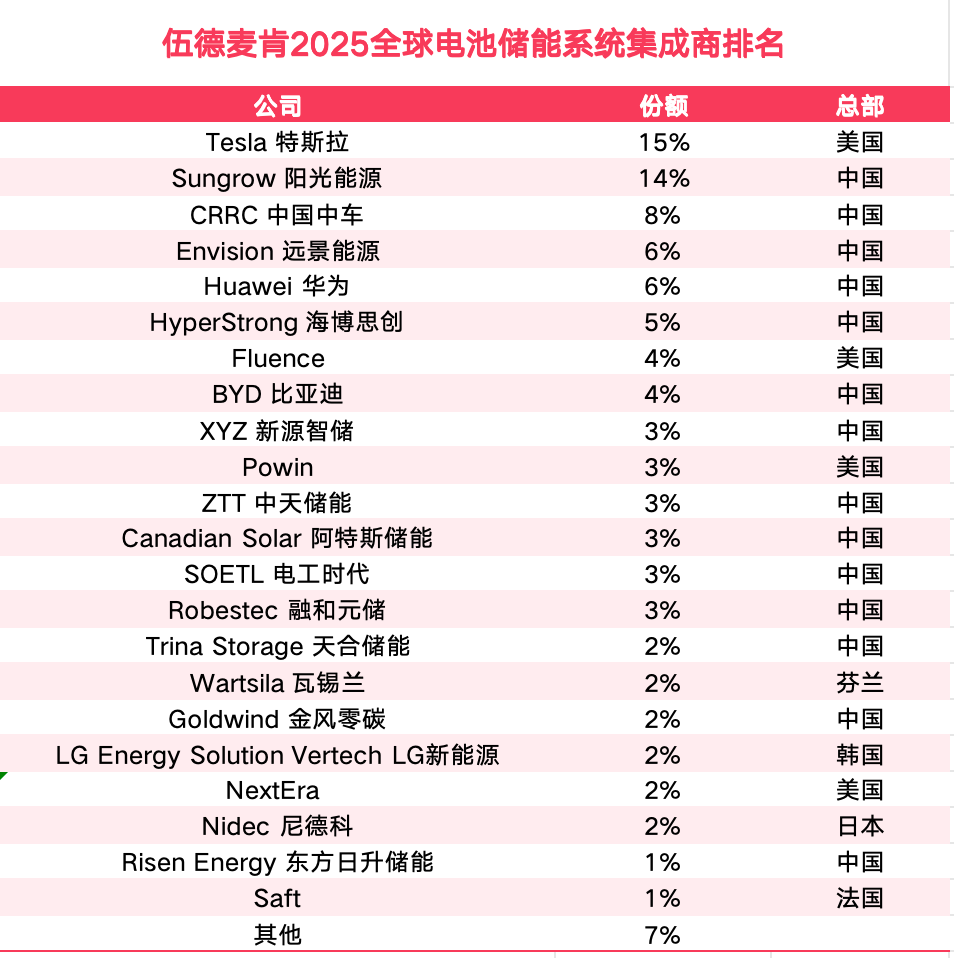
Core Viewpoint - The photovoltaic industry is seeking new growth opportunities, with energy storage becoming a crucial option for companies to enhance their business models and market competitiveness [1][30]. Group 1: Market Dynamics - The global demand for energy storage is rapidly increasing, prompting photovoltaic companies to explore various strategies to enter this market [10][30]. - Companies like Trina Storage, Canadian Solar, and others are emerging as significant players in the energy storage sector, as highlighted by Wood Mackenzie's 2025 global battery storage system integrators ranking [1][2]. Group 2: Strategies for Entering Energy Storage Acquisition Strategy - The acquisition of established energy storage companies allows photovoltaic firms to quickly enter the market, leveraging existing technologies, customer bases, and experienced teams [5][10]. - For instance, Risen Energy's acquisition of Tianjin Shuangyili in 2018 enabled it to integrate energy storage solutions into its existing photovoltaic offerings, significantly boosting its market presence [6][10]. - Chinese energy companies are also actively acquiring storage system integrators to enhance their capabilities, with cumulative project deliveries exceeding 500MW by 2024 [6][7]. Self-Build Strategy - Some companies opt for a self-build approach, developing their energy storage capabilities in-house to maintain control over technology and supply chains [11][20]. - Trina Solar and JinkoSolar are examples of companies that have invested in building their own energy storage production facilities, aiming for long-term competitiveness through technological mastery [13][17]. - Huawei has also adopted a self-research model, viewing energy storage as a natural extension of its photovoltaic business [18][20]. Joint Venture Strategy - Joint ventures provide a balanced approach, allowing photovoltaic companies to share resources and risks while entering the energy storage market [21][28]. - Companies like GoodWe and JinkoSolar have formed partnerships to establish production facilities, enabling them to quickly address market demands without heavy capital investment [23][25]. - The joint venture model allows for rapid market entry while mitigating the financial burdens associated with full ownership [28]. Group 3: Challenges and Considerations - Each strategy presents unique challenges, such as the complexity of integrating acquired teams and technologies in the acquisition model [9][10]. - The self-build approach requires significant capital and patience, as companies must navigate the complexities of technology development and project delivery [19][20]. - Joint ventures may face stability issues if partners cannot maintain alignment on goals and product development [28]. Group 4: Conclusion - The photovoltaic sector's entry into energy storage is multifaceted, with companies increasingly blending strategies to adapt to market demands [30]. - The competition is not merely a race but a long-term strategic battle where companies must continuously adjust their approaches to succeed in the evolving energy landscape [30].





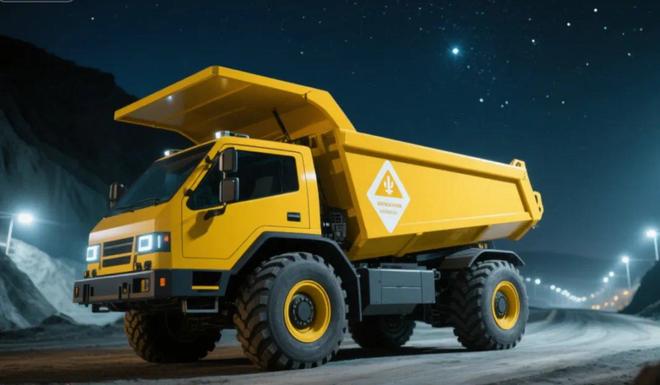
L4级无人驾驶,在矿车上率先实现了......
Tai Mei Ti A P P· 2025-08-13 10:53
Core Insights - The article discusses the upcoming IPO of "Yikong Zhijia," a leading player in the L4 autonomous driving sector, particularly focused on mining applications, achieving an 18.2% market share in China, surpassing competitors like Baidu's Apollo and Pony.ai [2][3] - The company has garnered significant backing from major investors such as CATL, Zijin Mining, and NIO Capital, indicating strong confidence in its business model and market potential [5][7] Group 1: Company Overview - Yikong Zhijia is the first and only company globally capable of operating over 1,000 autonomous mining trucks simultaneously [3] - The company has raised nearly 1.3 billion yuan through 10 rounds of financing since 2020, with a recent 400 million yuan investment from CATL just before its IPO application, pushing its valuation to 4.8 billion yuan [5][7] - The company has deployed its autonomous solutions in 24 mining sites for major clients like State Energy Group and Zijin Mining, with over 1,400 active autonomous trucks in operation [7][12] Group 2: Business Model and Financials - Yikong Zhijia's revenue is primarily derived from its mining autonomous driving business, contributing over 98% of total income, with two main service models: TaaS (full-service model) and ATaaS (light asset model) [12][13] - The company is transitioning towards a lighter asset model, with ATaaS revenue accounting for 46% of total income in 2024, reflecting rapid growth [15] - Revenue surged from 60 million yuan in 2022 to 986 million yuan in 2024, representing a compound annual growth rate of 305.71% [15] - Despite revenue growth, the company has faced significant losses, with net losses of 216 million yuan, 334 million yuan, and 390 million yuan from 2022 to 2024, totaling 940 million yuan [16] Group 3: Leadership and Strategy - The founder, Lan Shuisheng, is a serial entrepreneur with a background in gaming and low-speed electric vehicles, who partnered with technology expert Zhang Lei to establish Yikong Zhijia in 2018 [8][10][11] - The leadership team combines business acumen and technical expertise, with Lan focusing on strategy and operations while Zhang oversees technology [11] - The company maintains a 100% customer retention rate among its major clients, but faces risks due to high customer concentration, with the top five clients contributing over 80% of total revenue [16][17]
AMD降速,“芯片女王”败给了川普?
Tai Mei Ti A P P· 2025-08-13 07:19
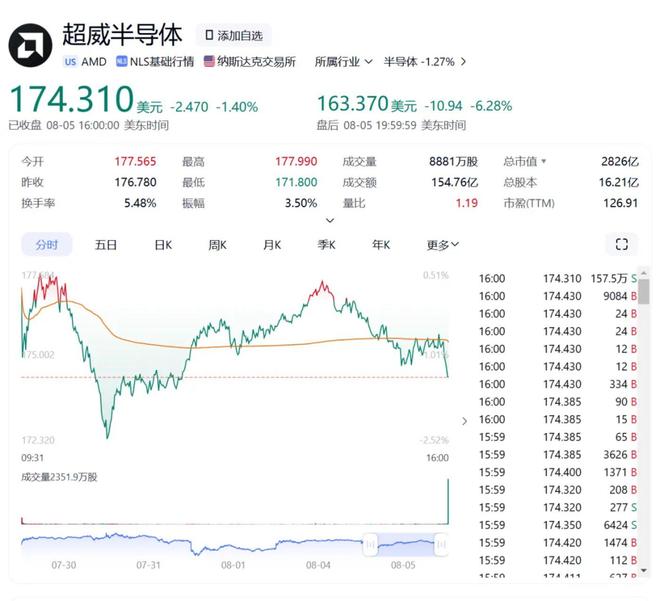
Core Viewpoint - AMD's latest earnings report revealed a mixed outcome, with revenue exceeding expectations but profits falling short, leading to a 4% drop in stock price due to significant inventory write-downs related to a banned AI chip for the Chinese market [1][3][4] Financial Performance - AMD reported second-quarter revenue of $7.7 billion, a 32% year-over-year increase, surpassing market expectations by $270 million [1][3] - The adjusted earnings per share were 48 cents, slightly below the expected 49 cents, causing a decline in stock price [3] - The company faced an $800 million inventory write-down due to the inability to sell the MI308 AI chip in China, which negatively impacted gross margin, reducing it from a potential 54% to 39.8% [4][11] Market Position and Competition - AMD's client and gaming business saw a remarkable 69% growth, significantly outperforming the overall PC market, which grew only 5% [2][3] - The data center CPU market share increased from 10% to 30% over three years, enhancing AMD's presence in the server segment [3] - Despite being the second-largest AI chip player, AMD is facing fierce competition from NVIDIA, which reported a 73% growth in its data center business [6][10] Strategic Challenges - The U.S. government's ban on the MI308 AI chip for the Chinese market has created a significant hurdle for AMD, limiting access to a crucial revenue stream [4][11] - AMD's CEO, Lisa Su, expressed cautious optimism regarding the potential recovery of the Chinese market, but no immediate revenue from the MI308 is expected in the third quarter [6][11] - The company is investing heavily in R&D to launch new products like the MI350 and MI400 series, aiming to provide alternatives to NVIDIA's offerings [10][12] Leadership and Vision - Lisa Su, recognized as one of the highest-paid female CEOs globally, has transformed AMD from near bankruptcy to a leading chip supplier, but now faces more complex challenges in the AI chip market [2][9] - The current competitive landscape requires not only technological excellence but also navigating geopolitical and market dynamics, making the situation more challenging than in the past [9][12] - AMD's future success hinges on the interplay of technology, customer relationships, and regulatory approvals, with significant financial implications at stake [11][12]


黄仁勋的“亲密战友”,也想去香港敲钟了
Tai Mei Ti A P P· 2025-08-13 07:19
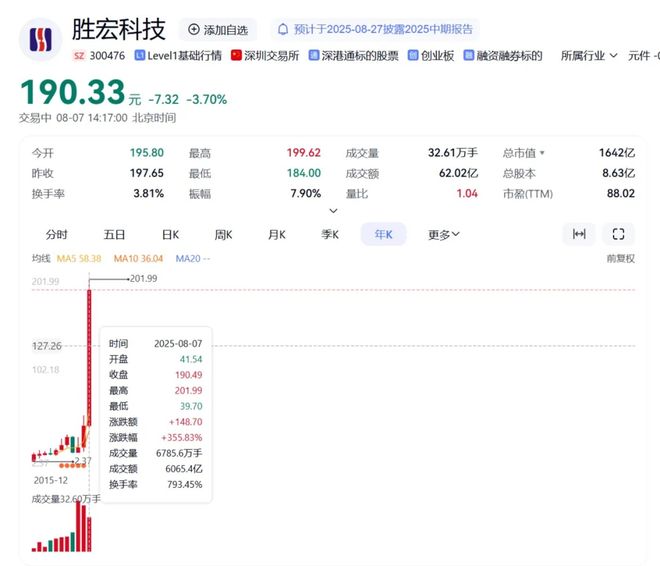
Core Viewpoint - Shenghong Technology, valued at over 160 billion yuan, is preparing for an IPO in Hong Kong, aiming to leverage international capital markets for global influence and to enhance its resilience against uncertainties [1][3]. Group 1: Company Overview - Shenghong Technology has become one of the most prominent companies in the A-share market for 2025, with a stock price increase of over 350% this year, making it a "tenfold bull stock" [1][7]. - The company generates 60% of its revenue from overseas clients, including major tech giants like Tesla, AMD, Intel, Microsoft, Google, Amazon, Bosch, and Aptiv [1][10]. Group 2: Strategic Partnerships - Shenghong Technology is a key partner of NVIDIA, recognized as the only mainland supplier invited to NVIDIA's annual conference in early 2025 [4]. - The company has achieved Tier 1 supplier status for NVIDIA's H-series AI accelerator cards, capturing over 50% of the market share and binding over 70% of orders in Q1 2025 [5][6]. Group 3: Financial Performance - Shenghong Technology's revenue surged from less than 4 billion yuan in 2019 to over 10.7 billion yuan in 2024, with a net profit increase from 460 million yuan to 1.15 billion yuan [6]. - In Q1 2025, the company reported a revenue of 4.31 billion yuan, a year-on-year increase of 80.31%, and a net profit of 921 million yuan, up 339.22% year-on-year [6][7]. Group 4: IPO Plans - The company plans to issue up to 10% of its total share capital as H-shares in Hong Kong, with an additional 15% over-allotment option for underwriters [12]. - The funds raised will be used for expanding production capacity, enhancing product lines, increasing R&D investment, and supplementing working capital [12][13]. Group 5: Market Context - The global PCB market is projected to grow from 73.57 billion USD in 2024 to over 94.6 billion USD by 2029, with an annual growth rate of nearly 5% [14]. - Shenghong Technology's move to Hong Kong aligns with the increasing demand for PCBs in AI servers, data centers, and smart vehicles, positioning the company for future growth [14][15].


英伟达帝国的继承者们:蛋糕、红酒和四万亿
Tai Mei Ti A P P· 2025-08-13 07:19
Core Viewpoint - The article discusses the unconventional career paths of NVIDIA CEO Jensen Huang's children, Spencer and Madison Huang, who have transitioned from unrelated fields into key roles at NVIDIA, focusing on AI and robotics, which are seen as the company's future strategic areas [1][7]. Group 1: Spencer Huang's Journey - Spencer Huang initially pursued a career in the nightlife industry by opening a cocktail bar in Taipei, which gained recognition as one of Asia's top 50 bars [2][3]. - His experience in the bar industry included applying management techniques learned from his father, such as a weekly reporting system, and he self-taught IT skills to analyze sales data [2][3]. - After attending AI executive courses at MIT and obtaining an MBA from NYU, Spencer joined NVIDIA in 2022, where he now manages product development for AI models and robotics simulation [3][7]. Group 2: Madison Huang's Path - Madison Huang's career began in culinary arts, earning a degree in culinary management and working as a chef before shifting to the luxury goods sector with LVMH [5][6]. - She later joined NVIDIA in 2020 as a marketing intern in the Omniverse department, which focuses on 3D simulation and digital twins, and quickly rose through the ranks to become a senior director [6][7]. - Madison has become a prominent figure in external company events, known for her high standards and direct approach, aiming to establish her own identity separate from her father's legacy [6][8]. Group 3: Return to NVIDIA and Industry Context - Both siblings have entered NVIDIA at a time when the company is focusing on future technologies like digital twins and robotics, which are critical for AI implementation [7][9]. - Their entry into the company has sparked discussions about nepotism, but Jensen Huang has expressed confidence in their abilities and commitment to the company [8]. - The presence of the Huang siblings at NVIDIA is notable in Silicon Valley, where second-generation leaders are rare, contrasting with other tech giants where offspring typically do not join the family business [7][8].
即将开源!华为发布AI推理黑科技,已在中国银联落地
Tai Mei Ti A P P· 2025-08-13 03:44
Core Insights - Huawei has launched the UCM inference memory data manager to enhance AI inference experiences, improve cost-effectiveness, and accelerate the commercial cycle of AI [2] - The UCM technology has been piloted in financial scenarios in collaboration with China UnionPay, showcasing its application in smart finance [2] Industry Trends - The focus in the large model industry is shifting from training to inference, with current inference computing power demand exceeding training by 58.5% [2] - The release of new models often leads to instability in service providers due to high user demand, necessitating optimizations to reduce inference costs without compromising user experience [3] Performance Comparison - Foreign mainstream large models achieve output speeds in the range of 200 tokens/s with a latency of 5ms, while Chinese models generally fall below 60 tokens/s with latencies of 50-100ms, indicating a maximum disparity of 10 times [4] - Chinese models also support fewer tokens in context windows compared to their foreign counterparts, with a significant probability of missing key information during long text analysis [4] Technical Innovations - The UCM system consists of three main components: a connector for popular inference frameworks, an accelerator for multi-level KV cache management, and an adapter for high-performance KV cache access [6] - By caching previously processed results and data in a high-performance external shared storage, UCM can reduce the first token delay by 90% and significantly speed up inference processes [8][9] Financial Sector Applications - The financial industry is rapidly adopting large models, with a focus on reducing high costs and latency associated with AI inference, which is critical for risk control and transaction security [10] - A collaboration between China UnionPay and Huawei has led to a significant reduction in inference time for label classification from 600 seconds to under 10 seconds, achieving over a 50-fold improvement in efficiency [11] Future Developments - Huawei plans to open-source the UCM technology in September, aiming to create a unified interface that can adapt to various inference engine frameworks, computing power, and storage systems [11]

洗地机争夺战:谁狂飙?谁掉队?你的体验打几分?
Tai Mei Ti A P P· 2025-08-13 03:16
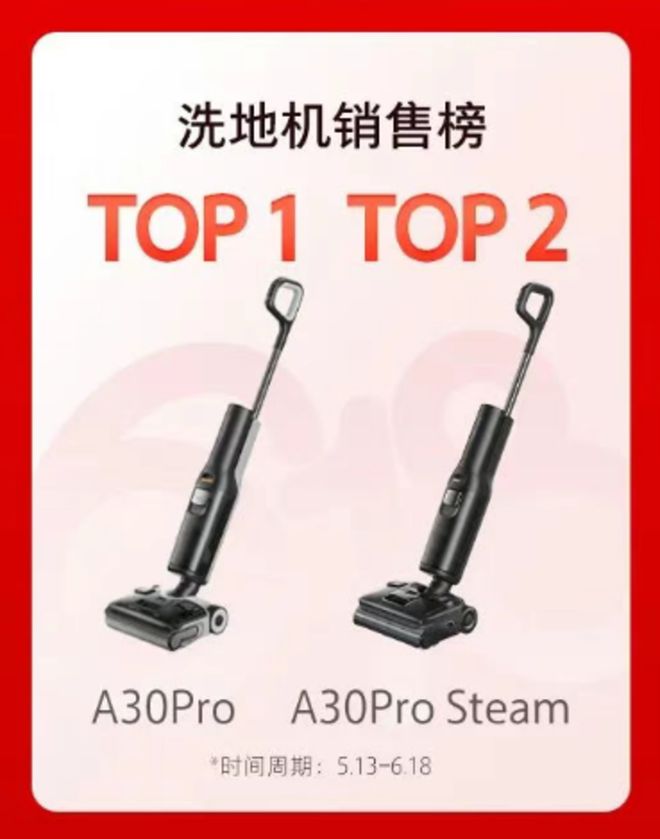
Core Insights - The "lazy economy" and quality of life trends are driving explosive growth in the floor cleaning machine market, with significant contributions from brands like Tineco, Roborock, and others [1][3] - The market for smart home cleaning products, including floor cleaning machines, is projected to reach nearly 300 billion RMB by 2029, with the floor cleaning machine segment experiencing a compound annual growth rate (CAGR) of approximately 192% from 2019 to 2024 [3] - Despite rapid sales growth, user experience issues persist, including difficulties in cleaning wastewater tanks, hair entanglement in brushes, and high costs for consumables [1][13] Market Dynamics - The floor cleaning machine market is expected to see a 30.3% year-on-year sales increase in the first half of 2025, driven by government subsidies, price stabilization, and brand efforts [3] - Tineco has established a strong foothold in the high-end market, achieving a 60% market share in the segment priced above 4000 RMB during the 2025 "618" shopping festival [4] - Roborock's aggressive marketing strategy has led to significant sales, with a total transaction volume of 1.6 billion RMB during the same period [4] Competitive Landscape - The competitive landscape is characterized by a first tier of brands (Tineco, Roborock, and Dreame) and a second tier including traditional appliance giants like Midea and Haier, as well as emerging players like Xiaomi and Yunji [8][9] - Market share data indicates fluctuations, with Tineco's share ranging from 34.67% to 37.87% over a span of weeks in 2025, while Roborock's share increased from 16.20% to 29.41% [8][9] - The second tier is seeing rapid changes, with new entrants like Mido and Westinghouse making significant impacts on market share [9] User Experience Challenges - Users report significant pain points with floor cleaning machines, including cumbersome cleaning processes and inadequate performance compared to traditional methods [13][16] - Complaints about product quality and inadequate after-sales service are common, highlighting a gap between the marketed benefits and actual user experiences [19][22] - The high cost of consumables, such as filters and brushes, adds to the overall expense of ownership, which can deter potential buyers [22] Conclusion - The explosive growth of the floor cleaning machine market is accompanied by intense competition and significant user experience challenges [23] - Companies that prioritize addressing user pain points and delivering genuine value are likely to emerge as leaders in this evolving market landscape [23]
“英特尔大戏”背后,折射出美国芯片产业的矛盾与焦虑
Tai Mei Ti A P P· 2025-08-13 02:56
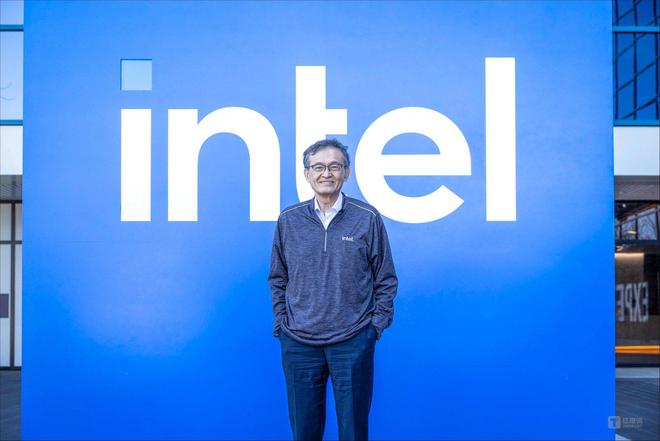
Core Viewpoint - The recent interactions between Intel's CEO Lip-Bu Tan and former President Trump highlight a significant shift in political dynamics, with Tan's leadership facing scrutiny amid broader concerns about the U.S. semiconductor industry and national security [2][3][14]. Group 1: CEO's Background and Leadership - Lip-Bu Tan, Intel's CEO, has over 20 years of experience in the semiconductor industry and previously led Cadence Design Systems, where he significantly increased revenue and stock price [6]. - Tan emphasizes his commitment to the U.S. and the importance of Intel's role in national security and economic strength, stating that leading Intel is an honor and a responsibility [4][14]. - Under Tan's leadership, Intel is undergoing significant restructuring, including a global workforce reduction of approximately 20% and a focus on aligning production capacity with customer demand [11][12]. Group 2: Political Dynamics and Controversies - Trump's initial call for Tan's resignation due to alleged conflicts of interest has sparked widespread discussion in the tech community, with many supporting Tan and criticizing Trump's actions as politically motivated [3][14]. - The relationship between Tan and the Trump administration appears strained, particularly due to Tan's decisions to cut investments in U.S. manufacturing and his connections to Chinese semiconductor firms [15][16]. - Concerns have been raised by U.S. lawmakers regarding Tan's ties to Chinese companies and the potential implications for U.S. national security, leading to calls for Intel to clarify its position [15][16]. Group 3: Financial Performance and Market Position - As of August 12, Intel's stock price increased by 5.46% to $21.82 per share, but the stock has only risen 7.86% year-to-date, with a current market capitalization of $95.462 billion [6]. - Intel's second-quarter revenue was reported at $12.9 billion, showing no year-over-year growth, with a net loss of $400 million, indicating ongoing financial challenges [12]. - The company has faced significant operational challenges, including a decline in its market position in advanced chip manufacturing, with a notable reliance on external manufacturers like TSMC for production [8][16].

海外风光,国内冷场:MG4能否打破本土困局|钛度车库
Tai Mei Ti A P P· 2025-08-13 02:34
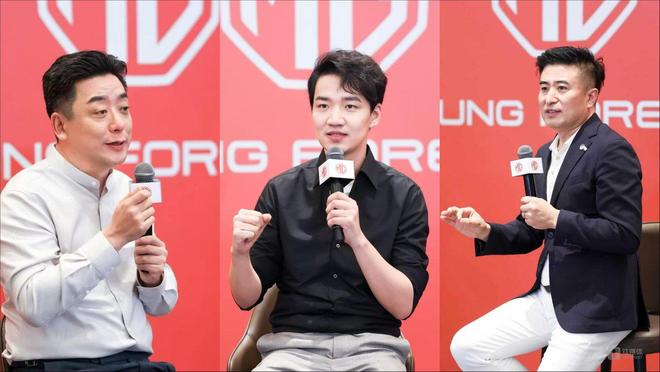
Core Insights - The article discusses the competitive landscape of the electric vehicle market, particularly focusing on the MG brand's new model, MG4, which aims to capture market share in the highly concentrated segment of electric hatchbacks [2][7] - MG's international success contrasts sharply with its underperformance in the Chinese market, highlighting a significant brand recognition challenge domestically [3][5] - The company plans to launch multiple new models in the coming years to enhance its product lineup and address the competitive pressures in the local market [4][9] Group 1: Market Positioning - The MG4 is positioned with a starting price of 73,800 yuan and features advanced technologies such as a semi-solid-state battery and a maximum range of 530 kilometers, aiming to compete effectively against established players like BYD Dolphin and others [2][8] - MG's overseas sales reached 243,400 units in 2024, with a 18.6% year-on-year increase in the first half of 2025, while domestic sales lagged significantly, achieving only 42,800 units in the first five months of 2025 [3][4] Group 2: Strategic Initiatives - MG plans to introduce four new or updated models in both 2025 and 2026, with two key models expected to launch in 2026 aimed at achieving monthly sales exceeding 10,000 units [4][5] - The company emphasizes a differentiated strategy focusing on user needs, leveraging unique technologies rather than merely competing on price and specifications [7][8] Group 3: Challenges Ahead - MG faces the challenge of effectively communicating its technological advantages to consumers, ensuring that features like the semi-solid-state battery translate into perceived benefits [9] - Building brand recognition and trust among Chinese consumers is crucial, as the brand needs to establish a strong narrative around its technology and design to resonate with local preferences [9][10]

OpenAI重走“幻方”路,硅谷与华尔街战争一触即发
Tai Mei Ti A P P· 2025-08-13 00:48
Core Insights - The article discusses the increasing competition between AI companies and traditional financial firms, particularly in the recruitment of talent from quantitative finance backgrounds [1][2][3][4][5] Group 1: AI Companies' Recruitment Strategies - AI companies like Anthropic are actively recruiting quantitative researchers, indicating a shift in focus towards Wall Street talent [1][2] - OpenAI and Perplexity AI have also engaged in similar recruitment efforts, highlighting a trend among leading AI firms to attract talent from the finance sector [2] - The financial incentives in AI, including higher salaries and equity compensation, are drawing talent away from traditional finance roles [2][3] Group 2: Talent Competition Dynamics - The competition for quantitative talent has intensified, with AI companies increasing their hiring by 12-18% over the past 12-18 months [3] - Entry-level quantitative professionals on Wall Street can earn up to $300,000 in base salary, excluding bonuses, while AI firms offer comparable salaries supported by equity [3] - Notable quantitative firms like Jane Street are losing their appeal to top talent, who are more excited about contributing to groundbreaking AI projects [3][4] Group 3: Skills Overlap and Industry Trends - The skills required in quantitative trading, such as analyzing large datasets and reducing algorithmic latency, are highly relevant to AI development [4] - Anthropic emphasizes the importance of rigorous analytical thinking and empirical research methods, which align with the challenges of developing advanced AI systems [4][5] - The ongoing recruitment of finance professionals by AI companies suggests a potential future where these firms may expand into financial services products [5]