Tai Mei Ti A P P

Search documents
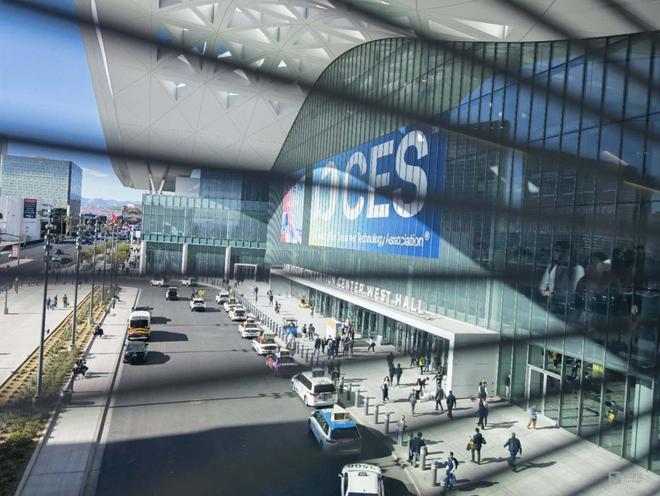
黄仁勋到处赶场站台,中国军团角逐AI明日终端
Tai Mei Ti A P P· 2026-01-04 10:13
Group 1 - The CES 2026 will take place from January 6 to January 9, focusing on AI as it transitions into practical applications, marking the year as the beginning of AI technology integration and industrialization [2][9] - A total of 4,112 companies will participate in CES 2026, with major players like AMD, Lenovo, Hisense, and TCL showcasing innovations across various sectors, including chips, hardware, and vertical applications [2][3] - The event will highlight the integration of AI in various industries, including automotive and supply chains, demonstrating deep connections and applications across the entire industry chain [2][6] Group 2 - NVIDIA's CEO Jensen Huang will not deliver a keynote this year but will participate in discussions about AI's impact on consumer electronics and infrastructure [3][7] - AMD is expected to unveil its next-generation mobile processor, the Ryzen AI 400 series, featuring 12 Zen 5 cores and enhanced NPU capabilities [6][4] - Siemens' CEO will present advancements in industrial AI, showcasing how AI, digital twins, and automation are transforming manufacturing and infrastructure [6][9] Group 3 - The home appliance sector will see significant AI integration, with major companies like Hisense and TCL leading the charge in redefining the future of home electronics [10][11] - Hisense will introduce the world's first display technology upgraded to a "four-core architecture," along with a humanoid robot capable of multi-language interaction [10][11] - The cleaning appliance market, particularly robotic vacuums, is dominated by Chinese brands, while iRobot faces bankruptcy, highlighting a shift in market leadership [13][19] Group 4 - The CES 2026 will feature a strong presence of embodied intelligence products, with over 50% of exhibitors being Chinese companies, showcasing advancements in humanoid robots and smart assistants [20][22] - New AI-native devices, including AI glasses and AI headphones, will be introduced, indicating a shift towards AI as the next generation of consumer electronics [24][26] - The event will also host discussions on the future of technology, including topics like AI's role in industrial transformation and the commercialization of embodied intelligence [30][28]




CES 2026前瞻:中国车企领衔,AI与新能源技术重构出行
Tai Mei Ti A P P· 2026-01-04 09:13
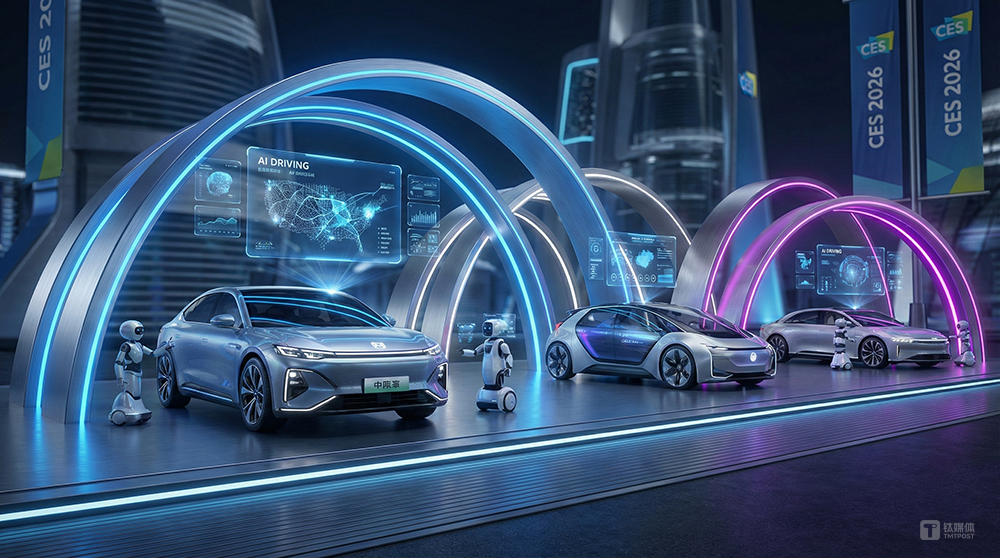
Group 1: CES 2026 Overview - The CES 2026 will focus on the automotive sector, showcasing advancements in new energy and intelligent connected technologies, with significant participation from global automakers and supply chain giants [2] - Chinese automakers are expected to collectively impact the global automotive industry's competitive landscape through their innovations and AI technology integration [2] Group 2: Great Wall Motors - Great Wall Motors will present its full product line and core technology matrix under the theme "GO With More Life," aiming to enhance global brand recognition [4] - The company will showcase key technologies including Hi4-Z architecture, semi-solid batteries, and hydrogen fuel cell engines, along with the ASL 2.0 intelligent agent and VLA large model [4] - Challenges include the current lack of hydrogen refueling infrastructure and the cost control of semi-solid battery mass production [4] Group 3: Geely Automotive - Geely will display its comprehensive AI technology achievements, focusing on breakthroughs in its "smart car full-domain AI" technology system, particularly the Raytheon AI hybrid 2.0 [6] - The Raytheon AI hybrid 2.0 improves engine thermal efficiency to 47.26% and achieves a low fuel consumption of 2.67L [6] - The company aims to address market concerns regarding the transition from laboratory efficiency to stable mass production experiences during the exhibition [6] Group 4: Hyundai Motor Group - Hyundai will highlight its "technology crossover" theme, featuring the new generation Atlas humanoid robot and its AI interaction capabilities [8] - This marks Hyundai's shift from a traditional automaker to a "mobility solutions provider," although specific collaboration plans between robots and automotive ecosystems remain unclear [8] Group 5: Faraday Future - Faraday Future will hold a special shareholder meeting at CES 2026 to announce the complete production, sales, delivery, and service plans for the FX Super One [10] - The FX Super One has already received over 13,000 orders, marking a critical transition for the brand [10] - Financial data indicates continued negative net profits from 2020 to 2024, making the announcement of a profitable path crucial for market confidence [10] Group 6: Kosmera - The new Chinese automaker Kosmera will make its global debut at CES 2026, introducing two high-performance models, including a 1903 horsepower electric supercar [11] - The supercar features aerospace-grade composite materials and a 3D-printed chassis, aiming for a 1:1 power-to-weight ratio [11] Group 7: Sony Honda - Sony Honda will present a new concept car, continuing the integration of Sony's technology with Honda's manufacturing capabilities [13] - The previous AFEELA 1 model has established a market presence, and the new concept aims to enhance user experience through advanced audio and AI interaction [13] Group 8: Honda - Honda will preview the Honda 0 series production models at CES 2026, focusing on L3-level autonomous driving features and a new self-developed operating system [15] - The rear-wheel-drive model will have a maximum power of 241Ps, while the all-wheel-drive version will reach 308Ps, with an EPA-rated electric range of approximately 482km [15] Group 9: Automotive Supply Chain Innovations - The competition among automotive suppliers will intensify, with laser radar and intelligent chassis technologies being key highlights at CES 2026 [22] - Hesai Technology will showcase its upgraded ATX laser radar, achieving significant performance improvements and securing over 400,000 orders [17] - ZF will introduce a new active noise cancellation feature for automotive chassis, while LG will present an AI cockpit platform based on Qualcomm's Snapdragon [19][21] Group 10: Industry Trends - The automotive sector at CES 2026 will serve as a showcase for global automotive technology achievements and a clear indicator of future industry directions [22] - The deep integration of AI and new energy is reshaping automotive product logic and the competitive landscape, with Chinese automakers leading the charge [22]

大宗盘点:碳酸锂翻倍的这一年
Tai Mei Ti A P P· 2026-01-04 07:22
Core Insights - The lithium carbonate market experienced a dramatic "V-shaped" price reversal in 2025, starting at 77,000 yuan/ton, dropping to around 60,000 yuan/ton by mid-year, and ultimately surging to 130,000 yuan/ton by year-end, doubling from its lowest point [1][4][10] Price Dynamics - At the beginning of 2025, the market price for battery-grade lithium carbonate was around 70,000 yuan/ton, but faced downward pressure due to high social inventory exceeding 100,000 tons and resistance from downstream buyers [2][3] - By late June, prices hit a low of 59,000 to 61,000 yuan/ton, with futures contracts dipping to 58,400 yuan/ton, marking a critical turning point for the market [2][3] Supply and Demand Factors - The price drop below the cash cost of many lithium extraction projects led to widespread industry losses, prompting supply-side disruptions such as production upgrades and stricter regulatory oversight in key mining regions [3][5] - The second half of the year saw a confirmed upward trend in prices, driven by significant demand growth in the energy storage market, which outpaced expectations and shifted the market from surplus to shortage [4][6] Market Sentiment and Behavior - The transition from a pessimistic outlook on oversupply to a bullish sentiment on supply constraints fueled speculative buying in the futures market, leading to a rapid increase in prices [4][6][7] - The behavior of midstream material manufacturers shifted from inventory reduction to proactive stockpiling in anticipation of potential raw material shortages [6][7] Industry Impact - The price recovery has significantly improved profitability for upstream companies with low-cost resources, while high-cost producers continue to struggle [8] - The competitive landscape has shifted, with low-cost lithium extraction companies showing a strong willingness to expand, while high-cost producers remain cautious [8] Future Outlook - The lithium carbonate market is expected to enter a "tight balance, high elasticity" phase in 2026, characterized by rising price floors and increased volatility [9] - Key variables influencing the market will include the elasticity and uncertainty of supply growth, profound changes in demand structure, and the reallocation of profits within the industry [9]
2026伊始,用21个趋势关键词开启文娱行业新一年
Tai Mei Ti A P P· 2026-01-04 06:52
Core Insights - The entertainment industry is on the brink of significant changes driven by generational shifts in content consumption and creation, particularly influenced by platforms like Douyin [1] - The rise of AI is heralding a new productivity revolution in content production, which is expected to reshape the operational paths of IP and the landscape of downstream platforms [1] Group 1: Family Entertainment - The concept of family entertainment is evolving, with a focus on cross-generational empathy as the core element, as evidenced by the success of films like "Nezha 2" which grossed 15.4 billion [2] - The new phase of family entertainment is characterized by catering to diverse audience segments, with productions like "Sheng Wan Wu" appealing to both older and younger viewers [2] Group 2: Market Recovery - The industry is increasingly focused on practical solutions for market recovery, with the importance of blockbuster content being amplified to boost confidence and stabilize expectations [3] - Recovery strategies will involve a mix of releasing backlog projects and returning to strong genre content, emphasizing the need for content to flow to create market repair opportunities [3] Group 3: AI Production Capacity - AI has transitioned from experimental phases to becoming a crucial driver of productivity in the entertainment sector, with many companies integrating AI into traditional production processes [4] - The emergence of AI agents signifies a shift towards a more platformized and streamlined production structure, moving away from project-based models [4] Group 4: Electronic Actors - 2025 is marked as the year of electronic actors, with AI-generated performers beginning to establish themselves as professional artists, as seen with AI singer Yuri's successful MV [6] - AI actors are expected to play a significant role in reducing production costs for localized content and enhancing engagement with overseas audiences [6] Group 5: Human-Machine Collaboration - Human-machine collaboration in creative processes is redefining the roles and capabilities of creators, allowing AI to assist in creative ideation and decision-making [7] - This trend is expected to lower creative barriers and foster diverse expressions, while also raising questions about copyright and ethical considerations [7] Group 6: AI Content Quality Concerns - The proliferation of AI-generated content is leading to an influx of low-quality, homogeneous material, which risks diminishing user engagement and attention [8] - Platforms are facing challenges in balancing traffic and content quality, necessitating new content standards to maintain a healthy ecosystem [8] Group 7: Cyber Burnout - Users are experiencing cyber burnout due to the overwhelming volume of fragmented content, prompting a shift towards more immersive long-form content and offline experiences [9] - Platforms are investing in high-quality content to counteract this trend, as seen with Douyin's focus on premium offerings [9] Group 8: Aesthetic Trends - The "rough edge aesthetic" is emerging as a response to the polished AI-generated content, emphasizing authenticity and rawness in short videos [10][11] - This trend is fostering a unique sub-ecosystem of creators who prioritize genuine storytelling over perfection [11] Group 9: Individual Imaging Era - The new generation is increasingly using video as a primary form of social expression, supported by affordable professional equipment and user-friendly editing tools [12] - This shift is leading to a rise in personal storytelling and diverse aesthetic expressions, becoming a vital source of content vitality [12] Group 10: IP Development - The ByteDance ecosystem is facilitating the incubation of more IPs, with short dramas gaining strength in their ability to carry IP value, as demonstrated by successful series [13] - The music sector is witnessing a transformation, with platforms like Qishui Music rapidly growing and reshaping the competitive landscape [14] Group 11: Short Drama Evolution - 2025 is a pivotal year for short dramas, with significant growth in user engagement and the emergence of new stars, indicating a shift in the entertainment landscape [15] - The industry is questioning whether short dramas can produce universally appealing breakout stars, potentially rewriting the power dynamics in entertainment [16] Group 12: Market Segmentation - The short drama market is expanding into lower-tier markets, focusing on relatable themes for specific demographics, leading to a cost-effective production model [17] - This segmentation is creating a robust production system that efficiently meets the needs of targeted audiences [17] Group 13: Vertical Distribution - Vertical distribution is gaining traction in the film market, allowing for more stable revenue streams by connecting specific films with niche audiences [18] - The success of targeted distribution strategies is evident in the growth of companies focusing on high-quality niche content [18] Group 14: Niche Economy - The entertainment landscape is increasingly defined by niche economies, where success is achieved within specific interest groups rather than broad audiences [19] - This trend is fostering micro-communities that engage deeply with content, creating a self-sustaining commercial ecosystem [19] Group 15: Self-Identity Focus - Consumers are prioritizing self-identity and active participation in content creation, seeking deeper experiences and social connections through their consumption [20] - This shift is reflected in the rise of immersive experiences and fan-driven events that enhance community engagement [21] Group 16: Affordable Idols - The idol industry is decentralizing, with new avenues for aspiring performers emerging through live streaming and interactive experiences [22] - This trend is transforming audience roles from passive viewers to active participants, fostering closer emotional connections [22] Group 17: New Trends in Trendy Toys - The demand for trendy toys is surging, prompting new narratives and strategies from brands to engage younger consumers [23] - Brands are exploring direct-to-consumer models and leveraging social media to connect with target audiences [23] Group 18: IP Saturation - The IP market is experiencing intense competition, leading to a higher frequency of IP turnover and a need for strategic management of IP assets [24] - This saturation is raising concerns about the longevity and viability of individual IPs in a crowded marketplace [25] Group 19: Global Cultural Symbols - Chinese pop culture is beginning to establish its own global symbols, with brands like labubu gaining international recognition [26] - This development signifies a new phase in cultural export, with opportunities for content companies to participate in creating globally recognized cultural icons [26] Group 20: Event Festivals - Sports events are evolving into comprehensive experiences that blend entertainment, social interaction, and cultural engagement [27] - This trend is activating local economies and fostering community identity through integrated event experiences [27]
DeepSeek上新mHC,R2还远吗?
Tai Mei Ti A P P· 2026-01-04 06:05
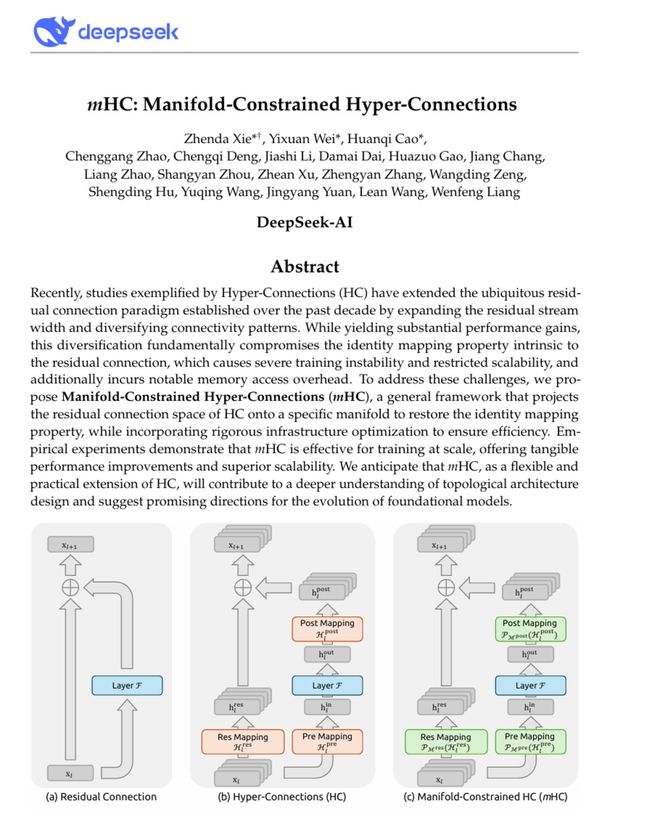
Core Insights - DeepSeek has introduced a new neural network architecture optimization called mHC (Manifold-Constrained Hyper-Connections), which is expected to significantly impact the AI industry, including large models and chips [1][5][9] Group 1: mHC Architecture - The mHC architecture builds on the Hyper-Connections (HC) framework released by the Byte Bean team in November 2024, aiming to replace the nearly decade-old ResNet architecture [5] - mHC introduces a Manifold-Constrained approach using the Sinkhorn-Knopp algorithm to stabilize signal propagation during training, addressing issues of signal explosion and instability in large model training [5][6] - In training demonstrations with 27 billion parameters, mHC maintained a signal amplification of only 1.6 times, while HC experienced a catastrophic failure with a 3000 times amplification [6][8] Group 2: Performance and Efficiency - mHC shows a significant reduction in training loss and improved performance on challenging tasks, with over 2% enhancement in reasoning and reading comprehension benchmarks compared to traditional architectures [6][8] - The additional training time overhead for mHC, even with a fourfold expansion of residual channels, is only 6.7%, indicating a focus on cost-effectiveness and efficiency [8] Group 3: Industry Impact and Reactions - The release of mHC has sparked high discussion levels among researchers and industry professionals, with expectations of a paradigm shift in large model architectures by 2026 [9][10] - Competitors are already responding, with new architectures like Deep Delta Learning emerging shortly after mHC's announcement, indicating a potential chain reaction in AI architecture development [9][10] - Analysts predict that DeepSeek may make significant announcements around the Lunar New Year, potentially unveiling the long-awaited R2 model or a faster universal model V4 [10] Group 4: Compatibility and Market Dynamics - mHC's architecture is primarily designed for NVIDIA's supernode links, raising concerns about compatibility with domestic chips, which may require enhanced adaptation efforts [11] - As U.S. AI chip manufacturers gradually exit the Chinese market due to geopolitical factors, domestic chipmakers are accelerating their development and ecosystem building to adapt to DeepSeek's models [12]

AI重构端侧存储,AI NAS会是下一个风口么?丨ToB产业观察
Tai Mei Ti A P P· 2026-01-04 03:40
Core Insights - The global AI infrastructure spending reached $82 billion, with servers accounting for 98% and storage devices only 1.4% of the total spending, indicating a significant "storage gap" in the industry [2] - The emergence of AI NAS (Network Attached Storage) is seen as a solution to the "data hunger" problem, with the AI NAS market projected to reach $730 million by 2031, growing at a compound annual growth rate (CAGR) of 49% [2][11] - Traditional NAS systems are evolving into AI NAS, transforming from mere data storage to powerful computing nodes capable of handling AI workloads [2][12] AI NAS Market Dynamics - The global AI NAS market is expected to grow significantly, with a forecasted market size of $730 million by 2031 and a CAGR of 49% [2][11] - AI NAS is positioned to address the inefficiencies of traditional storage systems, which struggle with the increasing volume of unstructured data generated by AI applications [3][12] - The demand for AI NAS is driven by the need for local data processing and compliance with data privacy regulations, making it attractive for both individual users and small to medium-sized enterprises (SMEs) [6][7] Technological Advancements - AI NAS integrates storage and computing capabilities, allowing for efficient data processing and retrieval, which traditional NAS systems cannot achieve [3][5] - The architecture of AI NAS includes AI modules that enhance data synchronization, retrieval, and processing, significantly improving operational efficiency [3][4] - The performance of AI NAS is exemplified by devices that support high-speed data transfer rates, enabling real-time editing and processing of large video files [4][5] Application Scenarios - AI NAS is gaining traction in various sectors, including healthcare, where it can process medical imaging data rapidly while ensuring compliance with data security regulations [7][12] - The technology is also appealing to SMEs, which face challenges related to high computing costs and a lack of IT talent, as AI NAS offers a cost-effective solution [12] - The growing awareness of data sovereignty and privacy concerns is driving the adoption of AI NAS among enterprises that prefer local data storage solutions [6][8] Cost Efficiency - AI NAS presents a cost advantage over cloud services, with significant savings for SMEs in terms of operational costs and response times for AI applications [8][10] - The decreasing costs of storage technology, such as NVMe SSDs, are further enhancing the economic viability of AI NAS solutions [8][10] - Companies deploying AI NAS have reported substantial improvements in IT efficiency and reductions in labor costs, making it an attractive investment [8][10]

CES 2026前瞻:黄仁勋到处赶场站台,中国军团角逐AI明日终端
Tai Mei Ti A P P· 2026-01-04 02:13
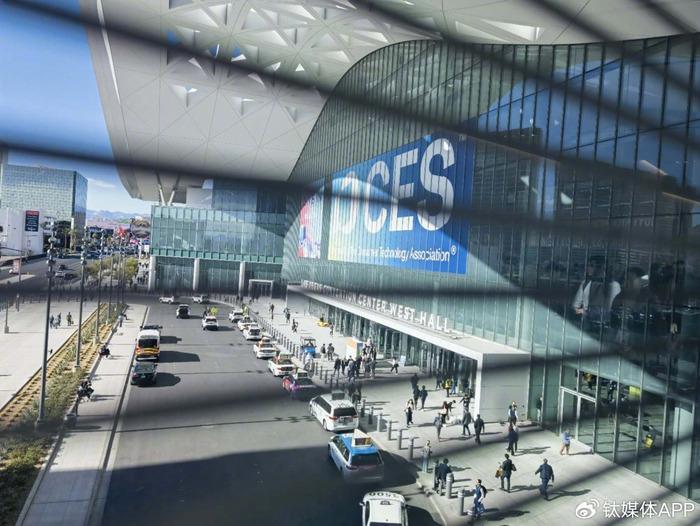
Group 1: CES 2026 Overview - CES 2026 will take place from January 6 to January 9, 2026, in Las Vegas, showcasing the latest innovations in technology and serving as a window to predict future trends in the tech industry [2] - A total of 4,112 companies will participate, with China and the US being the main players, despite Apple's absence [2] - The central theme of CES 2026 will revolve around AI, transitioning into the stage of practical applications and integration across various industries, including consumer electronics and automotive sectors [2] Group 2: Key Company Highlights - Nvidia, AMD, and Intel are expected to showcase significant advancements in AI technology, with AMD's stock having risen over 75% in the past year [5] - AMD will unveil its next-generation mobile processor, the Ryzen AI 400 series, featuring 12 Zen 5 cores and enhanced NPU capabilities [5] - Intel will introduce the third-generation Core Ultra series processors, boasting a 50% performance improvement over the previous generation [5] Group 3: AI Integration in Consumer Electronics - AI is increasingly embedded in consumer electronics, with major home appliance companies demonstrating deep applications of AI to enhance product efficiency [9] - Hisense will launch the world's first upgraded display technology featuring a "four-core architecture" and AI image processing capabilities [9] - TCL will present a wide range of display products, including the world's first printed OLED screen for automotive displays [10] Group 4: Robotics and Smart Home Innovations - The robotics sector is seeing a surge in companies showcasing products capable of complex tasks, with a significant presence from Chinese firms at CES 2026 [19] - New products include flying vacuum cleaners and stair-climbing robots, indicating advancements in smart home technology [14][16] - Companies like Ecovacs and Roborock are expected to unveil new models in the cleaning appliance category, with Ecovacs CEO scheduled to give a keynote speech [12] Group 5: AI-Driven New Devices - CES 2026 will feature a variety of AI-native devices, including AI glasses and headphones, with numerous companies participating in this emerging market [23] - XREAL will showcase its latest AI glasses, while other firms will present innovative AR products [25] - Lightwear AI, a new wearable device, will be introduced, aiming to redefine human-computer interaction in the AI era [26] Group 6: Industry Discussions and Networking - TiMedia will host multiple roundtable discussions on topics such as AI's impact on industries and the commercialization of embodied intelligence [31] - A high-end networking event, "China Innovation Night," will take place, bringing together leaders from global tech brands and AI ecosystems [31] - The event will also feature the release of the "2026 CES Innovation List," recognizing outstanding achievements in technology and design [31]

【数智周报】 Copilot整合效果不佳,微软CEO亲自出马介入整改;Meta数十亿美元收购Manus,肖弘将出任Meta副总裁
Tai Mei Ti A P P· 2026-01-04 01:55
【数智周报将整合本周最重要的企业级服务、云计算、大数据领域的前沿趋势、重磅政策及行研报 告。】 观点 吴恩达总结2025年AI发展四大关键词: 模型推理能力、AI人才争夺战、大规模AI基建、编程Agent普 及 1月30日,AI学术大牛、斯坦福大学教授、谷歌大脑联合创始人吴恩达在社交媒体平台发布公开信和一 篇长文,称2025年或将作为AI工业时代的黎明,并总结了今年AI发展的四大关键词:模型的推理能 力、AI人才争夺战、巨大规模的AI基建以及编程Agent的普及。关于模型的推理能力,吴恩达提到,它 已成为大多数新一代模型的内置常规能力,能显著提升模型在各种任务上的表现,而这一能力,在2025 年初还需通过特别提示来触发。在编程Agent的发展上,吴恩达认为,无需担心AI将取代初级开发者, AI辅助编程很快可能就被简单地视为编程本身,类似拼写检查和自动补全是写作的一部分,而擅长使 用AI的开发者的开发效率和质量将远胜以往。 国内资讯 华为2026年将持续战略聚焦 12月30日,华为轮值董事长孟晚舟在新年致辞中称,华为在2026年将持续战略聚焦、以质取胜,主要战 略方向包括强化行业垂直作战、构建鲲鹏昇腾生态、重构 ...

新年第一问:“舞动”2025之后,机器人行业如何挺进2026?
Tai Mei Ti A P P· 2026-01-03 10:04
Core Insights - The Chinese robot industry is experiencing significant growth and transformation, with advancements in hardware manufacturing and increased investment driving the sector forward [2][3][4] Group 1: Industry Trends - The robot industry in China is set to gain visibility and momentum, particularly with the anticipated presence of robots at the 2026 Spring Festival Gala, reflecting broader industry trends [1] - The domestic supply chain for humanoid robots is prepared for a "head start," with key components seeing a surge in localization, which is expected to lower costs and enhance industry security [2][3] - The overall financing in the embodied intelligence sector exceeded 30 billion yuan in the first seven months of 2025, indicating a robust investment climate [3] Group 2: Investment Landscape - Major players like Yushu and Zhiyuan have seen their valuations surpass 12 billion yuan and 20 billion yuan respectively, highlighting the financial backing for leading companies in the sector [3] - The investment landscape is diversifying, with both internet platforms and automotive companies entering the market, providing not just capital but also real-world application scenarios for robots [3][5] - National and local government policies have increasingly supported the robot industry, with initiatives aimed at fostering development and standardization [4][5] Group 3: Market Dynamics - The year 2025 is characterized as the "year of mass production" for embodied intelligence, with companies transitioning from pilot production to large-scale manufacturing [6] - Companies are focusing on cost control and efficiency, with a trend towards collaboration with large enterprises to secure substantial orders [6] - A price war is emerging in the robot market, as companies compete to capture different customer segments, although this could impact product quality and brand reputation [7] Group 4: Future Outlook - The robot industry is expected to undergo a significant reshaping in 2026, driven by cyclical capital investment patterns and the need for companies to demonstrate production capabilities [8][9] - The evolution of technology, particularly in the "brain" of robots, remains a critical area for development, with ongoing debates about the best approaches to data collection and processing [9][10] - The potential for innovation in the robot sector continues to be strong, with expectations for new breakthroughs and advancements in the coming years [10]

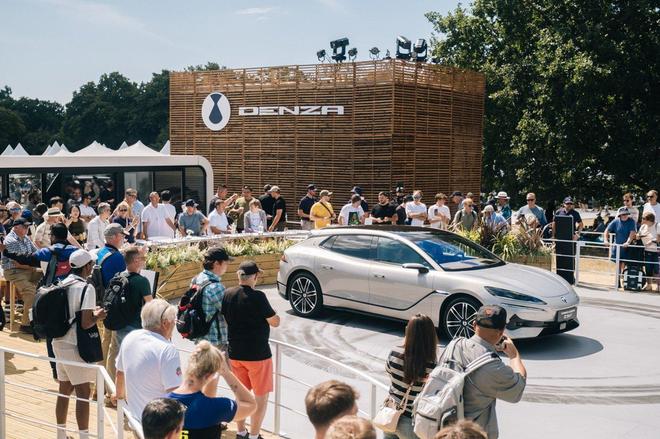
从全年销量看腾势:一个跑通的高端品牌样本
Tai Mei Ti A P P· 2026-01-03 09:57
Core Viewpoint - Tengshi's performance in 2025 reflects a stable growth trajectory in the high-end electric vehicle market, distinguishing itself from competitors who rely on aggressive pricing strategies and promotions [2][6][20]. Sales Performance - In December 2025, Tengshi achieved a monthly sales volume of 18,139 units, representing a month-on-month increase of 36.8% and a year-on-year increase of 20.5%. The total annual sales reached 157,134 units, marking a year-on-year growth of 24.7% [2]. - The average transaction price for the brand remained high at 361,000 yuan, indicating a strong position in the high-end market segment [2][23]. Market Dynamics - The Chinese electric vehicle market is experiencing a clear segmentation: the low-end market is declining post-subsidy, the mid-range market is engaged in price wars, and the high-end market is showing significant differentiation [6][20]. - Tengshi's strategy diverges from the prevalent market trend by focusing on stable growth without resorting to frequent model updates or short-term incentives [7][8]. Brand Positioning - Tengshi has transitioned from being a new brand in the growth phase to a more mature brand with predictable growth capabilities in the high-end price range [8][20]. - The brand's ability to maintain a stable average transaction price without relying on price reductions signifies a robust underlying technology and market validation [8][24]. Product Strategy - The D9 model serves as a pivotal point in Tengshi's high-end strategy, successfully redefining the MPV market and establishing a new commercial logic [9][12]. - The introduction of the N8L model indicates Tengshi's capability to replicate its success in the competitive family SUV market, which is characterized by a multitude of choices and cautious consumer decision-making [13][16]. Business Model Evolution - Tengshi is moving towards a dual-core strategy with both D9 and N8L models, enhancing its resilience against market fluctuations [18]. - The brand's diversified product line improves its risk structure and supports long-term performance through stable channel confidence and inventory strategies [18][26]. User Engagement - Tengshi's user base is shifting from price sensitivity to a focus on suitability, indicating a maturation in consumer decision-making processes [25]. - The brand's channels are evolving into long-term partners rather than mere sales conduits, reflecting confidence in product stability and pricing [26]. Technological Foundation - Tengshi has developed a comprehensive technological brand matrix, emphasizing sustainable and verifiable user experiences, which is crucial for long-term brand trust [27]. - The ongoing investment in technology and product development is establishing a solid foundation for Tengshi's high-end positioning [27][29]. Global Expansion - With a firm foothold in the high-end market, Tengshi is now poised to explore international opportunities, challenging the notion that high-end status can be achieved through rapid scaling or subsidies [28][29]. - The brand's stable growth model may serve as a benchmark for other Chinese brands aiming to establish themselves in the high-end market without relying on low pricing strategies [29].