晚点LatePost

Search documents
晚点独家丨爱诗科技完成 1 亿元 B+ 轮新融资,ARR 突破 4000 万美元
晚点LatePost· 2025-10-17 07:29
Core Insights - The article discusses the competitive landscape of AI video generation, highlighting the rapid growth and potential of companies like Aishi Technology and OpenAI's Sora [5][7][11]. Company Developments - Aishi Technology has completed a B+ round financing of 100 million RMB, bringing its total funding to over 100 million USD since its establishment in April 2023 [5]. - Aishi's products, PixVerse and Pai Wo AI, have over 100 million total users and a monthly active user count exceeding 16 million, with an annual recurring revenue (ARR) of 40 million USD [5]. - OpenAI launched the Sora 2 video generation model and Sora App, which quickly topped the US App Store free chart and surpassed 1 million downloads in less than two weeks [8][13]. Market Dynamics - The video generation app market is vast, with existing tools unable to cover all users, as evidenced by TikTok and Douyin's monthly active users exceeding 2 billion [9]. - Aishi's CEO noted that the emergence of AI is reshaping content consumption, similar to the impact of short videos [8]. - Despite Sora's rapid growth, Aishi's PixVerse has not been negatively impacted, indicating a large market capacity for multiple players [9]. Competitive Landscape - The current leading models in video generation are dominated by Chinese companies, with Kuaishou's Kling, Aishi's PixVerse, and MiniMax ranking in the top three, while Sora ranks 31st [11]. - ByteDance's video generation models, Seedance and Waver, are also strong competitors, with significant daily active user growth targets [12]. - The competition in the multi-modal field is intensifying, driven by the enormous consumer and entertainment potential [13].


升级中国服装制造,Shein 独有的算术题
晚点LatePost· 2025-10-17 07:29
Core Viewpoint - Shein is transforming the Chinese apparel manufacturing industry by implementing intelligent systems and green innovations, enhancing efficiency and resilience across the supply chain [3][4][25]. Group 1: Shein's Impact on Supply Chain - Shein's sales surpassed ZARA starting in 2022, driven by its flexible supply chain model and digital management systems [4][5]. - The company is influencing the entire supply chain, from garment manufacturing to raw material innovation, by investing in digital systems and new technologies [5][12]. - By 2024, Shein is projected to capture 1.53% of the market share, becoming the third-largest fashion retailer globally, following Nike and Adidas [5]. Group 2: Digital Transformation and Efficiency - Shein's "small order quick response" model allows suppliers to maintain inventory rates in the low single digits, compared to the industry average of around 30% [6][9]. - The company has invested over 600 million yuan to empower suppliers, helping over 200 factories upgrade their operations and benefiting approximately 33,000 workers [9][12]. - Shein's digital systems have improved production management, reducing errors and enhancing efficiency in factories [7][10]. Group 3: Technological Innovations - Shein has developed over 170 innovative tools that can enhance process efficiency by an average of 80% [11][14]. - The company is pioneering sustainable practices, such as the cold transfer printing technology that significantly reduces water usage and chemical reliance [15][19]. - Shein's collaboration with East China University of Science and Technology aims to develop advanced recycling technologies for polyester, enhancing material recovery and reducing costs [16][18]. Group 4: Broader Industry Influence - Shein's model has led to a digital transformation of nearly 5,000 apparel manufacturers in Guangdong province [12]. - The company is fostering a collaborative ecosystem, linking production partners, suppliers, and service providers to create a more efficient and sustainable industry [25]. - Shein's investments in smart logistics and manufacturing facilities are expected to create thousands of jobs and significantly boost export volumes [23][24].

新能源走向全球,用中国语言造世界产品
晚点LatePost· 2025-10-16 12:30
Core Viewpoint - The advancement of China's new energy vehicles (NEVs) on the global stage relies on mastering core technologies, excellent product design, and cultural connotations [4][13]. Group 1: Technological Leadership and Market Position - DJI broke the narrative of low-value processing in China's hardware industry by achieving industry-leading technology in all drone modules, capturing over 70% of the global consumer drone market [4]. - China's NEV industry is leading globally in electrification and intelligence technologies, which positions it well for global expansion [4][12]. - The shift from being a technology follower to a leader is evident, with China now being viewed as a global innovation engine rather than just a technology input market [6][13]. Group 2: Redefining Luxury and Design - Chinese NEVs need to redefine "luxury" by integrating advanced electric and intelligent experiences with Chinese aesthetics and values [5][10]. - The fusion of Eastern aesthetics and intelligent technology is a key strategy for Chinese brands to reshape the perception of automotive luxury [5][10]. - Lantu Automotive exemplifies this approach, having established a unified family design language that reflects Chinese cultural elements [7][19]. Group 3: Evolving Consumer Preferences - There is a notable shift in consumer preferences towards brands that resonate with Chinese cultural identity, moving away from a reliance on joint venture brands [9][23]. - The concept of vehicles as "third spaces" reflects a deeper emotional connection, where cars serve not just as transportation but also as spaces for relaxation and work [9][12]. - The rise of cultural confidence among Chinese consumers is driving the demand for vehicles that embody Eastern aesthetics and cultural narratives [9][25]. Group 4: Market Performance and Future Outlook - Lantu's sales have surged, with a cumulative sales increase of 85% year-on-year in the first nine months of the year, indicating strong market acceptance of its design philosophy [7][23]. - The integration of Eastern aesthetics into vehicle design is becoming a competitive advantage, as seen in the growing emphasis on cultural narratives and design language among various brands [10][25]. - China's NEV exports reached 1.06 million units in the first half of the year, marking a 75.2% increase, highlighting the rapid growth of Chinese NEVs in international markets [23].

免征购置税退坡在即,2025 年底汽车市场会如何变动
晚点LatePost· 2025-10-16 12:30
一辆飞速奔驰的行业快车突然踩下刹车。 特约作者 丨 Evan 理清头绪,与购车相关的主要政策都有什么? 如汽车市场叠加的 buff 确实有点多,会让很多消费者在选购之初无从下手。购置税、国补、地补、企 补等等交织在一起,买车仿佛陷入了过去电商的 "双十一" 游戏,不仅要跟企业算优惠,还要算补贴, 还要算日子,什么时间的补贴最划算以及强优惠拼手速。 简单的来说,当前与购车相关的最主要的政策有四类:第一,就是与新能源直接相关的购置税政策, 当前是免征购置税,2026 年就会减半征收;第二,是国家的以旧换新政策,也被称为 "国补",这个 补贴要求比较严格,必须要报废一定要求之下的汽车并买新车才能申请,但额度比较大,买新能源补 贴 2 万,燃油车补贴 1.5 万;第三,是各地方政府在国家总体政策指导下的置换补贴,也就是 "地 补",只要名下有车,置换购买新车的,买新能源最高补贴 1.5 万,燃油车 1.3 万;最后还有一些地方 政府推出的促进汽车经济的补贴,一般来说是限时限量的,以及还有汽车厂商以各种名义推出的打着 补贴名义的促销。 这其中,购置税减免跟其他补贴不冲突,只要是新能源就能享受。"国补" 和 "地补" 一 ...

新能源车门把手,离更安全只差 100 多元
晚点LatePost· 2025-10-16 12:30
Core Viewpoint - The article discusses the safety risks associated with the electronic door handles of new energy vehicles, emphasizing the need for mechanical redundancy to ensure that doors can be opened in emergencies, particularly after accidents [5][19]. Group 1: Safety Risks of Electronic Door Handles - New energy vehicles are prone to battery fires after high-speed collisions due to the physical and chemical properties of lithium batteries [5]. - The reliance on electronic systems for opening doors in new energy vehicles poses risks, as failures can prevent doors from opening even if they are not physically deformed [7][11]. - The design of hidden and semi-hidden door handles, while aesthetically pleasing, complicates the emergency opening process [7][12]. Group 2: Cost Implications of Safety Features - Adding mechanical redundancy to door handles can increase the cost of each vehicle by approximately 100 yuan, which can accumulate to tens of millions or even billions when multiplied by production volumes [6][9]. - The most expensive fully hidden door handles can cost around 1,000 yuan per vehicle due to the additional electronic systems involved [8][12]. Group 3: Regulatory Changes and Industry Standards - New regulations require that every car door must have a mechanical release function, ensuring that doors can be opened without tools in emergencies [15][16]. - The automotive industry is being pushed to adopt standardized emergency opening methods for hidden door handles, which will reduce user learning costs and enhance safety [16]. Group 4: Testing and Validation Challenges - Traditional automotive companies have rigorous quality management systems that include failure mode and effects analysis (FMEA) to anticipate potential failures and design redundancies [17][18]. - The testing standards for electronic door handles are as stringent as those for traditional mechanical handles, requiring extensive validation to ensure reliability [18]. Group 5: Industry Evolution and Consumer Expectations - The trend towards electronic door handles in vehicles is influenced by consumer preferences for cleaner and simpler designs, mirroring the evolution seen in consumer electronics [17]. - The automotive industry faces challenges in balancing rapid design iterations with the need for thorough testing and validation, as mistakes can have severe consequences [19].

50℃ 的沙漠里,中国企业的中东供应链历险记
晚点LatePost· 2025-10-13 03:06
Core Insights - The article discusses the challenges and opportunities faced by Chinese companies operating in Saudi Arabia, particularly in logistics and agriculture, highlighting the cultural and environmental factors that influence their operations [1][2][3]. Group 1: Cultural and Environmental Challenges - Saudi Arabia's strict cultural norms, such as the prohibition of alcohol and gender segregation, create a unique work environment that can be isolating for foreign employees [2][3][5]. - The extreme climate, with summer temperatures exceeding 50°C and limited water resources, poses significant operational challenges for companies [5][11][12]. - The local workforce is often unaccustomed to the demands of modern manufacturing and logistics, leading to higher operational costs and inefficiencies [19][28]. Group 2: Business Opportunities and Growth - The Saudi market, with a population of 35 million and a GDP per capita 2.6 times that of China, presents substantial growth potential for foreign companies [9][10]. - Chinese companies like iMile and Lenovo are establishing a strong presence in the region, with iMile becoming the leading logistics provider in the Middle East [24][25]. - The strategic partnership between Lenovo and the Saudi Public Investment Fund aims to diversify the economy away from oil dependency, with plans for a large-scale manufacturing facility [11][12][16]. Group 3: Innovative Solutions and Adaptation - Companies are developing innovative solutions to adapt to local conditions, such as iMile's tailored delivery schedules during Ramadan to accommodate local customs [26][27]. - Lenovo's construction of a factory in Riyadh involves overcoming unique geological challenges, such as hard desert rock, which requires specialized construction techniques [11][19]. - The agricultural sector is also adapting, with farms utilizing local resources and innovative practices to grow vegetables in the harsh desert environment [32][39].

加入电商事业群 100 天,飞猪国庆 GMV 增长 48%
晚点LatePost· 2025-10-11 15:46
Core Viewpoint - The article highlights the significant growth and transformation of Fliggy, Alibaba's travel platform, particularly in the context of its integration with Alibaba's broader e-commerce ecosystem, leading to increased user engagement and merchant participation. Group 1: Performance Metrics - Fliggy reported a 600% increase in order volume from the Fliggy platform for a hotel chain during the National Day holiday, with overall service users growing by 30% and GMV increasing by 48% compared to the previous year [2][3]. - The total number of domestic travelers during the National Day holiday reached 888 million, an increase of 123 million or 16.1% year-on-year, with total spending amounting to 809 billion yuan, up 15.4% [2]. Group 2: Strategic Changes - The merger of Fliggy and Ele.me into Alibaba's China e-commerce business group is seen as a strategic upgrade towards becoming a "big consumption platform" [3]. - Fliggy has gained unprecedented traffic support, with a new primary entry point on the Taobao app, significantly enhancing its visibility and user engagement [4]. Group 3: User Experience and Marketing - The integration with Taobao has led to a more consistent product experience, with users now able to see Fliggy orders categorized alongside other purchases, enhancing usability [5]. - Marketing efforts have intensified, with increased user subsidies and targeted promotions for 88VIP members, leading to a notable rise in hotel bookings during the holiday period [7][12]. Group 4: Business Model Innovation - Fliggy is positioning itself as an Online Travel Platform (OTP), emphasizing merchant autonomy in pricing and operations, which addresses previous concerns about dependency on OTAs [10][11]. - The collaboration with Marriott to establish flagship stores on Fliggy represents a shift towards a model that enhances brand loyalty and user retention without acting as a traditional intermediary [11]. Group 5: Market Dynamics - The article notes a shift in merchant sentiment, with increased willingness to collaborate with Fliggy as they observe significant growth in bookings and market share [12]. - The competitive landscape is evolving, with Fliggy focusing on high-value user segments and improving supply chain quality to differentiate itself from traditional OTAs like Ctrip [9][10].


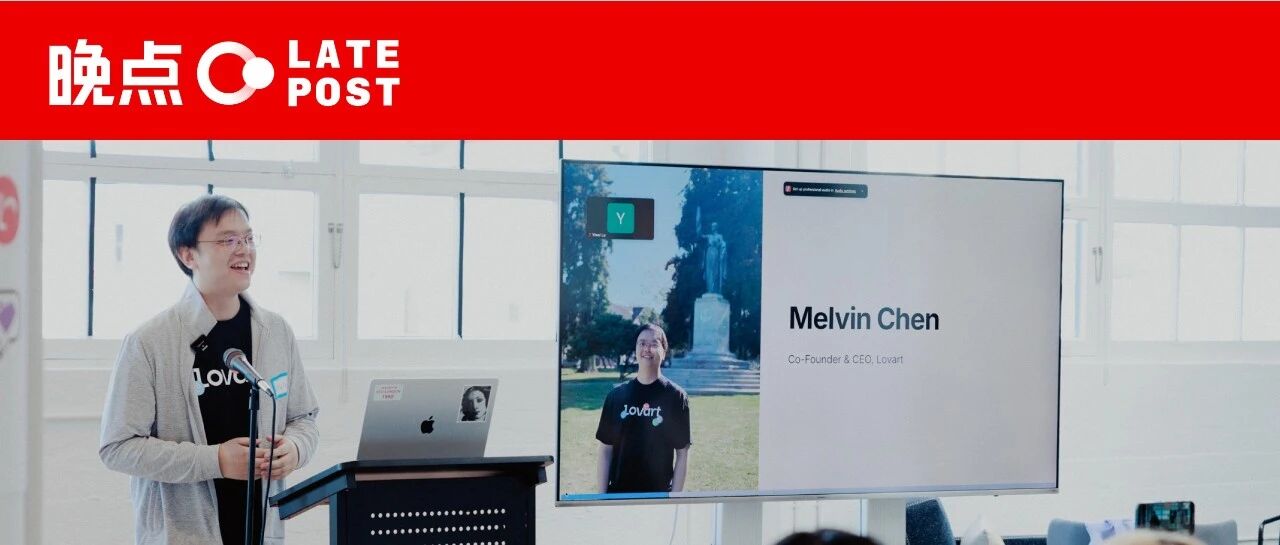
Lovart 陈冕:Sora 证明巨头无边界,AI 创业得提前描绘未来丨晚点聊
晚点LatePost· 2025-10-10 16:16
Core Insights - The article emphasizes that the year 2024 may mark the beginning of consumer AI applications, driven by the rapid advancements in AI technology and the recent launch of the Sora app by OpenAI, which quickly became the top downloaded app in the US App Store [2][3][7]. Group 1: Industry Trends - The cost of AI models is decreasing, making consumer applications more feasible, and the recent developments in AI applications are expected to change content consumption patterns [3][4]. - The launch of Sora has accelerated the pace of innovation in the consumer AI space, highlighting the competitive landscape where major players are rapidly advancing [3][7]. - The article discusses the potential of Sora to become a significant social product, possibly larger than existing platforms like TikTok and ChatGPT [7][8]. Group 2: Company Insights - Lovart, a company focused on AI-driven design applications, has achieved approximately 200,000 daily active users and an annualized revenue forecast exceeding $30 million [17][18]. - The company aims to serve creative individuals rather than the general public, positioning itself as an AI creative studio that democratizes design capabilities [21][22]. - Lovart's growth strategy involves anticipating future trends and preparing for them, which has allowed the company to maintain a rapid development pace [22][26]. Group 3: Competitive Landscape - The article notes that the AI social application market is likely to be dominated by major players due to their resources and user base, making it challenging for smaller companies to compete [11][12]. - The emergence of Sora is expected to attract significant investment and attention to consumer AI applications, prompting other companies to rethink their strategies [14][36]. - The competitive environment is characterized by a sense of urgency, with companies needing to innovate quickly to capture market opportunities before larger players respond [36][37]. Group 4: Future Outlook - The potential for Sora to evolve into a major social platform suggests a significant opportunity for user engagement and market growth, possibly reaching billions of users [12][13]. - The article highlights the importance of infrastructure development, such as computing power and energy facilities, to support the rapid growth of AI applications [15][16]. - The future of AI applications is expected to involve a blend of real and virtual interactions, with companies needing to adapt to changing user preferences and technological advancements [16][30].
晚点独家丨小鹏汽车智驾一号位换帅,世界基座模型负责人刘先明接任
晚点LatePost· 2025-10-10 16:16
Core Viewpoint - The article discusses the recent leadership changes in XPeng Motors' autonomous driving division, highlighting the appointment of Xianming Liu as the new head of the autonomous driving center, and the strategic focus on AI large models for enhancing autonomous driving capabilities [5][7][9]. Group 1: Leadership Changes - On October 9, XPeng Motors announced that Li Liyun would no longer lead the autonomous driving center, with Xianming Liu taking over the role [5]. - Xianming Liu has a strong background in machine learning and computer vision, having previously worked at Facebook and Cruise, and joined XPeng in March 2024 [5][7]. - Li Liyun, who took over the autonomous driving team in August 2023, has a background in electronic engineering and computer science, and has been instrumental in the development of XPeng's intelligent driving solutions [8][9]. Group 2: Strategic Focus on AI - The autonomous driving VLA model is a significant application of the world base model, which aims to enhance the predictive capabilities of autonomous driving systems [7]. - XPeng has been developing a large-scale autonomous driving model with 72 billion parameters, marking a significant investment in AI technology [9][10]. - The company plans to invest 4.5 billion yuan in AI and autonomous driving by 2025, indicating a commitment to advancing its technological capabilities [10]. Group 3: Industry Context - The competition in the intelligent driving sector among Chinese automakers has intensified, with companies like Li Auto and NIO making significant advancements in their autonomous driving technologies [9][10]. - The article notes that 2023 has seen significant personnel changes in the intelligent driving teams across various Chinese automotive companies, reflecting a broader trend in the industry [10][11].


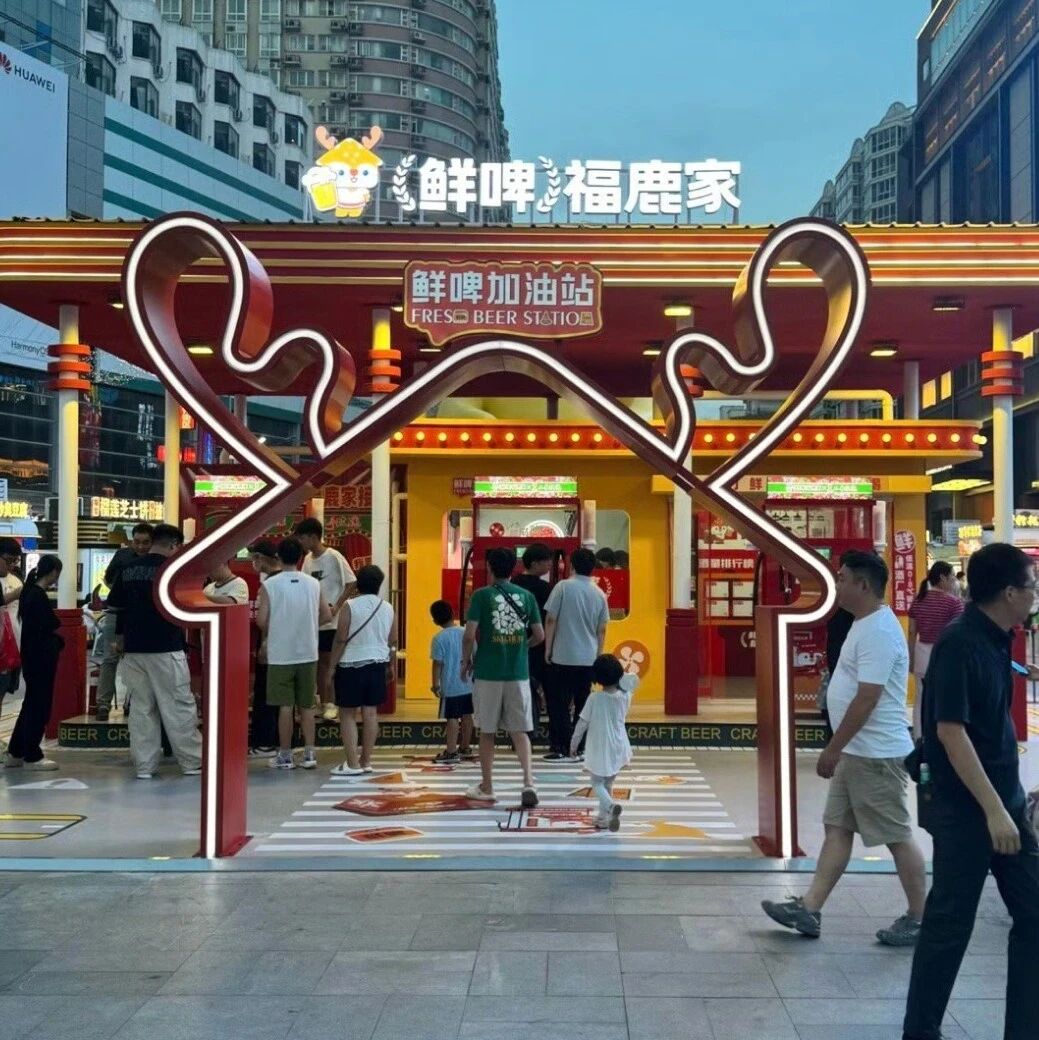
涉足现打鲜啤行业,蜜雪的方法是 “复制蜜雪”
晚点LatePost· 2025-10-09 10:14
Core Viewpoint - The market may be underestimating the retail capabilities and business methodology inherent in the "Mixue Model" as it enters the fresh beer industry [3][5]. Group 1: Investment and Market Entry - Mixue Group has signed an investment agreement with Xianpi Fulujia, acquiring 53% equity through a cash increase of 285.6 million yuan, which will be used for operational reserves to support future expansion [4]. - The market's focus is likely on the growth prospects of Mixue Group and Xianpi Fulujia in the beer industry, raising questions about whether this move is a proactive investment or a reactive option [5]. Group 2: Market Dynamics and Opportunities - The fresh beer market is still a blue ocean, with significant challenges in achieving scale due to the declining overall beer consumption in China since 2013, leading to a focus on capacity reduction and premiumization among major brewers [6]. - The structural changes in the beer market indicate opportunities for niche players, particularly in the craft beer segment, which is still in the early stages of regional development [6][10]. Group 3: Competitive Landscape - Large beer manufacturers face difficulties in supporting high-turnover fresh beer products due to their existing distribution channels, making it hard for them to penetrate this niche market effectively [7][10]. - The new generation of consumers is shifting towards personalized and differentiated beer preferences, leading to growth in craft and fresh beer segments, while traditional consumption in restaurants and nightclubs is declining [9]. Group 4: Xianpi Fulujia's Position and Performance - Xianpi Fulujia reported revenue of 150 million yuan and a net profit of 1.07 million yuan for the year ending August 2025, with around 1,200 stores across 28 provinces, indicating a strong national presence [12]. - The company has adopted a model similar to Mixue's, leveraging retail capabilities and a franchise network to achieve rapid national expansion [13][15]. Group 5: Pricing and Value Chain - Xianpi Fulujia's pricing strategy allows it to maintain competitive pricing while achieving higher value capture in the market compared to traditional beer manufacturers [16][17]. - The average price per ton for Xianpi Fulujia is 7,200 yuan, allowing it to capture 45% of the value chain, significantly higher than traditional brewers [17][18]. Group 6: Future Growth and Investment Logic - The investment by Mixue Group is aimed at accelerating Xianpi Fulujia's growth in the fresh beer market, which is expected to lead to a significant increase in market share and operational efficiency [19][20]. - The valuation of Xianpi Fulujia appears reasonable, considering its growth potential and the strategic alignment with Mixue Group's business model [20][21].