商业洞察

Search documents
9个月烧光35亿!海澜之家被“除名”了
商业洞察· 2025-11-20 09:23
Core Viewpoint - Haier's brand, once a leader in men's fashion, is now facing significant challenges, including being removed from the MSCI index, indicating a failure to meet key market standards and a decline in growth potential [6][8][29]. Group 1: Financial Performance - In the first three quarters of 2025, Haier's revenue reached 15.599 billion yuan, showing a slight increase of 2.23%. However, the main brand's revenue, which accounts for over 70% of total revenue, declined by 3.99% to 10.849 billion yuan, indicating insufficient growth momentum [9]. - The sales expenses for the first three quarters of 2025 amounted to 3.524 billion yuan, representing 22% of total revenue, while R&D expenses were only 157 million yuan, a decrease of 4.69%, accounting for just 1% of revenue [9][10]. - Since 2019, Haier's revenue has fluctuated between 21.9 billion yuan and 20.9 billion yuan, failing to achieve significant growth, with net profit also showing wide fluctuations [11]. Group 2: Inventory and Operational Efficiency - Haier has been trapped in a high inventory cycle, with inventory turnover days increasing from 262 days in 2019 to 394 days in the first three quarters of 2025, while inventory levels rose from 9.044 billion yuan to 11.518 billion yuan [12][13]. - The company has struggled to establish a healthy inventory turnover mechanism, leading to a situation where inventory levels increased despite a slight decline in revenue [12][13]. Group 3: Strategic Misalignment - Haier's frequent strategic shifts and unclear market positioning have resulted in a loss of growth momentum, characterized by a focus on marketing over product development [13][24]. - The brand has attempted to appeal to various consumer segments without a clear target, leading to a mismatch in product offerings and consumer expectations [24][25]. - Recent marketing efforts, such as the introduction of the "Aurora 95 Down" concept, have raised questions about innovation versus mere rebranding, as the product lacks distinct competitive advantages compared to established brands [21][22]. Group 4: Market Position and Brand Identity - Haier's attempts to cater to both young consumers and business professionals have resulted in a diluted brand identity, with products failing to resonate with either group [24][25]. - The brand's reliance on celebrity endorsements has not translated into sustained revenue growth, as shifts in target demographics have not aligned with product design [19][20]. - The company faces criticism for its pricing strategy, which appears misaligned with its target audience, leading to a perception of being out of touch with market demands [25][26]. Group 5: Future Outlook - Following its removal from the MSCI index, Haier is expected to face increased pressure in the secondary market, necessitating a strategic refocus on core consumer segments and product offerings [29][31]. - The company must enhance its R&D investment to remain competitive, as reliance on design alone is insufficient in the current market landscape [29][31].



假如在南极写「小作文」的,不是俞敏洪而是董宇辉
商业洞察· 2025-11-20 09:23
Core Viewpoint - The article discusses the generational divide between older leaders like Yu Minhong and younger employees, highlighting the disconnect in expectations and experiences, particularly in the context of Yu's recent trip to Antarctica and his motivational messages to staff [22][71]. Group 1: Generational Perspectives - The younger generation, referred to as "Young Man," is characterized by a sense of disillusionment and skepticism towards traditional motivational rhetoric, contrasting sharply with the optimistic "New Boy" mentality of the past [6][23]. - This shift in mindset reflects a broader societal change where younger individuals are less receptive to inspirational messages and more focused on practical concerns, such as job security and fair compensation [26][27]. Group 2: Yu Minhong's Position - Yu Minhong's recent communications, including a letter from Antarctica, have been met with criticism, as many employees feel disconnected from his experiences and sentiments [5][13]. - Despite his past successes and contributions to education, Yu's current approach appears out of touch with the realities faced by his employees, leading to a backlash against his motivational style [50][71]. Group 3: Cultural and Structural Dynamics - The article highlights a structural mismatch in modern Chinese society, where traditional authority figures struggle to connect with a younger workforce that values autonomy and practical outcomes over idealistic narratives [31][32]. - The concept of "反老登" (anti-old boss) emerges as a cultural response to the perceived disconnect between older leaders and younger employees, emphasizing a desire for more relatable and practical leadership [34][36]. Group 4: Implications for Leadership - The article suggests that leaders like Yu Minhong must adapt their communication styles to resonate with younger employees, who prioritize authenticity and practical support over traditional motivational speeches [70]. - The need for leaders to acknowledge the challenges faced by their teams and to provide tangible support rather than abstract encouragement is emphasized as crucial for maintaining morale and engagement [60][71].


烧光48亿的“无人”超市,被同行打回原形
商业洞察· 2025-11-19 09:55
Core Viewpoint - The article discusses the rise and fall of unmanned retail stores, highlighting the initial excitement and subsequent challenges faced by the industry, particularly focusing on the failures of major players like Amazon and domestic brands [10][11][13]. Group 1: Industry Overview - The trend of unmanned businesses has gained popularity, with various concepts like unmanned coffee shops and vending machines becoming standard in communities [5][7]. - Despite the initial hype surrounding unmanned convenience stores, the industry has faced significant setbacks, with many companies struggling to maintain operations [9][11]. Group 2: Historical Context - The concept of unmanned stores gained traction after Amazon launched its first unmanned convenience store, Amazon Go, in 2016, which attracted considerable consumer interest [17][20]. - In China, numerous companies, including Alibaba and JD, entered the unmanned retail space, leading to rapid expansion and a surge in the number of stores [20][22]. Group 3: Challenges Faced - The industry has encountered several challenges, including technological immaturity, high operational costs, and management issues, leading to the closure of many unmanned stores [24][34][36]. - A significant number of unmanned retail companies have declared bankruptcy, with some reporting substantial financial losses [27][32]. Group 4: Financial Insights - In 2017, 57 unmanned retail companies in China raised over 4.8 billion, but the funding landscape changed dramatically within a year, indicating a loss of investor confidence [34][35]. - The operational costs of unmanned stores have proven to be higher than anticipated, with substantial investments required for technology and infrastructure [39][41]. Group 5: Future Directions - The article suggests that the unmanned retail sector is not inherently flawed but requires a shift in strategy, moving towards a hybrid model that combines human and unmanned elements [56][60]. - Future developments should focus on enhancing technology to better meet consumer needs and improve the overall shopping experience [62][65].


直辖市重大调整!一个史无前例的新“省会”,诞生了
商业洞察· 2025-11-19 09:55
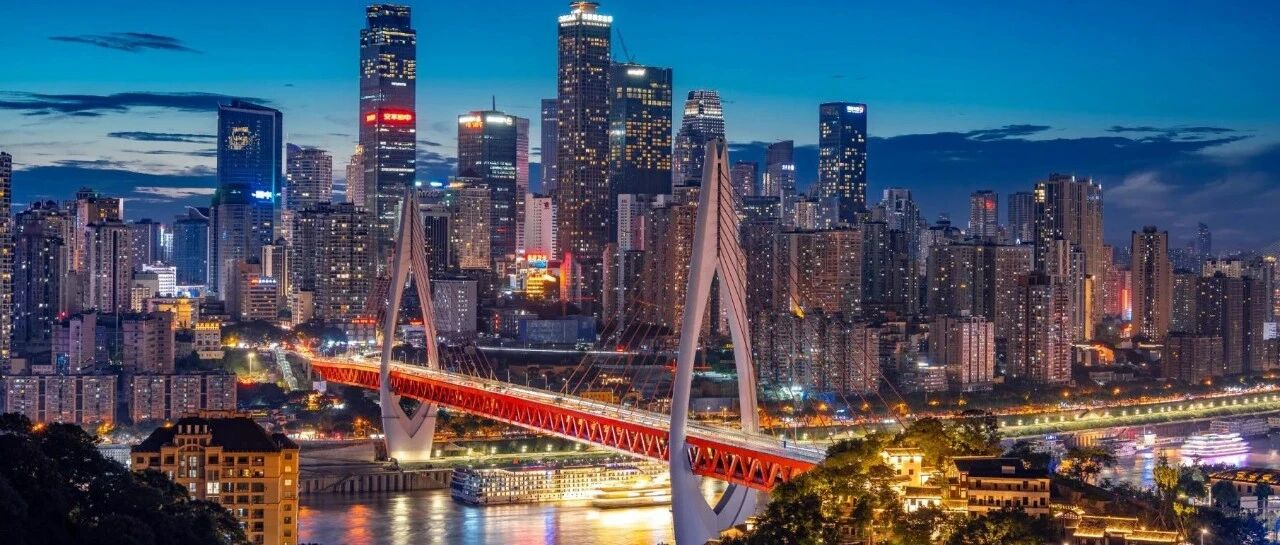
Core Viewpoint - The article discusses the significant administrative restructuring in Chongqing, where the two existing districts, Jiangbei and Yubei, have been merged into the newly established Liangjiang New Area, marking a transition from an economic function zone to an official administrative district [5][6][9]. Group 1: Administrative Restructuring - On November 6, Chongqing announced a major administrative restructuring approved by the State Council, merging Jiangbei and Yubei districts into Liangjiang New Area, reducing the total number of districts from 38 to 37 [6]. - Liangjiang New Area, previously an economic function zone, now serves as a formal administrative district, addressing issues of management overlap and fragmentation that hinder regional development [9][10]. - The new Liangjiang New Area covers approximately 1,360 square kilometers and has a population of about 3.52 million, with a projected GDP exceeding 600 billion yuan, positioning it as the largest economic and population center in the central and western regions of China [10]. Group 2: Economic Significance - The restructuring is seen as a strategic move to enhance Chongqing's role as a "strong provincial capital," similar to Chengdu, which has seen significant economic growth and population influx due to its provincial capital status [12][13]. - Liangjiang New Area contributes around 20% of Chongqing's GDP while occupying less than 2% of the city's area, highlighting its importance as the economic heart of the city [14][15]. - The area is home to key infrastructure such as Jiangbei International Airport and Guoyuan Port, making it a central hub for Chongqing's development as an inland open gateway [15]. Group 3: Industrial Development - Chongqing's manufacturing sector is robust, producing nearly 50% of the world's laptops and ranking second in automotive production in China, with significant contributions from companies like Changan and Seres [16][17]. - The city is implementing a "33618" modern manufacturing cluster system, focusing on three trillion-level leading industries, three five-hundred billion-level supporting industries, six thousand billion-level characteristic industries, and eighteen emerging industries [18]. - Liangjiang New Area is pivotal in this strategy, housing two of the three leading trillion-level industries: intelligent connected new energy vehicles and next-generation electronic information manufacturing [20]. Group 4: Automotive and Electronics Industry - As the heart of Chongqing's automotive industry, Liangjiang New Area is expected to produce 1.25 million vehicles in 2024, with nearly 580,000 of those being new energy vehicles, accounting for about 58% of the city's total output [21][22]. - The area is also a hub for the new generation of electronic information manufacturing, with a complete industrial chain from display panels to smart terminals, driven by companies like BOE and Unisoc [26][28]. - The integration of the automotive and electronics sectors is anticipated to create a synergistic effect, particularly in the development of intelligent connected vehicles, which is projected to become a trillion-yuan market by 2025 [29][30].



快递暴雷,欠薪400万!十万件包裹堆积
商业洞察· 2025-11-18 09:29
Core Viewpoint - The article highlights the systemic issues within the express delivery industry, particularly focusing on the "penalty-based management" model that has led to operational disruptions and financial strain on last-mile delivery networks, especially during peak periods like Double 11 [6][10][21]. Group 1: Current Issues in the Express Delivery Industry - Over 100,000 packages were left undelivered in warehouses in Changsha due to operational halts at several express delivery stations, affecting both consumers and sellers [3][5]. - The immediate cause of the delivery stoppage was a breakdown in the payment chain for delivery fees, leading to a halt in operations for local contractors [6][10]. - The penalty-based management model has resulted in frequent fines for underperformance, which has exacerbated the financial difficulties faced by local delivery networks [6][11][12]. Group 2: Impact on E-commerce - The delivery disruptions have directly impacted e-commerce sellers, leading to increased refund rates, negative reviews, and a loss of consumer trust [7][19]. - The operational challenges faced by last-mile delivery networks during peak sales events like Double 11 have turned what should be a lucrative opportunity into a significant risk for e-commerce businesses [7][19]. Group 3: Structural Problems in the Delivery System - The hierarchical structure of the express delivery system, where risks and responsibilities are unevenly distributed, has led to a situation where local contractors bear the brunt of financial pressures while upper management continues to profit [10][15]. - The ongoing price wars in the industry have driven down delivery fees significantly, from 18 yuan per package in 2005 to as low as 2 yuan in recent years, further squeezing the profit margins of last-mile delivery networks [17][18]. Group 4: Recommendations for Improvement - To address the issues, the industry needs to establish a more transparent fee structure and internal assessment mechanisms to prevent the negative consequences of penalty-based management [20][21]. - Encouraging diversification in service offerings at the local level, such as community group buying and advertising, could help stabilize revenue streams for last-mile delivery networks [21].

高市早苗的算计,将让日本割肉5000亿
商业洞察· 2025-11-18 09:29
Core Viewpoint - The article discusses the significant impact of recent diplomatic tensions between China and Japan on Japanese tourism and related industries, highlighting a sharp decline in stock prices for major Japanese companies reliant on Chinese tourists and investments [3][4][6]. Group 1: Impact on Japanese Tourism Stocks - Major Japanese companies such as Food & Life, Isetan Mitsukoshi, and Shiseido have seen stock declines of 14%, 11%, and 9% respectively, reflecting the broader market reaction [4]. - The Nikkei 225 index briefly fell below 50,000 points, indicating a significant market downturn [4]. Group 2: Diplomatic Tensions and Reactions - The Chinese government has issued warnings to citizens about traveling to Japan due to deteriorating safety conditions, leading to a reduction in flights and travel packages to Japan [8][9]. - Japanese officials are reportedly surprised by the strong reaction from China, which they did not anticipate [10][12]. Group 3: Economic Contributions of Chinese Tourists - In 2024, Japan's tourism revenue is projected at 8.14 trillion yen, with Chinese tourists contributing approximately 1.73 trillion yen (around 810 billion RMB) [15][16]. - Chinese tourists are noted for their high spending power, averaging 280,000 yen (about 13,000 RMB) per person, significantly boosting Japan's retail and tourism sectors [16][17]. Group 4: Historical Context and Future Implications - The article references the 2010 diplomatic incident that led to a 26% drop in Chinese tourists to Japan, suggesting a potential similar decline this time, estimating a loss of about 520 billion yen (approximately 24 billion RMB) in tourism revenue [34]. - Japan's GDP has shown a decline of 1.8% in the third quarter, marking a return to negative growth, which could be exacerbated by the current diplomatic fallout [35][36].

这个最神秘的小县城,决定80%日本人的“身后事”
商业洞察· 2025-11-17 09:23
Core Viewpoint - The article highlights the significance of Huian County in Fujian, which has developed a world-leading stone carving industry, particularly in producing tombstones for the Japanese market, capturing 80-90% of the market share [4][14]. Group 1: Huian's Stone Carving Industry - Huian has a rich history of stone carving that dates back over 1600 years, leveraging its abundant granite resources [6][9]. - The local stone carving industry flourished due to cultural exchanges and increased demand for intricate stone art, especially in religious contexts [9][10]. - After Japan's restrictions on domestic granite mining, Huian became a key supplier, meeting the high-quality standards required by Japanese consumers [11][12]. - By 1992, Huian's stone carving enterprises generated nearly 80% of their revenue from exports, primarily to Japan [12]. - The local government has implemented strategic initiatives to modernize the industry, including the establishment of the China Sculpture City and various industrial parks [12][13]. - As of 2024, Huian's stone carving industry has an industrial output value exceeding 55 billion yuan, making it the largest stone carving production and export base in China [13][14]. Group 2: Economic Development and Diversification - Huian has transformed from a poor county to one of China's top 100 economic counties, with a GDP of 131.12 billion yuan and a per capita GDP of 158,200 yuan [16][18]. - Other key industries in Huian, such as petrochemicals, campus apparel, and food production, are also undergoing upgrades and contributing to economic growth [16][18]. - The county is now focusing on emerging sectors, particularly the renewable energy industry, with plans to develop a new energy battery integration system [16][20]. - The global lithium battery market is projected to grow significantly, with China leading in production and innovation, aligning with Huian's strategic plans [19][20]. - Huian aims to leverage its petrochemical industry to develop key materials for the battery sector, such as electrolyte solvents and high-end membrane materials [25][27]. - The county is also exploring opportunities in energy storage systems and specialized vehicle battery packs, which require customized solutions [27][30].

“每天睁眼就是亏钱”,有白酒经销商一年亏3000万
商业洞察· 2025-11-17 09:23
Core Viewpoint - The white liquor industry is facing significant challenges, with many distributors reporting severe financial losses and market saturation, leading to a shift in the relationship between distributors and manufacturers [5][7][21]. Market Conditions - In Q3 2025, many liquor companies reported poor performance, with 18 out of 20 listed white liquor companies experiencing profit declines, some exceeding 90% [5]. - Over 50% of white liquor distributors reported worsening price inversions, and over 40% faced cash flow pressures [5]. - The market is saturated, with distributors struggling to sell inventory at prices higher than their purchase costs, leading to significant financial losses [5][10]. Distributor Challenges - Distributors are experiencing a "snowball effect" where the value of their inventory decreases with each new payment made to manufacturers, leading to increasing financial strain [21][22]. - Many distributors are reducing their operational scale, cutting staff, and moving to smaller offices to manage costs [12][18]. - The relationship between distributors and manufacturers is becoming strained, with some distributors losing their rights due to refusal to meet high purchase quotas [6][7]. Consumer Behavior - There is a perception that younger consumers are not drinking white liquor, although some distributors believe this is temporary and linked to age rather than a permanent trend [7][25]. - The drinking culture is changing, with fewer consumers viewing drinking as a social obligation, impacting sales [14][25]. Future Outlook - Despite current challenges, some distributors maintain optimism about the long-term viability of the industry, believing that as younger generations mature, they will appreciate the value of white liquor [25]. - The industry is expected to continue facing pressure from online sales and price competition, which may further complicate the market landscape [13][14].

泡沫,快破了!
商业洞察· 2025-11-16 09:27
Group 1 - The article discusses warnings from major financial institutions about a potential technology bubble, with notable figures like Jamie Dimon of JPMorgan Chase expressing concerns about asset valuations entering bubble territory [3][4]. - Various financial entities, including Goldman Sachs and the Bank of England, have echoed these sentiments, indicating that current technology stock valuations are excessively high compared to fundamentals [4][5]. - The article highlights that the value of technology companies related to AI has surged over $10 trillion in three years, with significant increases in stock prices for companies like Nvidia and OpenAI [8]. Group 2 - The author compares the current situation to the late 1990s internet bubble, noting that while there are signs of overvaluation, a critical catalyst for a bubble burst—such as a liquidity reversal—has not yet occurred [9][16]. - Historical precedents, such as the 2000 internet bubble burst, are examined, emphasizing that previous bubbles often followed a pattern of loose monetary policy followed by sudden tightening [10][14]. - The current financial environment shows low credit spreads, suggesting that liquidity is still supportive of technology stocks, which may delay any potential market correction [17][18]. Group 3 - The article posits that two unexpected events could trigger a technology bubble burst: a sudden rise in inflation leading to interest rate hikes, or a lack of buyers for overvalued technology stocks [20][21]. - The concept of valuation is discussed, indicating that as long as there are buyers willing to invest, high valuations can persist without immediate risk [23][24]. - The author concludes that the current supportive monetary and fiscal policies for technology suggest a prolonged period of growth, akin to the late stages of the 1990s bubble [25][27].

外卖大战后,茶饮商家“大逃杀”
商业洞察· 2025-11-16 09:27
Core Insights - The article discusses the challenges and transformations within the tea and coffee industry, highlighting the impact of market dynamics on business operations and consumer behavior [2][4][12]. Group 1: Market Dynamics - The tea and coffee industry is experiencing a significant downturn, with many businesses struggling to maintain profitability as consumer preferences shift towards lower-priced options [4][24]. - The number of new store openings in the tea and coffee sector has surged, with 26,000 new stores launched in the third quarter alone, nearly doubling from the previous year [4][20]. - The industry's growth phase is transitioning from rapid expansion to a more competitive landscape, leading to a "survival of the fittest" scenario [6][7]. Group 2: Business Strategies - Some entrepreneurs are adapting by focusing on high-frequency, low-cost offerings, positioning tea and coffee as essential daily consumables rather than luxury items [12][14]. - Successful operators are leveraging brand partnerships and centralized supply chains to reduce costs and enhance profitability, even amidst fierce competition [27][36]. - The article emphasizes the importance of location and brand selection in determining business success, with some operators experiencing rapid growth while others face significant losses [40][41]. Group 3: Consumer Behavior - Consumer spending habits are shifting towards lower-priced beverages, with many now viewing prices around 10 yuan as the psychological ceiling for tea and coffee products [24][28]. - The demand for tea and coffee is evolving, with these beverages increasingly seen as affordable indulgences that provide immediate satisfaction [14][35]. - The article notes that despite the current challenges, the fundamental desire for quality beverages remains strong, suggesting potential for recovery and growth in the future [35][41].