投中网

Search documents
LP周报丨四川又掏了100亿
投中网· 2025-11-22 06:35
Core Viewpoint - The article focuses on the establishment and development of various investment funds in China, particularly in the LP (Limited Partner) market, highlighting significant investments and strategic directions in different sectors [4][5][6]. Group 1: Fund Establishments - Sichuan has initiated a provincial-level government industrial investment guidance fund system, aiming to create a cluster of mother and child funds exceeding 100 billion yuan, with the first three comprehensive funds focusing on advanced manufacturing, achievement transformation, and resource energy [5]. - The Advanced Manufacturing Guidance Fund has established a 100 billion yuan electronic information sub-fund, which is the largest sub-fund in the Sichuan government guidance fund system [8]. - A new fund, the Hangzhou Runmiao Fund, has been launched with a record 20-year duration, focusing on early-stage investments in technology startups with specific criteria [9]. - The Yulin Science and Innovation City Investment Fund has been established with a scale of 2 billion yuan, targeting strategic emerging industries [10]. - The Shanghai Puchuang Private Investment Fund has been set up with a contribution of 33.34 billion yuan, focusing on private equity investments [12]. - The Shenzhen Dinghui Baifu Aerospace Industry Private Equity Fund has been established with a capital of 10 billion yuan, aimed at promoting the aerospace industry [13]. - The Hunan Jin Furong Infrastructure Investment Fund has been established with a contribution of 65 billion yuan, focusing on infrastructure investments [14]. - The Anhui Huidao Transportation Science and Technology Industry Fund has been registered with a total scale of 10 billion yuan, focusing on transportation technology [15]. - The Lishui Venture Capital Fund has been established with a capital of 10 billion yuan, aimed at developing key industries in the region [16]. - The Yantai Jiahe Happiness New City Urban Development Mother Fund has been established with a contribution of 10 billion yuan, focusing on digital economy and green low-carbon industries [18]. - The Deyang High-end Energy Equipment Fund has been established with a scale of 15 billion yuan, targeting the high-end energy equipment industry [19]. - The Zhengzhou Tianjian Talent Venture Capital Fund has been established with a total scale of 2 billion yuan, focusing on early-stage hard technology [20]. - The Guangdong Artificial Intelligence and Robotics Industry Investment Fund has been established with a contribution of 10 billion yuan, aimed at enhancing the AI and robotics sector [21]. Group 2: GP Recruitment - The Sichuan University Technology Achievement Transformation Fund is seeking GP management institutions, with a total scale of 100 billion yuan and a focus on seven key areas including AI and high-end equipment manufacturing [23]. - The Hainan Haicheng Innovation and Entrepreneurship Investment Fund is also recruiting GP for a sub-fund focused on the medical health sector, with a registered capital of 5 billion yuan [25].

第一批AI公司,已经开始破产了
投中网· 2025-11-22 06:35
Core Viewpoint - Rodin AI, once a promising player in the legal AI sector, has faced a rapid decline, being marked for potential bankruptcy within just six months after a successful funding phase [2][3][10]. Group 1: Company Background and Initial Success - Rodin AI is a legal AI company that emerged as a significant player in the AI wave, particularly in the legal sector, which is seen as a high-potential application area for AI technologies [6][11]. - The company was founded in 2019 and gained traction after partnering with Anthropic in 2022, integrating their Claude model into its products [6][11]. - Rodin AI's founders have strong backgrounds, with the CEO being a seasoned lawyer and the CTO a PhD from Imperial College London, which contributed to the company's initial credibility and success [7][11]. Group 2: Funding and Growth - Rodin AI completed several funding rounds, including seed funding from Google in July 2021, an A round led by SoftBank in February 2023, and a B round led by Temasek in January 2024 [12][14]. - The company claimed its technology could reduce contract review time by over 80% and costs by 75%, attracting a diverse client base, including 13 Fortune 500 companies [14][19]. Group 3: Decline and Challenges - Despite initial success, Rodin AI faced a sudden decline, being listed on a website for distressed assets by October 2025, indicating potential bankruptcy [16][19]. - The company struggled with growth rates that investors deemed insufficient, with revenue reportedly doubling in 2024 but still not meeting the high expectations for AI companies [17][19]. - Rodin AI's operational model, which relied heavily on human oversight to mitigate AI errors, led to high costs and limited scalability, ultimately hindering its competitiveness in a rapidly evolving market [18][19]. Group 4: Industry Context and Future Outlook - The legal AI sector remains vibrant, with competitors like Harvey AI successfully raising significant funds and achieving high valuations, contrasting Rodin AI's struggles [22][23]. - The overall AI investment landscape continues to grow, with legal AI investments in 2025 already doubling compared to the previous year, indicating ongoing interest and potential in the sector [23][24]. - The rapid pace of technological advancement in AI raises questions about sustainability and the potential for companies like Rodin AI to adapt or face obsolescence [24][25].

预售三天就加印,《中国风险投资史》到底写了啥?
投中网· 2025-11-22 06:35
Core Viewpoint - The article discusses the release of the book "History of Venture Capital in China," which explores the evolution of venture capital in China through a unique perspective, emphasizing the role of the internet in shaping the industry [4][6]. Group 1: Book Overview - The book was created over 18 months, involving dialogues with over a hundred participants to trace the development of venture capital in China [4]. - It consists of more than 300,000 words and 14 chapters, aiming to reinterpret familiar entrepreneurial stories and industry dynamics from the perspective of venture capital [4][6]. Group 2: Internet's Role in Venture Capital - The chapter titled "The Internet Answers Everything" highlights that the emergence of venture capital in China around 2005 was significantly influenced by the internet, which provided a sense of entrepreneurial equality [6][7]. - The article posits that the history of China's internet development is essentially intertwined with the history of venture capital in the country [7]. Group 3: Market Conditions and Challenges - Despite venture capital entering China in 1985, it did not become a regular part of the business landscape for over a decade due to the lack of a liquid market and a robust capital market system [8][9]. - The Chinese capital market experienced five major bear markets with declines over 50% and five bull markets with increases over 100% from 1990 to 2001, complicating the environment for venture capital [8][9]. Group 4: Notable Figures and Events - The article references Wang Zhidong, a notable figure in the early days of Chinese venture capital, who faced skepticism from foreign investors regarding his company's potential for an IPO [10][11]. - The book discusses the impact of the 1996 Netscape IPO on the capital environment for the internet industry in China, marking a turning point for venture capital [10][12]. Group 5: Themes Explored in the Book - The book covers various themes, including the localization of venture capital in China, the professional evolution of venture capitalists, the geographical dynamics of investment, and the changing roles of venture capitalists [13][14].

“神曲印钞机”轰鸣:从一首赚200万到一首赔2万
投中网· 2025-11-21 08:22
Core Insights - The article discusses the transformation of the music industry in China, highlighting the rapid growth of companies like Hai Kui Music and Kua Jing Music, which have significantly increased their revenue and employee count in a short period. Hai Kui Music achieved an annual output value of 600 million yuan and expanded from 29 to 500 employees within five years [4][5]. - Tencent Music Entertainment (TME) plays a crucial role in this transformation, forming alliances with numerous music companies and achieving a revenue growth of 20.6% to 8.46 billion yuan in Q3 2025, with a net profit increase of 27% [5][6]. - The rise of short videos has reshaped the music landscape, leading to a market where online music platforms capture more market share, while traditional record companies face existential threats [6][8]. Group 1: Industry Dynamics - The music industry is experiencing a shift from content creation to traffic generation, with platforms and artists focusing on producing catchy, viral songs to capture audience attention [16][17]. - The proliferation of music content has led to a saturation of the market, with platforms like QQ Music losing users to competitors that leverage short video and recommendation algorithms [18][20]. - The average revenue per thousand plays on domestic platforms is around 1 yuan, significantly lower than the 20-50 yuan seen on international platforms, indicating a challenging financial environment for artists [34]. Group 2: Challenges for Artists - Independent musicians face increasing pressure as the cost of music production remains high while revenue from streaming diminishes, leading to a situation where many artists are "losing money" on their creations [24][26]. - The industry is caught in a cycle of homogenization and low quality, with a significant increase in the number of demos submitted, making it harder for unique voices to stand out [27][28]. - The emergence of AI in music production poses a new challenge, as it can generate popular songs at a lower cost, further complicating the landscape for human artists [28]. Group 3: Future Outlook - Despite the challenges, there is a belief that the music industry will eventually find a balance between high-quality content and mass appeal, as companies like TME and NetEase Music invest in supporting original artists [42][46]. - The article suggests that the current environment may lead to a bifurcation in the music scene, with one side focusing on algorithm-driven hits and the other on traditional, high-quality music production [32][44]. - Optimism remains among some artists who continue to pursue their passion for music, believing that the market will eventually reward quality over quantity [46][48].


英伟达打了一剂强心针,投资者却越来越恐慌
投中网· 2025-11-21 08:22
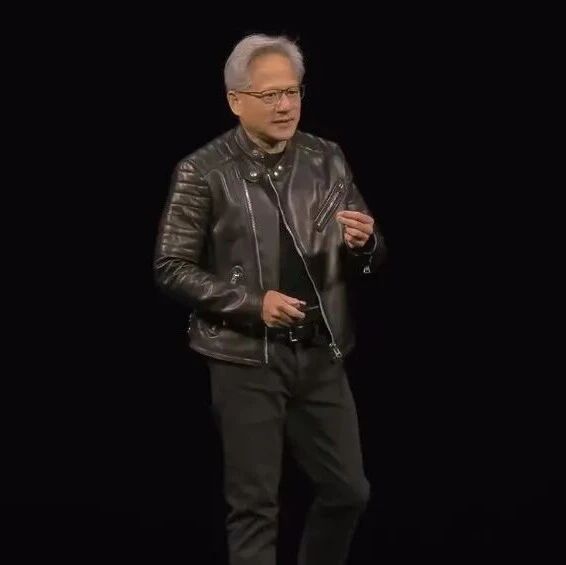
Core Viewpoint - The article discusses the recent performance of Nvidia and its implications for the AI market, highlighting both the strong quarterly results and the ongoing concerns about a potential AI bubble [4][6][22]. Financial Performance - Nvidia reported a third-quarter revenue of $35.1 billion, with data center revenue contributing $30.8 billion, a year-on-year increase of 112%, significantly exceeding Wall Street's expectation of $28.82 billion [9]. - The non-GAAP earnings per share were $0.81, up 103% year-on-year, and net profit reached $19.3 billion, a substantial increase from $9.24 billion in the same period last year [9]. - For the upcoming fourth quarter, Nvidia expects revenue of $37.5 billion (with a 2% margin of error) and a gross margin of 73.5%, indicating strong confidence in future growth [9][10]. Market Reaction - Following Nvidia's earnings report, the stock price surged by 5% in after-hours trading, reversing a previous three-week decline of 10% [6]. - However, the positive market reaction was short-lived, with the Nasdaq dropping 2.15% and Nvidia's stock falling by 3.2% the following day [6][7]. AI Market Dynamics - Nvidia's strong performance is seen as a sign of continued growth in the AI market, alleviating some concerns about an "AI bubble" [6][17]. - The company has delivered 13,000 samples of its new Blackwell architecture chips, which are expected to drive significant revenue in the upcoming quarter [10]. - Nvidia's data center business has surpassed $50 billion in quarterly sales, indicating robust investment in AI infrastructure globally [17]. Investor Sentiment - Despite Nvidia's strong results, investor sentiment remains cautious, with concerns about the sustainability of AI investments and the potential for a market correction [16][20]. - Approximately 45% of global fund managers believe there is an "AI bubble," raising questions about the health of the market [20]. Industry Challenges - Nvidia faces challenges related to supply chain management and the need for substantial capital investments to meet growing demand for AI systems [14]. - The company is also navigating concerns about the sustainability of AI companies that are heavily investing in infrastructure but may not deliver proportional returns [19][23]. Broader Economic Context - The article draws parallels between the current AI investment climate and the internet bubble of the early 2000s, with warnings from economists about potential overvaluation [22]. - However, contrasting views from figures like Federal Reserve Chair Jerome Powell suggest that the current situation differs due to the presence of actual profits among high-valuation companies [22].

无锡超级IPO,来了
投中网· 2025-11-21 08:22
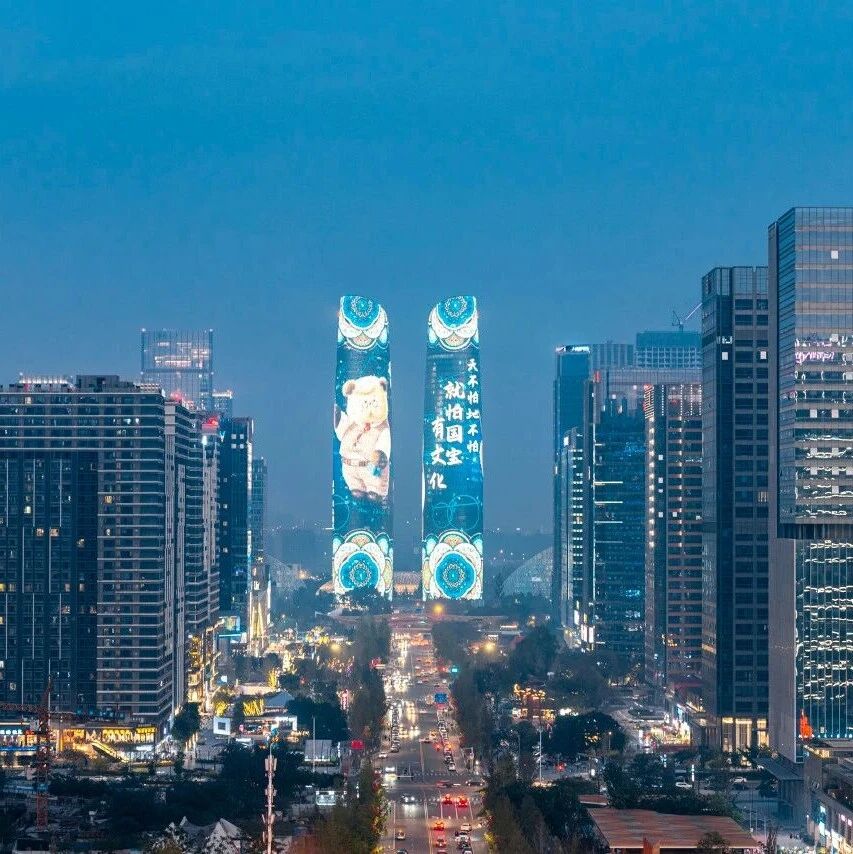
Core Viewpoint - Wuxi's IPO landscape is rapidly expanding, highlighted by the emergence of Shenghe Jingwei, a notable unicorn in the semiconductor industry, which is preparing for its A-share listing [5][11]. Group 1: Shenghe Jingwei's Development - Shenghe Jingwei was established in 2014 with investments from leading semiconductor companies, aiming to create a complete domestic 12-inch integrated circuit manufacturing chain [8]. - The company has achieved significant milestones, including becoming the first in mainland China to mass-produce 14nm silicon wafer bump processing [10]. - By 2024, Shenghe Jingwei is projected to have the largest 12-inch bump manufacturing capacity in mainland China, providing advanced packaging services for various high-performance chips [10]. Group 2: Financial Performance - Shenghe Jingwei's revenue from 2022 to mid-2025 is expected to grow from approximately 1.633 billion to 3.178 billion yuan, with net profits transitioning from a loss of 329 million yuan to a profit of 435 million yuan [10]. - The company has attracted significant investment, with a valuation reaching 20 billion yuan after a C+ round financing in 2023 [14]. Group 3: Wuxi's IPO Landscape - Wuxi has seen a surge in IPOs, with four companies listed in A-shares since 2025, and a total of 167 listed companies, including 126 A-share companies [6][19]. - The local government has implemented various supportive measures to facilitate the growth of listed companies, contributing to Wuxi's economic development [19][20]. Group 4: Economic Impact - Wuxi's GDP is projected to reach approximately 1.63 trillion yuan in 2024, with a growth rate of 5.8% [20]. - The city is recognized for its strong manufacturing base, with Jiangyin County leading in the number of listed companies among county-level cities in China [20].

投中榜·2025年度长三角地区榜单发布
投中网· 2025-11-21 08:22
Core Viewpoint - The article highlights the dynamic economic growth and innovation in the Yangtze River Delta region, emphasizing its role as a hub for emerging industries and young entrepreneurs, which contributes to its competitive edge globally [2]. Group 1: Economic Growth and Innovation - The Yangtze River Delta is recognized as an economic beacon in Eastern China, with GDP growth rates consistently ranking among the highest in the country [2]. - The region's industrial structure is shifting towards the tertiary sector, showcasing significant innovation-driven effects [2]. - Emerging industries such as advanced manufacturing, information technology, and biomedicine are attracting capital market interest, becoming core engines for high-quality growth [2]. Group 2: Investment Institutions Ranking - The "2025 Annual Yangtze River Delta Best Investment Institutions List" was released, evaluating over 300 equity investment institutions based on quantitative and qualitative metrics [3]. - The list includes three major awards: Top 30 Best Venture Capital Institutions, Top 30 Best Private Equity Institutions, and Top 10 Best Early-Stage Venture Capital Institutions [3]. Group 3: Notable Investment Institutions - The top venture capital institutions include: - Northern Light Venture Capital with ¥20 billion under management, notable investments in Meituan and Hezhima Intelligent [7]. - Bo Yuan Capital with approximately ¥10 billion, investing in Aike Medical and Lixin Pharmaceutical [7]. - HLC HOHLIGHT with about ¥19 billion, known for investments in Mindray Medical and Weigao Blood Purification [8]. - The top private equity institutions feature: - Wu Yufeng Technology with ¥32 billion, investing in Hu Silicon Industry and Guangliwei [12]. - DCP & Dehong Capital with ¥65 billion, known for investments in Gaoxin Retail and New秀丽 [12]. - The top early-stage venture capital institutions include: - Tu Gan Sheng Capital with ¥7 billion, investing in Saiwei Microelectronics and Ding Sheng New Materials [19]. - Longshi Capital with ¥2.5 billion, known for investments in Suzhou Tianmai and Zhuhai Guanyu [19].

票价低至168元,演唱会“下沉”比在一线还赚
投中网· 2025-11-20 03:45
Core Viewpoint - The trend of major concerts and music festivals moving to lower-tier cities is becoming increasingly evident, driven by lower costs and less competition compared to first-tier cities [4][5][6]. Group 1: Market Trends - A significant portion of concerts is now being held in third-tier and below cities, with 45.6% of mixed concerts taking place in these areas by the third quarter of 2025 [4]. - The music festival market is also thriving in lower-tier cities, with over 40% of events occurring in these locations [4]. Group 2: Economic Considerations - The costs of hosting concerts in lower-tier cities are substantially lower, with venue rental costs in first-tier cities being 6-10 times higher than in smaller cities [11]. - The overall travel and accommodation expenses for artists' teams in lower-tier cities can be significantly reduced, allowing for better profit margins even with lower ticket prices [11]. Group 3: Audience and Artist Dynamics - Audience demographics in lower-tier cities are favorable, as many areas have large populations with limited exposure to major artists, creating a strong local fan base [6][9]. - Different types of artists have varying considerations for city selection, with some prioritizing the local cultural vibe and infrastructure to enhance their performance [8][9]. Group 4: Government Support and Subsidies - Local governments are increasingly offering substantial subsidies for concerts, which can reach hundreds of thousands, to promote tourism and local economies [11][15]. - However, the actual access to these funds can be challenging, with strict criteria affecting the disbursement of subsidies [12]. Group 5: Impact on Local Economy - Concerts in lower-tier cities can significantly boost local economies, with external visitors accounting for 60-65% of attendees, leading to increased spending in transportation, accommodation, and dining [15]. - The presence of concerts can create a "concert economy" that benefits local vendors and businesses, enhancing overall economic activity [15][16]. Group 6: Challenges and Risks - The reliance on ticket sales for revenue, which constitutes about 70% of total income, poses risks if market assessments are inaccurate, potentially leading to unsold tickets and financial losses [12][13]. - The pricing strategy often used by promoters can be risky, as it may not account for local market conditions, leading to potential oversupply and price reductions [13].

“我所经历的《中国风险投资史》”——新书对谈回望中国创投二十年
投中网· 2025-11-20 03:45
Core Viewpoint - The article discusses the evolving landscape of the investment market in China, emphasizing the need for recalibrating strategies and judgment in response to structural changes and competitive pressures [5]. Group 1: Event Overview - The 19th China Investment Annual Conference and Limited Partner Summit will be held on November 26-27, 2025, in Shanghai, focusing on the theme "Paddling in Midstream" [5]. - The conference aims to address the common challenges faced by the industry during a period of accelerated structural changes, exploring strategies for value reassessment and ecological reconstruction [5]. Group 2: Special Sessions - A special session titled "I Experienced 'The History of Chinese Venture Capital'" will feature three discussions with key figures in the venture capital industry, reflecting on their experiences and decisions [6]. - The Dollar Fund session will review the significant role of dollar funds in the early stages of Chinese venture capital, discussing various entry models and their impact on investment philosophy and operational rules [9]. - The Renminbi Fund session will focus on the evolution of Renminbi funds, highlighting their strategic explorations and experiences in the early market, including participation in the Shenzhen Stock Exchange and internet investment opportunities [11]. - The VC 2.0 session will address the industry's evolution over the past two decades, emphasizing the need for new methodologies and frameworks in a changing market environment [13]. Group 3: Audience Engagement - The event will include interactive segments for audience participation, with opportunities to receive signed copies of the new book "The History of Chinese Venture Capital" [15].

网红老茶馆,挤满老年人
投中网· 2025-11-20 03:45
Core Insights - The article discusses the rising popularity of traditional tea houses in various cities, particularly in Changsha, where they have become cultural landmarks and social hubs for both older and younger generations [6][21][22]. Group 1: Popularity and Customer Demographics - The old tea houses have become hot spots, with daily customer flows exceeding thousands, such as the Dongmao Street Tea House, which recorded a peak of 15,000 visitors in a single day [10][11]. - Despite their popularity on social media, the primary clientele remains local middle-aged and elderly individuals who frequent these establishments for socializing and leisure activities [21][22][23]. Group 2: Business Model and Pricing Strategy - These tea houses operate large spaces, often exceeding 1,000 square meters, while maintaining low prices, such as 6 yuan per cup of tea, which encourages long stays and repeat visits [12][13][14]. - The pricing strategies include tiered pricing based on time of day, with some tea houses offering drinks at lower prices during morning hours [16]. Group 3: Cultural and Social Significance - The tea houses serve as venues for cultural experiences, often incorporating local history and nostalgia through their decor and offerings, which resonate with older customers [21][22]. - They also provide a platform for community engagement, where local residents can gather, share stories, and enjoy traditional performances, enhancing their role as cultural hubs [18][22]. Group 4: Expansion and Future Prospects - The article notes that many of these tea houses are expanding their product offerings to include retail and cultural merchandise, which could become significant revenue streams [17][19]. - The focus on creating a comfortable and pressure-free environment for customers is seen as a key to sustaining their popularity and profitability [16][18].