理想TOP2

Search documents
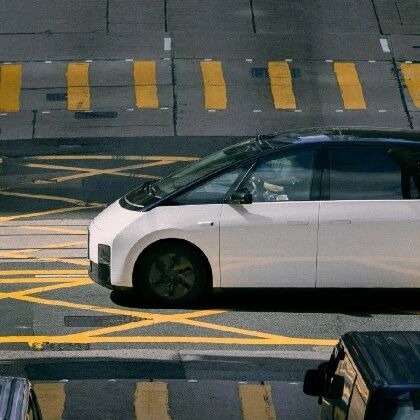
理想i8i6双车主分享对产品/宣传/舆情的感受
理想TOP2· 2025-11-07 03:39
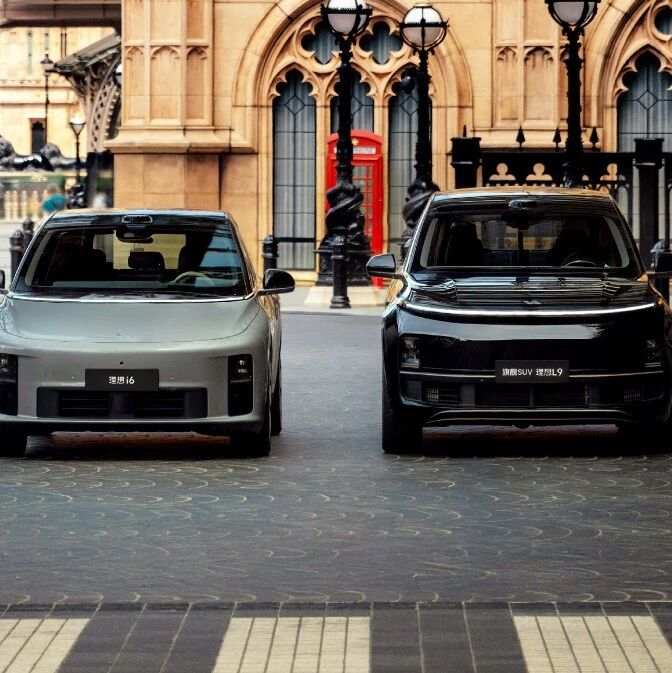
Core Viewpoint - The article discusses the experiences and perceptions of a user regarding the Li Auto i8, highlighting both positive aspects and areas for improvement in comparison to competitors like Tengshi N7 and other models in the market [1][3][4]. User Experience and Product Evaluation - The user initially had a negative experience with the Tengshi N7, leading to a significant loss upon resale, but found the i8 to exceed expectations in comfort, intelligent features, and charging speed [1][3]. - The i8's comfort level, including seat and chassis performance, was rated highly, with NVH (Noise, Vibration, and Harshness) performance being notably quiet [3]. - The intelligent driving system of the i8 performed well during long-distance travel, significantly reducing driver fatigue [3]. Critique of Current Products - There is a perception that Li Auto has not fully capitalized on its opportunities, with concerns about the aesthetic appeal of the L series and the MEGA model's design [4]. - The i8's sales performance is seen as underwhelming due to its lack of standout visual appeal and limited color options, which may hinder its market competitiveness [4]. - The i6 model also faces similar aesthetic criticisms despite its strong product capabilities [4]. AI and Intelligent Driving Perception - While the AI features in the i8 are advanced, there are instances of performance issues, such as system lag and incorrect responses, which detract from the overall user experience [5]. - The intelligent driving system, although impressive, has occasional flaws, such as running red lights, leading to a perception that competitors like Tesla maintain an edge in this area [5]. Public Sentiment and Communication - The article notes a significant amount of negative public sentiment towards Li Auto, including various criticisms and safety concerns, which the company has not adequately addressed [6][7]. - There is a call for more proactive communication from Li Auto's management to clarify misconceptions and reassure current and potential customers about product safety and performance [7][9]. Future Product Expectations - Users express a desire for a broader range of models from Li Auto, including more affordable options and luxury variants, to better meet diverse market demands [8]. - The article suggests that addressing public sentiment and expanding the product lineup could enhance Li Auto's market position and customer satisfaction [9].


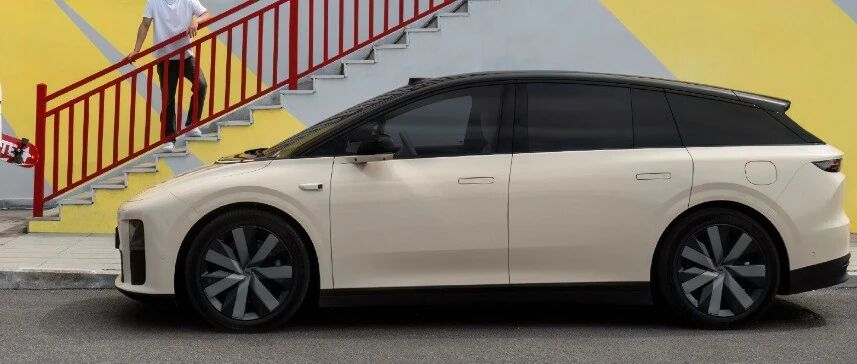
时睦华对比问界M8与理想L9
理想TOP2· 2025-11-06 04:48
Core Viewpoint - The article compares the Ideal L9 and the AITO Wenjie M8, highlighting that the Ideal L9 focuses on high quality and subtle ergonomic details, similar to Apple, while the Wenjie M8 emphasizes flashy technological features, akin to Huawei [1]. Group 1: Advantages of AITO Wenjie M8 - The second-row zero-gravity seats in the M8 provide superior comfort, allowing for greater reclining angles and can be used while driving [2]. - The M8 offers a more stimulating technological experience with features like gesture-controlled electric doors and AR-HUD, enhancing consumer appeal [2]. - The driving assistance in the M8 is perceived to have higher efficiency, although it sacrifices some comfort and safety [2]. Group 2: Advantages of Ideal L9 - The L9 boasts higher quality materials and craftsmanship in its interior, with premium leather and chrome, while the M8 is criticized for its plastic feel [3]. - Ergonomics are a significant advantage for the L9, with better seat comfort and design, making it more suitable for long drives [4]. - The L9's blind spot imaging does not obstruct navigation, unlike the M8, which can obscure critical information [5]. - The L9's vehicle system is optimized for in-car use, providing better functionality compared to the M8's system, which is seen as a mere adaptation of a tablet interface [6]. - The L9 features a more advanced voice assistant capable of understanding complex commands, while the M8's assistant is limited to basic instructions [6]. - The L9's driving experience is smoother, with a more responsive throttle, enhancing passenger comfort [6]. - The L9 is designed with family safety in mind, featuring child-friendly elements and better overall comfort [6]. Group 3: Overall Recommendation - The analyst strongly recommends the Ideal L9, stating that despite being on the market for three years, its product strength remains impressive due to meticulous attention to detail [7].
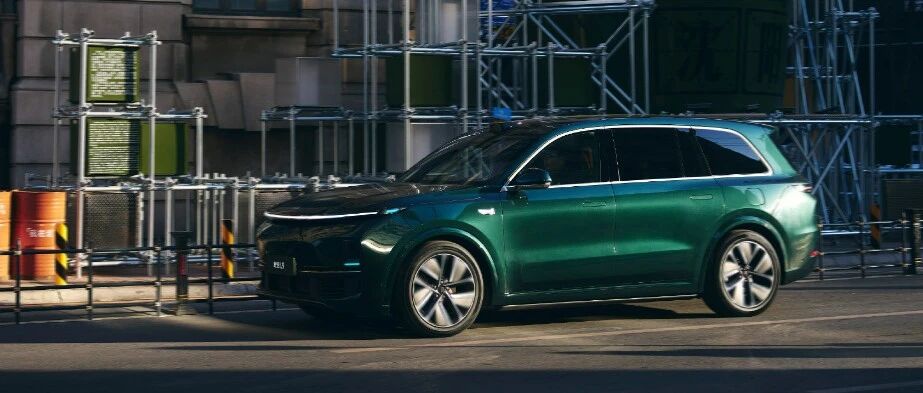
理想向合作伙伴分享未来三年的战略展望
理想TOP2· 2025-11-05 10:29
Core Viewpoint - The article emphasizes the strategic vision and collaborative efforts of Li Auto as it celebrates its tenth anniversary, focusing on innovation, partnership, and future growth in the electric vehicle industry [5][20]. Group 1: Event Overview - The 2025 Global Partner Conference was held on October 30, 2025, in Changzhou, with over 600 global partners attending to celebrate the company's achievements and discuss future strategies [5][6]. - The theme of the conference was "Win-Win, Innovation, Nexus," highlighting the collaborative ecosystem that Li Auto aims to build with its partners [2][5]. Group 2: Strategic Insights - Li Auto's management team outlined a strategic roadmap for the next three years, focusing on product development, technological advancements, and supply chain improvements [9][10]. - The company plans to accelerate the iteration speed of its technology platforms and products to maintain a competitive edge in the market [4][10]. Group 3: Technological Innovations - The conference showcased innovations such as AI-driven flexible manufacturing, advanced driver assistance systems, next-generation power batteries, and smart chassis technologies [3][20]. - The "Smart Chain Park" exhibited the collaborative achievements of Li Auto and its partners over the past decade, emphasizing the resilience and innovation in the electric vehicle sector [20][21]. Group 4: Recognition and Awards - A ceremony was held to honor partners with awards for technical contributions, quality excellence, and collaborative achievements, reinforcing the commitment to continued partnership and value creation [27][32]. - The awards symbolize Li Auto's gratitude for past contributions and its vision for future collaboration in the electric vehicle industry [27][32].
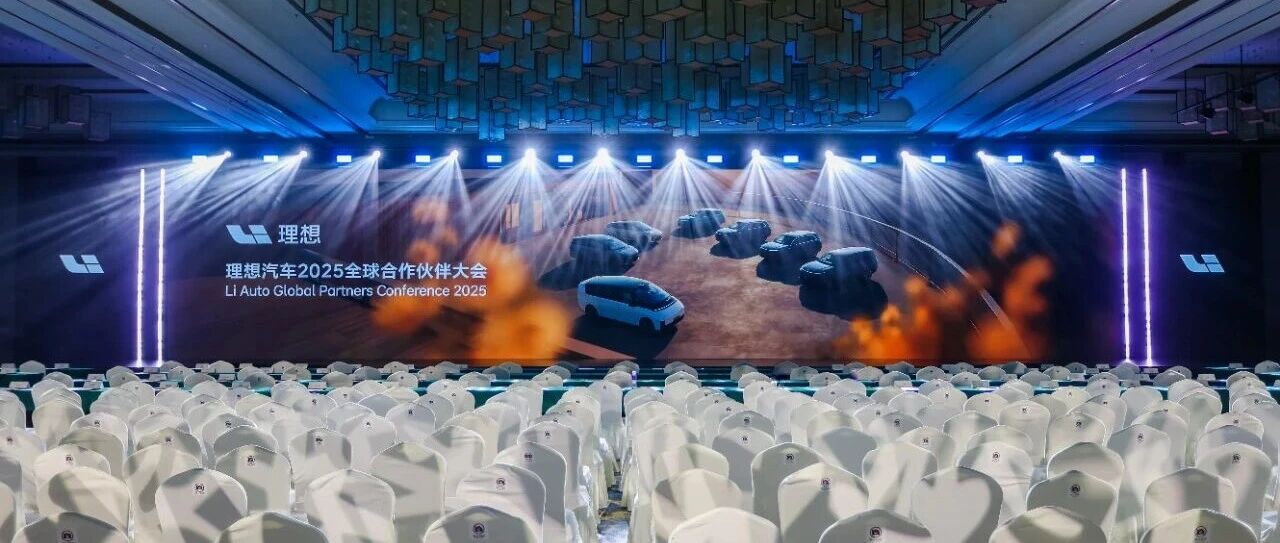
对话郎咸朋:VLA 技术论战、团队换血与不被看好时的自我证明
理想TOP2· 2025-11-05 10:29
Core Viewpoint - The article discusses the evolution and strategic decisions of Li Auto's autonomous driving team, particularly focusing on the development of the VLA (Vision-Language-Action) model, which aims to enhance the driving experience by enabling the system to think like a human rather than merely mimicking driving behavior [3][4][20]. Organizational Changes - On September 19, Li Auto restructured its autonomous driving R&D department into 11 secondary departments to promote a more efficient AI-oriented organization [6]. - The restructuring aims to enhance communication and decision-making efficiency, with all department leaders reporting directly to the head of the autonomous driving team [7]. Technical Development - Li Auto's autonomous driving team initially faced challenges due to late entry into the market, but has since made significant progress by adopting an "end-to-end" approach and now focusing on the VLA model [3][4]. - The VLA model utilizes multi-modal AI to improve the driving experience, emphasizing the system's ability to think and reason [3][4][20]. Industry Reactions - Industry experts, including Huawei and Bosch representatives, have expressed skepticism about the feasibility of the VLA model, citing challenges in multi-modal feature alignment and data training [4][22]. - The criticism from competitors is viewed by Li Auto as validation of the VLA's potential, suggesting that the model's complexity is a necessary step for advancement [20][25]. Future Outlook - Li Auto anticipates that by early next year, significant improvements in the VLA model will be evident, enhancing its competitive position in the autonomous driving market [4][25]. - The company aims to achieve L4 level autonomous driving by 2027, with a focus on building a robust data feedback loop to continuously improve the system's capabilities [43][44].

郎咸鹏给理想VLA新画的4个饼以及值得留意的5点
理想TOP2· 2025-11-04 13:33
Core Viewpoint - The article discusses the future of Li Auto's VLA technology, emphasizing the importance of a reinforced learning loop and the potential for significant advancements in autonomous driving capabilities by 2027 [1][2]. Short-term Outlook - Li Auto aims to establish a reinforced learning loop by the end of 2025, which is expected to enhance user experience significantly, making the vehicle feel more "alive" and responsive [1]. Mid-term Outlook - With the reinforced learning loop in place, Li Auto anticipates surpassing Tesla in the Chinese market due to its advantageous environment for iterative improvements [1]. Long-term Outlook - The VLA technology is projected to achieve Level 4 autonomy, with the expectation of new technologies emerging beyond this milestone [1]. Business Process Transformation - The transition to reinforced learning is not just a technical change but a fundamental business transformation that will create a competitive moat for the company [1][3]. Team Dynamics and Leadership - The restructuring of the autonomous driving team focuses on building a robust business system rather than relying on individual talents, with an emphasis on internal talent development [7][8]. AI and Computational Needs - The current intelligence requirements for driving are considered low, and after the business process reform, clearer insights into computational needs will emerge [3][4]. Competitive Landscape - The article suggests that multiple players will exist in the autonomous driving space, and the narrative of having unique capabilities may not constitute a strict competitive moat [2][8]. Data and Model Development - The importance of data quality and distribution in training models is highlighted, with a focus on addressing corner cases to enhance system performance [9]. Strategic Insights - Li Auto's strategy emphasizes the need for substantial resource allocation and continuous investment in AI technology, akin to the role of Elon Musk at Tesla [8][12]. Organizational Structure - The restructuring of the autonomous driving department includes the formation of various specialized teams to enhance operational efficiency and employee engagement [7][11]. Future Projections - By 2027, the industry may shift away from traditional metrics like MPI, indicating a potential evolution in performance evaluation standards [11].
李想谈与DeepSeek梁文锋聊完后印象最深的两点
理想TOP2· 2025-11-03 07:33
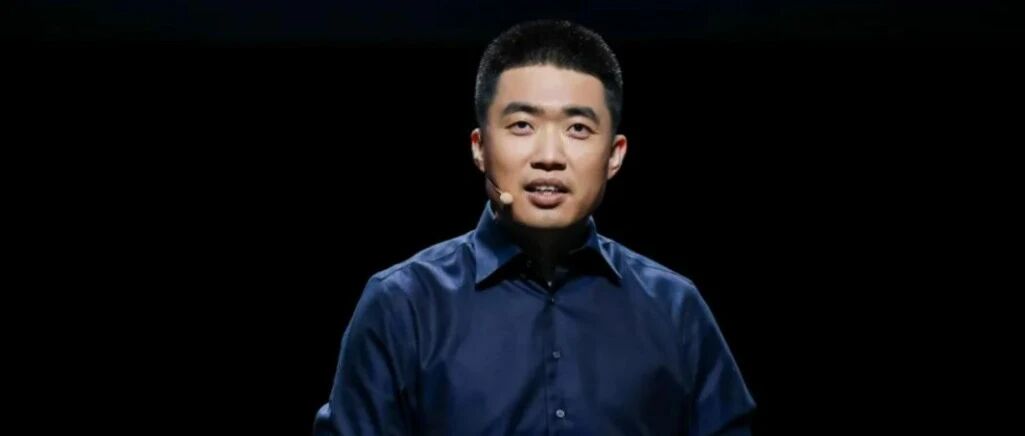
Core Insights - The article discusses the leadership philosophy of Li Xiang, emphasizing the importance of young talent in research and development, and the unique management styles within the company [1][7][11] Group 1: Leadership Philosophy - Li Xiang believes that experience can be a barrier to research, advocating for a high proportion of fresh graduates in research teams, which currently stands at around 60-70% [1][7] - The company employs different management styles for various teams, including manufacturing, operating systems, and autonomous driving, with a core team of about 200 people dedicated to end-to-end autonomous driving [6][7] - Li Xiang admires Liang Wenfeng's self-discipline and his approach to researching global best practices, which has influenced the company's operational strategies [4][5][11] Group 2: AI and Engineering Insights - Li Xiang expresses confidence in his engineering background, stating that while he may be misled in AI science, he cannot be deceived in AI engineering due to his strong engineering mindset [2][16] - The company has benefited from the open-source project DeepSeek, which accelerated their development timeline for language models by nine months [5][8] - Li Xiang emphasizes the importance of structural questioning in engineering, which aids in improving team efficiency and problem-solving [18] Group 3: Talent Acquisition and Competition - The company is focused on attracting talent by emphasizing its commitment to AI and the importance of real-world applications, which enhances its appeal to potential recruits [10] - Li Xiang notes that while competitors may have larger teams, the company's smaller, focused team has achieved superior product experiences in autonomous driving [6][7] Group 4: Best Practices and Growth - Li Xiang identifies growth as a central theme in his leadership, linking personal development to user value and commercial success [15] - The company aims to internalize best practices, particularly in research and analysis, to enhance success rates in various projects [13][14]
詹锟兼任理想美国硅谷研发中心负责人并将直播讨论世界模型与VLA
理想TOP2· 2025-11-03 07:33
Core Viewpoint - The article discusses the advancements in Tesla's FSD v14 and explores the potential of VLA (Vehicle Language Architecture) in defining the next generation of autonomous driving solutions, comparing it with WA (World Model Architecture) [1]. Group 1: Technology Discussion - The article highlights the exploration of world models and the future development direction of VLA, questioning the possibility of a unified approach [3]. - It emphasizes the high demand for data and computing power, which is making it increasingly difficult for academia to participate in the intelligent driving sector, while also considering what opportunities remain for academic involvement [3]. Group 2: Expert Insights - The article features insights from various experts in the field, including a senior director from Li Auto's VLA team, a senior algorithm scientist from Bosch, and a parking team leader from Changan Automobile, indicating a diverse range of perspectives on the topic [4]. - The discussion is moderated by a professor from Shanghai Jiao Tong University, showcasing the academic interest in the advancements of autonomous driving technologies [6].
理想DrivingScene: 两帧图像实时重建动态驾驶场景
理想TOP2· 2025-11-02 09:08
Research Background and Challenges - The safety and reliability of autonomous driving systems heavily depend on 4D dynamic scene reconstruction, which includes real-time, high-fidelity environmental perception in 3D space plus the time dimension. The industry faces two core contradictions: the limitations of static feedforward solutions, which assume "no dynamics in the scene," leading to severe artifacts when encountering moving targets like vehicles and pedestrians, making them unsuitable for real driving scenarios [1]. Core Innovations - Harbin Institute of Technology, in collaboration with Li Auto and other research teams, has achieved three key design breakthroughs to unify "real-time performance, high fidelity, and multi-task output" [2]. Related Work Overview - Static driving scene reconstruction methods include DrivingForward, pixelSplat, MVSplat, and DepthSplat, which have shown limitations in adapting to dynamic environments [3]. Key Technical Solutions - A two-stage training paradigm is proposed, where a robust static scene prior is learned from large-scale data before training the dynamic module, addressing the instability of end-to-end training and reducing the complexity of dynamic modeling [4]. - A hybrid shared architecture with a residual flow network is designed, featuring a shared depth encoder and a single-camera decoder to predict only the non-rigid motion residuals of dynamic objects, ensuring cross-view scale consistency and computational efficiency [4]. - A pure visual online feedforward framework is introduced, which inputs two consecutive panoramic images to output 3D Gaussian point clouds, depth maps, and scene flows in real-time, meeting the online perception needs of autonomous driving without offline optimization or multi-modal sensors [4]. Experimental Validation and Results Analysis - The method significantly outperforms existing feedforward baselines in quantitative results, achieving a PSNR of 28.76, which is 2.66 dB higher than Driv3R and 2.7 dB higher than DrivingForward, and an SSIM of 0.895, indicating superior rendering fidelity [28]. - The efficiency analysis shows that the proposed method has a faster inference time of 0.21 seconds per frame, which is 38% faster than DrivingForward and 70% faster than Driv3R, with a training cost of approximately 5 days and VRAM usage of 27.3 GB, significantly lower than Driv3R [30]. - Ablation studies confirm the necessity of the residual flow network, two-stage training, and flow distortion loss, highlighting their critical roles in dynamic modeling and rendering quality [32][34].
和一些人交流后, 更深入的分析地平线HSD与理想VLA
理想TOP2· 2025-11-02 09:08
Core Viewpoints - The article presents eight key viewpoints regarding the performance and evaluation of autonomous driving technologies, particularly focusing on the experiences with Horizon's HSD and Li Auto's VLA systems [2]. Group 1: Performance Evaluation - TOP2 found the Horizon HSD software experience during a 1.5-hour test drive in Hangzhou to be significantly better than the current production version of Li Auto's L7 VLA [2]. - There is a possibility that the production version of Horizon's software may not perform as well as the engineering version experienced during the test [2]. - The evaluation of autonomous driving systems is limited by the number of test experiences, as a few tests cannot generalize performance across different regions [3]. Group 2: Technical Architecture - Horizon employs a VA-style end-to-end system, while Li Auto uses a VLA-style end-to-end system, with the naming being a minor distinction [3][9]. - The current technological landscape suggests that VA-style systems may have advantages in user experience due to existing computational and bandwidth limitations [6]. - Li Auto's decision to adopt a VLA-style system is seen as a courageous move, as it requires significant resources and presents various challenges [14]. Group 3: Market Dynamics - The future landscape of autonomous driving operators is uncertain, with a prevailing belief that only a few companies will survive, particularly those capable of self-developing their technologies [4]. - Companies lacking self-research capabilities in autonomous driving may struggle to adapt to the evolving smart vehicle industry [4]. - The article emphasizes that autonomous driving is not merely a selling point but a differentiating capability that can lead to high market concentration due to low marginal costs [4]. Group 4: User Experience Insights - Feedback from Horizon personnel indicated that the performance of their systems in extreme weather and complex scenarios is generally average, highlighting the need for comprehensive testing [5][6]. - The experiences reported during the test drives varied significantly based on the vehicle models and their respective chip capabilities, indicating that performance can be inconsistent [7]. - The article suggests that the perception of Horizon's HSD performance may be overly positive due to selective testing locations and conditions [8].
如何做出MEGA召回决定更多的细节
理想TOP2· 2025-11-01 04:42
Core Viewpoint - The company acknowledges a significant incident involving battery thermal runaway and emphasizes the importance of safety and proactive measures in vehicle management [2][5]. Incident Analysis - The company has delivered over 1.4 million vehicles without any thermal runaway incidents due to external factors, attributing this to robust quality control and an AI-based quality warning system [2]. - Prior to the incident, the cloud system reported a battery insulation fault over four hours before the event, and the vehicle had entered a breakdown state due to battery issues [3]. - The failure to take immediate action despite the warnings is attributed to complacency, as the company had not previously encountered such issues [3]. Cause of the Incident - The root cause of the insulation short circuit was determined not to be the battery cells themselves, but rather corrosion of the aluminum plate due to inadequate coolant protection [4]. - The company recognizes the need for zero tolerance regarding safety risks, even if they are perceived as low probability [4]. Recall Decision - A consensus was reached among company leaders to initiate a recall to replace affected components, prioritizing safety over cost considerations [5]. - The recall process was expedited, with preparations for new battery and motor controller production underway [5][6]. Production Capacity Challenges - The current production capacity for batteries is 3,300 units per month, necessitating suppliers to ramp up production capabilities for the recall [6]. Leadership Involvement - Notably, the company's founder did not participate in the recall decision meetings, indicating a unified commitment to safety among the leadership team [6]. User Communication - The company expresses sincere apologies to users affected by the incident, acknowledging the inconvenience caused [8].