理想TOP2

Search documents
包含长城汽车在内16家公司签署《星环OS社区章程》
理想TOP2· 2025-09-28 15:08
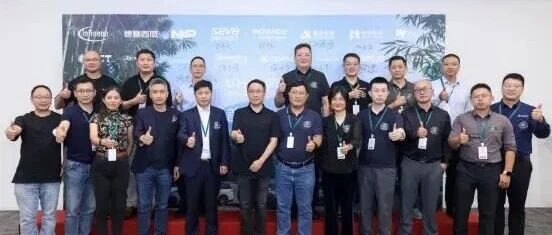
Core Viewpoint - The establishment of the Star Ring OS community aims to foster collaboration among key players in the automotive and technology sectors, promoting an open-source platform that addresses industry challenges and enhances AI integration [1][3]. Group 1: Community Formation and Partnerships - The first advisory committee meeting for Star Ring OS was held, with 16 ecosystem partners from various sectors signing the community charter, including automotive chips, software services, hardware, and vehicle manufacturing [1]. - Since its open-source announcement, the company has formed partnerships with over 30 enterprises and communities [1]. Group 2: Governance Principles and AI Integration - The advisory committee established four core governance principles: openness, neutrality, sharing, and co-construction [3]. - Star Ring OS aims to integrate deeply with AI technologies, focusing on hardware-software collaboration and shared computing power as foundational elements for enhancing system capabilities [3]. Group 3: Safety and Development Standards - To ensure high reliability and safety, Star Ring OS will advance functional safety certification and establish a technical working group to create a complete safety evidence chain [4]. - The platform will provide a unified system development standard and long-term maintenance mechanisms to ensure version compatibility and consistency [4]. Group 4: Community Governance Structure - The Star Ring OS community will adopt a governance model of "Advisory Committee + Special Interest Groups (SIGs)," focusing on six key areas: hardware ecosystem and certification, AI frameworks and empowerment, core systems, functional safety, information security, and toolchains [5]. - The average issue resolution time within the community has significantly decreased from 50 days to 10 days [5].



李想本身倾向i6没有二排电视
理想TOP2· 2025-09-28 15:08
Core Insights - The company is focusing on user preferences for vehicle features, particularly regarding the i6 model's second-row screen options, which have seen significant uptake among customers [1][2] - The i8 model's second-row television option has an installation rate exceeding 80%, while the i6's rate is over 50%, indicating strong consumer interest in these features [1][2] Group 1 - The i6 model's second-row television option has a selection rate of over 40%, with other features like premium sound and all-wheel drive also showing notable selection rates [2] - The design decisions for the L9 model, including the second-row television, were influenced by the company's founder, who initially had reservations about certain features but ultimately allowed them based on team input [2] - The company emphasizes the importance of user experience, as seen in the discussions around the i6's sunroof and structural integrity, which are designed to enhance customer satisfaction [1] Group 2 - The company is actively engaging with customers through social media platforms to discuss the operational performance and long-term fundamentals of the brand [3]

理想CTO谢炎在云栖大会分享理想自动驾驶芯片设计思路
理想TOP2· 2025-09-27 08:58
Core Viewpoint - The article discusses the evolution of intelligent driving algorithms and the importance of data flow architecture in the context of autonomous driving technology, emphasizing the need for advanced computational architectures to handle increasing demands for processing power and reasoning capabilities. Group 1: Evolution of Intelligent Driving Algorithms - The evolution of autonomous driving algorithms can be divided into three phases: the initial phase relied on rule-based algorithms, the second phase shifted towards end-to-end (E2E) learning, and the current phase is focusing on integrating visual language models (VLM) with reinforcement learning (RL) to enhance decision-making capabilities [4][5][6]. Group 2: Importance of Language Models - Language models are deemed essential for achieving long reasoning capabilities in autonomous driving, as they enable the system to generalize and handle corner cases that cannot be addressed solely through data collection or world models [7][8]. - The psychological aspect of having a driving model that aligns with human values and reasoning is highlighted, suggesting that language models can help instill a human-like worldview in autonomous systems [8][9]. Group 3: Computational Architecture - The article critiques the traditional von Neumann architecture, which prioritizes computation over data, and proposes a shift towards data-driven computation to better handle the complexities of AI processing [12][13]. - The company has developed a unique NPU architecture that focuses on data flow rather than traditional SOC designs, aiming to improve efficiency and performance in AI inference tasks [17][18]. Group 4: Performance Metrics - The performance of the company's NPU architecture is reported to be significantly higher than existing solutions, achieving up to 4.4 times the performance in CNN tasks and 2 to 3 times in LlaMA2 7B tasks, while maintaining similar transistor counts [2][18].

理想i8车主分享用车体验
理想TOP2· 2025-09-27 08:58
Core Viewpoint - The article highlights the positive user experience of the Li Auto i8, emphasizing its driving performance, advanced autonomous driving capabilities, and intuitive in-car system, suggesting that the vehicle offers a unique and enjoyable experience that may not be fully appreciated during a test drive [1][3]. Group 1: Driving Experience - The vehicle's suspension settings significantly enhance driving control, with a lower suspension providing a stronger handling feel compared to the standard setting [2] - The braking performance is impressive for a heavy vehicle, allowing for confident high-speed driving and quick stops [2] - The vehicle demonstrates stability and acceleration capabilities, outperforming competitors in a speed comparison [2] Group 2: Autonomous Driving - The autonomous driving system effectively handles complex routes with zero manual intervention, instilling confidence in the driver over time [2] - The vehicle's ability to remember frequently traveled routes and automatically navigate to parking spots enhances user convenience [2] Group 3: In-Car System - The in-car system is user-friendly, with features like easily adjustable radar sounds and automatic suggestions for naming frequently used parking spots [3] - The vehicle is described as a "robot" that understands user preferences, indicating a shift towards more personalized automotive technology [3] - The article suggests that the true value of the vehicle can only be appreciated through extended use rather than short test drives, highlighting a potential barrier for consumers [3] Group 4: Market Comparison - The author expresses curiosity about the capabilities of other brands like Huawei, NIO, and Denza, indicating a competitive landscape in the new energy vehicle market [4] - There is a recognition of the challenges faced by Li Auto in differentiating itself from competitors, particularly in terms of consumer perception and experience [3][4]
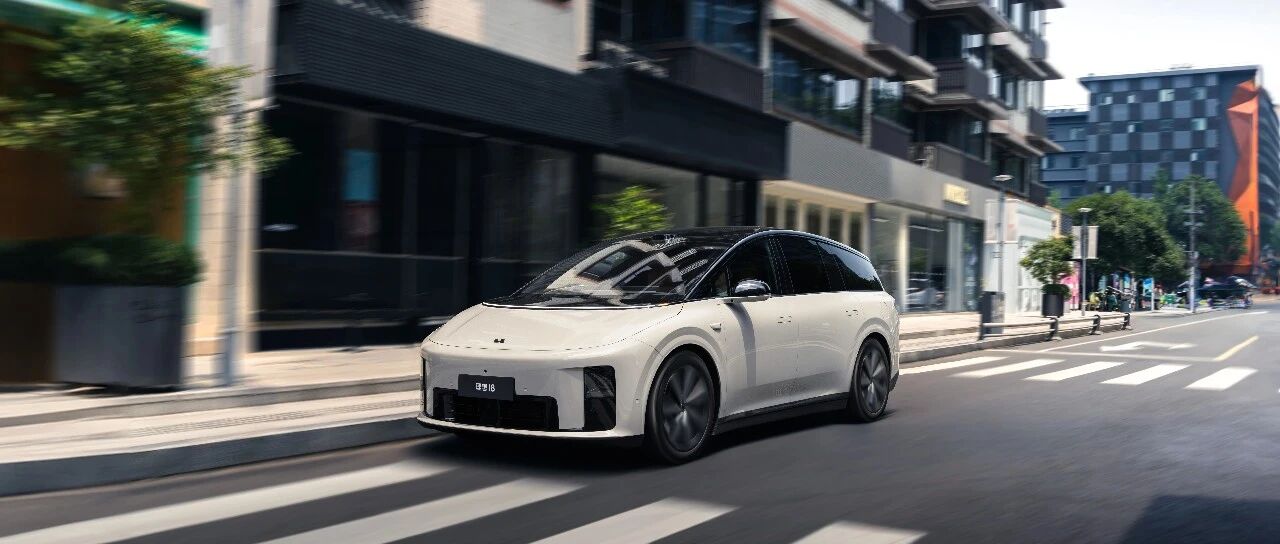
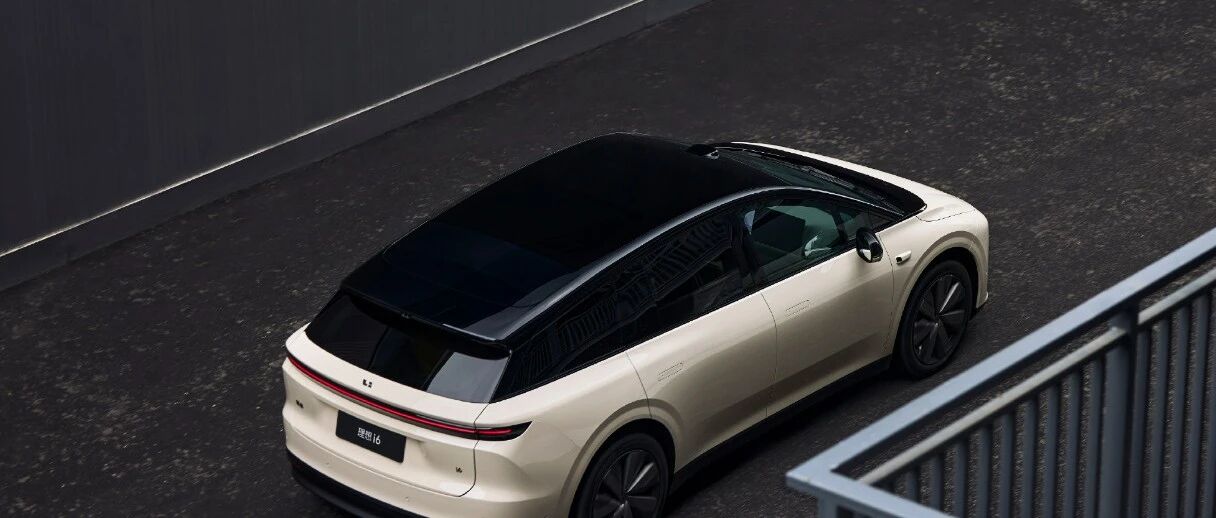
理想i6已发布, 8点有待后续验证
理想TOP2· 2025-09-26 12:07
Core Viewpoint - The i6 orders are considered to be above good, with expectations for delivery and market performance being closely monitored in the upcoming months [1]. Group 1: Order and Delivery Expectations - By October 15, 2025, the company will have insights on potential negative public sentiment regarding i6 orders, expected order volume for the year, and delivery capacity [1]. - By January 15, 2026, the company will assess the impact of potential replacement subsidies and tax reductions on i6 orders [1][2]. - By March 1, 2026, the company will evaluate customer feedback on the i6 and other models post-Spring Festival, as well as projected sales for the first half of 2026 [2]. Group 2: Product Features and Comparisons - The i6 offers a comprehensive set of features at its price point, including a refrigerator, advanced suspension, and superior cabin technology compared to competitors [3]. - The i6 has a smaller perceived difference in quality compared to the L6 and L7 models, with notable features such as electric doors and additional comfort options [4]. - The i6 is expected to sell out its production capacity by the end of October, with potential changes in pricing strategies following the initial sales period [4]. Group 3: Market Dynamics and Challenges - The faster the i6 production capacity is sold, the more optimistic the market outlook will be, although uncertainties regarding tax increases and replacement subsidies may impact short-term orders [5]. - The complexity of market dynamics makes it challenging to quantitatively analyze the impact of known data on future orders, indicating a level of unpredictability in the automotive industry during this transitional phase [5].

基于313篇VLA论文的综述与1661字压缩版
理想TOP2· 2025-09-25 13:33
Core Insights - The emergence of Vision Language Action (VLA) models signifies a paradigm shift in robotics from traditional strategy-based control to general robotic technology, enabling active decision-making in complex environments [12][22] - The review categorizes VLA methods into five paradigms: autoregressive, diffusion-based, reinforcement learning, hybrid, and specialized methods, providing a comprehensive overview of their design motivations and core strategies [17][20] Summary by Categories Autoregressive Models - Autoregressive models generate action sequences as time-dependent processes, leveraging historical context and sensory inputs to produce actions step-by-step [44][46] - Key innovations include unified multimodal Transformers that tokenize various modalities, enhancing cross-task action generation [48][49] - Challenges include safety, interpretability, and alignment with human values [47][56] Diffusion-Based Models - Diffusion models frame action generation as a conditional denoising process, allowing for probabilistic action generation and modeling multimodal action distributions [59][60] - Innovations include modular optimization and dynamic adaptive reasoning to improve efficiency and reduce computational costs [61][62] - Limitations involve maintaining temporal consistency in dynamic environments and high computational resource demands [5][60] Reinforcement Learning Models - Reinforcement learning models integrate VLMs with reinforcement learning to generate context-aware actions in interactive environments [6] - Innovations focus on reward function design and safety alignment mechanisms to prevent high-risk behaviors while maintaining task performance [6][7] - Challenges include the complexity of reward engineering and the high computational costs associated with scaling to high-dimensional real-world environments [6][9] Hybrid and Specialized Methods - Hybrid methods combine different paradigms to leverage the strengths of each, such as using diffusion for smooth trajectory generation while retaining autoregressive reasoning capabilities [7] - Specialized methods adapt VLA frameworks to specific domains like autonomous driving and humanoid robot control, enhancing practical applications [7][8] - The focus is on efficiency, safety, and human-robot collaboration in real-time inference and interactive learning [7][8] Data and Simulation Support - The development of VLA models heavily relies on high-quality datasets and simulation platforms to address data scarcity and testing risks [8][34] - Real-world datasets like Open X-Embodiment and simulation tools such as MuJoCo and CARLA are crucial for training and evaluating VLA models [8][36] - Challenges include high annotation costs and insufficient coverage of rare scenarios, which limit the generalization capabilities of VLA models [8][35] Future Opportunities - The integration of world models and cross-modal unification aims to evolve VLA into a comprehensive framework for environment modeling, reasoning, and interaction [10] - Causal reasoning and real interaction models are expected to overcome limitations of "pseudo-interaction" [10] - Establishing standardized frameworks for risk assessment and accountability will transition VLA from experimental tools to trusted partners in society [10]

雷军年度演讲表示明天理想i6发布会,可以考虑一下理想i6
理想TOP2· 2025-09-25 13:33
Group 1 - The core viewpoint of the article highlights the competitive landscape in the electric vehicle market, particularly focusing on the preferences expressed by Lei Jun regarding various models such as Model Y and Li Xiang's vehicles [1][5] - Lei Jun's endorsement of Model Y as a strong option for consumers, alongside the mention of other domestic vehicles like Li Xiang's i6, indicates a growing competition in the EV sector [1] - The mention of a potential purchase of a Li Xiang L6 contingent on social media engagement reflects the influence of public sentiment and social media on consumer choices in the automotive industry [1][5] Group 2 - The article suggests a community engagement approach, encouraging deeper discussions about the operational status and long-term fundamentals of Li Xiang, indicating a focus on transparency and consumer interaction [6]
李想: 年轻就应该掌控命运,与众不同
理想TOP2· 2025-09-25 13:33
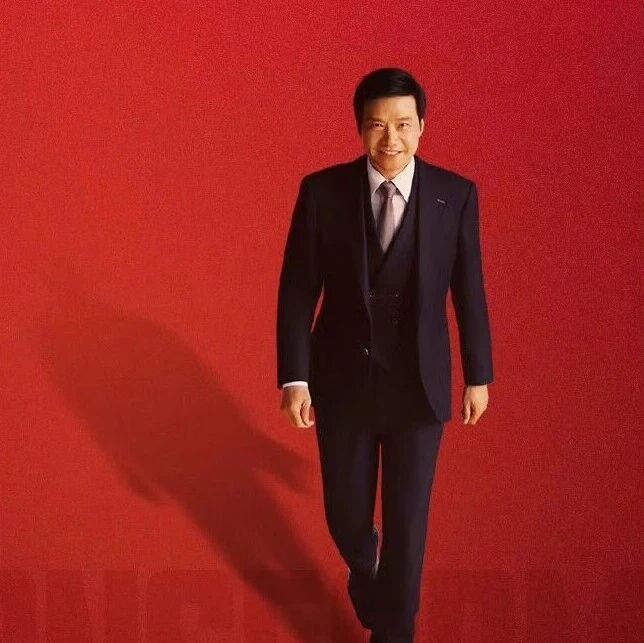
Core Viewpoint - The company aims to create a groundbreaking product with the Li Xiang i6, positioning it as the best electric vehicle and an advanced AI terminal that caters to both young consumers and those in their 40s, reflecting a desire for control over one's destiny and uniqueness in the market [1]. Group 1 - The Li Xiang i6 project was initiated with the vision of developing a product that has never existed before in the automotive industry [1]. - The founder's personal journey with cars, starting from a Volkswagen Polo to owning multiple vehicles, illustrates a deep connection between driving and entrepreneurship, emphasizing the importance of control and freedom [1]. - The company has produced nearly 1.5 million vehicles, showcasing its significant manufacturing capabilities and commitment to innovation in the electric vehicle sector [1].
对理想智驾是否收费的讨论
理想TOP2· 2025-09-24 14:13
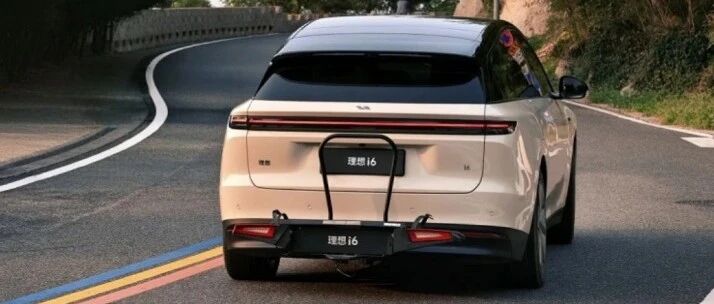
Core Viewpoint - The article emphasizes that advanced driver assistance systems (ADAS) should be provided without additional usage fees, as exemplified by the Li Auto i6, which will come standard with AD Max and have no usage fees, allowing more consumers to experience the benefits of artificial intelligence in vehicles [1][2]. Group 1: Electric Vehicle Market - The first half of the electric vehicle market focused on electrification, which has now been widely adopted, providing consumers with benefits such as quieter operation, environmental friendliness, lower costs, faster acceleration, and reduced maintenance costs [1]. - The key benefit of smart technology currently lies in advanced driver assistance, with future potential in autonomous driving. However, many current ADAS require additional fees, limiting consumer experience with the latest smart technologies [1]. Group 2: AD Max System - Li Auto's AD Max system is positioned as one of the top performers in the market, with the company asserting that it is either first or second in the rankings, with ongoing improvements expected to enhance its recognition [2]. Group 3: Pricing and Business Models - Discussions around pricing for AI agents suggest that costs should be significantly lower than hiring a human driver, with estimates ranging from 2,000 to 3,000 yuan per month compared to 10,000 yuan for a human driver. This could lead to a more cost-effective solution when considering insurance and charging costs [3]. - The debate on whether to charge for advanced driver assistance hinges on whether it is considered a basic need for smart vehicles. Some argue that if it becomes a productivity tool, a subscription model could be justified [4][5]. Group 4: Competitive Landscape - The establishment of a new product's business model is likely to follow the formula of user value versus payment value, considering the incremental value of new experiences over old ones and the costs associated with switching [5]. - The discussion also highlights that subscription models often arise from service providers having marginal costs, while on-device models do not incur such costs, suggesting that charging for on-device AI features may not be necessary [7].
理想产品营销负责人表示有人看懂了i6宣传片
理想TOP2· 2025-09-22 16:56
Core Viewpoint - The promotional video for the Li Auto i6 emphasizes the emotional connection and lifestyle aspirations of the target audience, focusing on young individuals aged 25-35 who seek to express their individuality against societal expectations [1][2]. Group 1: Target Audience and Emotional Appeal - The main characters in the promotional video are young adults, reflecting a demographic that values self-expression and independence, contrasting with societal pressures to conform [1]. - The video addresses the internal conflict of wanting to live authentically while facing external expectations, resonating emotionally with viewers through repeated phrases that highlight this struggle [1][2]. Group 2: Brand Identity and Value Proposition - The brand name "Liang" (理想) cleverly conveys dual meanings, enhancing its marketability and emotional resonance with consumers who aspire to live life on their own terms [2]. - The promotional strategy focuses on establishing a strong emotional connection between the product and the consumer's values, positioning the i6 as a symbol of individuality and self-definition [2]. Group 3: Product Features and Lifestyle Integration - The i6 is portrayed as a versatile tool for freedom and exploration, catering to users' desires for spontaneous travel and relaxation, supported by its advanced charging capabilities and spacious design [3]. - The vehicle is positioned not just as a mode of transportation but as a partner in the user's lifestyle, capable of adapting to various activities and personal expressions [3].