理想TOP2

Search documents
理想智驾二级部门数量从3个调整为11个是次要矛盾
理想TOP2· 2025-09-22 16:56
Core Viewpoints - The role of Li Xiang in Li Auto's autonomous driving can be highly compared to Elon Musk's role in Tesla's autonomous driving, focusing on resource expansion, ensuring continuous investment, and possessing the ability to understand AI fundamentals and participate in technical discussions [1][2][3] - The main contradiction in Li Auto's autonomous driving development lies in the global AI industry's development stage, the matching of various production factors, and the capabilities of Li Xiang [1][5] Group 1: Resource Management - Li Xiang's core functions include expanding resources, ensuring sustained investment, and having the ability to make critical judgments regarding the company's long-term direction and technology roadmap [3][4] - The adjustment of Li Auto's secondary departments from 3 to 11 indicates a minor contradiction under the broader context of resource matching [2] Group 2: Iteration and Development - Li Auto is expected to have multiple high-quality rapid iterations in the next 1-12 months due to a clear iterative direction [2][6] - The focus on enhancing simulation data quality and leveraging existing vehicle computing power is crucial for the development of autonomous driving capabilities [6][7] Group 3: AI and Organizational Structure - Successful implementation of physical AI is essential for Li Auto to excel in autonomous driving, requiring a leader who can make key judgments and adapt the organizational structure accordingly [6][8] - The importance of having the right talent aligned with future needs rather than relying solely on past achievements is emphasized, suggesting that the right fit is more critical than resumes [11]


李想B站11min聊设计 | 文字版与压缩版
理想TOP2· 2025-09-22 12:09
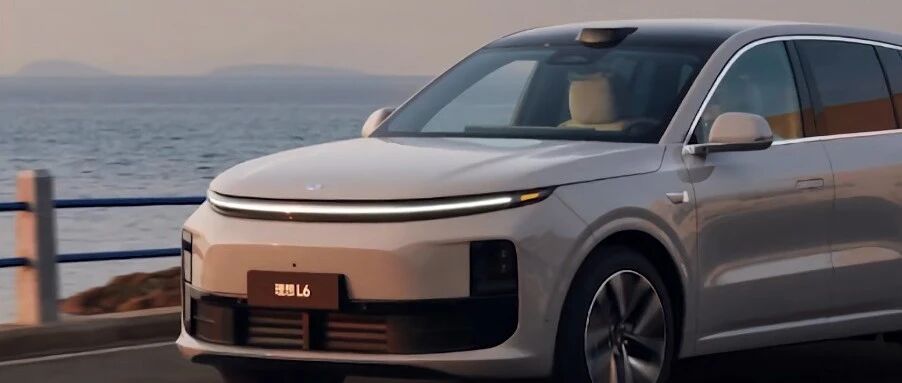
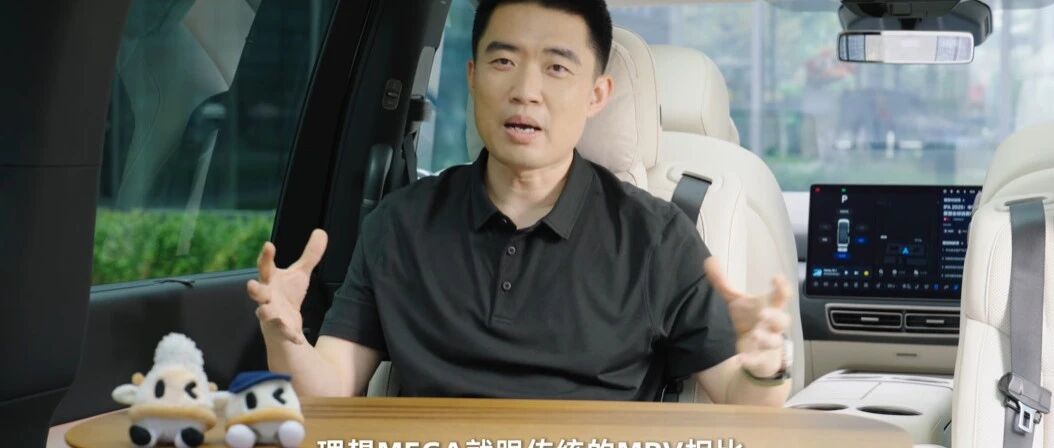
Core Viewpoint - The article emphasizes the importance of integrated design in both electronics and automotive industries, highlighting how companies like Apple and Li Auto leverage control over hardware, software, and algorithms to create superior products [1][6][7]. Design Philosophy - Excellent design meets user needs, while outstanding design exceeds them, as seen in the evolution of the Li Auto L series and MEGA models [1][7]. - The L series has been widely imitated, showcasing its innovative design that deviates from traditional automotive aesthetics [8][9]. Design Features - The MEGA and i6 models are inspired by marine animals, specifically whales and sharks, leading to reduced drag and improved energy efficiency, achieving a 20% reduction in energy consumption compared to traditional designs [9][10]. - The design of these vehicles results in lower noise levels (NVH), providing a quieter driving experience [9][10]. - The vehicles feature a clean side profile and spacious interiors, enhancing the overall premium feel and usability [10][11]. Performance and Handling - The i6 model boasts a low center of gravity, improving handling and safety, and is noted for passing the moose test at speeds over 120 km/h, a first for electric SUVs [11]. - The design allows for excellent visibility, contributing to safer driving conditions [11]. Inspirational Designs - The article references various well-designed products across different categories, such as Braun shavers and DJI products, to illustrate the importance of good design in enhancing user experience [12][13]. Future Outlook - The company aims to continue innovating in electric vehicle design, focusing on originality and functionality to meet modern consumer demands [7][14].
理想发布机器人领域VLA模型优化框架
理想TOP2· 2025-09-21 15:08
Core Viewpoint - The article discusses the introduction of LightVLA, a novel adaptive visual token pruning framework that enhances both the success rate and operational efficiency of robot VLA models, addressing the challenges of traditional models in real-world applications [2][3]. Group 1: Technology Framework - LightVLA operates through three main steps: Query Generation, Token Scoring, and Token Selection, allowing for dynamic and parameter-free generation of token queries based on the importance of visual information [5]. - The framework utilizes Gumbel-softmax sampling to enable a differentiable token selection process, facilitating end-to-end learning and optimization [5]. - In benchmark tests, LightVLA improved the average task success rate from 94.5% to 97.4%, reduced floating-point operations (FLOPS) by 59.1%, and decreased end-to-end latency by 38.2% (from 34ms to 21ms) compared to OpenVLA-OFT [5]. Group 2: Performance and Efficiency - LightVLA demonstrates a good compression rate, retaining approximately 78 visual tokens on average, while the baseline model processes 512 tokens, indicating significant redundancy in visual input [6]. - It is the only VLA acceleration method that enhances model performance while achieving acceleration, surpassing all other existing acceleration methods [7].
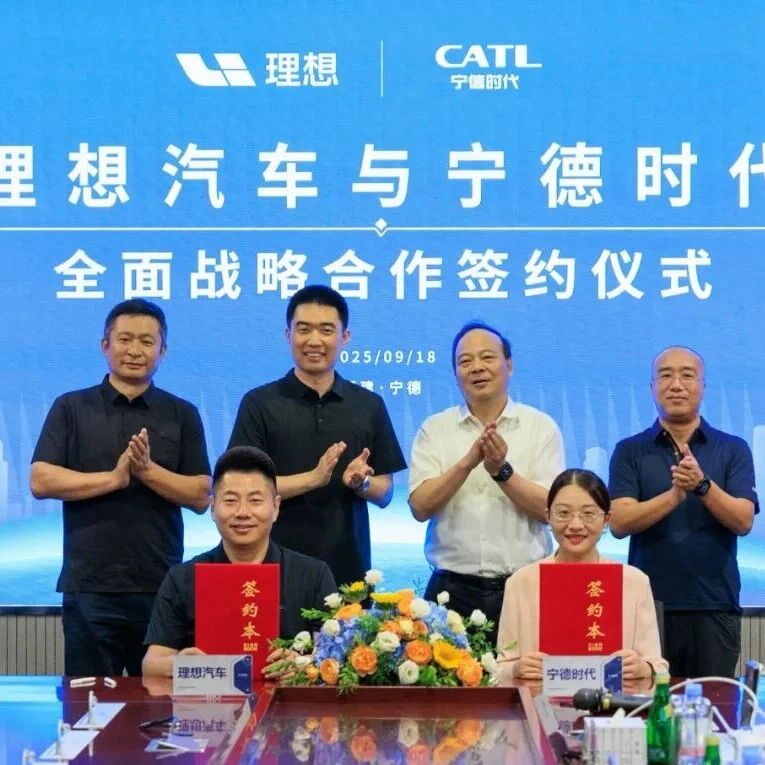
理想与欣旺达成立合资公司, 与宁德时代签署战略合作
理想TOP2· 2025-09-20 14:29
Core Viewpoint - Li Auto and A123 Systems have established a joint venture to produce lithium-ion batteries for electric vehicles, with both companies holding a 50% stake in the new entity, Shandong Li Auto Battery Co., Ltd, which is expected to start production next year [1][3][4]. Group 1: Joint Venture Details - The joint venture will focus on the production, manufacturing, and sales of lithium-ion batteries for electric vehicles [1][3]. - Li Auto's final controlling entity is Li Auto Inc., which specializes in the design, research, production, and sales of electric vehicles [3]. - A123 Systems, established in 2014, focuses on the research and manufacturing of new energy batteries [3]. Group 2: Investment and Development - Li Auto initially planned to invest 200 million yuan in A123 Systems but increased the investment to 400 million yuan at the suggestion of CEO Li Xiang [5]. - The battery research team at Li Auto consists of approximately 200 members, with a strong focus on self-developed battery projects, particularly the 5C supercharging battery [4][5]. - Li Auto has increased its procurement share from A123 Systems to 30% in 2023, indicating a growing reliance on this partnership [6]. Group 3: Strategic Partnerships - Li Auto has signed a five-year comprehensive strategic cooperation agreement with CATL, focusing on battery safety and ultra-fast charging technology [7][8]. - The partnership with CATL aims to enhance battery technology innovation and expand both companies' business globally [8][10]. - As of now, Li Auto has delivered over 1 million vehicles equipped with CATL batteries, with no reported thermal runaway incidents due to battery issues [10].


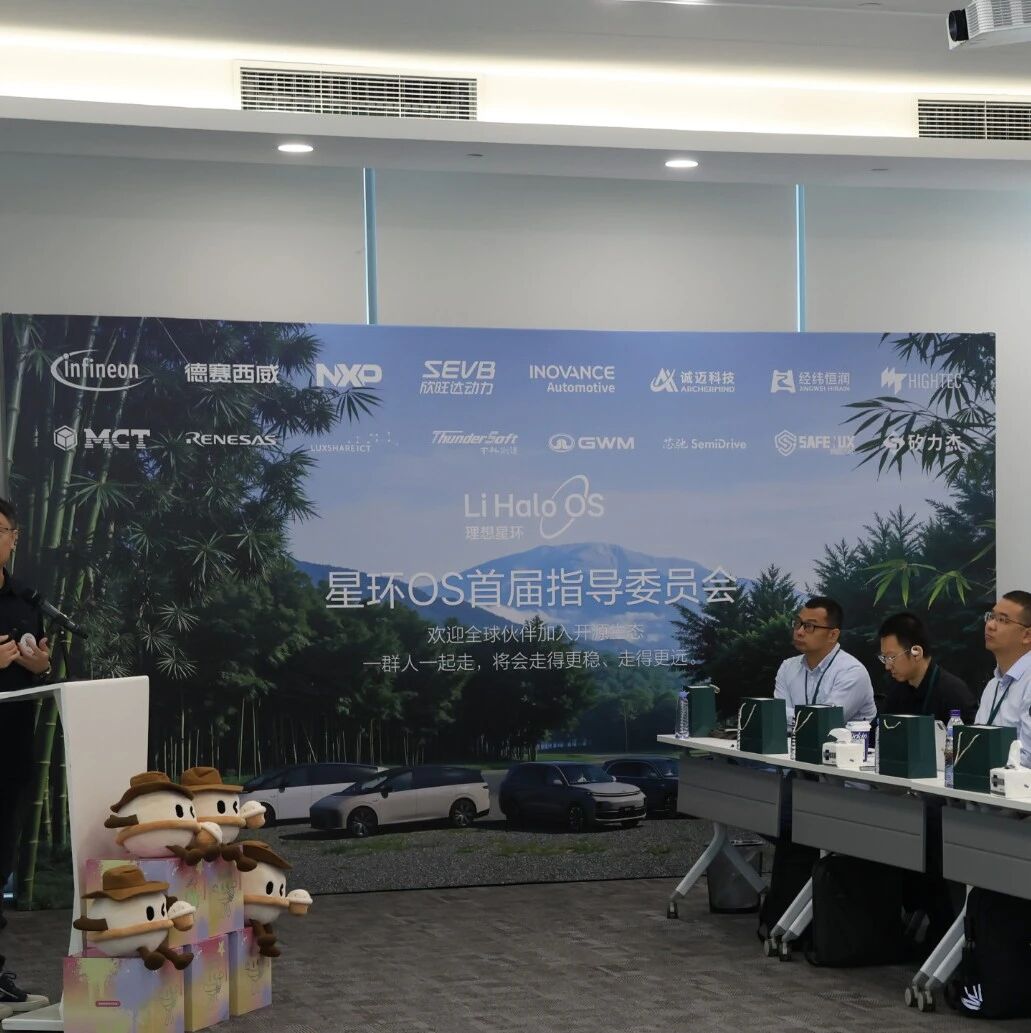
理想星环OS指导委员会成立
理想TOP2· 2025-09-20 14:29
Core Viewpoint - The establishment of the Star Ring OS Advisory Committee marks a significant step in the collaborative development of the open-source ecosystem within the smart automotive industry, with over 30 companies participating and 16 partnerships formalized [1][3]. Group 1 - The Star Ring OS has gained widespread recognition and positive responses from upstream and downstream enterprises in the industry since its open-source launch [1]. - The committee meeting addressed four key challenges: community ecosystem development, open-source operating systems and AI technology routes, functional safety system construction, and mass production delivery capability [3]. - The meeting resulted in the formal approval of the Star Ring OS Advisory Committee's charter, establishing its organizational structure and work mechanisms, and initiating key technology working groups [3]. Group 2 - As of April 23, the core technology stack of Star Ring OS has been successfully open-sourced, including the core operating system layer, communication middleware, development and debugging toolchains, and support for various chip hardware platforms [5]. - The open-source initiative aims to address the issue of redundant investments in basic software within the automotive industry, leading to a healthy development of the Star Ring OS community [5]. - The official "Ideal Star Ring OS" public account has been actively providing in-depth technical columns to explain key technical points in an accessible manner, enhancing knowledge sharing and interaction within the community [5].
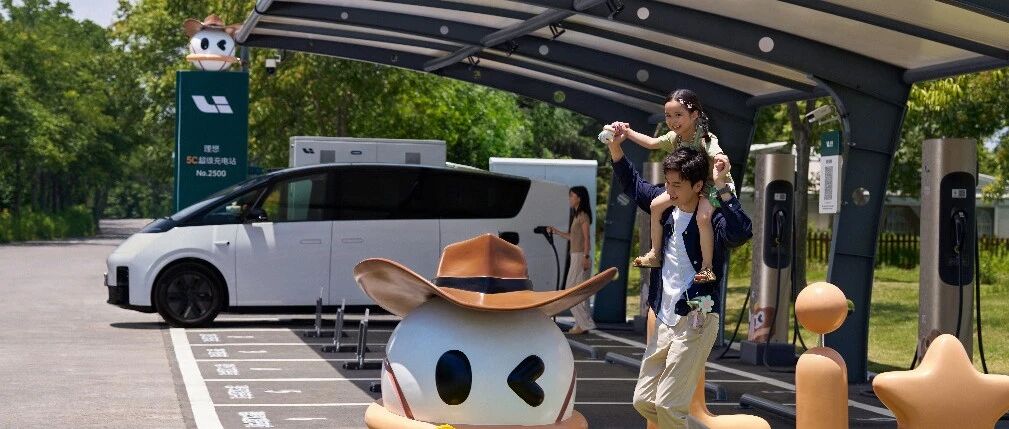
理想25Q3超充报告压缩版
理想TOP2· 2025-09-20 14:29
Core Insights - The article highlights the rapid expansion of the Ideal Supercharging network, with a significant increase in the number of charging stations and the introduction of high-power charging options, particularly the 5C stations, which enhance charging efficiency and accessibility for electric vehicle users [1][3][4]. Expansion of Charging Stations - The number of Ideal Supercharging stations increased from 2,451 to 3,219, adding 768 stations, averaging 8 new stations per day [1]. - As of September 15, 2025, there are over 100 fully equipped 5C stations across the country, with plans to add an estimated 30 more before the National Day holiday [3]. Charging Technology and Efficiency - The 5C charging stations feature a peak charging power of 520 kW for single-gun and 500 kW for dual-gun configurations, allowing for charging from 10% to 80% in just 12 to 13 minutes [4]. - Over 17,000 Ideal Supercharging piles are now high-power stations, with 62% being 4C and 5C types, indicating a focus on high-efficiency charging solutions [4]. Highway Network and Accessibility - The network now includes over 1,000 highway charging stations, with 186 new stations added in the last quarter, primarily located within service areas [6]. - The average distance between charging stations on major highways has been reduced significantly, with some routes now offering stations every 79 kilometers [6]. Strategic Partnerships and Upgrades - Collaborations with local governments and companies are underway to establish 100 fully equipped 5C stations in Fujian province, expected to be operational by the second quarter of next year [9]. - Upgrades are being made to existing stations, transitioning from 2C to 5C charging capabilities, enhancing the overall charging infrastructure [9]. Urban Coverage and Partnerships - The Ideal Supercharging network has established over 2,000 urban stations, covering 264 cities across China, with significant presence in major metropolitan areas [9][11]. - Partnerships with high-end hotels and commercial groups have been formed to integrate charging stations into popular locations, enhancing convenience for users [14][21]. Scenic Routes and Travel Convenience - The network has connected numerous 5A scenic spots and popular travel routes, facilitating electric vehicle travel across various regions [15].
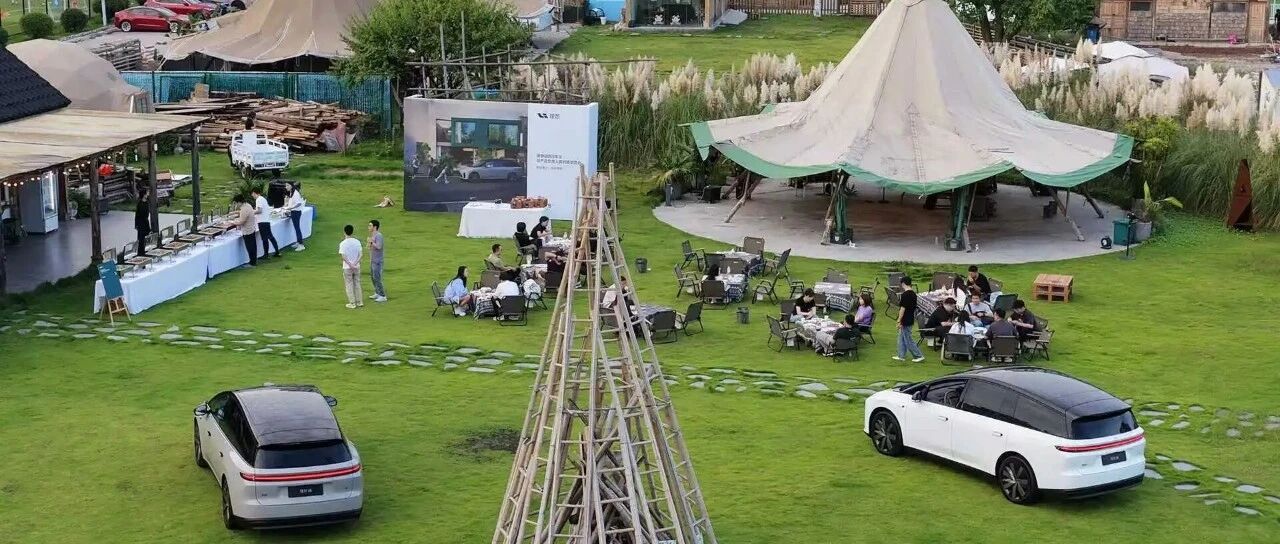
有损压缩张骁成都理想i8车主见面会
理想TOP2· 2025-09-19 13:16
Core Insights - The primary decision-making factor for i8 owners is the cabin design, with storage space being the least important consideration [2] - The i8 is expected to be a slow-burn model due to high explanation costs associated with its features [5] - There is a notable difference between online public sentiment and offline interactions, with offline feedback being more aligned with the company's values [7] Group 1: Product Insights - The i8's rear design does not impact its aerodynamic performance [4] - Common complaints from i8 owners include minor usability details, such as storage space and the zero-gravity seats, as well as dissatisfaction with the VLA system [8] - If the i8's trunk were to be enlarged, it would require a higher design, which would compromise its aerodynamics [15] Group 2: Leadership and Company Culture - Zhang Xiao, the head of the i8 product line, emphasizes the importance of genuine communication, showing a preference for in-depth discussions over social media engagement [7] - Zhang described the founder, Li Xiang, using terms like "pure" and "growth-oriented," indicating a strong alignment with the company's vision [10] - The company is continuously iterating its market understanding, with some insights remaining from 2022-2023 while others are more current [11]
平常心看待理想i6
理想TOP2· 2025-09-18 12:00
Core Viewpoints - The sales performance of the i6 can be interpreted in two ways: good sales may not necessarily lead to positive outcomes, while poor sales could provide valuable lessons for improvement [2][5] - The analogy of quantum mechanics is used to illustrate the uncertainty surrounding the i6's sales performance, suggesting that its success or failure is inherently unpredictable until measured [7][8] Group 1: Sales Projections and Goals - Li Xiang stated that 2025 will be the first year for Li Auto to officially enter the pure electric SUV market, with sales targets for the i6 set at 9,000 to 10,000 units per month, contributing to an overall target of 18,000 to 20,000 units per month for all pure electric models [3] - The sales situation of the i6 will become clearer approximately 1-4 weeks after its release, with further insights expected around March next year due to factors like changes in purchase tax [8] Group 2: Historical Context and Lessons Learned - Li Xiang's past experiences, including challenges faced during the early days of his career, have shaped his approach to leadership and communication, emphasizing the importance of learning from difficulties [4] - The struggles of other companies, such as BYD and NVIDIA, highlight that periods of poor performance can lead to significant growth and eventual success [5][6] Group 3: Quantum Mechanics Analogy - The concept of true randomness in quantum mechanics is likened to the uncertainty of the i6's sales performance, where various potential outcomes exist until actual sales data is observed [7][9] - The analogy suggests that the initial sales data will provide a clearer picture of the i6's market performance, akin to the collapse of a quantum state upon measurement [8][9]

和理想基座模型负责人交流我之前说的对理想有帮助的字节论文
理想TOP2· 2025-09-17 05:01
Core Viewpoint - Both Li Auto and ByteDance independently discovered a fundamental issue in the exploration of agents, leading to similar solutions and effects based on their respective business characteristics [2][4]. Group 1: Solutions and Algorithms - Li Auto's approach is more focused on efficient and practical engineering solutions, while ByteDance's method is supported by more formal and comprehensive mathematical theorems, considering all possible scenarios [3][27]. - Li Auto proposed the AWE algorithm, while ByteDance introduced the Entropy-Modulated Policy Gradients (EMPG) framework, which consists of two components: Self-Calibrating Gradient Scaling and Future Clarity Bonus [4][10]. - AWE focuses on supervised fine-tuning (SFT) within token-level adjustments, whereas EMPG emphasizes reinforcement learning (RL) at the step level, both addressing gradient issues caused by uncertainty [4][27]. Group 2: Key Components of Algorithms - AWE is designed to dynamically adjust the influence of each token on model parameter updates, allowing the model to learn easier tokens first before tackling more difficult ones [9]. - Self-Calibrating Gradient Scaling in the EMPG framework directly intervenes and calibrates the strength of learning signals based on the model's confidence in its actions [10]. - Future Clarity Bonus serves as an internal reward mechanism, guiding agents to choose paths that lead to clearer future states, thus enhancing learning efficiency [11]. Group 3: Insights on Learning Dynamics - The core insight from both companies is that there exists an undesirable coupling between the strength of learning signals (gradients) and the model's uncertainty state (entropy) [24][25]. - The EMPG framework focuses on the uncertainty at the step level, while AWE emphasizes the token level, with both approaches utilizing the model's internal feedback signals to guide training [27][28]. - Li Auto's AWE primarily addresses gradient size, while EMPG tackles both gradient size and credit assignment issues [6][27].
将ECU集中后, 理想星环OS如何避免不同安全等级功能相互干扰?(含压缩版)
理想TOP2· 2025-09-16 15:04
Core Viewpoint - The article discusses the transition of automotive electronics from a "multi-ECU distributed" architecture to a "centralized" one, highlighting the benefits of reduced hardware and concentrated resources, while also addressing the risks of potential interference between functions of different safety levels on the same computing platform [8][9]. Group 1: Background and Objectives - The shift to centralized architecture increases the risk of "safety crosstalk," where one function may inadvertently alter another's data, potentially leading to malfunctions [9]. - The goal of the intelligent vehicle control OS is to establish clear spatial and permission boundaries for integrated functions, ensuring stable coexistence of different safety levels on the same platform [10]. Group 2: Key Features of the Isolation Framework - The intelligent vehicle control OS introduces a lightweight safety isolation framework that emphasizes three main features: hard isolation, low overhead, and fast recovery [10]. - Hard isolation involves a multi-dimensional memory mapping and fine-grained isolation mechanism that utilizes hardware Memory Protection Units (MPU) to protect application tasks and data [12][25]. - Low overhead is achieved through a lightweight synchronous remote call mechanism that decouples memory access domain switching from task scheduling, allowing for efficient inter-application communication with minimal latency [15][18]. - Fast recovery is facilitated by a fault detection and recovery mechanism that allows for independent reset of isolated units without affecting other applications, thus maintaining system stability [19][30]. Group 3: Technical Solutions - The lightweight software decoupling framework supports spatial isolation mechanisms across cores, system software, and application layers, balancing safety and resource efficiency [22][24]. - The multi-dimensional layered memory mapping allows for precise data allocation and classification based on ownership, functionality, and software hierarchy [25][27]. - The high-performance communication mechanism ensures that calls between isolated functional units maintain task context and minimize resource consumption [28][30]. Group 4: Practical Implementation - The article mentions practical demonstrations using TC397 or E3650 development boards, showcasing the collaborative effects of hard isolation, low overhead communication, and fast recovery in real deployment scenarios [37]. - The recovery process involves a series of steps from fault detection to resource cleanup and application restart, ensuring that unaffected applications continue to operate normally [38]. Group 5: Conclusion - The intelligent vehicle control OS effectively addresses the challenges of crosstalk and real-time performance in centralized vehicle control by implementing a lightweight safety isolation framework, achieving a balance between safety and efficiency [40].