阿尔法工场研究院

Search documents
医美龙头“大战”童颜针代理权
阿尔法工场研究院· 2025-07-24 11:31
Core Viewpoint - The article discusses the ongoing dispute between Jiangsu Wuzhong and Aimeike over the exclusive distribution rights of the AestheFill product, a popular imported facial filler, highlighting the implications for both companies amid a competitive medical aesthetics market [2][4][44]. Group 1: Dispute Overview - The dispute involves Jiangsu Wuzhong and Aimeike regarding the exclusive distribution rights of AestheFill, with Aimeike's subsidiary REGEN Biotech seeking to terminate the agreement with Jiangsu Wuzhong's subsidiary [4][10]. - Jiangsu Wuzhong claims that the exclusive distribution rights are valid until August 28, 2032, and that the agreement has not been violated [28][40]. - The conflict arises from allegations of business transfer violations and regulatory issues faced by Jiangsu Wuzhong, which could impact the reputation of AestheFill in the Chinese market [10][11]. Group 2: Financial Implications - Jiangsu Wuzhong's stock price fell to a 60-day low following the dispute, while Aimeike's stock price increased, indicating market reactions to the news [6][30]. - AestheFill significantly contributed to Jiangsu Wuzhong's financial turnaround, with sales revenue of approximately 326.41 million yuan in 2024, accounting for 20.42% of the company's total revenue [37][33]. - Aimeike's revenue from its injection products, including AestheFill, was approximately 3.0257 billion yuan in 2024, reflecting a 5.44% increase from the previous year [38]. Group 3: Market Context - The dispute highlights the intensifying competition in the medical aesthetics sector, with multiple players vying for market share, including established cosmetic companies and new entrants [44][46]. - The market has seen a rise in the number of approved facial fillers, with nine products currently available, indicating a growing demand and competition in the sector [45]. - The outcome of the dispute will likely influence the market positions and future prospects of both Jiangsu Wuzhong and Aimeike in the medical aesthetics industry [47].



靠DTC模式大卖的安踏,开始降速了
阿尔法工场研究院· 2025-07-24 11:31
Core Viewpoint - Anta is facing a critical question regarding the continuation of its Direct-to-Consumer (DTC) strategy as both Nike and Adidas are reassessing their own DTC approaches amid slowing growth for Anta [1][3]. Group 1: Anta's Performance and Market Context - Anta's growth has begun to slow down, with its main brand and FILA showing only low to mid-single-digit growth in retail sales for Q2 2025, while emerging brands have seen growth rates of 50% to 65% [6][8]. - The overall sports goods market has been a growth highlight, with retail sales growth of 25.7% in the first five months of the year, compared to 15.2% the previous year [11]. - FILA's performance has been particularly disappointing, with a reported 6.8% growth in H1 2024, significantly lower than the main brand's 13.5% growth [7][10]. Group 2: DTC Strategy Insights - DTC, which allows brands to sell directly to consumers, was initially seen as a way to enhance growth and profitability, but its effectiveness is now under scrutiny as major brands like Nike and Adidas face challenges related to inventory and channel management [9][10]. - The DTC model can significantly increase gross margins by eliminating middlemen, allowing brands to retain a larger share of sales revenue [16][21]. - However, transitioning to a DTC model also increases operational costs, as brands must now cover expenses traditionally borne by distributors, which can pressure net profits if not managed efficiently [22][23]. Group 3: Anta's Unique DTC Approach - Anta's DTC strategy began in 2020 during a challenging market environment, allowing for a smoother transition and testing phase [29][30]. - FILA served as a successful testing ground for DTC, enabling Anta to validate its model with lower costs and risks [31][32]. - Unlike Nike and Adidas, Anta has maintained a higher number of franchise stores compared to direct stores, indicating a more integrated approach to DTC that does not completely abandon distributors [35][36].


空调巨头奥克斯冲刺IPO,曾因虚假宣传被处罚
阿尔法工场研究院· 2025-07-24 11:31
Core Viewpoint - The article discusses the potential for AUX Electric to rebound in the air conditioning market through its IPO, despite facing significant challenges and competition from industry giants like Gree and Haier [1][15]. Group 1: Company Background and Market Position - AUX Electric, established in 1994, has historically been a significant player in the air conditioning industry, once ranking among the top three in China [6][7]. - The company has shifted its focus towards overseas ODM (Original Design Manufacturer) business, which now accounts for 40% of its revenue, but with lower profit margins compared to competitors [2][17]. - AUX's sales volume in 2024 is projected to rank fourth in China, behind Gree, Midea, and Haier, while it has become the fifth-largest air conditioning supplier globally with a market share of 7.1% [18]. Group 2: Financial Performance - AUX's revenue is expected to grow from 195.28 billion yuan in 2022 to 297.59 billion yuan in 2024, with net profit increasing from 14.42 billion yuan to 29.10 billion yuan during the same period [16]. - The company's domestic revenue is projected to rise from 111.42 billion yuan in 2022 to 150.79 billion yuan in 2024, while overseas revenue is expected to grow from 83.86 billion yuan to 146.81 billion yuan [17]. Group 3: Competitive Landscape - AUX has faced intense competition, particularly from Gree, which has accused AUX of false advertising and patent infringement, leading to significant legal challenges [11][13][14]. - The average selling price of AUX's air conditioning products is significantly lower than that of its competitors, contributing to its lower gross margins, which are projected to be around 21% compared to Gree's 32% and Haier's 28% [22][23][24]. Group 4: Research and Development - AUX's R&D expenditure is relatively low, accounting for only 2.0% to 2.4% of total revenue from 2022 to 2024, which is below the industry average of over 3% for the top three competitors [30][31]. - The company has recently begun to invest in its own compressor manufacturing capabilities, partnering with Panasonic to establish a production facility, but it still lags behind competitors in terms of technology and production capacity [36][38].
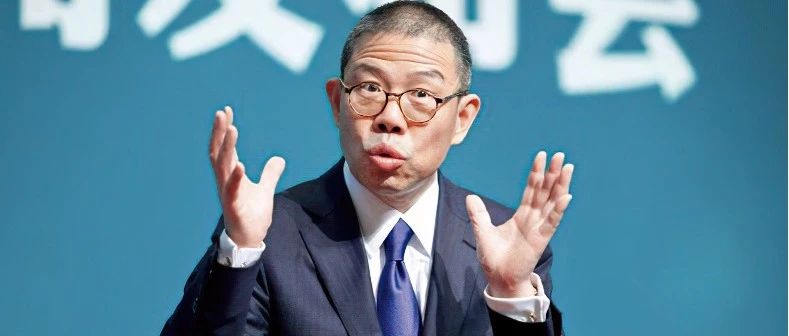
农夫山泉重回5000亿,“斗士”钟睒睒挺过来了?
阿尔法工场研究院· 2025-07-24 11:31
Core Viewpoint - Nongfu Spring has successfully regained its market value, returning to a pre-controversy level of approximately 500 billion HKD, with significant stock price recovery since April 2024 [5][6]. Market Performance - As of July 22, 2024, Nongfu Spring's stock price reached a new high of 45.8 HKD, with a total market value exceeding 510 billion HKD, marking a 42% increase since April 8, 2024 [5][6]. - The company's total revenue for 2024 was 42.896 billion CNY, showing a slight year-on-year growth of 0.54%, while net profit was 12.123 billion CNY, reflecting a minimal increase of 0.36% [10]. Leadership and Strategy - Chairman Zhong Shanshan has become more visible in the media, actively promoting Nongfu Spring's narrative and instilling confidence in the market [8][9]. - The company has faced significant challenges, particularly in its core bottled water segment, which saw a revenue decline of 21.3% in 2024, amounting to 15.952 billion CNY, down 4.31 billion CNY from the previous year [16]. Product Diversification - Nongfu Spring's tea beverage segment, particularly products like Dongfang Shuye, has shown strong growth, achieving 16.745 billion CNY in revenue in 2024, a 32.3% increase, and compensating for the decline in bottled water sales [17][18]. - The company has introduced new products, including carbonated tea drinks and collaborations with Sam's Club, aiming to capture new market segments [20][22]. Market Challenges - Despite maintaining the largest market share in bottled water, Nongfu Spring's market presence has been challenged by increased competition and a decline in sales volume, with a reported loss of 4.3 billion CNY in bottled water sales [16][12]. - The overall beverage market is experiencing heightened competition, with new entrants and changing consumer preferences impacting growth potential [24].

“马云密友”钱峰雷盯上稳定币,正式进军加密支付领域
阿尔法工场研究院· 2025-07-24 11:31
Core Viewpoint - Recently, Jingwei TianDi announced its entry into the cryptocurrency payment sector by launching the stablecoin platform "Fopay," which led to an 18% surge in the company's stock price. This move reflects the strategic ambitions of Zhejiang businessman Qian Fenglei, who is building a Web3 ecosystem and has become the largest shareholder of Jingwei TianDi [1][2][3]. Group 1: Company Developments - On July 21, Jingwei TianDi officially announced its entry into the cryptocurrency payment market and launched the mobile payment application "Fopay," which is based on stablecoin concepts and aims to provide a one-stop payment platform [2][4]. - The company has partnered with several licensed institutions to offer stablecoin custody and prepaid card payment services through "Fopay," which is expected to create more business opportunities for the company and its shareholders [4][5]. - Since its listing in January 2024, Jingwei TianDi's stock price has increased over fourfold, closing at 9.07 HKD per share with a market capitalization of 8.74 billion HKD [5][6]. Group 2: Strategic Investments - Qian Fenglei's investment firm, Hengfeng International, completed a $100 million financing round last year to build the Web3 ecosystem FO.COM, which includes the stablecoin payment platform "Fopay" as a key component [3][11]. - Qian Fenglei has invested over 1 billion HKD in Jingwei TianDi, increasing his shareholding to 29.9%, making him the largest shareholder [3][6]. - The strategic acquisition of shares in Jingwei TianDi aligns with Qian Fenglei's broader goal of establishing a Web3 ecosystem, indicating a significant shift in the company's business direction [6][7]. Group 3: Market Context - The stablecoin market is experiencing heightened interest, particularly following the successful IPO of Circle, which saw a nearly 170% increase on its first day of trading [13]. - The competition for stablecoin licenses is intensifying, with several companies, including Ant Group and JD.com, actively seeking to enter the market as regulations evolve [15][16]. - The upcoming implementation of Hong Kong's stablecoin regulations is expected to further fuel competition, as only a limited number of licenses will be issued, creating a "supply-demand" imbalance [15][17].

离场的“固收+”基金经理
阿尔法工场研究院· 2025-07-23 13:47
以下文章来源于阿尔法工场DeepFund ,作者基哥 阿尔法工场DeepFund . 专注基金行业事件、产品和人物故事,探究背后的深层逻辑。 7月17日,安信基金发布公告称,基金经理张翼飞卸任所管9只基金,并已因个人原因从公司离职。 同日,张翼飞在安信基金公众号发文表示,"在安信基金工作了13年,终于到了告别的时候",并透露 未来将继续从事资产管理行业。 至此,流传已久的张翼飞离职传闻终于尘埃落定。 关于其职业生涯下一站,业内人士普遍猜测是私募。 顶梁柱转身 作为安信基金的一员老将,张翼飞早在2012年便加盟安信基金,任职长达13年之久。 那时的安信基金才刚刚成立不久,张翼飞从固定收益部研究员起步,逐步成长为公司的核心投资人 物。他历任固定收益部基金经理、混合资产投资部总经理、公司总经理助理、副总经理等职务,并于 去年担任公司首席投资官。 在安信基金任职期间,张翼飞累计管理过34只基金,覆盖货币型、债券型、灵活配置型等多种类型的 产品,其巅峰时期管理规模达到644亿,约占同期公司总规模的一半,也因此被外界视为安信基金的 顶梁柱。 可以说,他见证了公司的成长,公司也在他的成长中发展壮大。 导 语:公募明星 基金 ...

大行科工上市前分红超6000万,“折叠车之父”分了多少?
阿尔法工场研究院· 2025-07-23 13:47
Core Viewpoint - The article discusses the rising trend of cycling, particularly folding bicycles, driven by increased health awareness and environmental consciousness. It highlights the ongoing IPO process of Dahon Technology (Shenzhen) Co., Ltd. and raises concerns about its high dividend payouts amidst production capacity challenges and reliance on outsourcing [1][3][4]. Group 1: Company Overview - Dahon Technology is accelerating its IPO process in Hong Kong, having submitted its application to the China Securities Regulatory Commission and updated its prospectus [1]. - The company has a highly concentrated ownership structure, with founder Han Dewei controlling 90.16% of the shares, raising concerns about potential asset transfer through high dividend payouts [3][4]. Group 2: Financial Performance - Dahon Technology has distributed over 61.5 million yuan in dividends from December 2022 to April 2025, including a recent 20 million yuan payout [3]. - The company's cash and cash equivalents decreased from approximately 102 million yuan at the end of 2024 to about 59.02 million yuan by April 2025, indicating cash flow pressure due to high dividend payments [7]. Group 3: Production Capacity and Outsourcing - Dahon Technology's production capacity is heavily reliant on outsourcing, with only 90,000 units produced at its factory in Huizhou, while actual sales reached 175,200 units in the first three quarters of 2024 [4][14]. - The company plans to expand its production capacity by 200,000 units through IPO fundraising, but the new factory is not expected to be operational until 2027 [10][11]. Group 4: Market Dynamics - The global folding bicycle market has seen significant growth, with a market size increasing from 8.3 billion yuan in 2018 to 16.8 billion yuan in 2023, reflecting a compound annual growth rate of 15.2% [11]. - Dahon Technology holds a 26.3% market share in the highly concentrated Chinese folding bicycle market, which is dominated by five major companies [14]. Group 5: Challenges and Risks - The company faces challenges in maintaining quality control due to its reliance on five independent OEM suppliers, leading to increased outsourcing costs and quality complaints [13][16]. - Dahon Technology's R&D spending has been significantly lower than its dividend payouts, raising concerns about its long-term competitiveness [6][7].

李嘉诚要把广东的房子卖给香港人
阿尔法工场研究院· 2025-07-23 13:47
Core Viewpoint - After hoarding land for over 20 years, Li Ka-shing's family is now selling properties in the Greater Bay Area, targeting Hong Kong buyers with attractive pricing and living options [2][15][41]. Group 1: Property Launch and Pricing - Longfor Group has launched a property plan called "Greater Bay Area Dual Residence Life," offering four projects in mainland China, totaling 400 units for sale to Hong Kong citizens [3][4]. - The properties are located in Guangdong Province, close to Hong Kong, with prices ranging from 400,000 to 8 million yuan, catering to both first-time buyers and those looking to upgrade [5][6]. - The cheapest option is the Huizhou Longpu Garden, with a usable area of approximately 51 square meters priced around 400,000 yuan, while the most expensive is the Dongguan Haiyi Villa, with a usable area of about 307 square meters priced between 7 million and 8 million yuan [7][8]. Group 2: Marketing Strategy - A senior executive from Longfor Group encouraged Hong Kong citizens to buy properties in mainland China, highlighting that prices in the Greater Bay Area are only one-fifth to one-tenth of those in Hong Kong [9][12]. - The marketing emphasizes the benefits of owning a second home in the Greater Bay Area, promoting a new lifestyle that combines opportunities in Hong Kong with the advantages of living in the Bay Area [10][14]. Group 3: Historical Context and Sales Strategy - Despite a sluggish mainland property market, the Li Ka-shing family appears to be accelerating their sales strategy, as evidenced by the discounted prices of properties like Dongguan Haiyi Villa, which had previously been marked down significantly [15][16][39]. - The Haiyi Villa project, which has been in development since 1999, has seen slow progress, with only half of the land developed after 15 years, leading to significant land idle fees imposed by local authorities [26][33]. Group 4: Financial Implications - Longfor Group's strategy of land hoarding has proven profitable, as even with price reductions, the cost of land acquisition remains low compared to current market prices [24][36]. - The company has maintained a low leverage ratio of 4%, indicating strong financial health and the ability to navigate the current market conditions without immediate financial strain [40].

医美并购的“朗姿教训”
阿尔法工场研究院· 2025-07-23 13:47
Core Viewpoint - Langzi Co., Ltd. relies on capital-driven growth and rapid mergers and acquisitions to form a chain scale, neglecting the core of the medical beauty industry, which is "doctors and services" [1][30]. Financial Performance - Langzi Co., Ltd. reported a projected net profit of 220 million to 260 million yuan for the first half of 2025, representing a year-on-year growth of 31.74% to 55.69% [3][4]. - However, after excluding a 160 million yuan investment gain from the sale of Ruoyuchen, the actual operating net profit dropped to 90 million to 130 million yuan, a decline of 35.68% to 7.09% year-on-year [6][4]. - The first quarter of 2025 showed a decline in revenue, net profit, and cash flow from operating activities, indicating a downward trend [6][7]. Medical Aesthetics Business Challenges - The medical aesthetics segment, which was expected to be a new growth engine, has underperformed, with revenue and gross profit decreasing by 9.22% and 8.58% respectively in Q1 2025 [11][8]. - The gross profit margin of the medical aesthetics business is 55.05%, significantly lower than the traditional apparel and children's products segments, which have margins of 64.51% and 62.28% respectively [11][8]. - Among the seven medical aesthetics brands under Langzi, only the Jingfu Medical Beauty brand achieved positive growth in Q1 2025, while the other six brands experienced revenue and profit declines [13][11]. Industry Dynamics - The medical aesthetics industry has a complex value structure, with upstream pharmaceutical and equipment manufacturers capturing 50%-70% of the profits, while downstream service providers only retain 10%-25% [16][15]. - Operating a medical aesthetics institution is capital-intensive, requiring significant investment in equipment and facilities, with depreciation periods of 5-10 years [17][16]. - The industry faces increasing competition, with the number of specialized medical aesthetics institutions in China reaching 21,000 in January 2025, an increase of approximately 2,400 from the previous year [21][20]. Strategic Decisions and Market Trends - Despite the challenges, Langzi continues to invest in medical aesthetics, viewing it as a low-resistance entry point into the sector with high valuation potential [23][22]. - The medical aesthetics market in China has seen a compound annual growth rate of over 20% from 2011 to 2019, attracting significant capital investment [24][23]. - Langzi's strategy of rapid acquisitions in the medical aesthetics sector has not translated into sustainable growth, as the industry is moving towards a more decentralized model focused on individual practitioners and boutique institutions [30][29]. Conclusion - The fundamental conflict between capital-driven expansion and the intrinsic nature of the medical aesthetics industry may be the root cause of Langzi's current challenges [31][30].


泰国“富四代”68亿收购礼新医药,创新药最大并购纪录诞生
阿尔法工场研究院· 2025-07-22 11:53
Core Viewpoint - The acquisition of Lixin Pharmaceutical by China Biologic Pharmaceutical marks a significant milestone in the domestic innovative drug sector, with a transaction value of up to $9.51 billion (approximately 68.22 billion RMB), creating the largest merger record in this field for 2025 [2][25]. Group 1: Acquisition Details - China Biologic Pharmaceutical announced the acquisition of 95.09% of Lixin Pharmaceutical's shares for a maximum consideration of $9.51 billion, with a net payment of approximately $5.01 billion after accounting for Lixin's cash reserves of about $4.5 billion [2][9]. - The acquisition was completed in about two months, highlighting the strong collaboration between the two companies, particularly in the development of the LM-108 project [8][18]. - Lixin Pharmaceutical was founded in 2019 by Dr. Qin Ying and has attracted significant investment from various venture capital firms, providing a valuable exit opportunity for its investors [4][20]. Group 2: Leadership and Strategic Vision - The acquisition was led by 90s-born chairperson Xie Qirun, a member of the Charoen Pokphand Group, who has been instrumental in the strategic planning and international operations of China Biologic Pharmaceutical [12][13]. - Xie expressed that the core value of the acquisition lies in the integration of innovative drug development capabilities with industrialization, aiming for a synergistic effect that exceeds the sum of its parts [18]. Group 3: Market Context and Future Outlook - The acquisition reflects a broader trend in the pharmaceutical industry, where domestic companies are increasingly engaging in mergers and acquisitions, moving away from reliance on foreign giants [34]. - The innovative drug sector has seen a resurgence, with several companies experiencing significant stock price increases and successful IPOs, indicating a favorable market environment for biotech investments [28][33]. - The successful merger of China Biologic Pharmaceutical and Lixin Pharmaceutical signals a potential turning point for domestic biotech firms, suggesting that the industry may be entering a new growth phase [35].